Lime Blossom Honey: Characteristics and Properties
    3Bee approachTerritoriesLindenFeatures

    Lime Blossom Honey: Characteristics and Properties

    At 3Bee, honey is a symbol of the hard work of pollination performed by bees and the realisation of their contribution to the ecosystem. Our projects support biodiversity and through our growers ensure a healthy environment for pollinators.

    Read the article
    11/06/2018Of 3Bee, Elena Fraccaro
    6038 Views
    11/06/2018Of 3Bee, Elena Fraccaro
    6038 Views

    3Bee's approach to biodiversity protection
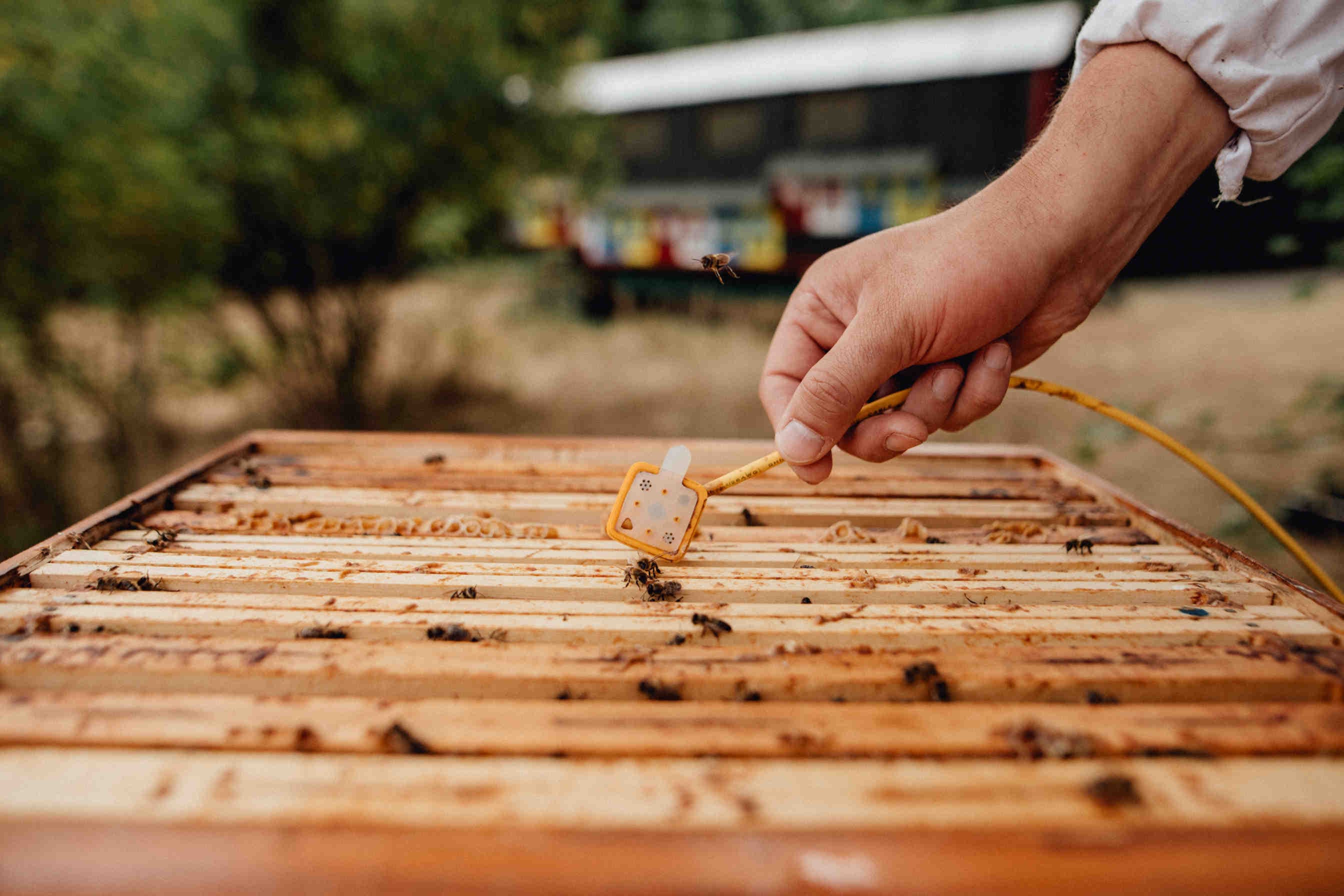
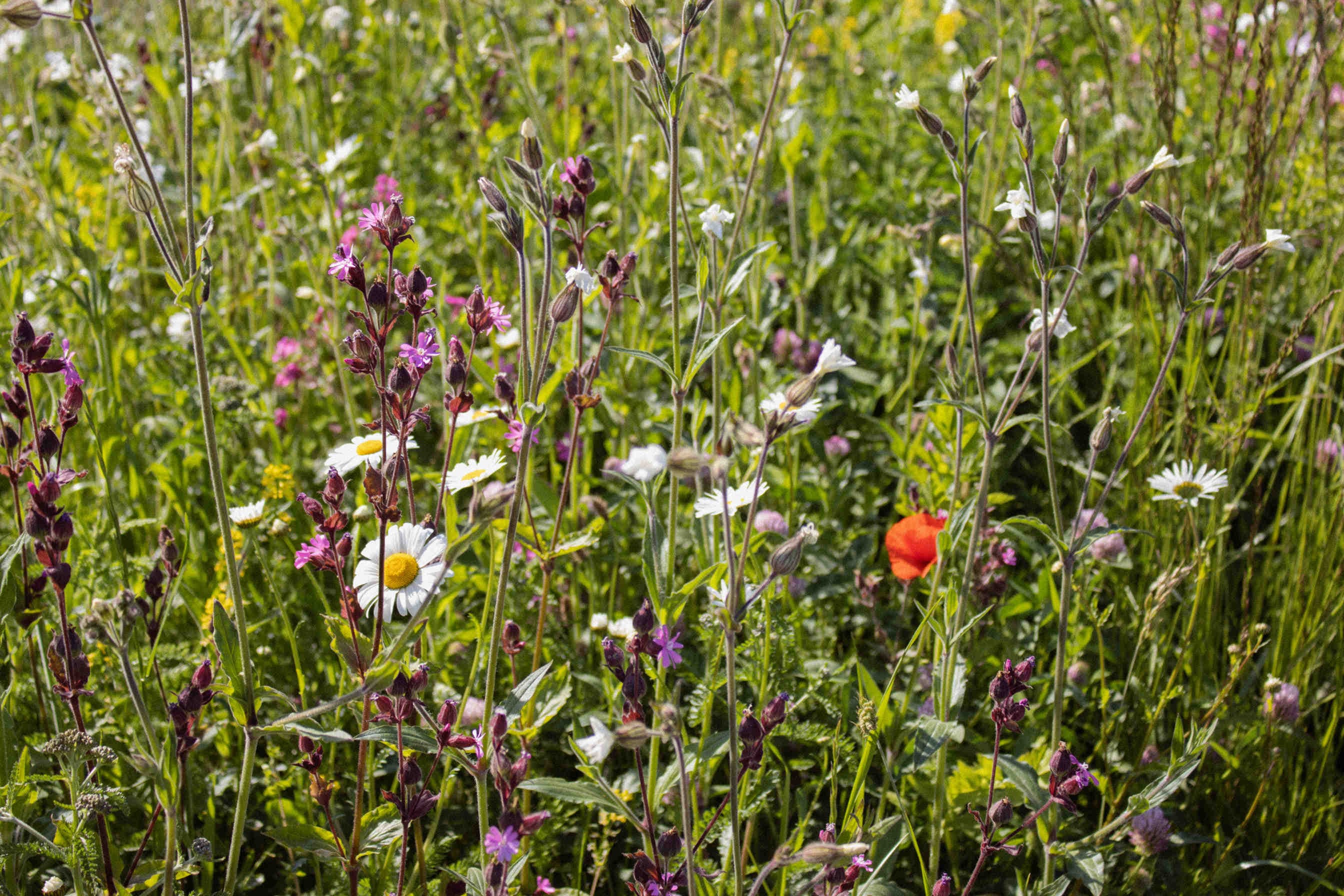
    3Bee is the Nature Tech company that develops technologies for the protection of biodiversity. 3Bee Hive-Tech is 3Bee's first system for analysing the health and 'starvation' status of honeybees, environmental protectors par excellence. Over time, we have developed other technologies to study and monitor all the pollinating insects and created more than 200 Oases of Biodiversity with thousands of nectariferous plants to provide them with nourishment. Thus, we want to create a virtuous circle: our beekeepers are transformed by necessity into Oasis growers and promoters of environmental biodiversity. We do not encourage massive production and intensive breeding, which have a negative impact on biodiversity and pollinators. We do, however, recognise the value of honey as a valuable symbol of the biodiversity of an environment and a tool for disseminating the commitment and protection of an area, to be consumed sparingly and with respect for the life cycle of these insects.

    3Bee Hive-Tech

    Lime tree honey: where does it come from?

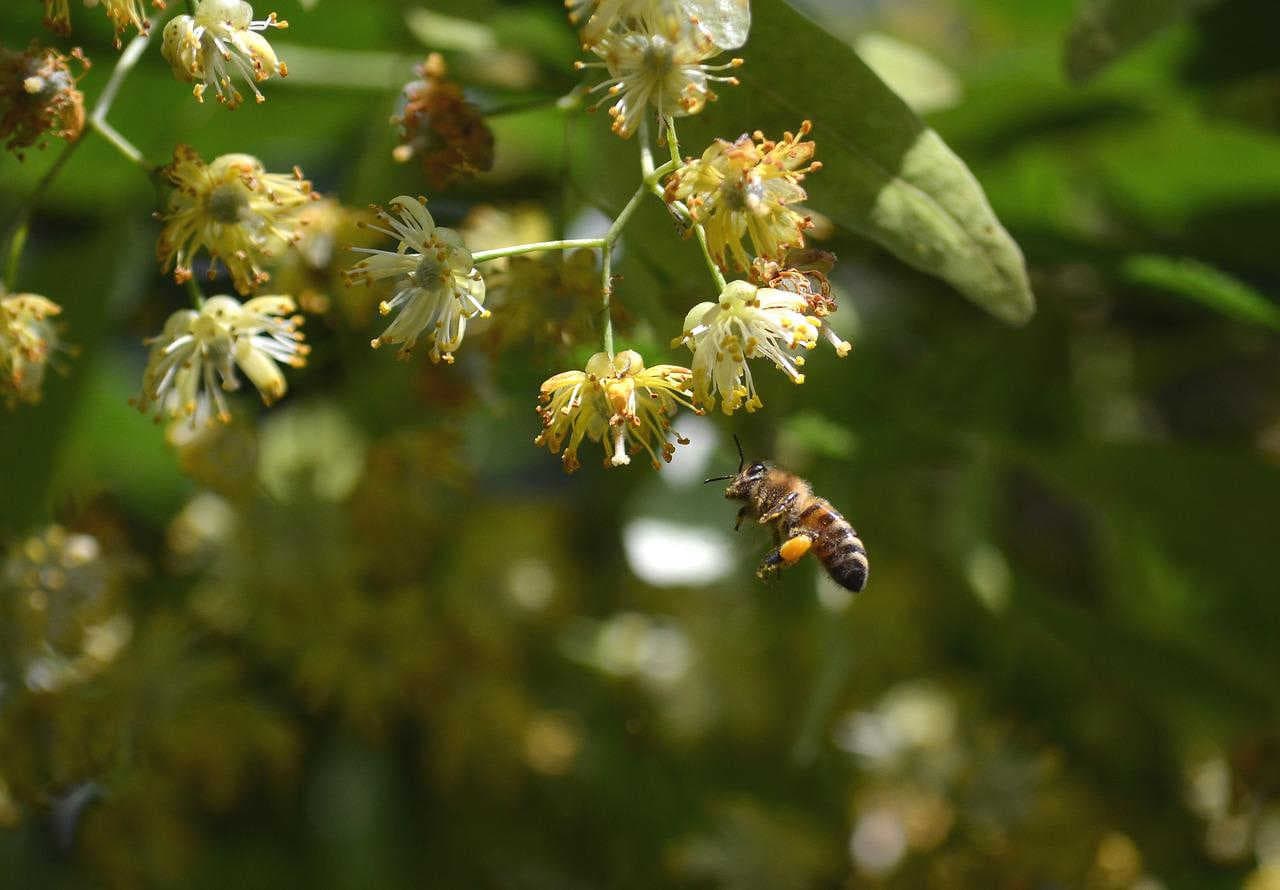
    It is obtained from the flowers of the plant of the same name, which is widespread in our peninsula, especially in the Alpine Arc, up to 1500 metres, and in the Plane Padana. Precisely in these areas, especially in the Piedmont region, it is possible to obtain monofloral linden honey, although the risk of contamination with chestnut is still very frequent. Its flowering period is from May to July. It represents a very important nectariferous source for bees, while the contribution in terms of pollen is almost irrelevant.
    Lime tree honey: where does it come from?
    XNatura

    Lime tree honey: the plant from which it is derived

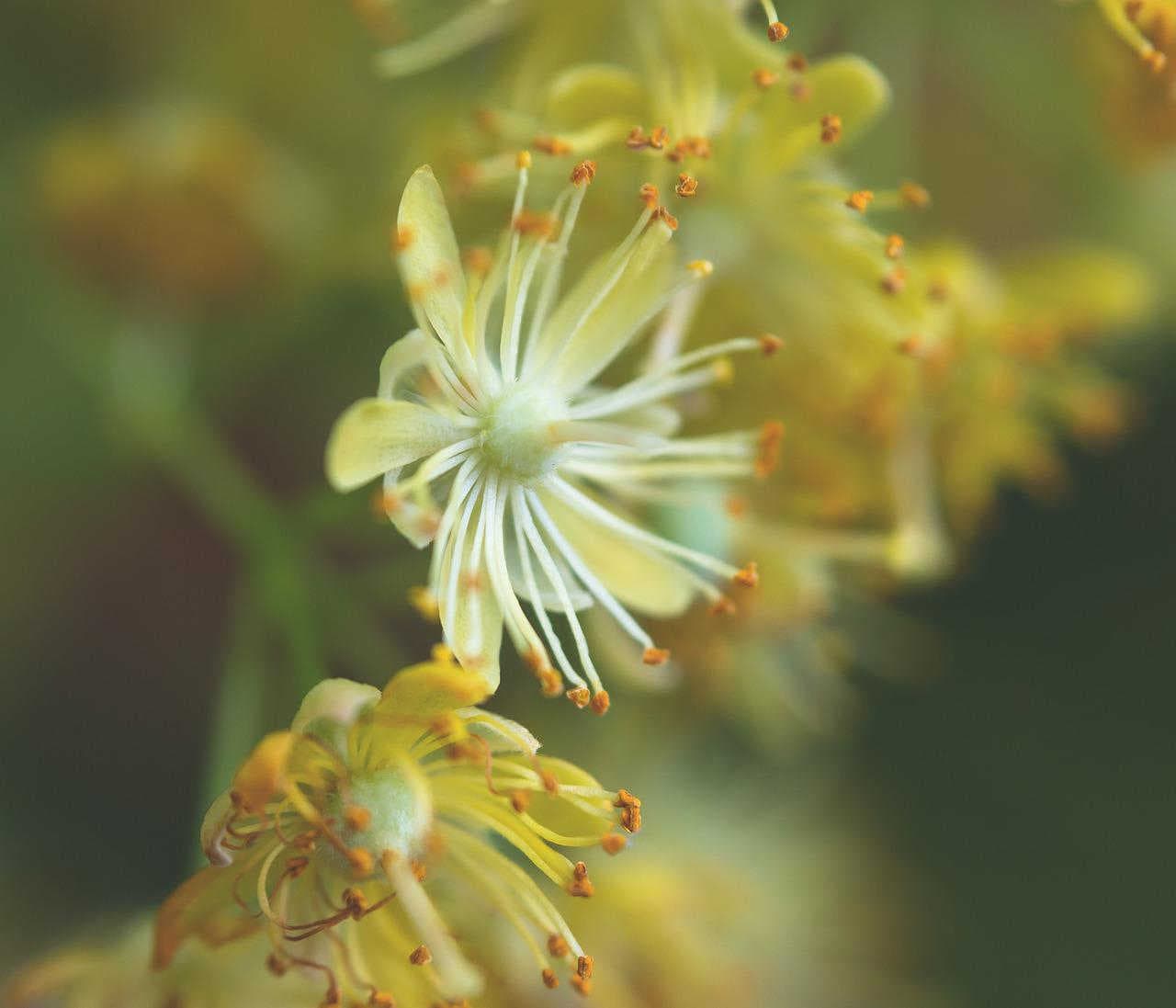
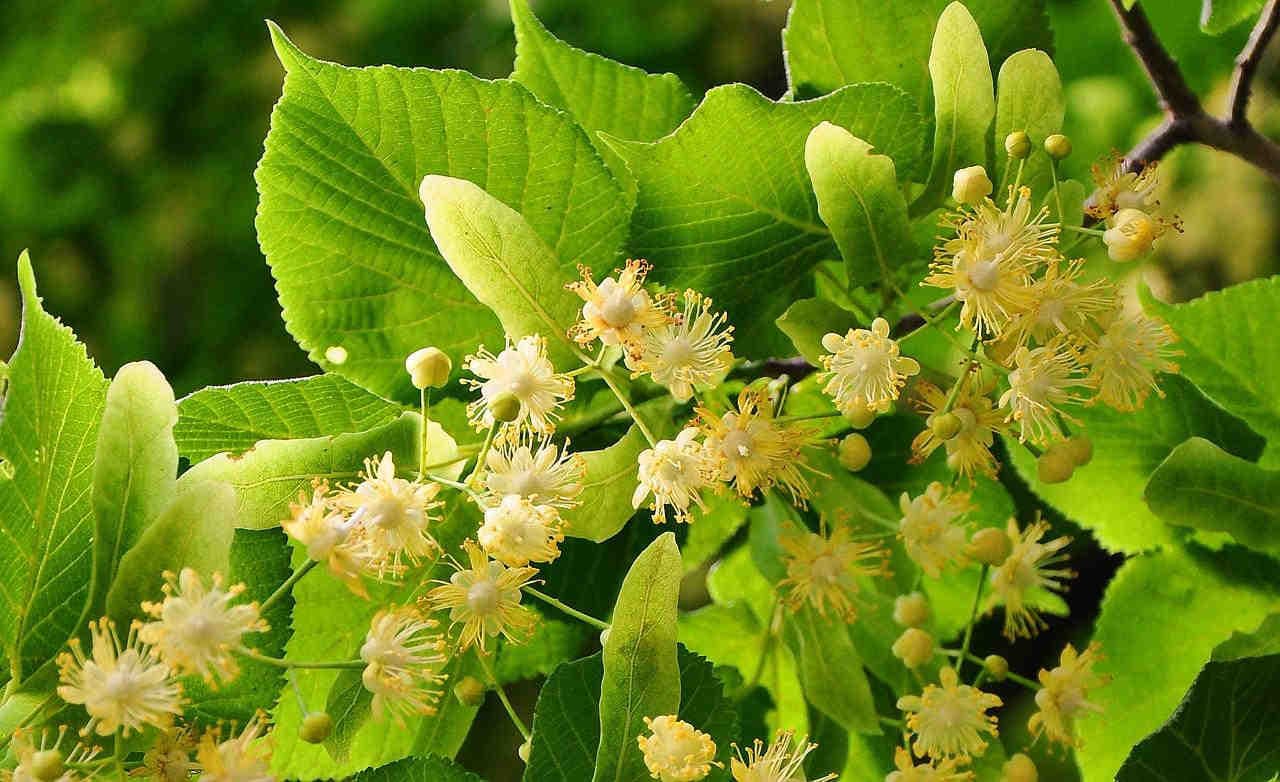
    The linden is a member of the Tiliaceae family and can be found both in its 'wild' version (Tilia Cordata) and as an ornamental tree (Tilia Platyphyllos and Tilia americana), which is very common in parks, gardens, avenues and hilly terrain. It is a very long-lived plant, living on average over 250 years, but there are many even older specimens. One example is the famous lime tree in Glouchestershire, Great Britain, which has been estimated to be over 2000 years old. Without going too far, however, it is worth mentioning that we in Italy can also boast a centenarian lime tree. More precisely, this plant is found near Macugnaga, in Piedmont, and its age is estimated to be around 800 years. The linden tree can also reach considerable heights, from 20 to 40 metres, and is easily recognised thanks to its typical yellowish-white flowers with their intense and pleasant scent.

    Lime tree honey: the plant from which it is derived

    Lime tree honey: characteristics

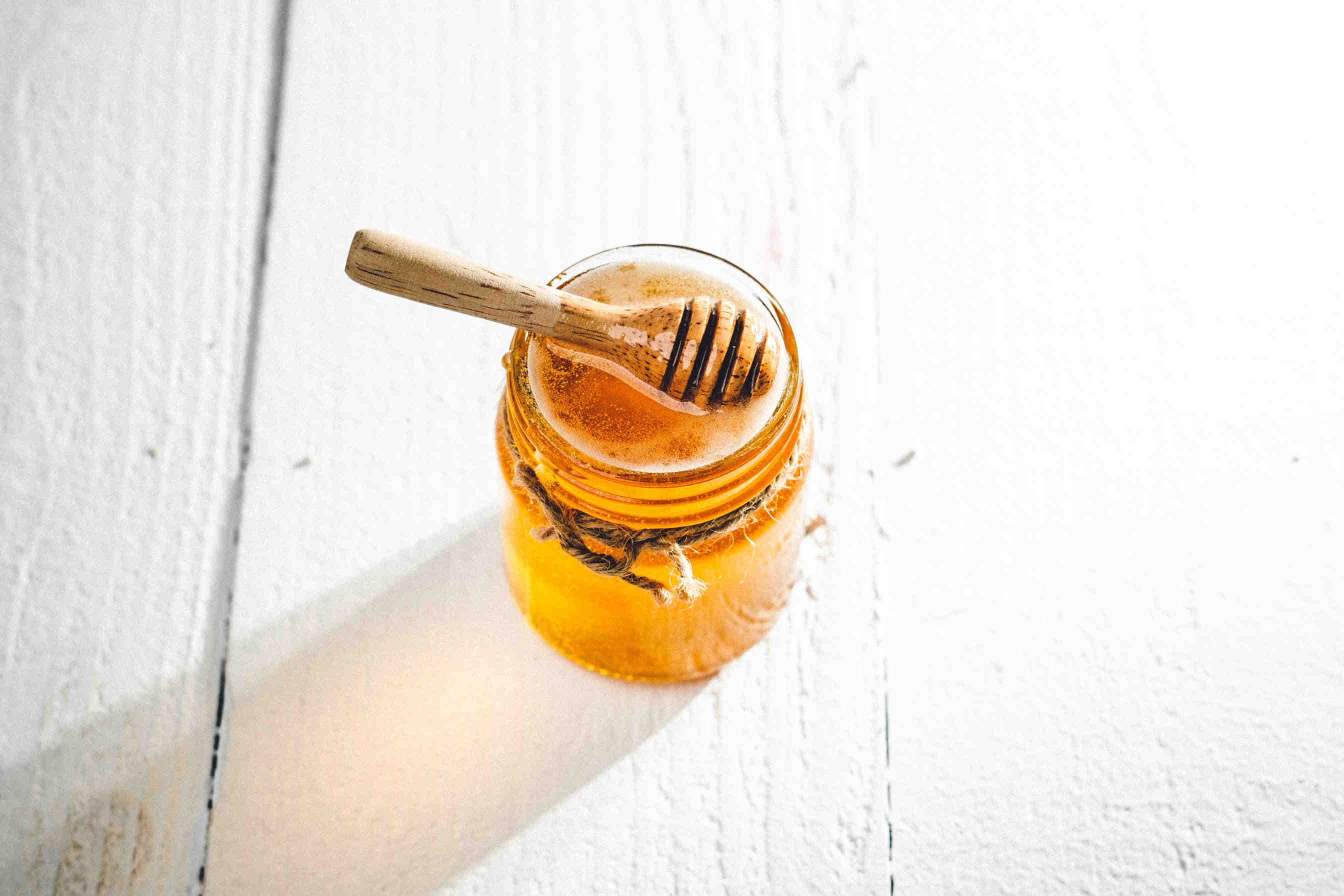
    Lime honey presents itself in a rather light, amber-coloured colour, with also yellowish-green hues in its purest varieties. Like all types of honey, it naturally tends tocrystallise, although for linden it is a rather slow process. Once crystallised, lime honey turns an ivory-white colour. To the taste, it yields a fresh, sweet, aromatic flavour reminiscent of mountain herbs and mint, while retaining a certain intensity and persistence. It can often be found in less pure varieties, with the presence of honeydew, chestnut or even ailanthus in it, which modify its colour and aroma.
    Lime tree honey: characteristics
    XNatura

    Lime tree honey: The properties

    The properties of linden honey are numerous and derive from the extraordinary characteristics of the plant from whose flowers bees collect nectar. In addition to the normal anti-inflammatory, anti-bacterial and anti-oxidant action that it shares with other types of honey, linden honey also has special characteristics that make it a very versatile honey that is appreciated by many. It acts as a true anti-spasmodic, calming the nervous system, and is often used as a soothing agent to counteract states of anxiety and the resulting disorders. It is suitable for those suffering from insomnia and also has anti-pyretic properties and helps to purify the body. It is also recommended for those suffering from digestive, cardiac and circulatory problems, helping to prevent heart attacks and thrombosis thanks to the presence of potassium and vitamins such as beta-carotene, vitamin K, B and E.

    Lime tree honey: The properties
    3Bee

    Linden honey: intake and where to find it

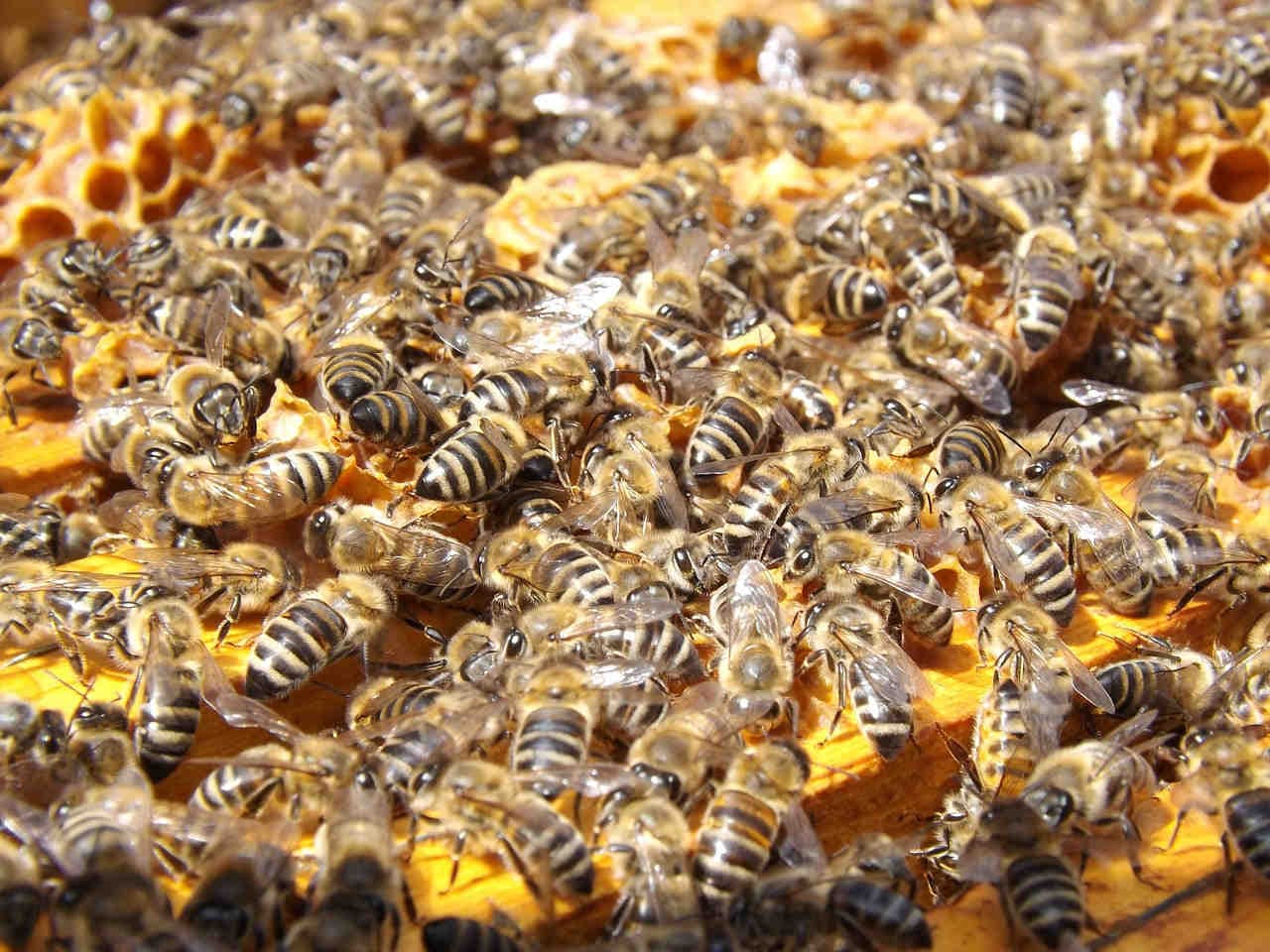
    As with all other types of honey, it is always recommended to consume raw honey, not subjected to any kind of industrial processing or adulteration. Processes such as pasteurisation deprive honey of all its beneficial properties. For this reason, it is good practice to choose a locally produced honey, perhaps from your trusted beekeeper, whose origin is safe and controlled. Choosing a quality product is the first step to really enjoy all the benefits this fantastic food has to offer. If you too want to opt for a 100% Italian honey, of quality and whose origin is always controlled, discover how 3Bee can help you: choose to adopt a beehive and receive the honey produced directly to your home. You can conveniently check from your PC or APP how your bees are doing, whether they are producing or not. Check out our adoption plan .
    Linden honey: intake and where to find it

    Lime tree honey: characteristics

    Lime honey is a delicate and aromatic honey produced by bees that feed mainly on lime flowers. This honey has a light golden colour and a sweet flavour with a delicate linden blossom aroma. Lime tree honey is prized for its natural sweetness and fluid consistency, making it perfect for use as a sweetener in teas, herbal teas and other beverages. Lime honey can also be used as an ingredient in cooking recipes, where its delicate and aromatic flavour can provide a unique touch of sweetness.

    How to recognise lime honey by its scent?

    Lime honey's fragrance is less intense than other types of honey, but its delicate flavour and aroma make it a valuable ingredient. Besides its fine taste, linden honey also has some healthy properties. Due to the presence of flavonoids and other bioactive compounds, linden honey can help reduce stress and promote sleep, making it a useful natural remedy for people suffering from sleep disorders. Linden honey can also help improve immune function and reduce inflammation due to its antibacterial and antioxidant properties. This honey can be used to treat respiratory ailments such as bronchitis and colds due to its expectorant properties.

    The importance of honey

    The information contained in this blog concerns the importance of honey as the fruit of the indefatigable work of bees that transforms the collected nectar (including extra-floral nectar and honeydew) into a precious food product that encompasses the biodiversity with all the countless facets present in the hive's surroundings. On an environmental level, honey is the symbol of the bee's pollination activity, flying from flower to flower to collect nectar and, in so doing, transporting the pollen, becoming the vector for the pollination and reproduction of tens of thousands of plant species. Honey is still a little-known product, often devalued in its quality or sold as a panacea for all ills. Like all foods, however, it must be consumed with moderation and care as it contains a high content of simple sugars. But it is not in its basic values that its most important quality lies.
    oasi della biodiversità 3bee

    Importance for the environment

    The aim of this blog is to promote and disseminate a deeper understanding of the crucial role of bees for the safeguarding of our ecosystem and for the continuation of scientific research directed towards the identification of more sustainable agricultural practices aiming at the regeneration of entire areas. The choice of honey goes far beyond what is written on the label. The true value of honey is linked to its method of production, whether it respects bees and the ecosystems they inhabit. Favouring non-intensive beekeeping practices and promoting the best actions to support the health of the hive are the cornerstones of our activity. The beekeeper for us is not a breeder, but a true "Grower": he cultivates, cares for and feeds true oases of biodiversity, paying attention not only to bees, but also to ecosystems and their balance.
    biodiversità
    11/06/2018Of 3Bee, Elena Fraccaro
    6038 Views
    Newsletter
    newsletter
    Subscribe to the Blog about bees and biodiversity