Jasmine: everything you need to know
    JasmineSpreadRoleNight plant

    Jasmine: everything you need to know

    Jasmine (Jasminum) is a genus of plants in the Oleaceae family, known for its fragrant flowers and numerous varieties. Originally from the temperate and subtropical regions of Asia and Africa, it was introduced to Europe and spread globally. Learn more in this article.

    Read the article
    11/01/2025Of 3Bee, Lisa Santillo
    1798 Views
    11/01/2025Of 3Bee, Lisa Santillo
    1798 Views

    Jasmine: characteristics and varieties

    Disclaimer: this is an automated translation from Italian. Go to the original article.

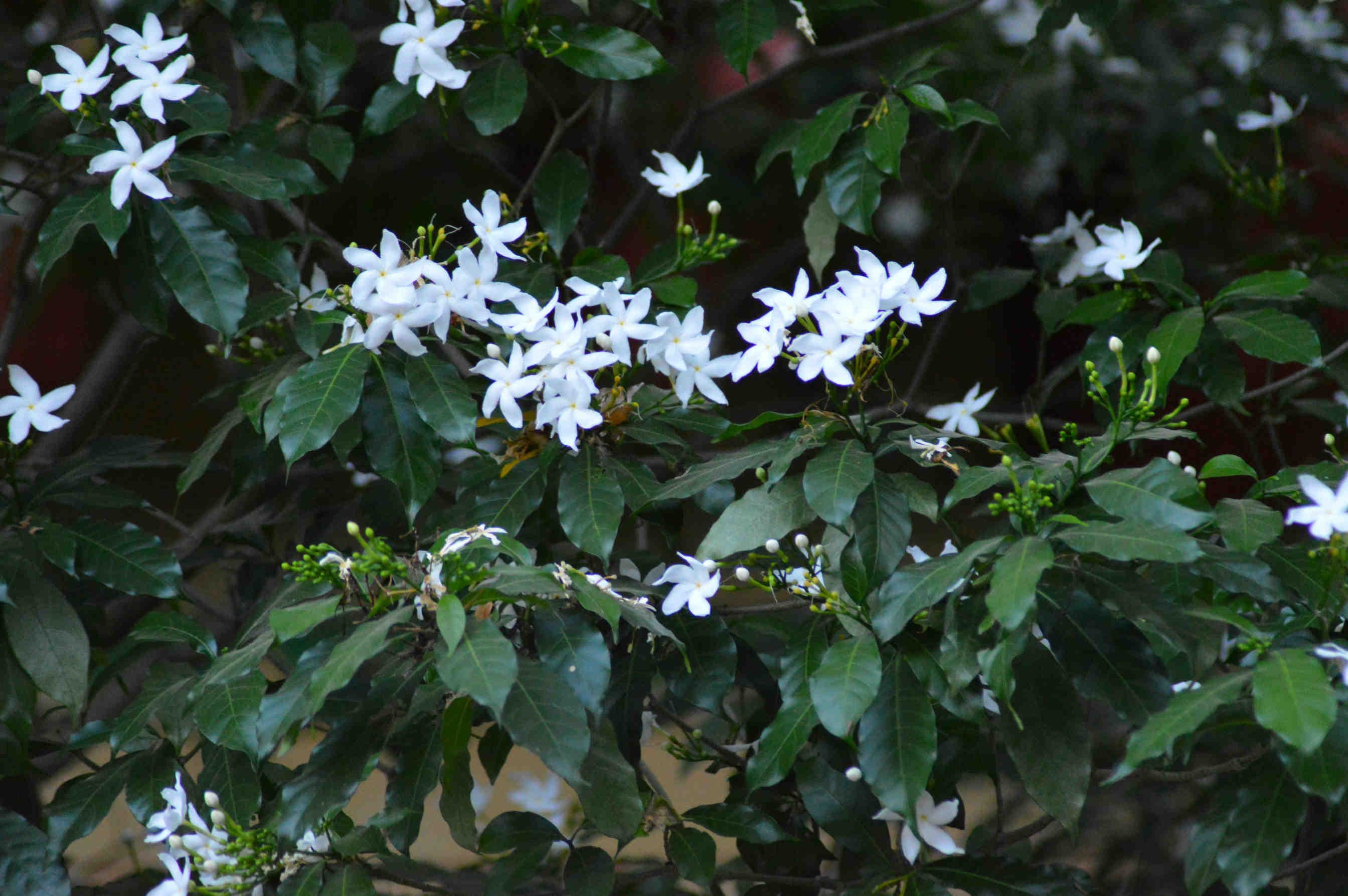
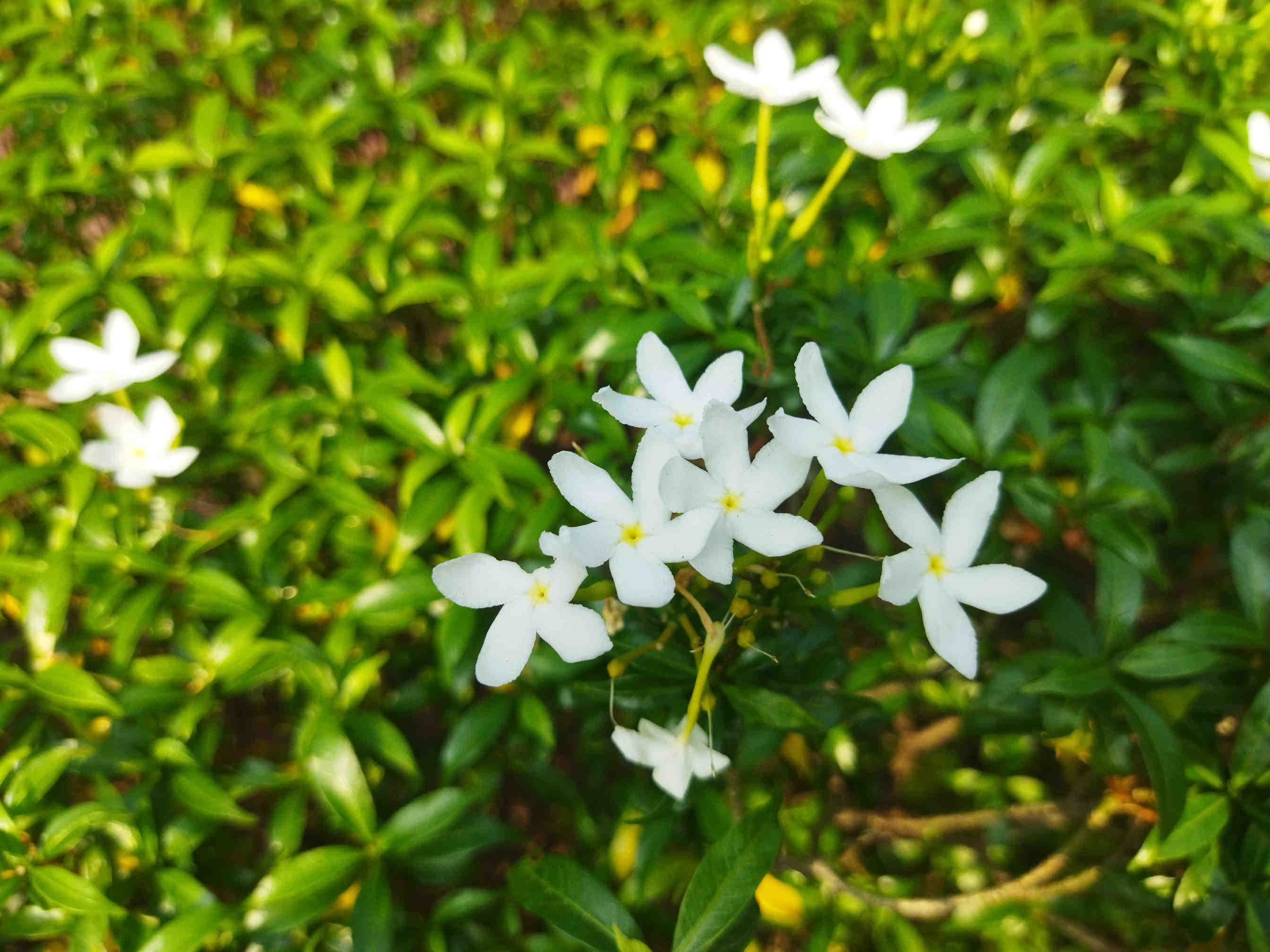
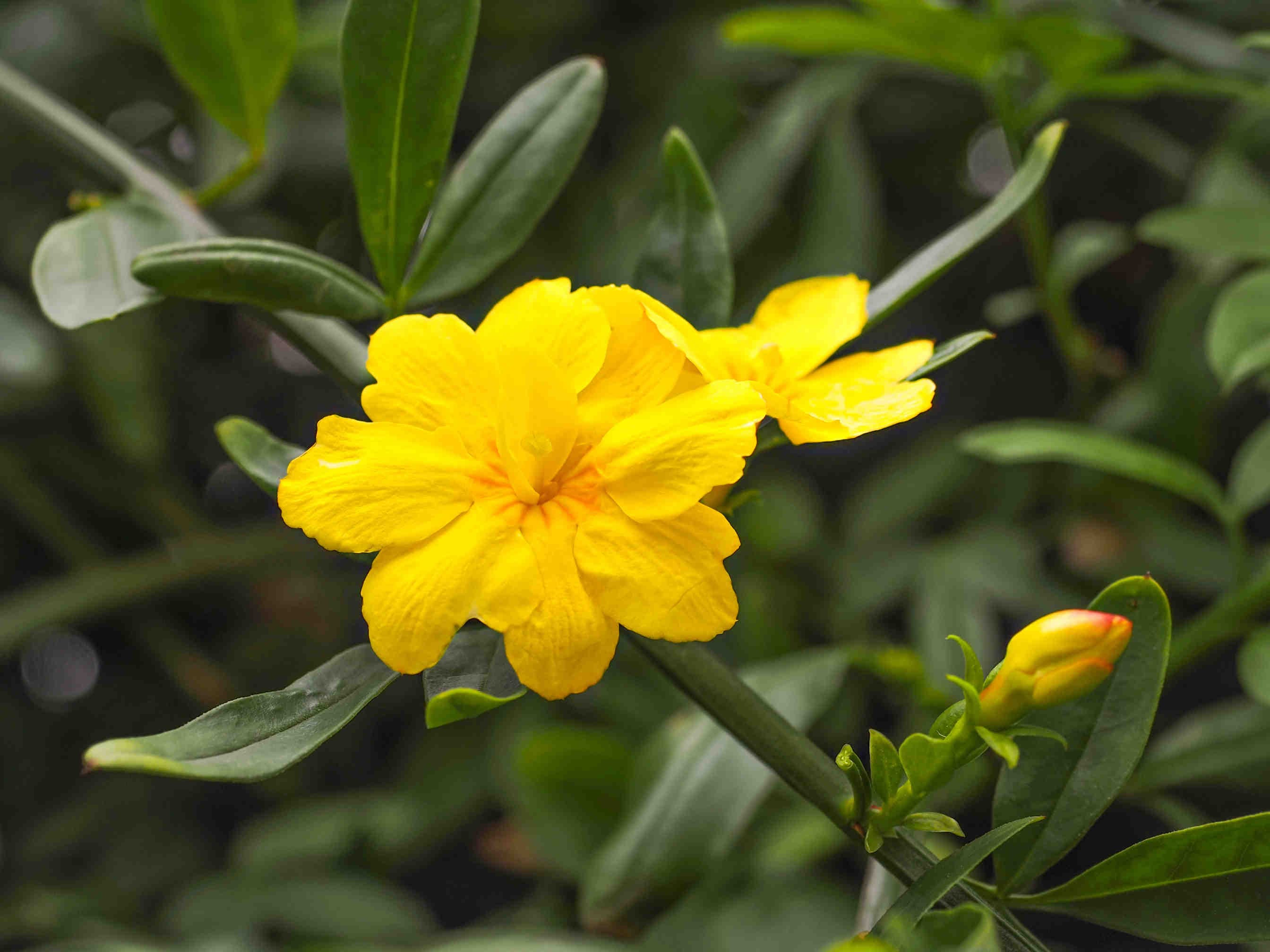
    The jasmine (Jasminum) is a genus that includes about 200 species of plants belonging to the Oleaceae family. Characterized by fragrant flowers, this plant can be shrubby or climbing and is highly valued for its ornamental appearance. The most common varieties have white, yellow, or pink flowers, with blossoms mainly occurring in spring and summer, although some hardier varieties can also bloom in winter. Among the most widespread species, Jasminum officinale, also known as common jasmine, is the best known. Other popular varieties include Jasminum sambac, known for its white flowers and intense fragrance, and Jasminum nudiflorum, which blooms during winter with bright yellow flowers.
    gelsomino fiore

    Jasmine: origins and spread

    The jasmine is not native to Europe, but to the temperate and subtropical regions of Asia and Africa. The first traces of the plant are found in ancient Persia and the surrounding areas, from where it spread through trade routes and cultural exchanges. Jasmine arrived in Europe thanks to exchanges with the Middle East and India and quickly adapted to Mediterranean climates. In Italy, for example, jasmine has become an iconic garden plant, but despite its spread, it remains a non-native species that was introduced long after the area was colonized by local flora.

    gelsomino bianco
    XNatura

    Jasmine: its role in nature

    Even though jasmine is not native to many of the areas where it is found, it plays an important role as it is able to attract a variety of pollinating insects, such as bees, bumblebees, and butterflies, thanks to its rich nectar and flower color. However, it is necessary to monitor its spread because some species of jasmine, if left unchecked, could compete with native flora, altering local ecological balances. The plant is, therefore, an example of how a non-native species can be integrated into urban and natural environments, while still presenting potential risks to biodiversity.
    gelsomino pianta notturna

    Jasmine as a "night" plant

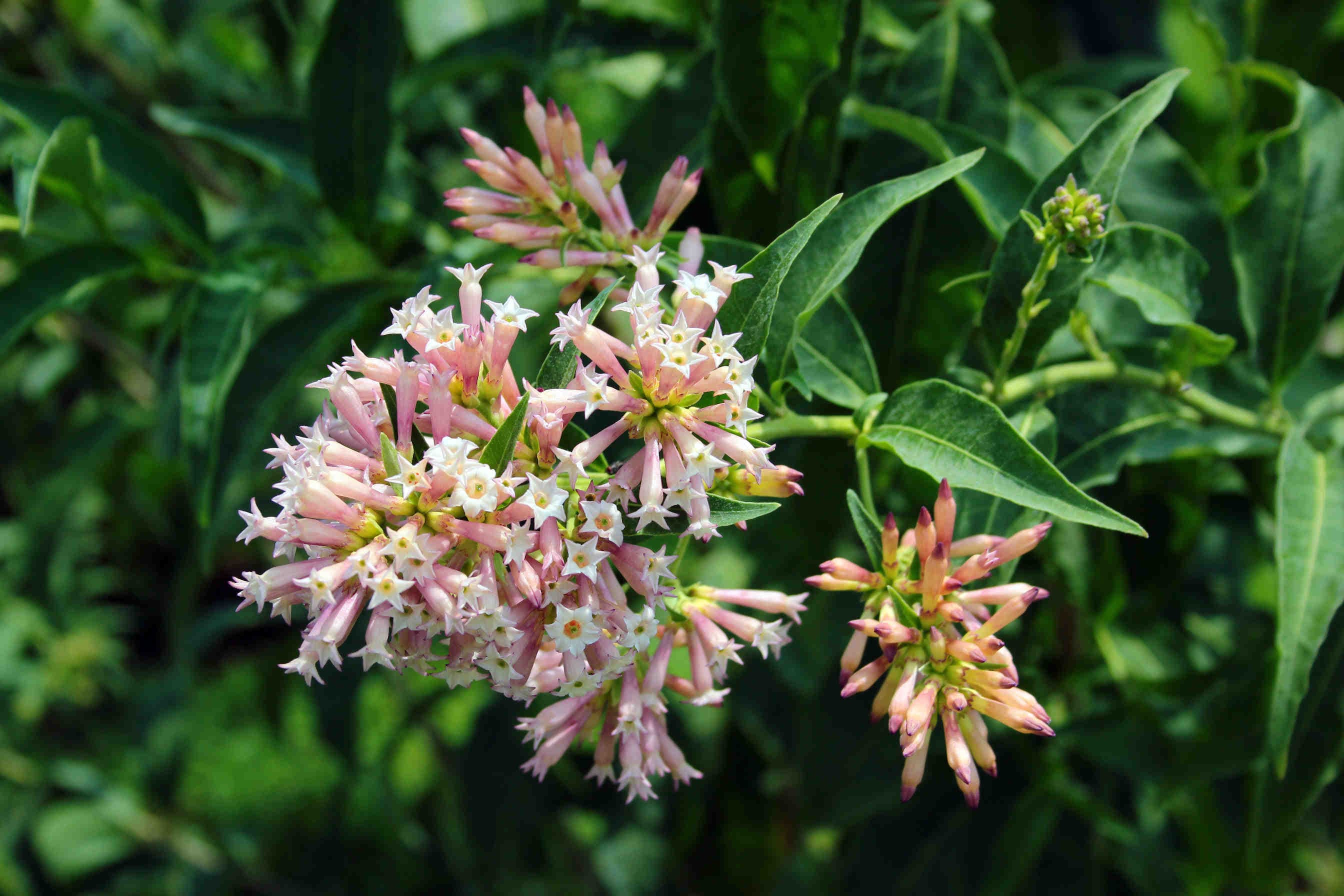
    An intriguing curiosity about jasmine concerns its nocturnal behavior. Some species of jasmine, such as Jasminum nocturnum, bloom predominantly at night, spreading an even more intense fragrance in the evening hours. This behavior is linked to a nocturnal pollination strategy, which mainly attracts moths and other nocturnal insects. The fragrance of jasmine, which intensifies during the night, is one of the reasons why it is considered one of the most intoxicating scents in the world.
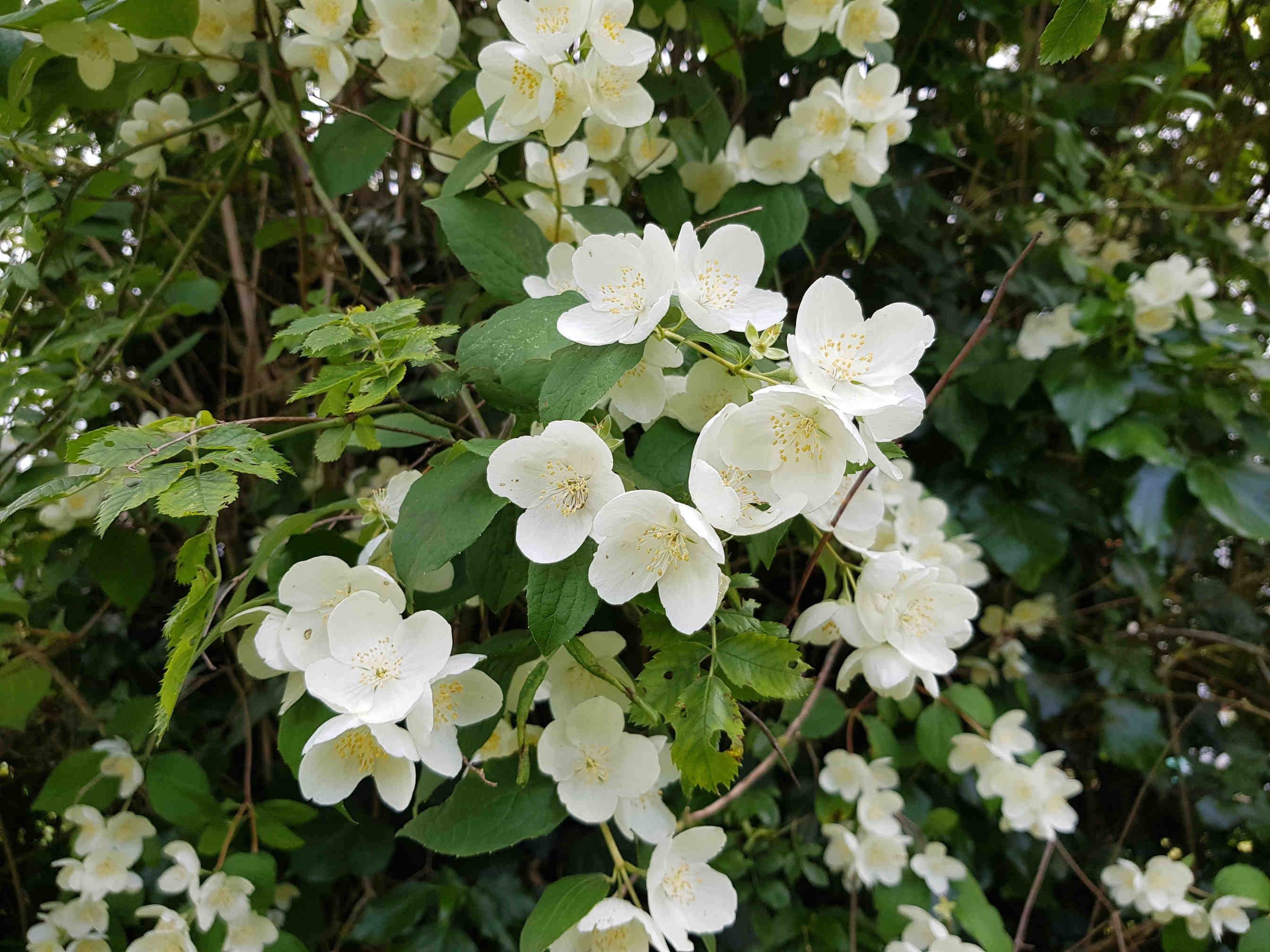

    Jasminum officinale
    XNatura

    Jasmine: symbolism and meaning

    The jasmine is a plant that has taken on various symbolic meanings over the centuries. In many cultures, it is associated with concepts of love, beauty, and purity. In particular, white jasmine is a symbol of elegance and femininity, while in other traditions, such as the Arab one, it represents secrets and mysteries, often linked to rituals and ceremonies. Its fragrance is so powerful that it has become a central element in the high-class perfumery industry, and it is used to create fragrances that evoke a sense of luxury and sophistication. In different cultures, jasmine flowers are also used in festivals and celebrations, as a symbol of renewal and hope.
    app biodiversa utilizzo
    3Bee

    Biodiversa: the 3Bee game app to monitor biodiversity

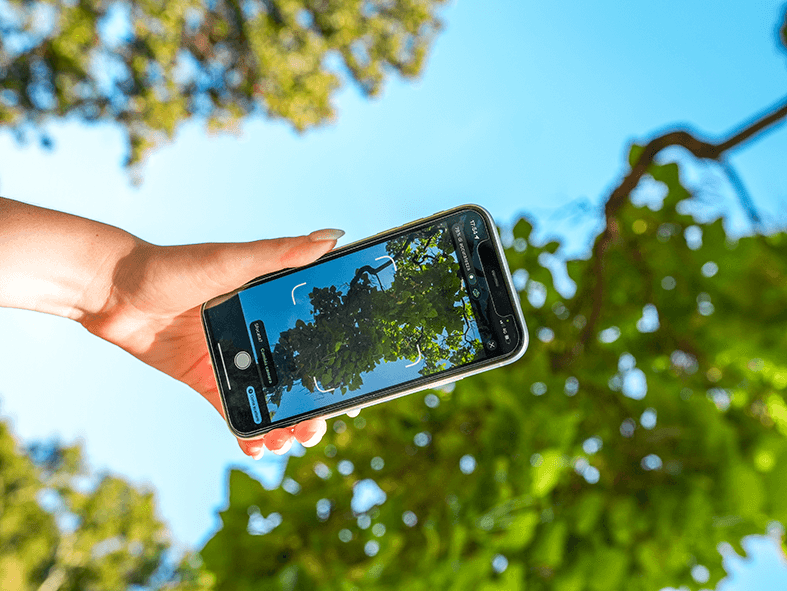
    Biodiversa is the free game app for monitoring biodiversity and protecting ecosystems that allows you to "collect" and easily identify plants and flowers you encounter during a walk outdoors. An ambitious citizen science project aimed at creating a cooperative archive dedicated to flora (and in a second phase to fauna) in Europe, involving user players with species cataloging challenges, some of which are rare or endangered. Available for iOS and Android, Biodiversa has a dynamic similar to some well-known free-to-play video games that encourage you to move and travel in the real world to "collect" characters. The app made by 3Bee indeed offers a playful experience where plants are all to be "collected" and identified to gather experience points, level up, and climb the leaderboard.

    11/01/2025Of 3Bee, Lisa Santillo
    1798 Views
    Newsletter
    newsletter
    Subscribe to the Blog about bees and biodiversity

    Frequently Asked Questions

    Do you have any doubts or other curiosities about this article? Here you will find some insights