Istat report on the SDGs: where does Italy stand?
    SDGs TargetsCinque PIstat ReportSDGs and Goal 8

    Istat report on the SDGs: where does Italy stand?

    The seventh edition of the Istat Report on Sustainable Development Goals disseminates 373 statistical measures aimed at monitoring the goals in Agenda 2030 and highlighting Italy's progress. Find out more in this article.

    Read the article
    12/08/2024Of 3Bee, Angelina Tortora
    435 Views
    12/08/2024Of 3Bee, Angelina Tortora
    435 Views

    SDGs and sustainable development

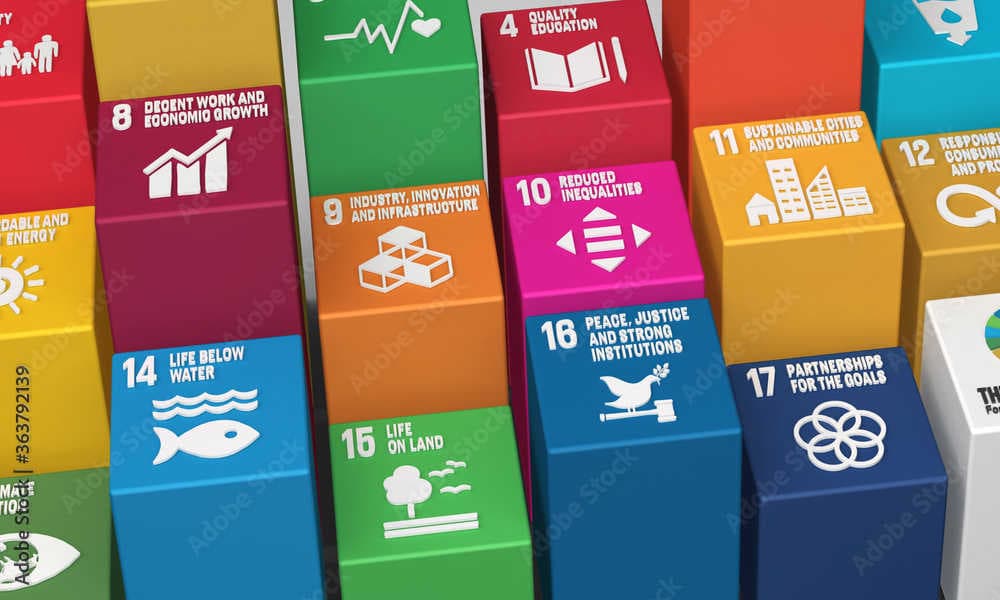
    The Sustainable Development Goals (SDGs) are 17 points identified by the UN in 2015 with the goal of achieving sustainable development by 2030. Sustainable development is defined by the UN as 'development that meets the needs of the present without compromising the ability of future generations to meet their own needs'. To achieve this goal, the UN emphasises the need to 'harmonise three dimensions': economic growth, social inclusion and environmental protection. Thus, the term 'sustainable' not only refers to the environmental aspect, but also includes economic and social dynamics.
    Obiettivi SDGs e sviluppo sostenibile

    SDGs targets and the five P's formula

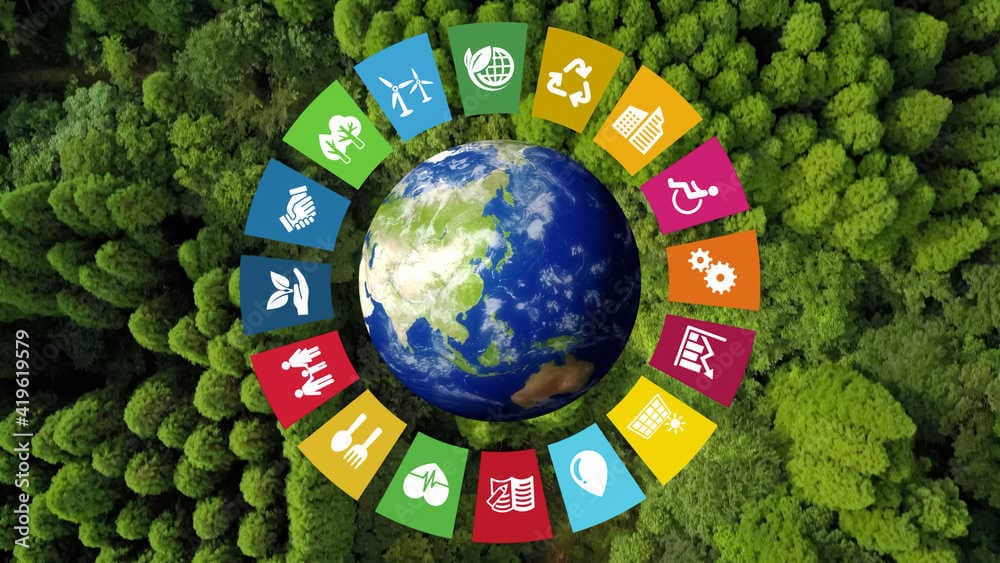
    To summarise the SDGs goals, the UN used the formula of the 5 Ps. Specifically: 1) People: eradicating poverty and ensuring dignity; 2) Prosperity: understood both as economic well-being and as "harmony with nature"; 3) Peace; 4) Partnership: the collaboration between states and businesses, which is essential to achieve the SDGs goals; 5) Planet: the planet must be protected as a common good. The SDGs have an impact not only on humans and the environment, but also on the world of business and companies, which are called upon to contribute to the achievement of these global goals.
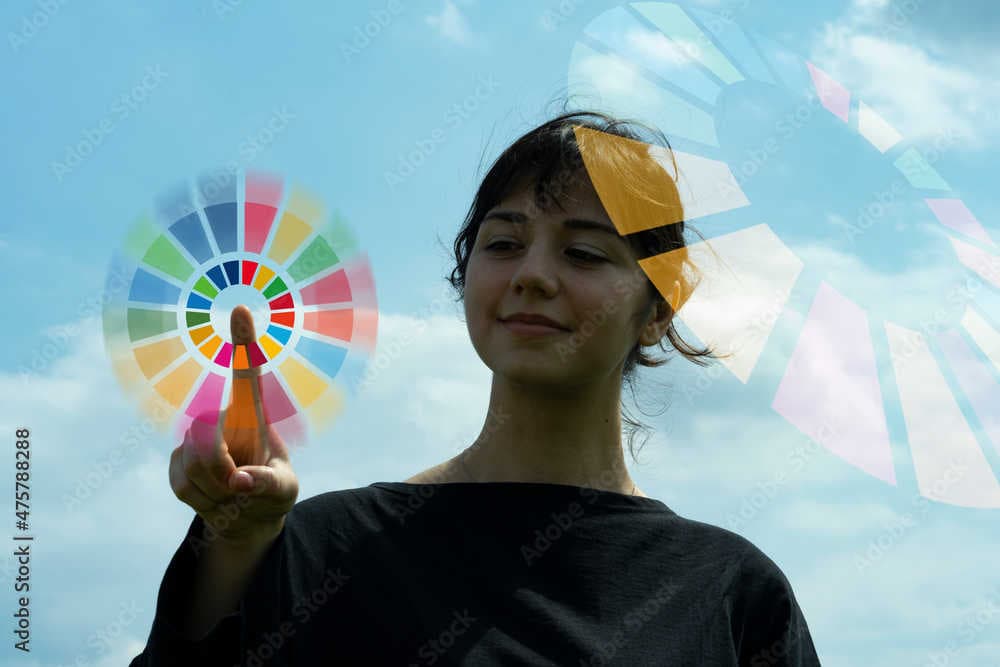
    Obiettivi SDGs e formula delle cinque P
    XNatura

    SDGs Goals: the Istat Report

    Istat published on 4 July 2024 its seventh Report on Sustainable Development Goals (SDGs), with the update and analysis of 373 statistical measures (of which 342 are associated with a single Goal) linked to 139 indicators of the set proposed by the Inter Agency Expert Group on SDGs (UN-IAEG-SDGs). These measures are used to monitor the transition phase for the achievement of the goals of the Agenda 2030 in Italy. The analysis of the number of improving and worsening measures returns an overall positive picture, especially when considering long-term variations: almost 60% of the measures are improving, while only less than a fifth are worsening.
    Obiettivi SDGs: il Rapporto Istat

    SDGs and Goal 8: Decent work and economic growth

    The ISTAT report, on the Goal 8 "Decent work and economic growth", notes that in 2022 Italy's GDP increased by 0.9% in volume, but slowed down compared to the previous year (+4%). Growth was mainly driven by domestic demand net of inventories, with consumption (+1 p.p.) and investment (+1 p.p.) contributing equally, while net foreign demand made only a slight positive contribution. GDP growth in Italy was stronger than the average for the EU27 and the euro area (+0.5% for both).

    SDGs e Goal 8: lavoro dignitoso e crescita economica
    XNatura

    Sustainable development and map of Italian regions

    An analysis of the regional map reveals a territorial disparity in sustainable development in Italy. The North-Eastern regions are distinguished by a higher presence of indicators classified in the highest groups (fourth and fifth), while the South and the Islands predominantly present indicators in the two lowest levels. In particular, 42.5% of the measures of the Autonomous Province of Bolzano, 38.6% of the Autonomous Province of Trento, 30% of Valle d'Aosta and 28.1% of Lombardy are in the fifth group. In the central regions, most of the measures are in the third to fourth group, while in the southern regions, indicators in the first group prevail in Campania, Calabria and Sicily. Apulia and Sardinia show a concentration mainly in the second group. In spite of this disadvantageous situation, the regions Abruzzo, Calabria and Apulia show more marked improvements in the long and short term
    Sviluppo sostenibile e mappa delle regioni italiane
    3Bee

    Sustainable development and the North-South divide

    Although a North-South divide persists, the southern regions are showing positive signs of convergence, although the path to sustainable development evenly distributed across the country still requires considerable effort. The survey GLAAS (Global Analysis and Assessment of Sanitation and Drinking-Water) of the World Health Organisation (WHO) has been providing global analysis on policy, institutional, human resource and financial aspects of drinking water, sanitation and hygiene (WASH) for about ten years. Key findings are reported in a report now in its sixth edition in 2022, which is a significant contribution to reporting on progress towards achieving Sustainable Development Goal 6.
    Sviluppo sostenibile e divario tra Nord e Sud

    GLAAS survey and insufficient monitoring

    The latest edition of the GLAAS survey collected data and information on health, finance, education, environment, water availability and quality in 121 countries and territories, including Italy, which participated for the first time. The questionnaire, divided into four specific sections (governance, monitoring, human resources and finance), showed that in Italy WASH measures are generally addressed to the entire population, including environments such as health facilities and schools. Complete answers were provided to 42 of the 51 macro-questions. Regarding the development and implementation of drinking water policies, Italy is among the countries (47%) that have an approved and partially implemented plan. The situation is similar for sanitation policies (50% of countries). The measures adopted, although generally applicable to the entire population and also in specific contexts, are not always supported by adequate monitoring data.

    monitoraggio

    Goal 15: Life on Earth

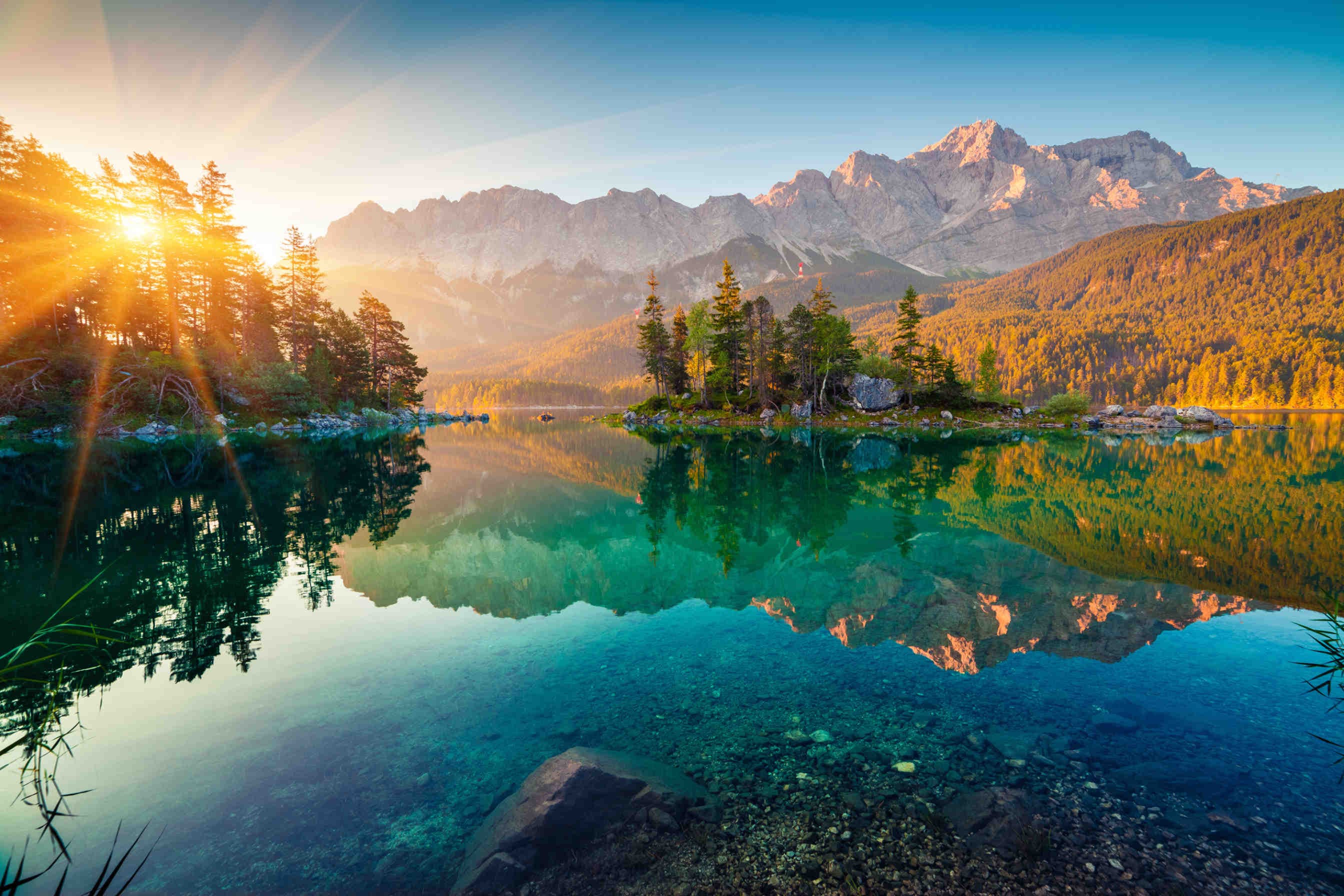
    The ISTAT report shows how, compared to the values of the last year and those of the previous year for the Goal 15, stable situations prevail, with the number of improving measures equal to those that are worsening. Over the last decade, there has been no progress in the share of national territory belonging to protected areas (21.7% in 2022, to be increased to 30% by 2030 according to the National Biodiversity Strategy). Furthermore, the index of mountainous vegetation cover is 90.2% in 2022, slightly decreasing compared to 2012 (equal to an average loss of about 4,300 hectares per year of vegetated, natural or agricultural areas). Certified forest areas in Italy amount to 967 thousand hectares, about +4% compared to the previous year. Despite the growth, the extension of certified areas in Italy remains limited compared to forest areas (9.65 compared to 16.7% in Europe and 19.5% in Southern Europe).
    natura

    Monitoring, protecting and regenerating biodiversity

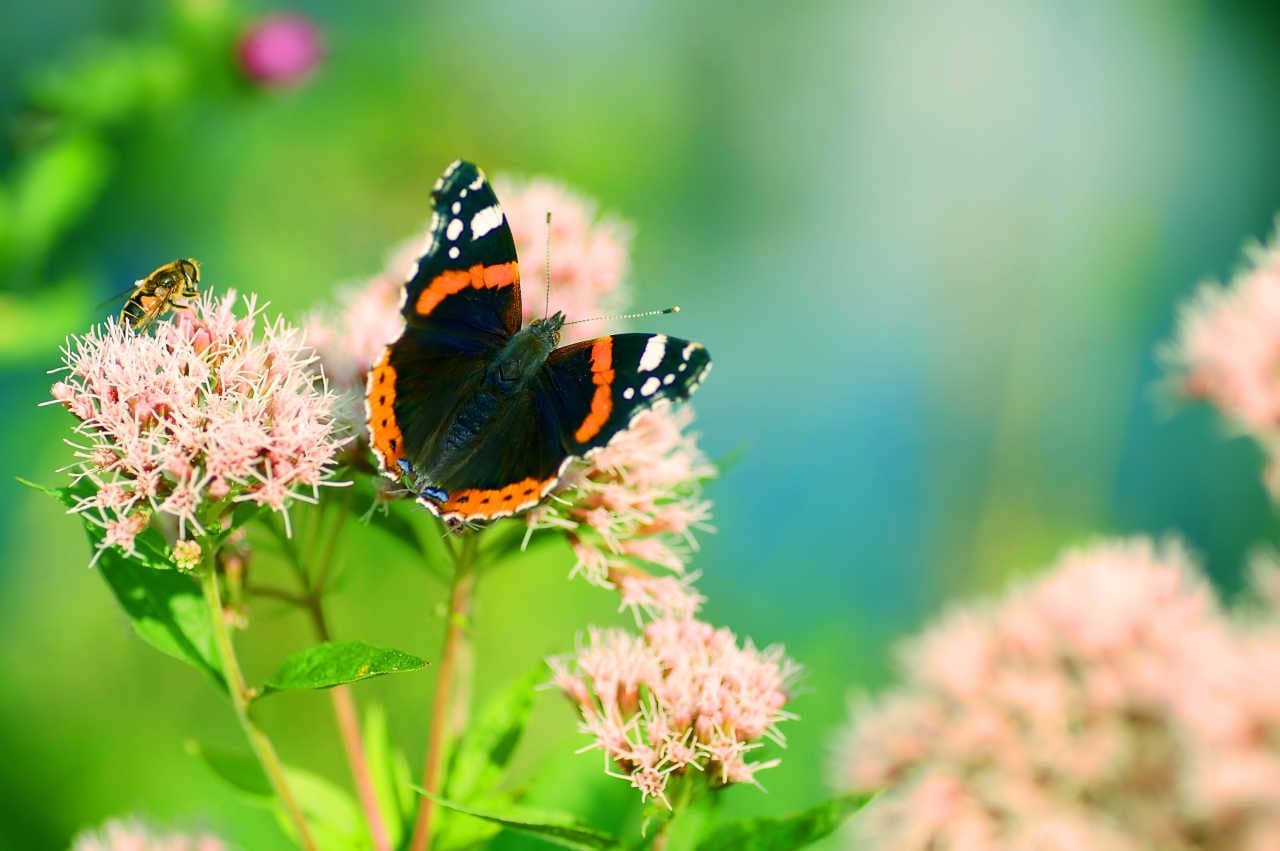
    Italy is struggling to reach the biodiversity protection targets set out in the 2030 Agenda. Despite some positive signs, such as the increase in certified forest areas, significant criticalities remain. In this context, the projects of 3Bee, the naturetech developing technologies for the protection, the monitoring and the regeneration of biodiversity, fit in. With its innovative approach, based on technology and scientific data, 3Bee supports organisations and companies in achieving several SDGs, in particular Goals 2, 4, 6, 8, 11, 12, 13, 15, 17. Starting with the bee, a fundamental bio-indicator, 3Bee collects and interprets environmental data through innovative proprietary systems to monitor the health of pollinators and their connection to ecosystems, offering assessment, monitoring, regeneration and training solutions for biodiversity.
    Monitorare, tutelare e rigenerare la biodiversità
    12/08/2024Of 3Bee, Angelina Tortora
    435 Views
    Newsletter
    newsletter
    Subscribe to the Blog about bees and biodiversity

    Frequently Asked Questions

    Do you have any doubts or other curiosities about this article? Here you will find some insights