The impact of climate change on insect colour
    InsectsColoreTemperatureAltitude

    The impact of climate change on insect colour

    The colour of insects, which regulates the way they communicate and behave, changes depending on environmental factors. A study published in Ecology & Evolution examines how climate change affects these colours, influencing communication, reproduction and physiological adaptations.

    Read the article
    17/07/2024Of 3Bee, Lisa Santillo
    830 Views
    17/07/2024Of 3Bee, Lisa Santillo
    830 Views

    The importance of colour in insects

    The colour of insects is essential for thermoregulation, protection from predators and communication, including amorous communication and thus linked to reproductive behaviour. Often, these colours are not stable over time and, depending on the context in which these insects proliferate, can change. Among the primary causes of this phenomenon are climatic changes: among them, rising temperatures can or do lead to a change in colours affecting their communication and reproduction, thus representing an alarming risk factor. A recent study published in Ecology & Evolution and conducted by Australian researchers focused precisely on the effects of climate change on insects, in particular on the colour/reproductive behaviour relationship.
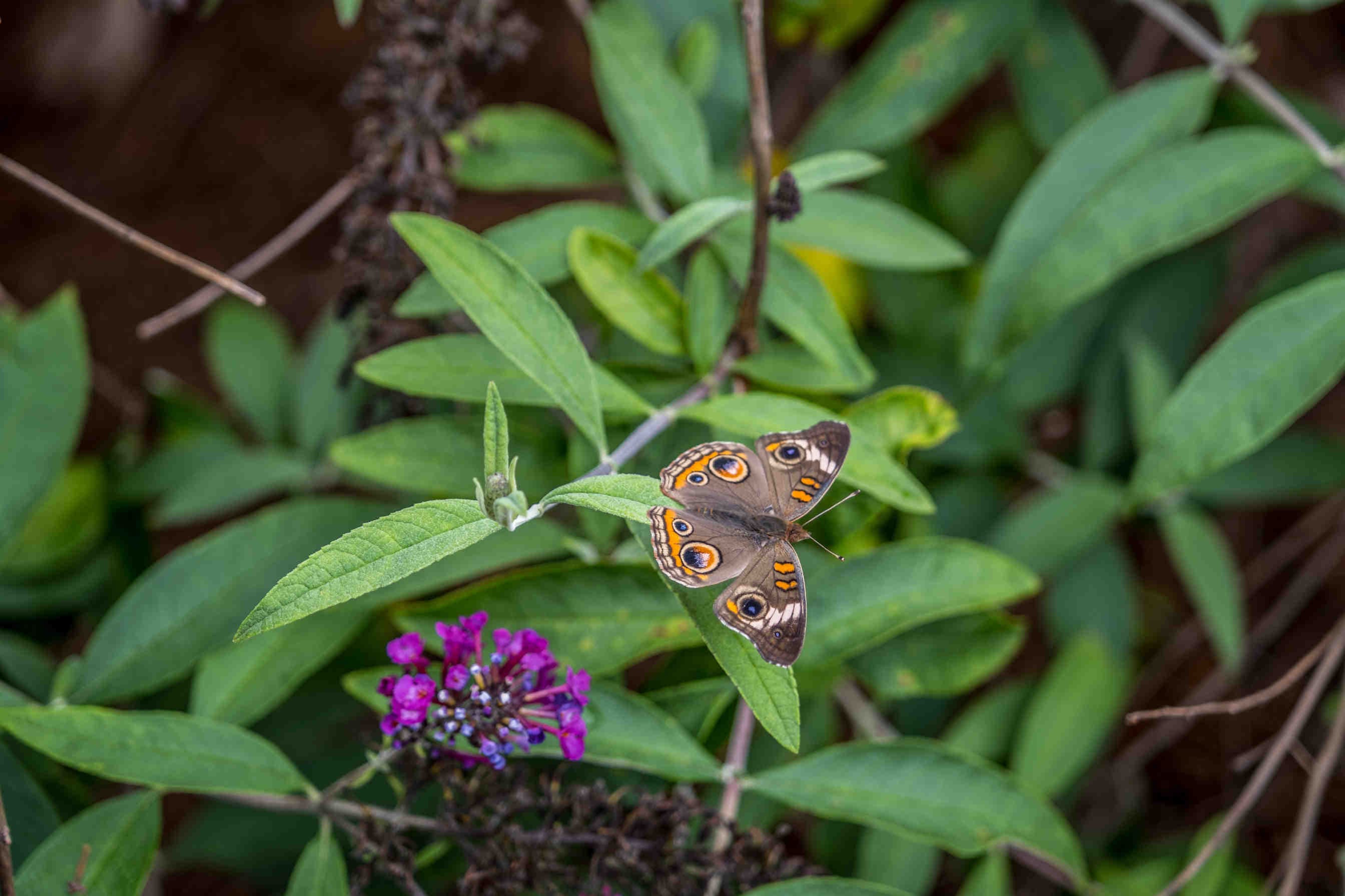
    farfalla fiore

    Mechanisms of colour production in insects

    The colour in insects is the product of several processes, but is mainly generated by the combination of pigment and structure. Pigments are chemical compounds that can be synthesised internally or acquired from the diet. The classes of pigments involved in insect colouration are: melanins, ommochromes, pteridines, tetrapyrroles, carotenoids, flavonoids, papiliochromes and quinones. We speak instead of structural colour to indicate the colour resulting from refraction, interference or diffraction phenomena of light on photonic microstructures present in insects, such as, for example, the squammes that line the wings of butterflies. In addition to pigmentation and structural colour, some insects, such as fireflies and beetles, also produce colour through luciferase, an enzyme capable of producing light in bioluminescence.

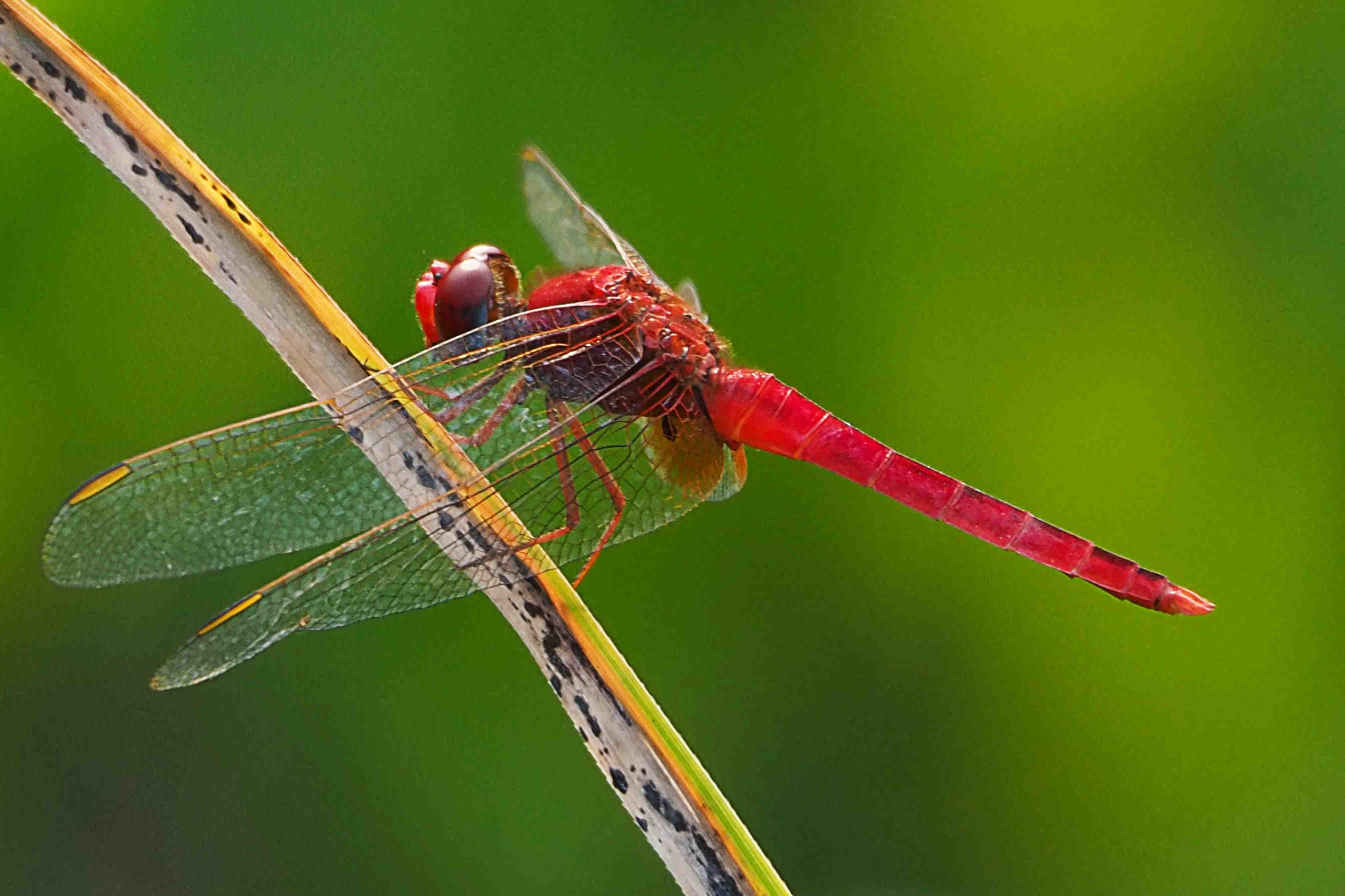
    libellula rossa
    XNatura

    Influence of temperature on insect colours

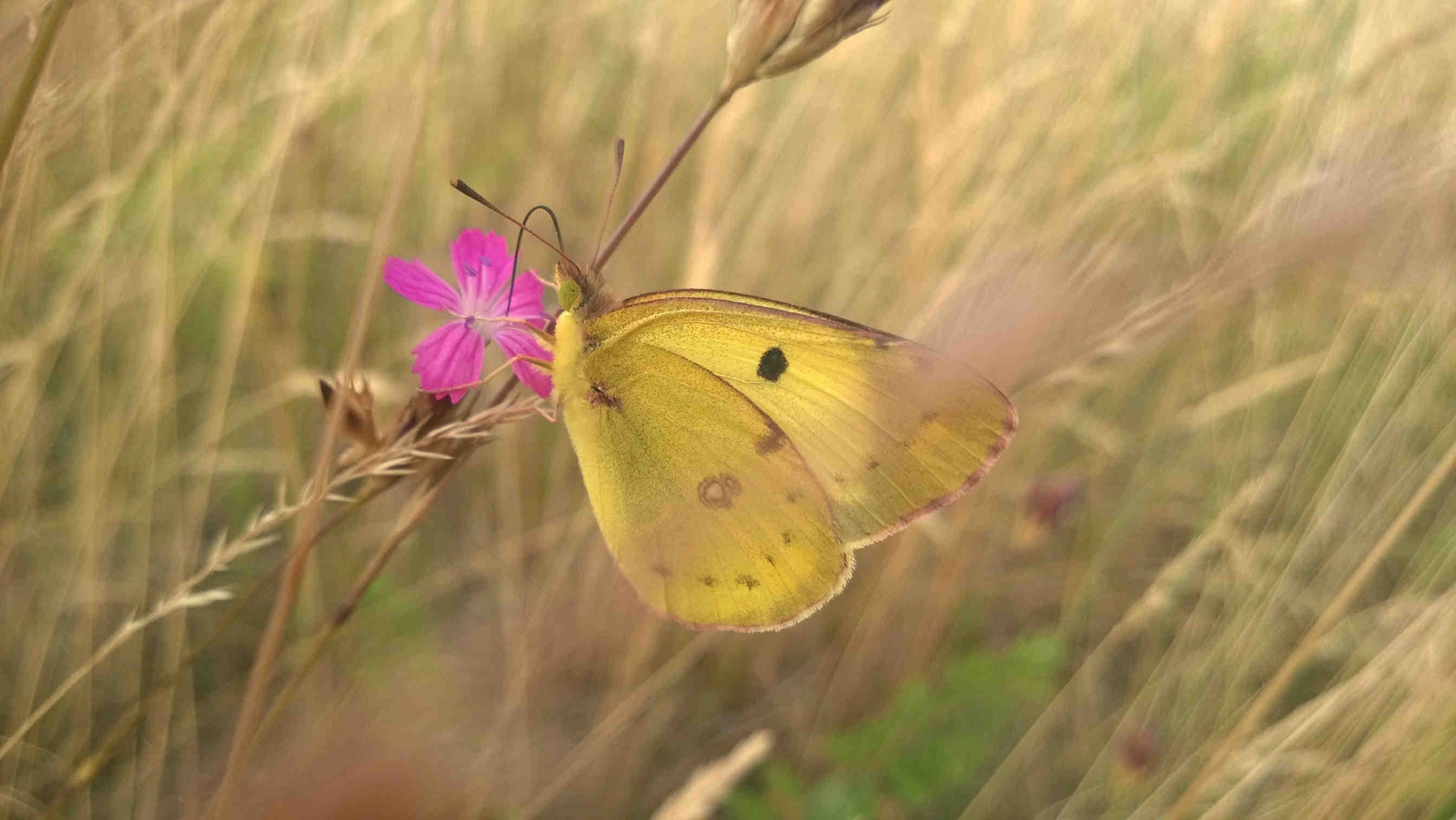
    The study analyses how colour production in insects can be influenced by environmental factors such as temperature, precipitation and sunlight. Temperature directly influences pigment production: colder environments tend to favour melanin production, making insects living in these areas darker, with a consequent ability to absorb more light and thus accumulate more heat, which can increase reproductive success. This therefore influences the insects' ability to adapt to climate change, potentially affecting their survival and reproductive behaviour. Examples cited by the researchers include that of the fly Colias meadii, whose wings lose melanin as temperatures rise.

    Colias meadii

    Latitude and altitude affect insect colour

    Insect colour can also vary according to latitude and altitude. Analysing this phenomenon taking latitude into account, we have a bimodal behaviour whereby at low and high latitudes, insects tend to darken more than at intermediate latitudes. Regarding altitude, usually insects living at high altitudes tend to have more melanisation to protect themselves from UV radiation and improve thermoregulation. Within the study, the researchers mention the coleopteran Oreina sulcate, whose green colour intensifies at low altitudes, while becoming darker and more reflective at higher ones. This kind of variation provides valuable information on how the insects might adapt to future climate changes, helping to predict the insects' adaptive responses to new environmental conditions.
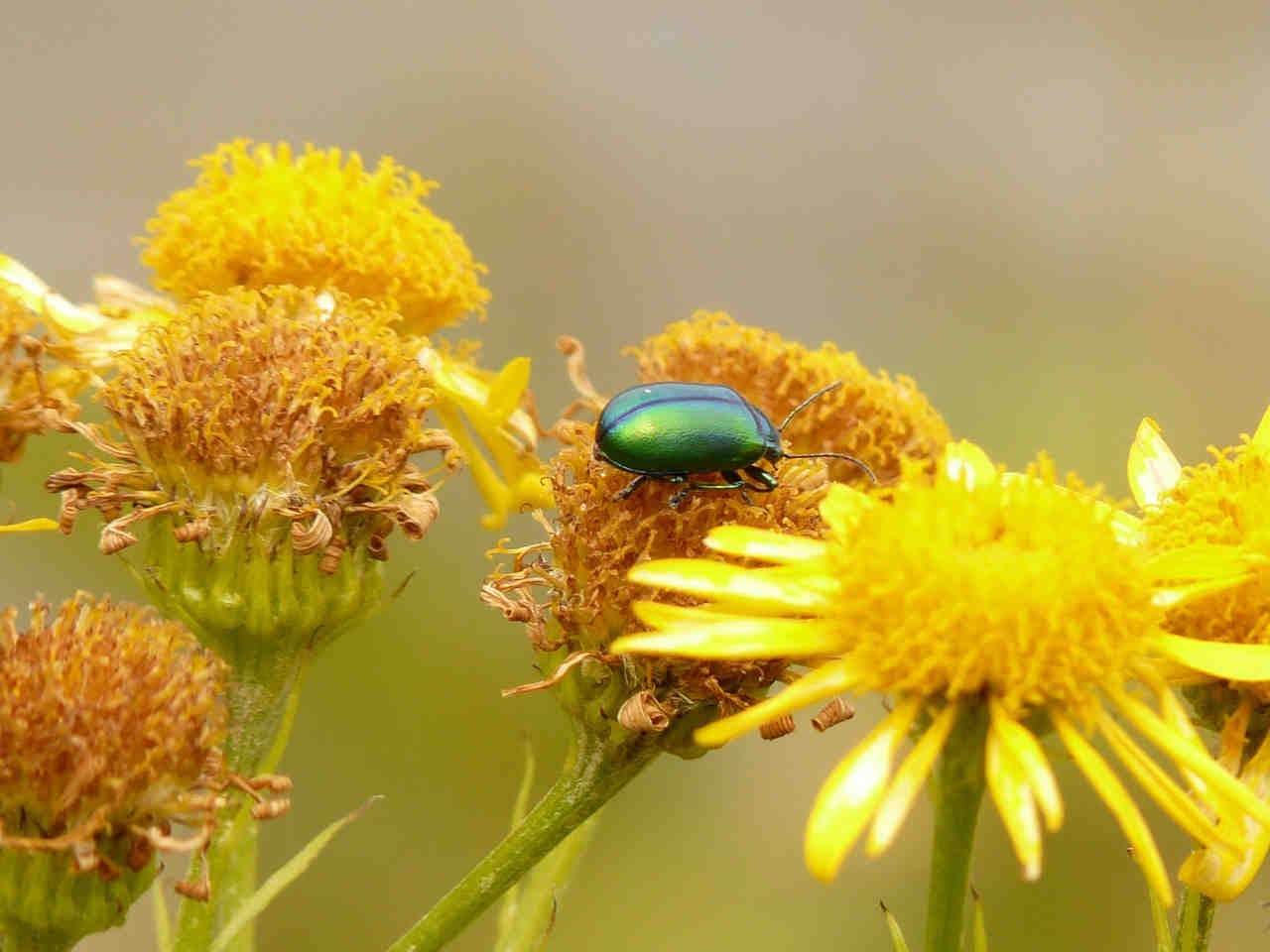
    coleottero
    XNatura

    Insect colour and behavioural changes

    One of the most interesting aspects of the research published in Ecology & Evolution, concerns the issue of climate-related colour variability, which can influence the behaviour and fitness of insects. For example, in the dragonfly Ischnura elegans, there was an increase in sexual conflict related to the darker colour of individuals induced by higher latitudes, while in the wings of the dragonfly Pachydiplax longipennis, a greater presence of dark pigment increased the flight performance of males at lower temperatures. In addition, in the Phymata americana there was a higher mating success rate at a lower temperature for dark-coloured insects. Changes in colour caused by environmental factors can also influence the signals insects use to mate, as is the case in the fly Colias philodice eriphyle, which more willingly chooses males with more melanin.
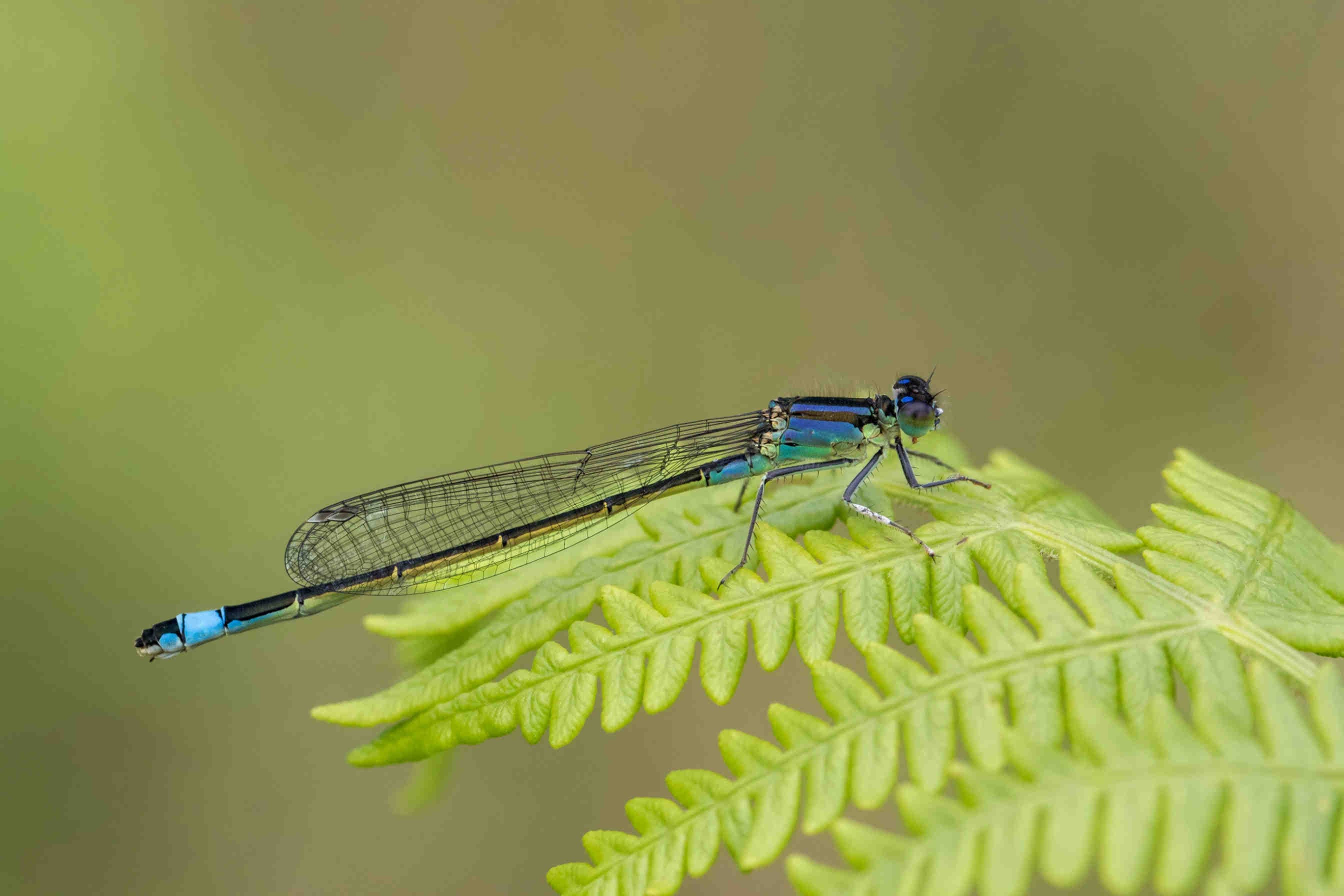
    Ischnura elegans
    3Bee

    Effects and monitoring of changes

    The authors of the study, in the concluding part of the paper, point out that the effects of climate change on insect colour may have an impact on physiological functions, intra- and interspecific communication and sexual selection. All these alterations may contribute, in many cases, to the global decline of many insect species. To better understand these effects, it will be necessary to investigate on several fronts and with different techniques, including genomic studies, photographic analyses and the use of museum specimens. To this end, 3Bee develops advanced biodiversity monitoring technologies. These are an essential prerequisite for assessing and analysing the spread of many species across Europe and for understanding which regeneration paths and/or protection paths to implement.

    17/07/2024Of 3Bee, Lisa Santillo
    830 Views
    Newsletter
    newsletter
    Subscribe to the Blog about bees and biodiversity

    Frequently Asked Questions

    Do you have any doubts or other curiosities about this article? Here you will find some insights