Honey in Italy: How Much Do We Consume?
    3Bee approachImportsItalyCalo

    Honey in Italy: How Much Do We Consume?

    We have talked about the benefits of honey, but how many of us eat honey every day, perhaps spread on a nice slice of bread or dissolved in a warm herbal tea? We should pull our ears a little because the numbers are certainly not on our side! Every year we eat an average of 500g per head.

    Read the article
    11/12/2019Of 3Bee, Elena Fraccaro
    1117 Views
    11/12/2019Of 3Bee, Elena Fraccaro
    1117 Views

    3Bee's approach to biodiversity protection
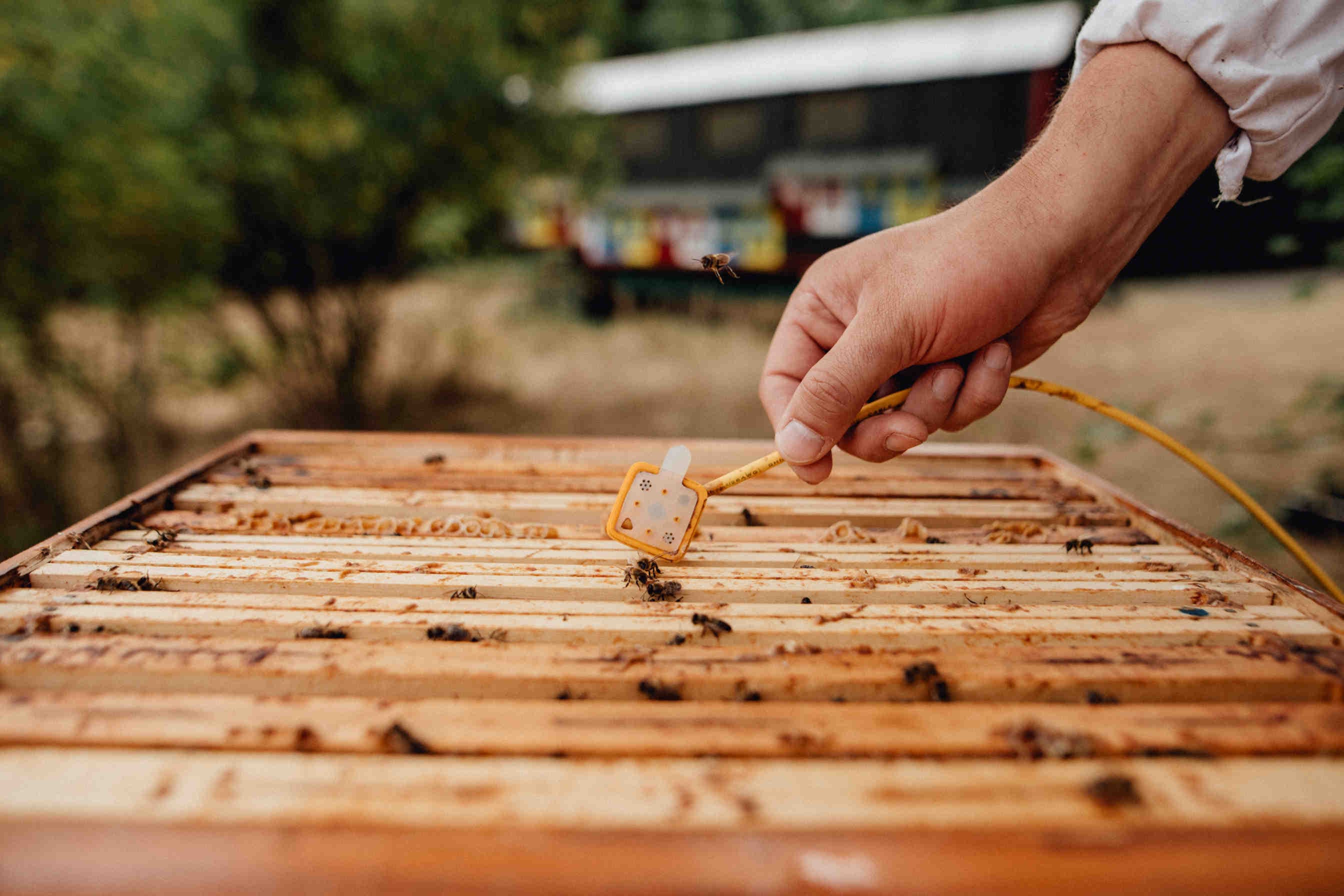
    3Bee is the Nature Tech company that develops technologies for the protection of biodiversity. 3Bee Hive-Tech is 3Bee's first system for analysing the health and 'starvation' status of honeybees, environmental pests par excellence. Over time, we have developed other technologies to study and monitor all the pollinating insects and created more than 200 Oases of Biodiversity with thousands of nectariferous plants to provide them with nourishment. Thus, we want to create a virtuous circle: our beekeepers are transformed by necessity into Oasis growers and promoters of environmental biodiversity. We do not encourage massive production and intensive breeding, which have a negative impact on biodiversity and pollinators. We do, however, recognise the value of honey as a valuable symbol of the biodiversity of an environment and a tool for disseminating the commitment and protection of an area, to be consumed sparingly and with respect for the life cycle of these insects.

    3Bee Hive-Tech

    Honey data in the world

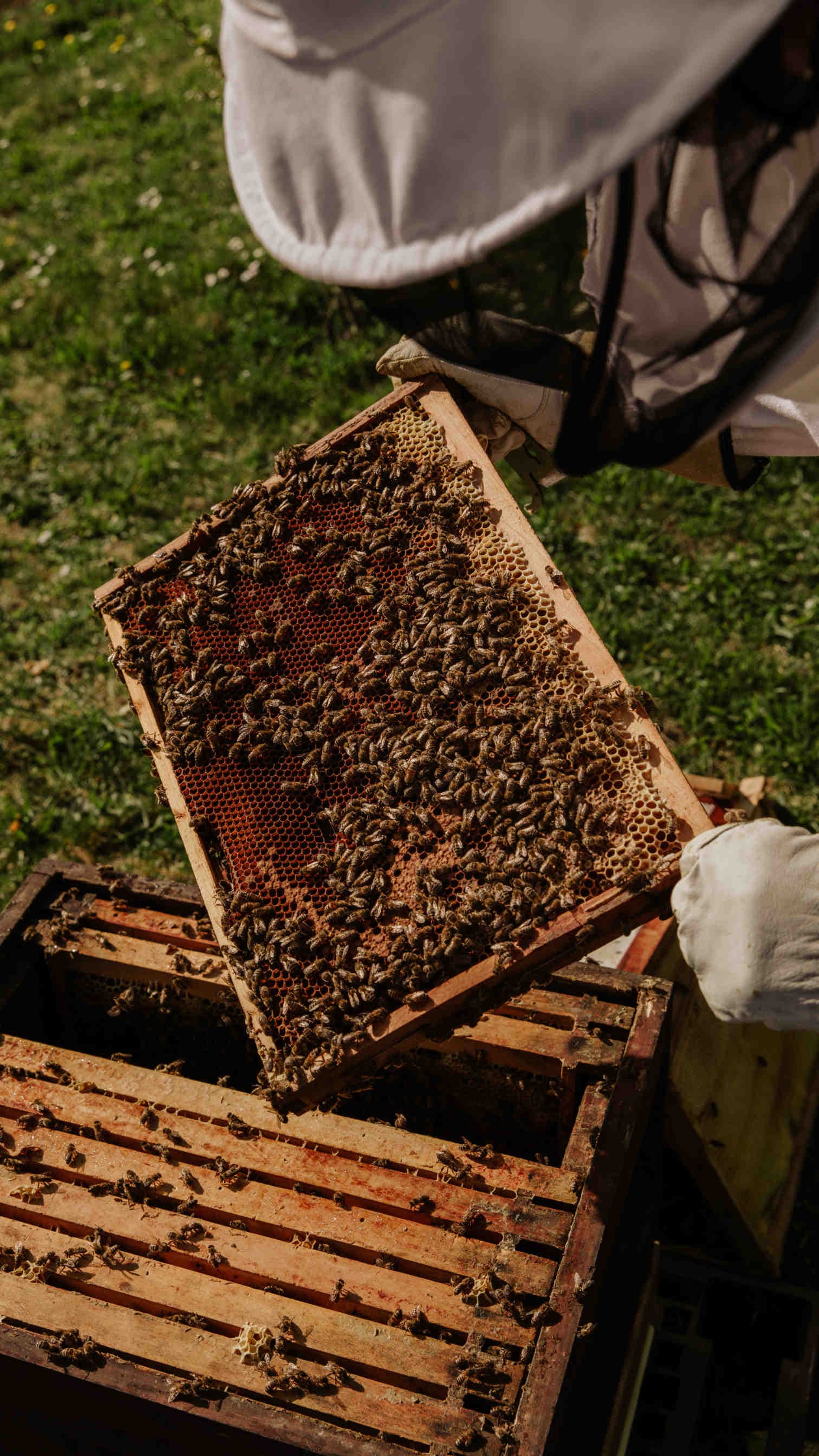
    To understand the situation in our beautiful country a little better, however, we need to take a step back and take a look at what is happening in the rest of the world. According to FAO data, world honey production in 2018 is an impressive 1.86 million tonnes. Of this, 49% is produced in Asia, followed immediately by Europe (21%) and the American continent (18%). Analysing the data in more depth, we discover that the world's leading producers are China, with 543 thousand tonnes of honey, Turkey (114 thousand) and Argentina (76 thousand). On the strength of its huge production, China is also among the main honey exporters, with a total value of 211 million euros. The European Union is the world's second largest producer of honey, but its 230 thousand tonnes are not enough to satisfy all domestic demand. In fact, Europe is only 60% self-sufficient! The remaining honey is all imported from China and Ukraine.
    Honey data in the world
    XNatura

    Honey in Italy

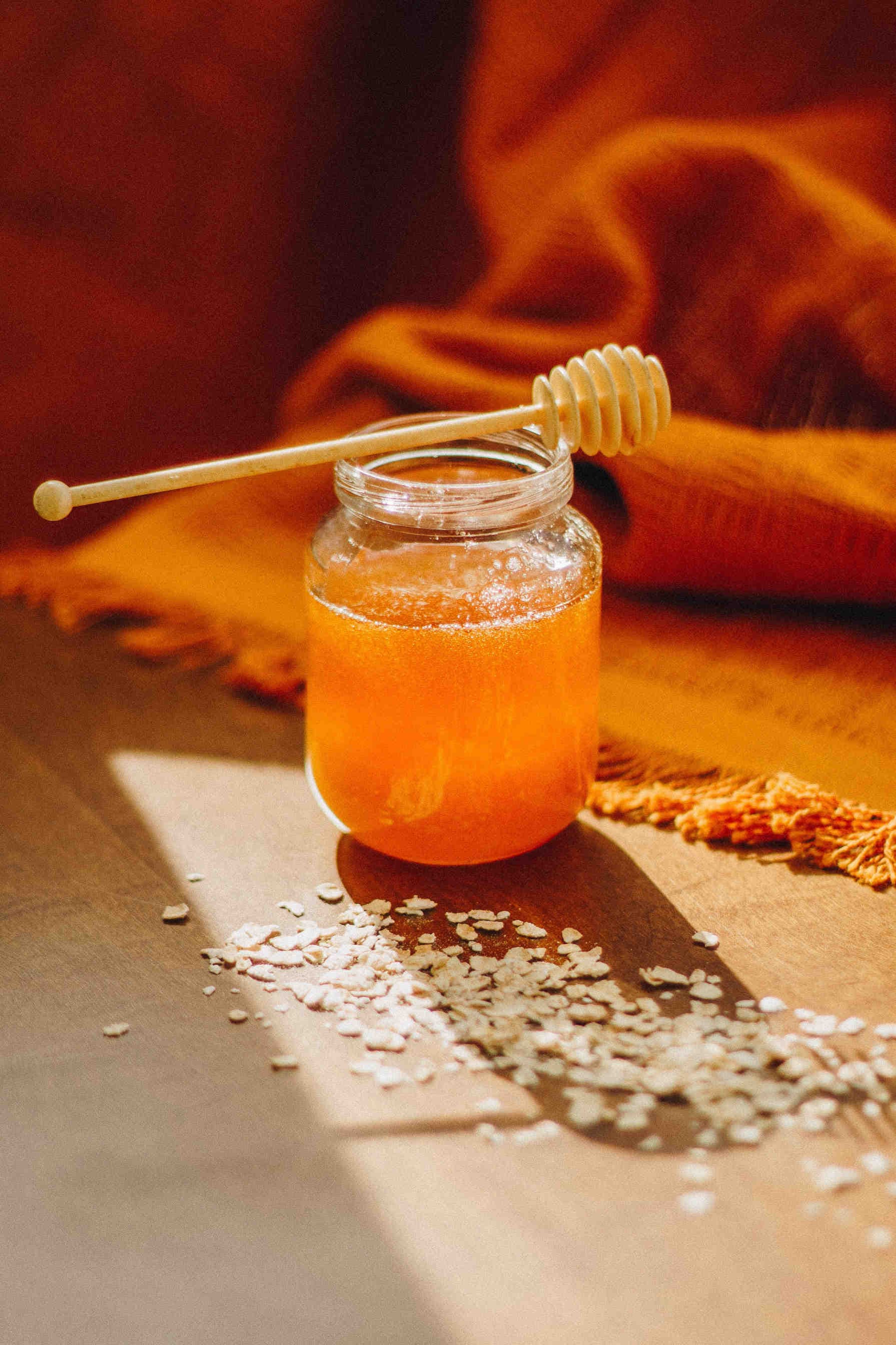
    Speaking of honey in Italy, we find a very similar trend to that in Europe. Italy is the fourth European country in terms of number of hives, a good 1.2 million for a total of 45,000 beekeepers. Total annual production is estimated to be around 22,000 tonnes. However, at world level, Italy is the sixth largest importer of honey! In fact, domestic demand far exceeds production capacity, which is why we are forced to resort to honey imported from other countries. In 2018 alone, there was an increase in honey imports of around 18%! According to Coldiretti data, honey consumption in Italy has increased by over 5% in recent years, but much of the honey is foreign. In particular, it comes from China and Hungary. But why is there so much foreign honey in our domestic market?
    Honey in Italy

    Drastic drop in honey production in Italy

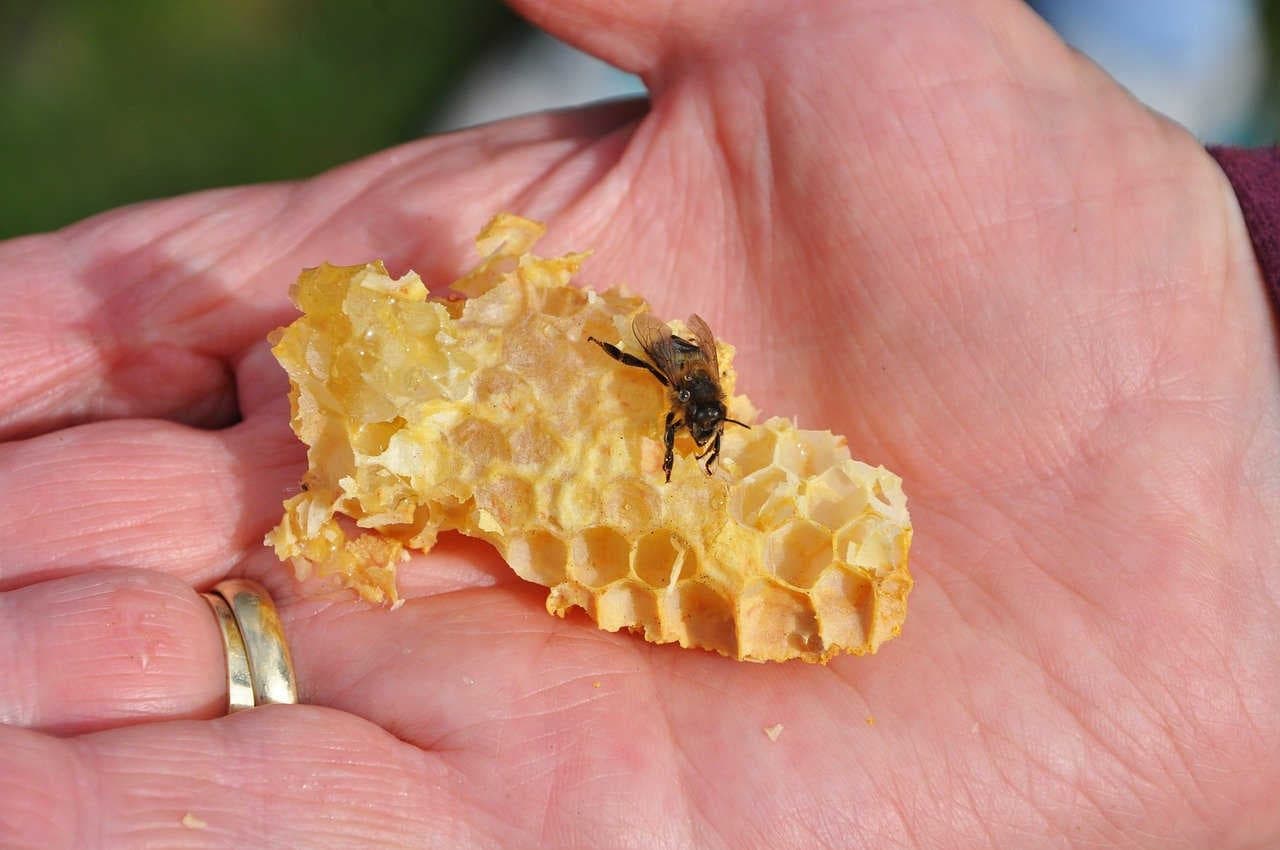
    One of the first explanations must surely be sought in the drastic drop in honey production in Italy. The season that has just passed, as we well know, has not been clement in either the North or the South. In our country, the most important types of honey, among the 50 different varieties available, are certainly acacia honey and citrus honey. Coldiretti tells us that this year, the production of acacia and citrus honey has dropped by 41%! In total, this translates into a loss of EUR 73 million. One only has to look at some estimates of the average production per beehive to be frightened. In 2019 in Lombardy, for example, a beehive produced approximately 1.5 kg of acacia honey in the entire production season (data from the National Honey Observatory)! Counting that, under the best conditions, a hive could produce more than 30kg, we understand how bleak these numbers are.
    Drastic drop in honey production in Italy
    XNatura

    Honey at competitive prices

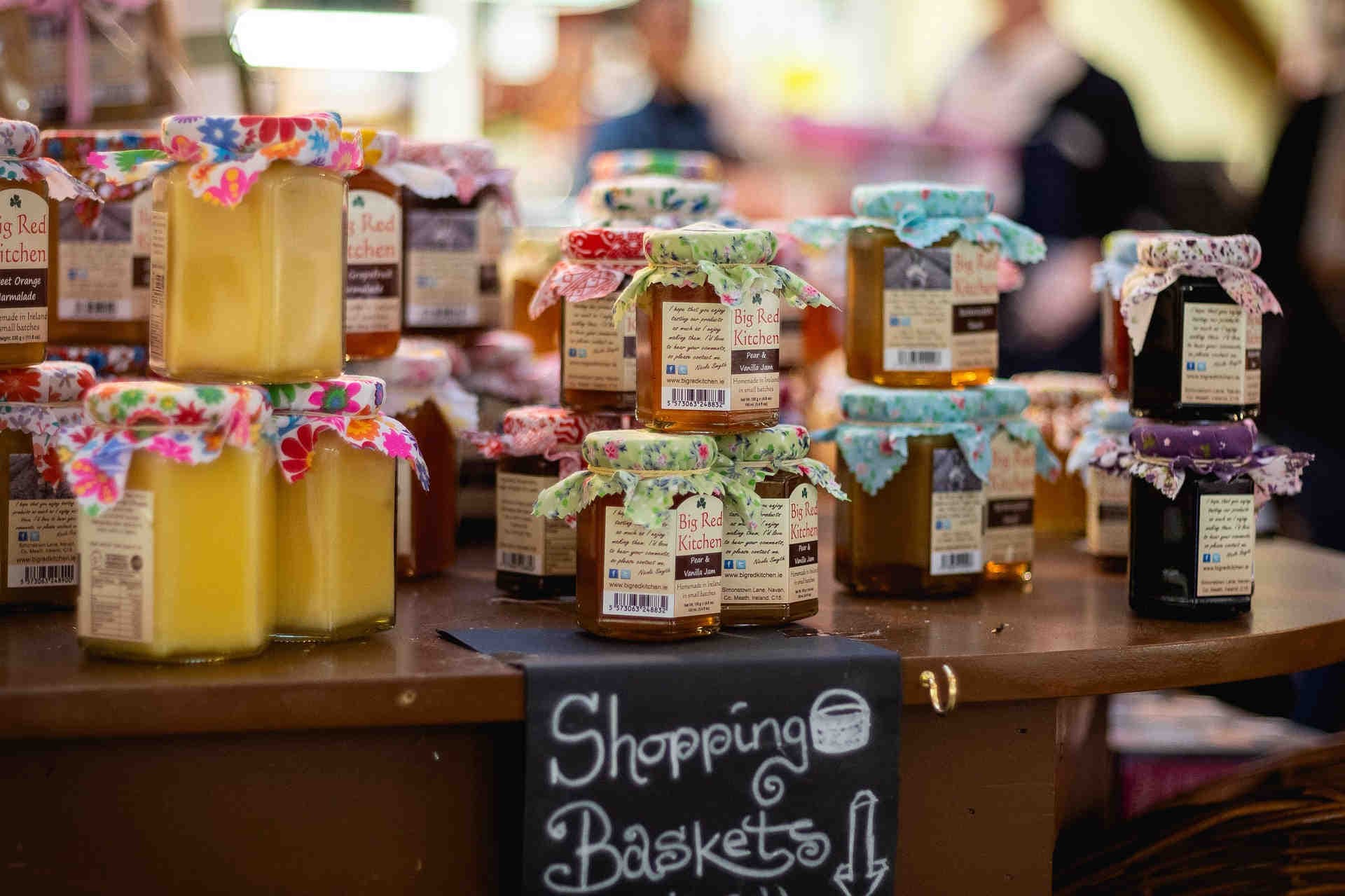
    Another reason for the trend in our country is related to the extremely competitive prices of imported honey. The case of Chinese honey is emblematic. China has seen a steady growth in its honey production and the sector does not seem to be affected by the problems that affect other countries. Moreover, the selling price of honey from China is very low, which leads to a preference for convenience at the expense of product quality. Italian and European legislation is in fact very strict in defining what is to be considered honey. Very often, foreign honey does not meet these quality standards. For example, GMO cultivations are allowed in China, but are forbidden in our country.
    Honey at competitive prices
    3Bee

    Who consumes honey in Italy?

    We have seen that we Italians are not big consumers of honey. We eat about 500g of it per head every year, be it Italian or foreign. 2018 has not been a good year for honey in Italy: after three years of increased purchases, they have fallen significantly. The North-West and Central regions are those that have seen the greatest increase in consumption in past years. Among the largest consumers, we find households composed of elderly people, followed immediately by families with children over 18 and elderly singles. On the other hand, singles, young couples and couples with young children are the ones who consume the least honey and have significantly reduced their honey purchases.
    Who consumes honey in Italy?

    We are saved by labels and local producers

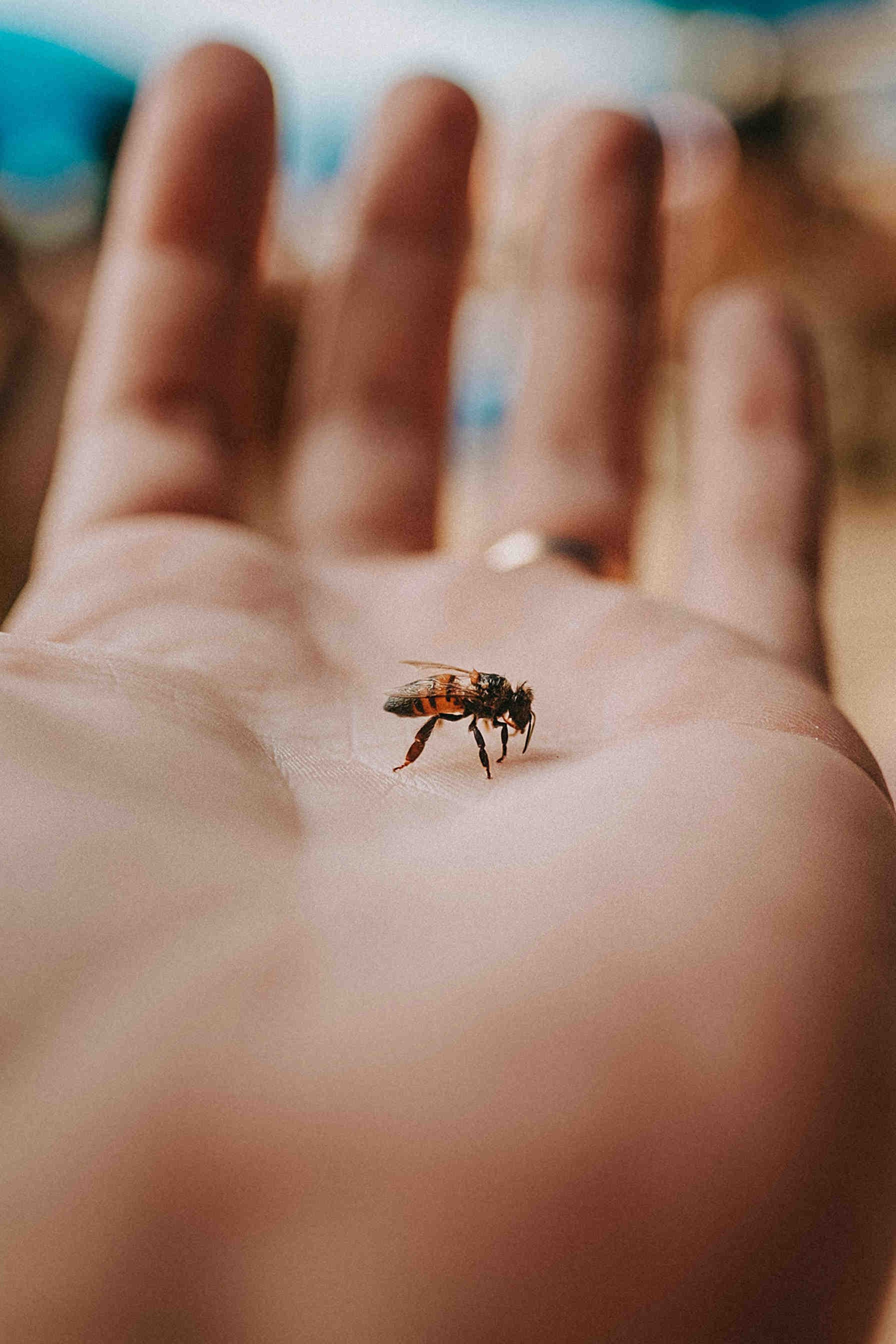
    When it comes to honey consumption in Italy, then, we could do better. The annual per capita consumption of our German neighbours even reaches kilo and a half! What protects us a lot are the labels, where it is compulsory to indicate the origin of the honey, specifying whether we are dealing with a 'blend of honeys not originating in the EC' or a 'blend of honeys originating and not originating in the EC'. But if you want to be sure of the quality and genuineness of the honey you buy, the best way is to go directly to local producers. In this way you will have the opportunity to speak directly with those who grow their bees day in and day out and you will be able to taste the deliciousness of their daily work.
    We are saved by labels and local producers

    Eat honey from your hive

    If, however, it is not so easy for you to find your favourite beekeeper or if you are curious to try the typical products of each region and at the same time want to do something concrete to support these incredible bees, you can adopt a beehive monitored with 3Bee technology! Choose your favourite bee farm on the map and select your favourite hive and honey. By adopting a hive, you can support the beekeeper and his work, remotely follow the development and growth of the hive directly on your mobile phone, and at the end of the beekeeping season you will receive your chosen honey at home and be able to enjoy it in all its genuine goodness! Choosing a beehive is also a great gift for your loved ones: not only will you be doing good for the environment, but you will leave everyone speechless! Choose your beehive!
    Eat honey from your hive
    11/12/2019Of 3Bee, Elena Fraccaro
    1117 Views
    Newsletter
    newsletter
    Subscribe to the Blog about bees and biodiversity


