Honey badger: 5 interesting facts
    Honey rateSnake venomAncestorCheetah

    Honey badger: 5 interesting facts

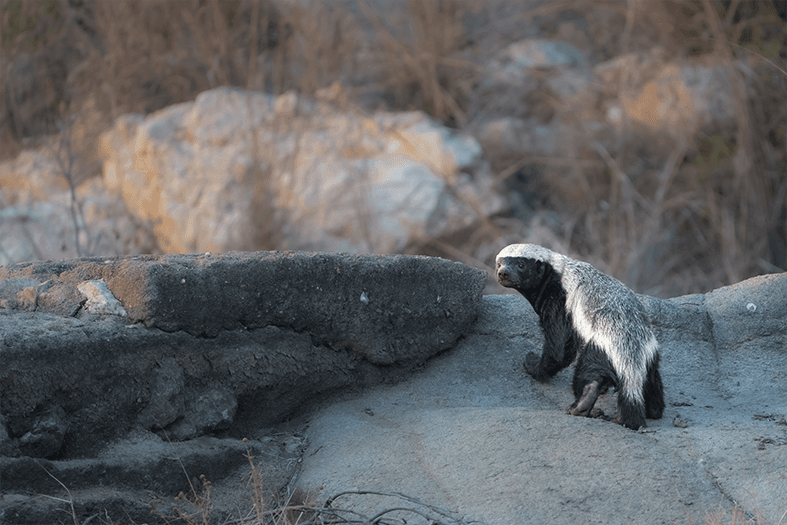
    The honey badger (Mellivora capensis) is a mammal belonging to the family Mustelidae and is among the most aggressive animals in the world. Did you know that it is immune to snake venom? And that it is not an endangered species? Discover five interesting facts about the honey badger in this article.

    Read the article
    16/03/2024Of 3Bee, Lisa Santillo
    8828 Views
    16/03/2024Of 3Bee, Lisa Santillo
    8828 Views

    The honey badger cooperates with the indicator bird

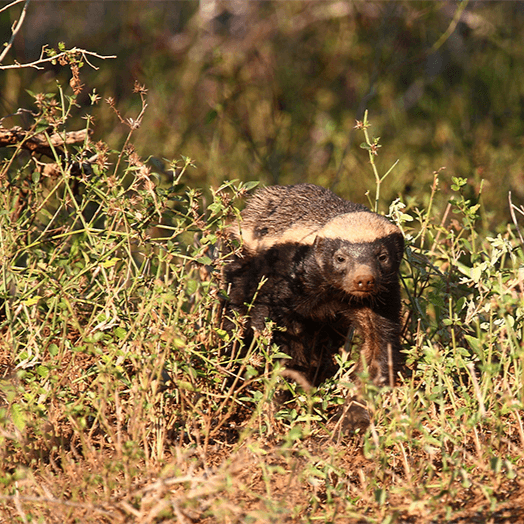
    A study published in the Journal of Zoology has shown that the honey badger cooperates with the indicator bird (Indicator indicator) to procure food. The indicator bird, a glutton for beeswax, is able to precisely locate hives, but needs support to access them. The collaboration is based on the guidance of the honey badger to the hives by the indicator bird, and here, the strength and ferocity of the former makes delicacies available to the latter as well, thus sealing the contract of mutual benefit. The researchers observed that lately the indicator birds have changed partners, choosing the man: probably due to the greater efficiency of the man in 'hunting' swarms, as the honey badger does not always reach the target due to poor eyesight and hearing. The collaboration between the two species has been observed in a specific area of Tanzania and could therefore be a local phenomenon.
    tasso del miele natura

    Why is the honey badger immune to snake venom?

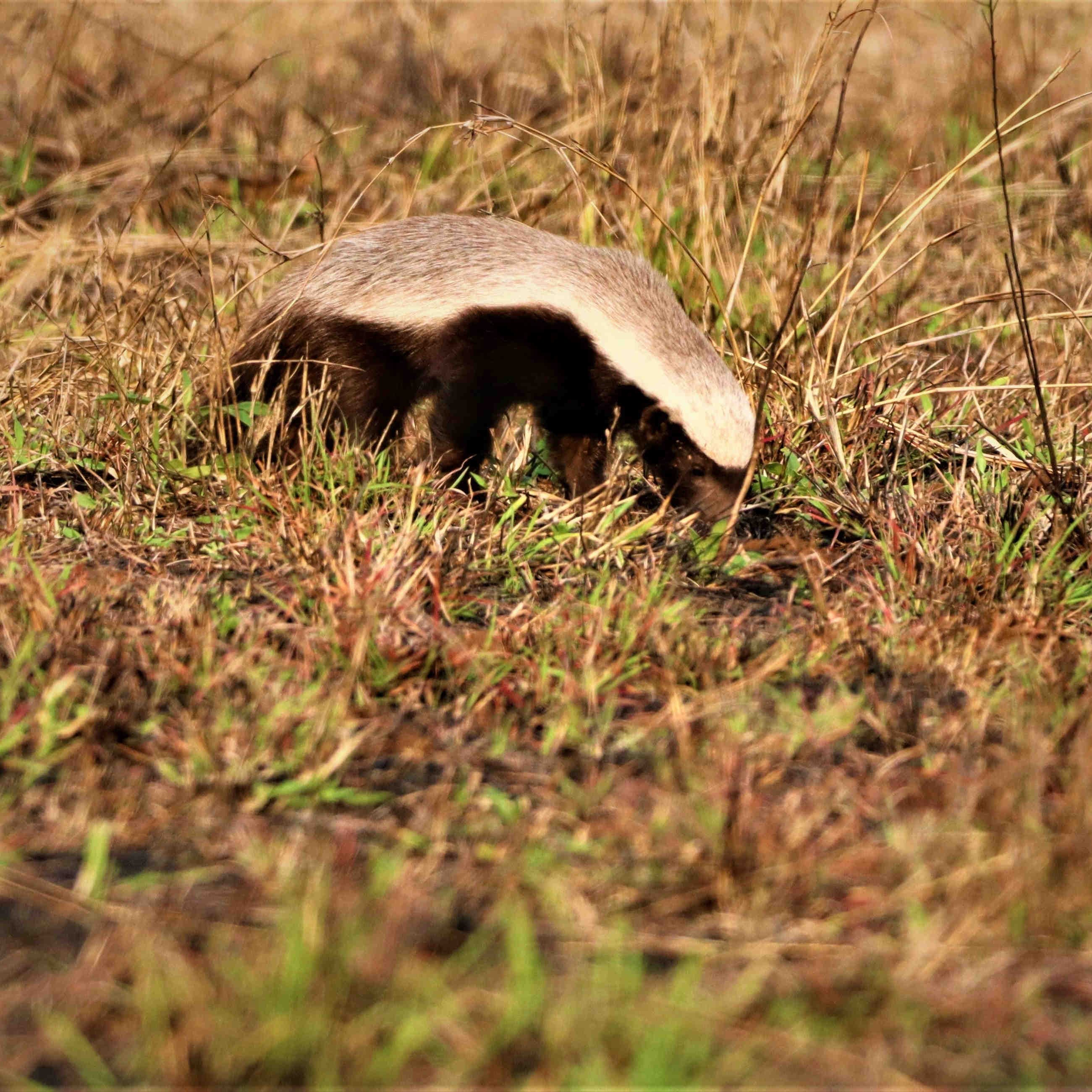
    The honey yew is known for its extraordinary ability to resist snake venom. What would be a lethal dose for a human being causes only mild discomfort in the honey badger, which can easily cope with the bites of the most venomous species. But how is it immune to their venom? A study by the National Center for Biotechnology Information revealed that this depends on nicotinic receptors (nAChRs), i.e., cellular receptors that usually bind acetylcholine - an important neurotransmitter - but also other substances, such as snake alpha neurotoxins. In the honey badger, nAChRs have accumulated certain amino acid modifications at the binding site of these neurotoxins, preventing them from attaching while leaving the interaction with acetylcholine unaffected. These mutations in the receptor are therefore very advantageous.

    tasso del miele
    XNatura

    The honey badger already existed 5 million years ago

    In 2020, fossil traces of a anthenate of the honey badger were found in South Africa - specifically in the West Coast Fossil Park, at the Langebaanweg locality. The study, published in Journal Vertebrate Palaeontology, shows that the ancient prehistoric badger (Mellivora benfieldi) lived about five million years ago: it was smaller than today's badger, but had the same sharp teeth, long claws and short-tempered temper. It was therefore able to survive the African savannah, filled with ferocious predators. With the discovery in 2020, the number of known fossils of Mellivora benfieldi tripled and allowed for an even better analysis of its lifestyle and relationships with other similar mustelids. According to Valenciano, author of the study, 'this is not only a different species to our honey badger, but a different species to the Central African Miocene (Howellictis) and East African (Erokomellivora) species'.

    honey badger

    Cheetah cubs disguise themselves as honey badgers

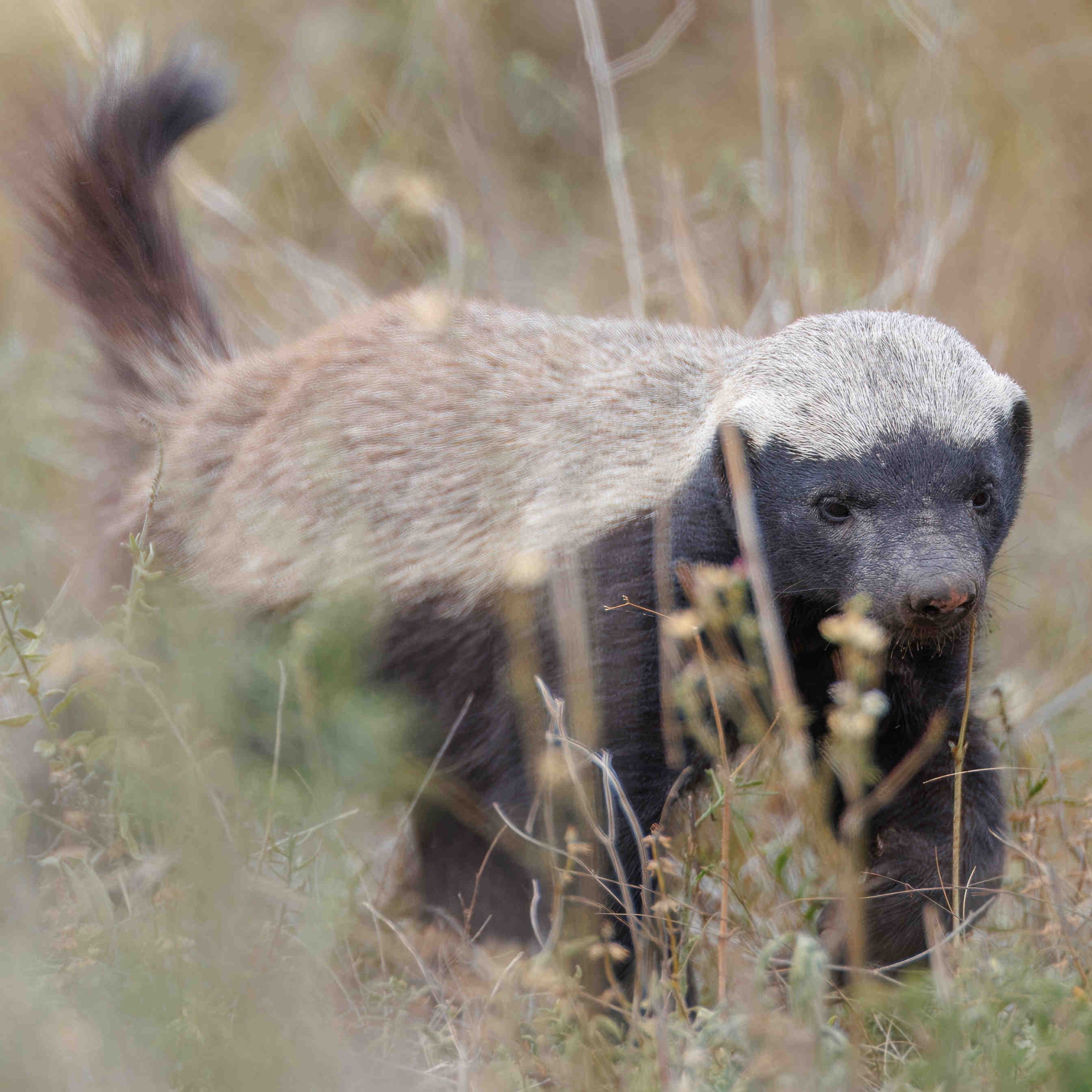
    According to some research, including that of the Washington Department of Zoology, cheetah cubs mimic the appearance of honey badgers with the aim of protecting themselves from predators. This is a hypothesis that has already been scientifically proven, but should be further confirmed with further studies. In any case, the hypothesis suggests that cheetahs, in their first months of life, might use so-called Batesian camouflage, a phenomenon that consists of imitating the appearance of a dangerous species by a harmless one, in order to avoid predation. A veritable survival strategy that cheetah cubs would implement to deter predators by signalling a potential danger, thus making them less likely to attack. Indeed, honey-taxis are known for their aggressive behaviour and pose a danger to their natural enemies.

    cucciolo ghepardo
    XNatura

    What is the conservation status of the honey badger?

    The honey badger (Mellivora capensis) occupies a reassuring position in the red list of endangered species (IUCN). Classified as 'Least Concern', the honey badger enjoys a wide geographical distribution, successfully adapting to many habitats and different altitudes, as well as a varied diet. There appears to be no reason to believe that the species is undergoing a decline that would warrant its inclusion in a threatened or even near-threatened category. However, although the honey badger is not currently considered to be at risk, the situation requires constant monitoring. As more information is acquired, it may be necessary to revise its classification towards a higher threat category. This scenario emphasises the importance of data collection and continuous research, in line with 3Bee's approach to the protection of biodiversity.
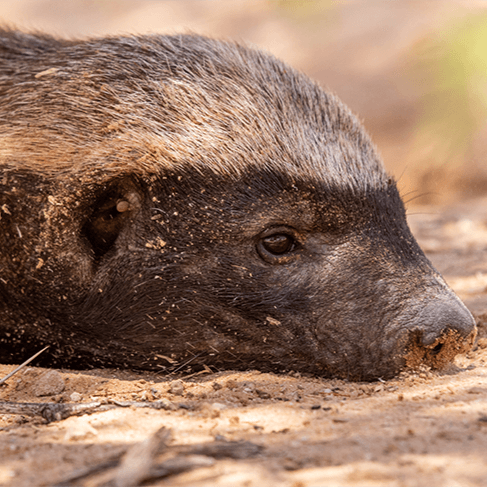
    honey badger IUCN
    3Bee
    16/03/2024Of 3Bee, Lisa Santillo
    8828 Views
    Newsletter
    newsletter
    Subscribe to the Blog about bees and biodiversity

    Frequently Asked Questions

    Do you have any doubts or other curiosities about this article? Here you will find some insights