Honey ants: extraordinary "honey" gatherers
    AntsHoneydewFeedingStructure

    Honey ants: extraordinary "honey" gatherers

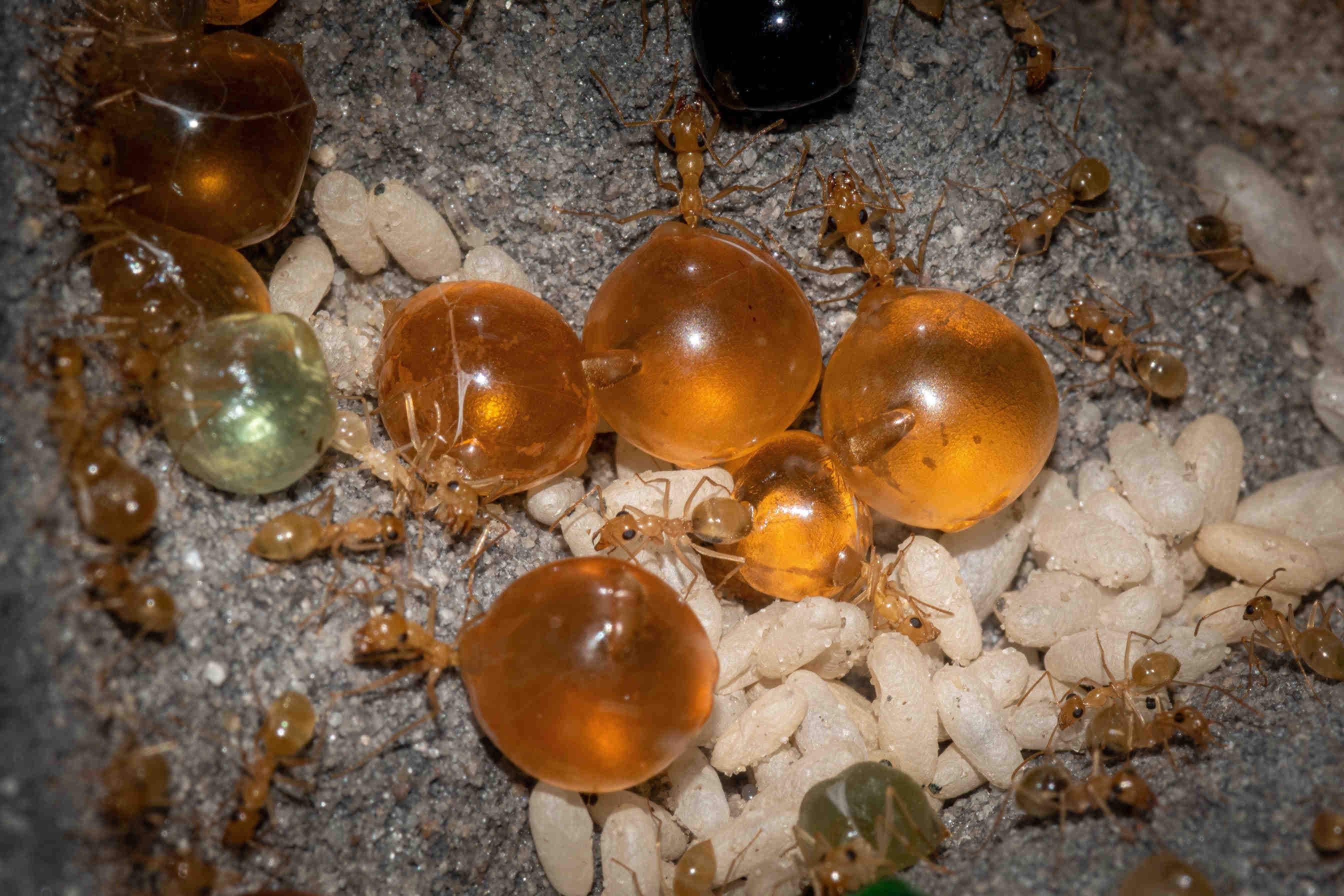
    Honey ants (Myrmecocystus) feed on honeydew, a sugary substance produced by aphids. This diet makes them suitable for living in vegetated areas of North America, where these insects are abundant. Their feeding behavior is unique.

    Read the article
    13/08/2025Of 3Bee, 3Bee
    1007 Views
    13/08/2025Of 3Bee, 3Bee
    1007 Views

    Honey ants: who they are

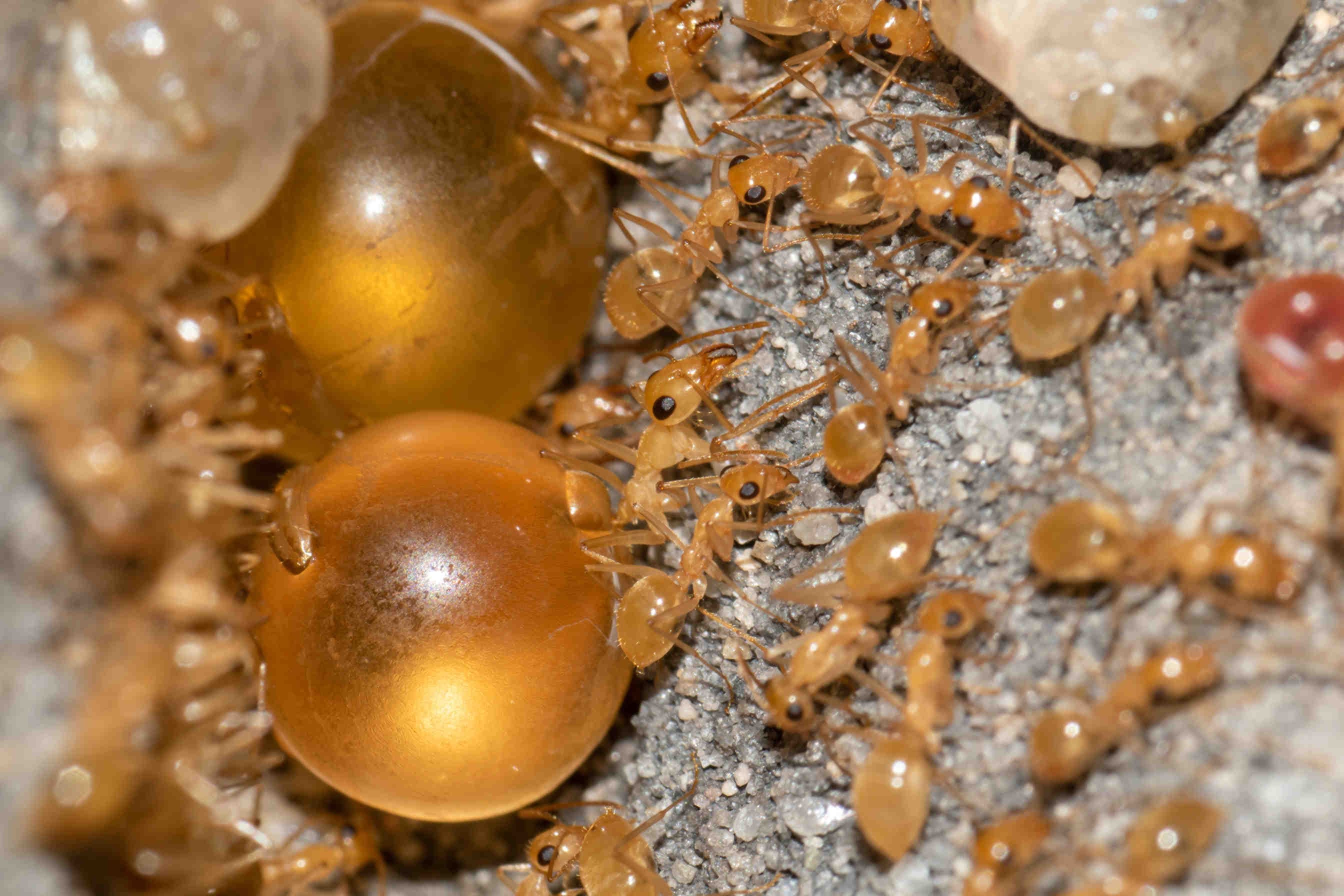
    Honey ants (Myrmecocystus) are unique in their feeding behavior, which distinguishes them from many other ant species. These ants primarily feed on a sugary substance called honeydew, produced by aphids, small parasitic insects commonly known as plant lice. Due to this dietary characteristic, honey ants have particularly adapted to life in vegetated areas, predominantly in North America, where aphids abound.
    3bee-blog-formiche-mellifere-chi-sono

    What is honeydew?

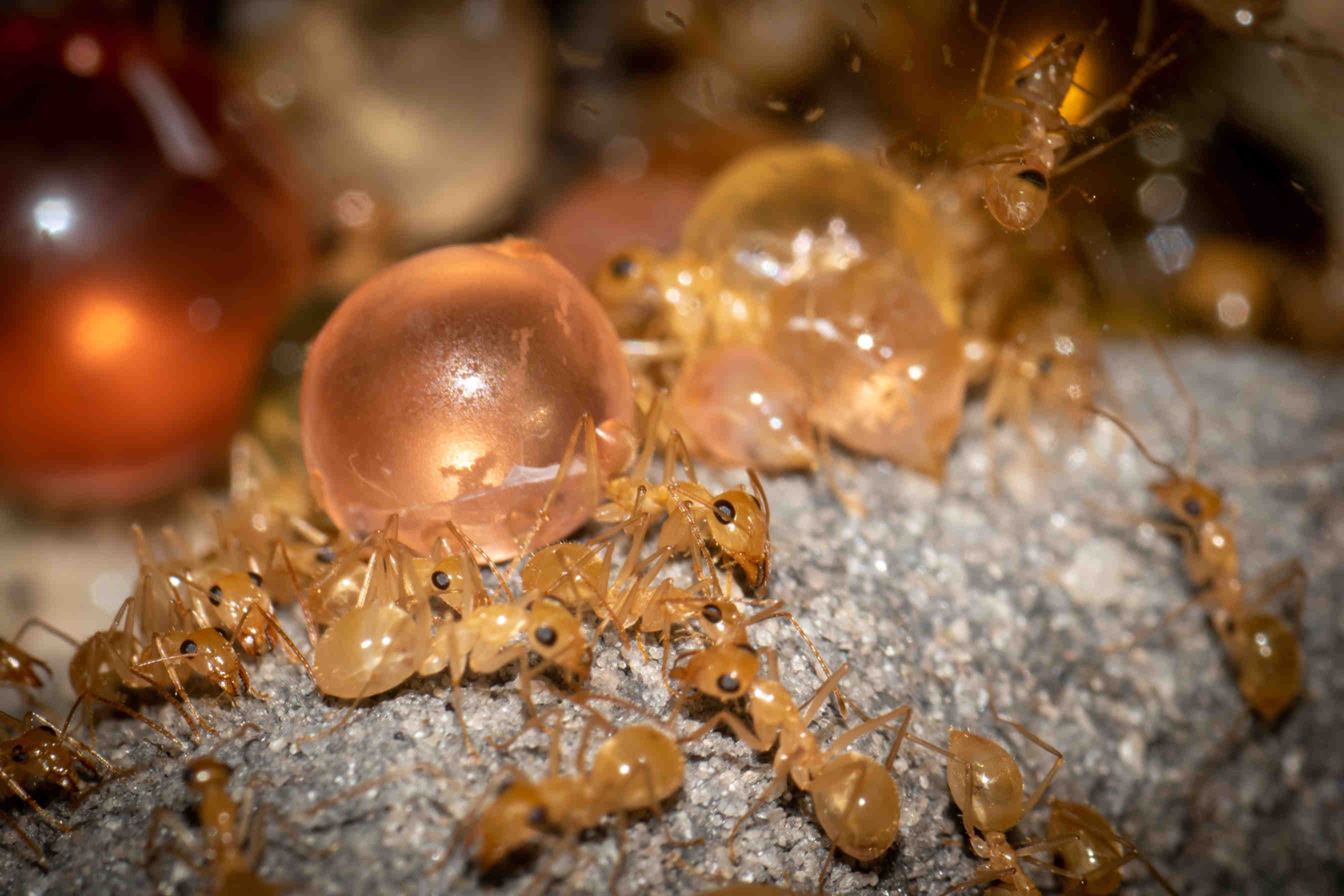
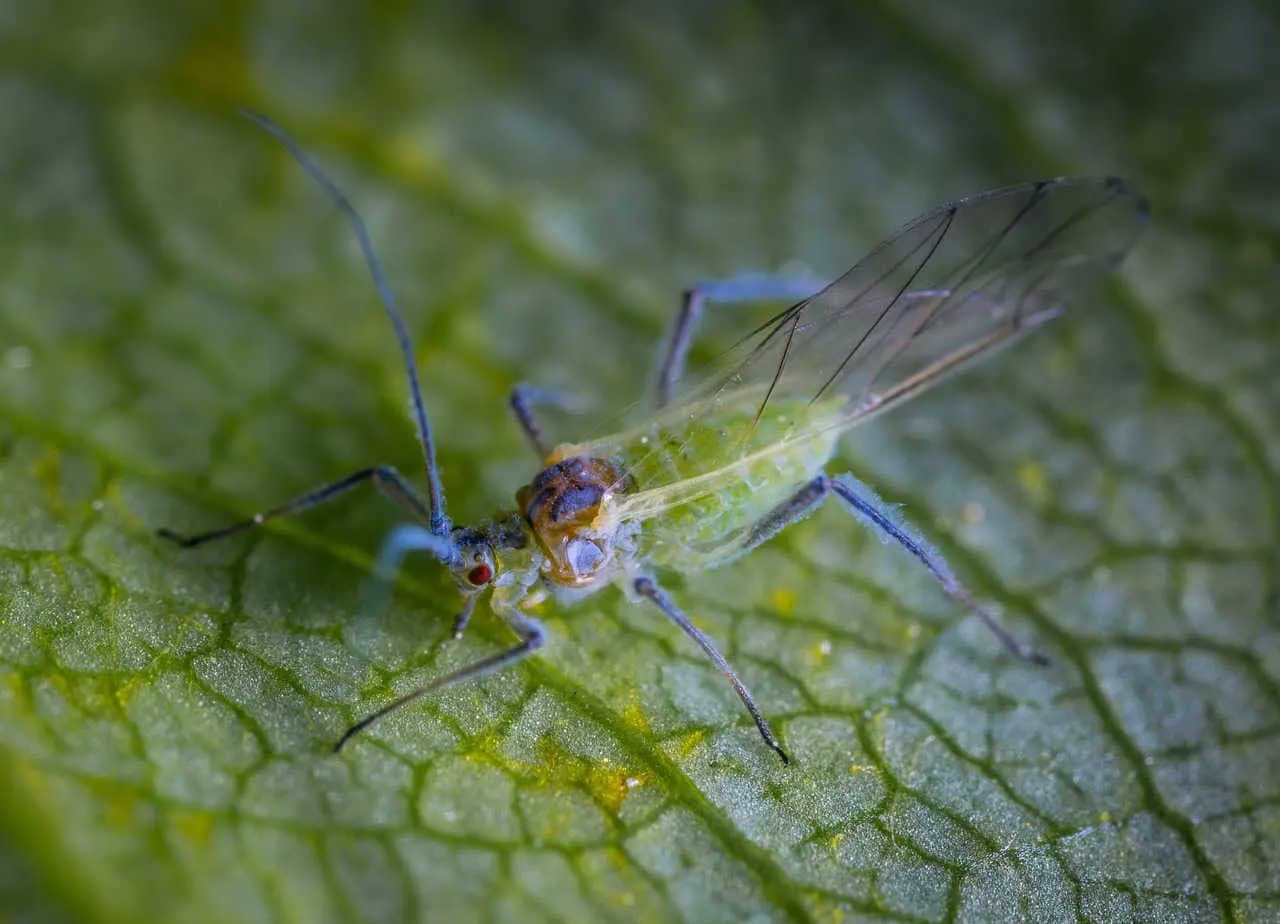
    Honeydew is a sugary substance produced by insects such as aphids and leafhoppers that feed on the sap of plants. During this process, the insects secrete a viscous liquid rich in sugars, which ants, particularly honey ants, collect and use as a source of nourishment. Honeydew is a valuable resource for many ant species, which store it within their nests or bodies to be consumed during periods of scarcity. This "milking" behavior of aphids by ants is essential for their survival and the maintenance of the social structure of colonies. Did you know there is honeydew honey?

    3bee-blog-melata-afidi
    XNatura

    Feeding and honeydew collection

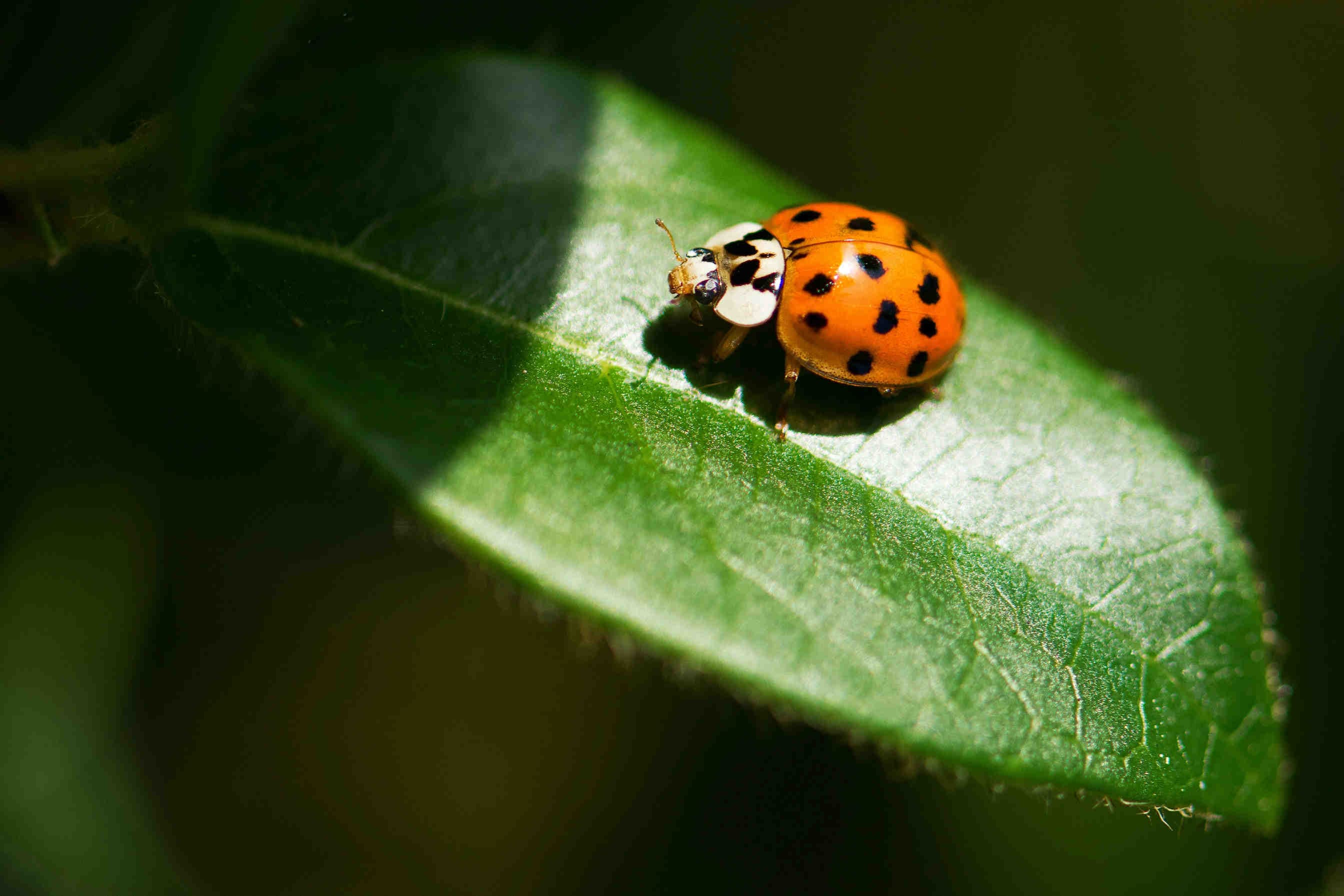
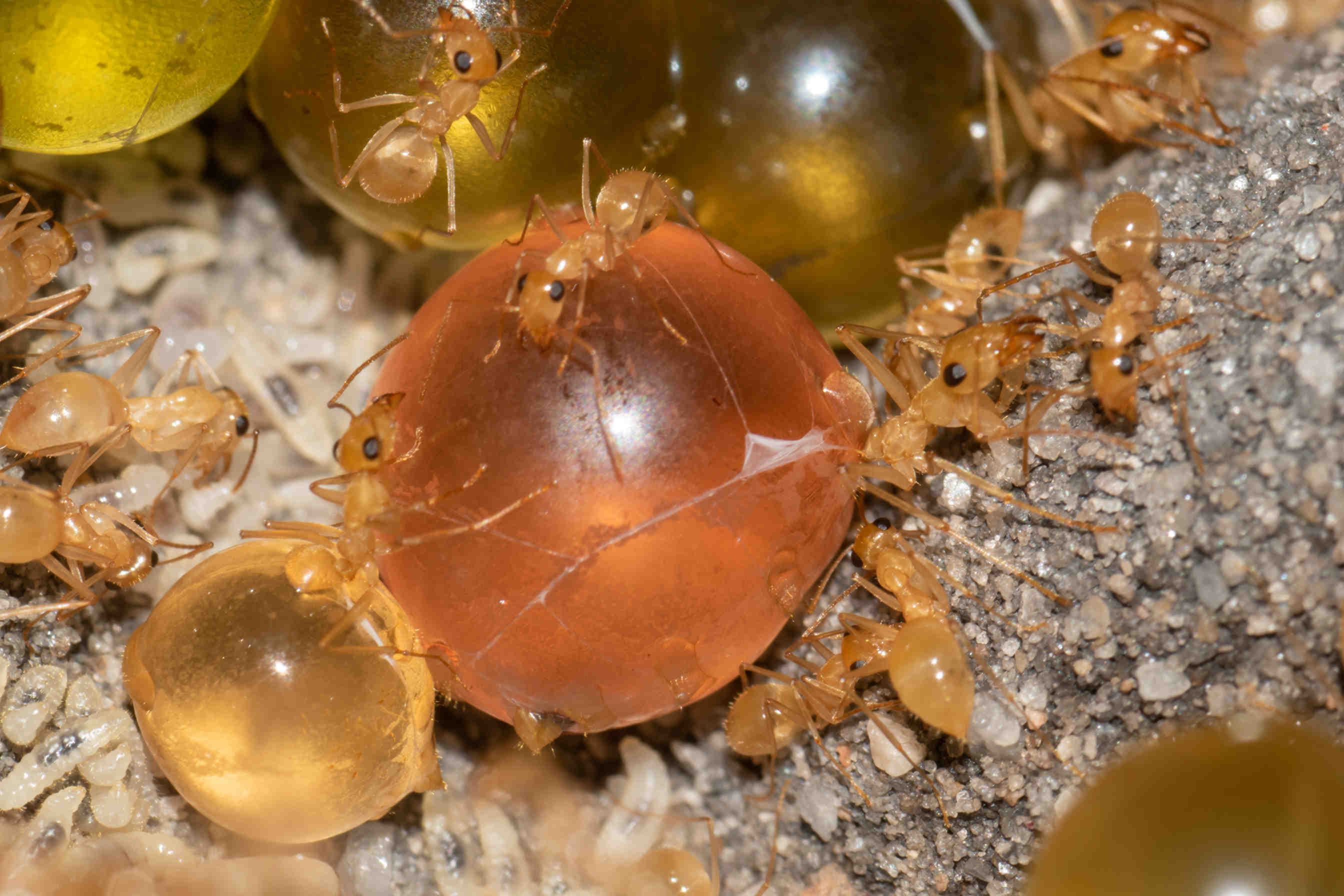
    Honey ants collect honeydew through a process that might seem unusual: they “milk” the aphids. The sugary substance collected by the ants is stored in special chambers inside their nests. Worker ants are primarily responsible for this gathering activity, which involves not only transporting the collected honeydew but also storing part of it in their abdomen for later use. The ants establish a symbiotic relationship with the aphids, where the aphids provide honeydew in exchange for protection from predators like ladybugs that might feed on them.

    3bee-blog-alimentazione-raccolta-honeydrew

    Physical characteristics and social structure

    Honey ants have a reddish or brown body and reach a length of about 0.6 cm. Their social structure is extremely complex and organized into a caste system. Each colony can host up to 300 individuals, divided into different roles. The queen, the only fertile member of the colony, lays the eggs that will give rise to females or males depending on whether they are fertilized or not. The workers are responsible for collecting honeydew and taking care of the eggs and larvae. Once the eggs hatch, the young ants are fed with the honeydew stored in the colony, where they grow and develop rapidly. Once they reach adulthood, these ants integrate into the caste system, taking on the roles of workers, reproductive females, or reproductive males.

    3bee-blog-caratteristiche-fisiche-struttura-sociale
    XNatura

    An exceptional social organization

    The life of a honey ant is closely tied to its ability to collect and store honeydew. This behavior not only makes them a fascinating species to study for their ecological specialization, but their social structure also offers interesting insights into the division of labor in insect communities. Like other ant species, honey ants also live in large colonies, with nests that can extend up to 2 meters in width. Each colony is divided into chambers and galleries, including one reserved for the queen and another designated for the storage of collected honeydew. The colony operates as a cohesive organism, with each individual engaged in specific activities, thus ensuring collective survival and well-being.

    3bee-blog-eccezionale-organizzazione-sociale
    3Bee

    The role of ants in biodiversity

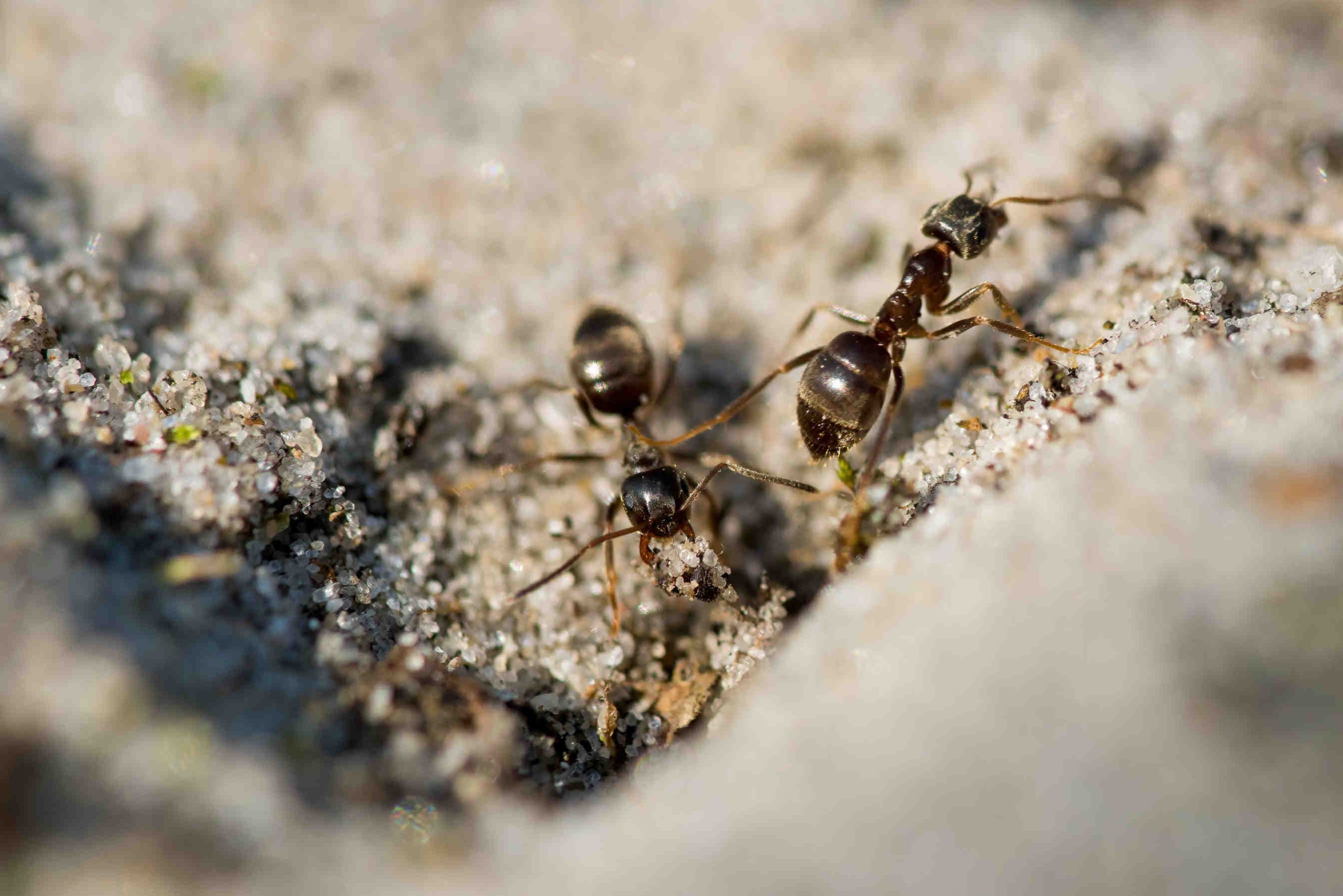
    Ants play a fundamental role in biodiversity, influencing numerous ecological processes. As decomposers, they contribute to the nutrient cycle in the soil, promoting soil fertility and plant growth. Additionally, some ant species, such as honey ants, are important pollinators, supporting plant reproduction in natural environments. Ants are also seed dispersers, facilitating the spread and growth of new plants, thus increasing plant diversity. Finally, by acting as natural predators, they help maintain ecological balance by controlling populations of insect pests that harm plants.

    3bee-blog-il-ruolo-delle-formiche-nella-biodiversita

    3Bee Oases: a project for corporate biodiversity

    3Bee Oases are environments designed to host biodiversity in areas with low ecological value, even by reclaiming spaces within company premises. We transform spaces into natural habitats where pollinating insects like bees and ants can thrive. By adopting an Oasis, companies contribute directly to the protection of biodiversity, creating a positive impact not only on their territory but also within their CSR strategy. 3Bee Oases offer practical and monitorable solutions to promote interaction between companies and nature, an efficient ally for protecting our environment.

    3bee-blog-progetto-per-biodiversita-aziendale
    13/08/2025Of 3Bee, 3Bee
    1007 Views
    Newsletter
    newsletter
    Subscribe to the Blog about bees and biodiversity

    Frequently Asked Questions

    Do you have any doubts or other curiosities about this article? Here you will find some insights