Holly: a fascinating plant, symbol of the Christmas holidays
    HollyDecorativeCuriositiesOrnamental uses

    Holly: a fascinating plant, symbol of the Christmas holidays

    Holly is an evergreen plant belonging to the Aquifoliaceae family. Discover in this article the etymology of its name, its importance for biodiversity, its decorative use, and its characteristics.

    Read the article
    22/12/2024Of 3Bee, Lara Vivarelli
    482 Views
    22/12/2024Of 3Bee, Lara Vivarelli
    482 Views

    Holly: a thorny-leaved woody plant

    Disclaimer: this is an automated translation from Italian. Go to the original article.

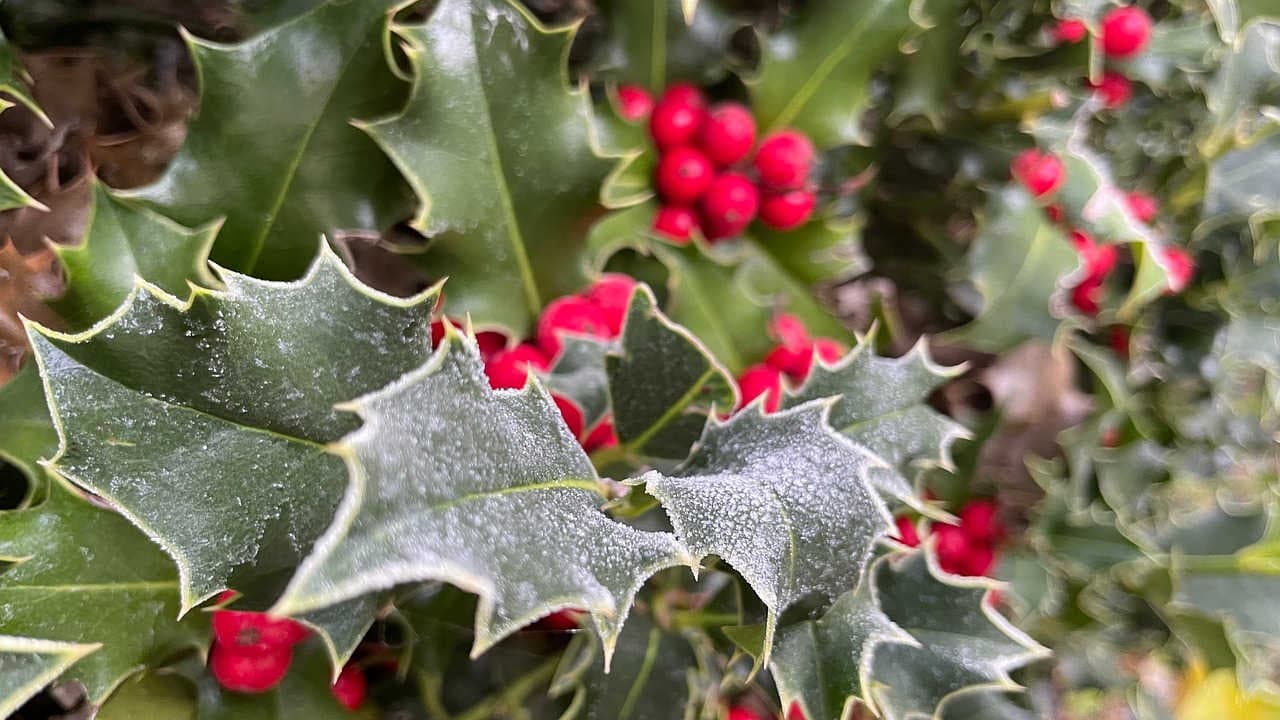
    Holly, also known as aquifolium, spiny laurel, or large butcher's broom, is a woody plant belonging to the Aquifoliaceae family. Ilex aquifolium is the scientific name of the holly, which is mainly spread in Western Europe and is characterized by a bushy growth habit. The term Ilex, which designates the genus, derives from the Latin Quercus ilex (holm oak), chosen by Linnaeus for the similarity of the leaves. Some authors suggest that it could also derive from the Greek ὑλήεις (hyléeis), which means "wooded" or "forest-like". The specific name aquifolium refers to the pointed shape of the leaves, as acus means "point" or "needle" and folium indicates "leaf".
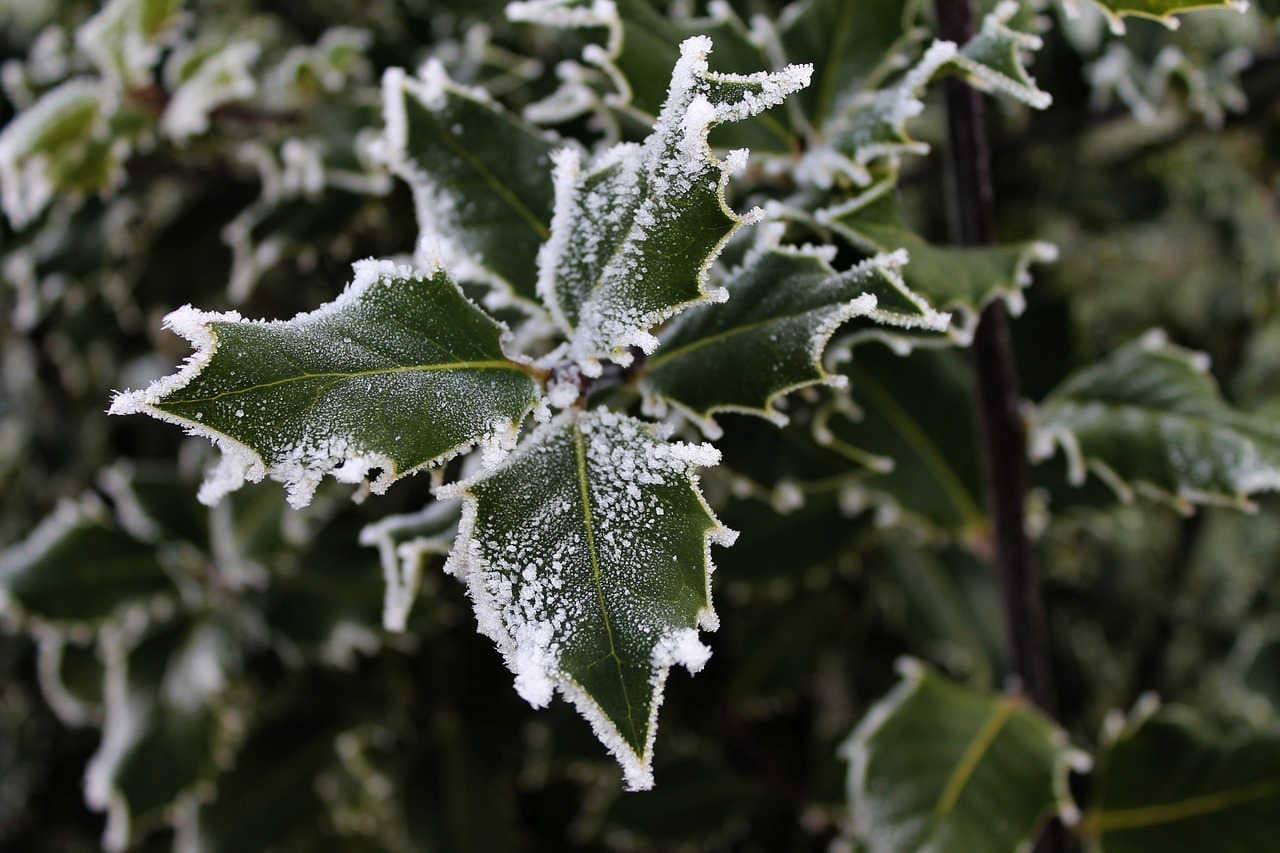
    foglie spinose agrifoglio

    The decorative aspect of holly

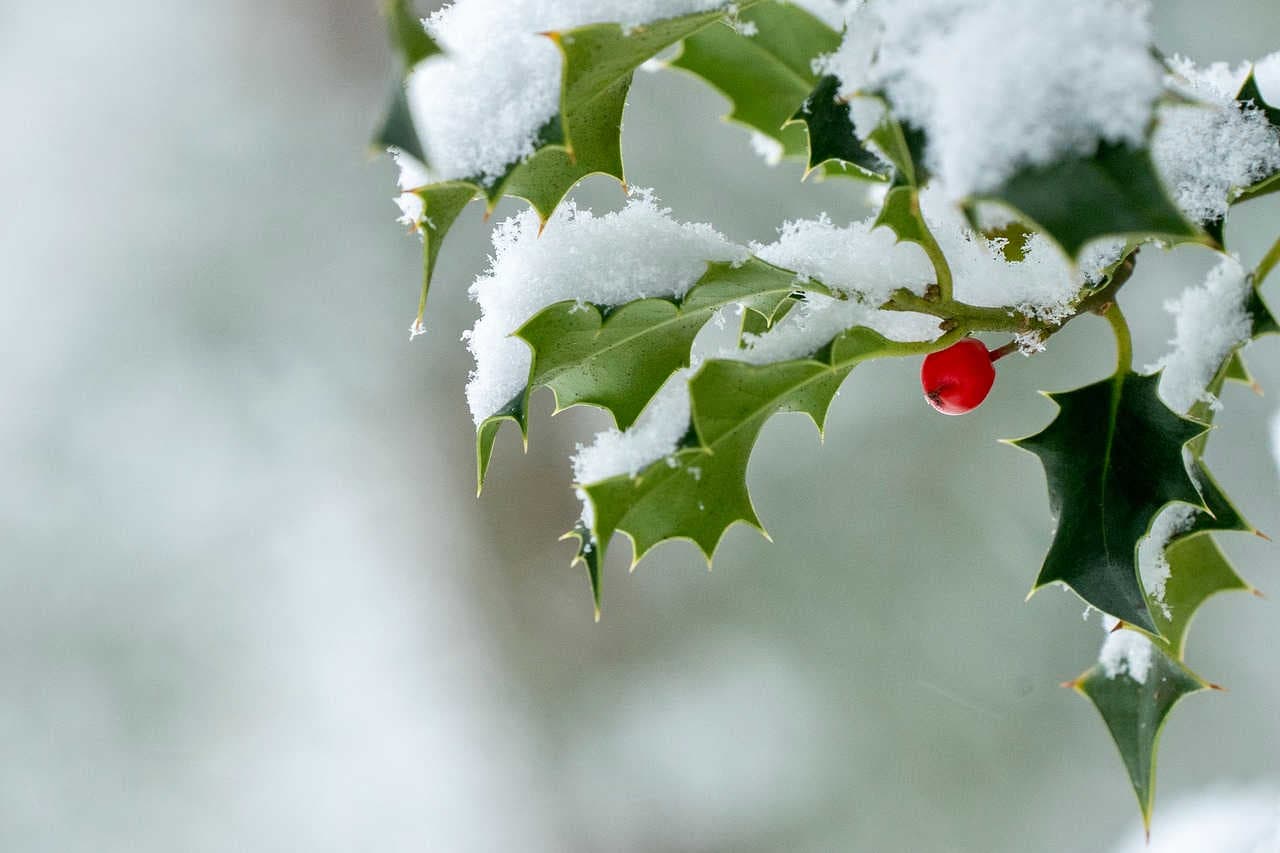
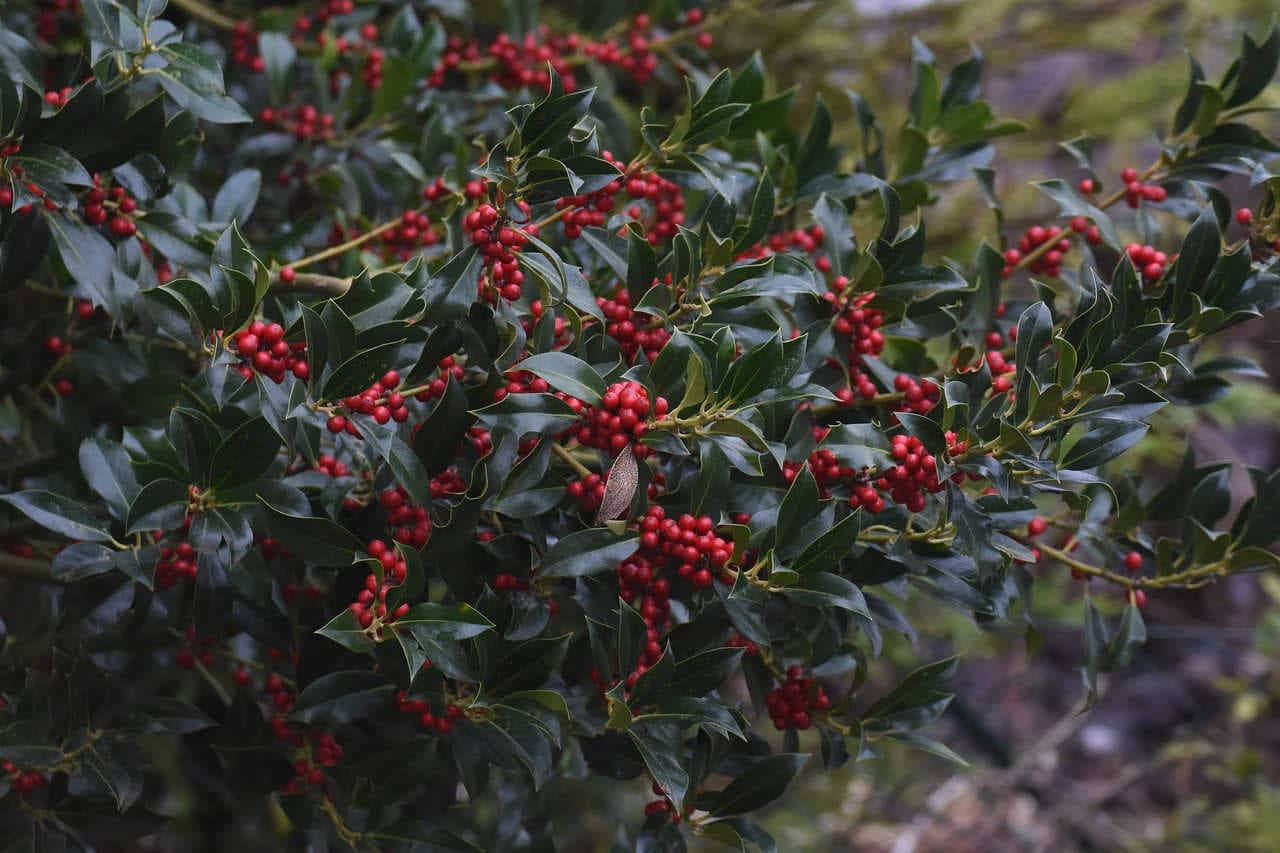
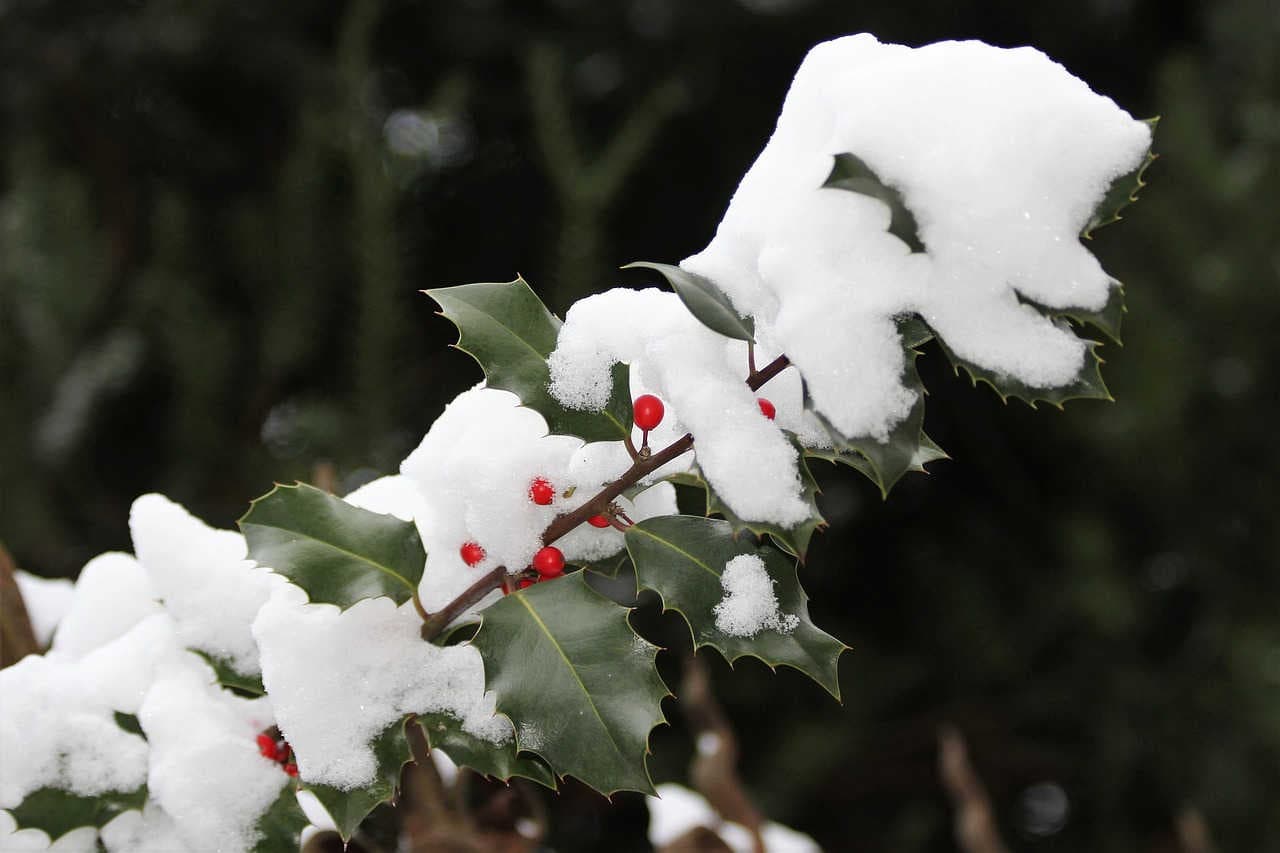
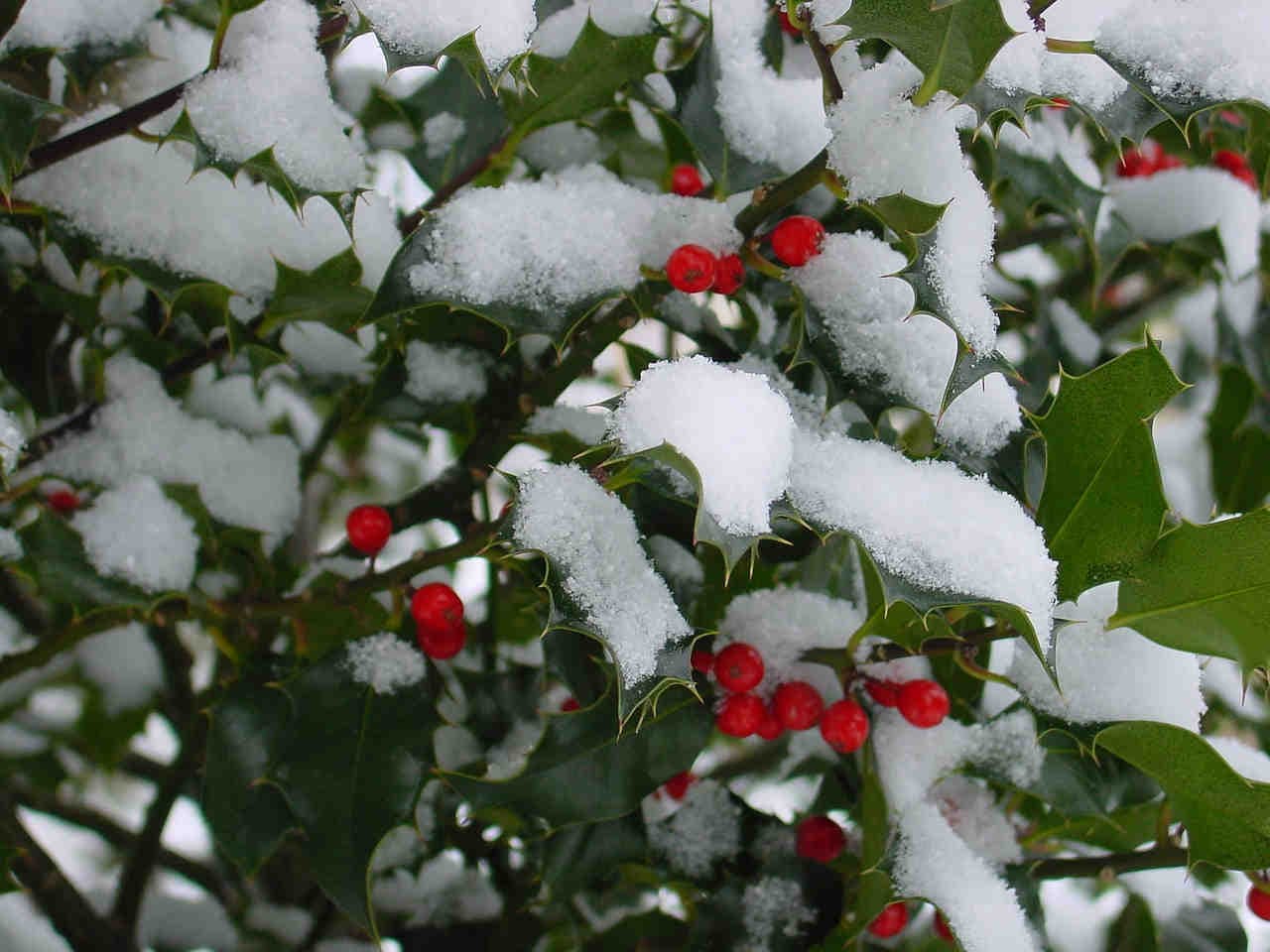
    The holly is highly appreciated during the winter months for its strong decorative impact, thanks to the contrast between its shiny green leaves and bright red fruits. The plant has a dense crown, with low and young branches bearing leaves with toothed and spiny edges, while higher branches have full leaves. The leaves are leathery and shiny, of a bright green. In winter, it is still possible to admire the fruits, which ripen between August and September. These fruits, small drupes of red scarlet color, are particularly appreciated by many birds. Holly generally has a bushy appearance and does not exceed 10 meters in height, although specimens reaching 24 meters have been observed.

    aspetto decorativo dell'agrifoglio
    XNatura

    Curiosities about holly

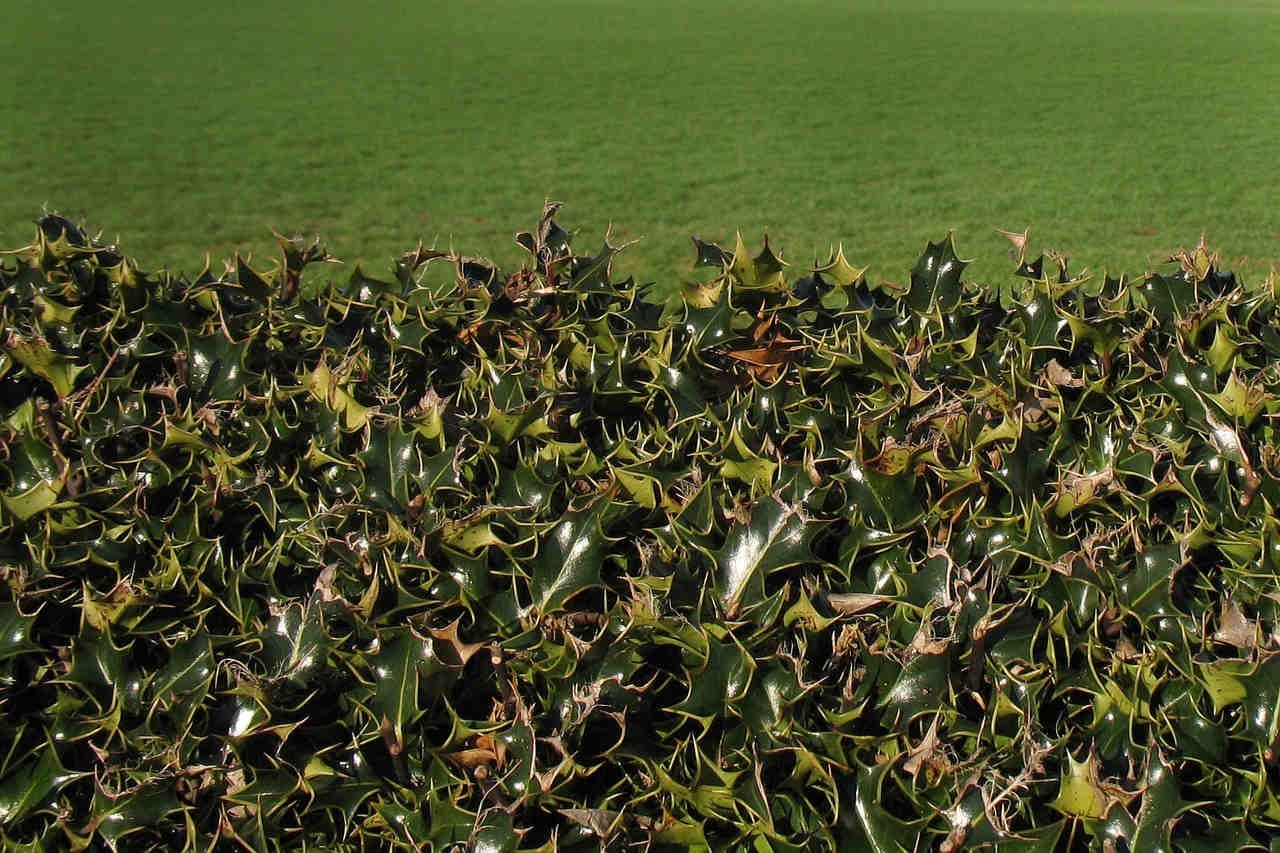
    Not everyone knows that holly is really famous. The name of the city of Hollywood actually means "holly forest", deriving from the English term "holly". Although there are no holly forests in the area, it is true that holly hedges thrive in the gardens of Hollywood celebrities. These dense and spiny hedges offer natural protection for the privacy and tranquility of the gardens. Another curiosity concerns the shape of its leaves: when damaged or grazed, the plant activates genes that stimulate the growth of spiny leaves as a defensive response. So, on taller holly trees, the upper leaves have smooth edges, while the lower ones are spiny.

    siepi agrifoglio foglie spinose

    The ornamental uses of holly

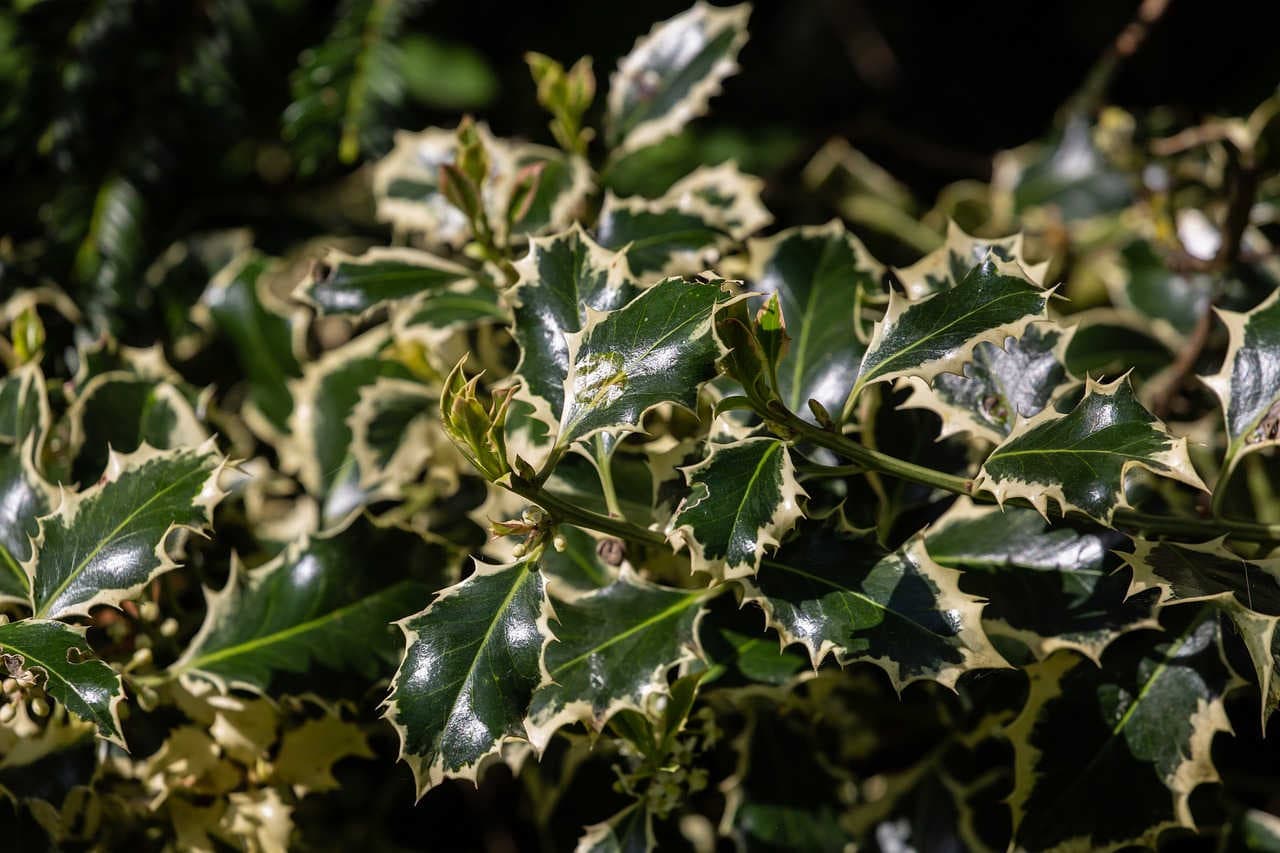
    This plant species is mainly used for ornamental purposes due to its decorative appearance, especially during the Christmas period. The color of its leaves can vary in different shades, from shiny dark green to variegated varieties of white, cream, or yellow. The foliage may seem persistent, but in reality, there is an annual leaf replacement, which does not occur simultaneously for all the leaves. Moreover, being a long-lived plant, with slow growth and evergreen, along with considerable resistance to pollution, it is a highly recommended plant for forming hedges in cities. It has a warm and welcoming appearance that makes it beloved and attractive both in cold months and throughout the rest of the year.

    usi decorativi dell'agrifoglio
    XNatura

    Holly in popular tradition

    Holly has been considered a magical plant since times before Christian Christmas, believed to protect from demons and bring good luck. Its first uses date back to Ireland, where even the poorest families could afford to decorate their homes with this plant. Considered a beneficial shrub, holly was feared by evil spirits, witches, and enchanters. In Christian tradition, its hard and spiny leaves symbolize strength and protection against evil, while its berries represent the light of Christmas. In the past, it was hung in homes and stables on Christmas Eve to ward off spells and diseases.

    l’agrifoglio nella tradizione popolare
    3Bee

    A forest of secular hollies

    At Piano Pomo, on the northeastern slope of the Carbonara Massif, in the Madonie in Sicily, there grows a small holly forest consisting of about fifty secular plants. According to botanists, this holly forest was probably widespread throughout Europe during the Tertiary period, before the Pleistocene glaciations. At an altitude of 1400 meters, in a valley with siliceous and deep soil, these specimens have found their ideal environment, developing in extraordinary sizes. The giant hollies in this area are indeed unique in the world, with heights ranging from 20 to 25 meters. Furthermore, they are very long-lived plants: the oldest specimen is about 900 years old.

    agrifogli secolari

    Medicinal uses and toxicity of holly

    Holly is widely used in folk medicine, but its toxic effects far outweigh the beneficial ones. This plant is considered poisonous due to the presence of certain substances, like ilicicoside glucoside in the bark and various alkaloids in the leaves and fruits. Additionally, holly is rich in saponins, molecules produced by plants as protection against some pathogens, including fungi. If ingested in large quantities, these saponins can be dangerous because of their hemolytic action, which destroys red blood cells in the blood. Despite this, holly is also known for various therapeutic properties, including antipyretic, antimalarial, diuretic, vermifuge, and anti-rheumatic effects.

    usi dell'agrifoglio nella medicina popolare

    Holly for biodiversity

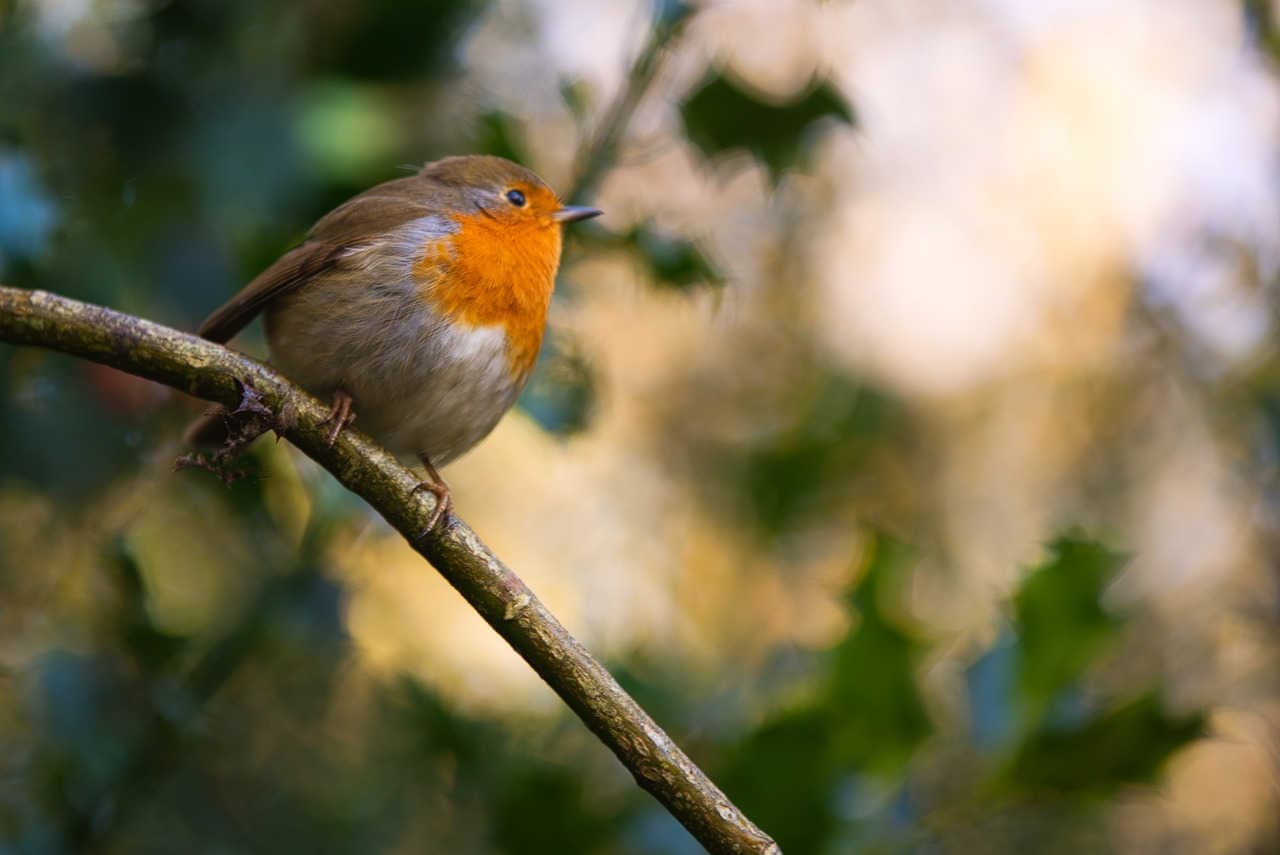
    The flowering of holly occurs between May and June, with small white, not particularly showy flowers. The flowers are of two types, male and female, and each plant produces only one of the two. For reproduction, therefore, other holly plants nearby are necessary. Like many other plants, holly depends on bees for pollination. Thanks to its sharp thorns, holly offers a safe refuge for small animals and birds, protecting them from predators. Birds, in particular, are attracted to its red seeds, which they consume and disperse, thus contributing to the plant's reproduction. Thrushes and blackbirds, in particular, are insensitive to the toxicity of its berries and eat them in large quantities without risk.

    agrifoglio per la biodiversità

    Protection of holly

    Some plant species, considered particularly worthy of protection, are protected by law and cannot be collected, commercialized, or damaged in any way. Holly, together with the butcher's broom, is amongst these nationally protected entities, as it is a plant in need of special preservation. This plant, in fact, is strongly threatened with extinction due to the wild collection it is often subjected to, especially for use in Christmas decorations. The indiscriminate harvest for ornamental purposes further reduces its populations in the wild, putting its survival at risk.

    protezione nazionale dell'agrifoglio

    Biodiversa: the 3Bee game app for biodiversity monitoring

    Biodiversa is the free game app for biodiversity monitoring and ecosystem protection, allowing you to “collect” and easily identify plants and flowers encountered during a walk outdoors. An ambitious citizen science project aiming to create a cooperative archive dedicated to flora (and in a second phase to fauna) in Europe, engaging game users with species cataloging challenges, some of which are rare or endangered. Available for iOS and Android, Biodiversa has a dynamic similar to some popular free-to-play video games that encourage moving and traveling in the real world to “collect” characters. The app developed by 3Bee indeed offers a gaming experience where plants are to be “collected” and identified to gather experience points, level up, and climb the leaderboard.

    22/12/2024Of 3Bee, Lara Vivarelli
    482 Views
    Newsletter
    newsletter
    Subscribe to the Blog about bees and biodiversity

    Frequently Asked Questions

    Do you have any doubts or other curiosities about this article? Here you will find some insights