Overview
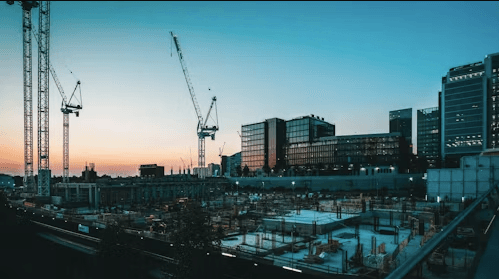
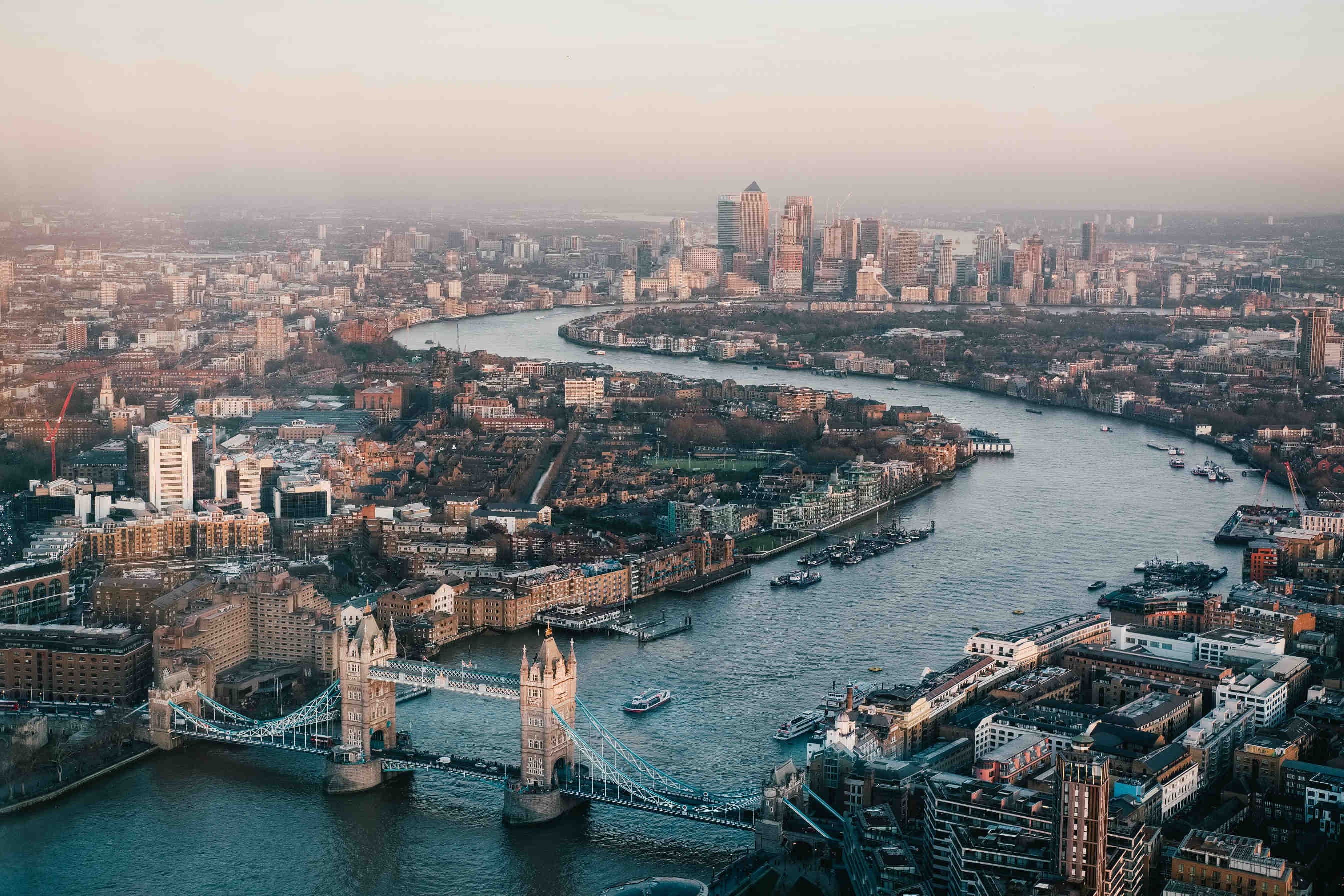
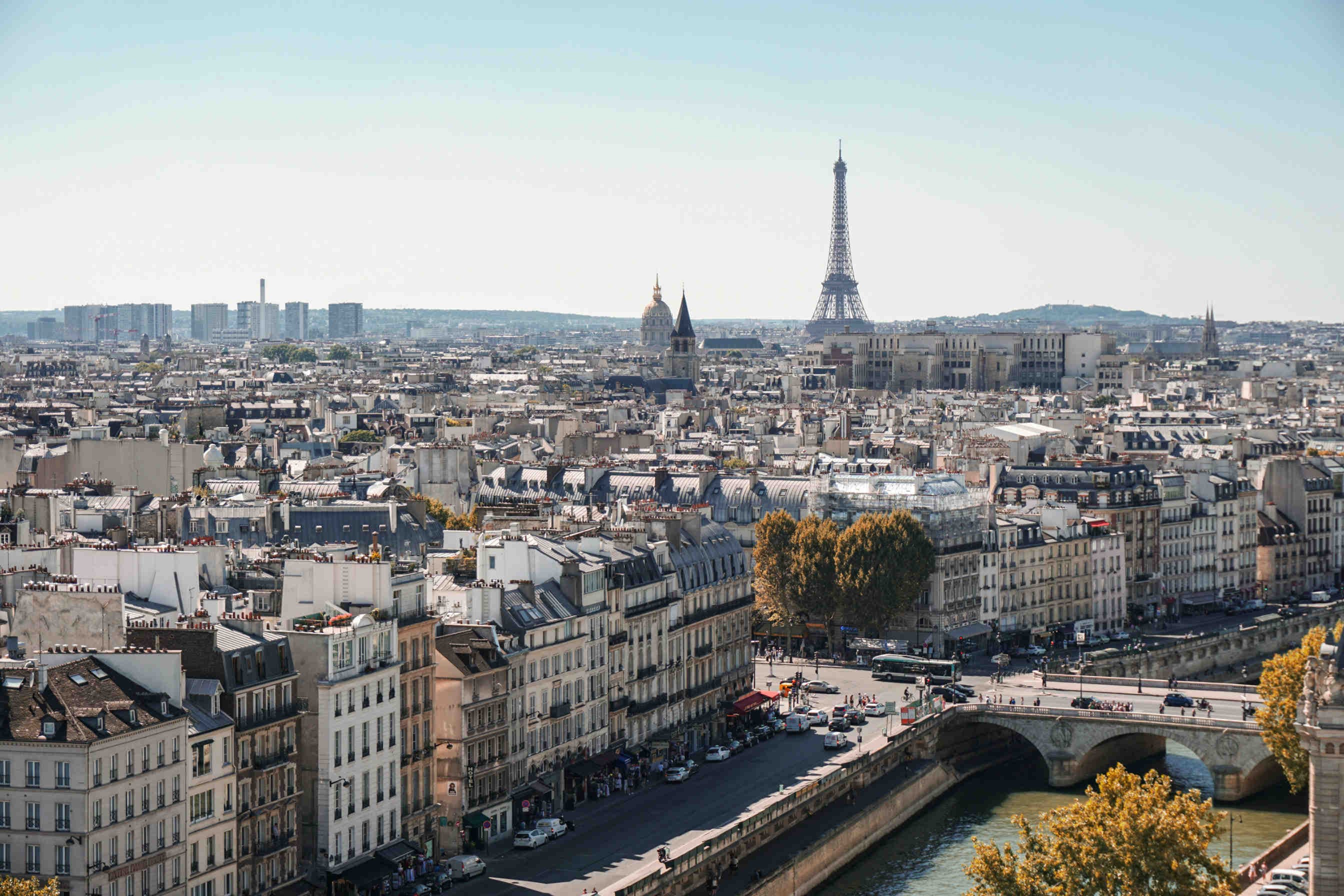
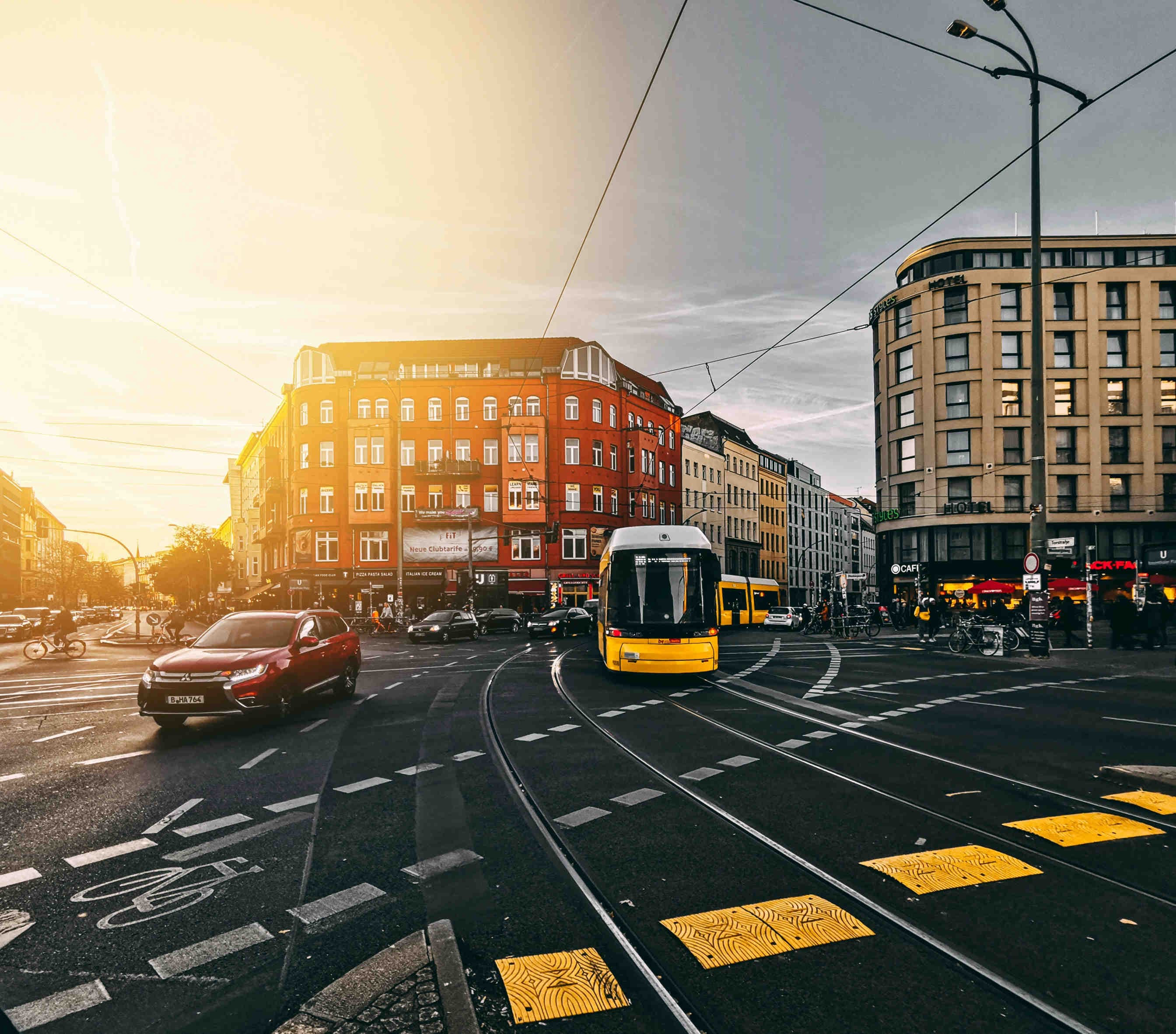
For centuries, cities have played a key role in all industries: tourism, entertainment, and so on. However, they also play a key role in the socio-environmental spectrum due to high population and anthropogenic activity. According to the UN, around 2.5 billion more people will be living in cities by 2050, meaning increasing demands on services such as housing and transportation, all of which lead to biodiversity loss. The WEF has also stated that cities are currently responsible for more than two thirds of GHG emissions. However, cities are also well equipped, with a wide range of resources to tackle the negative effects on the environment of their own activities.