Green corridors: a means to sustain biodiversity
    EcosystemHuman impactCitiesFragmentation

    Green corridors: a means to sustain biodiversity

    Green corridors are long and narrow green areas that connect different natural areas in urban, agricultural and rural environments. Find out how they are made, what their importance is and what our contribution can be.

    Read the article
    11/01/2024Of 3Bee, Elena Fraccaro
    810 Views
    11/01/2024Of 3Bee, Elena Fraccaro
    810 Views

    Definition of ecosystem

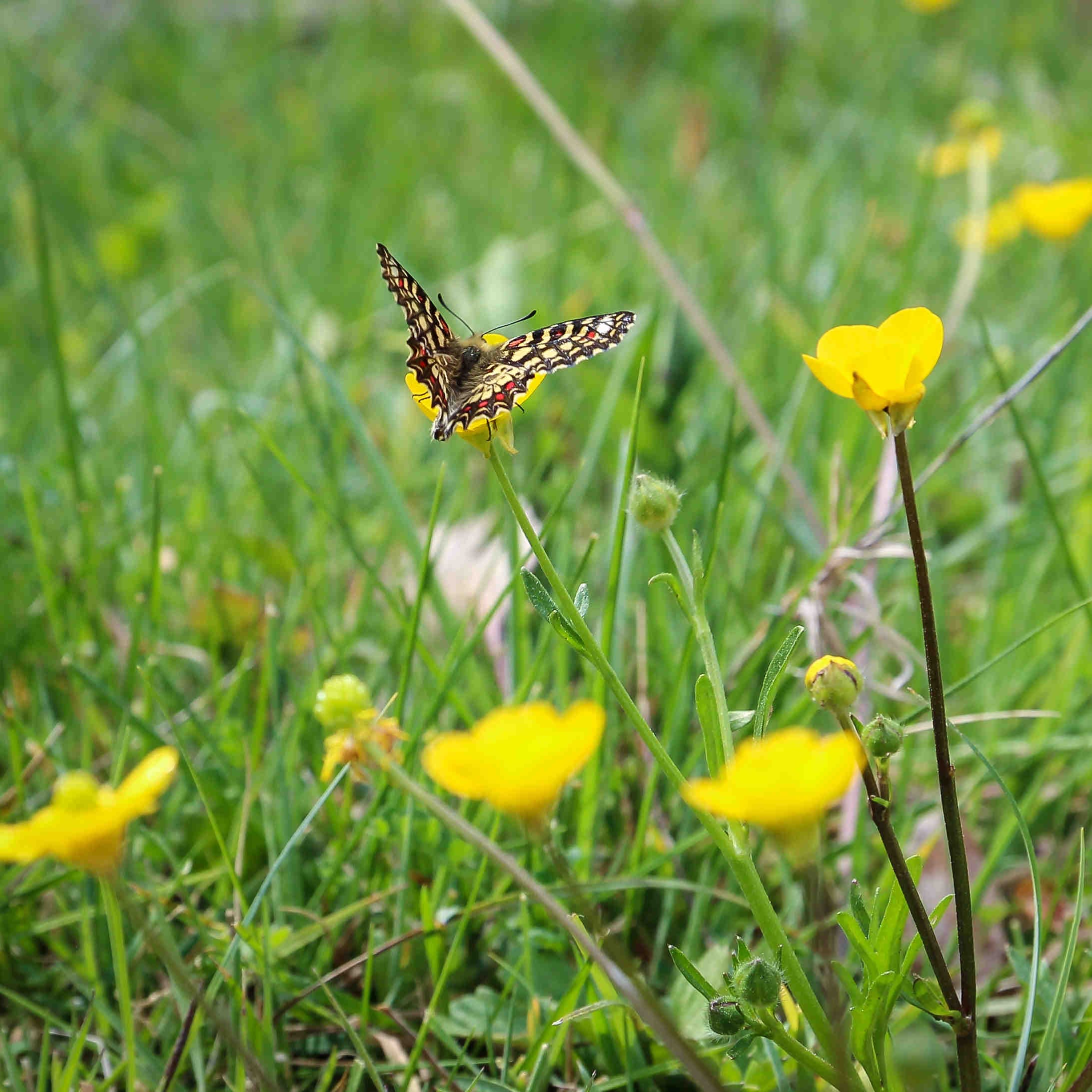
    We often hear about ecosystems and their preservation, and by now it has become a word we have all heard, but perhaps not everyone knows its meaning. An ecosystem is a biological system made up of the dynamic interaction between the biotic component, i.e. living organisms (plants, animals and microorganisms) and abiotic, i.e. the combination of air, water and soil, all influenced by climatic factors. These components interact and influence each other, forming cycles of energy and matter. Ecosystems can be of different types, such as forests, deserts, seas or grasslands, and have a great variety of species that adapt and coexist in a delicate balance. The stability of ecosystems is largely influenced by biodiversity and the more species-rich an ecosystem is, the more stable it is.
    Farfalla_Fiore_Giallo

    Human influence

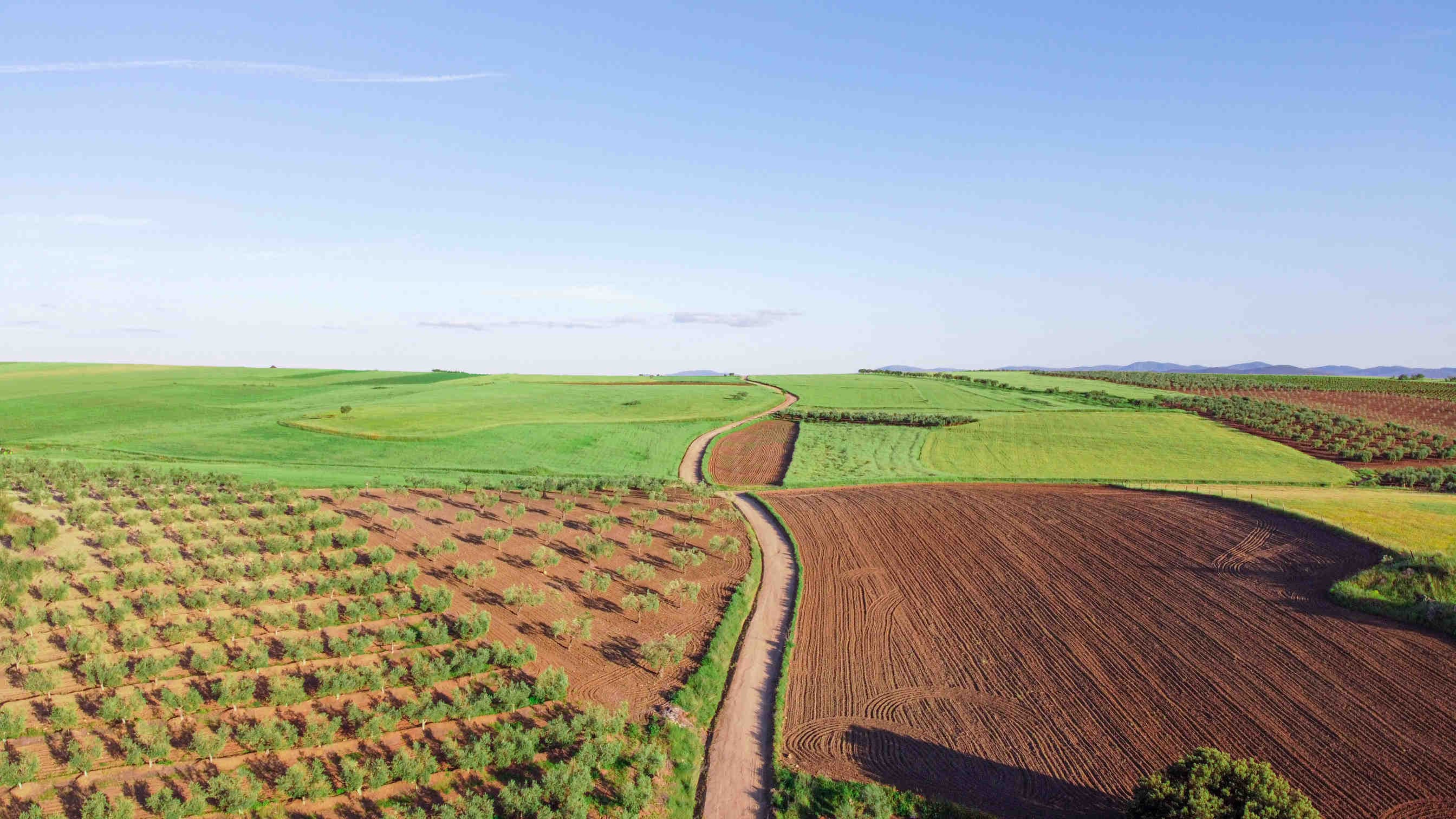
    All human activities influence ecosystems. The greatest influence humans have on ecosystems is with agriculture: for millennia, by selecting and sowing only certain species of plants at the expense of the dozens or hundreds that would naturally live in place of a few selected cultivars, humans have created ecosystems that did not exist before. Moreover, these ecosystems are characterised by the presence of a single species, because the others have almost always been considered pests, but the trend is changing and there is an increasing tendency to try to conserve biodiversity even in agricultural environments. Of course, all other activities, such as pollution, deforestation and climate change, can adversely affect both natural and man-made ecosystems, compromising their biological diversity and ability to sustain life for both humans and all other species.

    Agricoltura
    XNatura

    Urban ecosystem

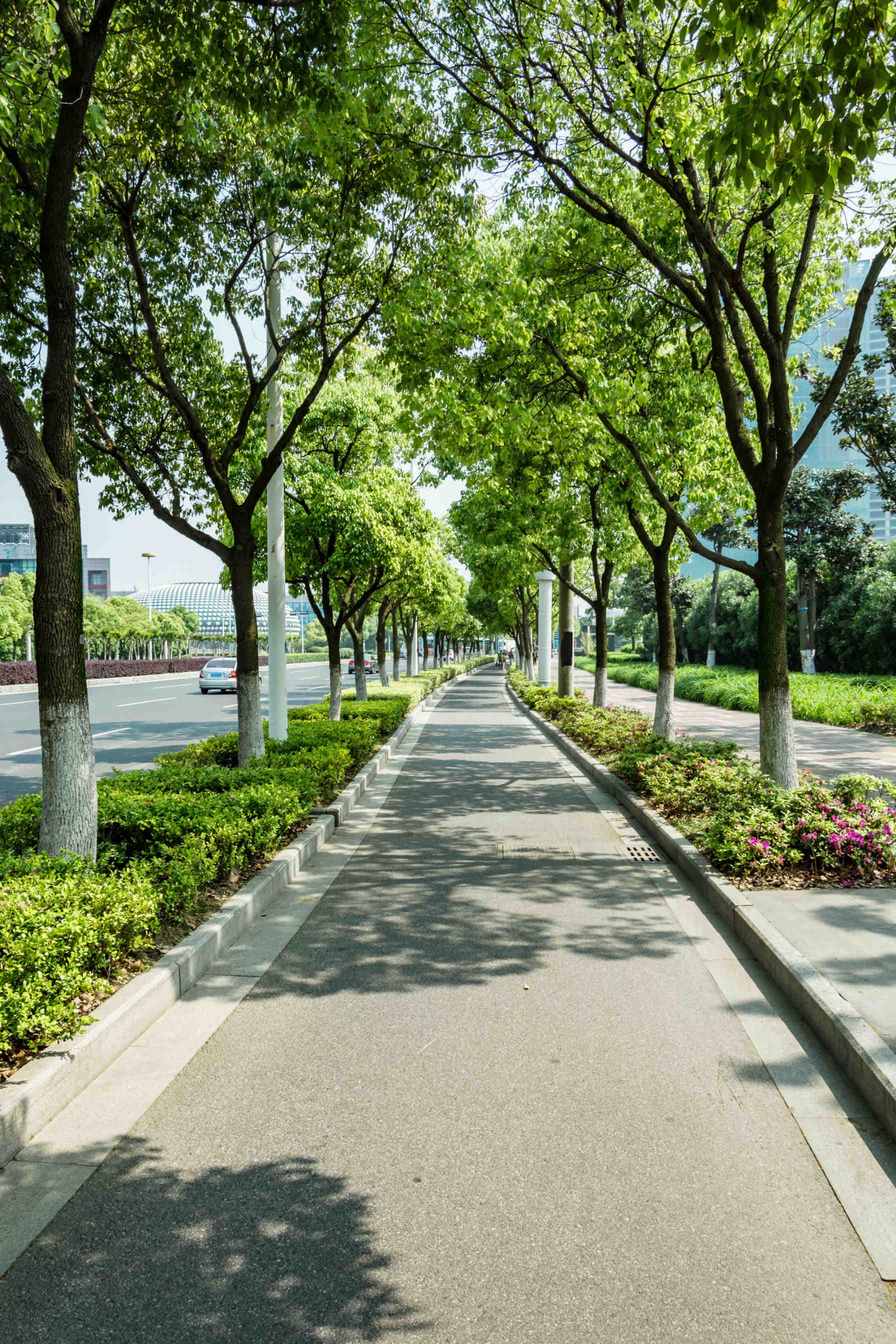
    Even cities are a particular ecosystem in which human influence is enormous, but we should not overlook the fact that there is a natural component in this context as well. Anurban ecosystem is in fact a system consisting of natural and artificial elements within a city environment. This system includes artificial structures and infrastructures such as buildings, roads, cycle paths and human communities, but also natural elements such as green spaces, flora and fauna, albeit influenced by humans. The complex interaction of these systems creates a unique environment in which human activities influence the ecology of the species, climate and biodiversity present. The sustainable management of urban ecosystems is crucial to avoid imbalances and balance development with the conservation of the environment and biodiversity, limiting pollution and improving the management of green spaces.

    Pista_Ciclabile_Con_Alberi

    Fragmentation of ecosystems

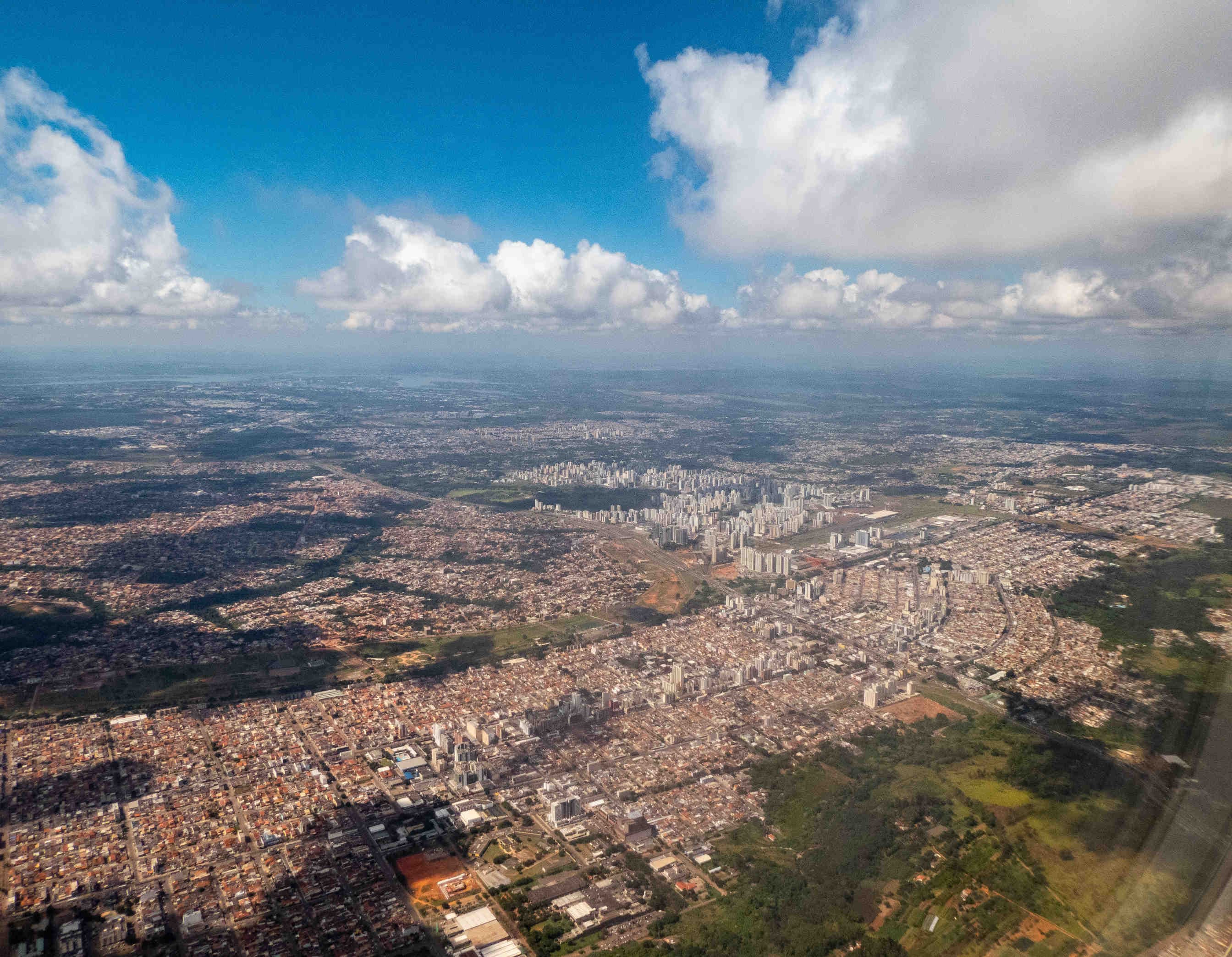
    If we imagine a city plan, we imagine a mosaic of buildings, squares, parks, interconnected by roads or other infrastructure. The flora and fauna, however, live mainly in green areas, hence in parks, but the problem is that very often they are far apart and not connected to each other. In this case, the habitat is said to be fragmented, because there is a lack of connections between parks, green areas and peri-urban areas; this is the scenario we find in most cities. The same is true when a major highway crosses a forest or when natural areas are separated by cultivated fields, industrial zones and cities.
    Barcellona_Vista_Aerea
    XNatura

    What is a green corridor

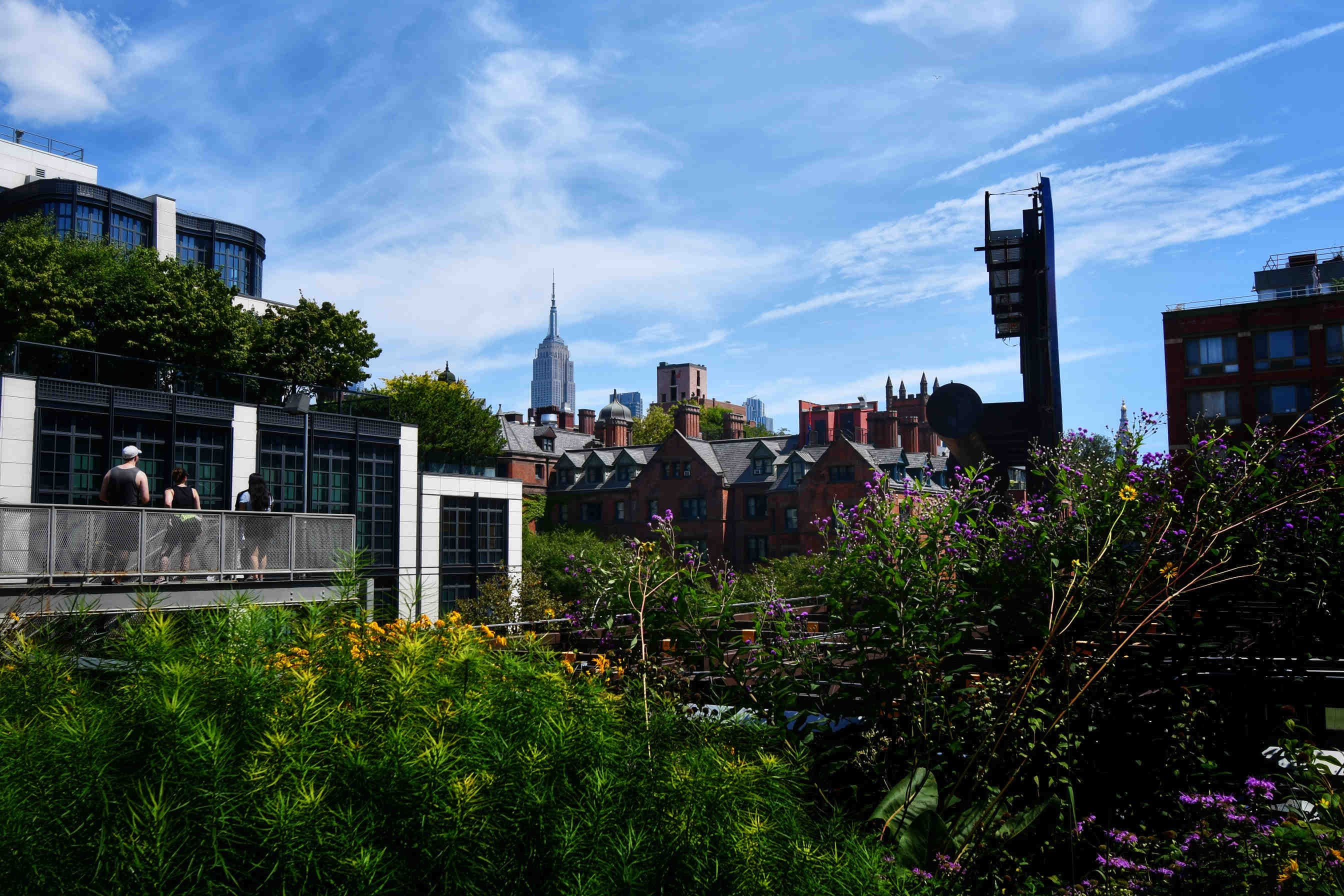
    What is called a 'green corridor' is a connecting strip, which may be of natural or semi-natural terrain, that links natural areas or parks together within a generally urban or rural environment. These corridors are often made up of pre-existing natural structures such as watercourses that sometimes run through our cities and are often surrounded by belts of grass and trees. In other more particular cases, they are abandoned roads or railways that have been reclaimed as green areas: an example is the famous Highline in New York. Finally, they can be specially designed linear parks as ecological paths or green areas that facilitate the movement of fauna, both macro and micro, and thus the connection between otherwise isolated habitats. A green corridor can also be realised by adapting private gardens and creating a strip of specially adapted private gardens.

    Highline
    3Bee

    Importance and significance

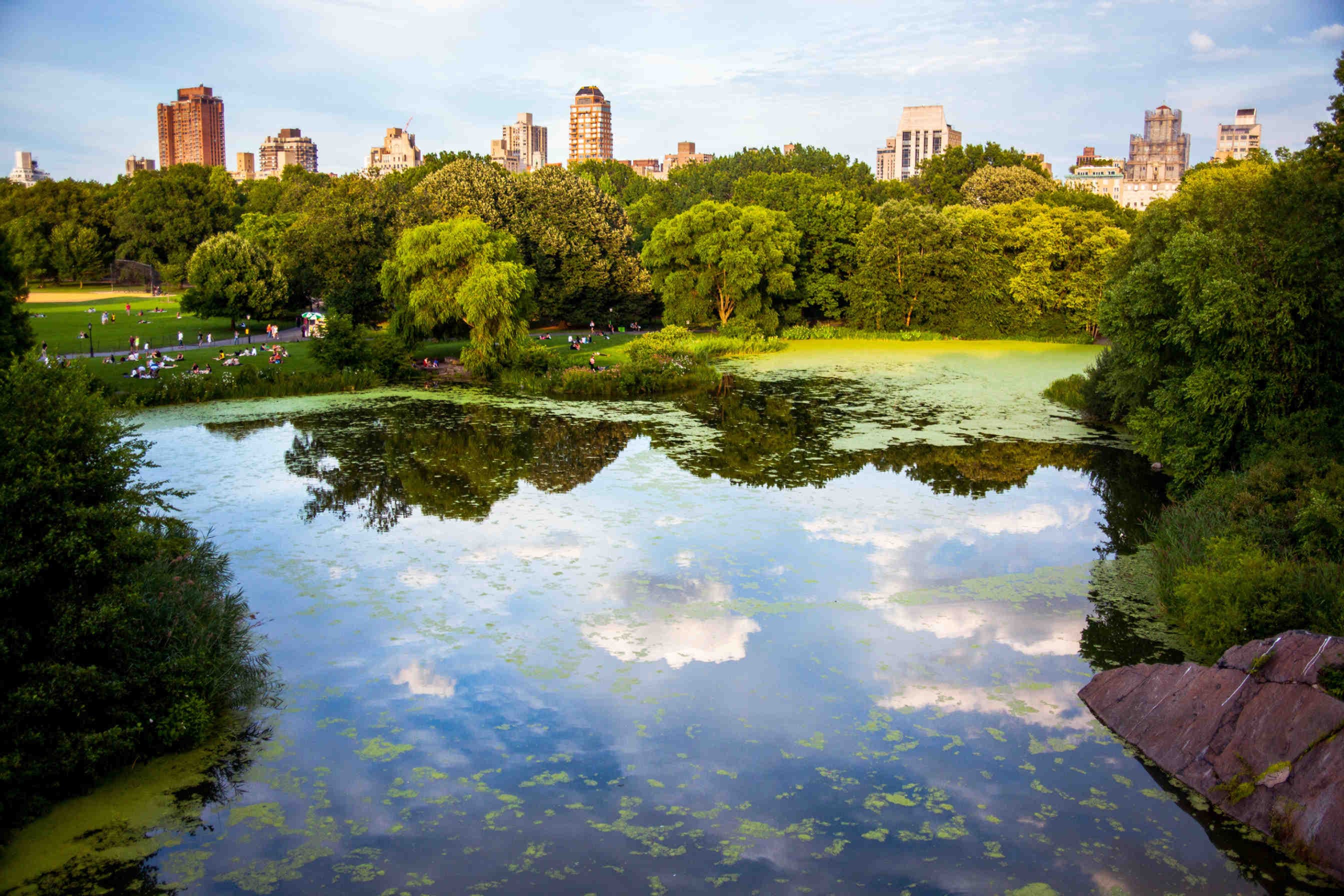
    The main objective of a green corridor is to provide animals with some sort of route to move easily from one range to another and thus create an effective link between habitats. A green corridor is thus able to foster biodiversity, allowing animals to move and access food resources, water and breeding sites within a landscape fragmented by human activity. As we saw in the article on the Red Lists, the reduction and fragmentation of habitats is a major driver of their decline, and green corridors play an important role in helping theseendangered species by reducing the isolation of animal populations. The same argument can also be extended to all species of plants, fungi and microorganisms.
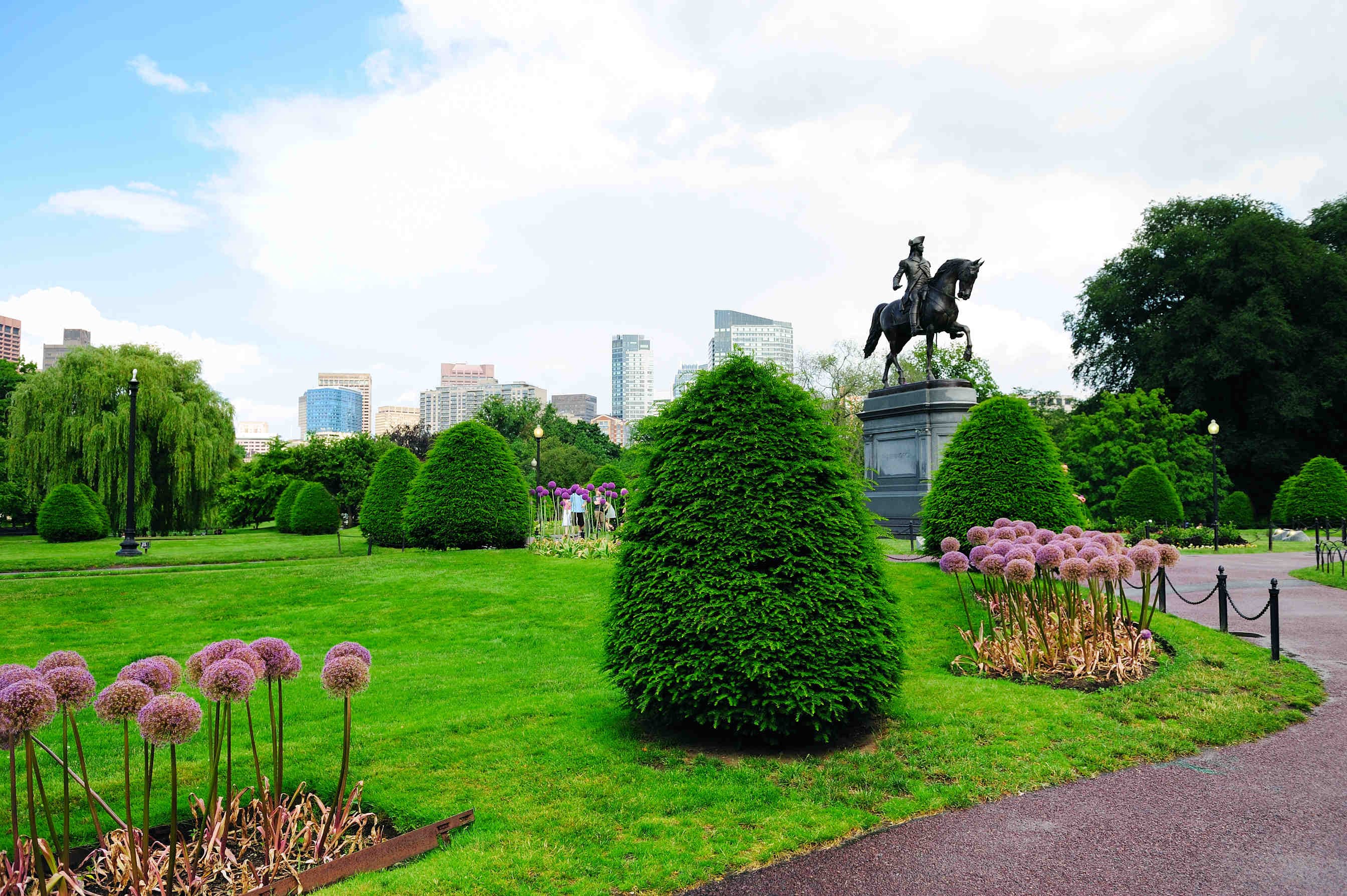
    Parco_Urbano

    Features to support pollinators

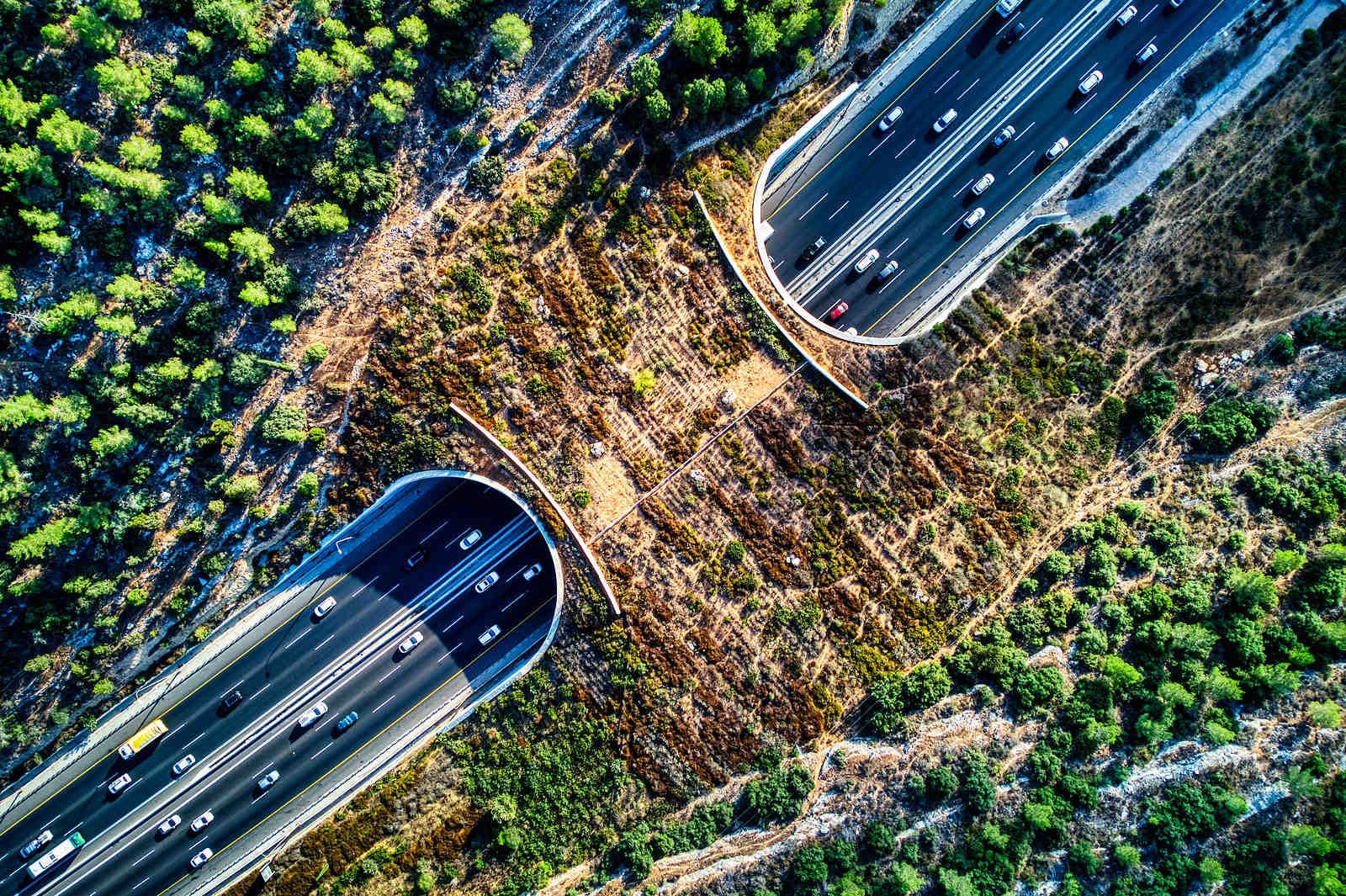
    In order to create a green corridor to protect and help pollinators, it is first necessary to use or create a natural or renaturalised area that is fragmented as little as possible, located close to other green areas and provided with plants attractive to pollinators. For cities crossed by watercourses, the solution is simple as many plant species thrive along their banks and the human impact is often smaller than in other areas. Alternatively, roads, railways and other disused communication arteries can be recovered and adapted. One solution for crossing the great arteries currently in use may be to create bridges that serve as passageways for the exclusive use of fauna, such as those that pass over highways in the great Canadian parks: if they were also used for pollinators, they would represent an effective system for their protection.
    Wildlife_Crossing by Hagai Agmon-Snir

    The example of Tallinn

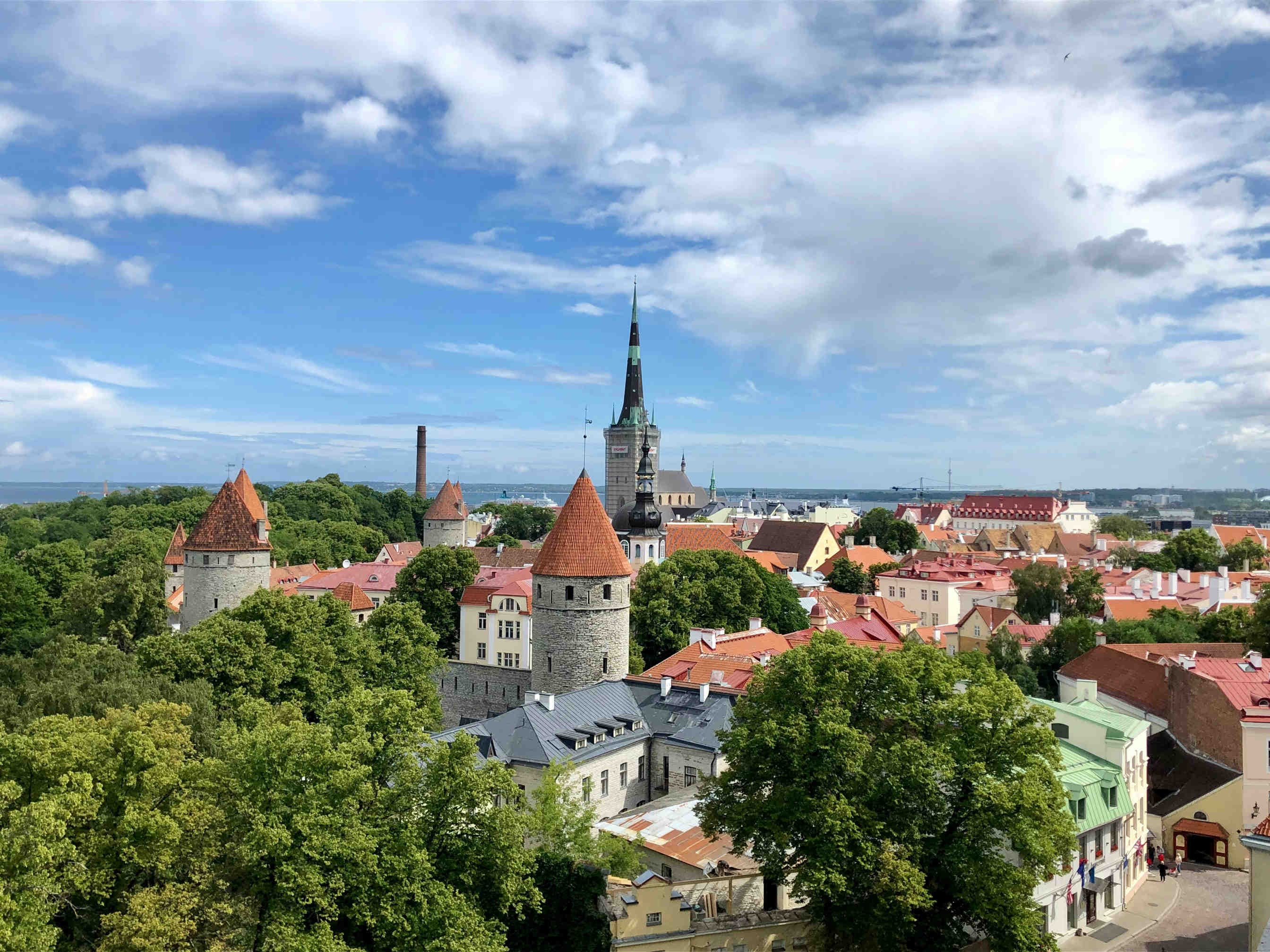
    In Tallinn, the capital of Estonia, precisely these principles have been applied. A disused railway was earmarked for conversion with the specific aim of creating a Pollinator Highway using many native plants to feed the pollinators. The area stretches approximately 14 km, through 9 different districts of the city and helps to connect several parks and green areas in the city. The project is currently being implemented and the aim will soon be to make this green corridor accessible to the population and to create a well-managed urban park usable by both people and animals (pollinators and non-pollinators). This is a virtuous example, probably among the best, but there are other interesting examples.

    Tallinn

    Oasis 3Bee: technology for the protection of biodiversity

    An interesting example in Italy is the Oases of Biodiversity by 3Bee: urban and agroforestry habitats created in areas of low biodiversity. Places where technology combines with nature to ensure the protection and regeneration of ecosystems. What makes them unique is the use of advanced technologies to monitor and track the impact of these areas: an innovative approach that allows the effectiveness of conservation strategies to be assessed, potential threats to be identified and improvements to be made. The collected, monitored, tracked and transparent data can also be included in the company's sustainability report and therefore represent a valuable resource for companies. To date, 3Bee has already created 200 Oases of Biodiversity, but the goal is to reach 10,000 within a year, to create Europe's largest ecological corridor for pollinators. Want to know more?

    Article edited by Niccolò Patelli

    11/01/2024Of 3Bee, Elena Fraccaro
    810 Views
    Newsletter
    newsletter
    Subscribe to the Blog about bees and biodiversity

    Frequently Asked Questions

    Do you have any doubts or other curiosities about this article? Here you will find some insights