Eucalyptus honey: characteristics, benefits and uses
    3Bee approachEucalyptusFeaturesProperties

    Eucalyptus honey: characteristics, benefits and uses

    At 3Bee, honey is a symbol of the hard work of pollination done by bees and the realisation of their contribution to the ecosystem. Our projects support biodiversity and through our growers ensure a healthy environment for pollinators.

    Read the article
    20/06/2019Of 3Bee, Elena Fraccaro
    10135 Views
    20/06/2019Of 3Bee, Elena Fraccaro
    10135 Views

    3Bee's approach to biodiversity protection
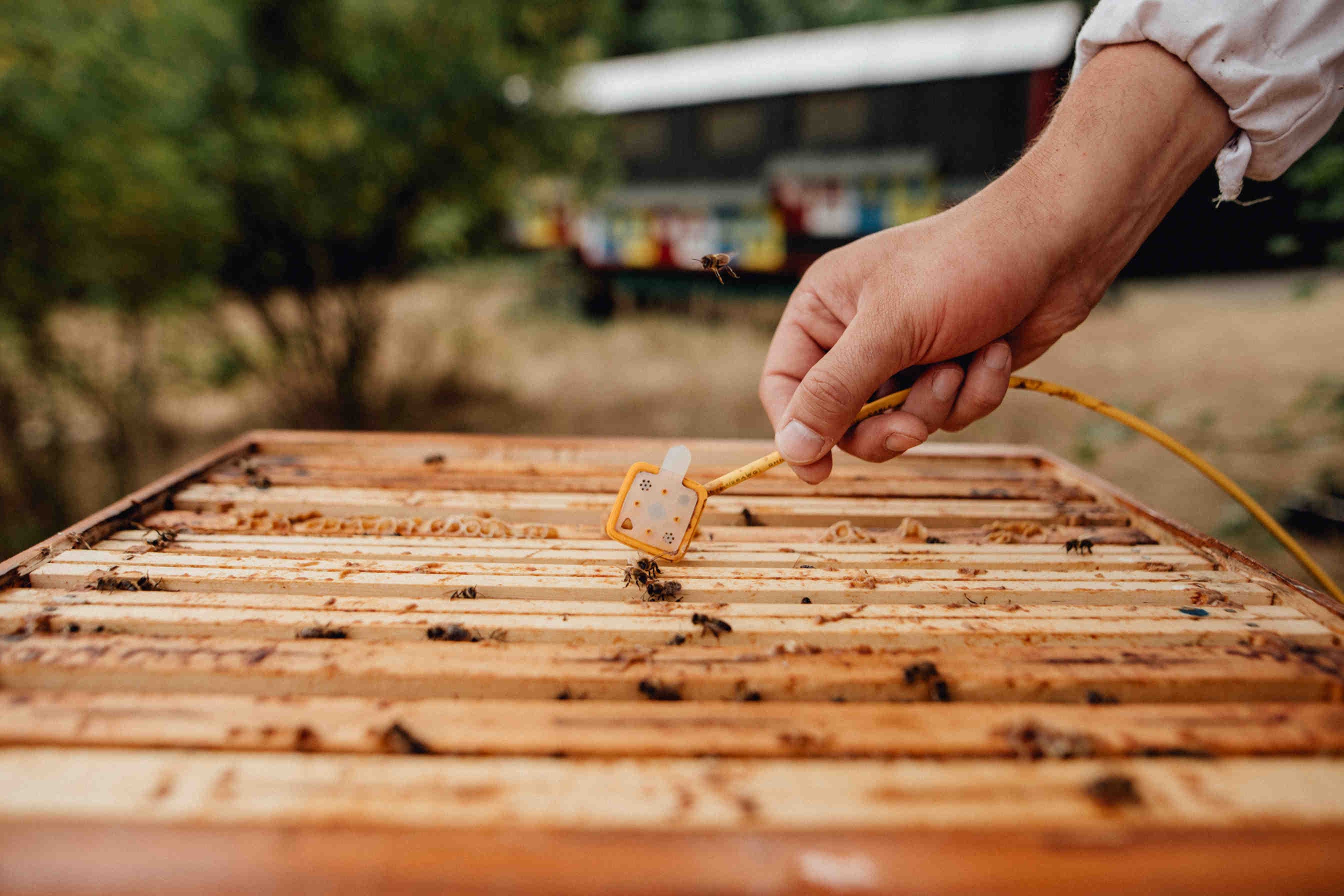
    3Bee is the Nature Tech company that develops technologies for the protection of biodiversity. 3Bee Hive-Tech is 3Bee's first system for analysing the health and 'starvation' status of honeybees, environmental protectors par excellence. Over time, we have developed other technologies to study and monitor all the pollinating insects and created more than 200 Oases of Biodiversity with thousands of nectariferous plants to provide them with nourishment. In this way, we want to create a virtuous circle: our beekeepers are transformed by necessity into Oasis growers and promoters of environmental biodiversity. We do not encourage massive production and intensive breeding, which have a negative impact on biodiversity and pollinators. We do, however, recognise the value of honey as a valuable symbol of the biodiversity of an environment and a tool for disseminating the commitment and protection of an area, to be consumed sparingly and with respect for the life cycle of these insects.

    3Bee Hive-Tech

    Eucalyptus honey: what is it and where does it come from?

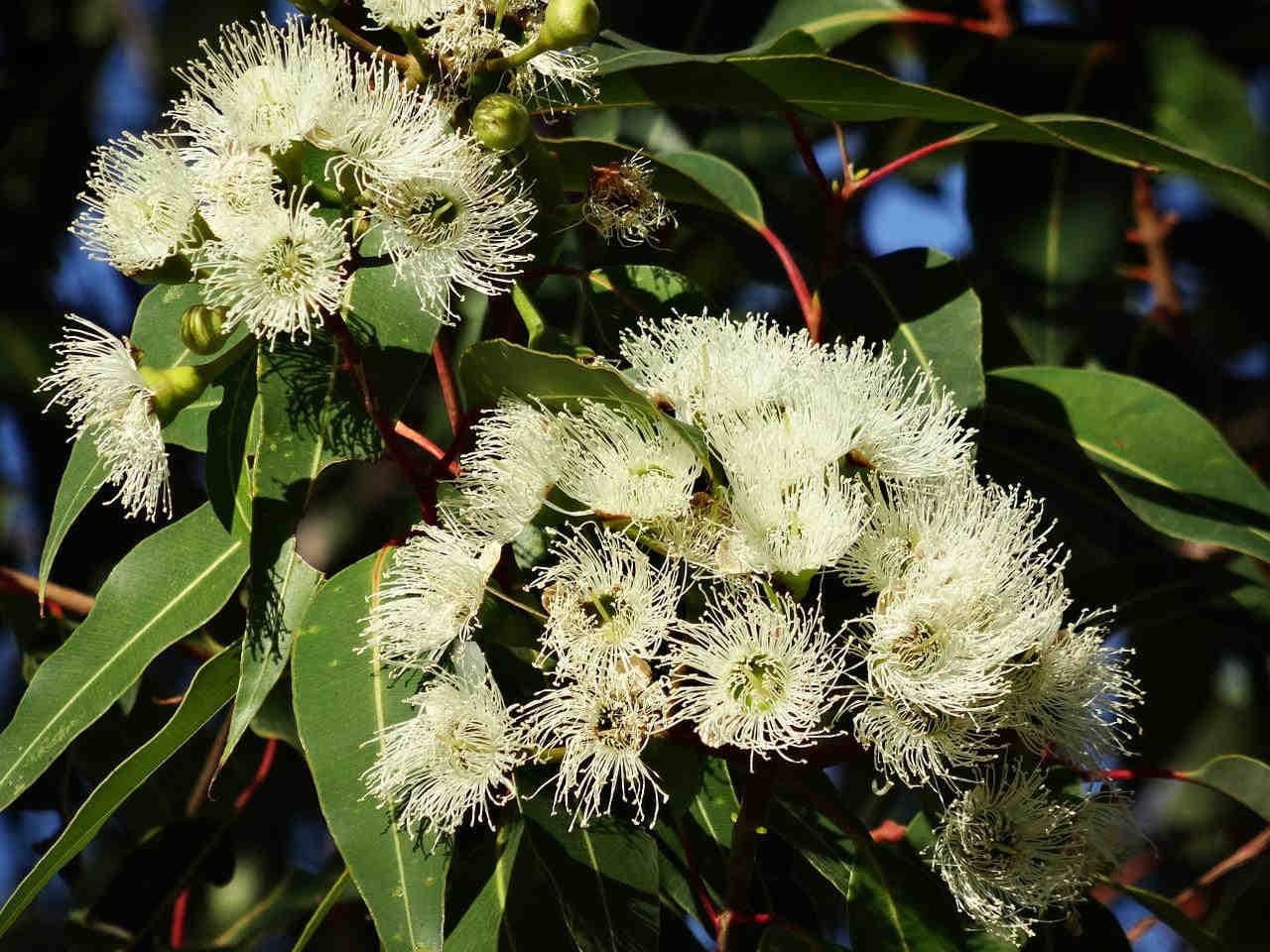
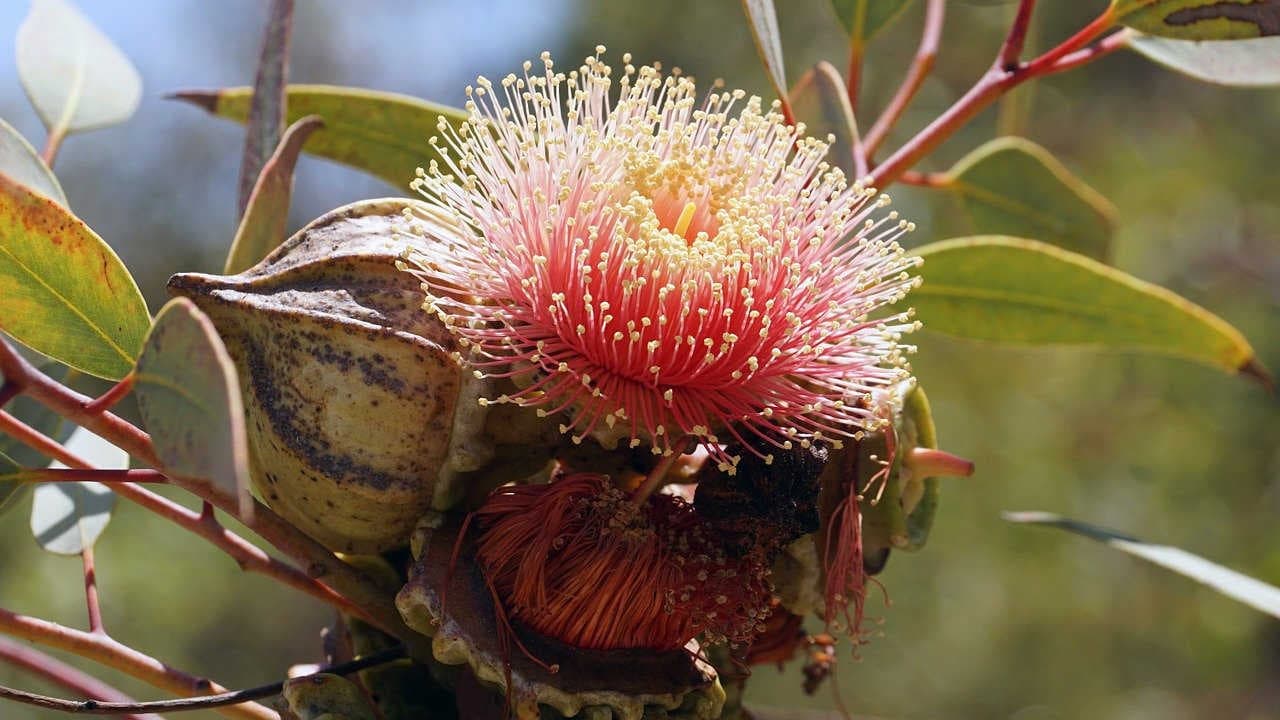
    As the name suggests, this honey is produced by bees that suck the nectar from the flowers of the plant of the same name. The eucalyptus is an evergreen tree plant, native to Oceania and the Philippines. It was first studied and observed by a French botanist in the 18th century, who is also responsible for the name given to it. Eucalyptus, in fact, comes from the Greek and means 'hidden good'. The reference is clearly not to the plant, but to its flower. The flower, in fact, remains completely hidden by the petals until the moment of flowering. In Italy it was introduced towards the end of the 18th century. It is a widespread plant along the Tyrrhenian coast and in Sicily and Sardinia, where it alone contributes to the production of 50% of the island's honey. From its leaves an essential oil is produced that has strong cough-relieving properties.
    Eucalyptus honey: what is it and where does it come from?
    XNatura

    Eucalyptus honey: characteristics and nutritional values

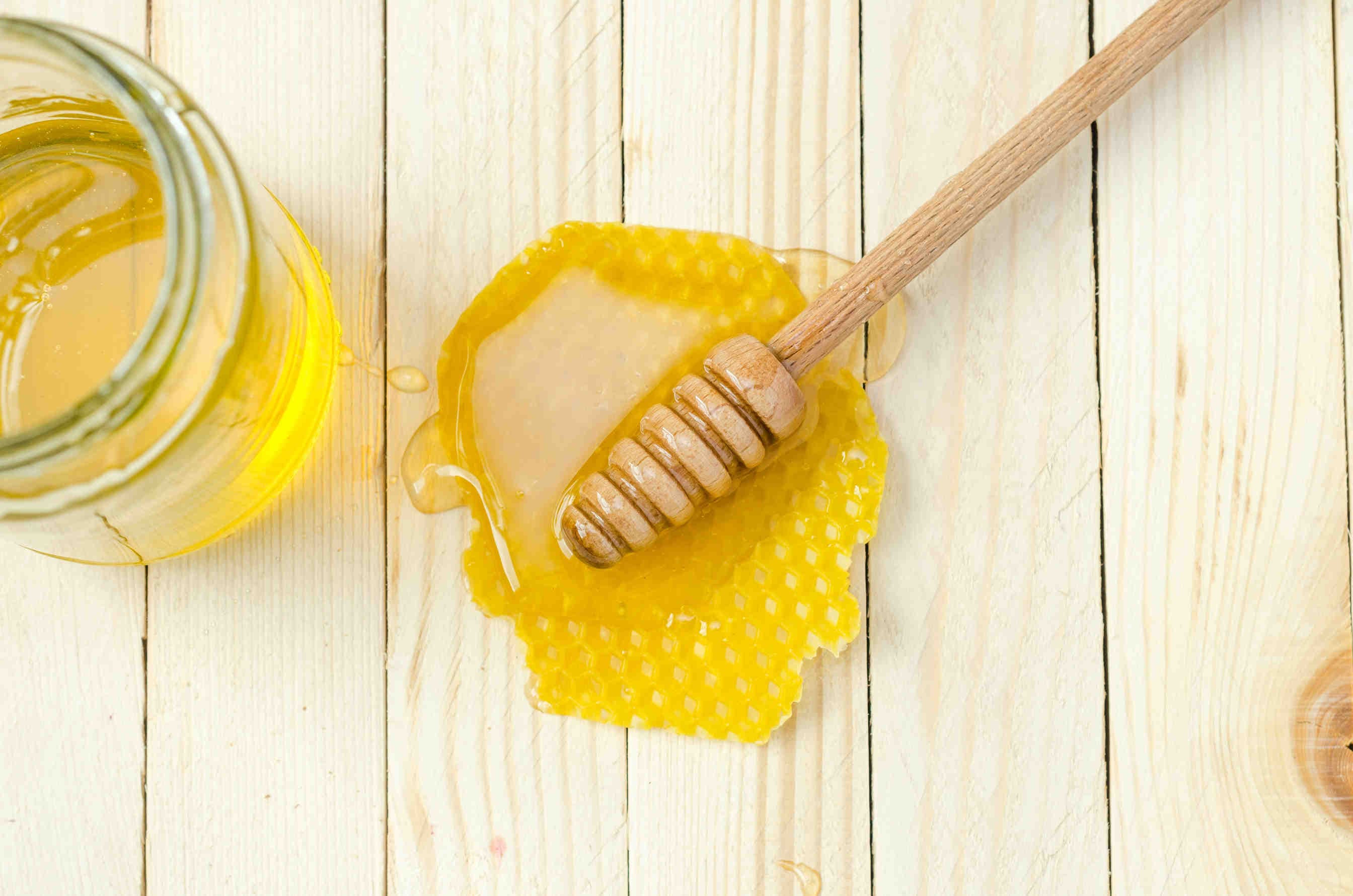
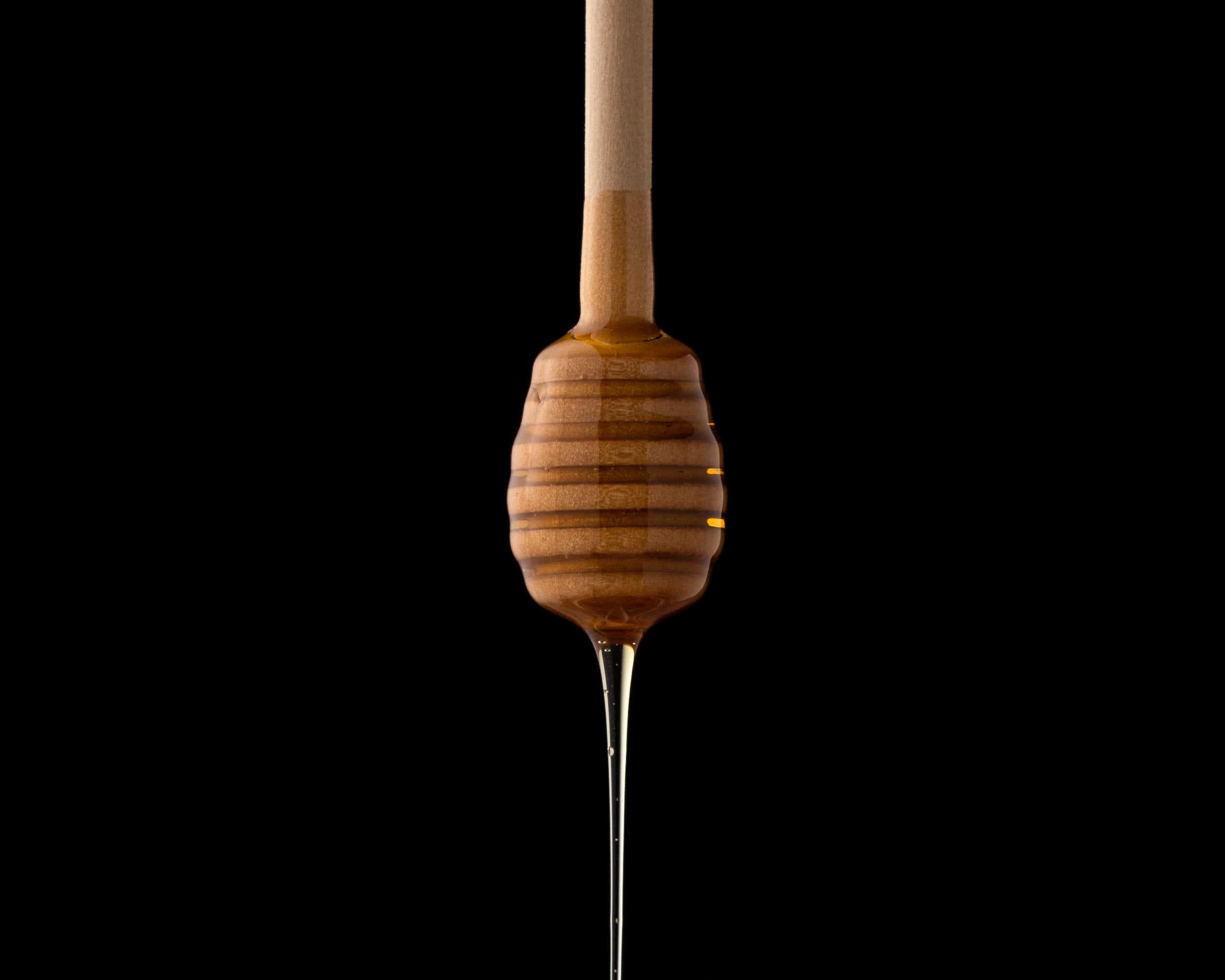
    Eucalyptus honey has an amber colour and a rather compact and dense consistency. It tends to crystallise rapidly, within a few months, presenting itself in medium to fine crystals. Once crystallised, its colour turns beige-greyish. The flavour is often described as persistent, strong, intense, particularly balsamic and not overly sweet. The smell is reminiscent of dried mushrooms or bouillon cube, while the taste is comparable to liquorice and malt sweets. Eucalyptus honey has an energy value of approximately 302 Kcal.

    Eucalyptus honey: properties and benefits

    Eucalyptus honey is very rich in antioxidants, especially flavonoids. They are extremely useful in preventing inflammatory and degenerative phenomena and fighting free radicals. It is therefore a useful food to counter cellular ageing. Studies have shown that eucalyptus honey produced in Italy, Spain and Greece is much richer in flavonoids due to the presence in the honey of propolis harvested from the same trees. Eucalyptus honey has, likehoney in general, numerous antibacterial and antiseptic properties.
    Eucalyptus honey: properties and benefits
    XNatura

    Eucalyptus honey against sore throats and colds

    It is widely used to counteract seasonal ills, such as colds and sore throats. It can also be a valuable ally against coughs and phlegm, exerting a fluidifying and mucolytic action. In order to increase its effectiveness, eucalyptus honey is often taken in combination with a few drops of the eponymous essential oil, whose effectiveness against bacteria and viruses has been proven by several studies. Eucalyptus honey is also attributed with antipyretic properties, as well as being indicated for those with constipation and urinary problems.

    Eucalyptus honey against sore throats and colds
    3Bee

    Eucalyptus honey: what does it taste like and how to use it?

    However, eucalyptus honey is also widely used in cooking. Its combinations with mature cheeses, such as grana and parmesan, but also with fresh, low-fat cheeses, such as primo sale, are certainly interesting. It is also recommended to be consumed in combination with low-fat yoghurt or as an accompaniment to fish starters and main courses and vegetables. Eucalyptus honey is also often used to make sweet and sour sauces as an accompaniment. Finally, it is recommended for consumption dissolved in strong-tasting teas, especially those with ginger and cinnamon. This combination is particularly suitable during the colder months of the year, to combat common colds.

    Raw eucalyptus honey: where to buy it?

    Eucalyptus honey has many benefits, but in order to fully enjoy them, one must be sure to consume raw honey that has not undergone industrial processing of any kind. The pasteurisation of honey, for instance, removes all the antioxidants present in it, nullifying its beneficial action against free radicals and cellular ageing. Many valuable components of honey are in fact thermolabile and therefore compromised by heat treatment. One of the ways to be sure of the quality of the honey you buy is to contact your trusted beekeeper directly. Knowing how he conducts his business and according to which philosophy is certainly important. However, it is not always possible to go to the beekeeper close to home. You can then decide to adopt a 3Bee hive.

    Raw eucalyptus honey: where to buy it?

    The importance of honey

    The information contained in this blog concerns the importance of honey as the fruit of the indefatigable work of bees that transforms the collected nectar (including extra-floral nectar and honeydew) into a precious food product that encompasses the biodiversity with all the countless facets present in the hive's surroundings. On an environmental level, honey is the symbol of the bee's pollination activity, flying from flower to flower to collect nectar and, in so doing, transporting the pollen, becoming the vector for the pollination and reproduction of tens of thousands of plant species. Honey is still a little-known product, often devalued in its quality or sold as a panacea for all ills. Like all foods, however, it must be consumed with moderation and care as it contains a high content of simple sugars. But it is not in its fundamental values that its most important qua
    proteggere gli impollinatori con la tecnologia

    Positive effects on the environment

    The aim of this blog is to promote and disseminate a deeper understanding of the crucial role of bees for the safeguarding of our ecosystem and for the continuation of scientific research directed towards the identification of more sustainable agricultural practices aiming at the regeneration of entire areas. The choice of honey goes far beyond what is written on the label. The true value of honey is linked to its method of production, whether it respects bees and the ecosystems they inhabit. Favouring non-intensive beekeeping practices and promoting the best actions to support the health of the hive are the cornerstones of our activity. The beekeeper for us is not a breeder, but a true "Grower": he cultivates, cares for and feeds true oases of biodiversity, paying attention not only to bees, but also to ecosystems and their balance.

    Positive effects on the environment
    20/06/2019Of 3Bee, Elena Fraccaro
    10135 Views
    Newsletter
    newsletter
    Subscribe to the Blog about bees and biodiversity