ESG and Regulated Sectors: What Changes for Energy, Food, and Finance
    ESG energyESG StandardsFinanceESG

    ESG and Regulated Sectors: What Changes for Energy, Food, and Finance

    ESG strategies have become central in regulated sectors, but the impact varies between energy, food, and finance. We analyze the differences, challenges, and opportunities to make informed and sustainable decisions in three key sectors of the economy.

    Read the article
    27/06/2025Of 3Bee, Angelina Tortora
    95 Views
    27/06/2025Of 3Bee, Angelina Tortora
    95 Views

    ESG in energy: from compliance to transformation

    The energy sector is one of the most impacted by ESG directives. Decarbonization, adherence to SDGs, and the EU green taxonomy rules require utilities to shift paradigms. Companies must demonstrate not only compliance with environmental regulations but also the promotion of a fair transition. ESG strategies in the energy sector include investments in renewables, digitization, efficiency, and transparency. There's also increasing focus on involving local communities. The goal is to move from a compliance logic to creating long-term value, where sustainability becomes a competitive advantage. In this perspective, a fundamental tool is the Environmental Impact Assessment (EIA), which allows integrating environmental considerations from the earliest development stages. The EIA helps mitigate risks, engage stakeholders, and ensure regulatory compliance, as highlighted in the XNatura white paper.

    ESG nell’energia: dalla conformità alla trasformazione

    ESG and the food industry: from the supply chain to new standards

    In the food sector, the ESG approach focuses on traceability, the environmental impact of production, and the sustainability of the value chain. Regulated food companies must adapt to increasingly stringent regulations on labeling, safety, and environmental impacts. Adhering to ESG standards involves reducing waste, efficient resource use, sustainable packaging, and animal welfare. The most advanced companies adopt ESG metrics related to the SDGs, such as through product life cycle analysis and emissions monitoring along the entire supply chain. In addition, there is a commitment to transparent governance and social responsibility towards workers and communities. Sustainability must be integrated into all phases: from production to distribution. In this context, there is also the new EUDR directive, which sets strict requirements on the origin of agricultural raw materials.


    ESG e industria alimentare: dalla filiera ai nuovi standard
    XNatura

    Sustainable finance: regulation and fiduciary responsibility

    The financial sector was one of the first to adopt ESG criteria, partly due to direct influence from regulators. Sustainable finance is now driven by disclosure obligations (SFDR, CSRD) and the growing demand for transparency from investors and stakeholders. Financial operators must assess and report on ESG risks in portfolios, promote responsible investments, and adopt green finance instruments (such as green bonds or sustainability-linked loans). ESG scores have become an integral part of decision-making and risk management processes, impacting credit, reputation, and access to capital. Banks and asset managers are required to integrate environmental, social, and governance factors into their strategies, also to respond to the growing regulatory and institutional investor activism.

    Finanza sostenibile: regolazione e responsabilità fiduciaria

    Strategic differences between regulated sectors

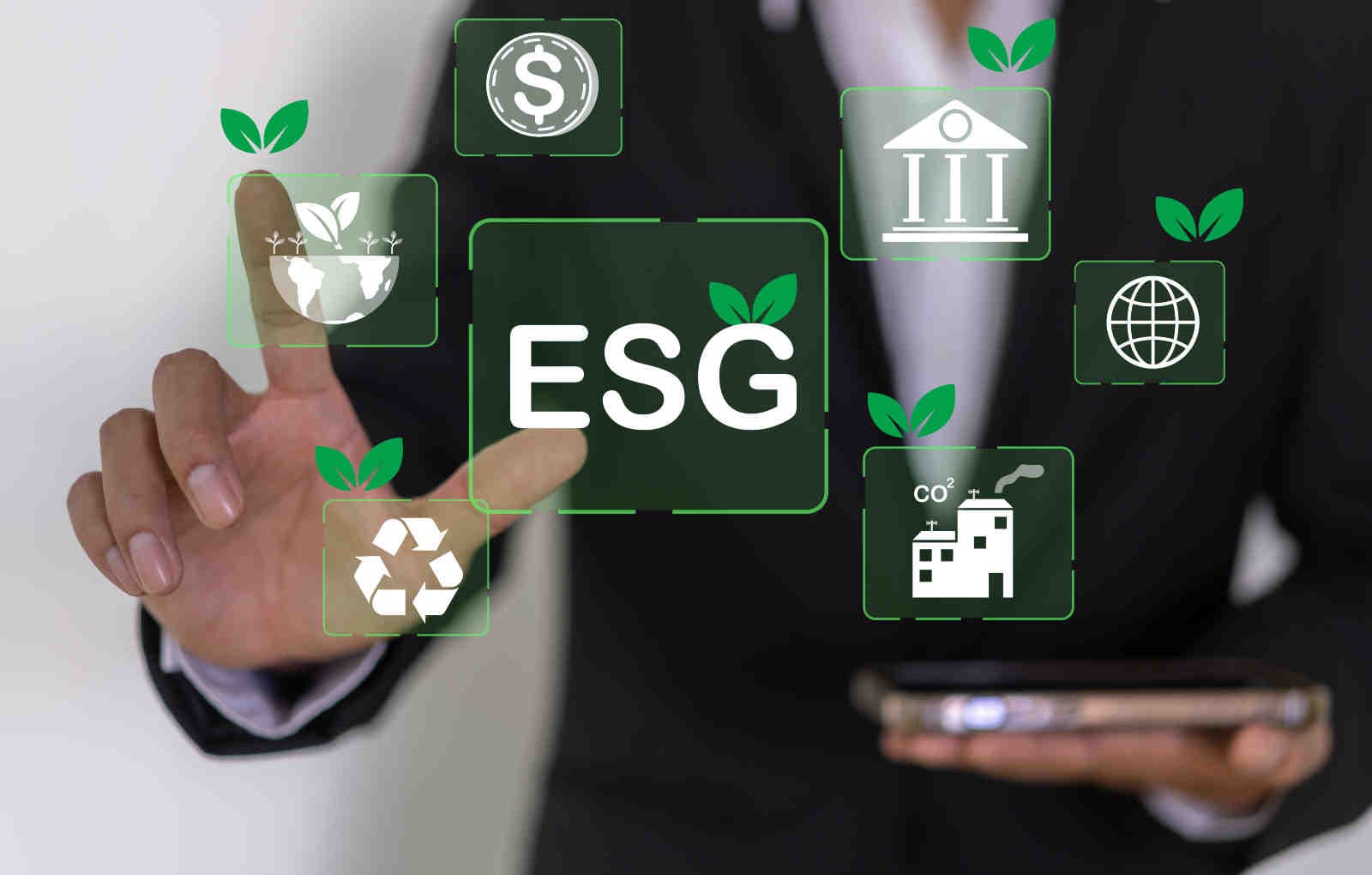
    Although the ESG setting is transversal, the application methods vary significantly between regulated sectors. In energy, the focus is on transition and emission reduction; in food, on supply chain sustainability and traceability; in finance, on transparency and risk management. The metrics adopted, KPIs, and sustainability reports are therefore sectoral, reflecting specific regulatory pressures and market expectations. Moreover, each sector faces its own challenges: dependence on fossil fuels in energy, the environmental impact of agribusiness, and the risk of greenwashing in finance. The ESG strategies must therefore be personalized, flexible, and consistent with the long-term goals of each organization. The comparison between sectors highlights that there is no one-size-fits-all strategy, but an integrated and tailored approach.
    Finanza sostenibile: regolazione e responsabilità fiduciaria
    XNatura

    Towards an integrated sectoral ESG strategy

    To make informed decisions, it is essential to understand the industry context and regulatory dynamics that influence ESG strategies. Companies operating in regulated sectors need to consider not only stakeholder expectations but also the risks and opportunities linked to sustainability. Integrating ESG into business strategy allows for anticipating regulatory changes, strengthening reputation, and attracting responsible investors. Future competitiveness will depend on the ability to balance economic performance and ESG impacts, with more resilient and sustainable business models. For energy, food, and finance, adopting an integrated ESG approach is a strategic necessity.

    Verso un’ESG strategy settoriale e integrata
    3Bee

    3Bee's expansion into international markets

    This article was created as part of the project "Biodiversity services EU expansion" (CUP: E43D22000480009) under the call of Regione Lombardia "PR FESR 2021-2027 – INTERNATIONALIZATION LINE 21-27", aimed at supporting the internationalization of Italian companies. 3Bee is the naturetech company that develops innovative technologies for monitoring, protecting, and regenerating biodiversity, supporting companies in defining customized climate strategies based on the analysis of their impacts and dependencies on nature. With a consolidated portfolio in Italy, Germany, and France and significant partnerships, 3Bee continues its expansion into international markets to create tangible impact through technology.

    27/06/2025Of 3Bee, Angelina Tortora
    95 Views
    Newsletter
    newsletter
    Subscribe to the Blog about bees and biodiversity

    Frequently Asked Questions

    Do you have any doubts or other curiosities about this article? Here you will find some insights