Even bumblebees are wrong to remember
    MemoryImparareStudioRecombination

    Even bumblebees are wrong to remember

    We are often convinced that we remember something accurately, only to discover that we were wrong. This happens because of episodic memory, the ability to recall past events, which was thought to be a human-only characteristic. A study, however, shows that it is also present in bumblebees

    Read the article
    24/09/2024Of 3Bee, Alessia Mircoli
    142 Views
    24/09/2024Of 3Bee, Alessia Mircoli
    142 Views

    What is episodic memory?

    Disclaimer: this is an automated translation from Italian. Go to the original article.

    Episodic memory is the ability to recall past events. It used to be regarded as a type of consciousness that allows the owner of a memory to recall a past event as such, thus as a critical feature that allows one to distinguish episodic memory (I remember where I went last week), from semantic memory that includes many more details about an event, such as when it happened and where (I remember where and when I was born). Such a characteristic was thought to be exclusively human, but in recent decades researchers have questioned the validity of this claim and begun to investigate it. A new study published in Philosophical Transactions of the Royal Society has shown that this belief is not entirely accurate: in fact, researchers have demonstrated that even bumblebess can be victims of memory errors.

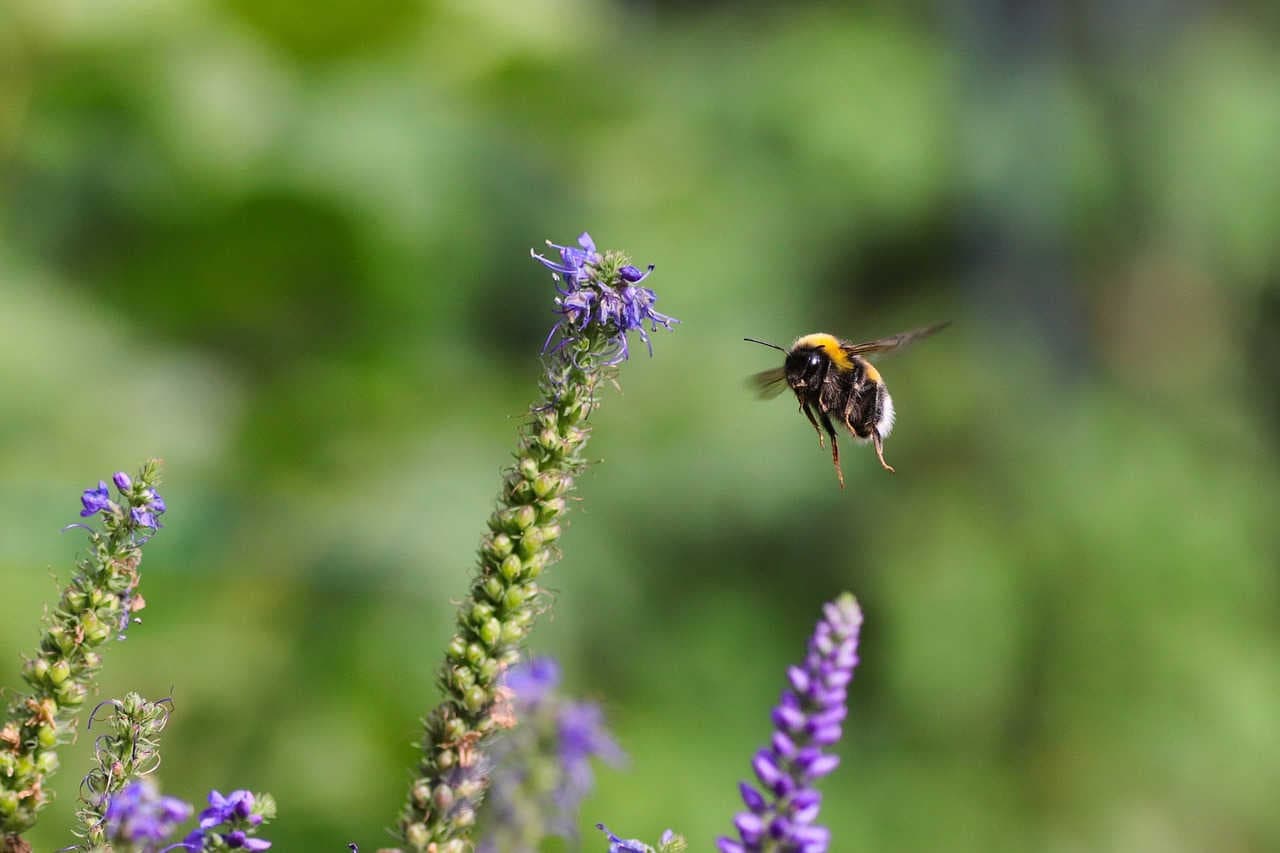
    fotografie

    Bumblebees can learn from each other

    Bumblebees are much more intelligent animals than one might think. For example, a study focusing on the species Bombus terrestris has shown that these pollinators can learn by observing their peers, a trait often thought to be exclusive to humans. Our species is known to possess its own culture, understood as the ability to accumulate socially learned knowledge and behaviour by observing others or being taught directly. An experiment conducted by researchers at Queen Mary University of London tested this ability in bumblebees. The researchers subjected bumblebees to a jigsaw puzzle and observed that only untrained specimens that had seen other bumblebees solve the puzzle were able to replicate the solution, demonstrating that social learning occurred.

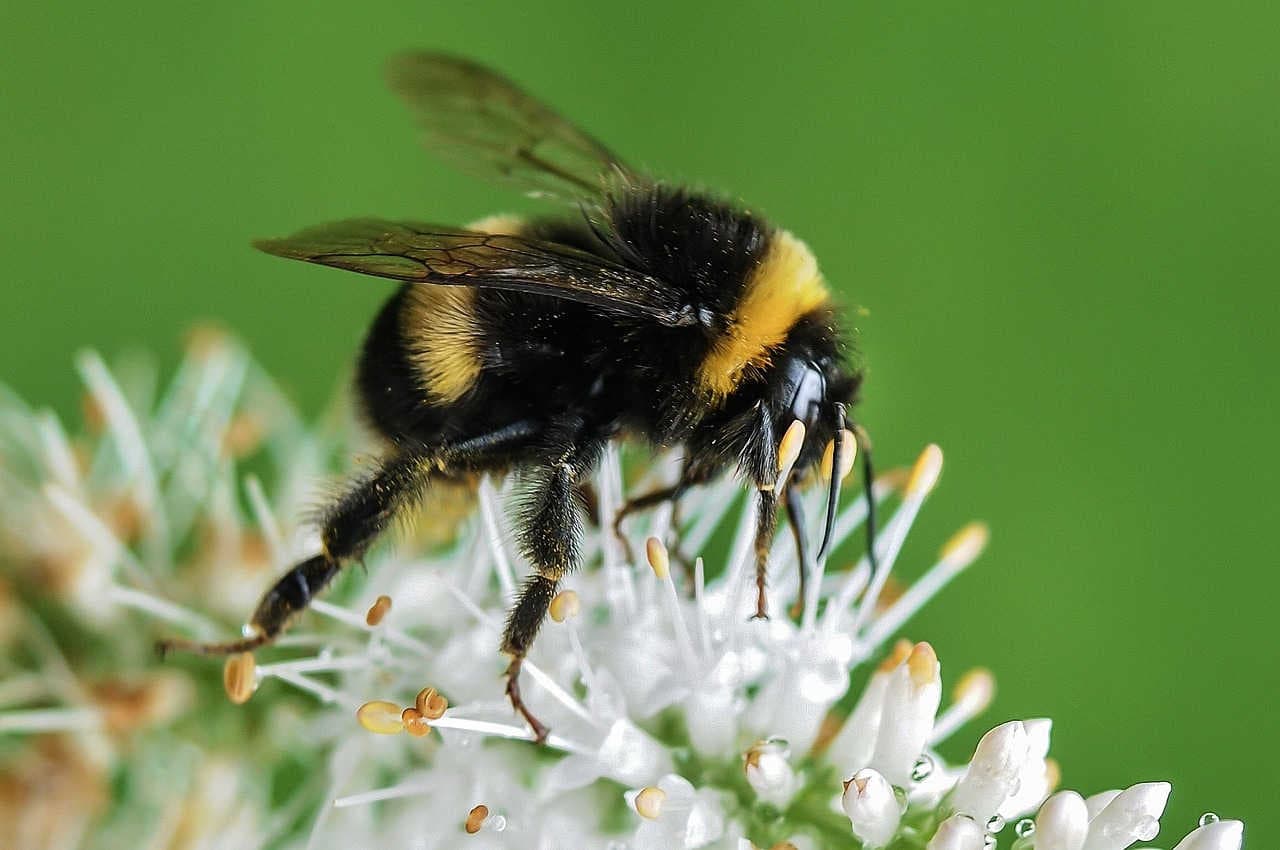
    bombo su fiore bianco
    XNatura

    The bumblebee study

    In the new experiment, the bumblebees were presented withcoloured objects soaked in sucrose, such as an orange strip of paper or a yellow, rounded paper stick. After a short period of time, the specimens were presented with four objects: one identical to the one previously shown, one with two of the characteristics of the previous objects, one with only one of the characteristics of the previous objects and one completely new object. The insects selected one of the objects by exploring it with their antennae or proboscis. In a series of randomised trials, the bumblebees showed a tendency to choose the original object to search for sucrose, but they also made mistakes, selecting objects that differed in shape or colour from the original. The bumblebees, therefore, made the same mistakes that humans make in similar tasks, demonstrating that such errors are characteristic ofepisodic memory.

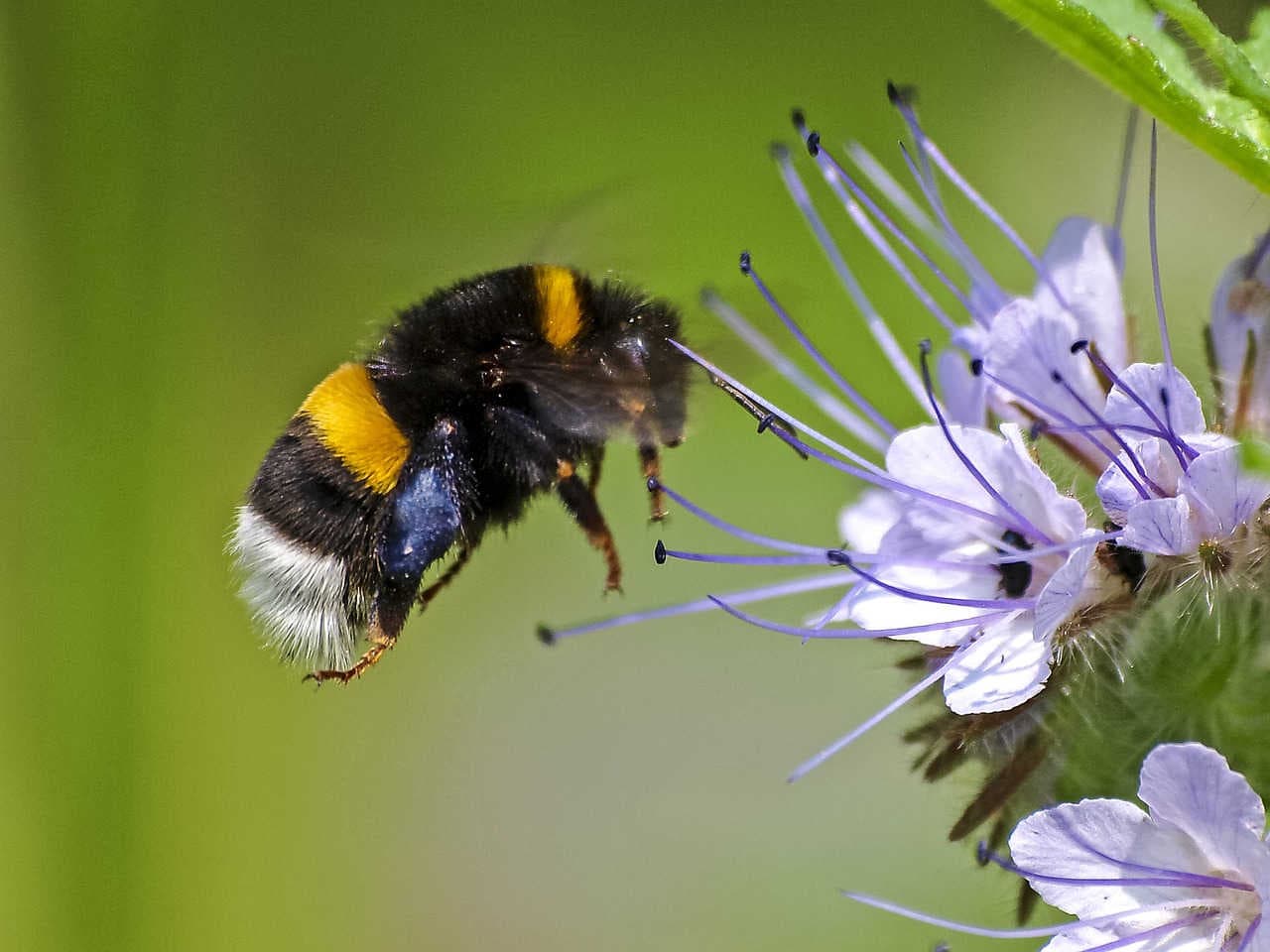
    bombo su fiore viola

    The recombination processes of bumblebee memories

    Inhumans, memory recombination processes, which are essential for memory reconstruction, are often subject to errors due to the incorrect conjugation of elements from stored episodes. These errors, known as memory conjugation errors, represent common and habitual forms of memory distortion. Dr. Gema Martin-Ordas, who conducted the study at the University of Stirling, explains that if the errors made by bumblebees are indeed the result of incorrectly merging elements from their memories, it could be assumed that bumblebee memory is also episodic in nature, which is entirely plausible given that the lifestyle of bumblebees involves encoding and retrieving features from different stimuli, such as flowers.

    wrong way
    XNatura

    Future perspectives

    The research team is satisfied with the results obtained, although they specify that further studies and experiments are needed to be certain of their theory. . This study opens up promising new research directions in understanding episodic memory, suggesting broader and more innovative approaches. Indeed, the combination and recombination of elements related to past events can have a significant impact on future events. Dr. Martin-Ordas, lecturer in the Faculty of Natural Sciences at the University of Stirling, concludes: 'The field of episodic memory is therefore ripe to be taken beyond our established paradigms and old debates, towards amore mature and constructive phase.

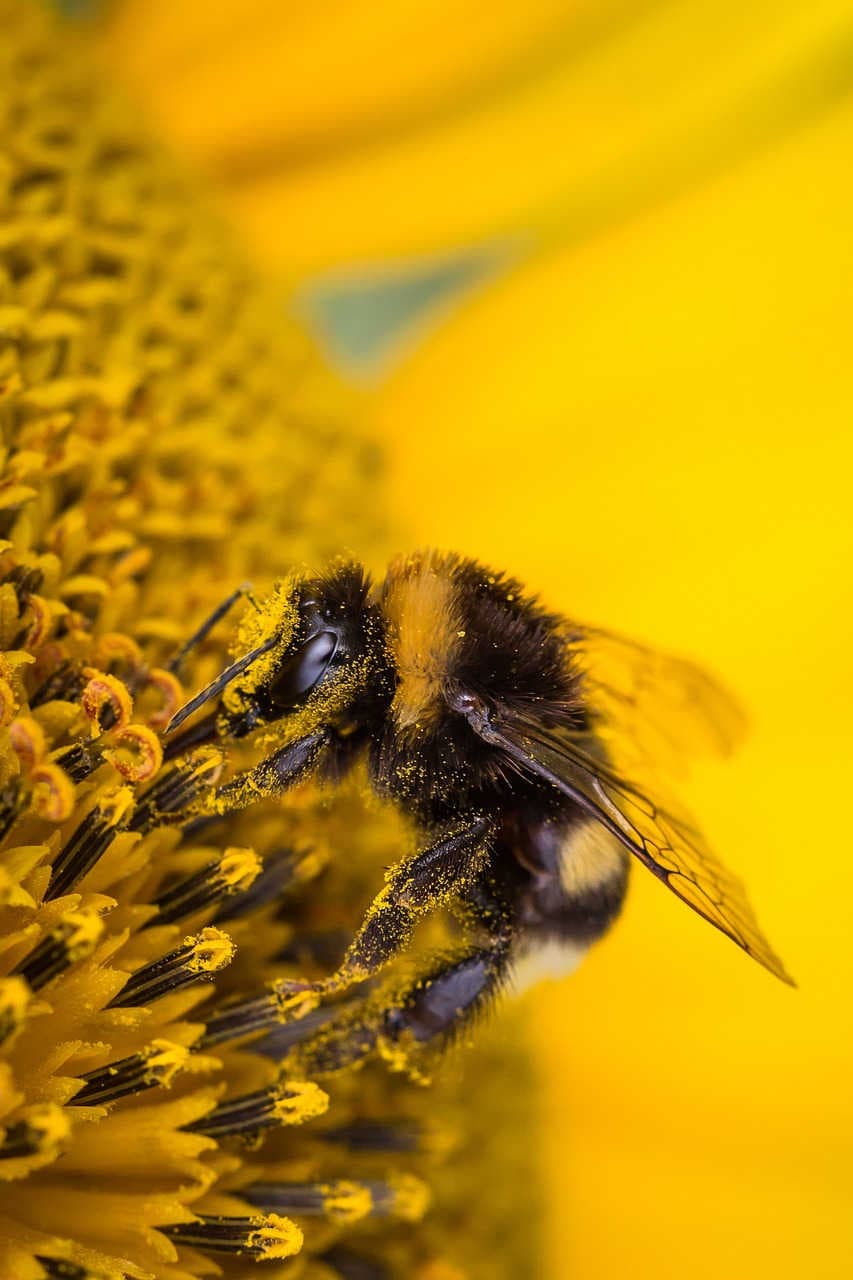
    bombo fiore giallo
    3Bee
    24/09/2024Of 3Bee, Alessia Mircoli
    142 Views
    Newsletter
    newsletter
    Subscribe to the Blog about bees and biodiversity

    Frequently Asked Questions

    Do you have any doubts or other curiosities about this article? Here you will find some insights