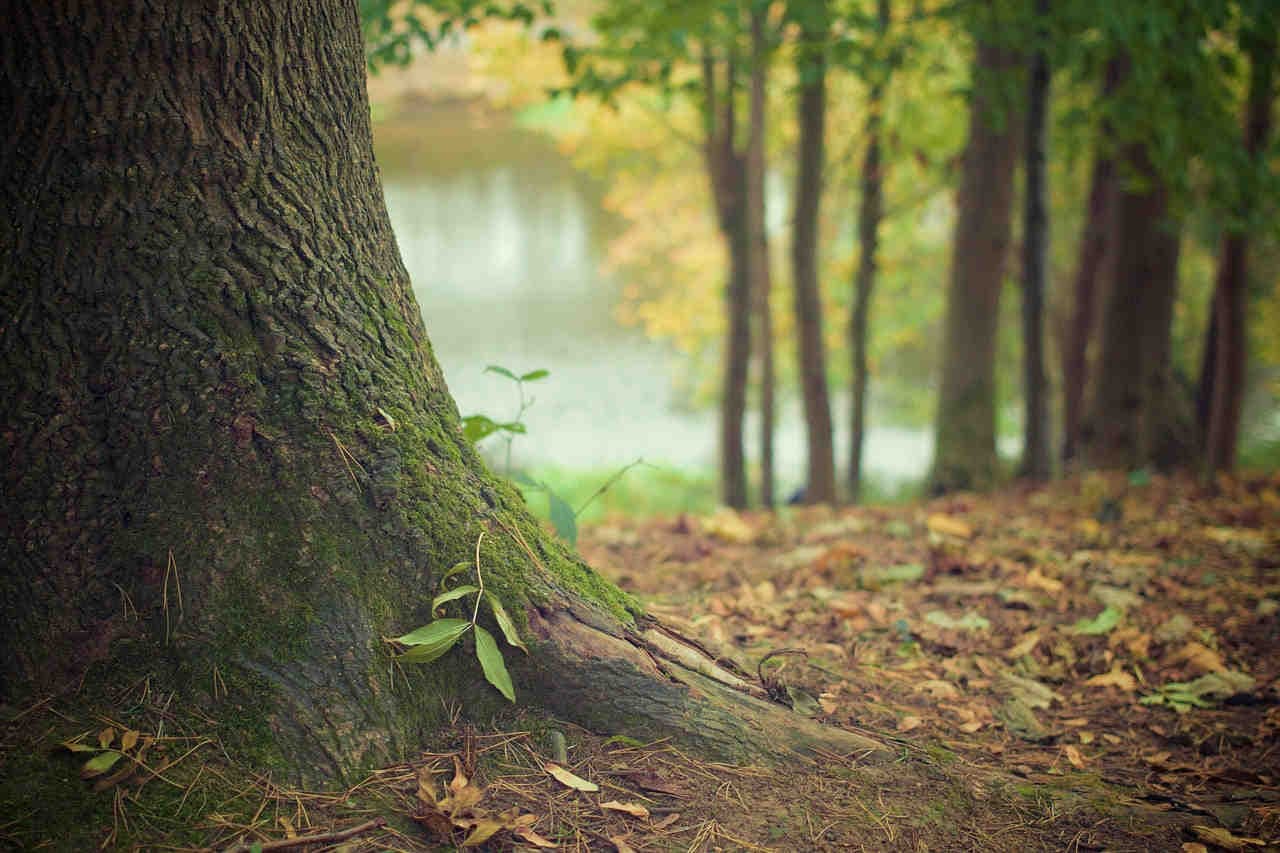
Discovering the European Chestnut
    ChestnutHistoryResourceMigration

    Discovering the European Chestnut

    The source of the typical autumn fruit enjoyed by all, with its antioxidant properties, the chestnut is a tree that is ingrained in the rural culture of the time, so long-lived as to be able to live for more than 1,000 years.

    Read the article
    16/06/2024Of 3Bee, Lara Vivarelli
    690 Views
    16/06/2024Of 3Bee, Lara Vivarelli
    690 Views

    The European chestnut: a multi-millennial giant

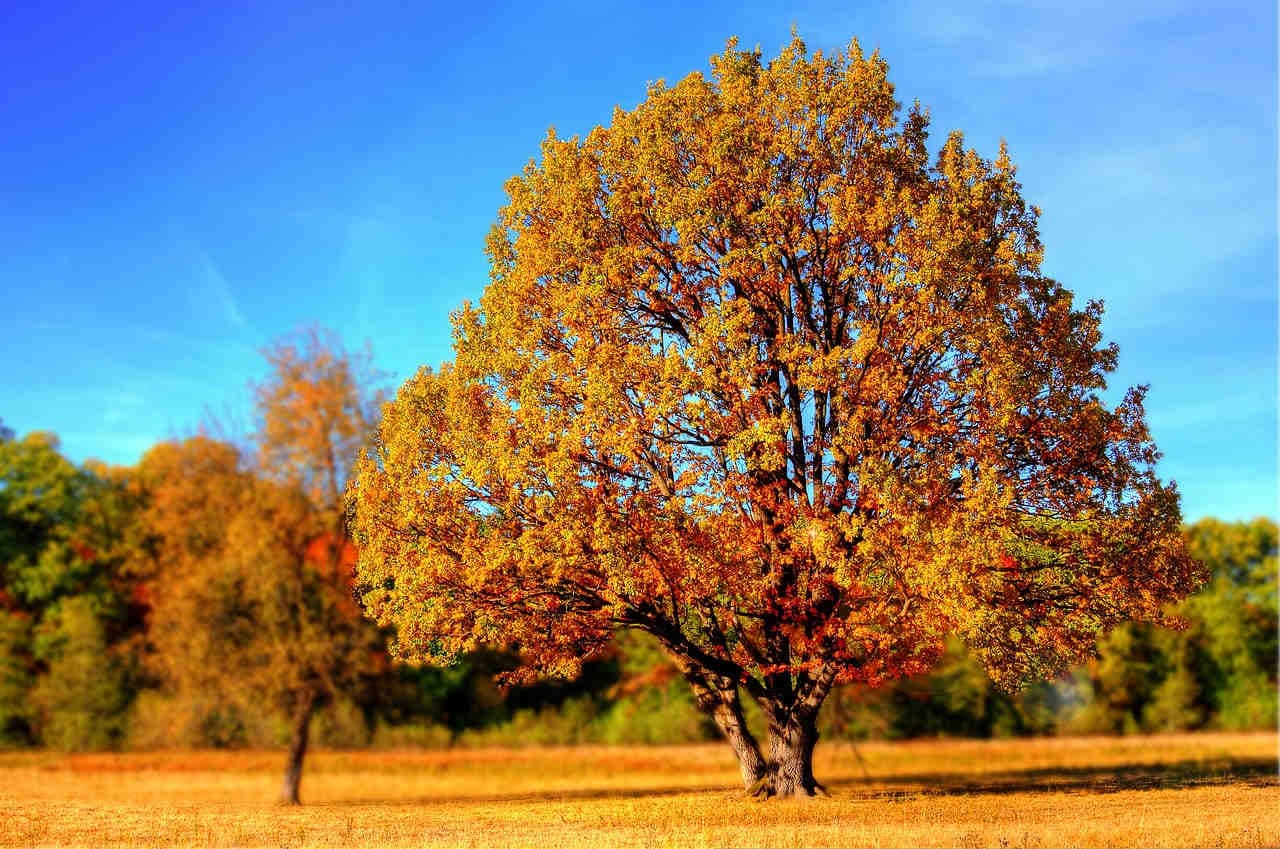
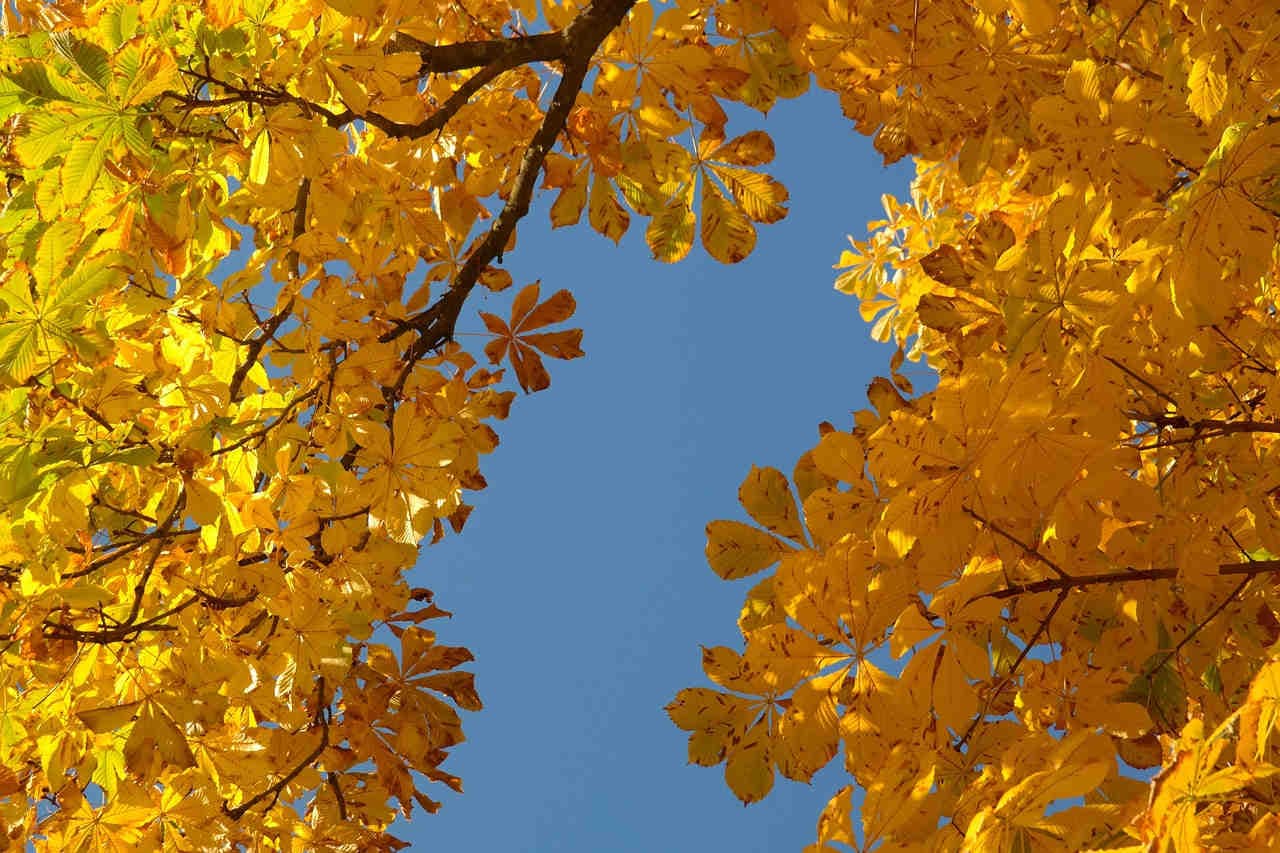
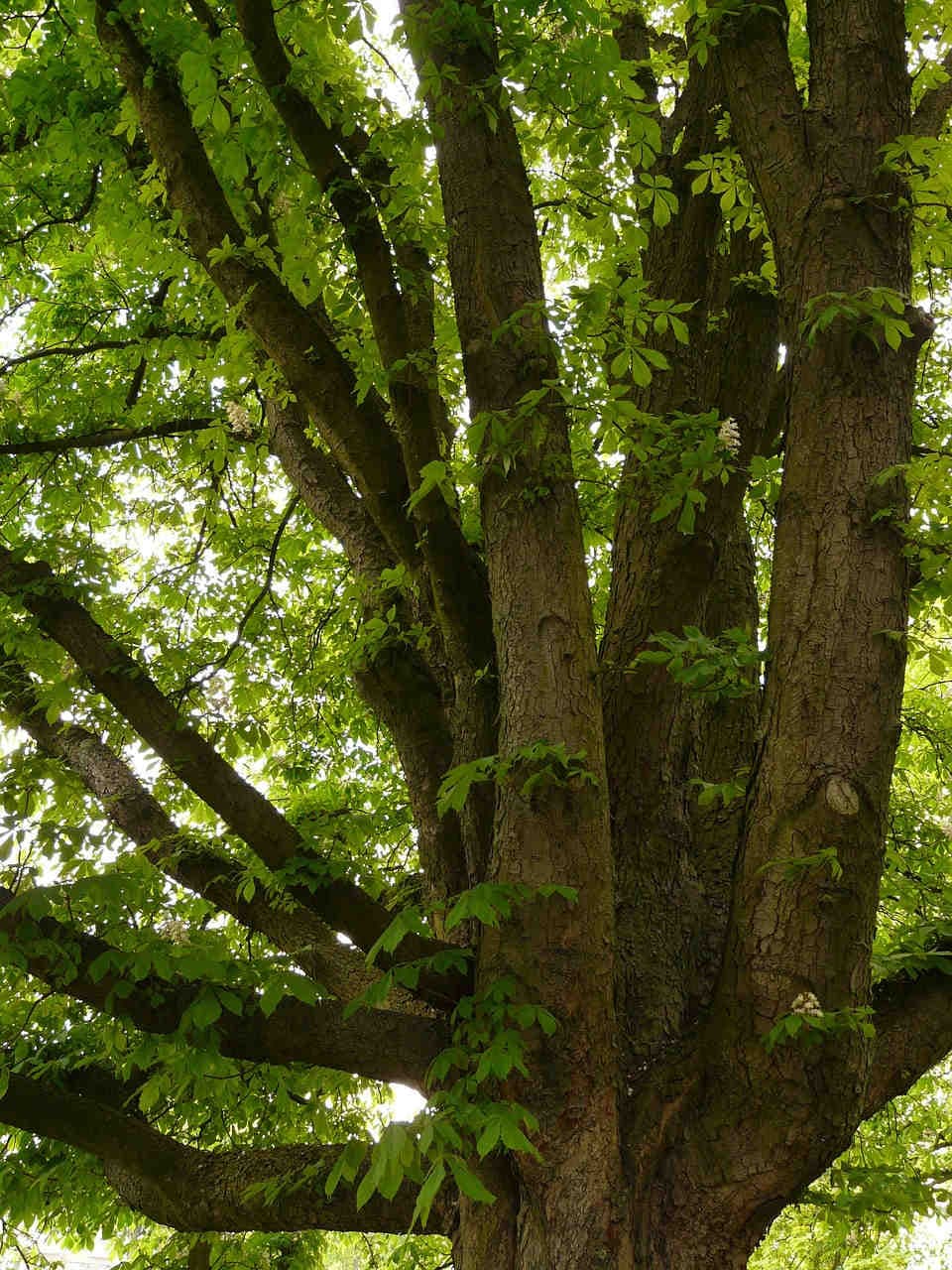
    The European chestnut tree, also known as Spanish or Portuguese chestnut, is a rather longeous plant, capable of reaching even up to 1000 years, in extreme cases even more. One of the oldest and best-known chestnut trees is the Hundred Horses on Etna chestnut tree, said to be over 2000 years old. This tree represents one of the most famous patriarchs of Italy, and has a story that is actually more of a legend: it is said that this tree offered shelter from a storm to a mysterious queen, Joan of Aragon, and her hundred knights with their steeds. The chestnut is a warm and strong tree, whose trunk circumference can reach colossal dimensions, and is characterised by a broad crown. The leaves are large and bright green and have an oblong-lanceolate shape, with a regularly serrated margin.
    albero

    From etymology to its historical designations

    The scientific name of the chestnut tree is Castanea sativa, the origin and etymology of which involves various hypotheses: the word 'chestnut' is said to derive from Kastanis, a city in the region of Pontus, or from Kastania, a village in the region of Thessaly, Greece, where chestnut forests abounded. The close interconnection between the chestnut tree and human history has led, over time, to various designations, such as: 'Tree of Life', 'Tree of Bread', 'The Great Tree', 'The King of the Mountain', 'The Majestic Tree', 'The Monument of Nature', 'The Great Patriarch'. In ancient Greece, the father of botany, Theophrastus, called the fruits of the chestnut tree 'Dios balanos', which means Geus's heath. In Italy, there are a number of towns named after this tree, including: Castagna (CZ), Castagnaro (VR), Castagneto (MO, RE, TE), and many others.

    castagne
    XNatura

    A resource for rural populations

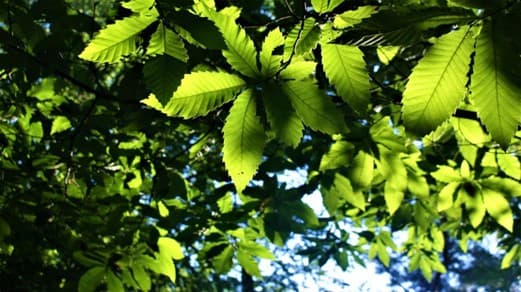
    The chestnut tree was cultivated in Europe in ancient times and spread to the rest of the world, beginning with the Greeks and the Romans and intensifying in the Middle Ages. Over time, a strong bond has been created between this tree species and man, based on rural lifestyles. Indeed, for mountain communities, this tree has been a essential resource so much so that it has been nicknamed the 'bread tree'. It provided first and foremost food, wood for building and for heat, and remedies for wounds and illnesses. Chestnuts, back in the day, were considered a valuable don as they are a food rich in calories and nutrients; the flour from these fruits was used as a remedy for diarrhoea, while the leaves were used to treat wounds. Moreover, it was a primary source of food not only for humans, but also for livestock. The chestnut tree was even considered a sacred tree for some cultures.
    albero del pane

    An intercontinental 'migration

    Since the relationship between the chestnut tree and man was so strong at the time, the migrations of European settlers to North and South America, but also to Australia, saw the export of the tree species, spreading it so that they could continue to benefit from the many services this plant offered. It was a storable and very caloric food, which allowed subsistence in a new, unknown country. In fact, today, the chestnut tree has a distribution that stretches from southern Europe to North Africa, also occupying north-western Europe such as England and Belgium, reaching as far east as western Asia. The diffusion has also expanded, as anticipated, to the Americas and Australia. It is generally found in an altitude range between 200 and 1800 m, corresponding to mountainous and submontane areas.
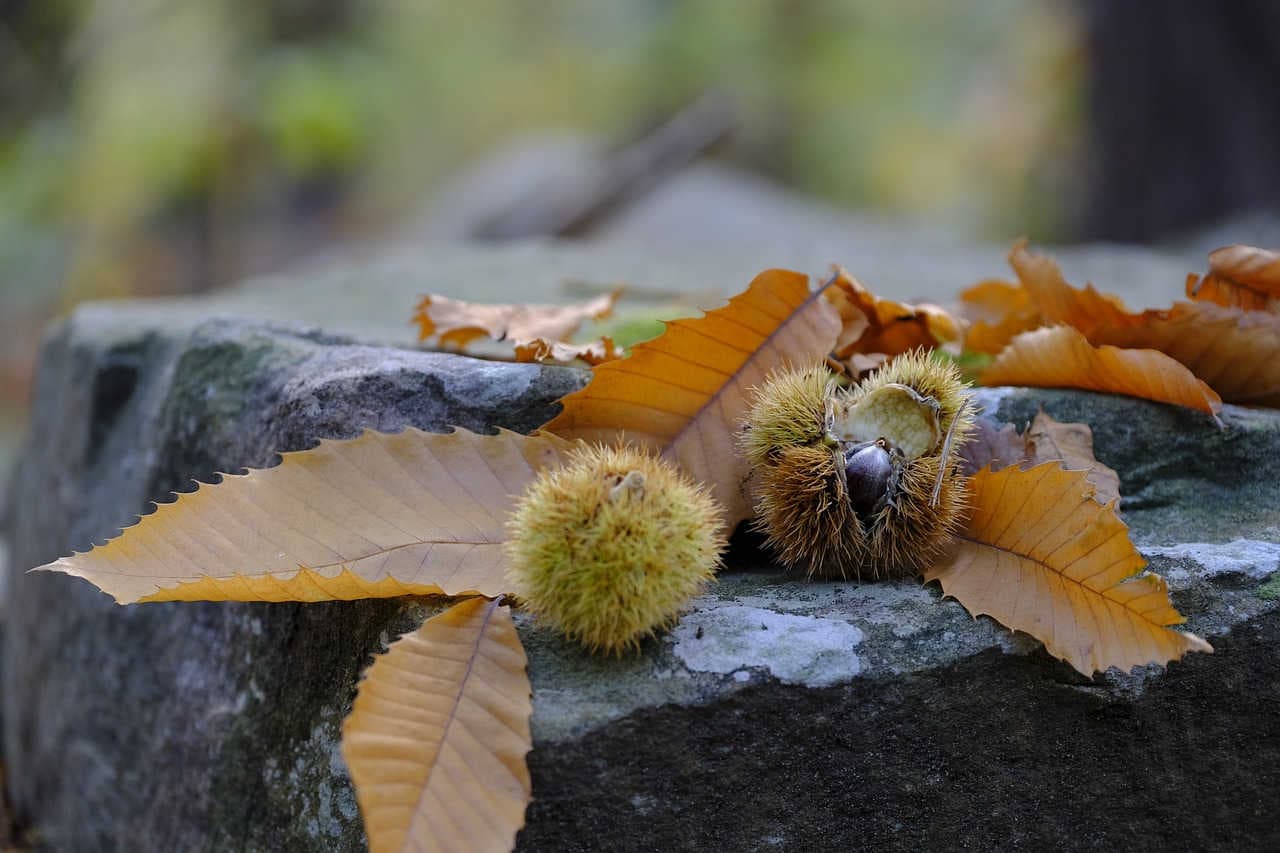
    foglie castagno
    XNatura

    Inspiration for poems and paintings

    Being a tree very much linked to rurality and the mountain and peasant civilisation, one can find it mentioned in some literary works, both Italian and foreign, in which the background landscape of the work is described. An example is the collection of the hundred novellas Decameron by the poet and writer Boccaccio, or it can be found as a protagonist in the collection of poems Myricae, in Pascoli's Trees and Flowers. In the latter, the poet emphasises the role of this tree in rural civilisation. The famous Chestnut of the Hundred Horses and the legend behind it are reported by two Sicilian poets: Giuseppe Borrello and Giuseppe Villaroel. The chestnut tree can be seen as the subject of many paintings precisely because of its rural importance and majesty. Examples are the Impressionist works of Cézanne, Sisley, Van Gogh, Renoire and Pissarro depicting this very plant.

    letteratura
    3Bee

    The European chestnut: a melliferous plant

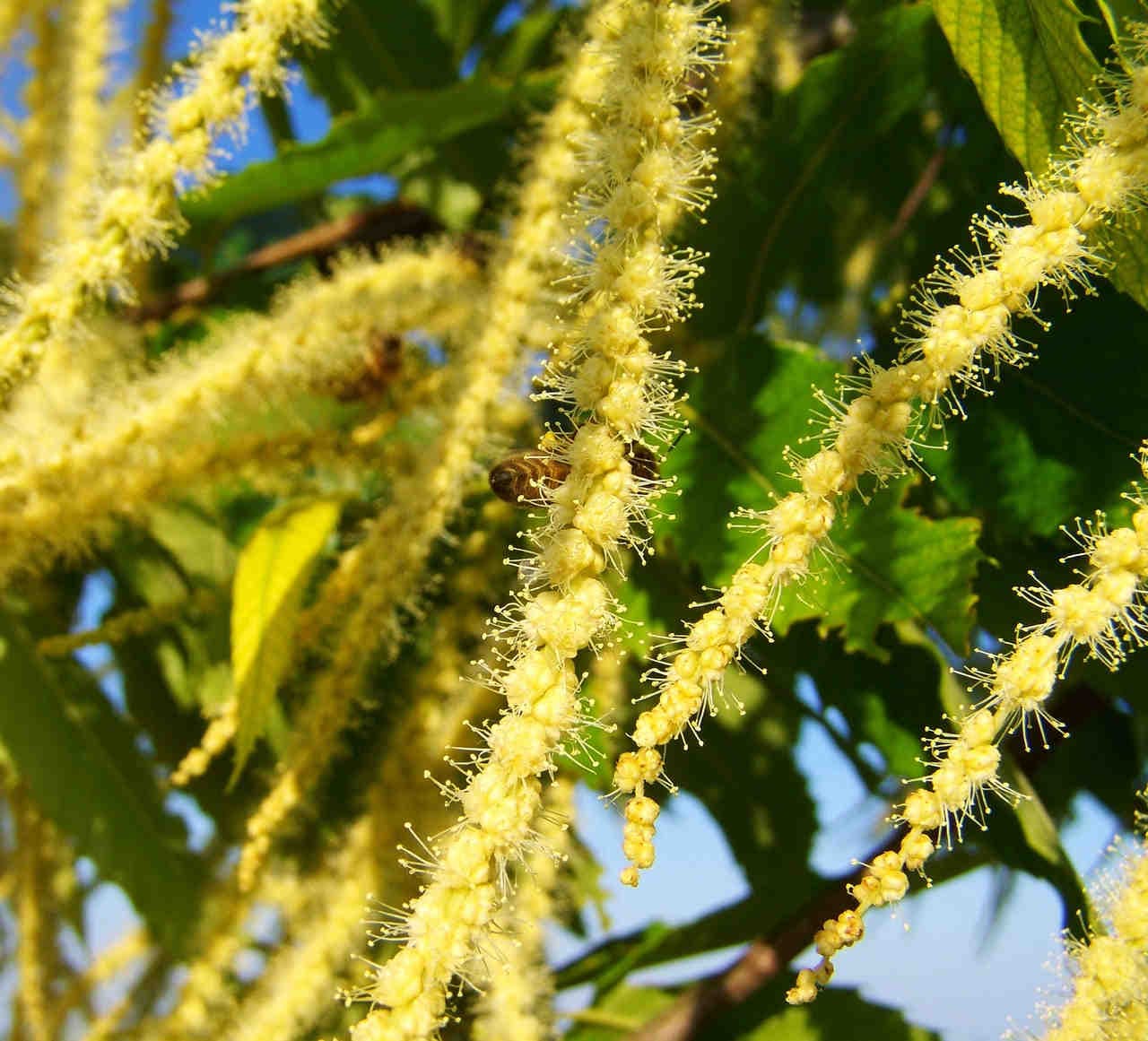
    The flowering of the chestnut tree is quite late, in summer; it produces both male and female flowers on the same individual that can be pollinated by insects or the wind. It is then the female flowers that develop into spiny involucres containing the famous chestnuts in autumn. The strong aromatic smell of the chestnut's flowers attracts pollinating insects, such as bees, which collect both nectar and pollen when they forage the flowers. This plant is in fact considered melliferous. Often beekeeping activity is parallel to chestnut cultivation: hives are placed in chestnut forests, in mountainous and sub-mountainous areas, where this tree is most widespread. Chestnut honey is a type of honey with a bitter aftertaste and a colour ranging from amber to dark brown, with important medicinal properties and beneficial effects on blood circulation.

    impollinatori fiori castagno

    A very rich autumn fruit

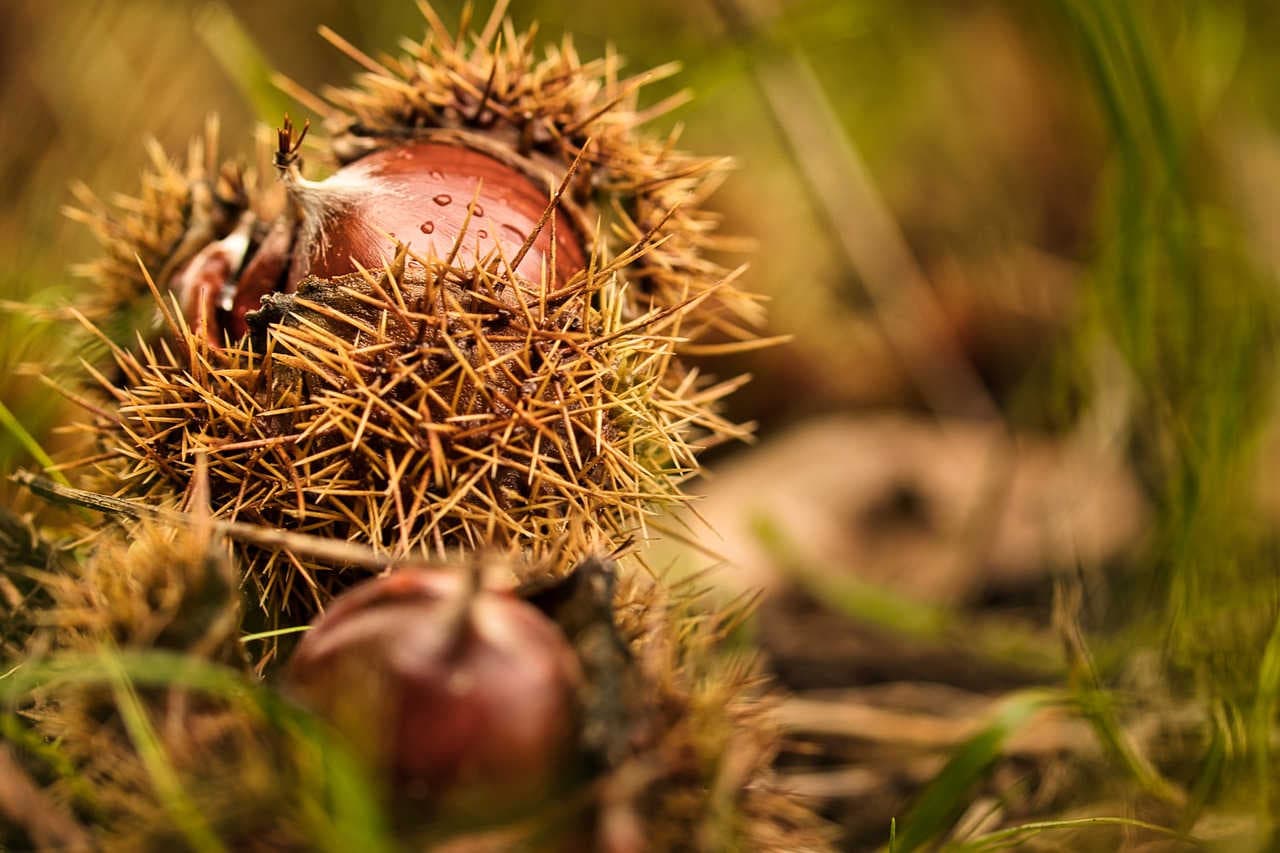
    Chestnuts are the fruit, called achenio, of the vigorous chestnut tree, contained in a thorn-covered shell, the husk, and are released between September and October. Chestnuts are a rich source of energy due to their high starch content, but they also have a high fibre content, making them a low glycaemic index food. Chestnuts are also a resource of polyphenols known for their powerful antioxidant action, as they fight free radicals. Other by-products of this tree such as the leaves and the shell are also a good source of phenolic compounds. The chestnut is therefore a resource of anticarcinogenic substances. In addition, chestnuts contain vitamin E, another molecule that prevents oxidative stress and has anti-inflammatory properties, and minerals, which are useful for enzymes related to digestion and absorption processes.

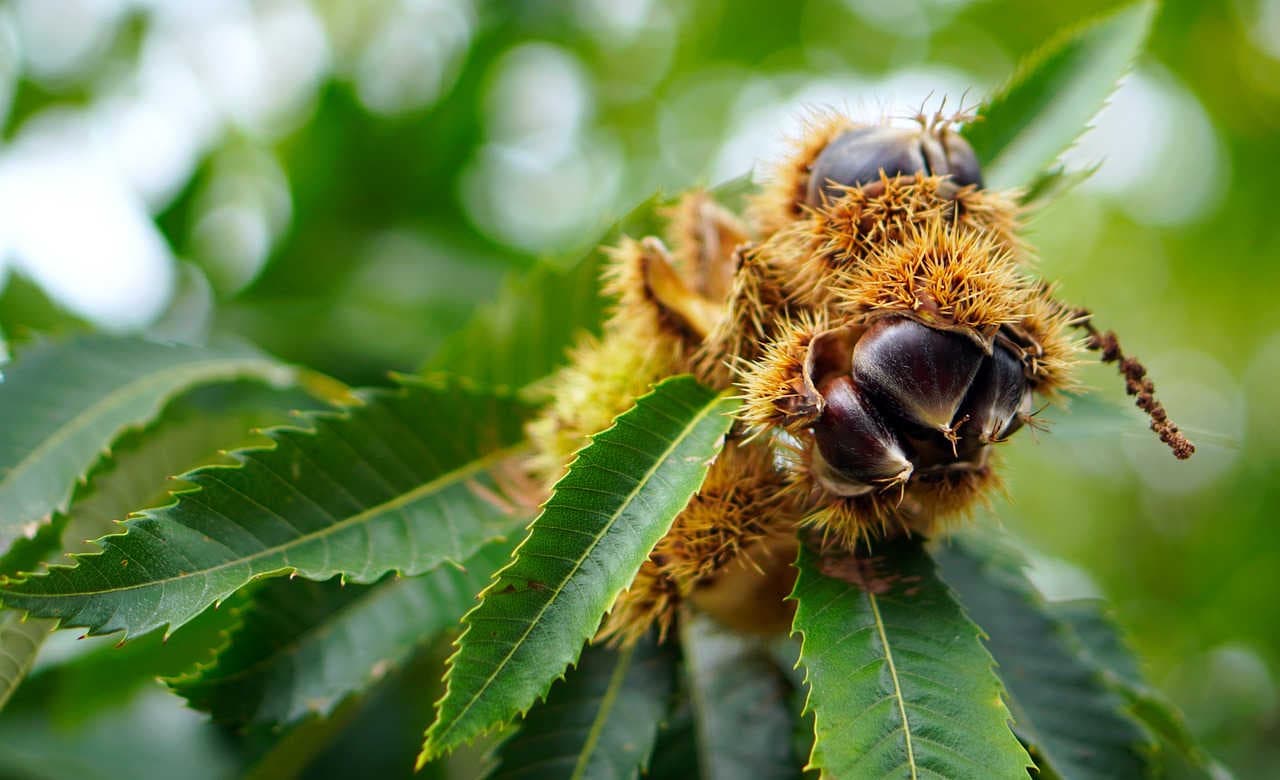
    castagna

    The chestnut, a somewhat demanding tree

    The chestnut is an arboreal species that is quite demanding on certain environmental aspects. With regard to climatic requirements, it has an average water requirement and likes an average annual temperature of between 8° and 15 °C. Winter colds are well tolerated, but a temperature below -25 °C causes damage. Furthermore, the chestnut suffers late frosts and becomes demanding during the growing season. In fact, bud opening occurs in late spring and flowering in early summer, which then leads to fruiting, completing the cycle in about four months. The vegetative development can be slowed down if the summer dryness becomes averagely important, also affecting future fructification. As far as soil variables are concerned, the optimal pH is neutral or moderately acidic. Soils with the presence of lime may be problematic. However, the chestnut is a vigorous germinator, which is well adapted in case of fires.
    albero di castagno

    European chestnut: ecological and ornamental importance

    The rural link between man and chestnut forest that was established at the time has been lost in the modern age. However, chestnut forests play multiple roles in terms of natural resources and landscape, but also have a cultural and traditional value. From an ecological point of view, they are very important as they provide an important habitat for fauna such as hoopoe, black bunting and various bat species. Chestnut forests offer shelter to many animals, such as mammals, birds and insects, thanks to the ravines of old trunks, and their fruits are an important food source for fauna. Chestnut trees are also used by man for ornamental purposes: historic landscape gardens, botanical gardens, and many avenues are full of these trees. One example is the avenue in the historical garden of Dyck Castle near Düsseldorf, Germany, which is 1108 metres long and was created in 1811. 224 trees were planted, of which 206 are still alive!

    importanza ecologica

    Biodiversa: the 3Bee game app to monitor biodiversity

    Biodiversa is the free game app for biodiversity monitoring and ecosystem protection that allows users to easily 'collect' and identify plants and flowers encountered during an outdoor walk. An ambitious citizen science project that aims to create a cooperative archive dedicated to flora (and in a second phase fauna) in Europe, involving player users with challenges to catalogue species, some of which are rare or endangered. Available for iOS and Android, Biodiversa has a dynamic similar to that of some well-known free-to-play video games that encourage moving and travelling in the real world to 'collect' characters. In fact, the app made by 3Bee offers a gaming experience in which plants are all to be 'collected' and identified in order to collect experience points, level up and climb the leaderboard.

    biodiversa app 3bee
    16/06/2024Of 3Bee, Lara Vivarelli
    690 Views
    Newsletter
    newsletter
    Subscribe to the Blog about bees and biodiversity

    Frequently Asked Questions

    Do you have any doubts or other curiosities about this article? Here you will find some insights