Discovering Biodiversity
    BiodiversityEco servicespollinationpollution

    Discovering Biodiversity

    Biodiversity can be defined as the richness of life on earth, in a given ecosystem or habitat. This term is not accidental, as the diversity of species on land and in the sea is such a valuable asset that it is considered inestimable.

    Read the article
    15/05/2023Of 3Bee, Elena Fraccaro
    518 Views
    15/05/2023Of 3Bee, Elena Fraccaro
    518 Views

    What is Biodiversity?

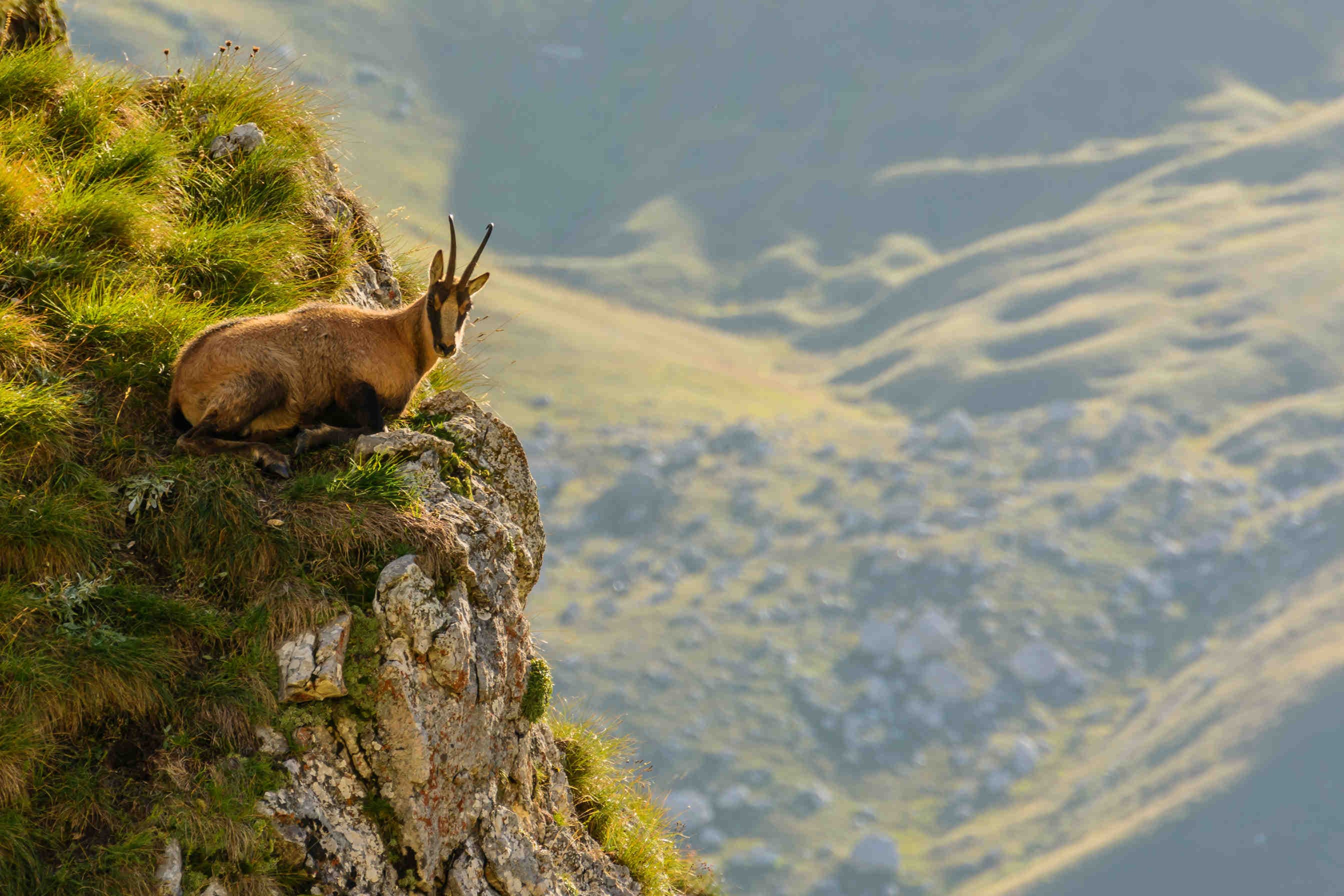
    The term biodiversity derives from the English "biodiversity" and was coined by the American entomologist Edward O. Wilson to express the number, variety and variability of living organisms. These, together with the physical and chemical characteristics of the environment in which they are found, ensure a 'dynamic equilibrium' dictated by interactions between and within different species. It is estimated that there are between 8 and 12 million different species on Earth, (more than half of these are insects!) although only a small fraction of them have so far been discovered and described by scientists. Animals, plants, fungi and bacteria make up the biosphere, from which humans derive numerous direct and indirect benefits, termed ecosystem services, including food production and protection from the weather. These services are often divided into four main categories.

    Camoscio in Abruzzo

    Ecosystem services: biodiversity for humans

    Supply services: include all the products we obtain from nature such as food, water, wood and fibre. Forests, meadows and watercourses are productive ecosystems and provide the essential resources for human survival and well-being. Regulatory services: relate to the ability of ecosystems to regulate natural processes. They include climate regulation, water purification, flood control and entomophilic pollination. Cultural services: these are the non-material benefits we obtain from ecosystems through recreation, intellectual development, meditation. For example, parks and nature reserves offer opportunities for tourism, recreation and education. Finally, the support services: necessary for the production of all other ecosystem services. They include soil formation, photosynthesis, oxygen production, the water cycle and biodiversity, which provides the basis for life on earth.

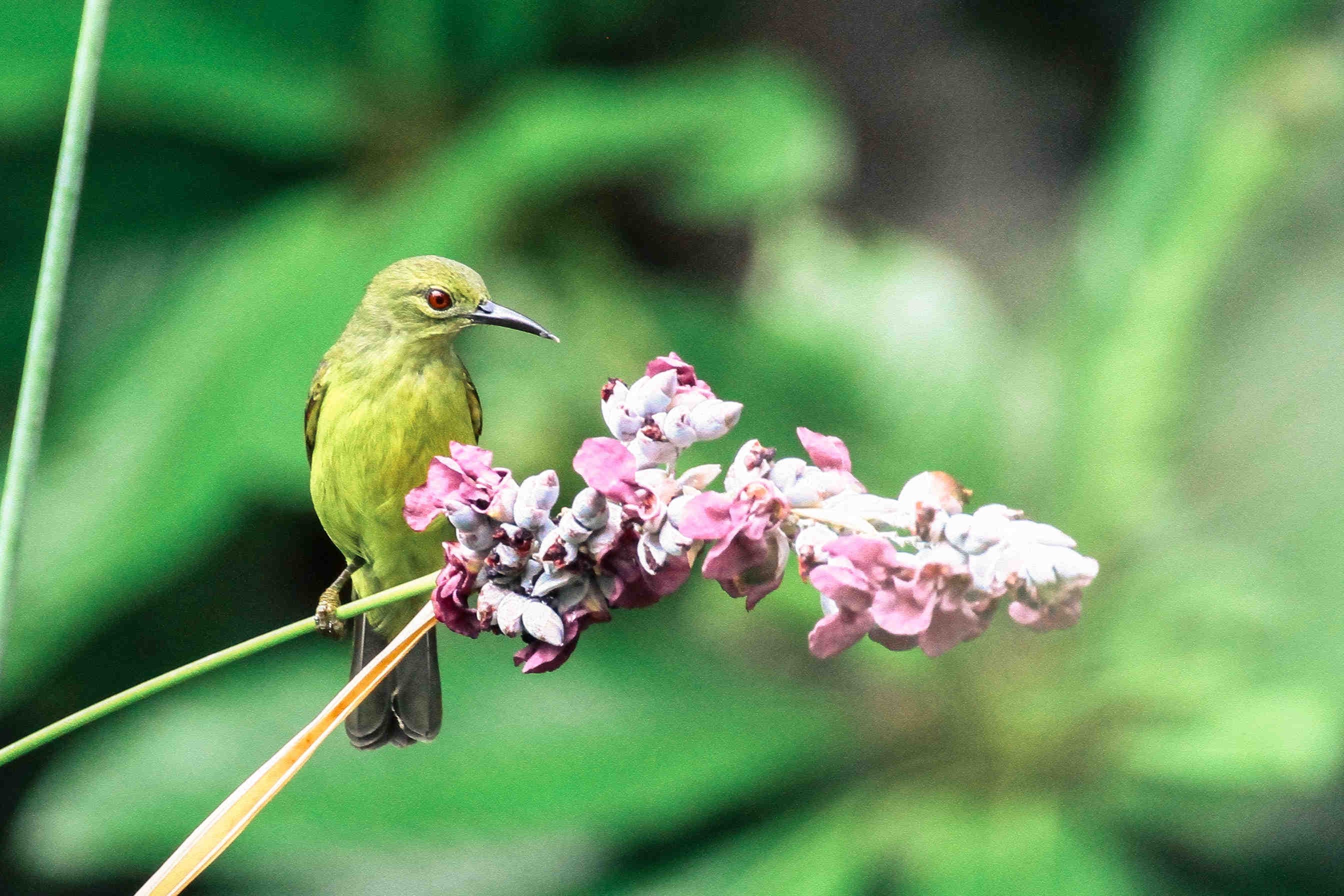
    Uccello impollinatore
    XNatura

    Pollination

    Pollination is one of the fundamental ecosystem services and undoubtedly one of the best known. It occurs when pollen grains are transferred from the male to the female flower, thus enabling fertilisation and seed production. This process can occur through wind or water, but most often occurs through the action of pollinators. Pollinators include a wide range of organisms, including bees, butterflies, hummingbirds, bats and a variety of other insects and birds. Bees, in particular, play a crucial role in this process. About 75% of the world's food crops depend on pollinators. Besides ensuring food production, pollination plays a key role in conserving biodiversity. It contributes to the production of fruits and seeds, which are the main source of food for animals. In addition, pollination is essential for themaintenance of ecosystems.
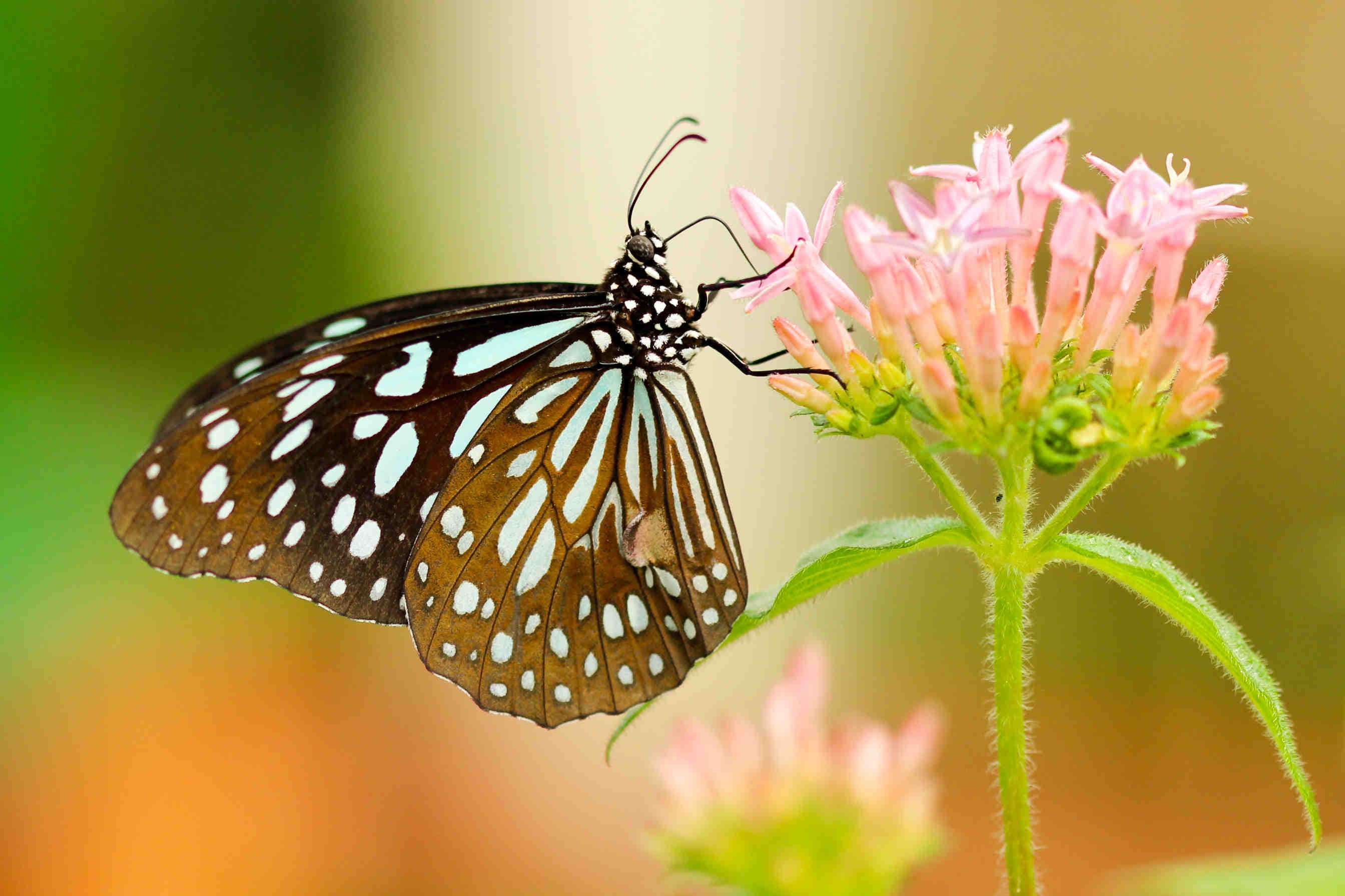
    Farfalla e impollinazione

    Pollution and other threats

    Numerous studies indicate that human activities have accelerated the extinction rate of species to unprecedented levels. The destruction of natural habitats is one of the main threats to biodiversity: forests, grasslands, swamps and deserts (however inhospitable the latter may appear) are home to diverse species and are governed byunique dynamics, which is why each habitat is equally important. Pollution of air, water and soil can have a devastating impact. Excessive agricultural and industrial waste substances can damage the life of lakes and rivers. Plastics, on the other hand, are a serious threat to marine ecosystems. Climate change caused by greenhouse gas emissions, reckless hunting and fishing, together with the establishment of invasive species are altering habitats around the world, putting many species at risk and threatening the delicate balance of the biosphere.
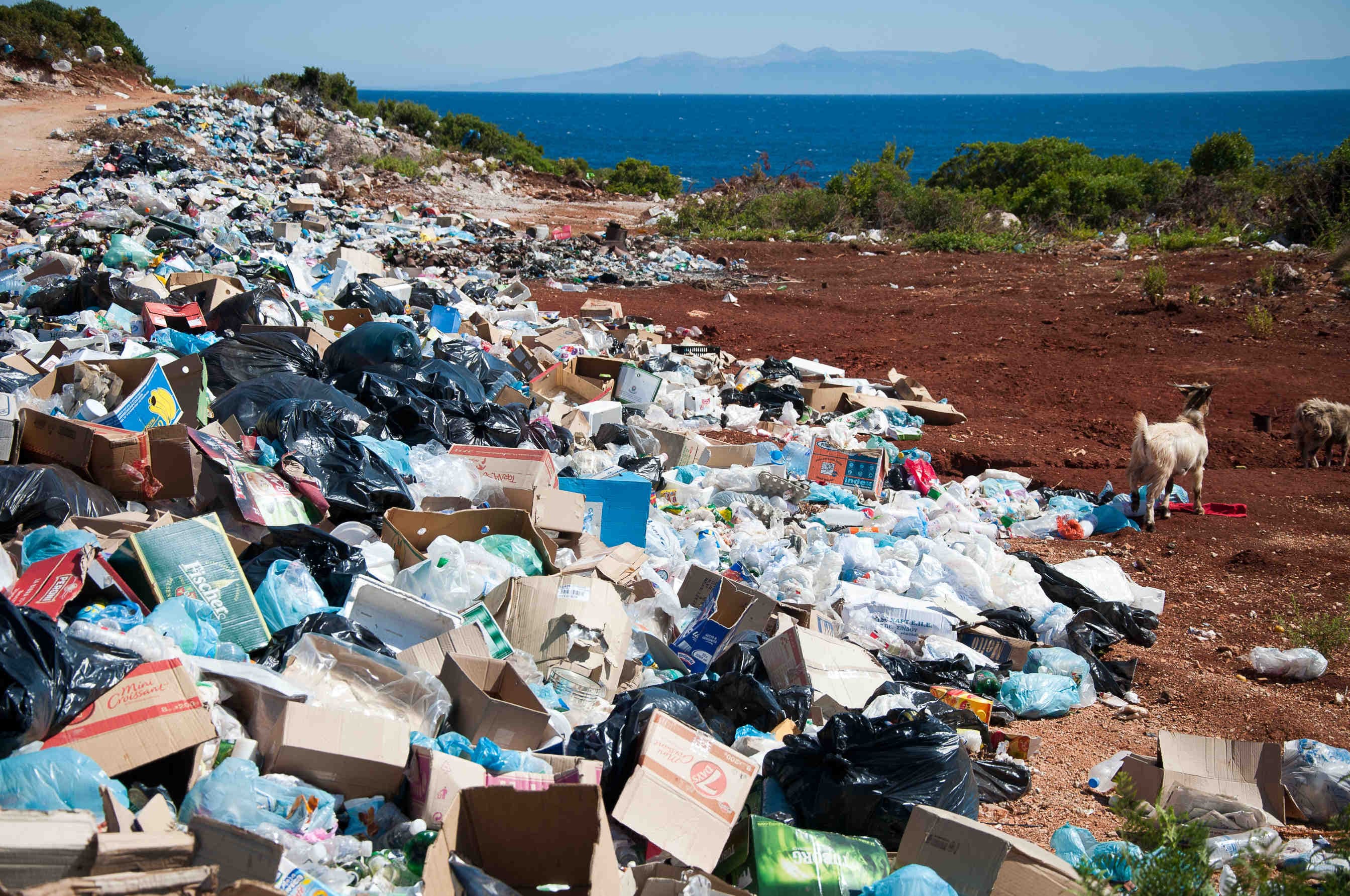
    inquinamento
    XNatura

    SDGs for biodiversity

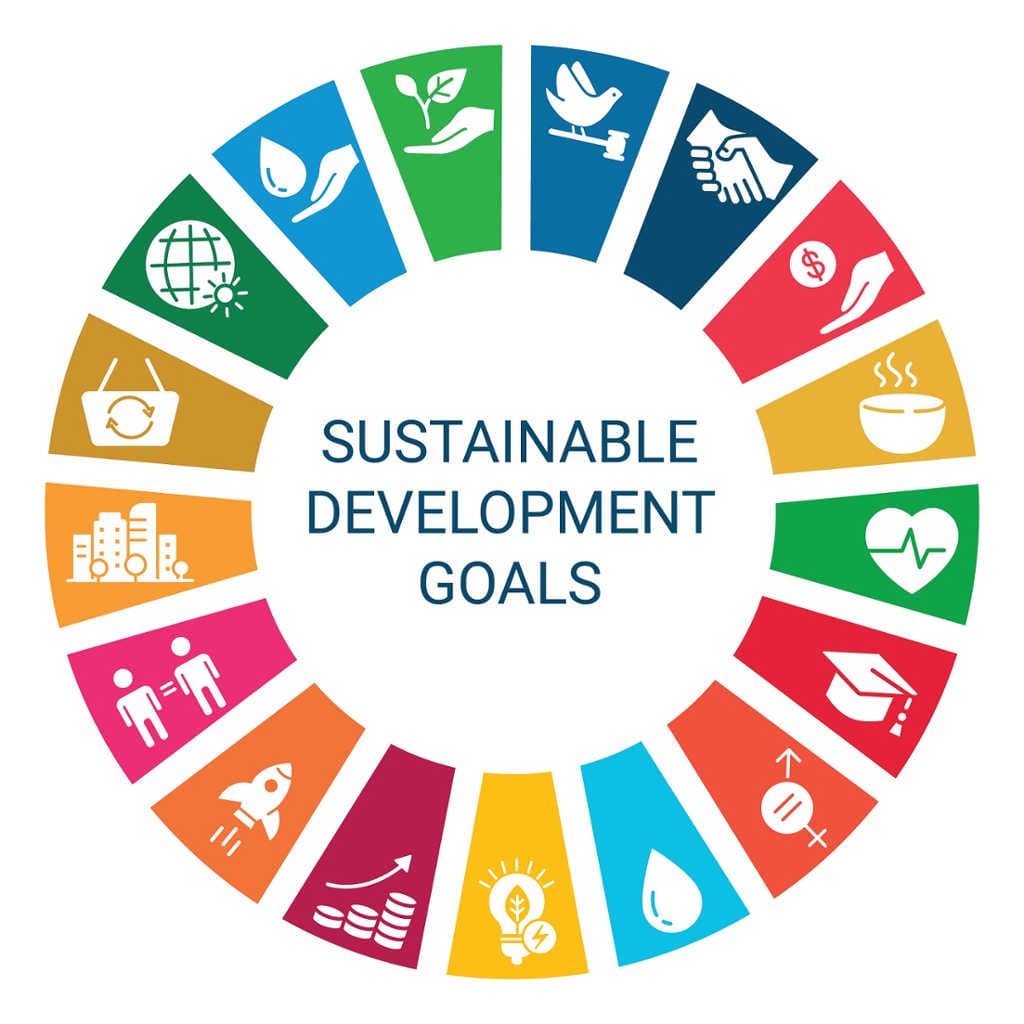
    The UN 2030 Agenda has set 17 Sustainable Development Goals (SDGs) to address global challenges. Biodiversity and ecosystem services are central to the achievement of many of them. SDG 2 - Zero Hunger: Biodiversity is critical for food security and ensures resilience of agricultural ecosystems. SDG 6 - Clean and Sanitary Water: Ecosystems such as forests and wetlands play a crucial role in water supply and purification. SDG 13 - Climate Action: Forests mitigate and contribute to adaptation to climate change by absorbing carbon dioxide. SDG 14 - Life Under Water and SDG 15 - Life on Earth: These two goals focus directly on preserving biodiversity for the countless benefits it provides. SDG 3 - Good Health and Wellbeing: We derive important medicines from many species.

    SDGs
    3Bee

    Biodiversity for a healthier planet

    In conclusion, the conservation of biodiversity is not only an end in itself, but a key element in achieving many of the Sustainable Development Goals. From ensuring food security, to protecting human health, to mitigating and adapting to climate change, biodiversity is a fundamental pillar of sustainability. Recognising the value of biodiversity, understanding its role and taking action for its safeguarding is the duty of every individual, community and nation. Only then can we ensure that humanity continues to benefit from the wealth of life that our planet has to offer.
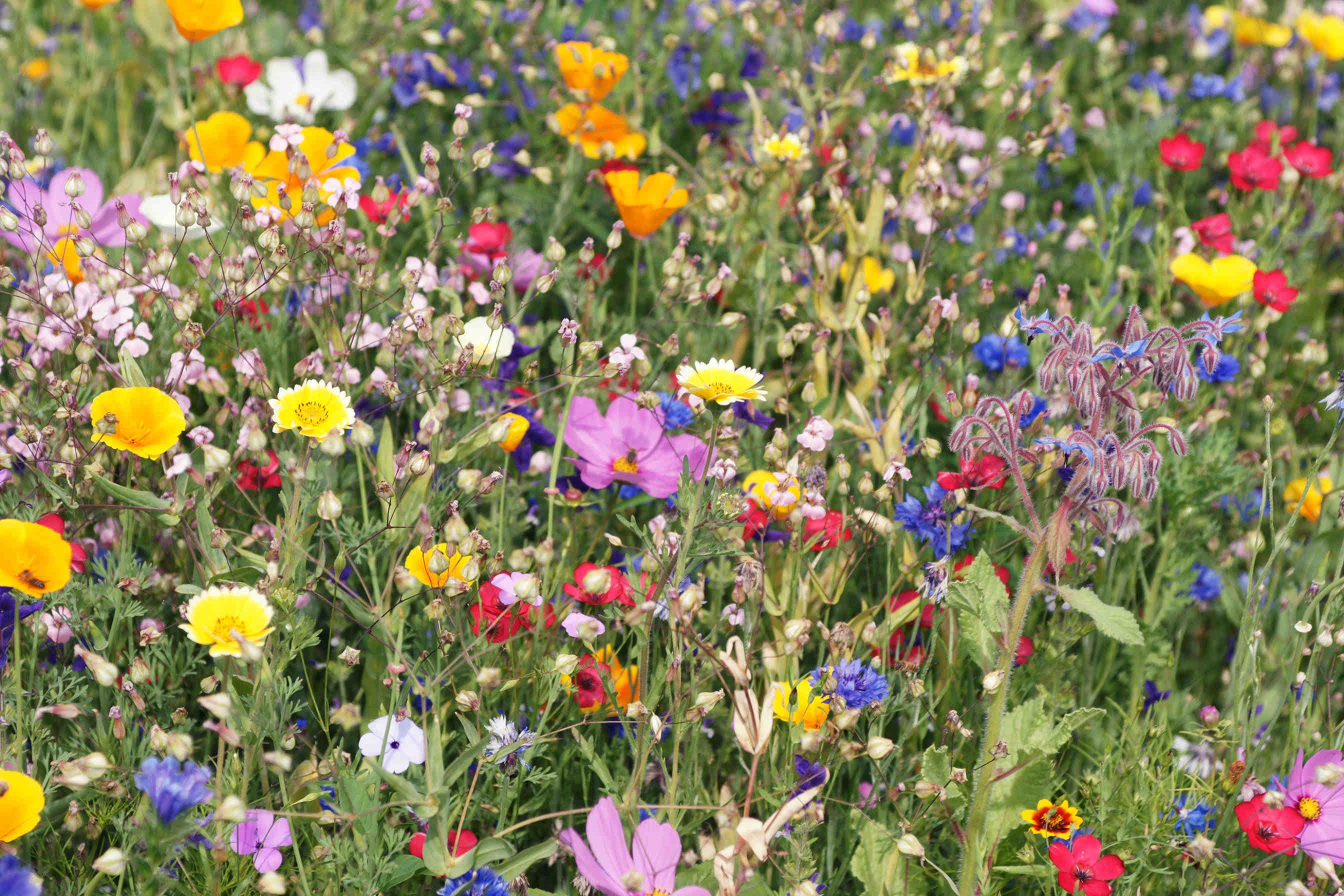
    Fiori
    15/05/2023Of 3Bee, Elena Fraccaro
    518 Views
    Newsletter
    newsletter
    Subscribe to the Blog about bees and biodiversity