Biodiversity Day 2023
    IntroOrigineWhat it isPollinators

    Biodiversity Day 2023

    22 May is Biodiversity Day 2023: an opportunity to reflect on the importance of biodiversity for our planet. Celebrate the variety of life on Earth! Read our article to find out more.

    Read the article
    08/05/2023Of 3Bee, Elena Fraccaro
    918 Views
    08/05/2023Of 3Bee, Elena Fraccaro
    918 Views

    Introduction

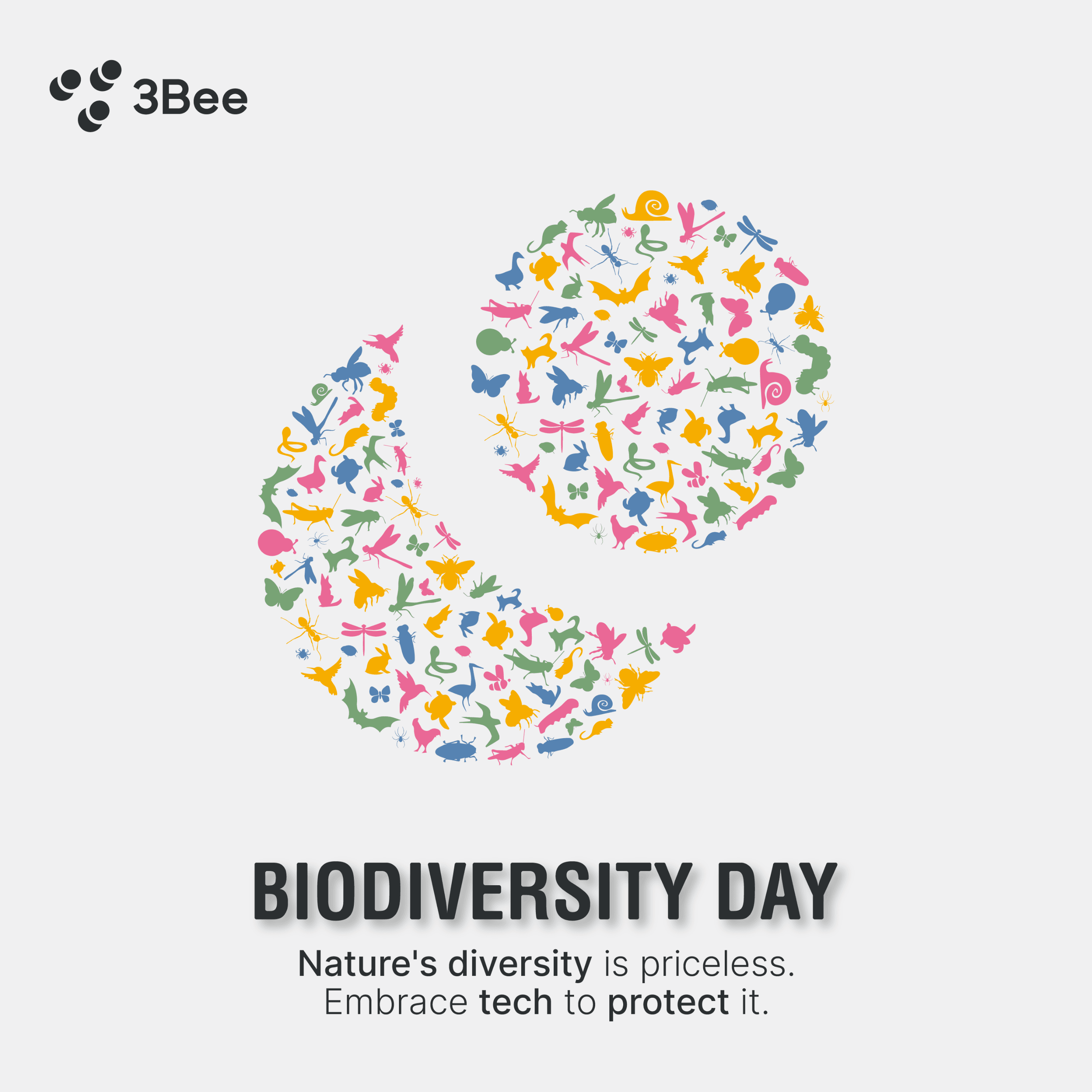
    Biodiversity Day is an annual occasion to celebrate the variety of life on Earth and to raise awareness of the importance of its preservation. This year, the day falls on 22 May and provides an opportunity to reflect on biodiversity at a time when the loss of species and habitats is one of the greatest global environmental threats. In this article, we explore the topic of biodiversity, its importance to thehealth of our planet and the actions we can take to protect it.
    Introduction

    World Biodiversity Day: origins and objectives

    Biodiversity Day was established by the United Nations (UN) in 2000, with the aim of raising awareness about the importance of biodiversity and the species that inhabit our planet. The date of 22 May was chosen to coincide with the anniversary of the signing of the Convention on Biological Diversity (CBD), an international treaty signed in 1992 during the Earth Summit in Rio de Janeiro. The CBD was created to promote the conservation of biodiversity, the sustainable use of natural resources and the equitable distribution of the benefits arising from the use of genetic resources. Biodiversity Day is therefore an opportunity to renew our commitment to the goals of the CBD and to remember the importance of biodiversity for our survival.

    World Biodiversity Day: origins and objectives
    XNatura

    What is Biodiversity and why is it essential

    biodiversity refers to the variety of life forms that populate our planet. This diversity extends to all levels of biological organisation, from molecules to ecological systems. Biodiversity includes genetic diversity within a species, species diversity within an ecosystem, and ecosystem diversity within a territory. Biodiversity is therefore a fundamental feature of life on Earth and is a source of benefits to humans, including food production, water supply and carbon dioxide absorption. Biodiversity is also an indicator of the health of ecosystems and their ability to respond to environmental change. However, biodiversity is threatened by habitat destruction, pollution, climate change and other human activities.

    What is Biodiversity and why is it essential

    Pollinators for Biodiversity

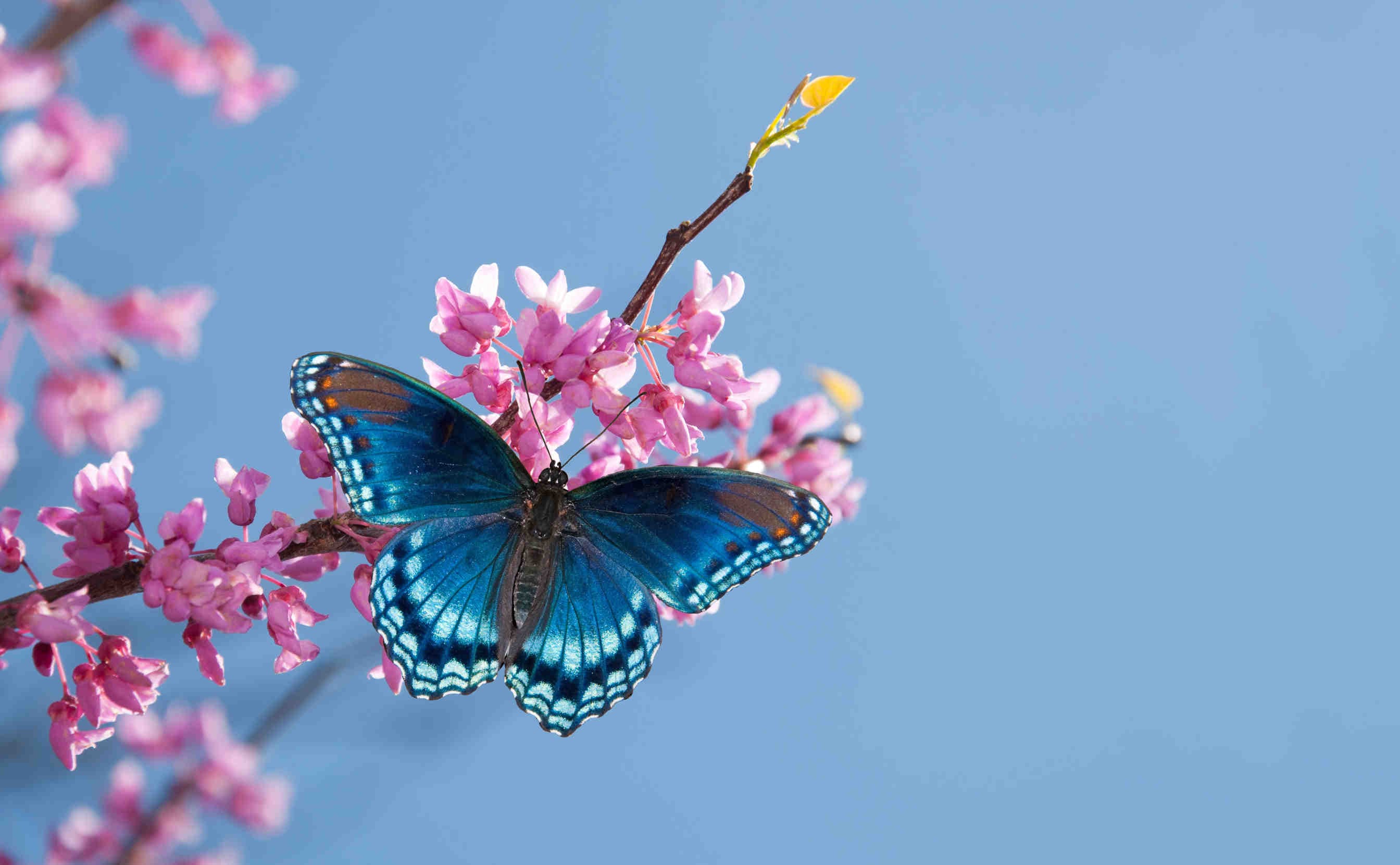
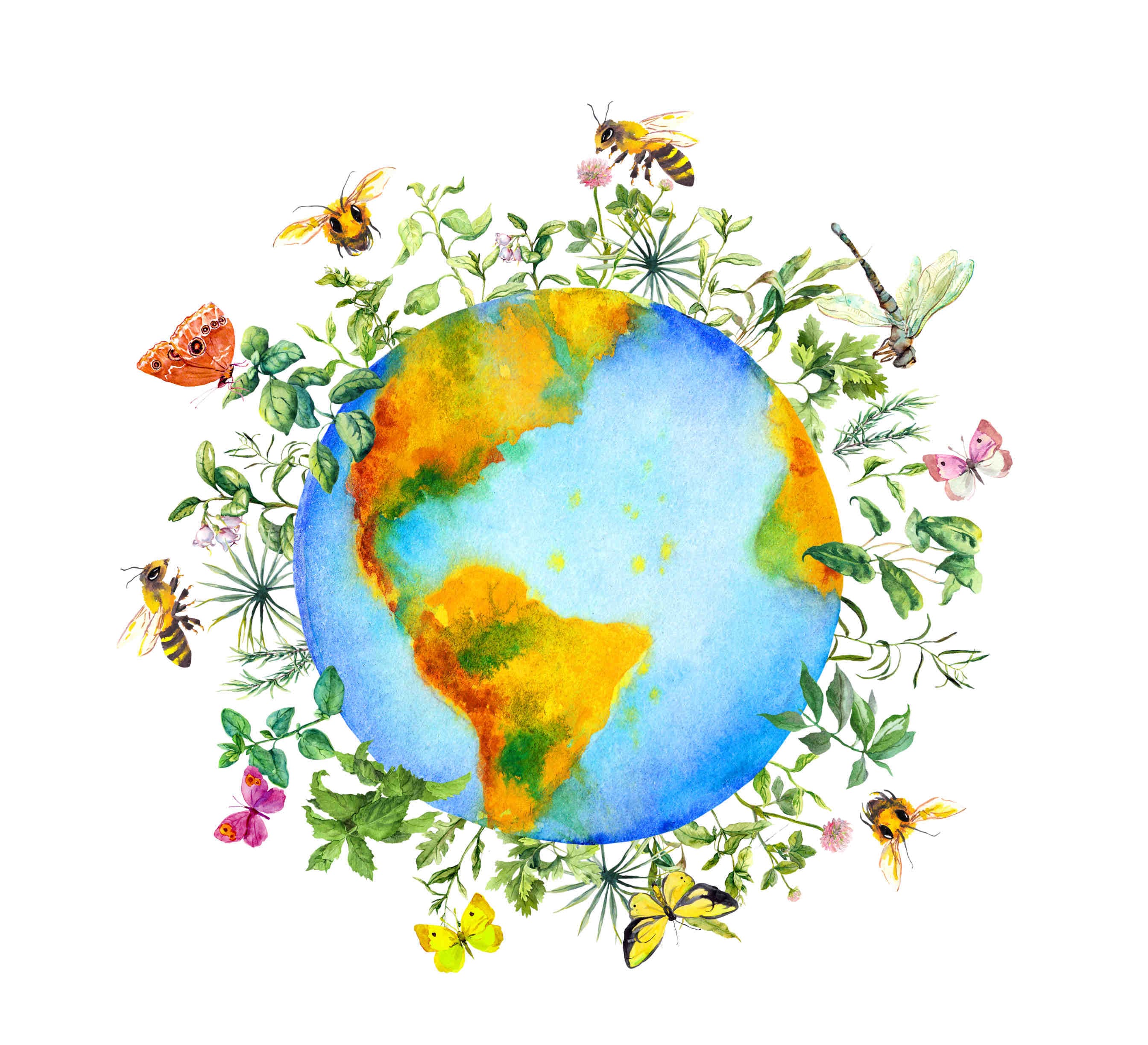
    Among the elements that contribute to biodiversity, thepollinators represent a particularly important category. Pollinators, such as bees, butterflies and other insects, are essential for plant reproduction and thus food production. However, pollinators are at risk due to habitat loss, pesticide use and other environmental threats. To protect pollinators and promote their conservation, many programmes and initiatives have been launched. We at 3Bee work every day to protect pollinators and promote biodiversity through the creation of habitats suitable for bees and other insects. Read on to find out how we do this.
    Pollinators for Biodiversity
    XNatura

    A beehive protected by technology for biodiversity

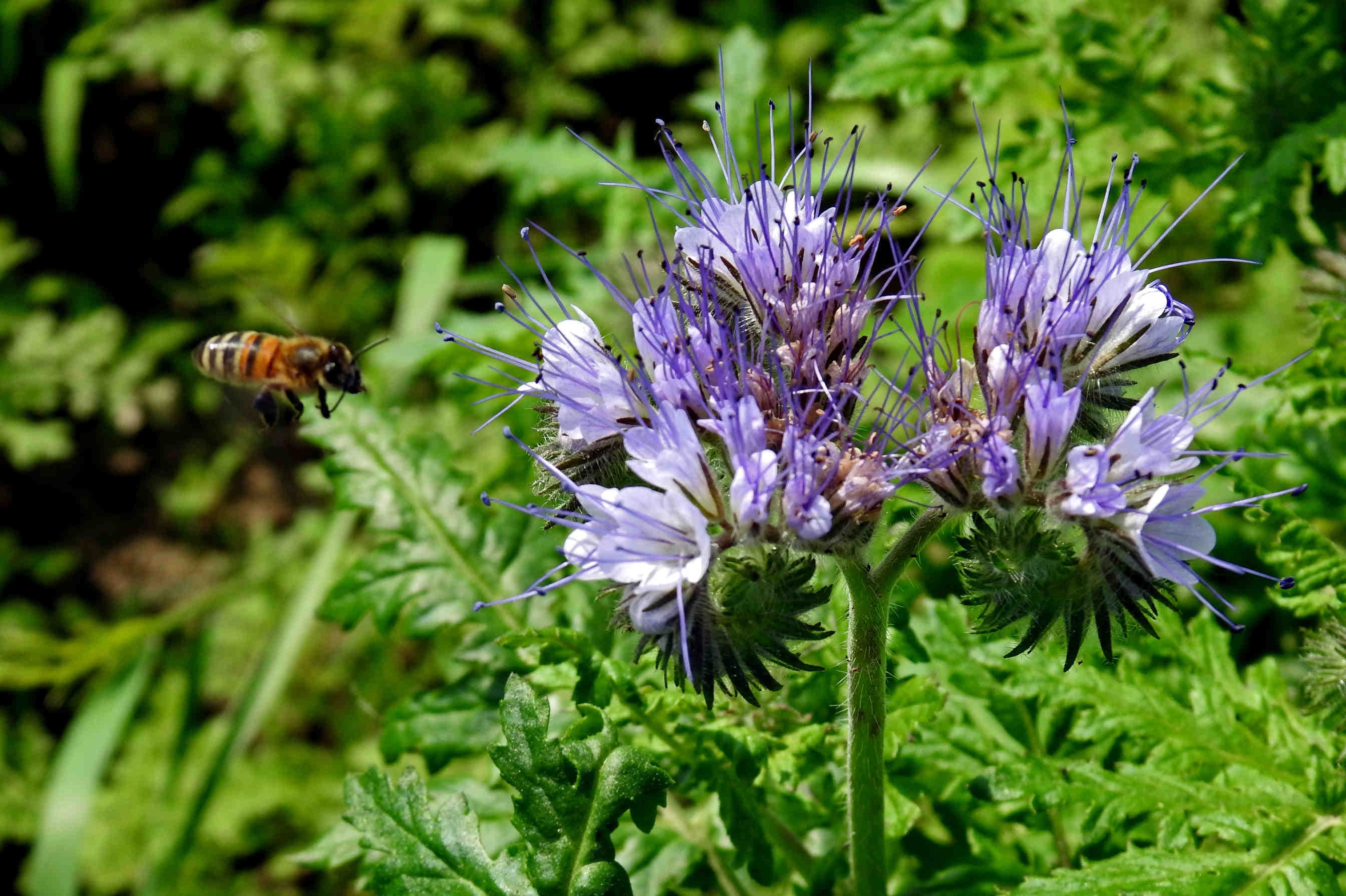
    One of 3Bee's main projects for promoting biodiversity is "Adopt a beehive". Thanks to this project, everyone can contribute to the protection of pollinators and the promotion of biodiversity by adopting a beehive and monitoring it through a dedicated app. Adopting a 3Bee hive means protecting bees with technology and consequently biodiversity. Every day you have the opportunity to monitor the health of the hive and see it grow in health and in perfect harmony with the environment. Join the largest group protecting bees with technology! .
    A beehive protected by technology for biodiversity
    3Bee

    Nectariferous Trees for Biodiversity

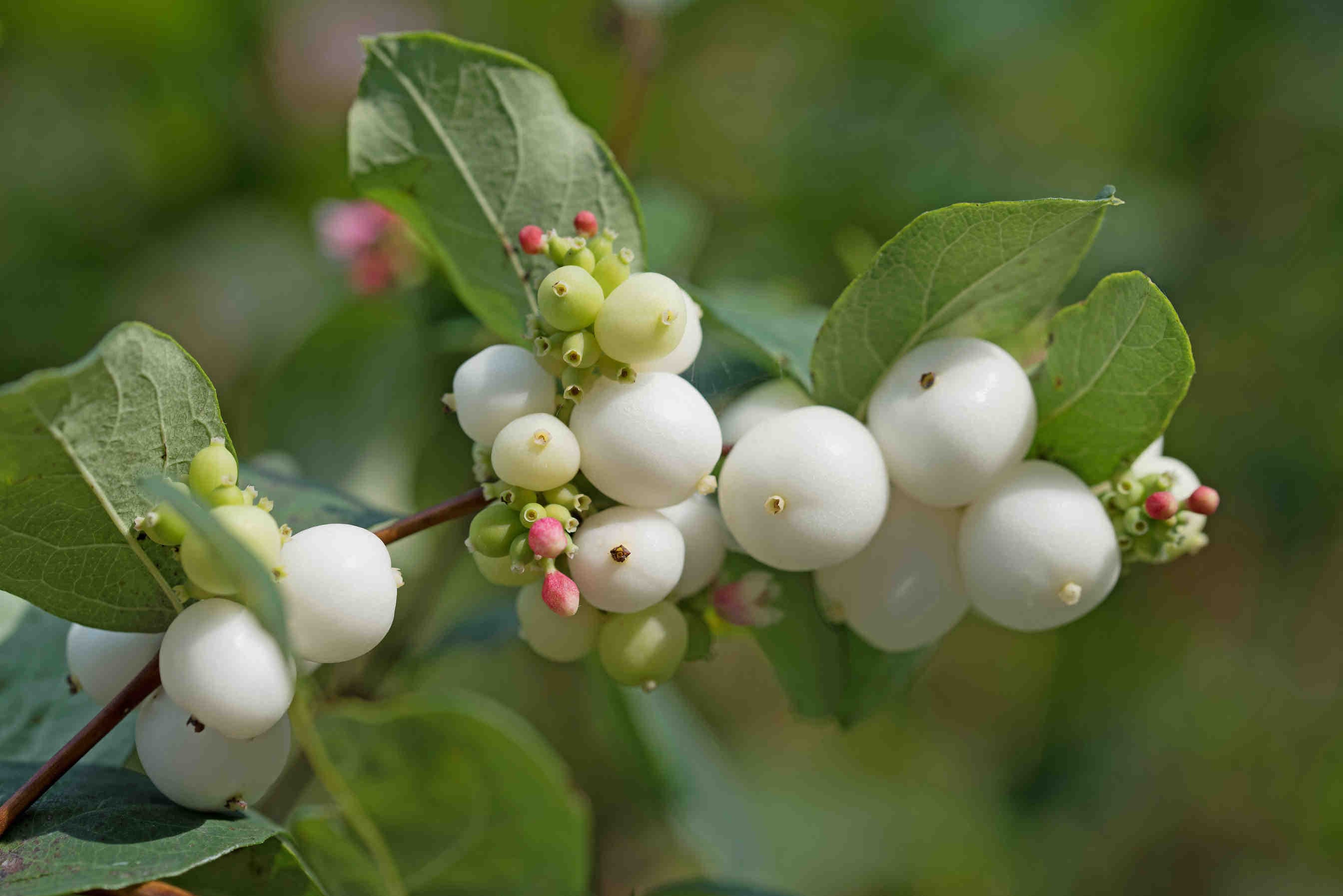
    The nectariferous plants are plants that produce nectar, the sugary substance that is the food of bees and other pollinators. Nectariferous plants are therefore fundamental to biodiversity and the ecosystem as they provide the food necessary for the survival of pollinating insects. Moreover, nectariferous plants also contribute to ecosystem health as they promote plant community diversity and stability. To promote the presence of nectariferous plants and thus biodiversity, 3Bee launched the 'Adopt a Nectariferous Tree' project. Thanks to this project, it is possible to adopt a nectariferous tree and thus contribute to the creation of a green area richer in biodiversity, trees monitored by ESA satellites and tracked by technology.

    Nectariferous Trees for Biodiversity

    Celebrating World Biodiversity Day 2023

    In conclusion, World Biodiversity Day is an important opportunity to reflect on the importance of biological diversity for our planet and for our own survival. As we have seen, biodiversity is a complex concept that encompasses many aspects, from animal and plant species to the complexity of ecosystems. However, protecting biodiversity is not only a duty to our planet, but also an opportunity to build a more sustainable and resilient future. Thanks to initiatives such as those promoted by 3Bee, we can all contribute to the protection of pollinators, the creation of suitable habitats for nectariferous plants and the promotion of biodiversity in general. It is important to remember that every small gesture counts, and that saving biodiversity is a commitment that concerns us all.

    Celebrating World Biodiversity Day 2023
    08/05/2023Of 3Bee, Elena Fraccaro
    918 Views
    Newsletter
    newsletter
    Subscribe to the Blog about bees and biodiversity