Discovered the largest coral in the world in the Pacific Ocean
    DiscoverySolomon IslandsCoralsBiodiversity

    Discovered the largest coral in the world in the Pacific Ocean

    It is 300 years old and can even be seen from space: the largest coral in the world was discovered in the Pacific Ocean thanks to a National Geographic Society expedition last October 2024.

    Read the article
    06/12/2024Of 3Bee, Lara Vivarelli
    400 Views
    06/12/2024Of 3Bee, Lara Vivarelli
    400 Views

    The discovery of the largest coral in the world

    Disclaimer: this is an automated translation from Italian. Go to the original article.

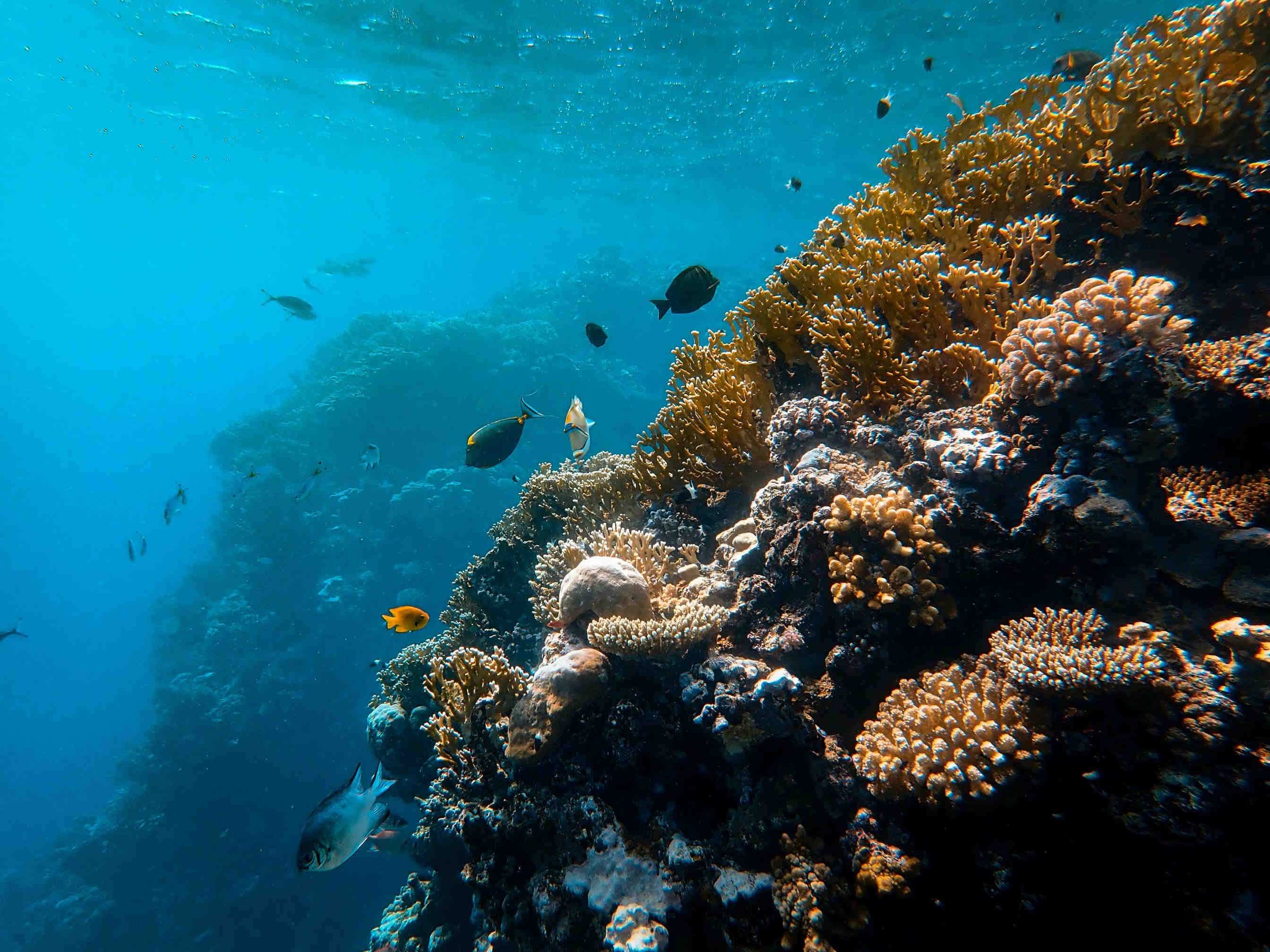
    During the Pristine Seas expedition by the National Geographic Society, in the waters of the Pacific Ocean around the Solomon Islands, divers made an extraordinary discovery: the largest animal in the world. The discovery, which occurred in October 2024, was accidental. The team initially mistook the animal for a wreck on the seabed, unable to correctly identify it. In reality, it was a colony of corals, 32 meters long, 34 wide, and 5 high, with an age of over 300 years. Comprised of over a billion genetically identical polyps that operate as a single organism, this colony is so large that it is visible even from space.

    scoperto corallo più grande al mondo

    Solomon Islands: a marine biodiversity treasure

    The Solomon Islands, where the discovery of the largest coral in the world took place, is located in an archipelago in the southwestern Pacific, consisting of six major islands and over 900 smaller islands. This region is famous for its extraordinary marine biodiversity, due to its location in the Coral Triangle, one of the richest areas of marine life in the world. Its ecosystems include coral reefs, mangroves, seagrass meadows, and deep ocean trenches, which host more than 500 coral species and thousands of other marine species, including fish, crustaceans, mollusks, and other creatures.

    isole salomone ricche di biodiversità marina
    XNatura

    The world of corals: marine architects

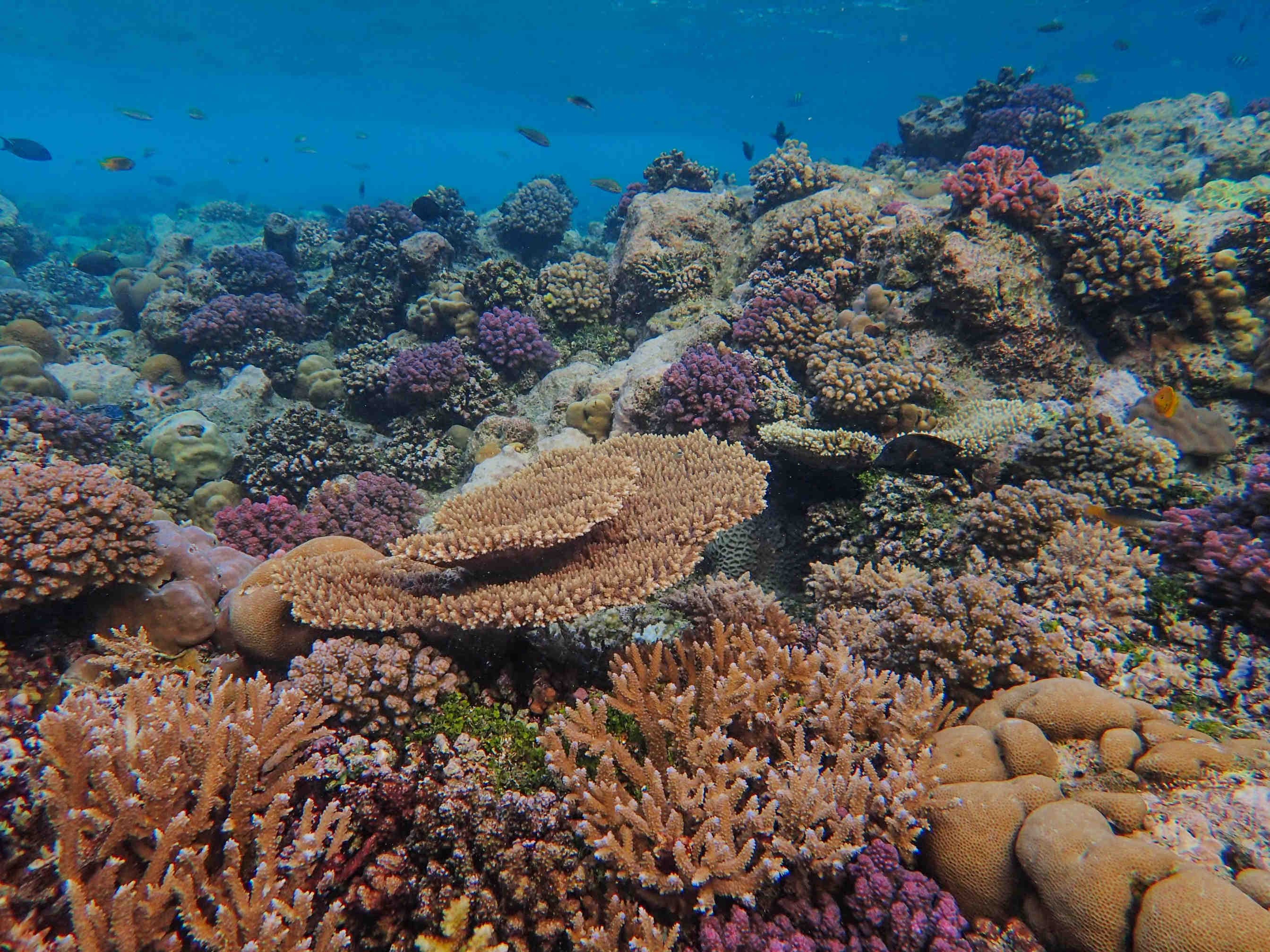
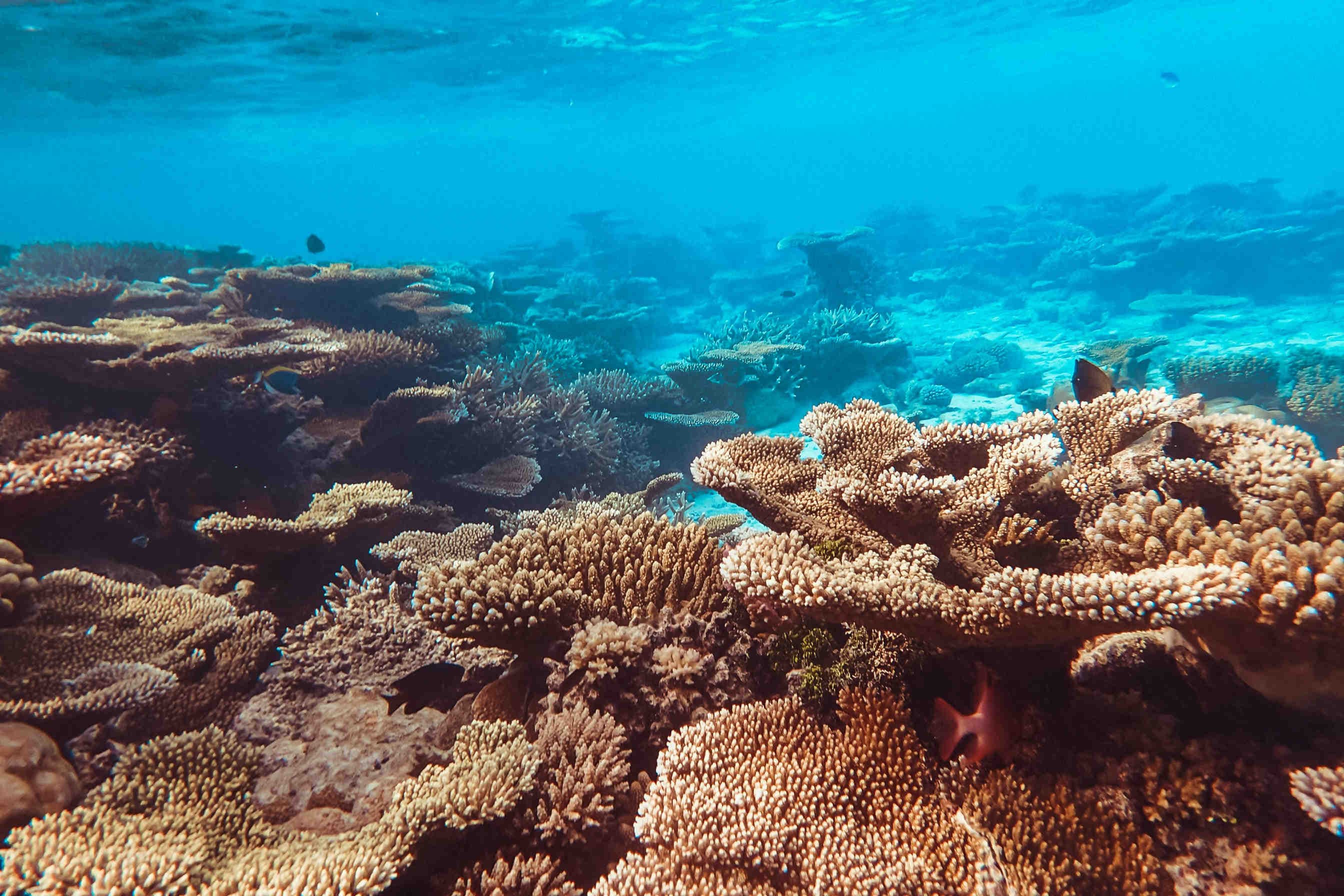
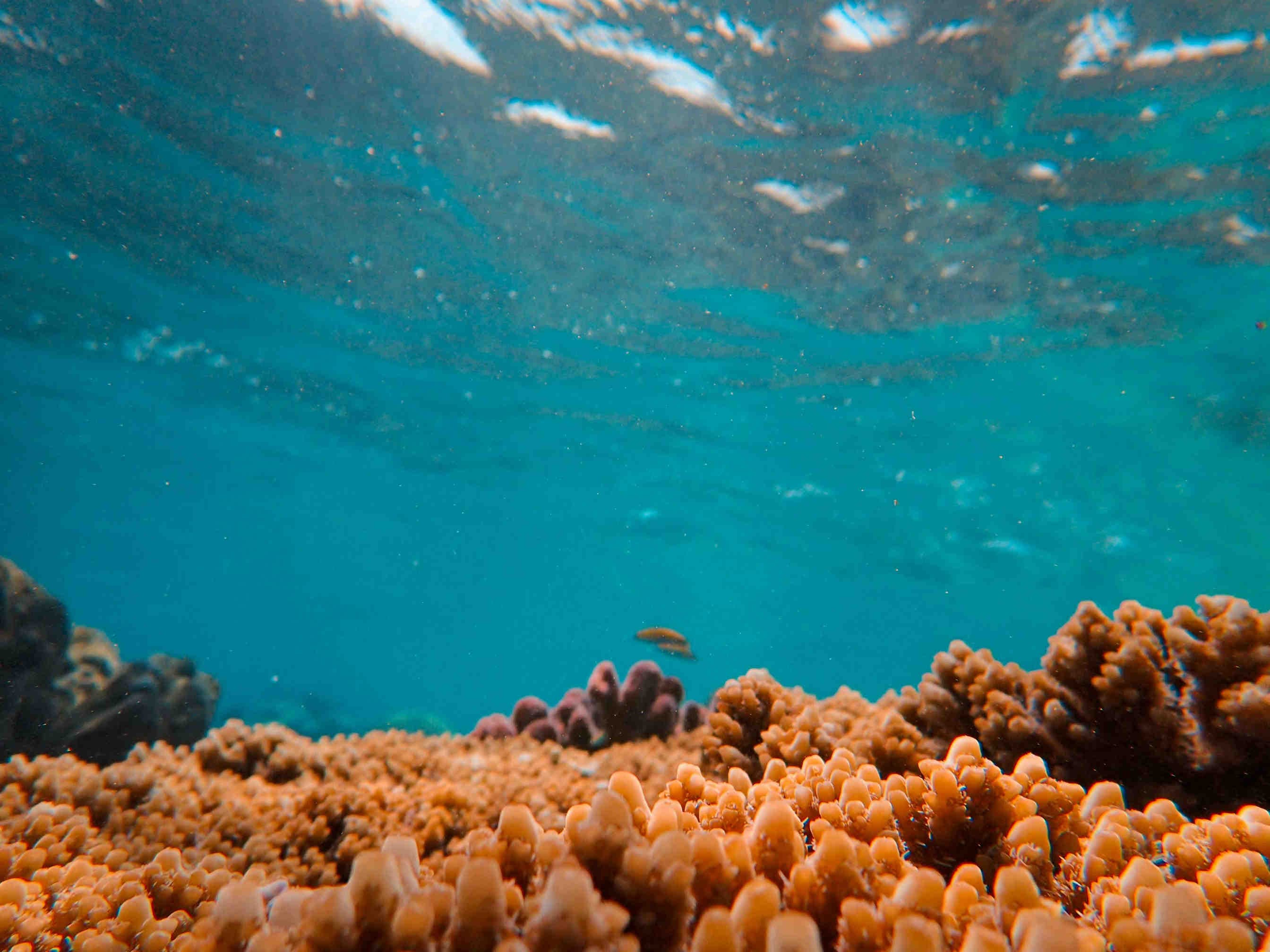
    Corals are organisms belonging to the animal kingdom, known for their bright colors and the vital role they play in the marine ecosystem. They are related to jellyfish and sea anemones, being part of the cnidarian group. These fascinating organisms consist of polyps, small invertebrate animals, which live in symbiosis with unicellular algae. The algae, through photosynthesis, produce oxygen and sugars, which are used by the polyps as nourishment, while the corals offer them a protected environment and nutrients. Unique in their kind, corals can build complex and durable formations: the polyps secrete calcium carbonate, creating skeletons that can take centuries to form. These skeletons, often resembling the shape of flowers, are the foundation of coral reefs. They are mostly colonial organisms, formed by many small polyps, each of which contributes to the growth and solidity of the calcareous structure.
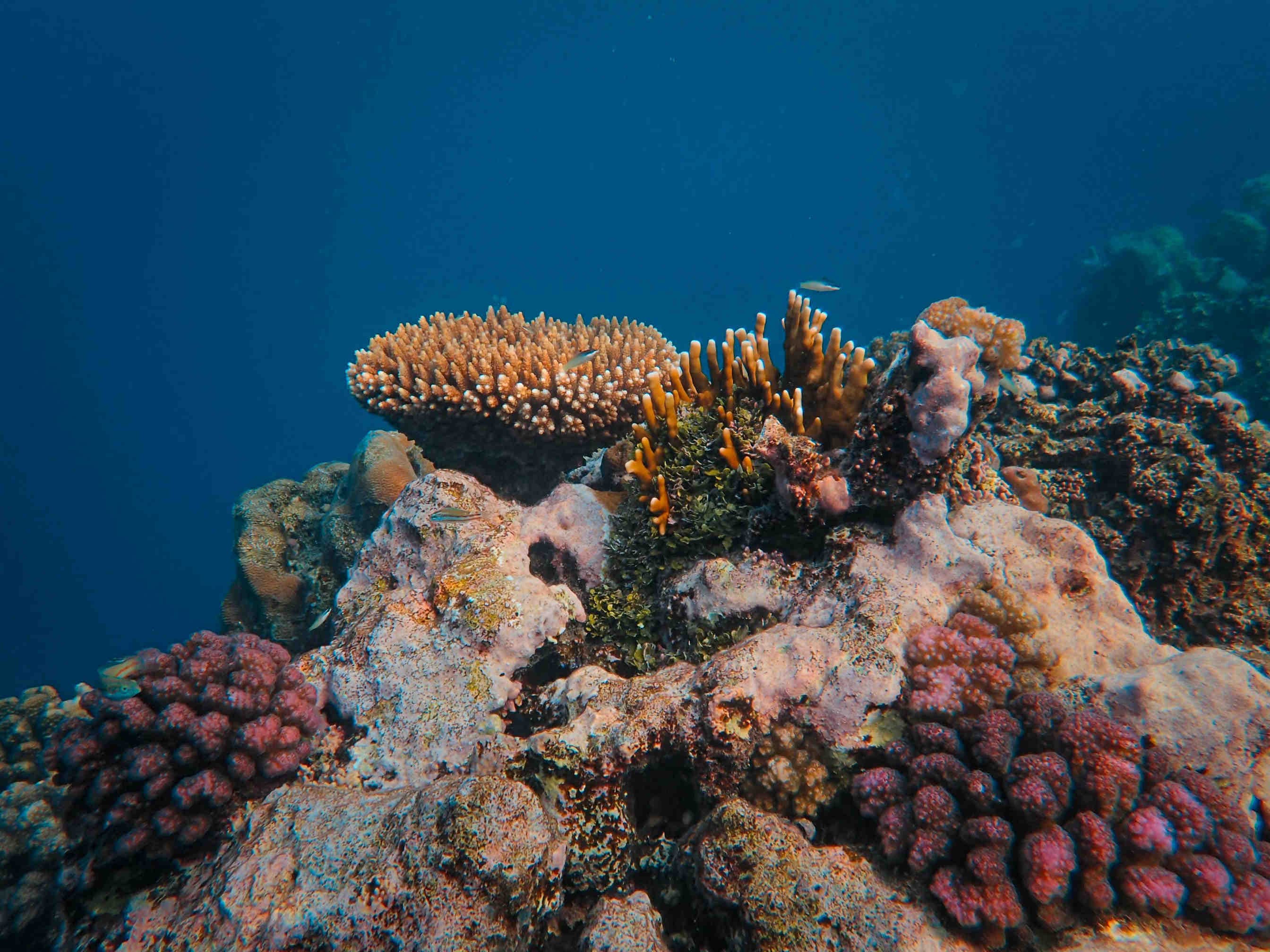
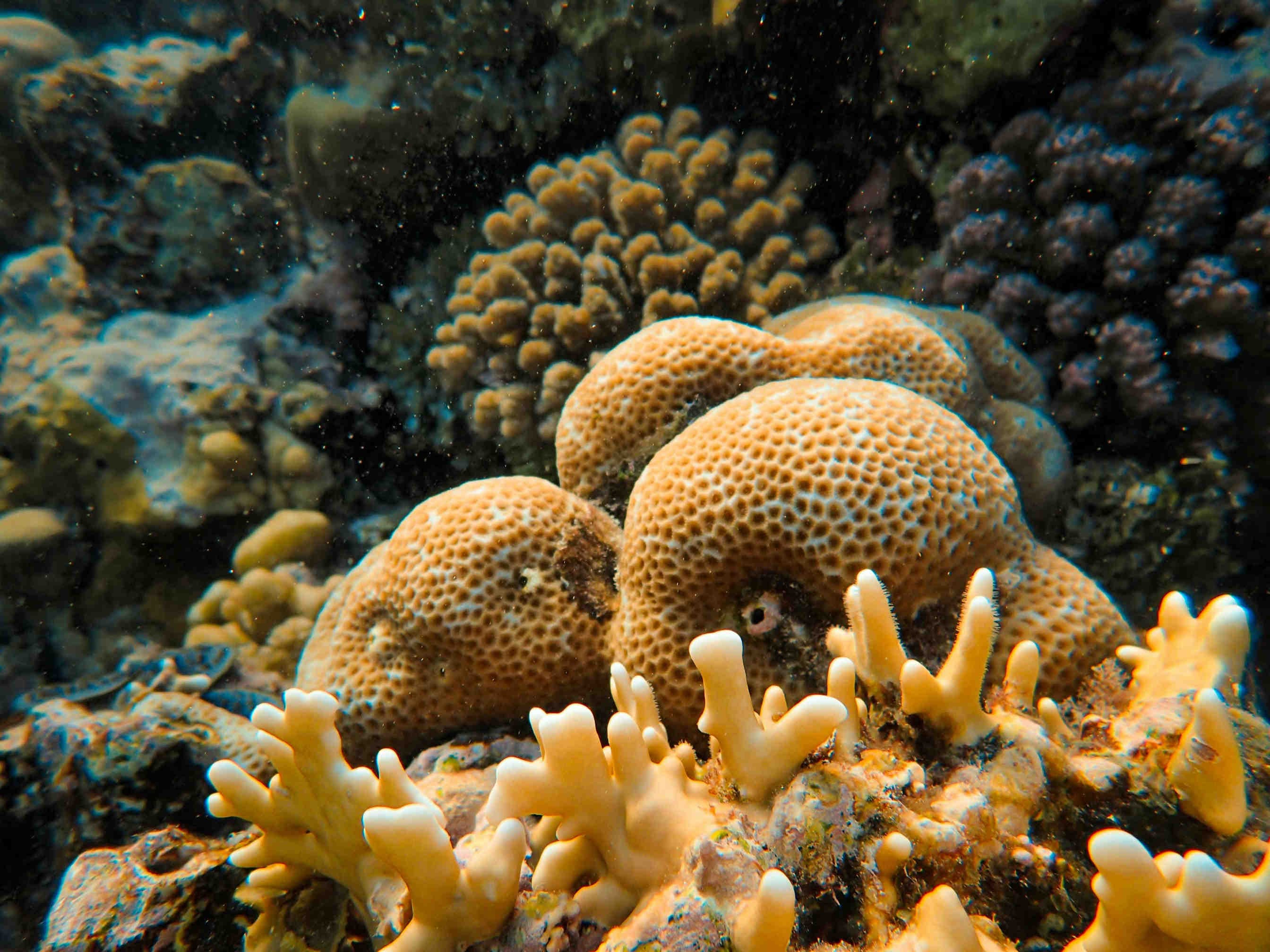
    scheletri calcarei coralli

    Coral biodiversity

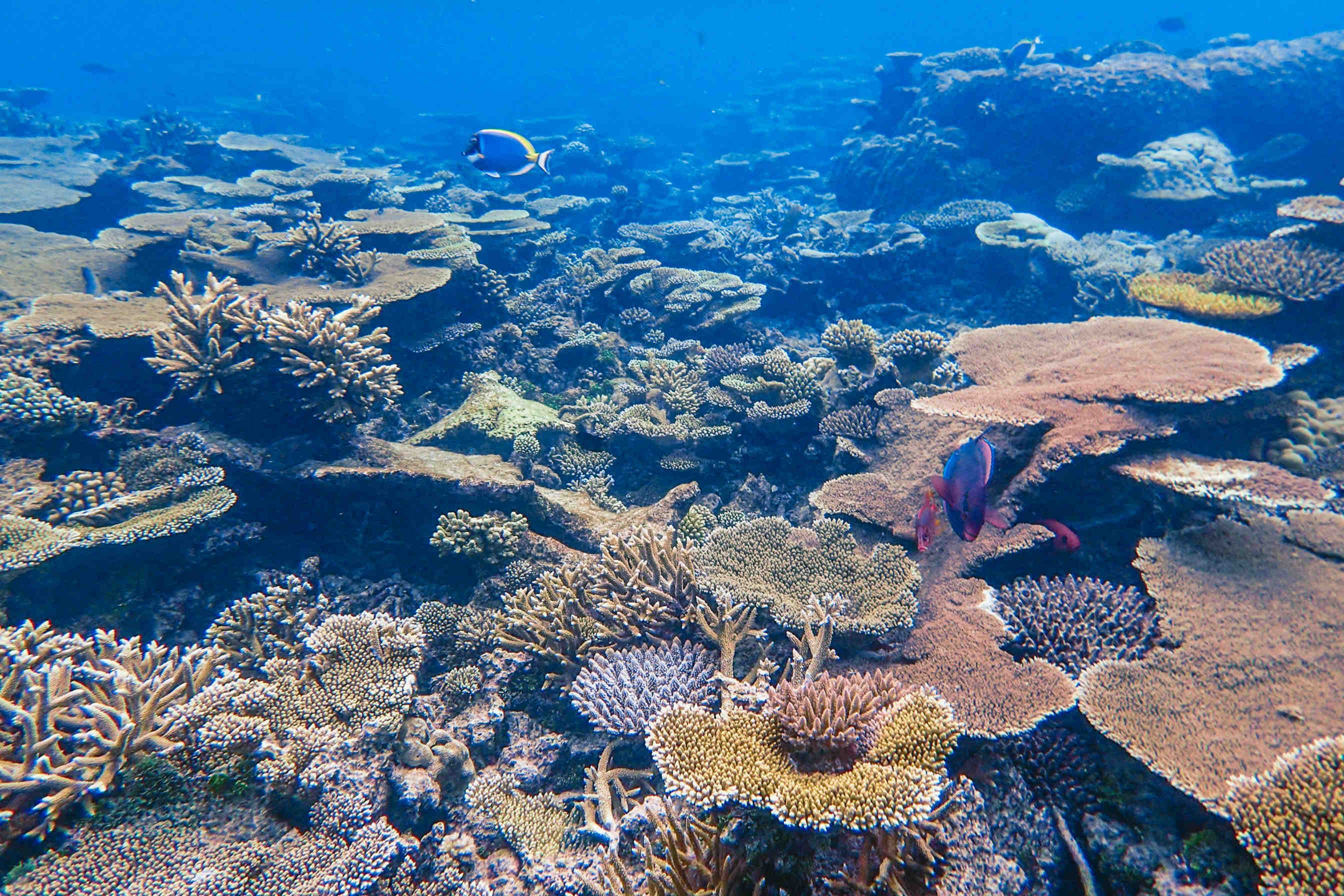
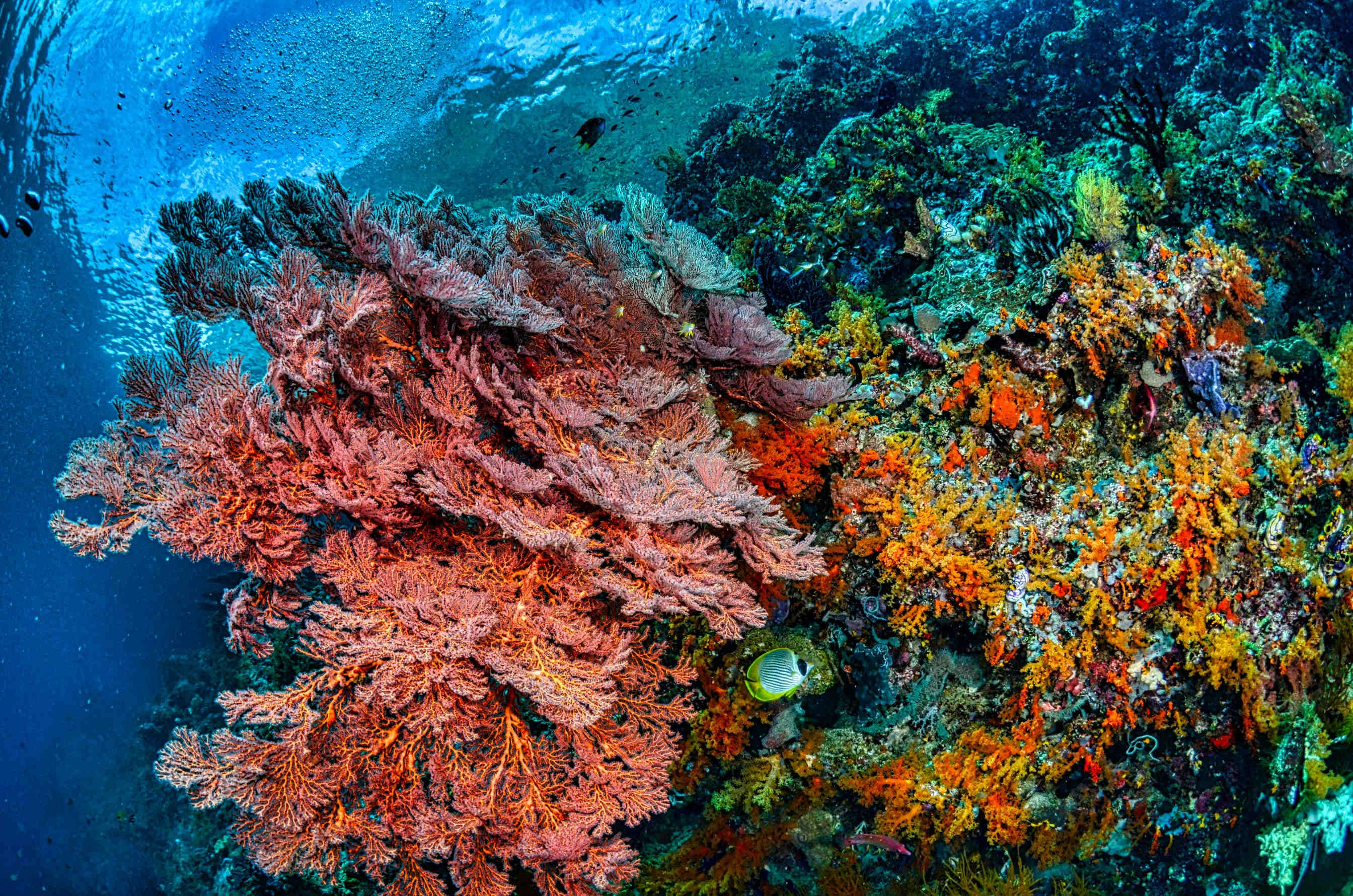
    Corals exhibit various shapes and colors and are commonly divided mainly into two categories: hard corals, which possess a calcareous skeleton, and soft corals, which attach to a hard surface and feed on the nutrients present in the surrounding water. However, this terminology is not entirely accurate. An example of so-called soft coral are gorgonians, or horny corals, which take on a bush-like shape. Although most corals are of a colonial nature, there are also solitary species. Coral colonies, among the oldest animal organisms in the world, do not only develop in warm seas but are also found in colder waters, such as those of Scandinavia and Great Britain.

    biodiversità corallina
    XNatura

    Corals are crucial habitats for marine species

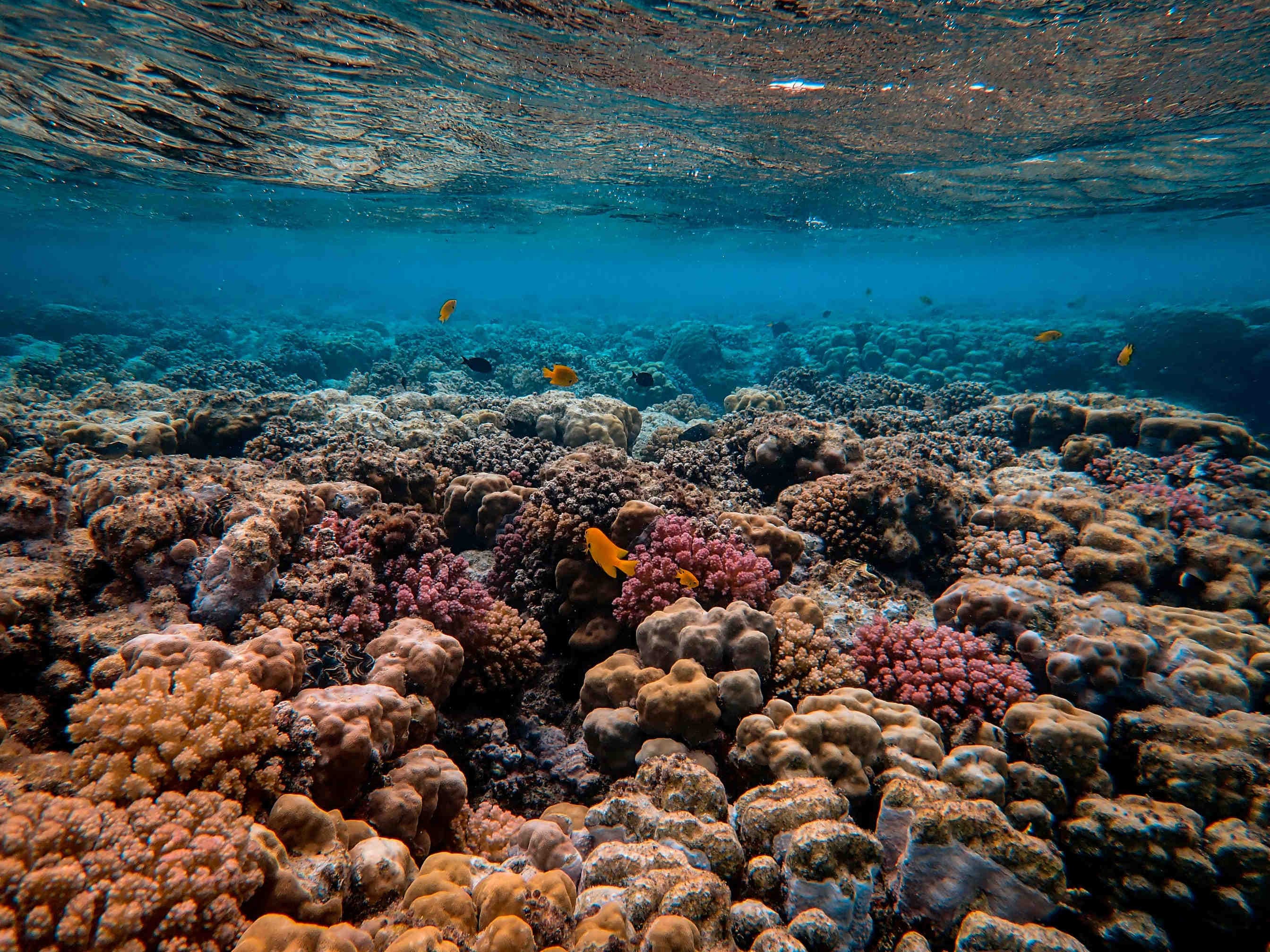
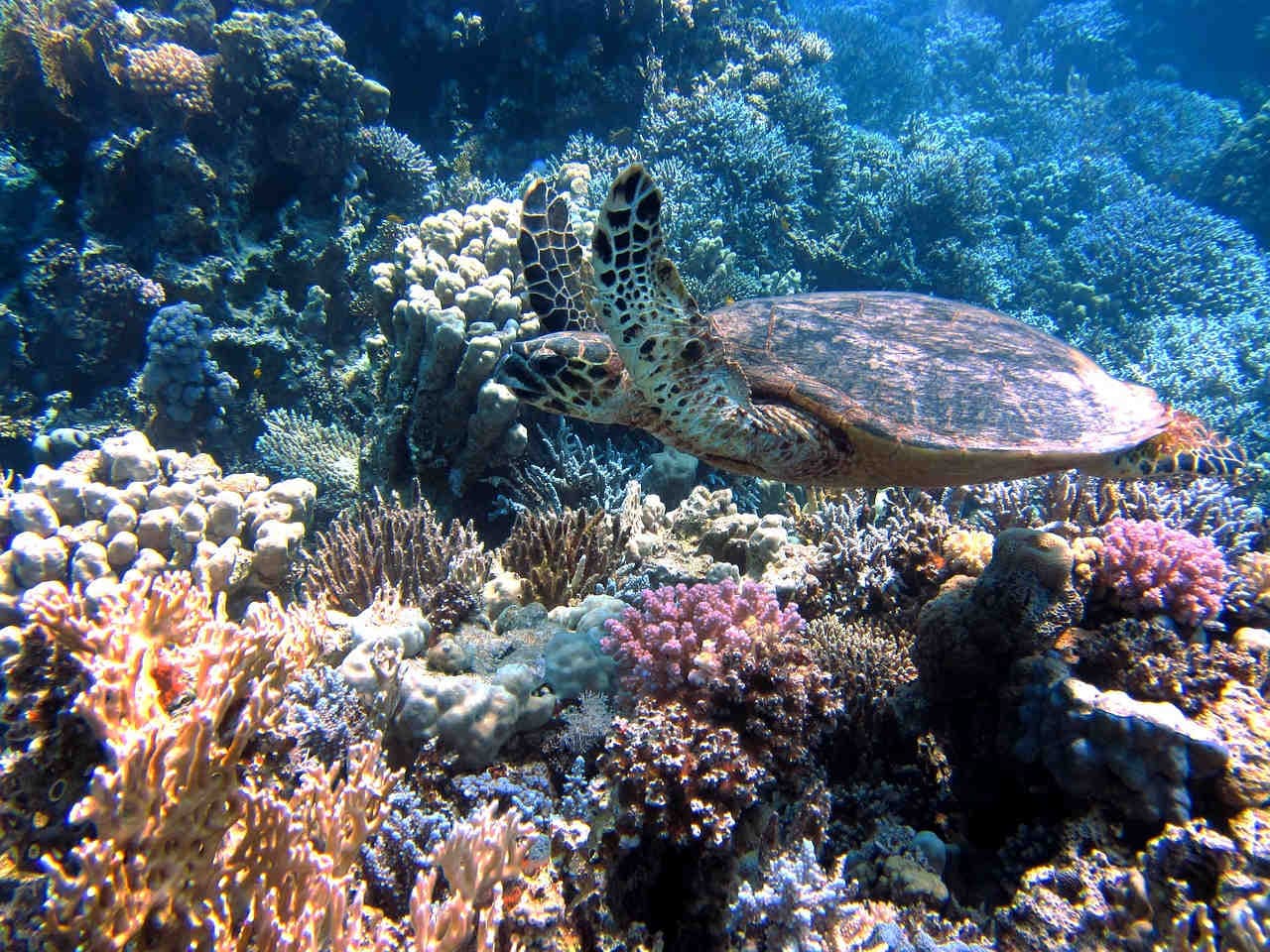
    Coral reefs, also known as reefs, host about a quarter of marine species, both animal and plant. These ecosystems provide refuge for iconic species such as sea turtles, manta rays, and sharks, playing a crucial role as well in supporting local communities, which depend on them for many of their daily activities. Coral reefs are among the world's richest natural environments in terms of biodiversity, but also among the most vulnerable. Their growth and the formation of calcareous structures take centuries, but their destruction can occur in an instant. Climate change, oil spills, intensive fishing activity, and illegal coral trade severely threaten the survival of these extraordinary ecosystems.

    barriere coralline habitat cruciali
    3Bee

    The world's largest coral is about 3 centuries old

    The largest coral in the world, recently discovered by the National Geographic Society, is a hard coral belonging to the species Pavona clavus, commonly known as shoulder blade coral. Researchers estimate the age of a coral by its height, and in the case of this specimen, which measures about 1.5 meters, they calculated an age of approximately 300 years. However, they express doubt that it may be even older. During its long life, this gigantic organism has witnessed significant changes in the ocean, including global warming, overfishing, pollution, urbanization, and ocean acidification.

    il corallo più grande al mondo ha 300 anni

    Risks and concerns for the world's largest coral

    Although the newly discovered coral is enjoying excellent health, researchers are concerned about the numerous threats facing all corals, such as global warming and overfishing. During a visit to a nearby coral reef, the expedition team observed with regret that many corals were already dead. However, it is not yet clear how long the new colony discovered can withstand the serious global threats that put marine ecosystems at risk. It remains impressive that such a massive colony was discovered only now. It is therefore increasingly urgent to adopt stricter protection measures for the marine habitats of the Solomon Islands.

    rischi e preoccupazioni per il corallo più grande al mondo

    Coral resilience to climate change

    The climate crisis, mainly caused by human activity, is making the ocean warmer and more acidic, threatening corals worldwide. The increase in carbon dioxide alters the water's pH, causing stress to corals that use the calcium carbonate in the water to form their skeletons. When waters become more acidic, this process becomes more difficult, preventing corals from growing strong and healthy. With 77% of global coral reefs affected by bleaching during 2023-2024, the discovery of such a large and well-preserved colony offers hope. Researchers believe that its position in deeper and cooler waters, protected by a slope and a platform, may be the key to its resilience.

    resilienza dei coralli

    A cry of hope for the protection of marine ecosystems

    The discovery of this mega-coral underscores the urgency to protect and restore natural areas on our planet. Global warming exceeding 1.5°C would be devastating for coral reefs. It is essential to gradually reduce the use of fossil fuels and protect at least 30% of the oceans to safeguard this marine treasure. Currently, only 8.4% of seas are protected by laws and regulations. At a time of growing environmental destruction, the discovery of such an extraordinary phenomenon seems like a cry of hope and help from the corals.

    protezione dei coralli
    06/12/2024Of 3Bee, Lara Vivarelli
    400 Views
    Newsletter
    newsletter
    Subscribe to the Blog about bees and biodiversity

    Frequently Asked Questions

    Do you have any doubts or other curiosities about this article? Here you will find some insights