Bumblebees in decline in Europe: why they matter
    BombiStudioPlantsExtinction

    Bumblebees in decline in Europe: why they matter

    Habitat degradation and climate change are the main threats to bumblebee species in Europe. The situation is alarming. But why are bumblebees so important? And what is the current state of their populations in Europe? Let's find out in this article.

    Read the article
    26/10/2023Of 3Bee, Elena Fraccaro
    684 Views
    26/10/2023Of 3Bee, Elena Fraccaro
    684 Views

    The importance of bumblebees for biodiversity

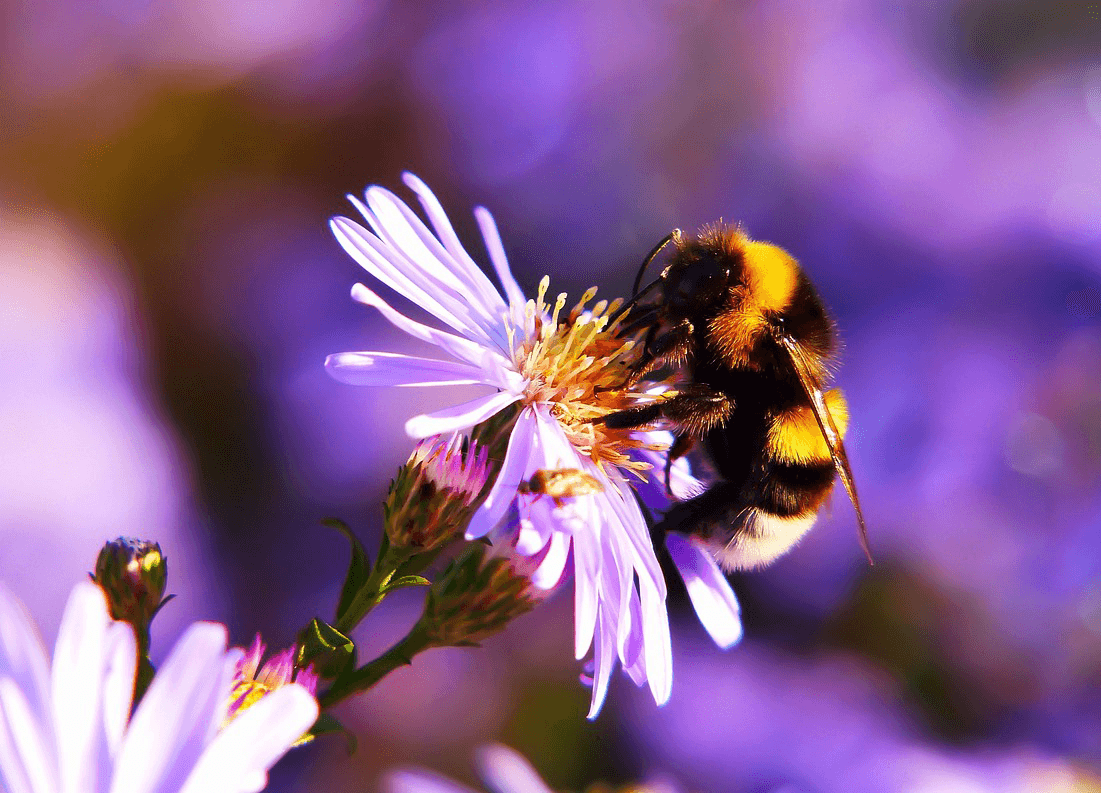
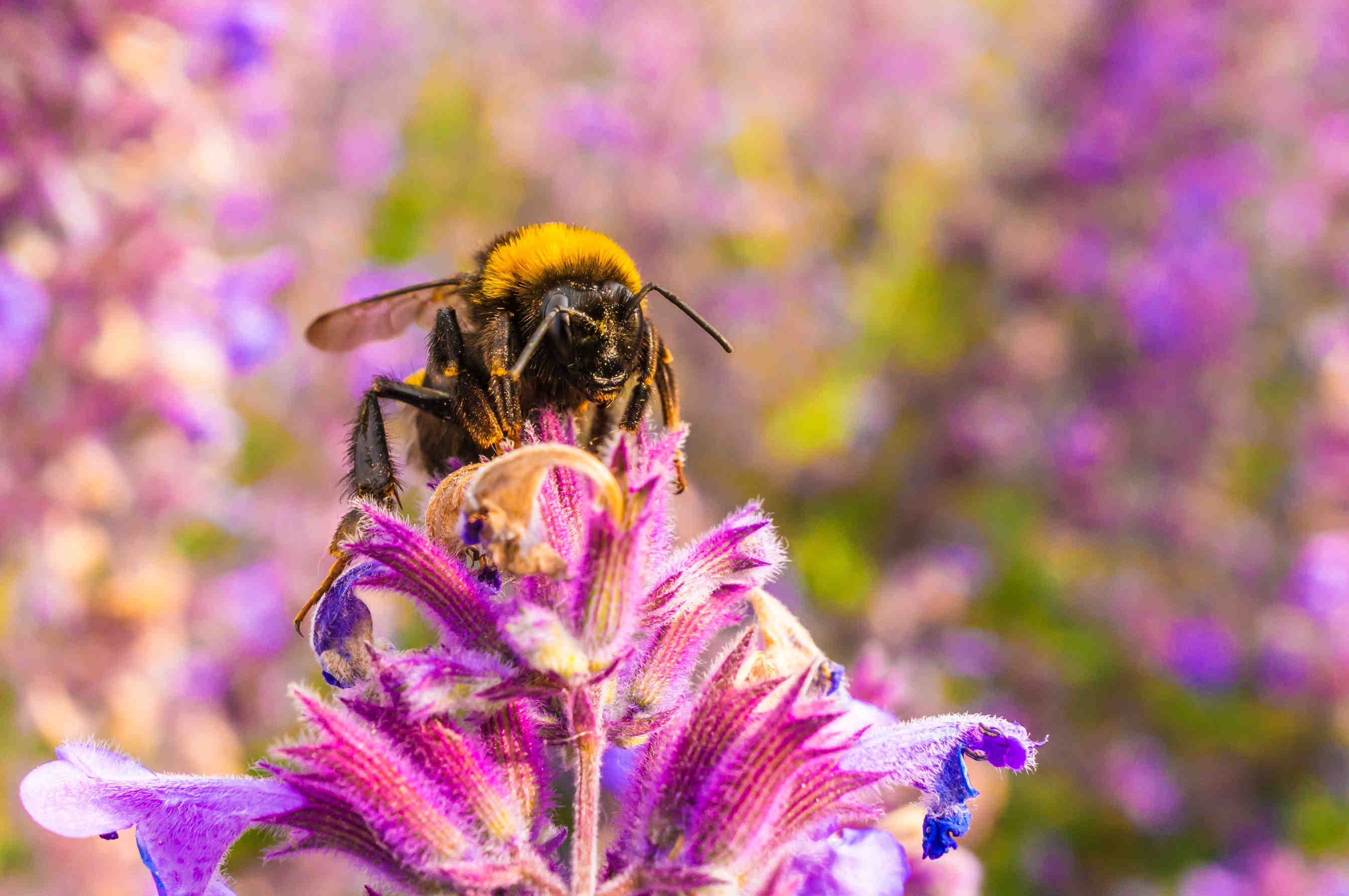
    The role played by bees is fundamental to nature and to biodiversity. Indeed, they contribute, together with bees and other insects, to the pollination of many plant species and in particular of some early flowering fruit plants (almond, plum, apricot, peach, cherry). Their role is crucial in cold spring years because, unlike the better-known honeybees that can no longer fly at a temperature of 9°C, the bees are much more resistant: they fly even in temperatures as low as 3-4°C, as do some solitary bee species. Their pollinator work is therefore indispensable, especially in such cases.
    bombo impollinazione

    European bumblebees: the Nature study

    Against this backdrop, a study published in Nature last September highlighted an alarming situation for European bumblebee species. The data are worrying: the study shows that over 75% of European bumblebees could be at risk in the next 40-60 years. The analysis conducted on a variety of bumblebee populations showed that loss of habitat and climate alterations caused by human activity represent a major threat to these pollinating insects.

    bombo su fiore
    XNatura

    Correlation between bumblebees and wild plants

    The protection of populations of bumblebees assumes paramount importance at this time: approximately 90% of wild plants and the majority of cultivated plants depend on pollination by bumblebees, which thus play a truly significant role for our ecosystems, particularly in the cold and temperate regions of the northern hemisphere. Even a study from 2019, published in the journal Environmental Entomology, had shown the correlation between the reduction of plant species, in terms of abundance and diversity, and prosperity of bumblebees. The low biodiversity among the plant species present in fact impoverishes the nutrition of these insects at a critical stage of their development, negatively affecting them.

    bombo piante selvatiche

    European bumblebees at risk of extinction

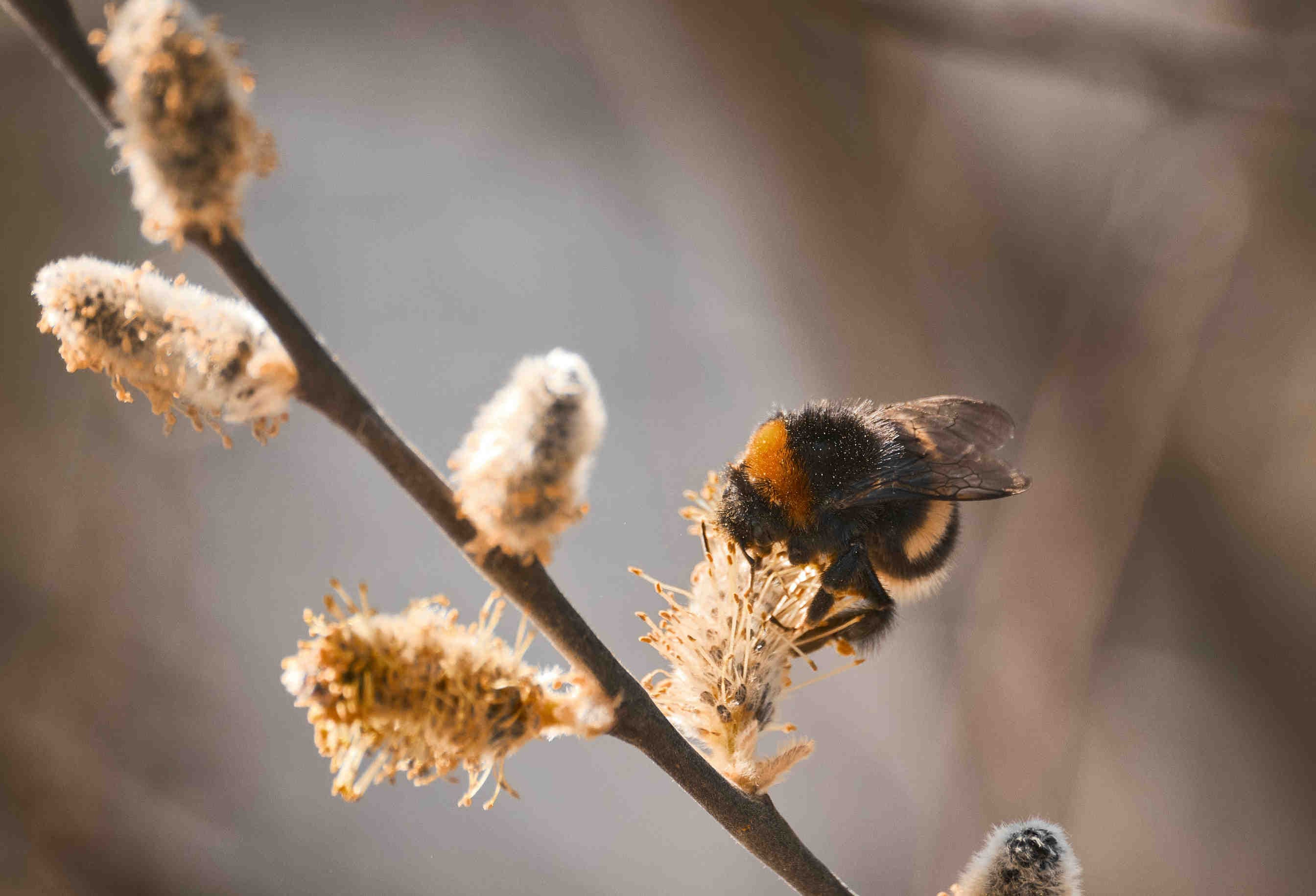
    Among the authors of the study by Nature is Belgian entomologist Guillaume Ghisbain, an expert on bumblebees and hymenoptera. The research data have led to projections for 2080 that unfortunately show a worrying situation: to date, considering the species of bumblebees that are not threatened, a percentage between 38% and 76% could see 30% of their natural habitat lost by 2061-2080. This represents a major risk to the survival of bumblebees, particularly species from arctic and alpine environments, for which a reduction of at least 90% of their habitat is estimated. We can therefore state that the extinction risk for bombs in Europe is extremely high.
    bombo pianta
    XNatura

    Conservation actions to protect bumblebees

    Despite the alarming data, researchers are giving a glimmer of hope. Indeed, it seems that parts of Scandinavia could become refuges for all those threatened bombi species. There is still no certainty, however, that these areas could be affected by climate change caused by human activity. New research is therefore needed to further investigate climate variations, the resulting effects and changes in the habitat. However, the adoption of conservation measures and ad hoc policies to mitigate the impact of human activity on ecosystems is urgently required, with the ultimate goal of protecting European bumblebee species. Among the concrete actions to be undertaken are the 3Bee Biodiversity Oases: urban and agroforestry habitats in areas of low biodiversity that aim to recreate grazing areas for pollinating insects, including the highly valuable bumblebees.

    3Bee
    26/10/2023Of 3Bee, Elena Fraccaro
    684 Views
    Newsletter
    newsletter
    Subscribe to the Blog about bees and biodiversity

    Frequently Asked Questions

    Do you have any doubts or other curiosities about this article? Here you will find some insights