Clover Honey: Characteristics, Properties and Uses
    3Bee approachSpecieCloverIncarnate

    Clover Honey: Characteristics, Properties and Uses

    At 3Bee, honey is a symbol of the hard work of pollination done by bees and the realisation of their contribution to the ecosystem. Our projects support biodiversity and through our growers ensure a healthy environment for pollinators.

    Read the article
    12/07/2019Of 3Bee, Elena Fraccaro
    2659 Views
    12/07/2019Of 3Bee, Elena Fraccaro
    2659 Views

    3Bee's approach to biodiversity protection
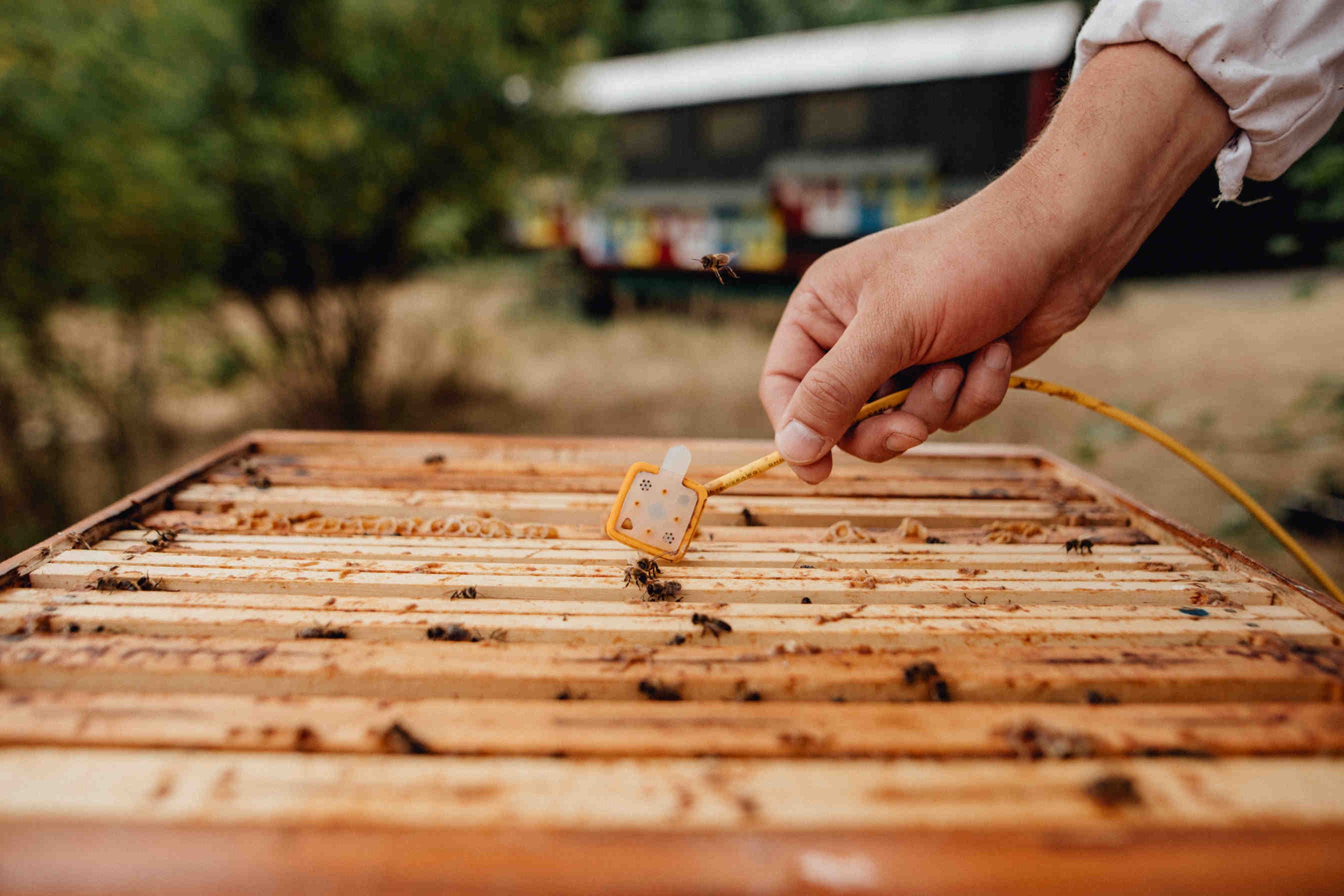
    3Bee is the Nature Tech company that develops technologies for the protection of biodiversity. 3Bee Hive-Tech is 3Bee's first system for analysing the health and 'starvation' status of honeybees, environmental protectors par excellence. Over time, we have developed other technologies to study and monitor all the pollinating insects and created more than 200 Oases of Biodiversity with thousands of nectariferous plants to provide them with nourishment. Thus, we want to create a virtuous circle: our beekeepers are transformed by necessity into Oasis growers and promoters of environmental biodiversity. We do not encourage massive production and intensive breeding, which have a negative impact on biodiversity and pollinators. We do, however, recognise the value of honey as a valuable symbol of the biodiversity of an environment and a tool for disseminating the commitment and protection of an area, to be consumed sparingly and with respect for the life cycle of these insects.

    3Bee Hive-Tech

    Clover honey: what it is and where it comes from

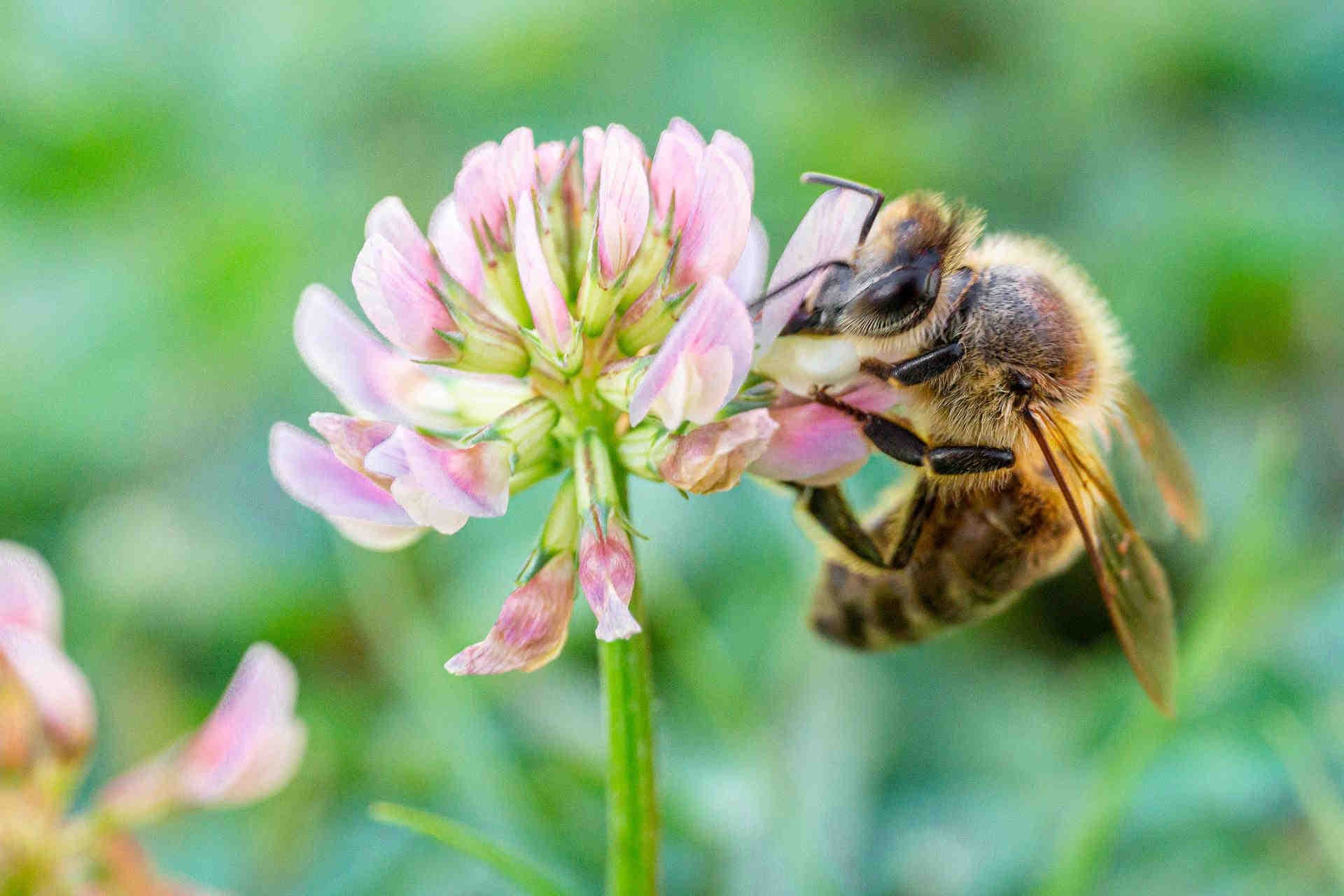
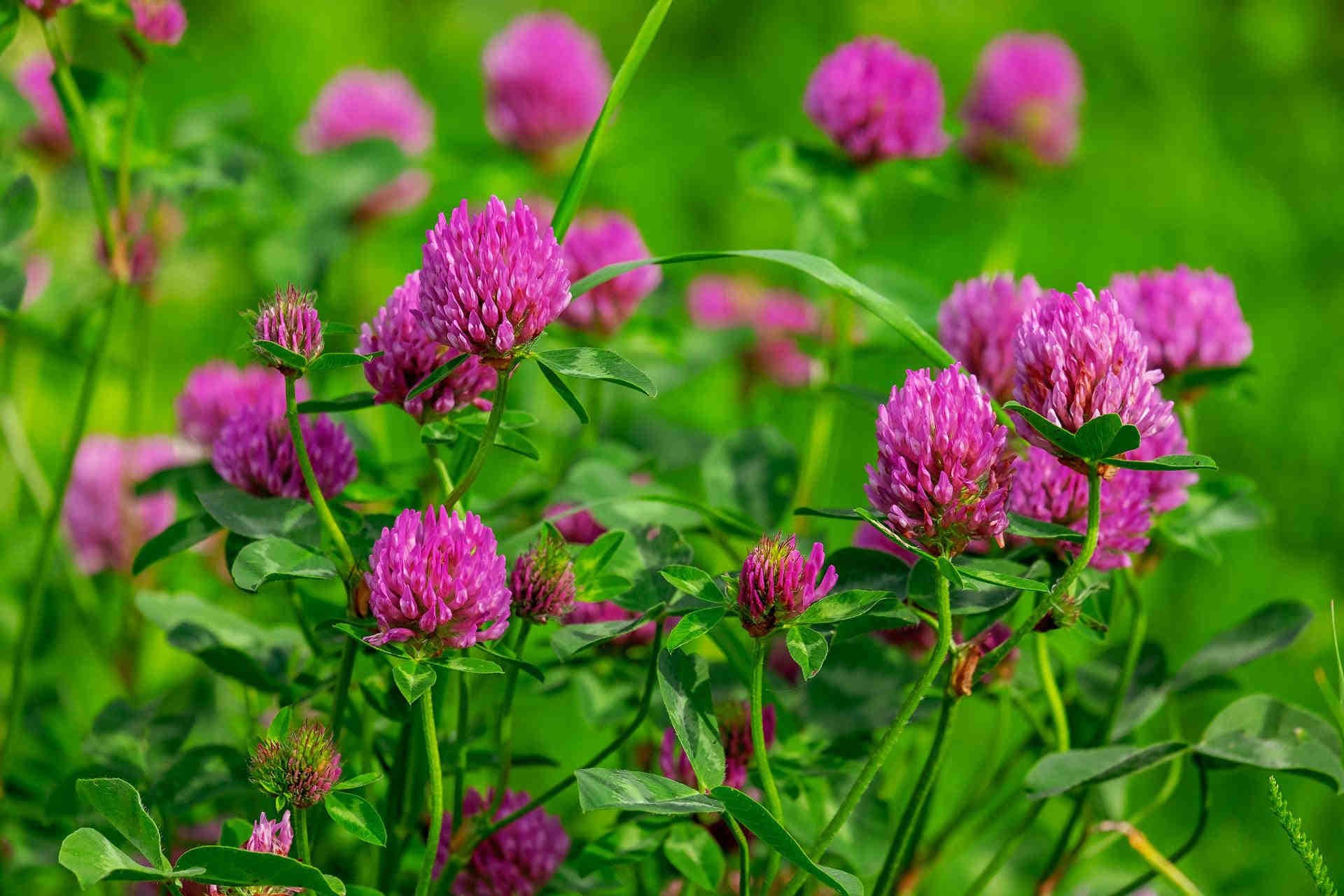
    Clover is a herbaceous plant belonging to the Fabaceae family. It can be annual or perennial and comprises up to 69 different species, both wild and cultivated. It grows very quickly and prefers loamy soils. It is very common in pastures, where it is an important source of nutrition for livestock, but is also used in agricultural rotations for soil regeneration. Among the most interesting species in terms of beekeeping, we can mention white clover (Trifolium repens), crimson clover (Trifolium incarnatum) and Alexandrian clover (Trifolium Alexandrinum).
    Clover honey: what it is and where it comes from
    XNatura

    White clover

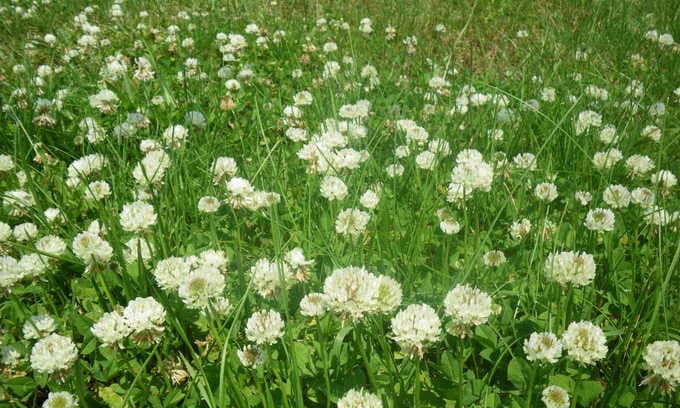
    White clover is widespread in our country. We can find it at the edge of woods, in vast meadows, along field paths and also in mountainous environments up to 2000m. It prefers clay soils, but is a plant that also adapts to other types of habitat. In wetter areas it can survive up to three years, while in other conditions it even becomes a perennial plant. It flowers from April to October and is an important source of pollen and nectar for bees. It generally does not exceed 30 cm in height.

    White clover

    Clover incarnate

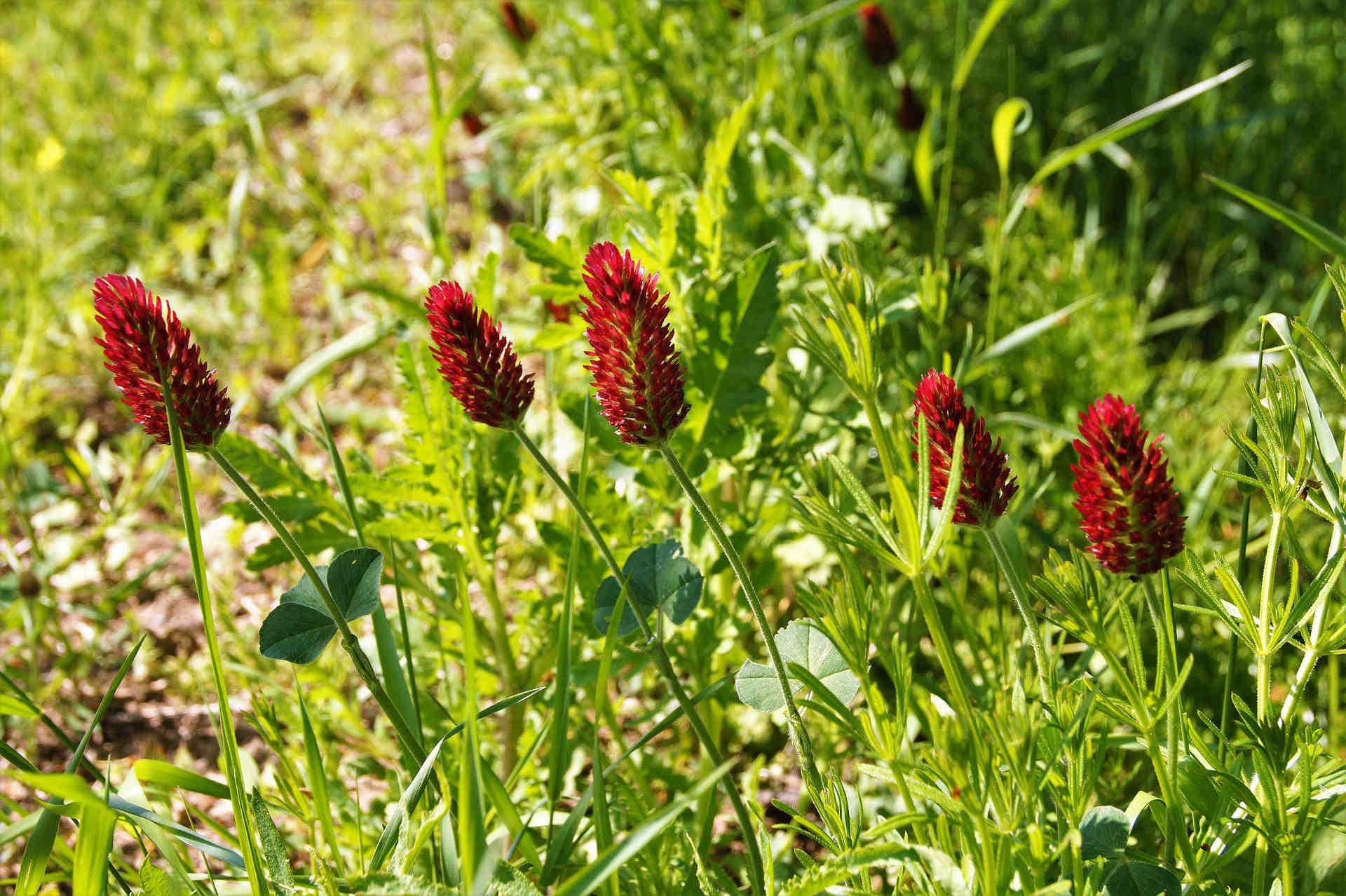
    The embodied clover, on the other hand, can grow up to 80 cm. The flower is also very different. It has the typical creamy colouration and a rather elongated shape reminiscent of an ear of corn. It is an important source of protein for grazing animals and is also used to control soil erosion. It flowers from April to July and is widespread in Lazio and southern Italy.

    Clover incarnate
    XNatura

    The Alexandrian clover

    Finally, the Alexander honeysuckle, originally from Asia, is widespread in the Mediterranean regions. It is an annual plant also used as forage for livestock. It adapts to different types of soil, although it does not grow well in more acidic soils. It prefers temperate climates, although it can withstand temperatures up to 40°C and dry conditions. It flowers from April to July. Read on to learn about the characteristics of clover honey!

    The Alexandrian clover
    3Bee

    Clover honey: characteristics

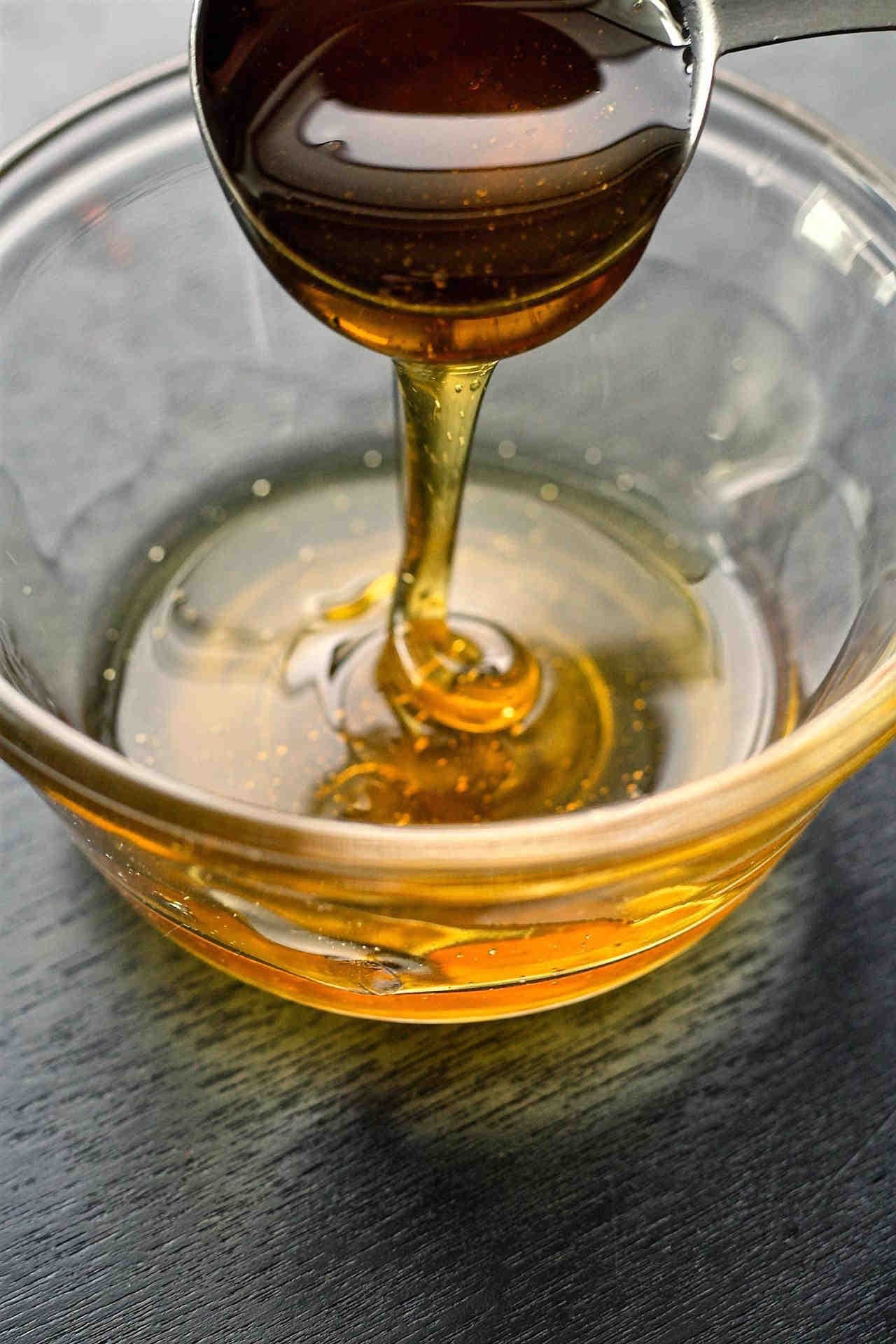
    From these different species, bees obtain the precious clover honey. It is widespread throughout Italy, although the areas of greatest interest are Lazio, Tuscany and the South. Flowering generally between April and July, this honey is harvested mainly in summer. Clover honey has a very clear, almost transparent colour when it is liquid, while it takes on off-white tones when it crystallises. Crystallisation, a natural process affecting many types of honey, tends to be regular and creates fine-grained crystals. Odour and aroma are rather delicate and not very intense. On the olfactory level, it is often described as vegetal and with a scent of white flowers. The taste, on the other hand, is reminiscent of ripe banana, milk candy and fresh pulses.

    Clover honey: beneficial properties

    The beneficial properties of clover honey are varied and shared with other types of honey. It is a valuable source of immediately spendable energy for our organism. It can be useful for sportsmen and women, but also for those who need an extra boost after a period of convalescence, after flu and colds or when particularly fatigued. It also has an antiseptic action and stimulating for our immune system. According to natural medicine, clover honey is a valuable ally for our bones and has important diuretic and depurative properties.

    Clover honey: beneficial properties

    Clover honey: Uses

    Clover honey is widely used in cooking. Precisely because of its delicate flavour, it is used to sweeten drinks and desserts. In addition, it is often associated with different types of cheese, from goat's milk cheeses to alpine cheeses of varying maturity. Some people add it to vegetable or fruit purees, but also to lard and spices. It can also be enjoyed as a breakfast or snack if spread on a slice of toasted bread or on rusk.

    Clover honey: where to find it

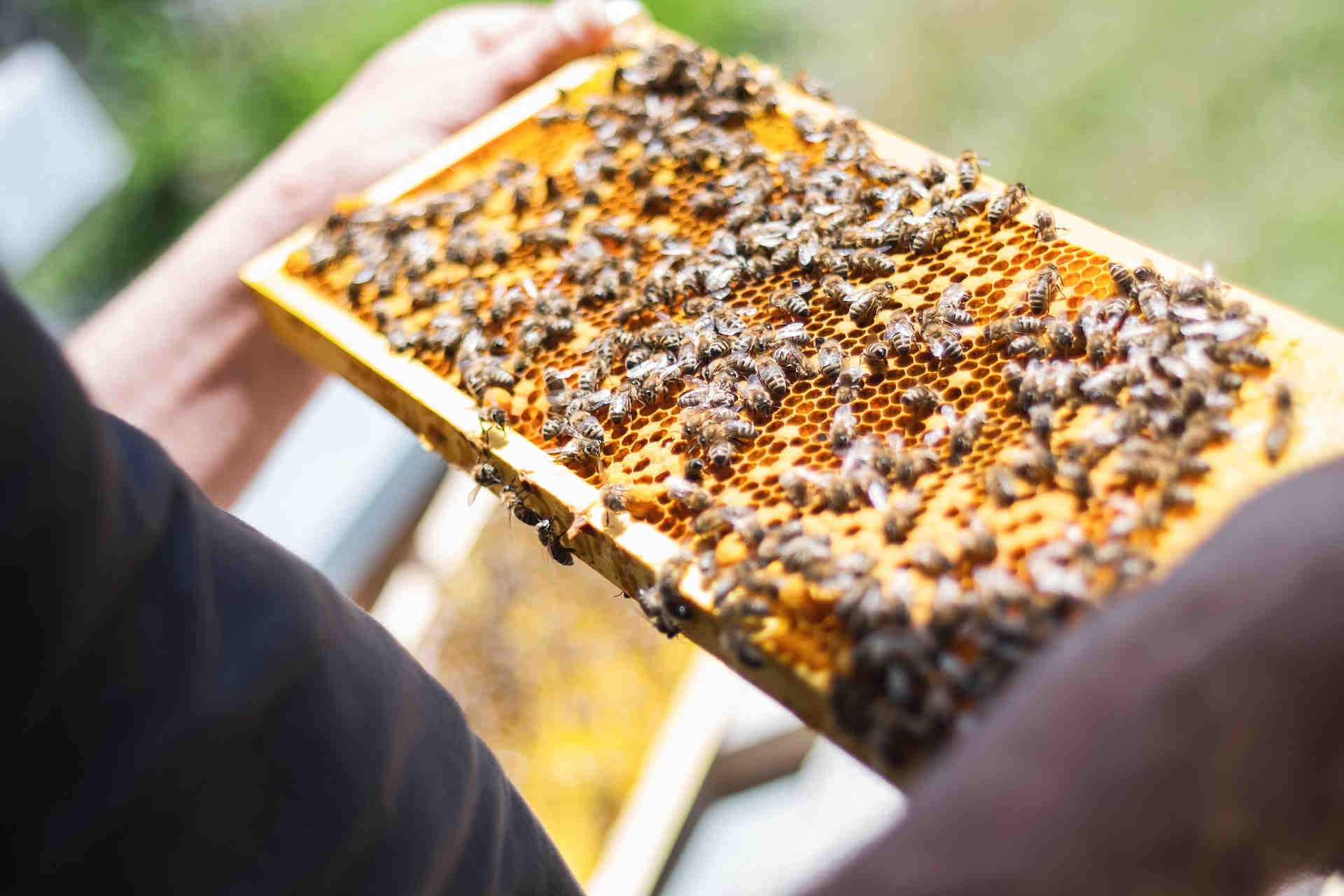
    Monofloral clover honey is certainly counted among the honeys considered 'rare', which fortunately are gradually being rediscovered and increasingly appreciated, giving visibility to the many productions that characterise our peninsula. Choosing a quality honey is certainly fundamental in order to fully enjoy all its beneficial properties and to fully savour its flavour. Not everyone, however, is fortunate enough to be able to turn to their trusted beekeeper. Choose then to adopt a 3Bee hive! Not only will you receive the honey produced by the hive of your choice at home, but you will also be supporting a local reality in our country and will be able to follow the day-to-day growth and development of 'your' bees.
    Clover honey: where to find it

    The importance of honey

    The information contained in this blog is about the importance of honey as the fruit of the tireless work of bees that transform the collected nectar (including extra-floral nectar and honeydew) into a precious food product that encompasses the biodiversity with all the countless facets present in the hive's surroundings. Environmentally speaking, honey is the symbol of the bee's pollination activity, flying from flower to flower to collect nectar and, in so doing, transporting the pollen, becoming the vector for the pollination and reproduction of tens of thousands of plant species. honey is still a little-known product, often devalued in its quality or sold as a panacea for all ills. Like all foods, however, it must be consumed with moderation and care as it contains a high content of simple sugars. But it is not in its basic values that its most important quality lies.
    The importance of honey
    12/07/2019Of 3Bee, Elena Fraccaro
    2659 Views
    Newsletter
    newsletter
    Subscribe to the Blog about bees and biodiversity