Biodiversity and ecosystems in Italy: a fragile balance
    biodiversityextinctionhuman impactminacce

    Biodiversity and ecosystems in Italy: a fragile balance

    Pollution, anthropogenic impacts, exotic species and climate change threaten the health of animals, plants and the habitats in which they live. The UN programme by 2030 calls for protection and restoration. But timely action is needed.

    Read the article
    07/08/2023Of 3Bee, Elena Fraccaro
    2007 Views
    07/08/2023Of 3Bee, Elena Fraccaro
    2007 Views

    Biodiversity in Italy: a unique wealth

    One of the regions with the most biodiversity in the world. Italy has half of the plant species and about a third of the animal species in Europe. The variety of habitats of the Peninsula, due to the conformation of the territory, geographical extension and altitudinal gradient, is so high as to provide the ideal living conditions for a vast biodiversity. Biodiversity, moreover, that does not only include living things, but the set of species, of ecosystems and of the genetic variability present in a given area or on the Planet.
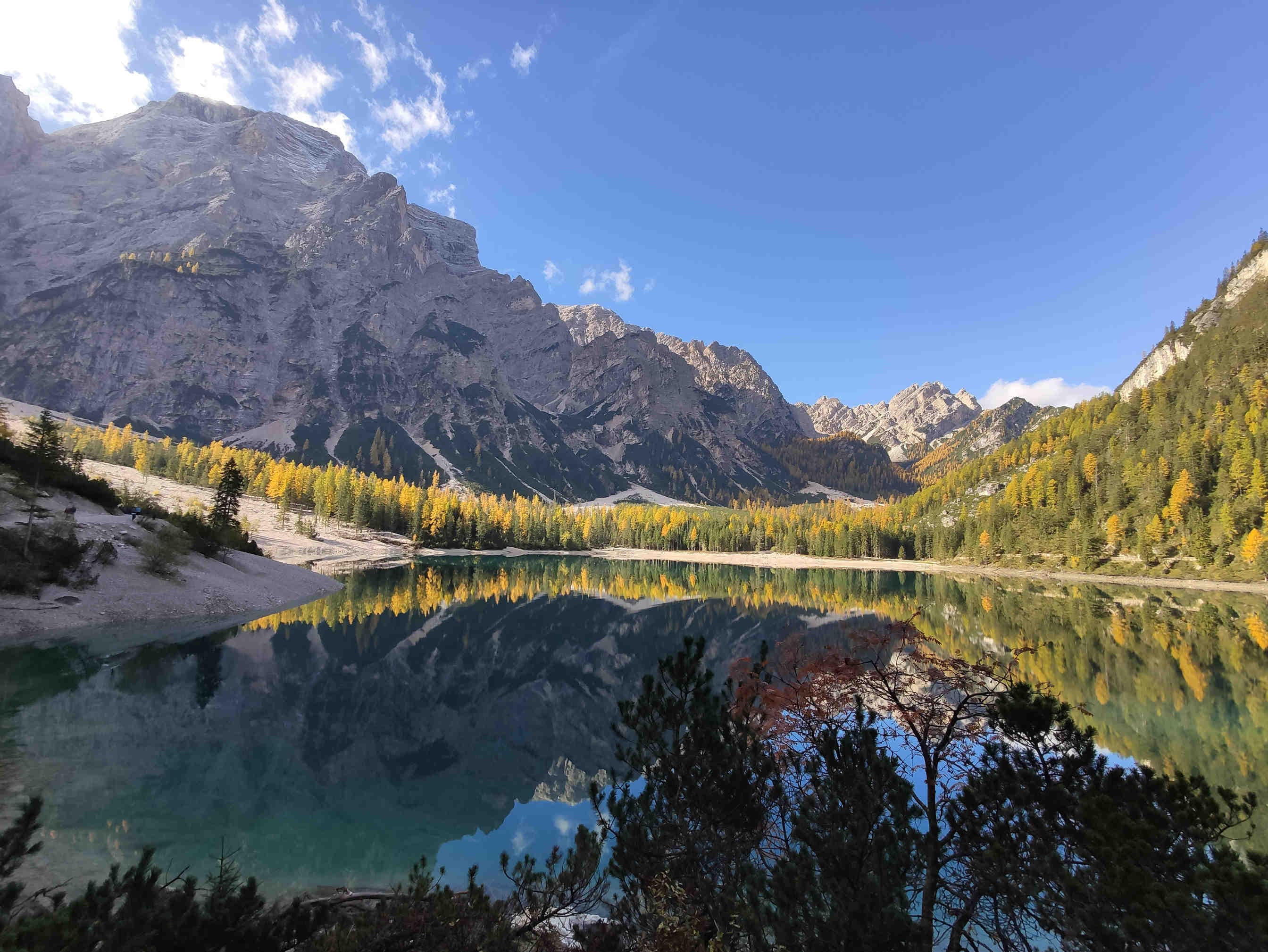
    biodiversità Italia

    Extinction VS evolution

    The richness, in terms of biodiversity, that we see today is the result of 3.5 billion years of change and evolution. Since everything in the world is interconnected and the health of each individual depends on the health of the environment in which they live and that of the other creatures with whom they share this environment, the stability of the different populations of each species depends on a delicate balance. Throughout history, the rate of formation of new species has been higher than that of extinction. Today, there is no compensation for the generation of new populations and species, and the road to extinction is a fast one.

    estinzione VS evoluzione
    XNatura

    Human impact on global biodiversity

    We see this, in perspective, in the entire planet. Man uses the resources that he finds in nature to his needs, administers and manages the spaces he reaches with all the living and non-living beings that characterise them, monitors and maintains the environment - once wild - until it becomes landscape, an entirely human concept, in which aesthetic and quality rules apply that do not exist in nature. According to the FAO, over the past 25 years, on average, there has been a net loss of 5.2 million hectares per year, calculated as the balance between the destruction of existing forests (12 million hectares, including a large proportion of primary forests) and the creation of new forests.
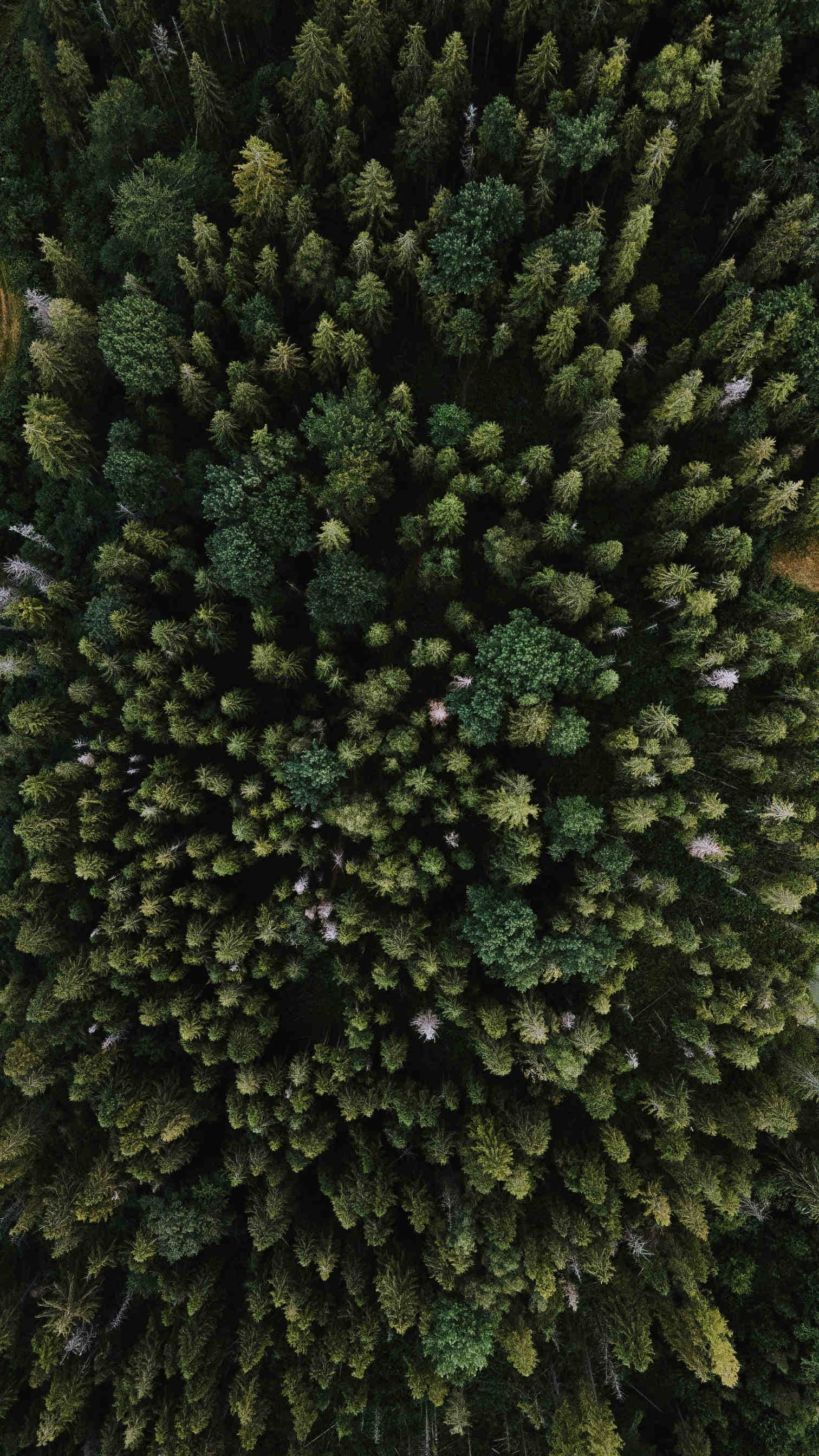
    foreste impatto

    Pollution and alien species: threats to biodiversity

    Added to this are pollution, another significant cause in the process of species extinction and habitat decay, and the introduction of alien species, which enter into competition with the endemic ones, endangering their conservation. Above all, the climate change has an impact on all these factors with different phenomena, from rising temperatures and tropicalisation to droughts or extreme rainfall and weather events throughout the Mediterranean.

    XNatura

    Habitat conservation in Italy: critical situation

    In Italy, 89 per cent of habitats of community interest - terrestrial or inland waters - are in an unfavourable conservation status, of which 68 are endangered and 35 are critically endangered. The most impressive figure concerns the Po Valley Region, where 100 per cent of ecosystems are at risk. Marine habitats have a favourable conservation status in 63 per cent of cases and unknown in the remaining 37. A radical rethinking of human activities and spatial use is needed.

    habitat Italia
    3Bee

    The EU Habitats Directive

    As reported in Article 11 of the European Union Habitats Directive, it is expected that Member States will monitor the state of conservation of species and habitats of Community interest throughout their national territory in order to transmit it to the European Commission every six years through the drafting of timely National Reports. The Report of the Habitats and Birds Directives, the most up-to-date and solid summary of the state of nature in Italy, dates back to July 2021. The snapshot shows an unfavourable conservation status in 63 per cent of species assessments, 81 per cent of habitat assessments and 39 per cent of bird assessments.
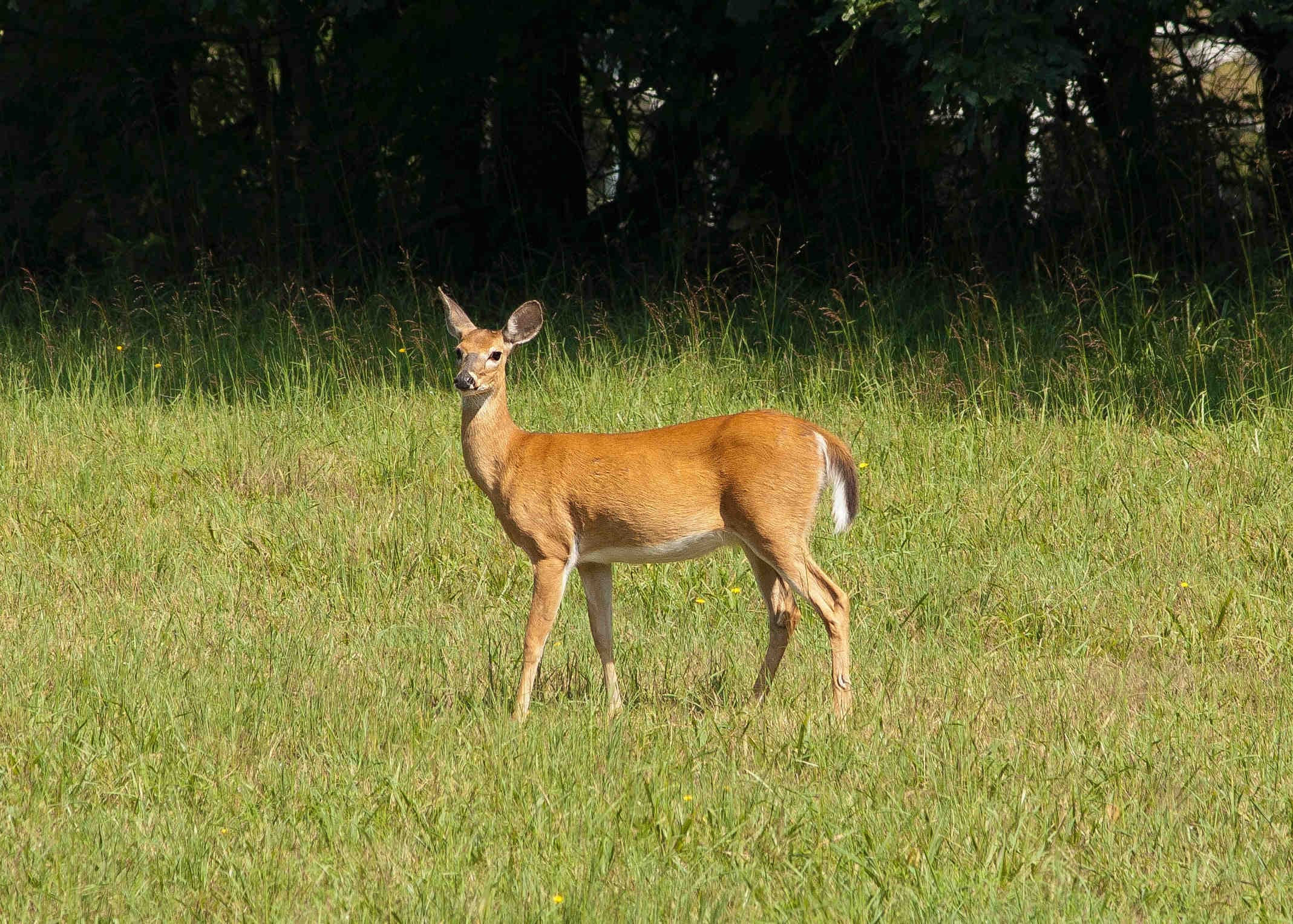
    Direttiva UE Habitat

    Conservation status of flora and fauna in Italy

    In negative condition are 54 per cent of the terrestrial flora and inland waters and 53 per cent of the terrestrial fauna and inland waters. To this is added 22 per cent of the marine species. It is difficult to take stock of the avifauna: 47 per cent of breeding species show an increase in population or at least demographic stability, but 23 per cent of species show a decrease. Thirty-seven per cent have been placed in the main extinction risk categories of the Italian Red List according to IUCN criteria.
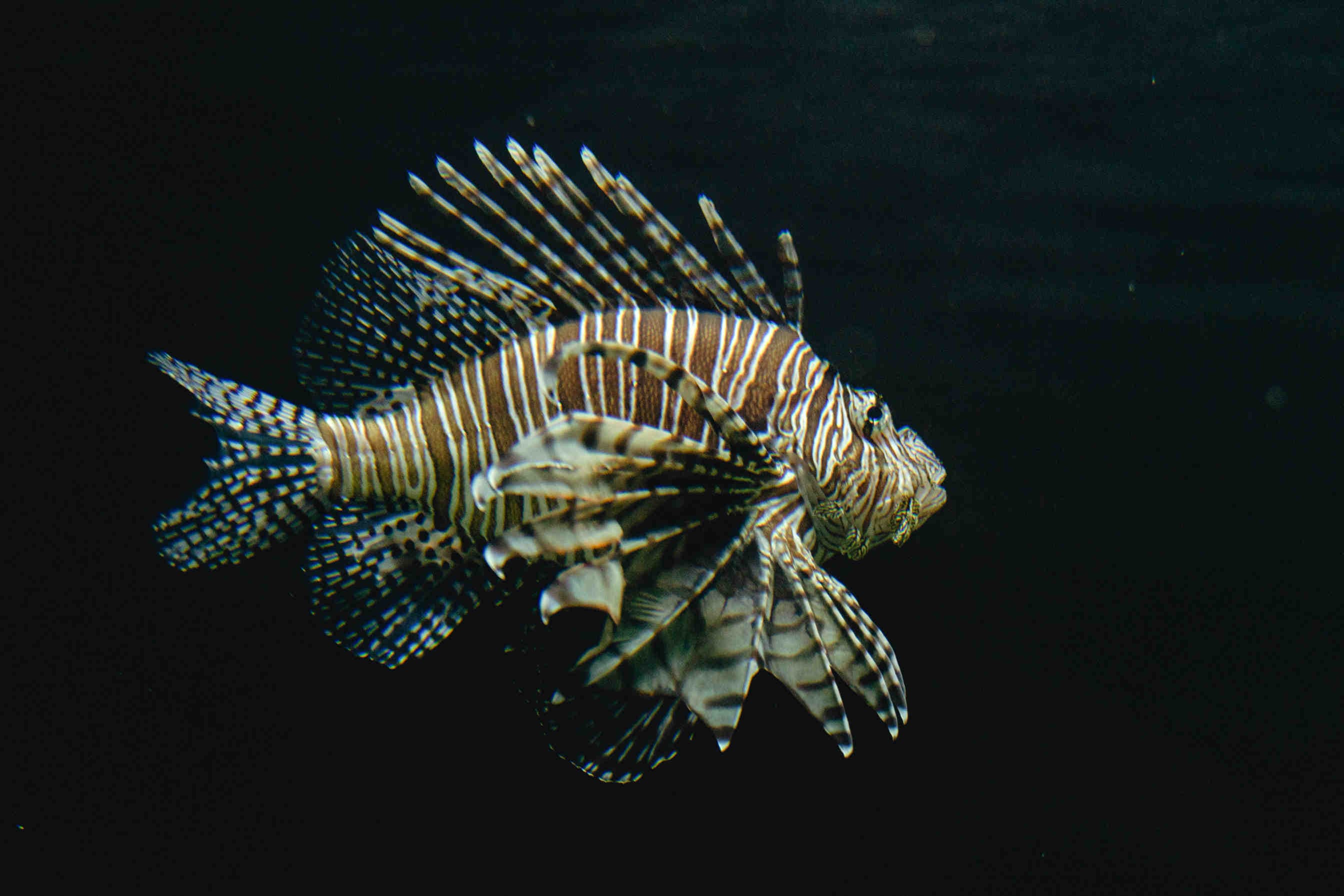
    conservazione flora fauna

    Vertebrates in Italy: situation and risks

    One can, then, reason in terms of vertebrates and vertebrate groups. According to the List, the conservation status of cartilaginous fish (sharks, rays, chimaeras) has worsened since the 2013 assessment and no significant conservation actions have been carried out, and even in the case of bony fish the situation has become more serious. For the reptiles, for which Italy is the European country with the greatest herpetological diversity, compared to five species found exclusively in our country, seven are endangered. Among the amphibians, 14 species are endemic and uniquely Italian but as many as 8 are endangered. Of the birds, 3.9 per cent of species are classified as critically endangered (2.8 in 2012), 9.3 as endangered and 14.4 as vulnerable.

    vertebrati in Italia

    Italian mammals: conservation and risks

    The situation of mammals is also particular. Many species of the ungulates are expanding, from deer to ibex to wild boar, and even the wolf has gone from vulnerable category to near-threatened species from 2013 to 2022. The bear, on the other hand, remains among the species with the highest probability of extinction. Then there are the mammals with very specific ecological needs such as bats and some rodents that are in a worse conservation status than a decade ago. Finally, marine mammals are in a worrying condition.

    Concrete actions to counter biodiversity loss

    No more protection, then. What is needed are concrete restoration actions, to achieve EU targets and halt biodiversity loss. The XVth United Nations Conference on Biodiversity (COP15) concluded with a historic agreement (the Kunming-Montreal Global Biodiversity Framework) aimed at halting and reversing the decline of nature by 2030. 196 countries have signed up to a roadmap to protect 30 per cent of the world's land and sea biodiversity by 2030. To this it is essential to add concrete local actions designed and managed by governments, with short- and long-term policies. 3Bee fits into this context with the Oasis of Biodiversity project, which aims to create Europe's largest ecological corridor for pollinators.


    Article by Giorgia Bollati

    07/08/2023Of 3Bee, Elena Fraccaro
    2007 Views
    Newsletter
    newsletter
    Subscribe to the Blog about bees and biodiversity

    Frequently Asked Questions

    Do you have any doubts or other curiosities about this article? Here you will find some insights