How Do Bees Produce Honey?
    3Bee approachNectarSlitheringCollection

    How Do Bees Produce Honey?

    Honey is a foodstuff as precious as it is little known, actually. Many of us consume it, but few know the various stages of the journey that brought the beautiful jar filled with this sweet substance to our table.

    Read the article
    31/07/2019Of 3Bee, Elena Fraccaro
    4229 Views
    31/07/2019Of 3Bee, Elena Fraccaro
    4229 Views

    3Bee's approach to biodiversity protection
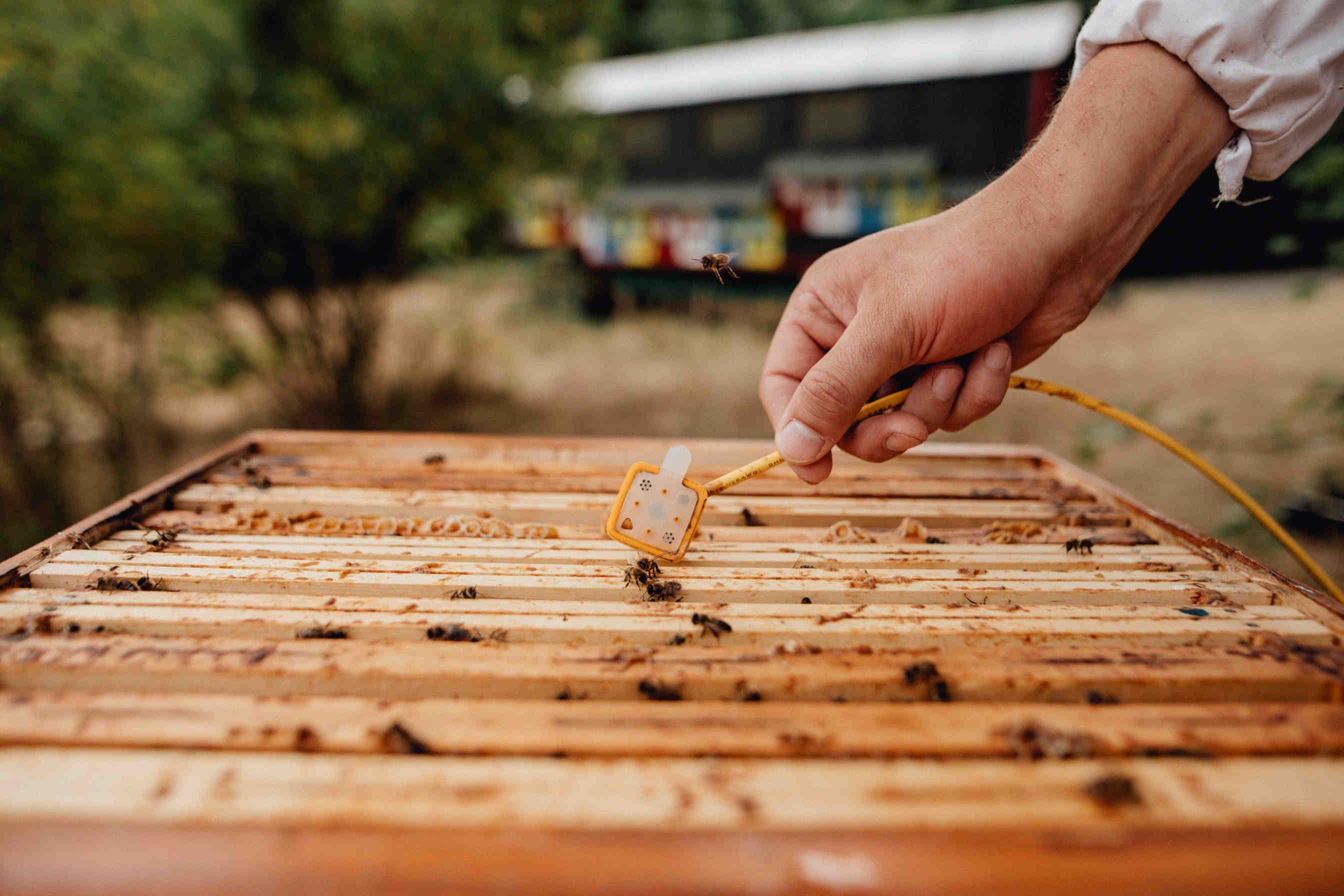
    3Bee is the Nature Tech company that develops technologies for the protection of biodiversity. 3Bee Hive-Tech is 3Bee's first system for analysing the health and 'starvation' status of honeybees, environmental pests par excellence. Over time, we have developed other technologies to study and monitor all the pollinating insects and created more than 200 Oases of Biodiversity with thousands of nectariferous plants to provide them with nourishment. Thus, we want to create a virtuous circle: our beekeepers are transformed by necessity into Oasis growers and promoters of environmental biodiversity. We do not encourage massive production and intensive breeding, which have a negative impact on biodiversity and pollinators. We do, however, recognise the value of honey as a valuable symbol of the biodiversity of an environment and a tool for disseminating the commitment and protection of an area, to be consumed sparingly and with respect for the life cycle of these insects.

    3Bee Hive-Tech

    The raw materials for producing honey: nectar

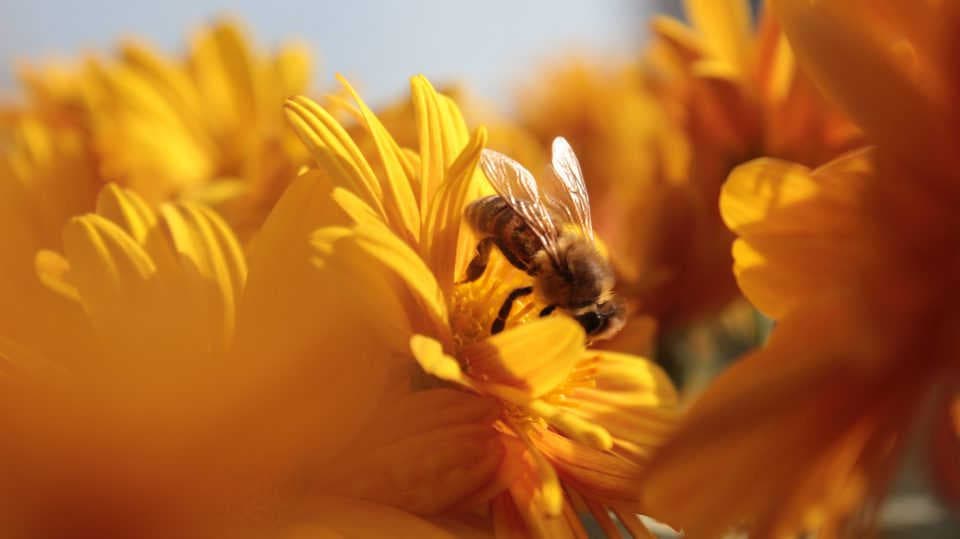
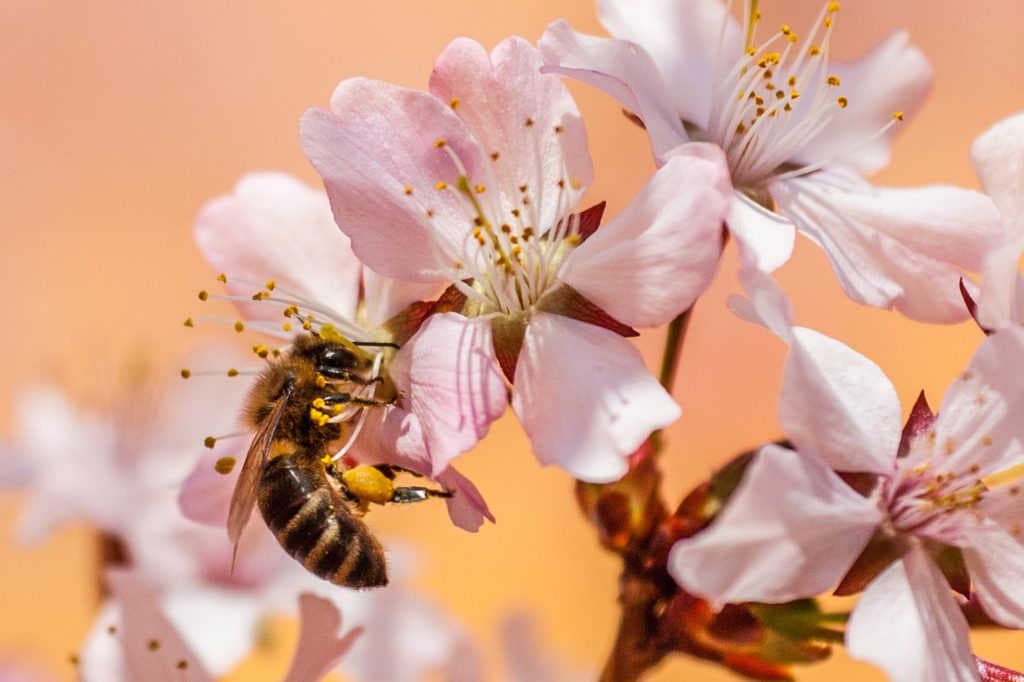
    Nectar. Nectar is nothing more than the sugary secretion of some special plant glands, called 'nectars', which are mainly found at the base of the flowers. This sweetish substance has the task of attracting pollinators who, in collecting it, become vehicles for the pollen and fertilisation of the plants themselves. Nectar consists mainly of water and sugars in varying percentages and other substances such as nitrogen compounds, vitamins and mineral salts. Not all plants, however, produce the same type of nectar. This varies both in quantity and quality based on different factors. There are, in fact, plants that are defined as 'nectariferous' and are therefore particularly important for the sustenance of bees. Climatic conditions play a key role: if it is too hot or too cold or if a strong wind blows, the plant stops producing nectar.

    The raw materials for producing honey: nectar
    XNatura

    The raw materials for producing honey: honeydew

    Honeydew. Another important, but lesser known, raw material from which bees then obtain honey is honeydew. Honeydew is nothing more than a sugar substance secreted by particular parasitic insects of plants and processed from the sap of the plants themselves. It is very rich in sugars (sucrose, glucose, fructose), mineral salts and enzymes. Bees, attracted by its sweetness, collect it directly from the leaves and other parts of the plants, especially firs, larches, oaks and lindens. Unfortunately, honeydew production is not always constant, but also depends on various factors, some related to the insects producing it themselves and others to climatic conditions. Once the raw materials have been identified, it is then necessary to understand who is responsible for collecting them.

    The raw materials for producing honey: honeydew

    Who collects nectar and honeydew?

    This important task is entrusted to the forager bees, so called because of the precious 'bottle' they retrieve for the sustenance of the entire hive. Forager bees are workers, therefore all female bees, who leave the hive in search of nectar, honeydew, pollen and water from their 20th day of life until their death. However, if the hive is experiencing a contingent need, even younger bees can immediately become foragers and take over this important task. Foragers can fly up to more than 3km from the hive if necessary. Once they have found a source of sustenance, they fly back indicating to their sisters which way to go.
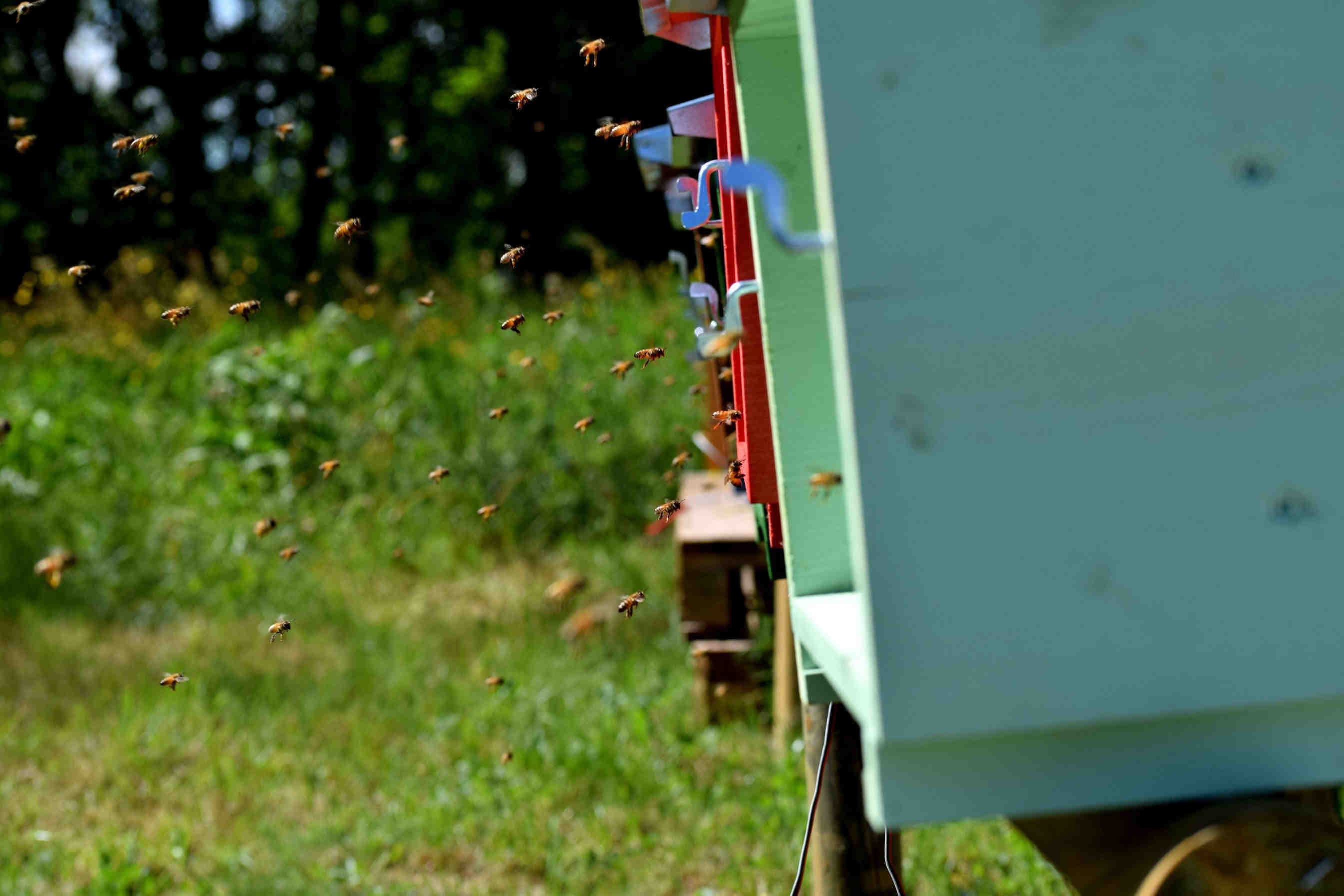
    Who collects nectar and honeydew?
    XNatura

    From harvesting to honey storage

    Foragers use their proboscis, composed of the ligule and related organs, and pharyngeal muscles to literally suck the nectar (or honeydew) from the flower. This is collected in the honey bag and when it fills up, containing about 40mg, the bee returns to the hive. It has been calculated that in order to transport a single litre of nectar, bees must make some 25,000 trips! Inside the honeycomb bag, the first stage of transformation into honey begins. Various enzymes such as diastase, invertase and glucose oxidase are added, which come directly from the bee's digestive system. Once inside the hive, the forager delivers the collected nectar to other bees, which proceed with the processing, adding more enzymes and taking care of the evaporation of the water it contains.
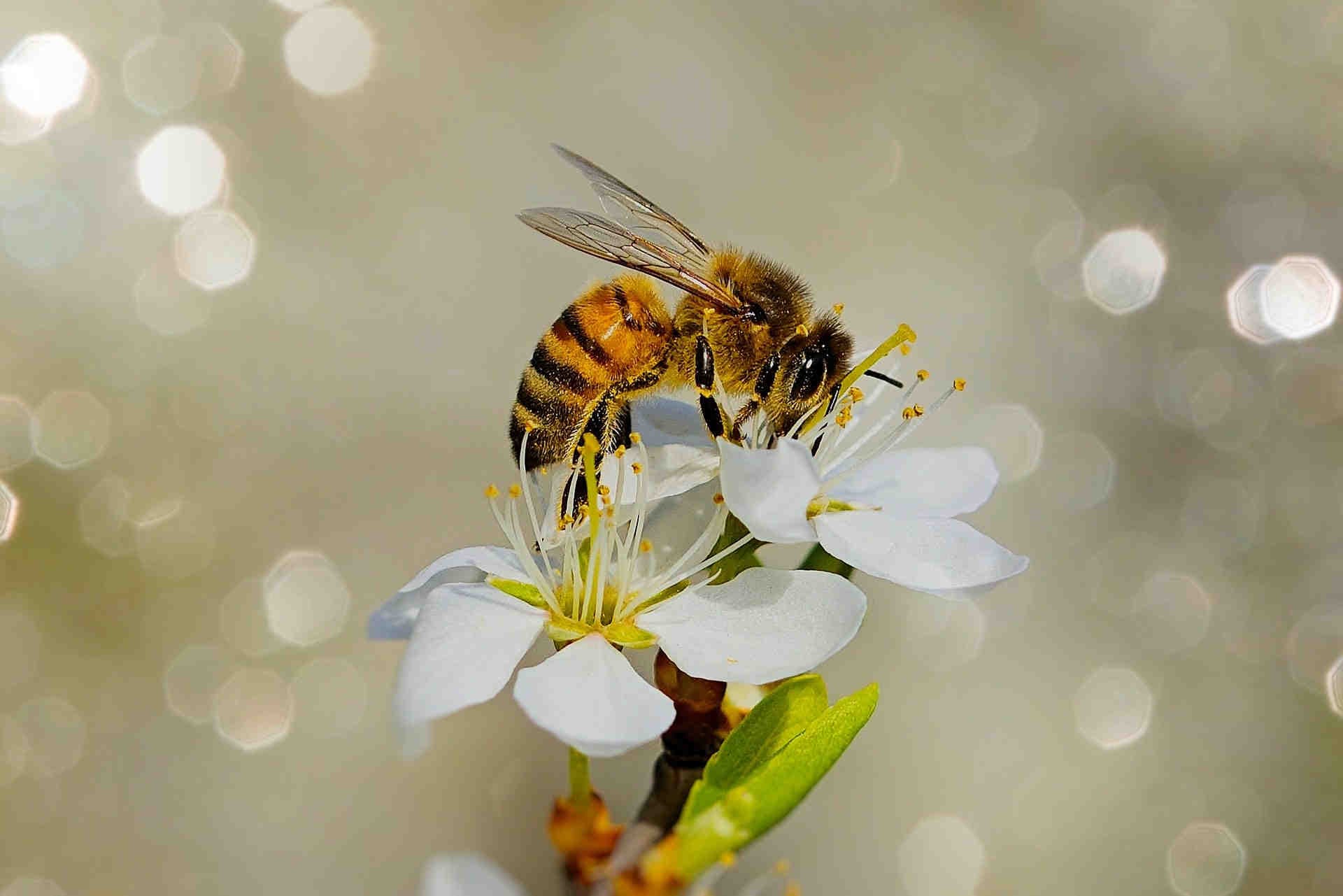
    From harvesting to honey storage
    3Bee

    Honey storage

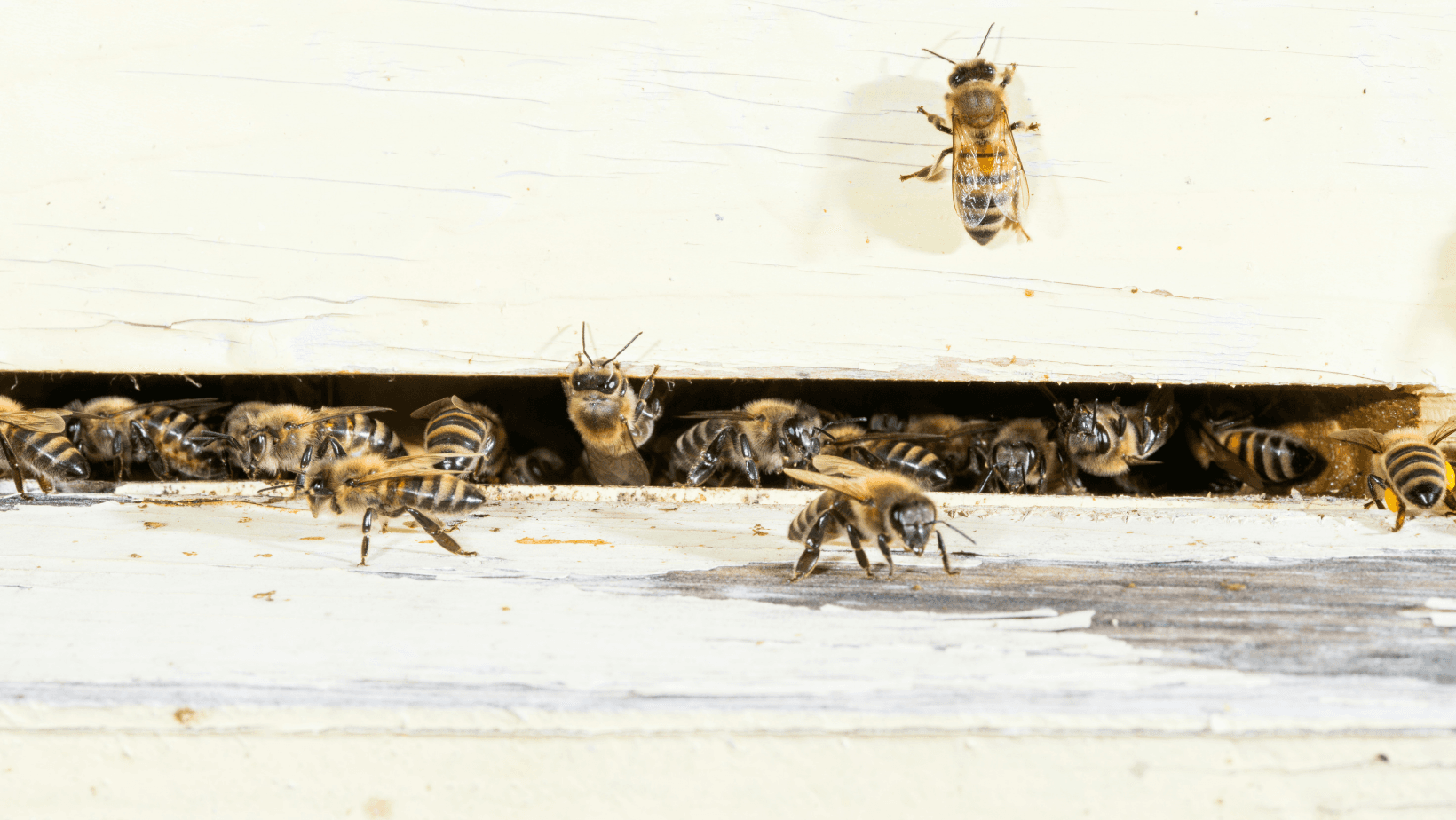
    After various processes, the future honey is placed in special cells, where it undergoes another concentration process. The bees, in fact, through ventilation, evaporate the water contained inside, until a humidity level of around 17-18% is reached. Once this threshold is reached, the bees operculate the cells, i.e. they coat them with a layer of wax to protect the contained honey. This process is essential to allow better preservation of the honey within the hive. It is stored to serve as a stock to draw on in times when blooms are scarce or during the bad season.
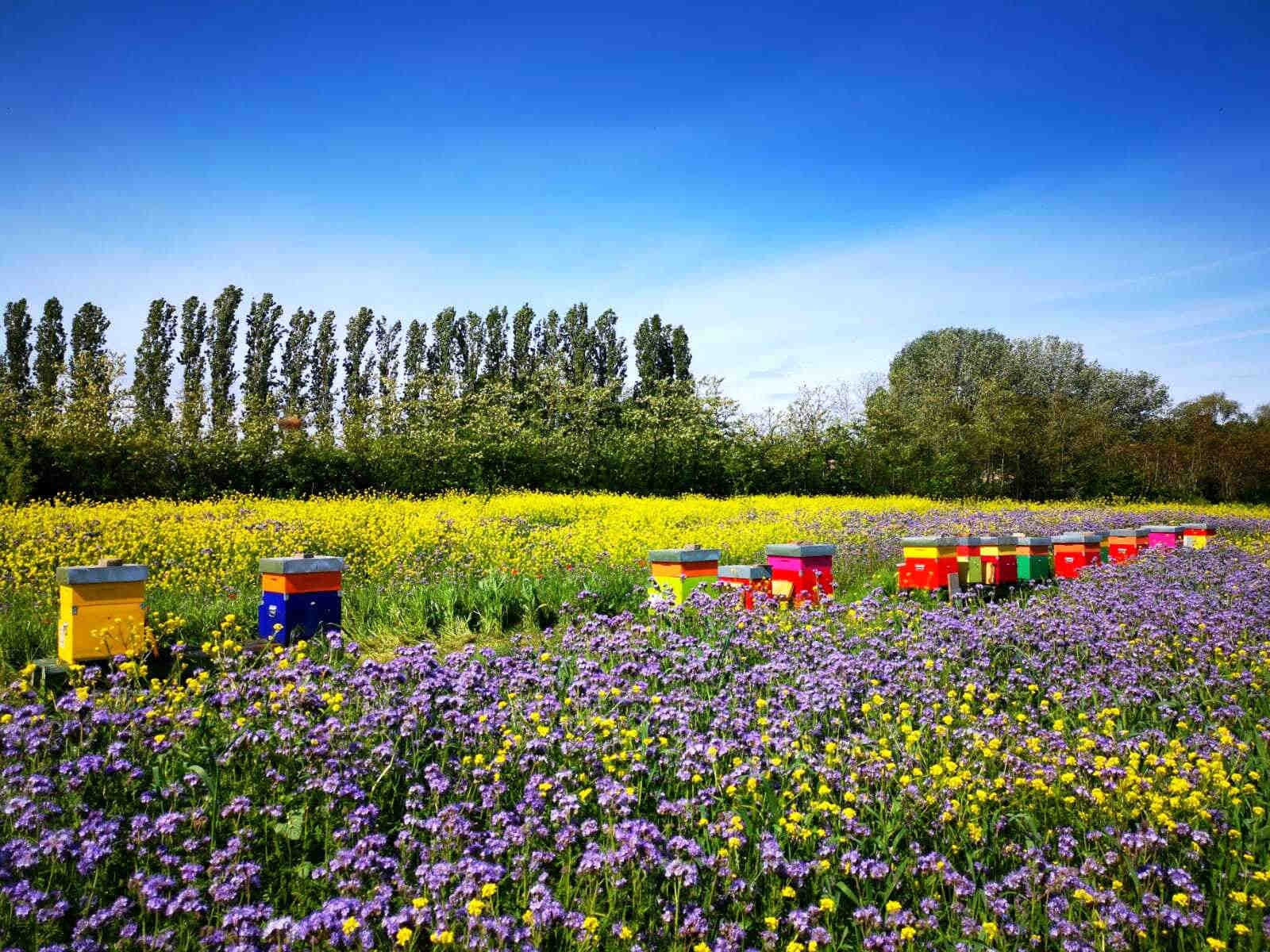
    Honey storage

    Honey and honeycomb

    The beekeeper, however, does not go and take the precious stocks that the bees accumulate in the nest. In order to obtain honey without harming his bees, in fact, he adds honey boxes on top of the hives, duly separated from the nest by a queen excluder, which prevents the queen from climbing into the honeycomb and laying. In this way, in the honeycomb the bees can only deposit the honey that has no place in the hive and the beekeeper can take it without too much trouble. This is the honey that we then magically find on our tables.
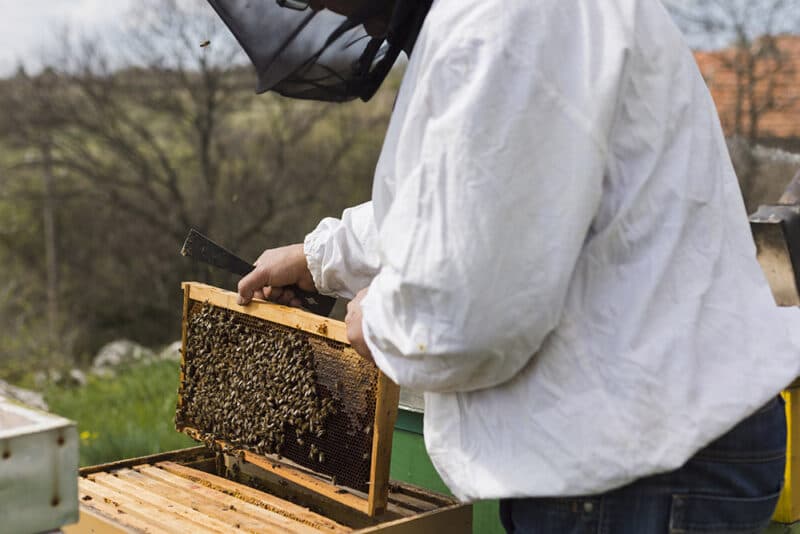
    Honey and honeycomb

    Monoflora and Multiflora Honeys

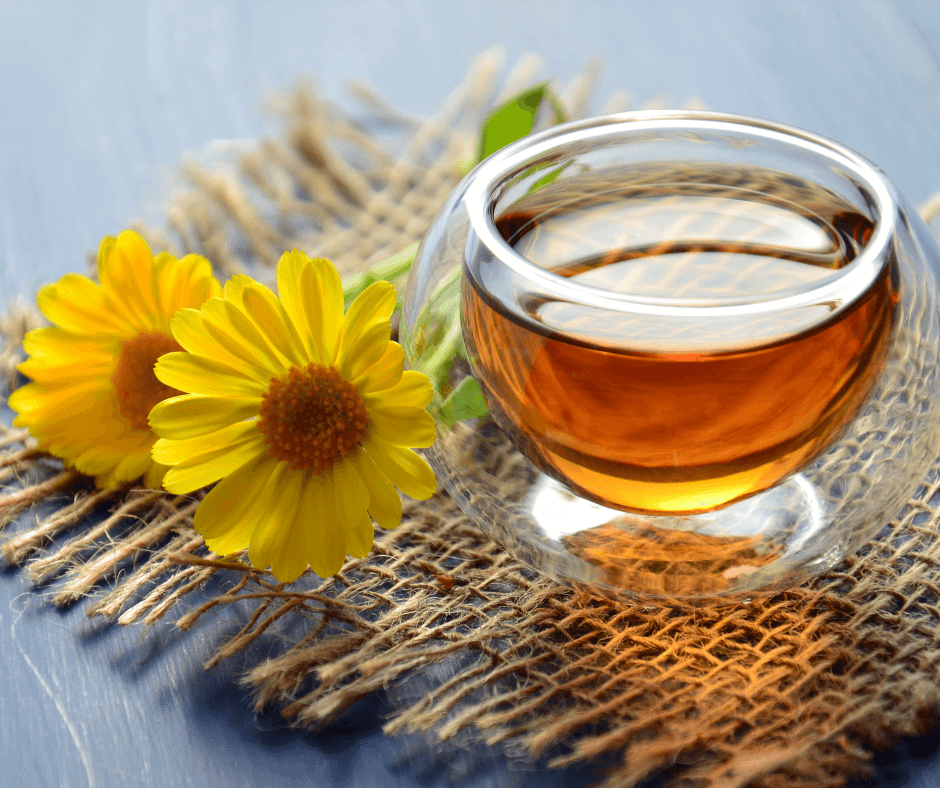
    Another very interesting aspect concerning the production of this incredible food concerns the division between monoflora and millefiori honeys. How can you have monofloral honey when the bees have different sources of nourishment with which to sustain themselves? The reality is much simpler than one might think. The bees, if they have a consistent nectariferous source in the vicinity of the hive, will devote themselves to collecting it until the end of flowering. It is up to the beekeeper to choose the correct place to position the families to produce a certain type of honey rather than another and to assess their production potential. Timeliness of action is also important. Indeed, the beekeeper must understand the best time to add and remove honeycombs in order not to 'dirty' a honey with other blooms. For producing mixed-flower honey, these precautions are not necessary.
    Monoflora and Multiflora Honeys

    Adopt a 3Bee hive and enjoy quality Italian honey

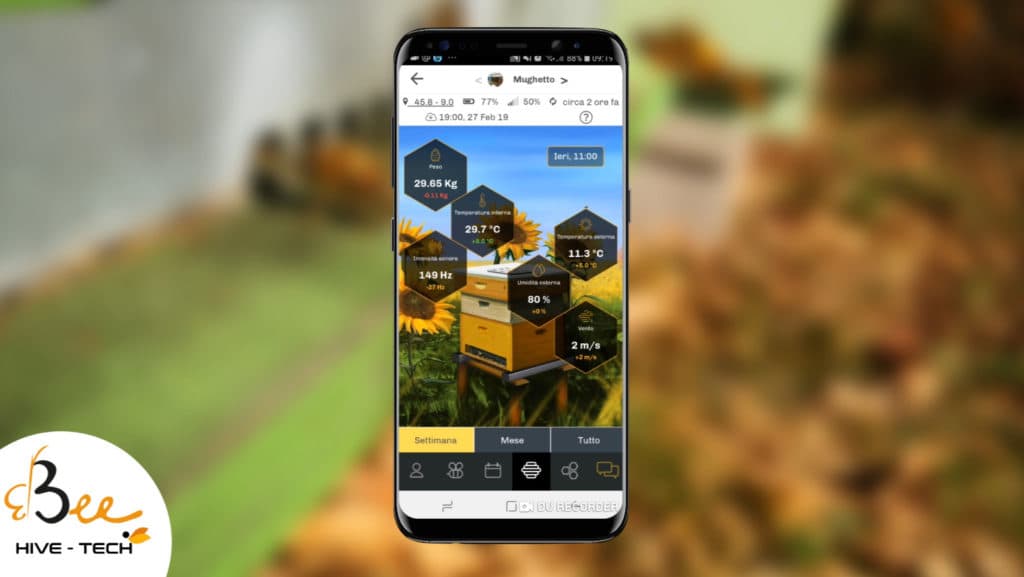
    The journey of honey is long and extremely fascinating. To produce a single kg of honey, it has been estimated that bees make almost 60,000 round-trip flights from the hive to the flowers. Knowing its history only makes us appreciate every single spoonful even more. Honey is a clear expression of the territory in which it is produced and even different years can yield a different product from the previous year. Enhancing its peculiarities is a recognition of the hard work of bees and beekeepers. You can support them by purchasing their honey and adopting their hives monitored with 3Bee technology. You will have access for a whole year to the hive data and can thus follow their growth and production activity. At the end of the beekeeping season you will receive the honey produced by the hive and chosen by you directly to your home.
    Adopt a 3Bee hive and enjoy quality Italian honey
    31/07/2019Of 3Bee, Elena Fraccaro
    4229 Views
    Newsletter
    newsletter
    Subscribe to the Blog about bees and biodiversity