Beaches: types, formation, conservation
    BeachSandUrban beachesRural beaches

    Beaches: types, formation, conservation

    Beaches are natural environments as fascinating as they are complex. How do they form? Are there different types of beaches? Why is it important to protect their biodiversity? Find out in this article how beaches are formed, how they are classified and why it is important to protect them.

    Read the article
    15/08/2024Of 3Bee, Lisa Santillo
    770 Views
    15/08/2024Of 3Bee, Lisa Santillo
    770 Views

    What is a beach?

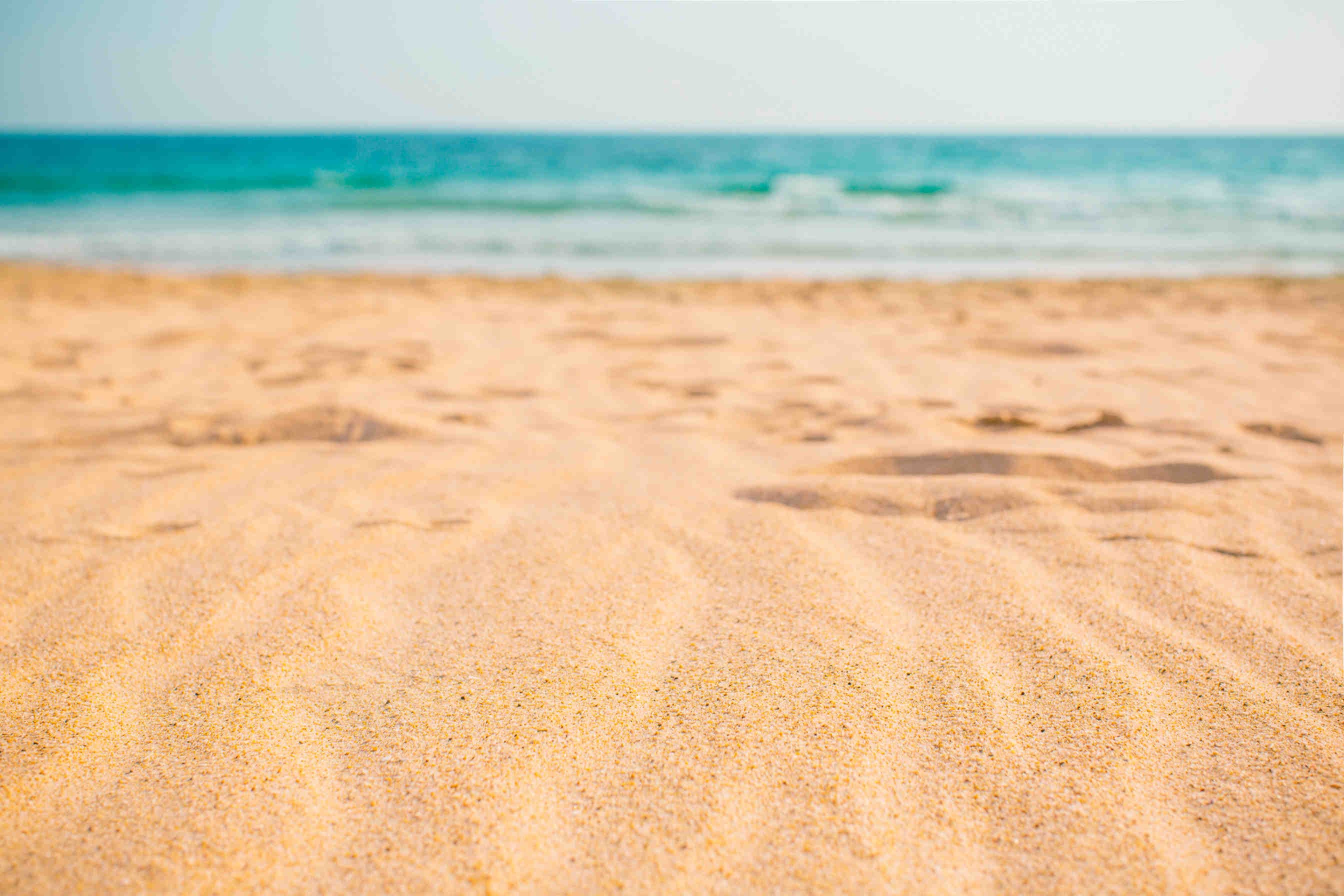
    A beach is a natural formation bordering a body of water, such as an ocean, sea, lake or river. Beaches are mainly composed of sediments such as sand, gravel, pebbles or shells, which have been deposited and shaped by the action of waves and currents. These areas act as transition zones between the aquatic and terrestrial environment and are characterised by constant dynamics due to the force of waves, tides and wind. Beaches can vary greatly in size, colour and sediment composition and are vital habitats for numerous animal and plant species, as well as being a favourite destination for tourism, especially in summer.
    sabbia

    How does sand form on beaches?

    Most of the sand and gravel that we find on beaches comes from the catchment areas of the rivers that flow into our coasts. The physical and chemical alteration of rocks in the mountains and hills generates the gravel of sand, which is transported by streams and then rivers to the sea. As stated by Prof. Enzo Pranzini, "the beach is therefore a synthesis of the rocks that outcrop in a certain region, and this explains the diversity of colour of both the various grains that we find in a certain spot, and that which characterises different beaches. Sand can also come from the sea floor, accumulated over thousands of years when the sea level was lower. During the rise of the sea, from -130 metres 18,000 years ago to the current level reached about 6,000 years ago, sand from old beaches was pushed upwards, forming structures like the barrier islands of the US Atlantic coast.

    spiaggia ombrelloni
    XNatura

    Types of beaches: urban and village

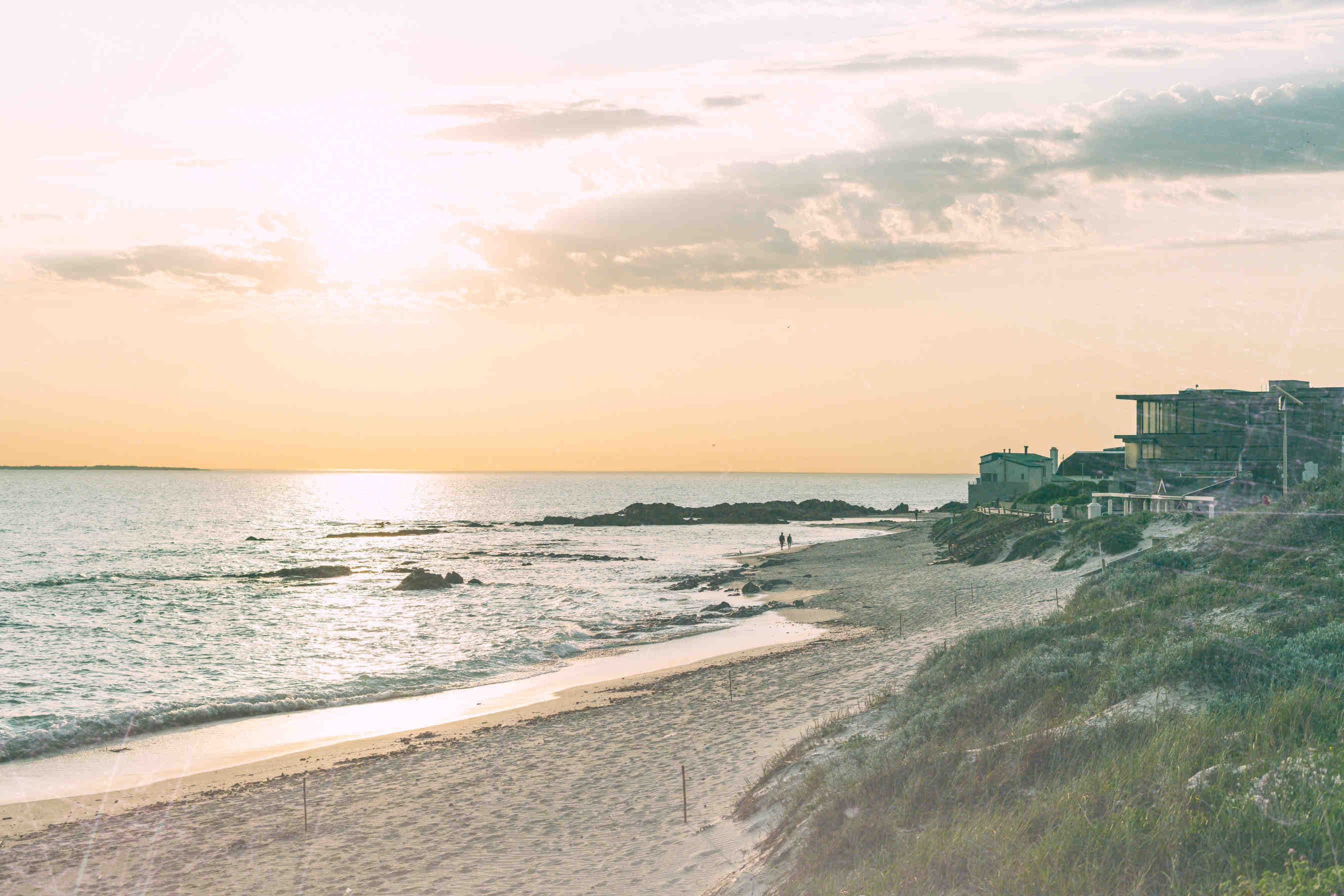
    Beaches can be classified in several ways. One of these is the BARE (Bathing Area Registration and Evaluation) system, which classifies beaches into five types: urban, village, resort, rural and remote. We start with urban beaches, located in towns with at least 10,000 inhabitants and with well-structured public facilities. Often with free access, these beaches tend to be highly frequented, depending on the season, and are well connected to public roads, even with permanent transport lines. An example is the spiaggia del Poetto in Sardinia, which, despite being outside Cagliari, is easily accessible and popular with locals. The town beaches, on the other hand, are located in stable built-up areas, but away from large urban centres. Donnalucata in Sicily is an example of a village beach that maintains elements of naturalness despite the human presence.

    spiaggia rurale

    Resorts, rural and remote beaches

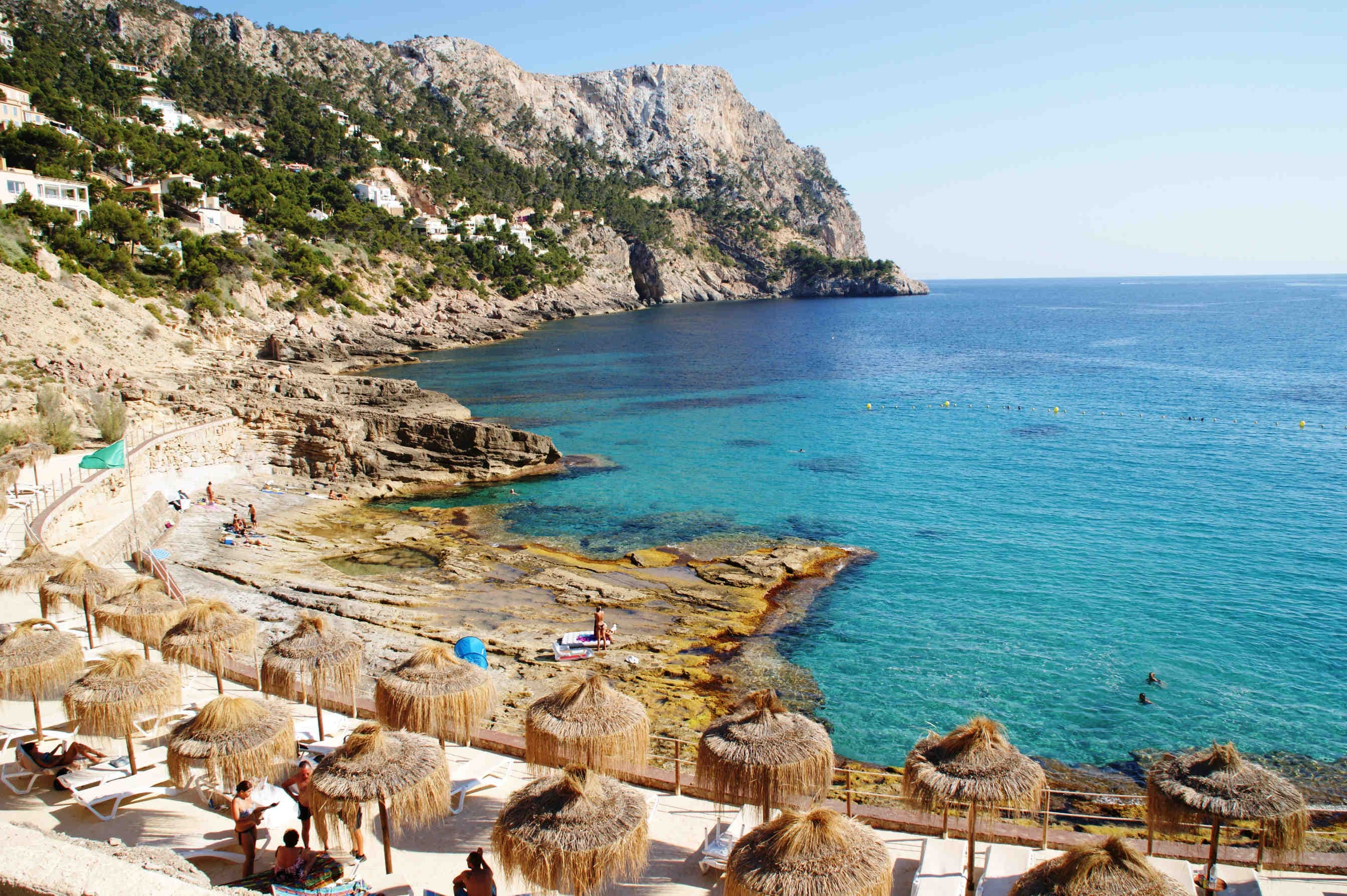
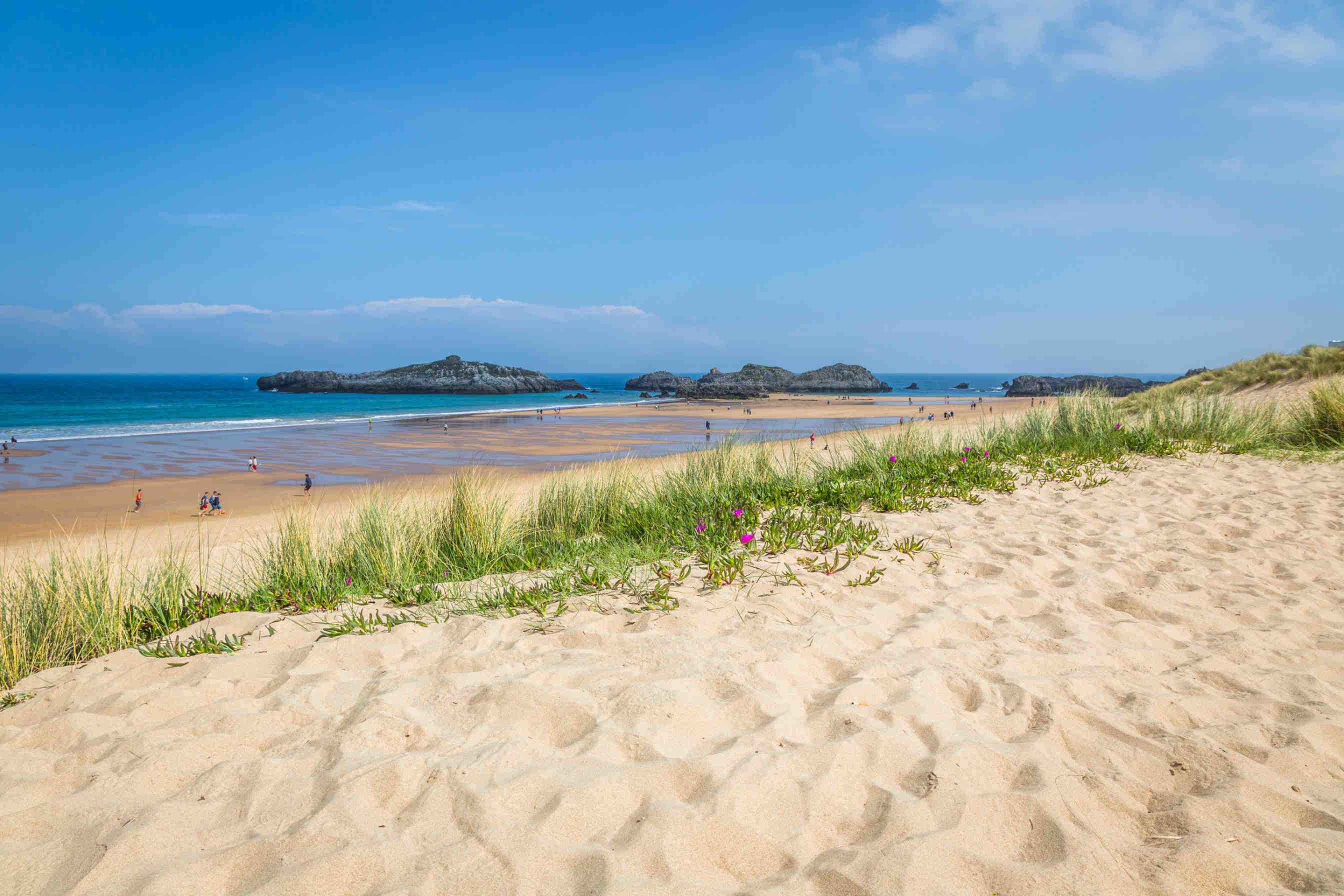
    The term 'resort' refers to those beaches that are mainly managed by resort areas, often located in rural areas to offer an exclusive experience to guests, also thanks to the recreational services offered. An example is the beach of Alba Adriatica in Abruzzo, rich in such beach facilities. The rural beaches, on the other hand, are located far from built-up areas, in areas with low population and visitor density. An example is Sant'Andrea Patrono dello Ionio, in Calabria. Finally, the remote beaches are those that are difficult to reach, accessible only on foot, by 4x4 car or by boat. These beaches are characterised by exceptional landscapes, often surrounded by nature, but at the same time they are very fragile in terms of protection: mass tourism can destroy them irreversibly, especially when access is improved. One example is Cala Civette, in Tuscany, which can only be reached by sea or on foot via a long path.

    spiaggia
    XNatura

    Protecting the faunal diversity of beaches

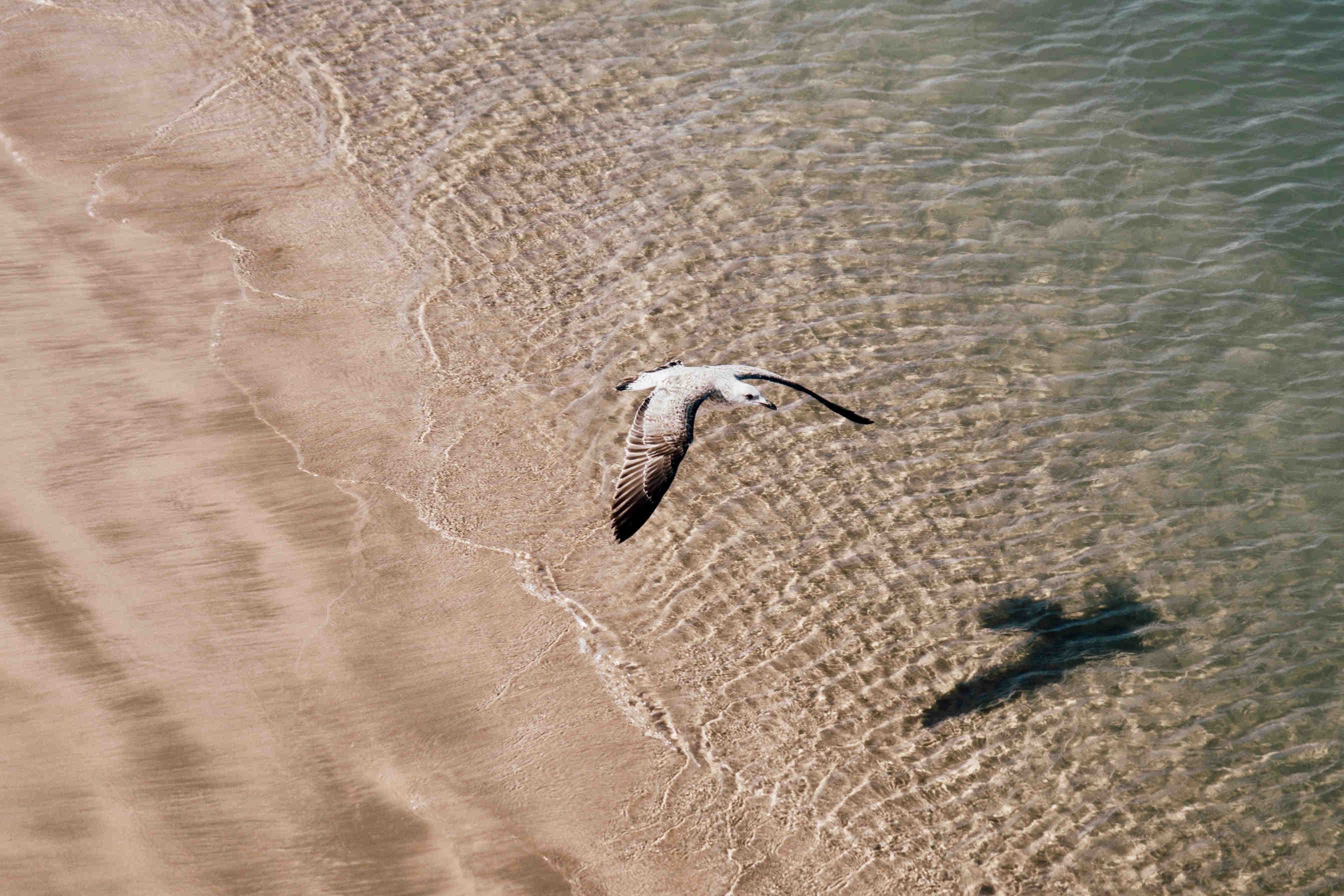
    A 2020 study published in Communications Biology and coordinated by CNR's Institute for Water Research, has shown that beach sand is home to an astonishing faunal diversity. Using molecular ecology techniques, the researchers discovered the meiofauna, an array of animals ranging in size from 30 μm to 1 mm. These microscopic animals, which live in the sand and sediments, perform fundamental ecological functions including the transformation, recycling and transport of organic matter to the various levels of the trophic network. At the same time, they are threatened by human activity and tourism. In fact, the results of the study show that keeping some beaches closed to the public allows high levels of biodiversity to be maintained: beaches less frequented by tourists showed greater species richness and variety than those with high tourist numbers.
    fauna spiaggia
    3Bee
    15/08/2024Of 3Bee, Lisa Santillo
    770 Views
    Newsletter
    newsletter
    Subscribe to the Blog about bees and biodiversity

    Frequently Asked Questions

    Do you have any doubts or other curiosities about this article? Here you will find some insights