The structure of the hive super-organism
The bee is an extremely evolved insect and is defined as
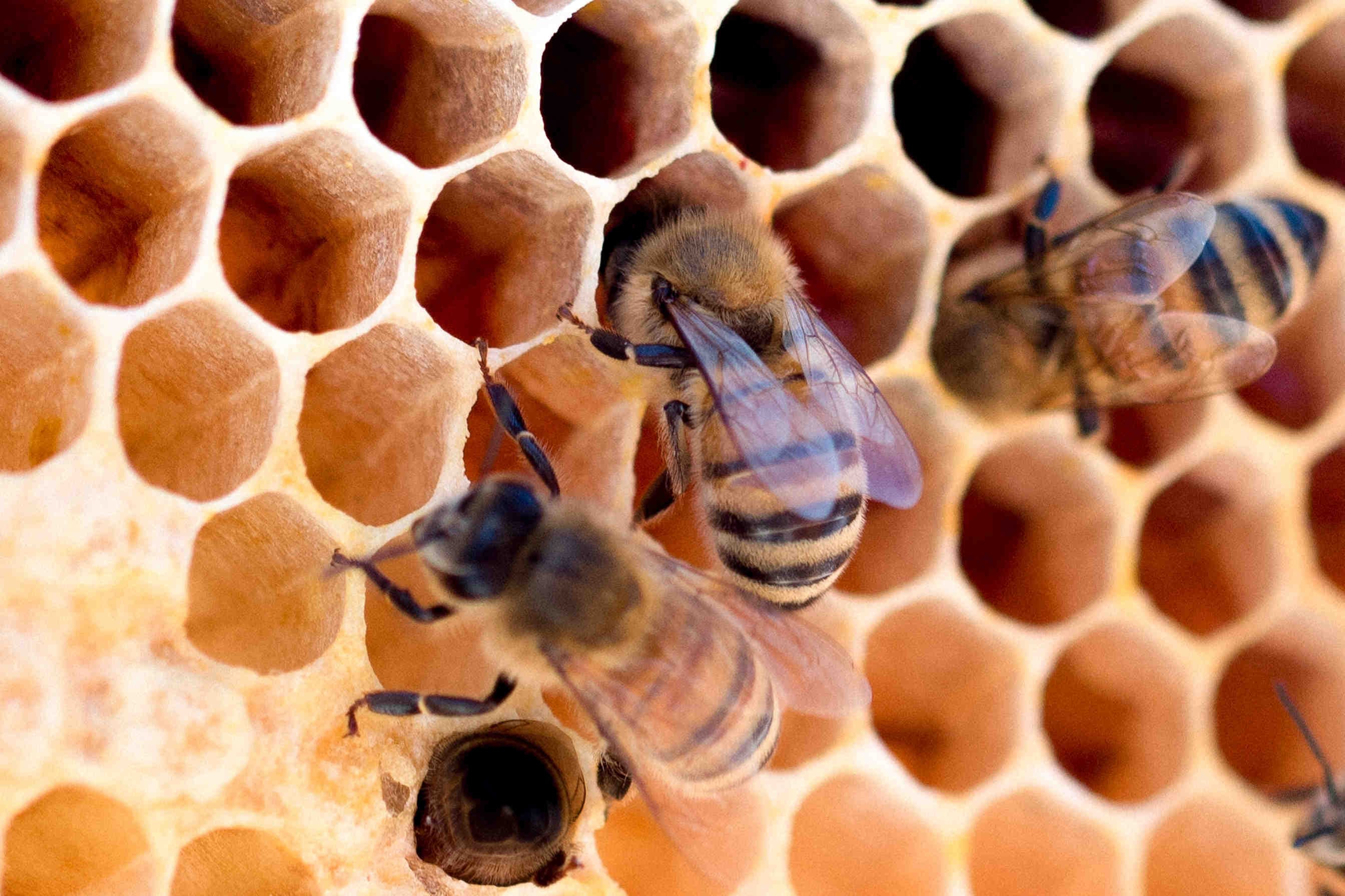
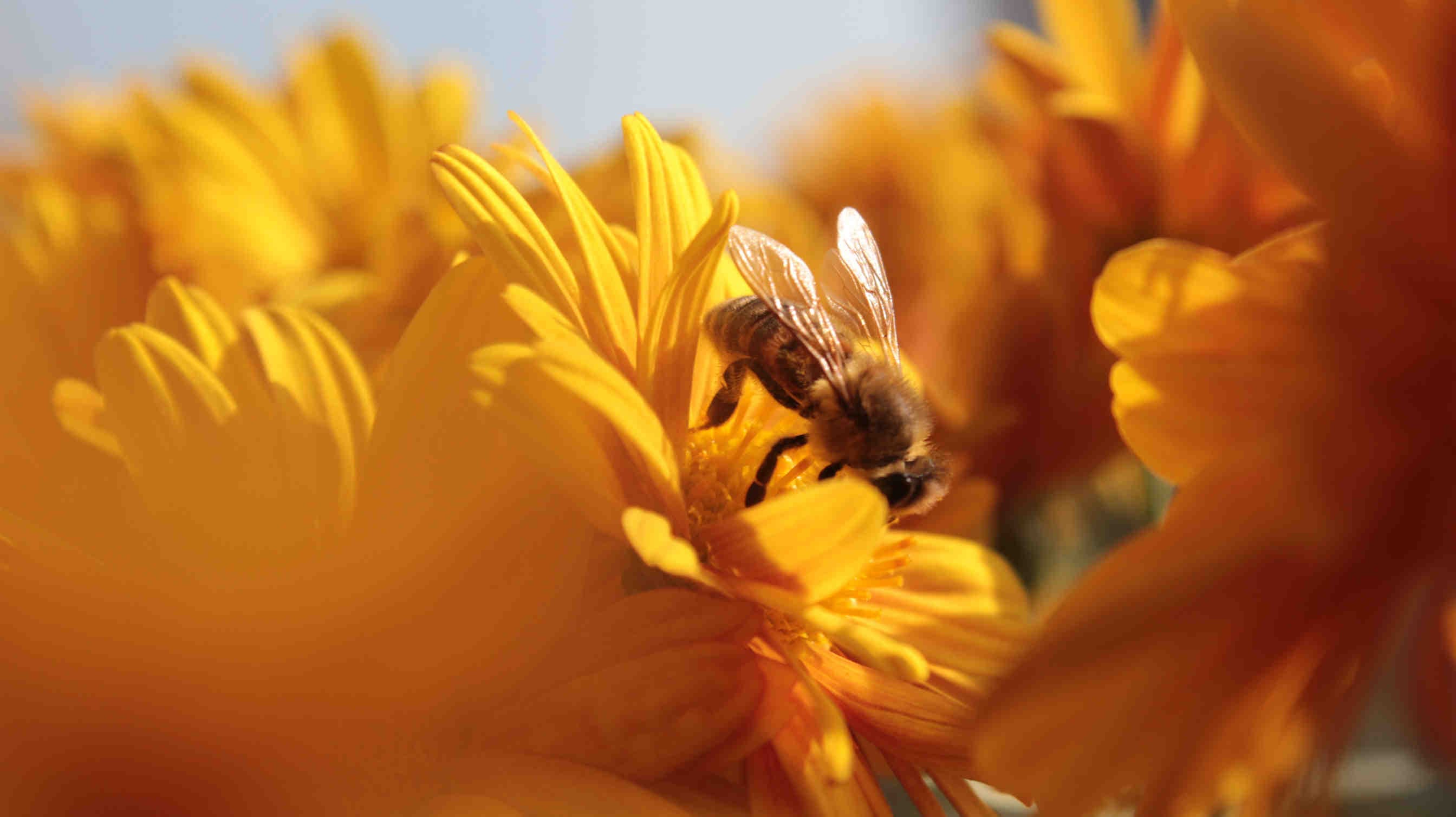
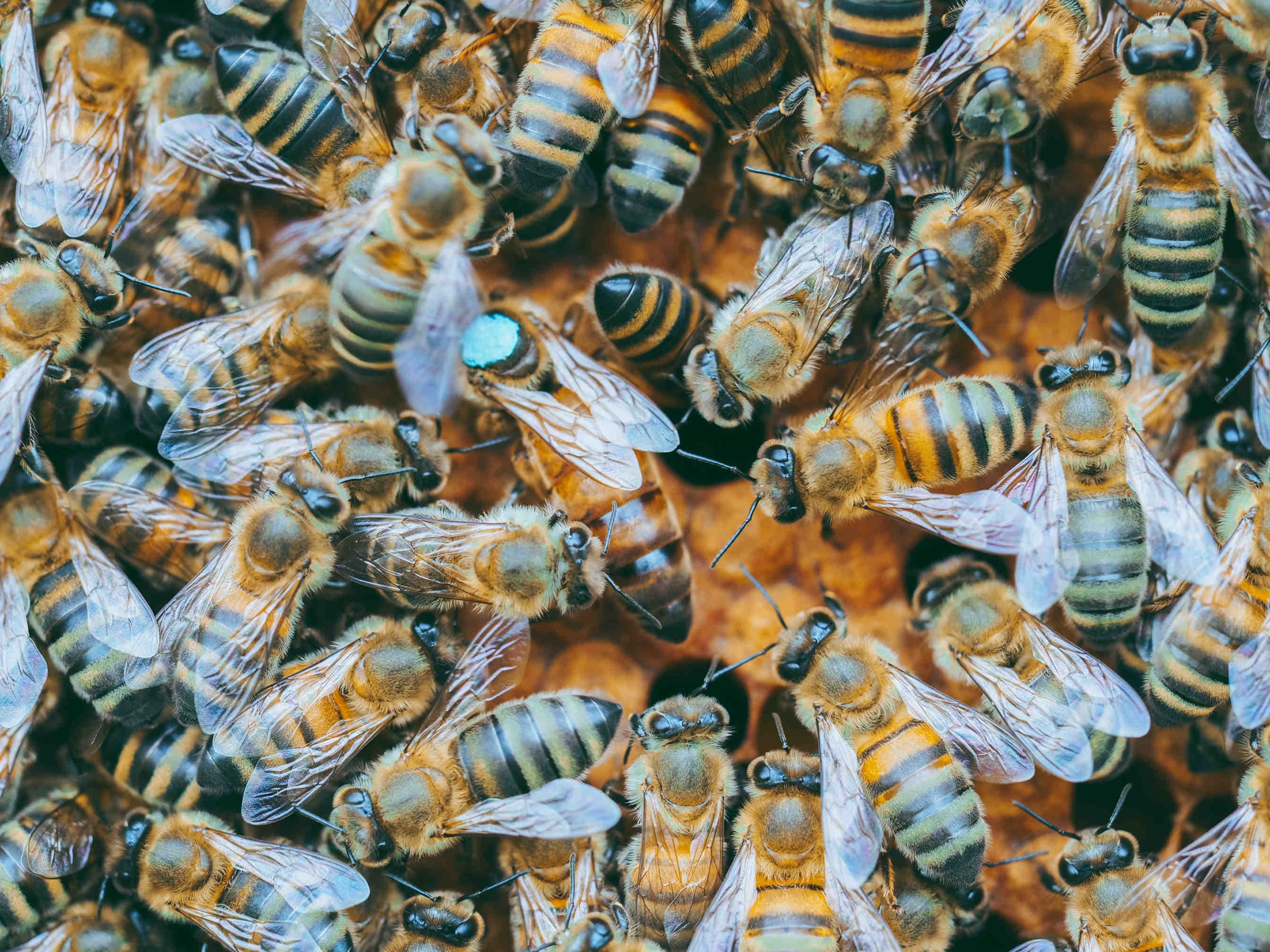
The Bee Caste: the queen bee is the head and heart of our hives. Alone, she leads the family to grow, collect nectar, clean the hive and proliferate. The queen of the hive is single, alone, except in rare cases when 2 queens may share the sceptre for a short time.
Read the articleThe bee is an extremely evolved insect and is defined as
The peculiarities that differentiate it from other worker bees are many, starting with the royal cell in which the egg is laid. In fact, the queen grows and develops inside a
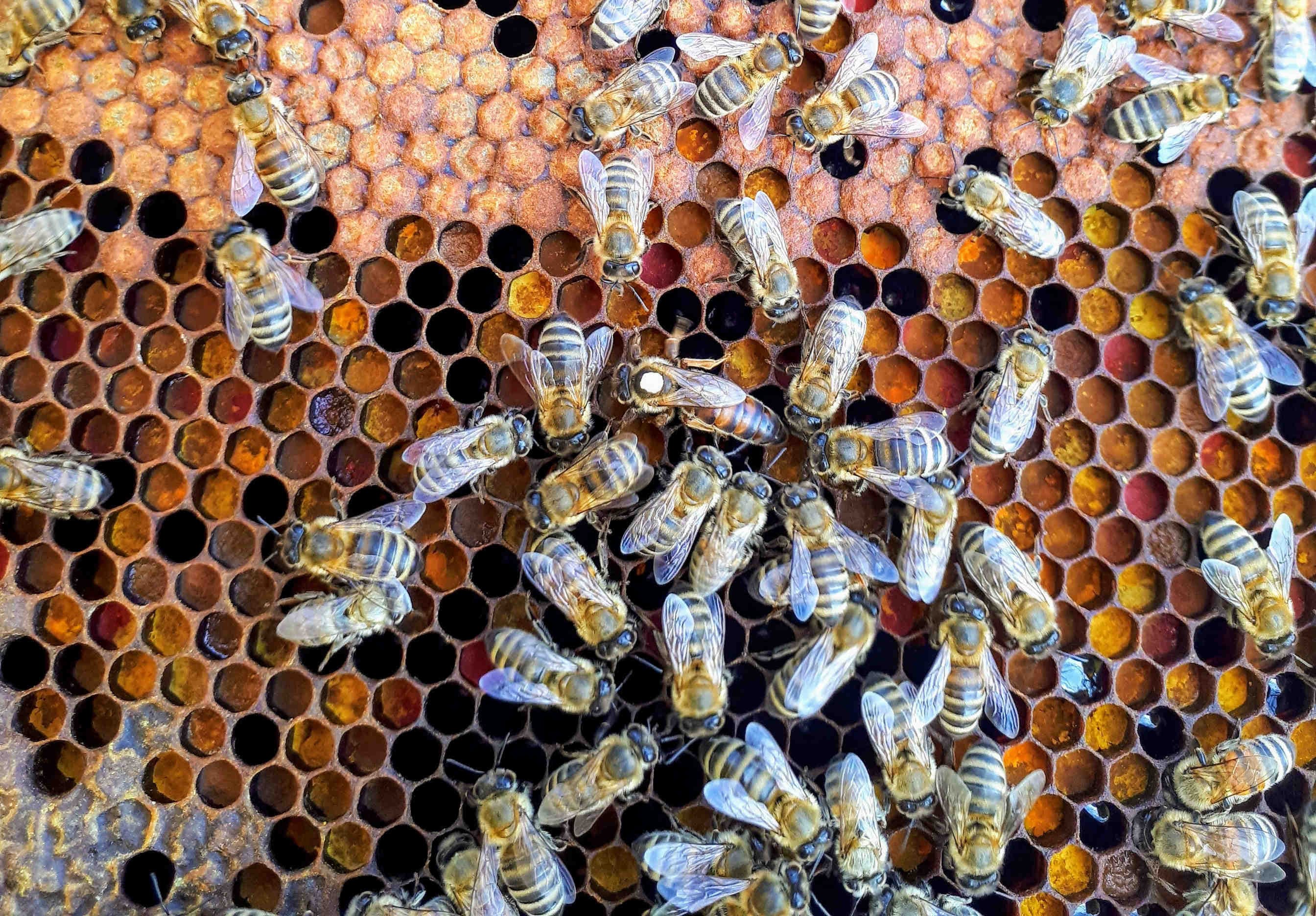

The queen's main task, compared to the other worker bees, is as simple as it is fundamental: taking care of the colony's growth and ensuring its cohesion. The queen bee, being the only fertile female, only has to worry about laying eggs. At the height of the family's expansion, she can lay up to
When a queen comes out of her cell, she is said to be '
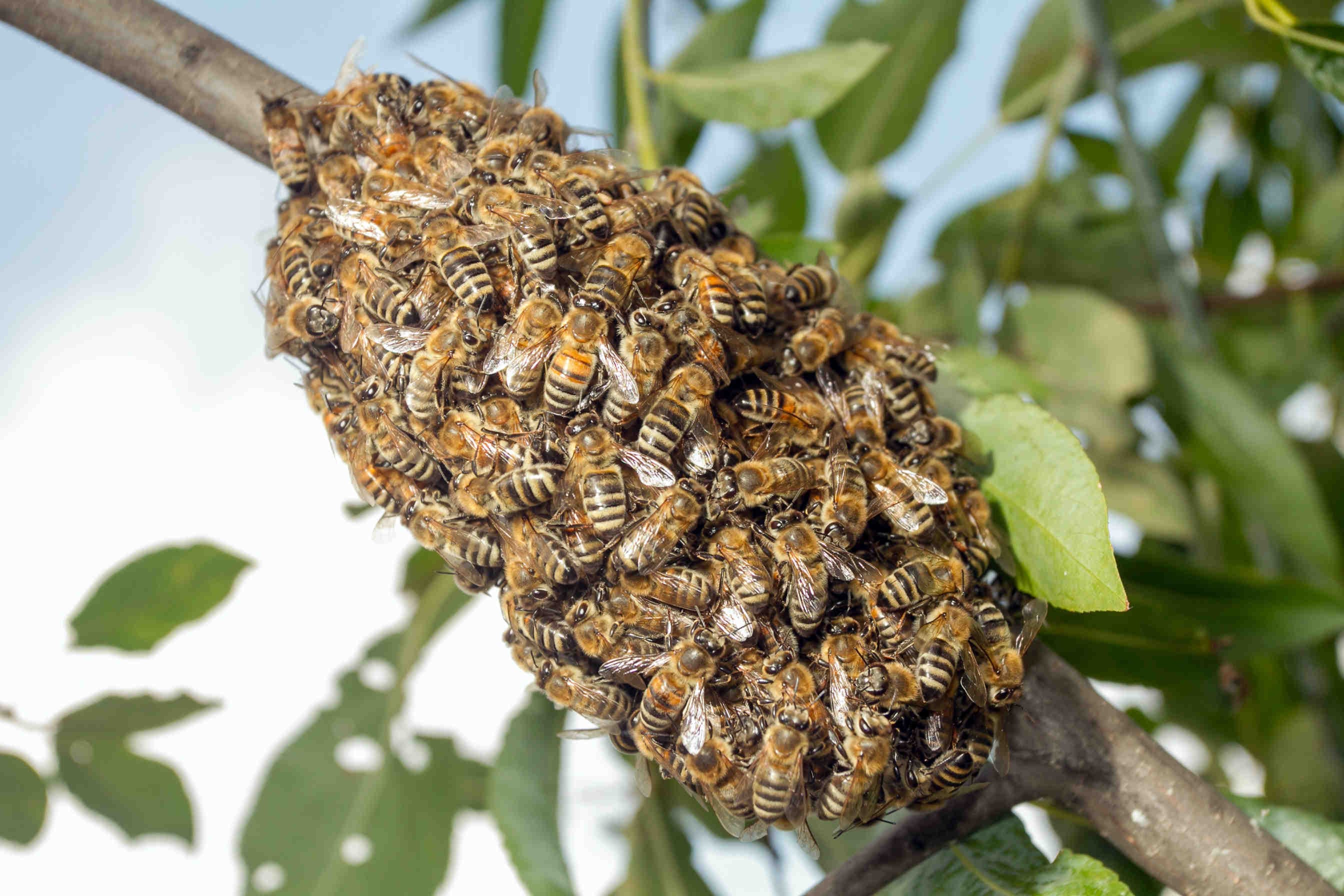

The differences from other bees also extend to the development process of the queen bee. From the laying of the egg to its birth, approximately

When the family is booming and the number of bees grows exponentially, these pheromones risk not reaching all members of the community. The same problem occurs when the queen, now advanced in age, can no longer
What happens, however, if the queen bee is not fertilised or if the spermatozoa in the spermatheca are exhausted? In such cases, one is faced with a so-called '
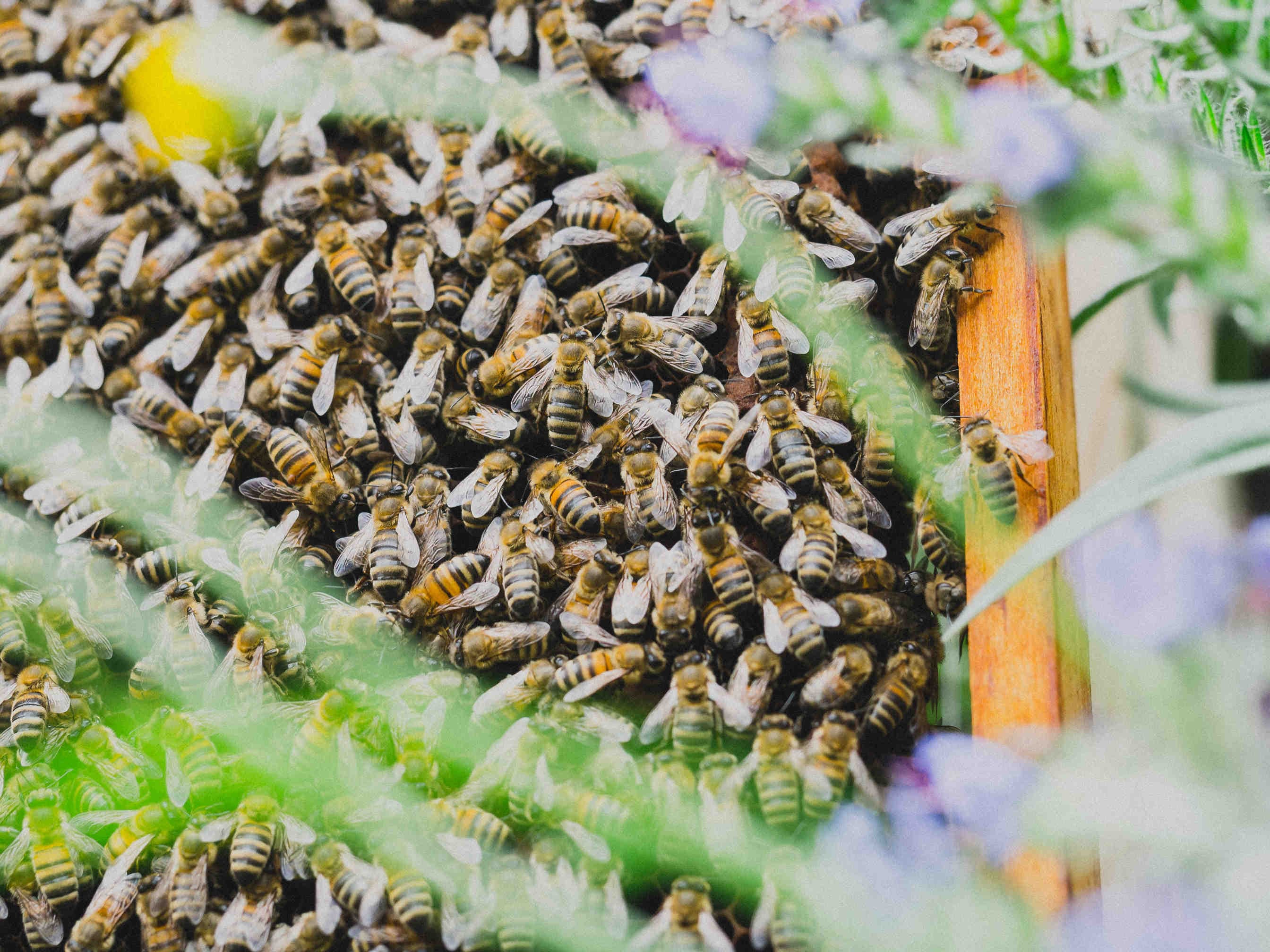
A very curious aspect of these particular insects is the sounds they make. Queen bees are said to emit a

The age of the queen bee is very important for the hive to be able to grow and develop properly. There are various methods to tell whether the queen is young or old. A young queen is generally smaller, with hair on her thorax, has intact wings and lays in a compact manner. The opposite is usually the case with an older queen. To make this assessment more accurate, however, the beekeeper proceeds with
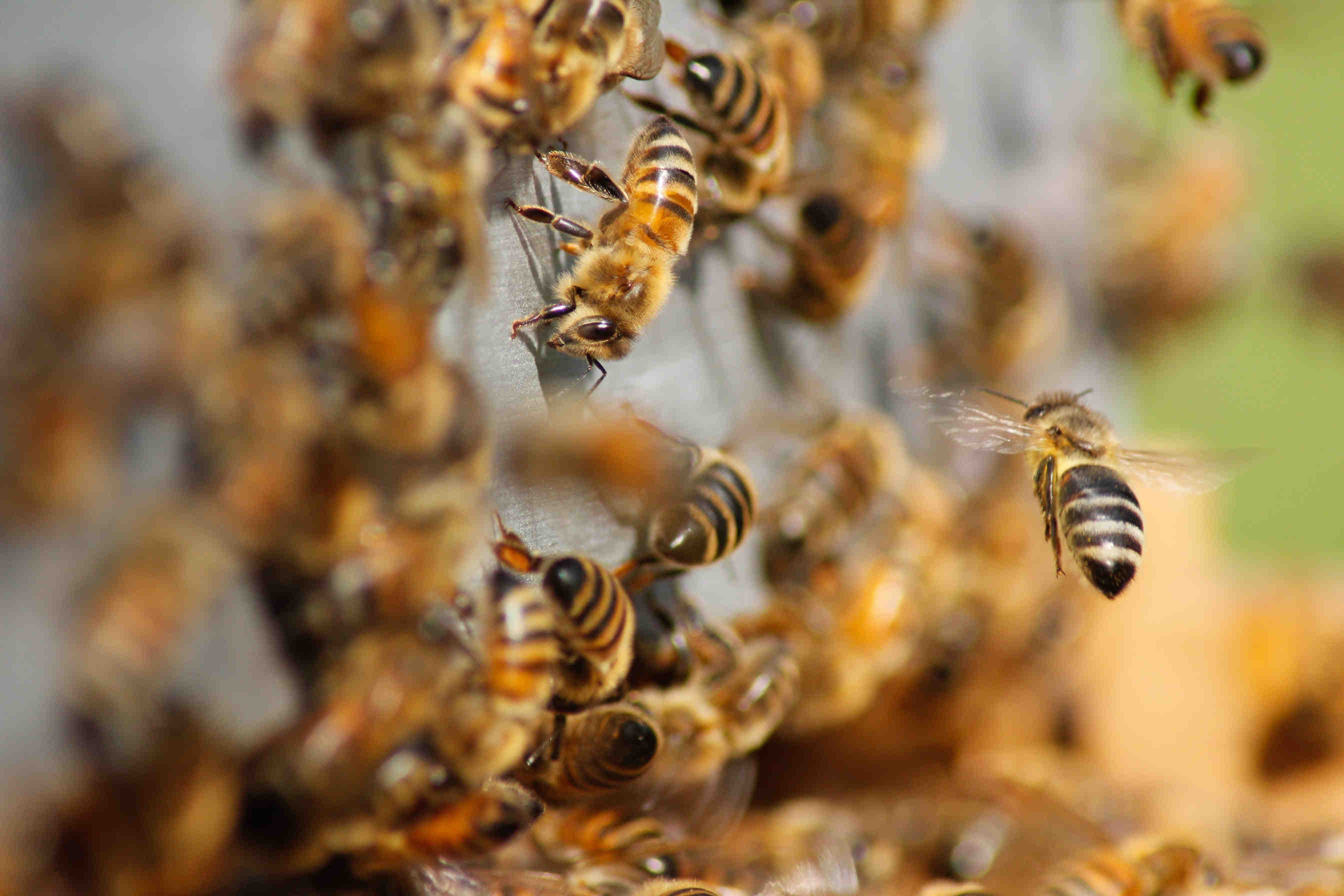
Being able to witness live the development of the colony, the birth of new queens and their evolution is not for everyone, unfortunately. However, it is possible to get closer to the life of the colony thanks to remote hive monitoring systems. These instruments allow the detection of some important biological parameters of the colony, including weight, temperature, humidity and sound. Based on these data, it can be understood whether the family is growing or not, whether the queen is laying and whether she is present in the hive.