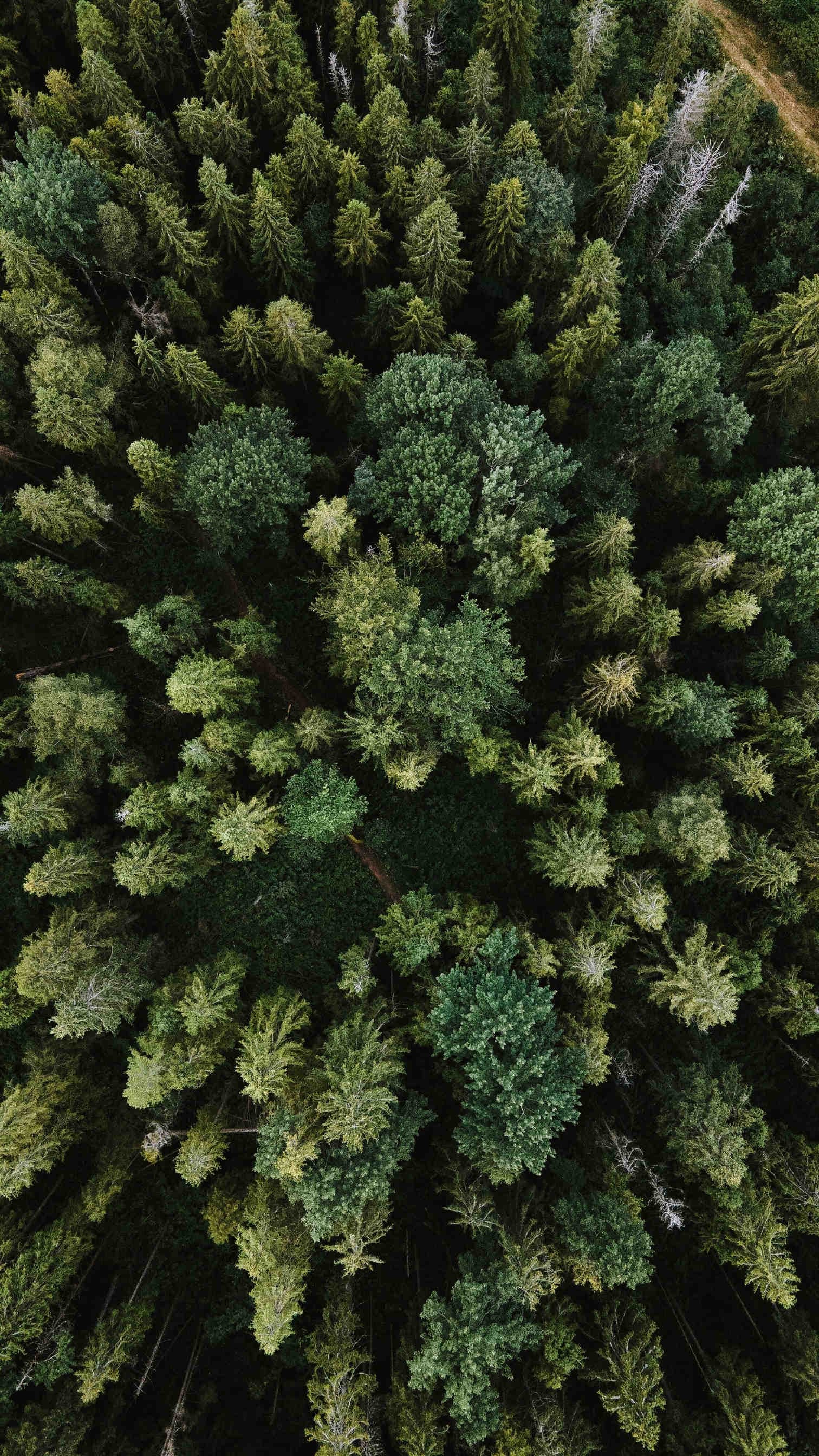
3Bee's approach to biodiversity protection
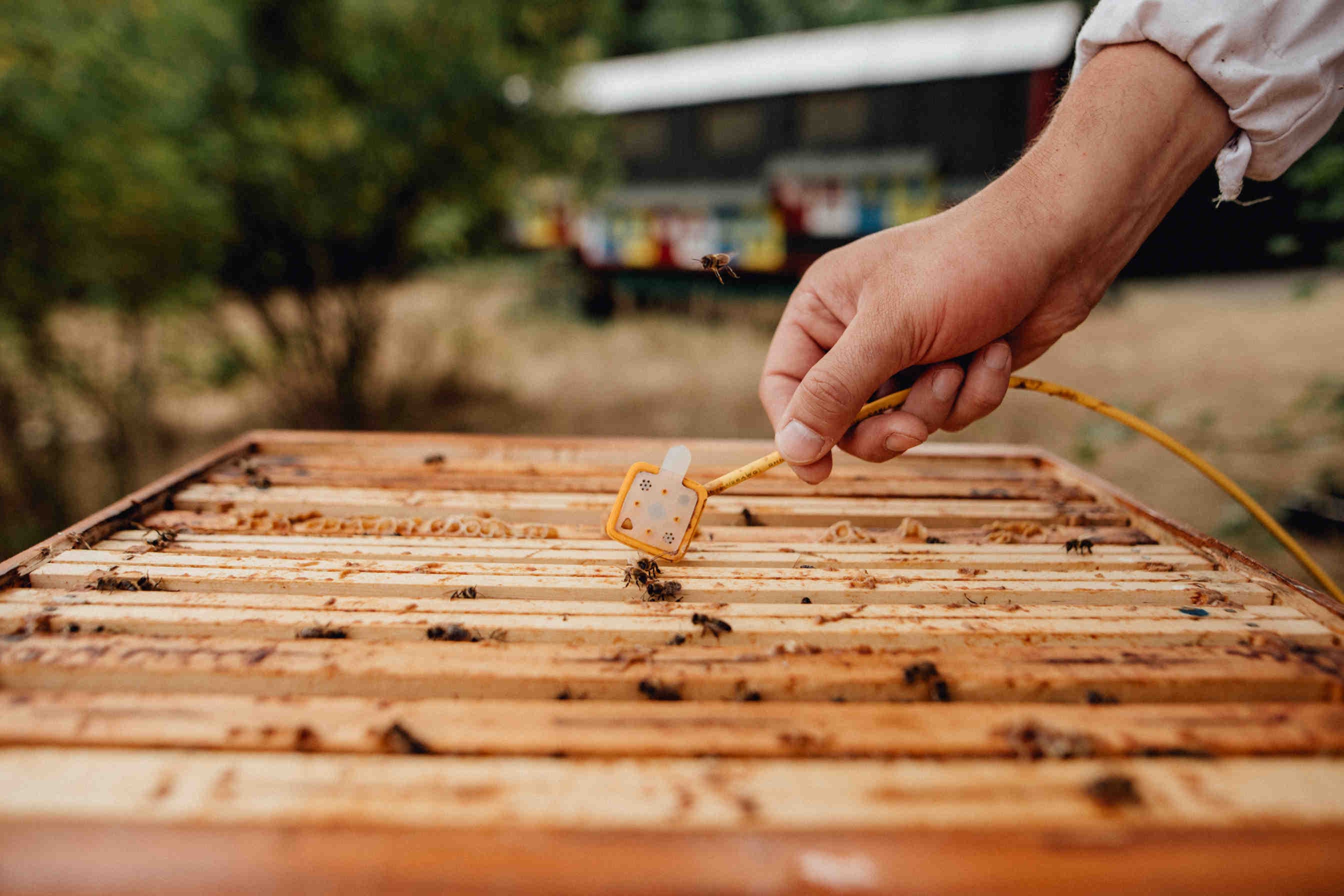
At 3Bee, honey is a symbol of the hard work of pollination done by bees and the realisation of their contribution to the ecosystem. Our projects support biodiversity and through our growers ensure a healthy environment for pollinators.
Read the articleAlfalfa is a plant found all over the peninsula, but only in a warm and humid climate does it guarantee sufficient nectar production for monofloral production. The production of this honey is mainly concentrated in Lombardy, Veneto and Emilia - Romagna. A plant that flowers between May and September is a herbaceous plant belonging to the Fabaceae family.

Lucerne honey is amber-coloured, only after the crystallisation, which is very rapid, tending to beige-hazelnut. Smell and aroma are medium intense and persistent. The vegetal odour is slightly pungent and reminiscent of melted beeswax and wet grass. While on the palate, it often recalls the taste of cooked milk or grape must. Among its
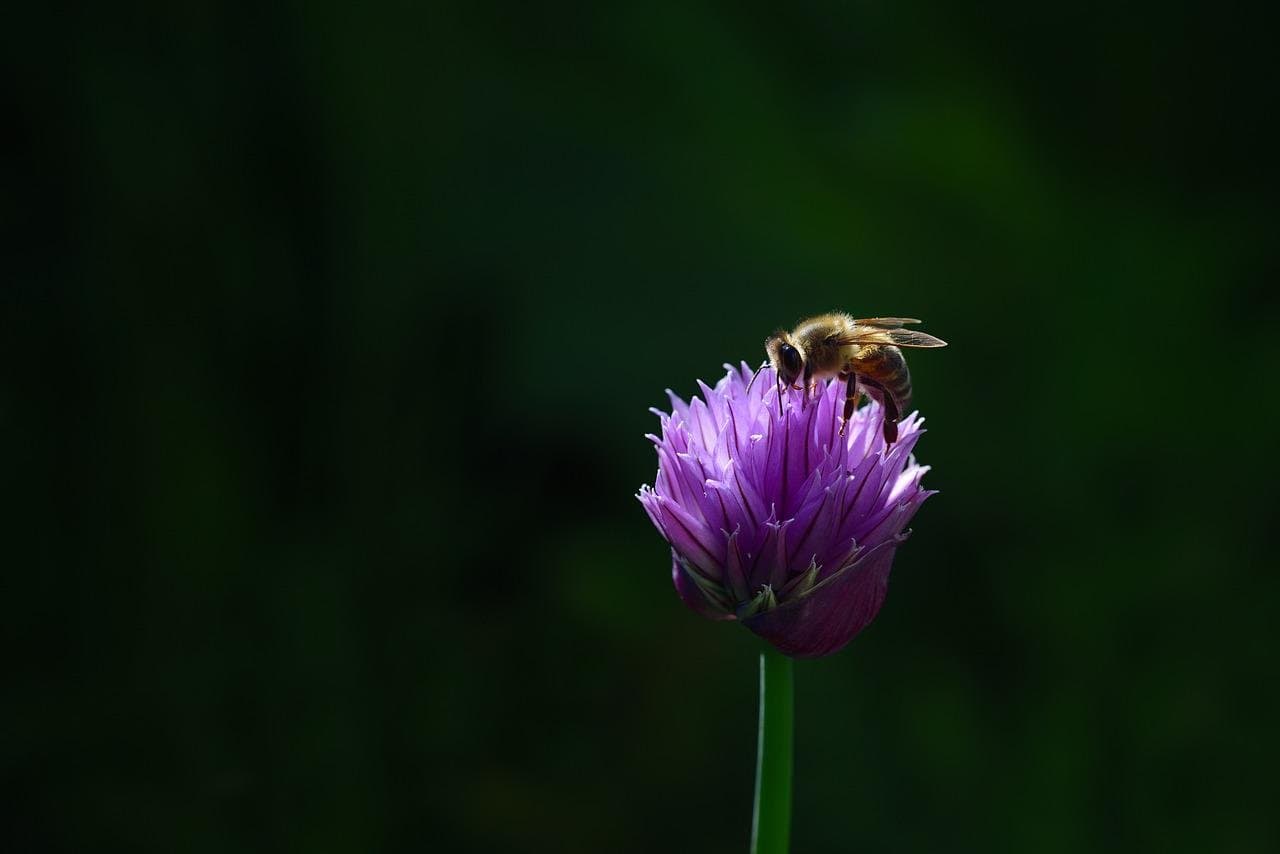
Now that you know what alfalfa honey looks like and what characteristics it has, you just have to taste it. On the Adopt a Beehive platform you can find all 3Bee beekeepers, the modern 4.0 hero of bees. Among our beekeepers are Apicoltura Costenaro with its precious Herbal Medicine Honey. Through technology, they protect these fundamental pollinators, constantly monitoring their health and intervening promptly in case of emergencies or problems. What matters in a beekeeper's heart are bees and their well-being. Protect them too and choose a beehive!
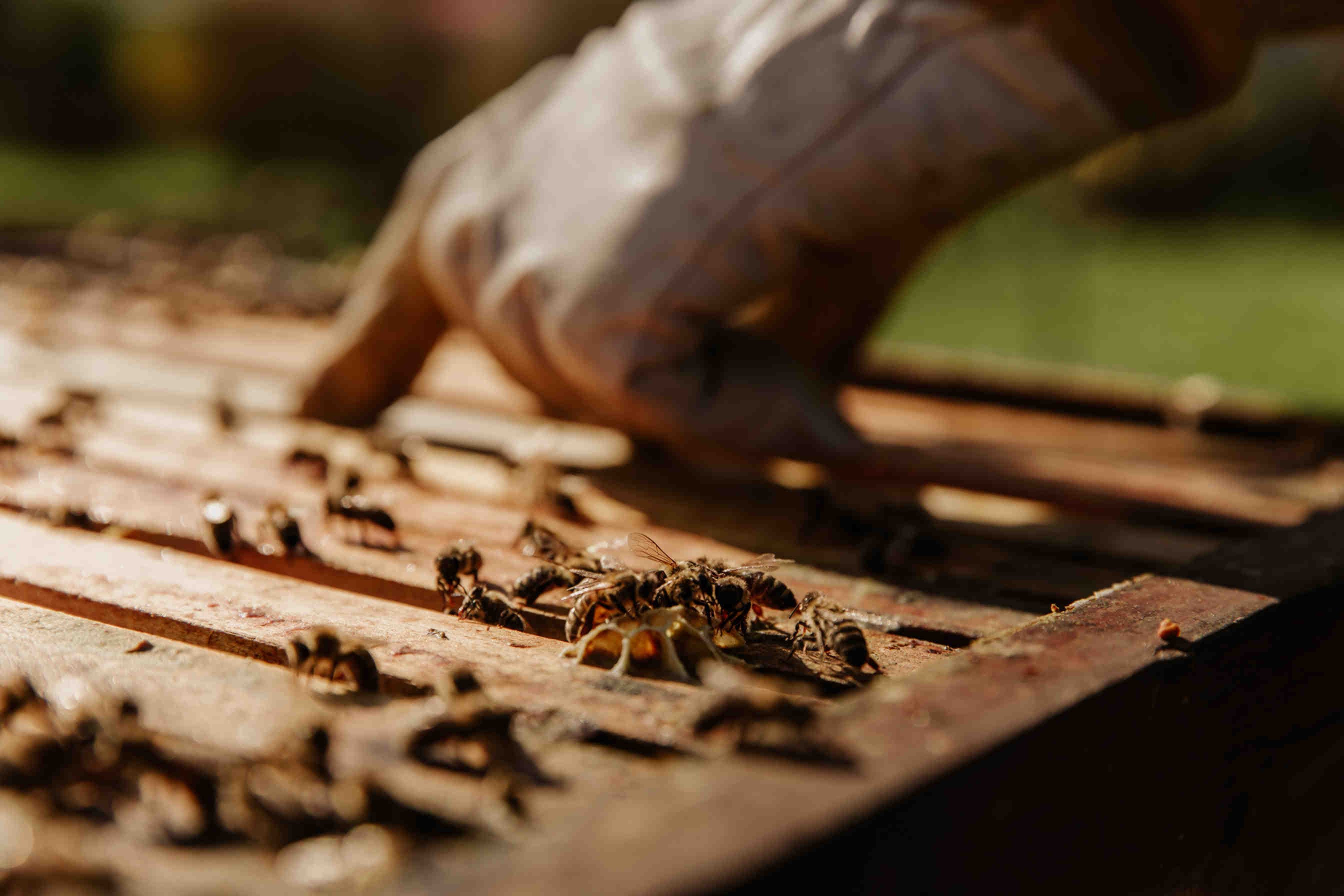

Alfalfa honey crystallises quite early on, and can be recognised by its light beige to hazelnut colour. On the palate, alfalfa honey is normally sweet, with a lingering note of acidity and astringency. It has a moderately persistent aroma with a

The information contained in this blog concerns the
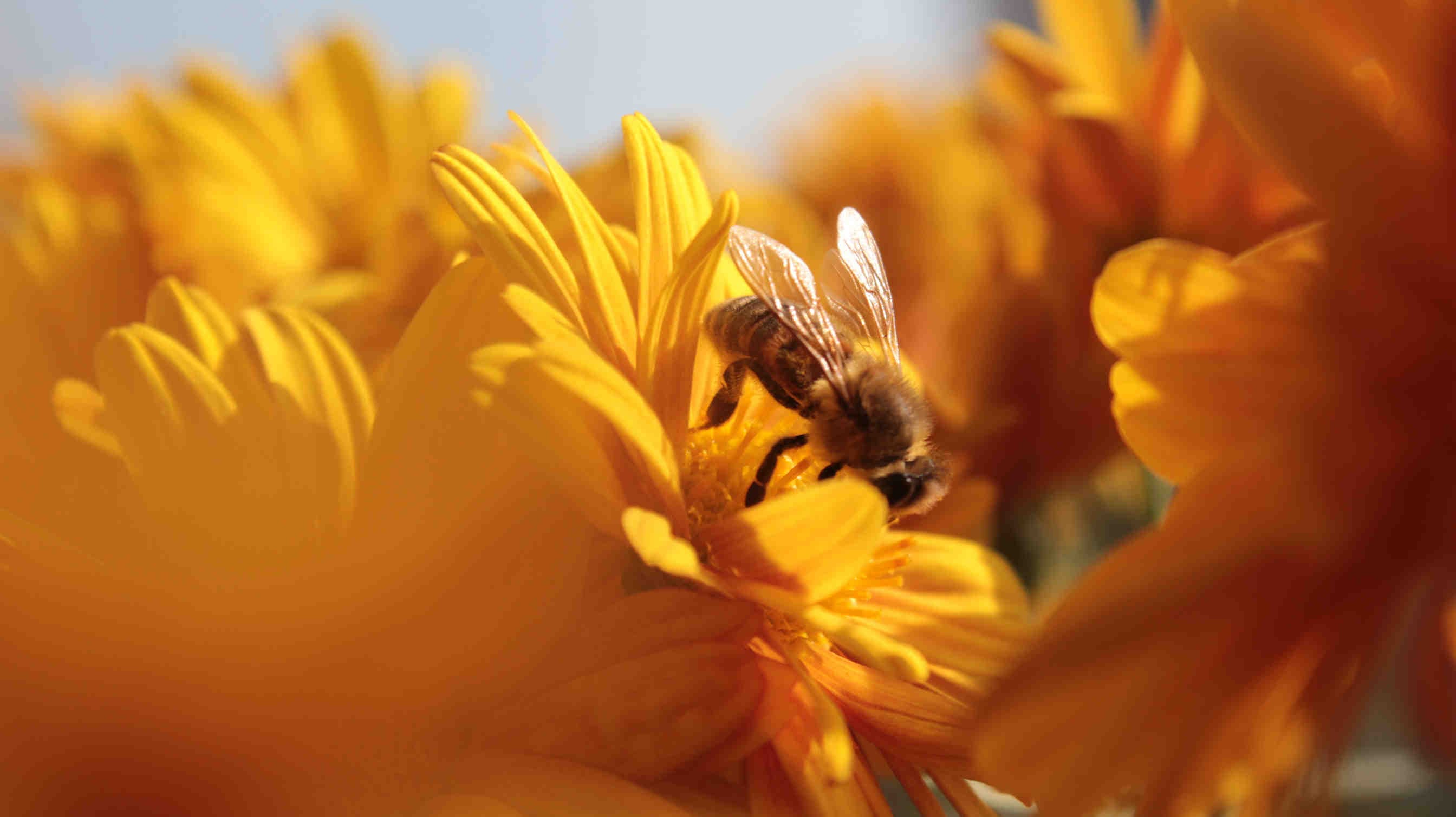
The aim of this blog is to promote and disseminate a deeper understanding of the