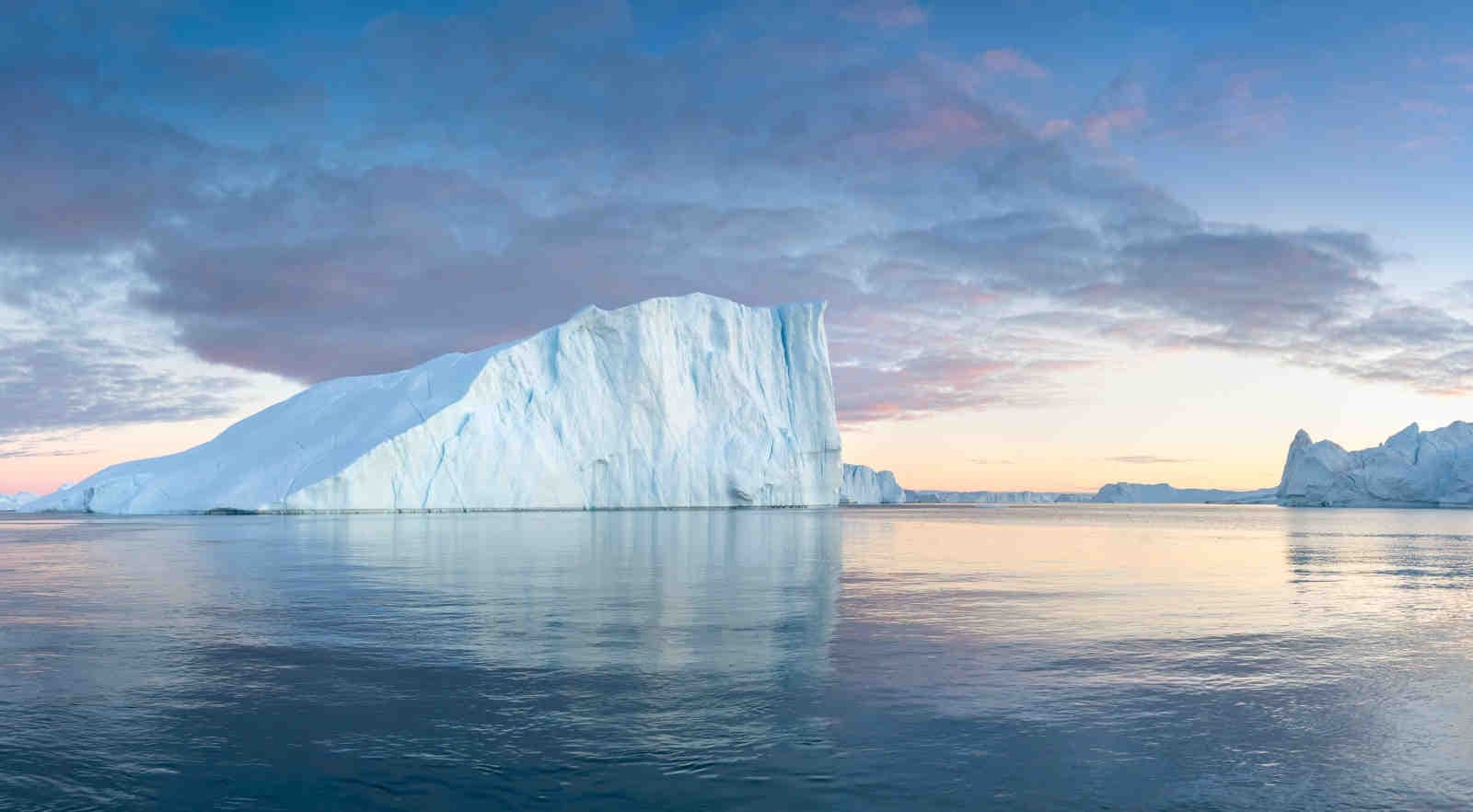
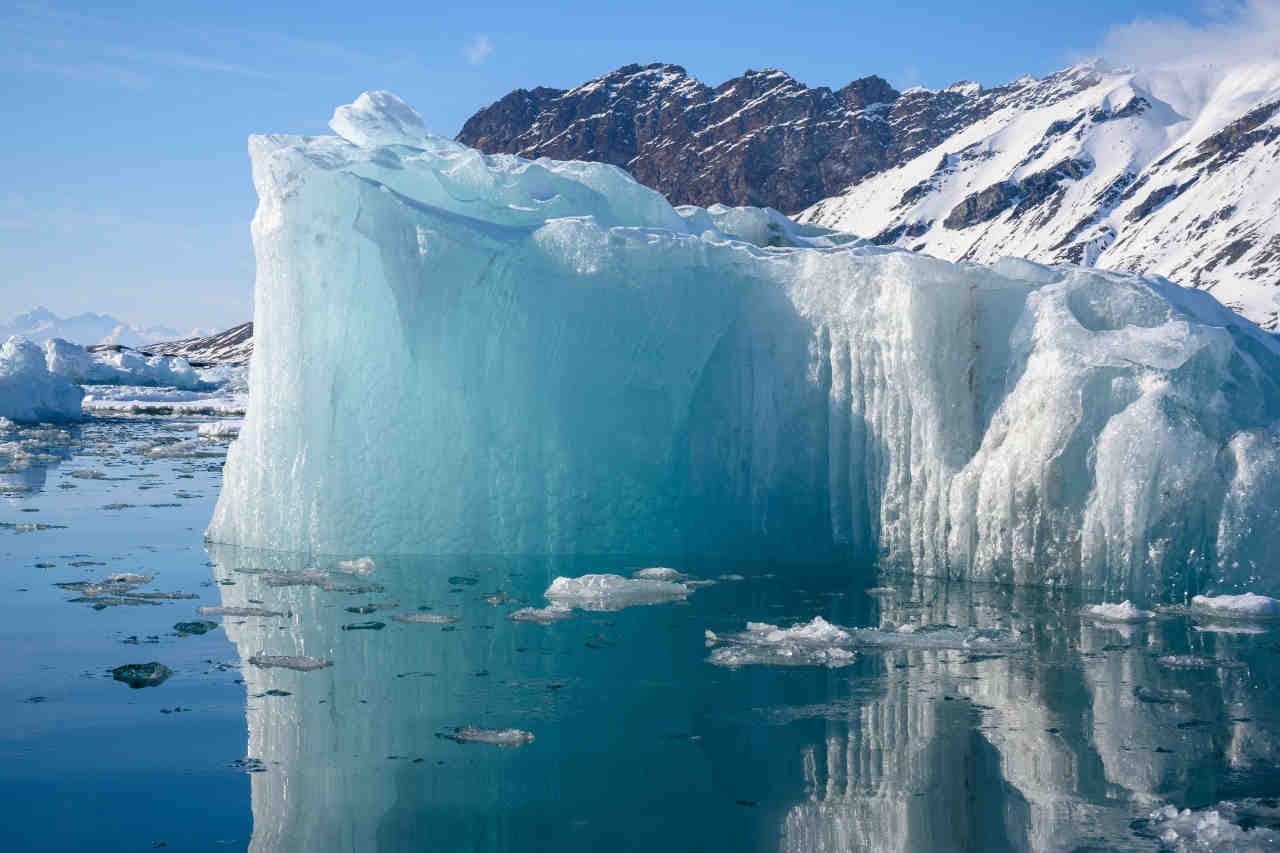
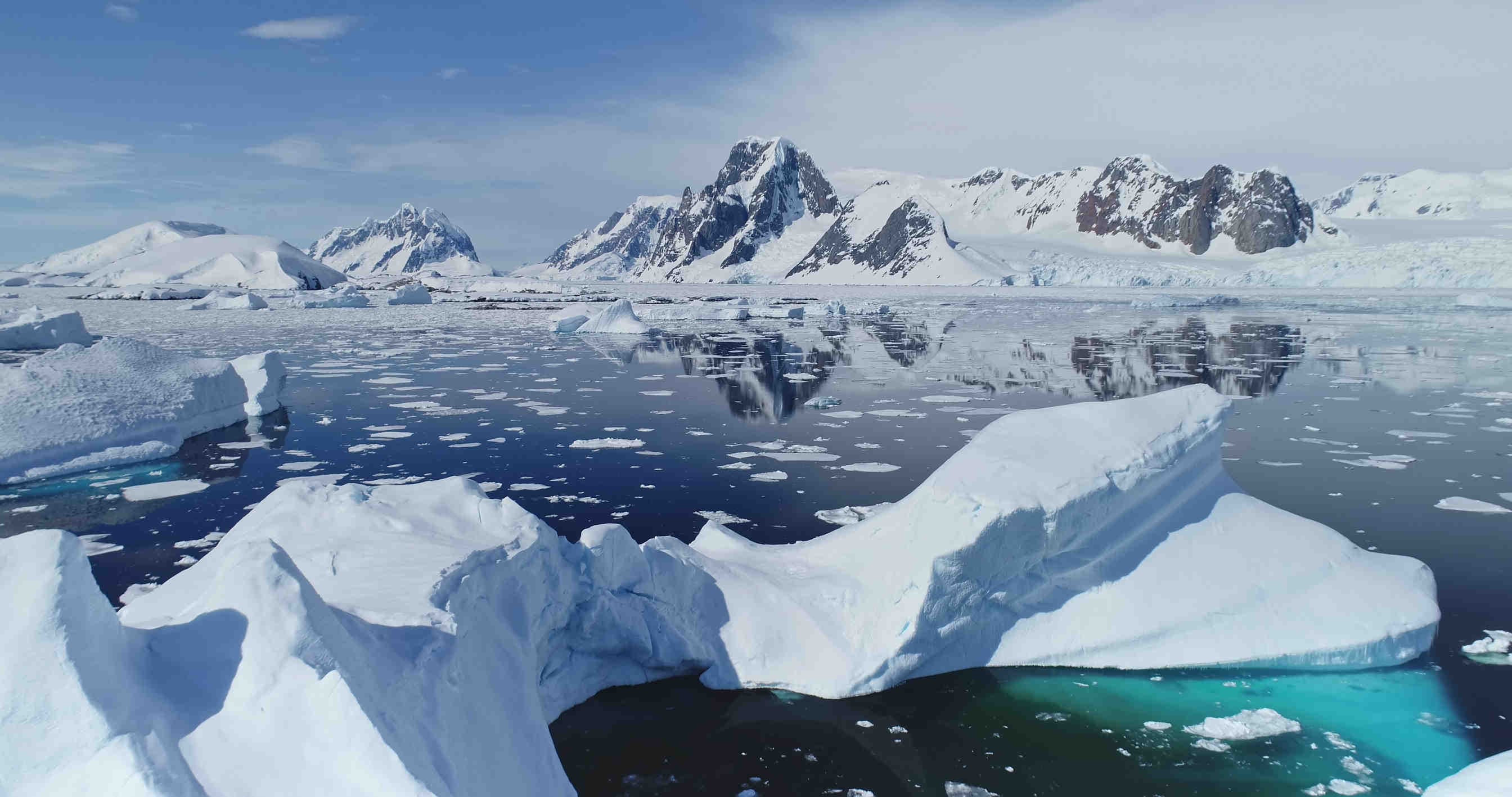
Arctic Sea Ice at Historic Lows: Causes and Consequences
    Sea iceReductionProspectsWarming

    Arctic Sea Ice at Historic Lows: Causes and Consequences

    According to data from NASA and the National Snow and Ice Data Center, Arctic sea ice reached its lowest level ever recorded in 2025. An alarming sign of ongoing climate change, which has serious consequences for the environment and climate globally.

    Read the article
    03/04/2025Of 3Bee, Angelina Tortora
    222 Views
    03/04/2025Of 3Bee, Angelina Tortora
    222 Views

    Arctic sea ice reaches historic low

    Disclaimer: this is an automated translation from Italian. Go to the original article.

    On March 22, 2025, the Arctic sea ice reached its lowest annual extent since 1978, covering only 5.53 million square miles, about 1.1 million square miles less than the previous year. This figure marks a new alarming low that highlights the continued reduction in ice surface, with significant impacts on the climate and global ecosystems. The previous minimum was recorded in 2017, when the ice coverage amounted to 5.86 million square miles, highlighting a significant decline from historical values. This phenomenon is one of many indicators of global warming.
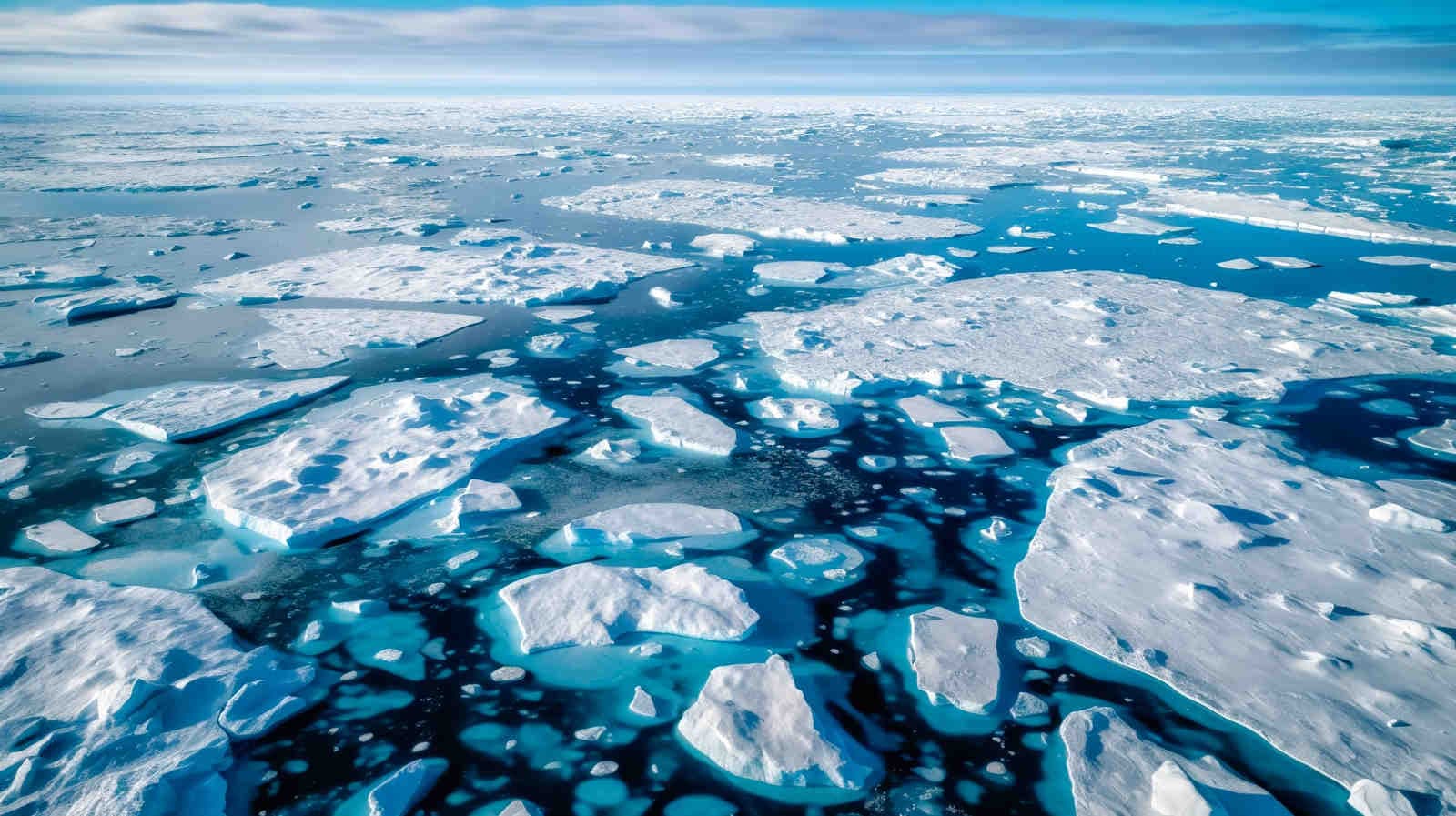
    Un declino senza precedenti nei ghiacciai marini

    The factors contributing to ice reduction

    In January 2025, Arctic sea ice experienced an unexpected reduction, losing about 115,000 square miles, which is more than the area of Italy. The causes of this phenomenon include cyclones that pushed warm winds towards the Arctic waters, particularly in the Barents Sea and Bering Sea areas. These winds caused waves that eroded and melted the thin ice at the edges of the ice floes. Additionally, record temperatures, up to 12°C higher than the seasonal average between Greenland and the North Pole, accelerated the melting process.
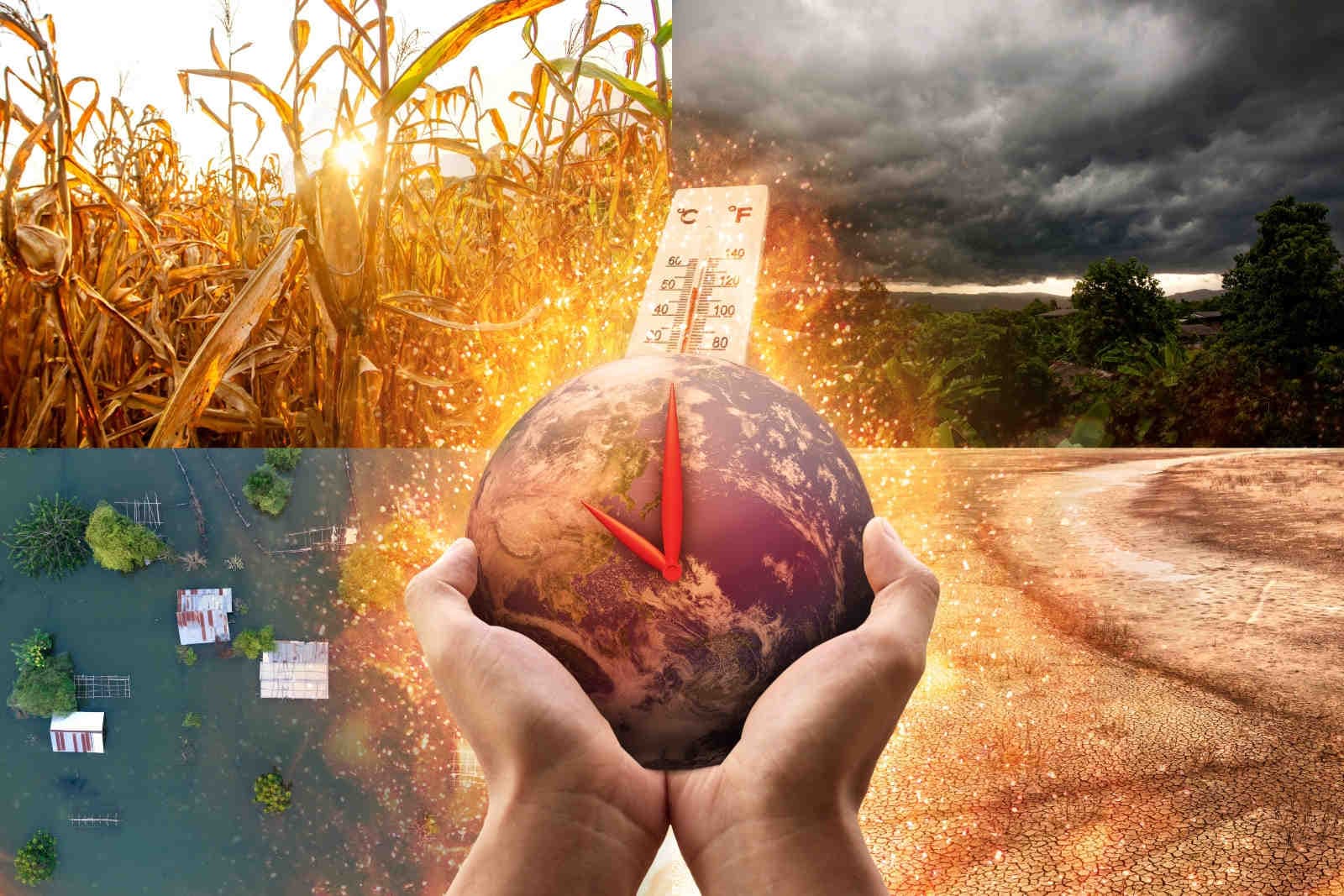

    Cambiamento climatico: temperature anomale
    XNatura

    Future prospects for Arctic ice

    Forecasts indicate that the decline of Arctic ice will continue in the coming years due to the ongoing warming of temperatures and the influence of winds breaking the ice. According to some climate models, the Arctic could experience ice-free summers before 2050, although these projections remain uncertain. In any case, the loss of ice has enormous consequences on the global climate, including rising sea levels and the impact on marine and terrestrial ecosystems.

    Prospettive future per il ghiaccio artico

    The accelerated warming of the Arctic

    The Arctic is warming at a much faster rate compared to other regions of the world, a phenomenon known as "Arctic amplification." This means that the Arctic is absorbing more heat due to the reduction of ice surface, which reflects less sunlight and allows the oceans to absorb more heat. This vicious cycle further amplifies warming, with global effects that extend beyond the Arctic region and influence atmospheric currents and the climate patterns of other areas of the world.

    Piogge abbondanti e rischio di alluvioni
    XNatura

    The global consequences of Arctic ice reduction

    The loss of Arctic sea ice has repercussions far beyond the Arctic itself. In addition to contributing to sea level rise, which endangers coastal areas, Arctic warming alters atmospheric patterns, causing extreme weather events such as storms, heat waves, and heavy rains. These global climate changes are a clear signal of the urgent need for interventions to reduce greenhouse gas emissions and mitigate the effects of climate change. The Arctic is not only a barometer of global warming but a crucial indicator of the actions we must take to protect our planet.
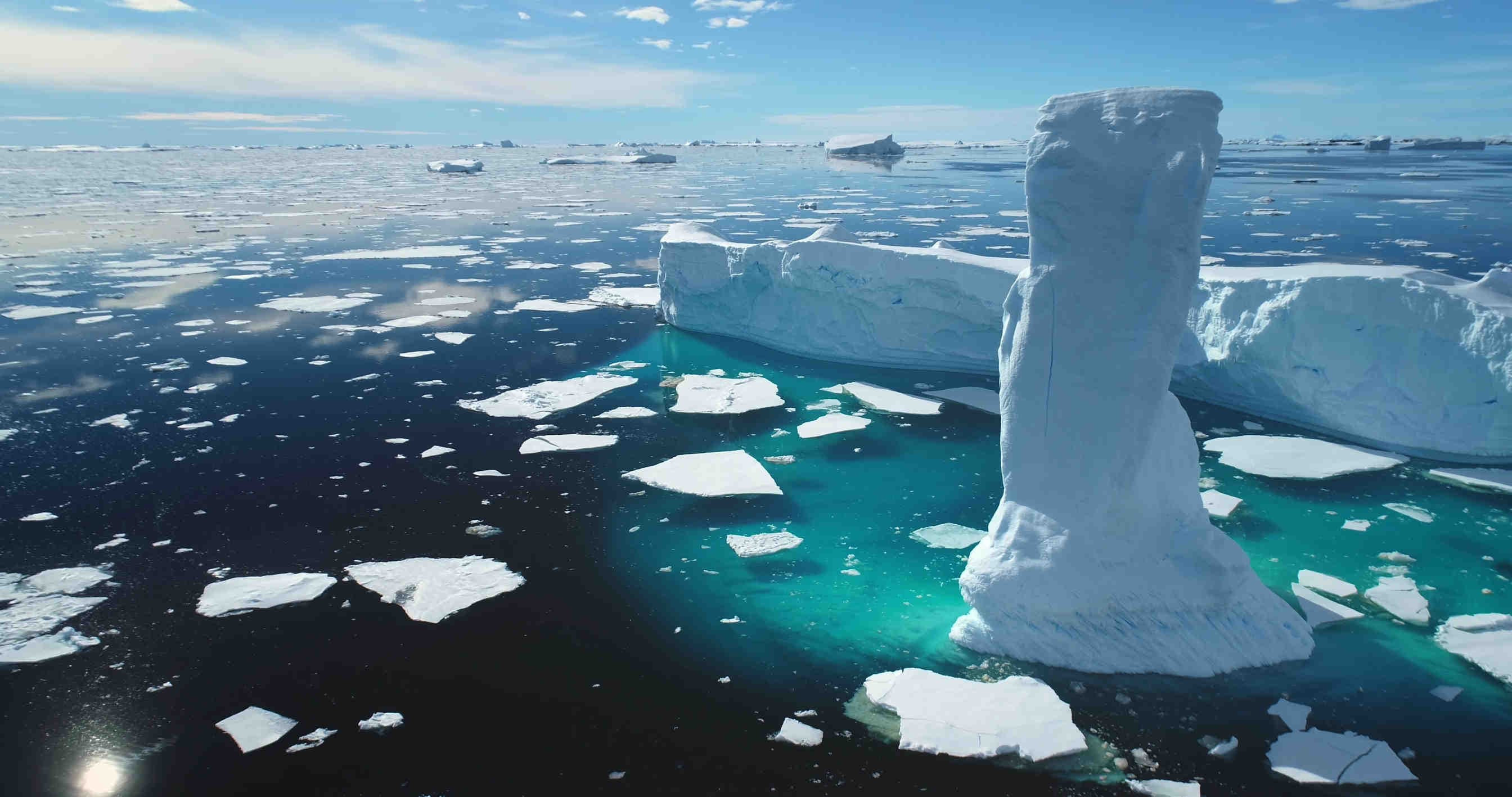
    scioglimento ghiacciai
    3Bee

    3Bee's expansion into international markets

    This article was created as part of the project "Biodiversity services EU expansion" (CUP: E43D22000480009) supported by the Regione Lombardia call "PR FESR 2021-2027 – LINEA INTERNAZIONALIZZAZIONE 21-27", aimed at supporting the internationalization of Italian companies. 3Bee is the naturetech company that develops innovative technologies for monitoring, protecting, and regenerating biodiversity, assisting companies in defining customized climate strategies based on the analysis of their impacts and dependencies on nature. With a consolidated portfolio in Italy, Germany, and France and notable partnerships, 3Bee continues its expansion in international markets to create a tangible impact through technology.

    03/04/2025Of 3Bee, Angelina Tortora
    222 Views
    Newsletter
    newsletter
    Subscribe to the Blog about bees and biodiversity

    Frequently Asked Questions

    Do you have any doubts or other curiosities about this article? Here you will find some insights