General characteristics of the fig
Disclaimer: this is an automated translation from Italian. Go to the original article.
The
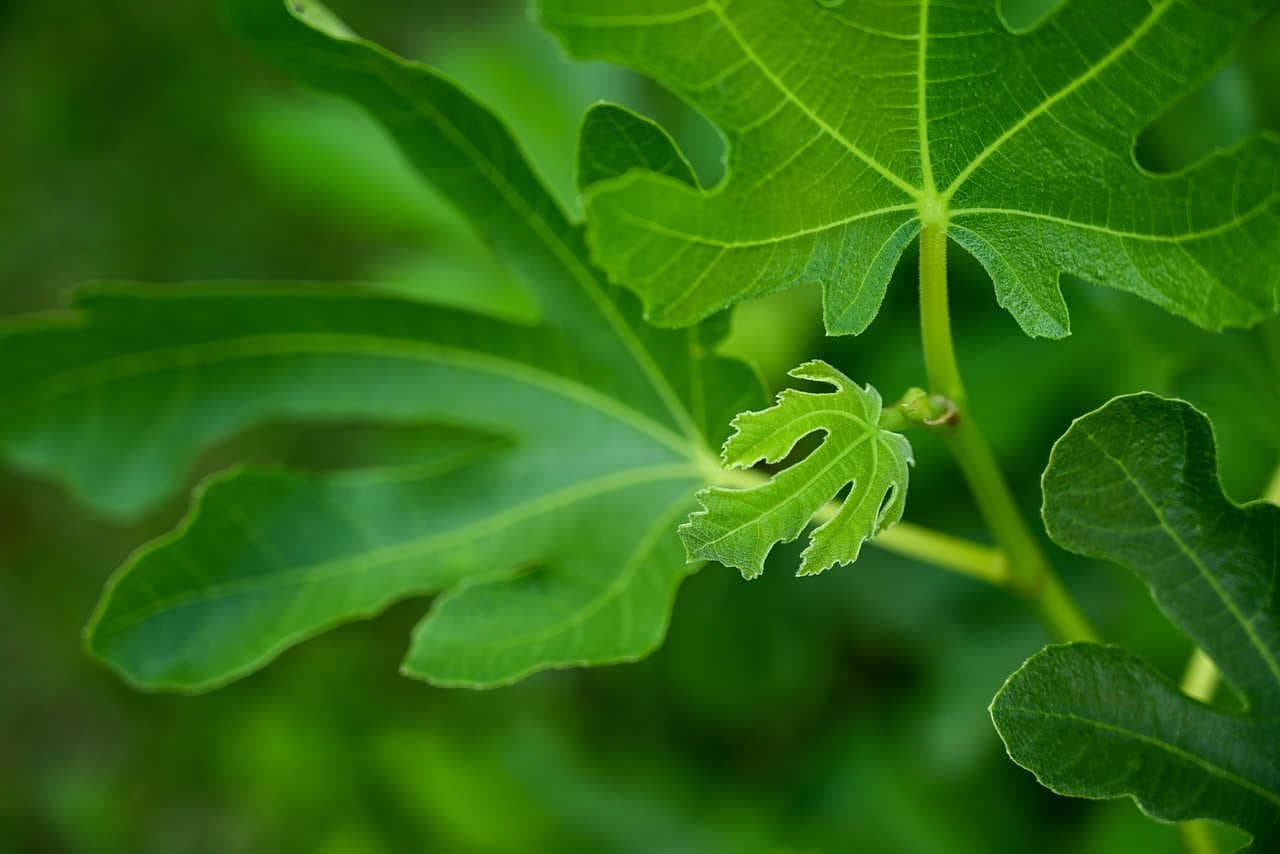
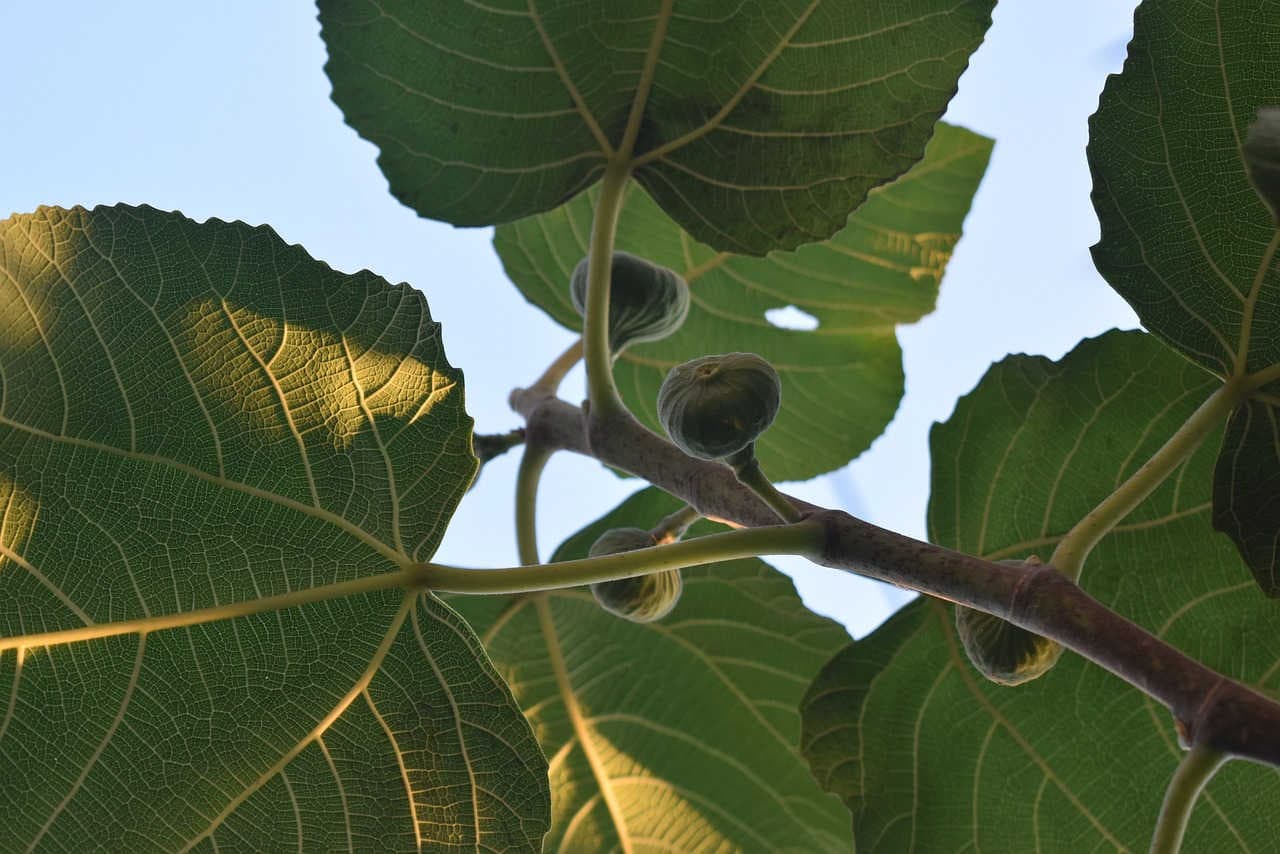
The fig is one of the oldest plants and has played a crucial role in biodiversity for millions of years. Indeed, the pollination of its fruits, technically the infructescences, hides an extraordinary mutualistic relationship between species with the wasp Blastophaga psenes.
Read the articleDisclaimer: this is an automated translation from Italian. Go to the original article.
The
The fig is a highly adaptable plant, able to thrive in temperate and subtropical environments. Of a xerophilous and heliophilous nature, this species is well adapted to hot and dry climates, preferring well-drained and sunny soils, but also tolerating long periods of drought and less fertile soils. Its
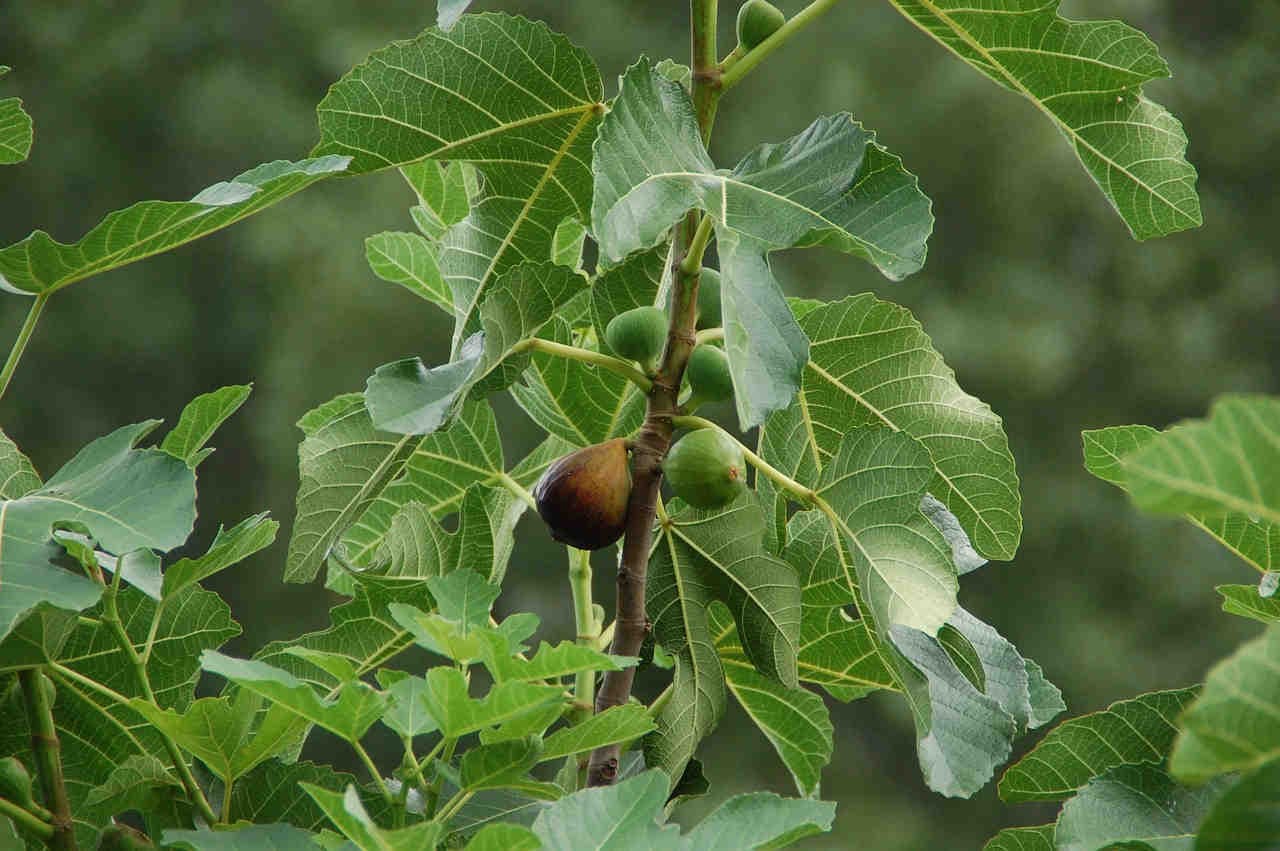

Recognising a fig tree is easy thanks to its broad leaves and characteristic fruits.
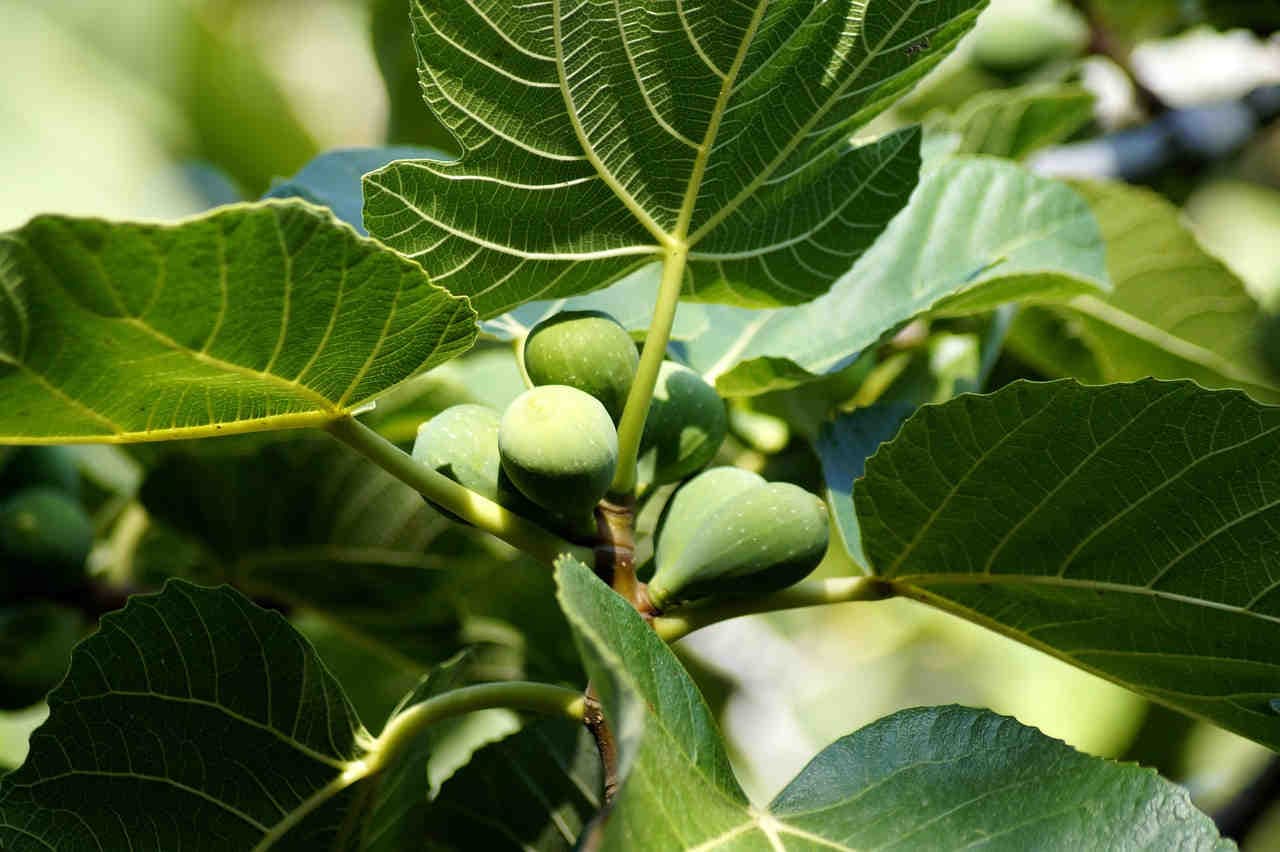
Besides its ecological value, the fig is known for its


Figs, contrary to popular belief, are not a true fruit but an infruit, i.e. a collection of fruits. Fig trees, which are distinguished into males and females, do not produce visible flowers like those of other fruit plants:
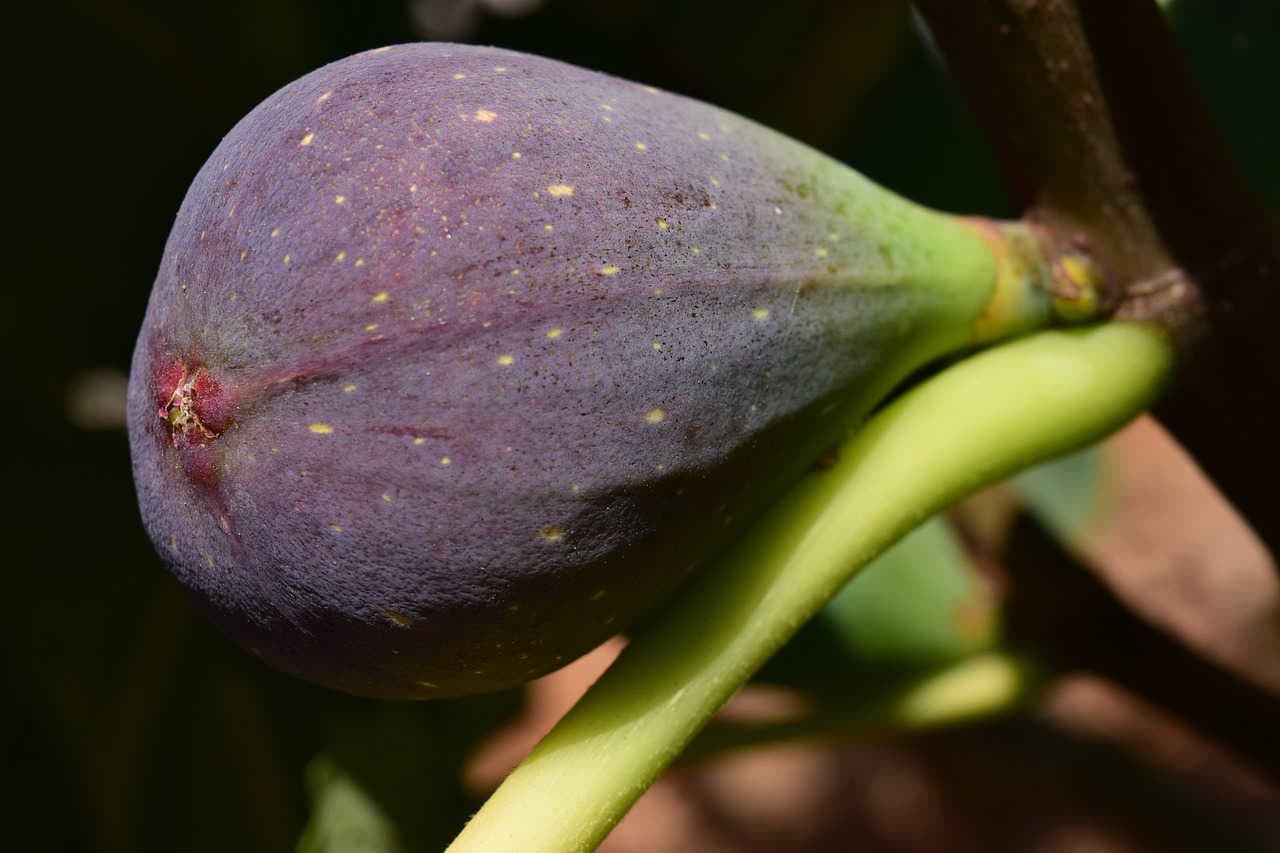

The pollination of the common fig, Ficus carica L., is based on a fascinating example of obligate mutualism with the wasp Blastophaga psenes. The female of this pollinator needs the protected environment of the male fig syconium to lay her eggs. However, once inside it, she loses her wings and dies, only managing to complete laying. The life cycle continues thanks to the larvae: the males, which display sexual dysmorphism with the absence of wings and strong jaws, emerge from their own eggs and also open those of their sisters, with whom they mate. Thanks to the tunnels dug by the males, the females, fertile and loaded with pollen, leave the fruit. These, looking for new figs, may mistakenly enter the female ones, where they find no space to lay their eggs and die inside. Their sacrifice and these circumstances allow the continuation of this incredible example of coevolution for a good 34 million years.
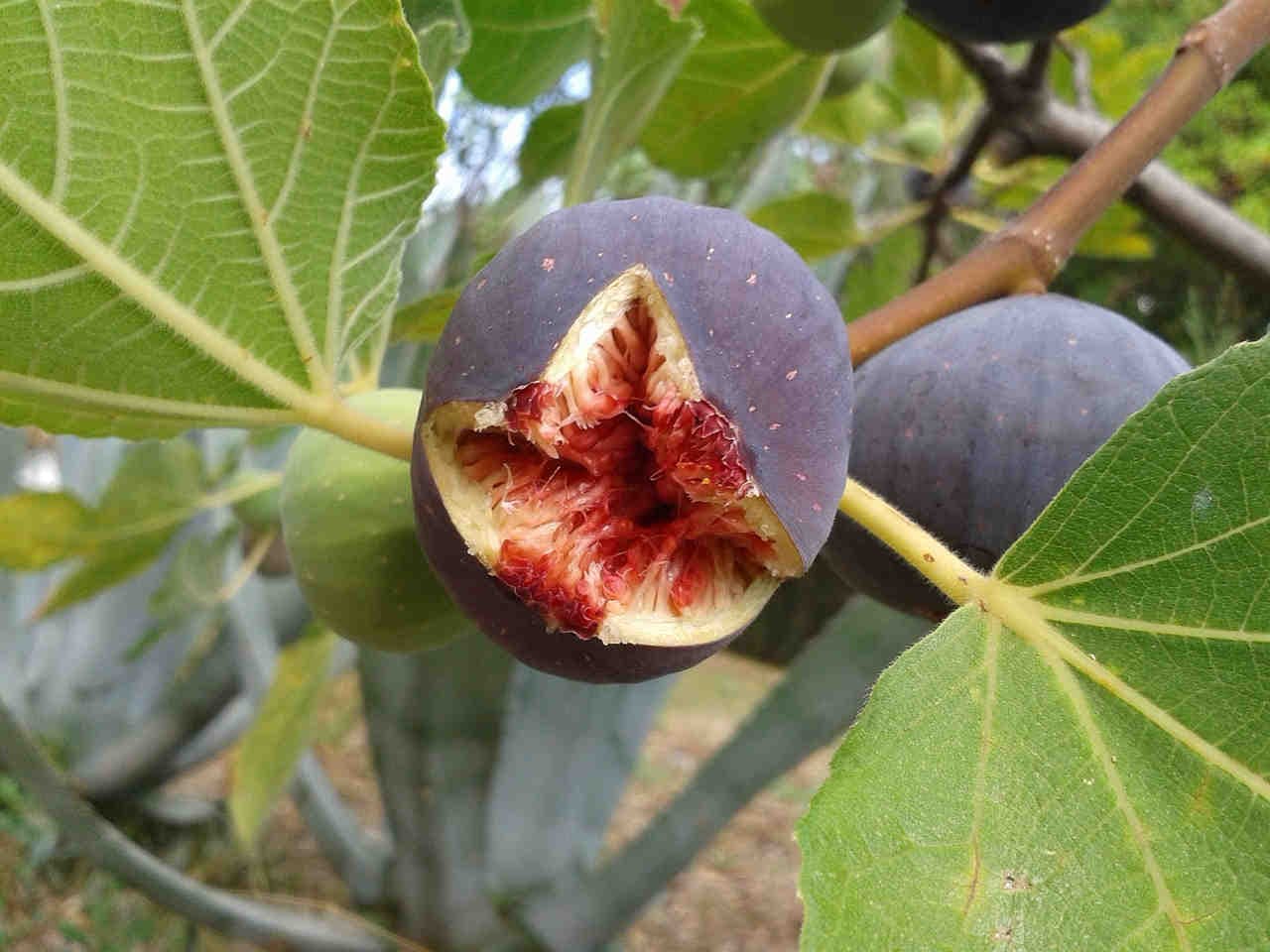
If you want to find out more about the secrets that nature hides around us, download Biodiverse: the free game app for monitoring biodiversity that allows you to 'collect' and easily identify the plants you come across during an outdoor walk. An ambitious citizen science project aims to create a cooperative archive dedicated to flora in Europe, involving player users with challenges to catalogue species, some of which are rare or endangered. From 9 September 2024, moreover, the 'Biodiverse Heroes' competition will start: each new and different plant photographed and captured allows you to earn a point and climb the leaderboard, to try and win fantastic prizes. The aim is to reward the most 'biodiverse' nature explorers. The app is available for iOS and Android.
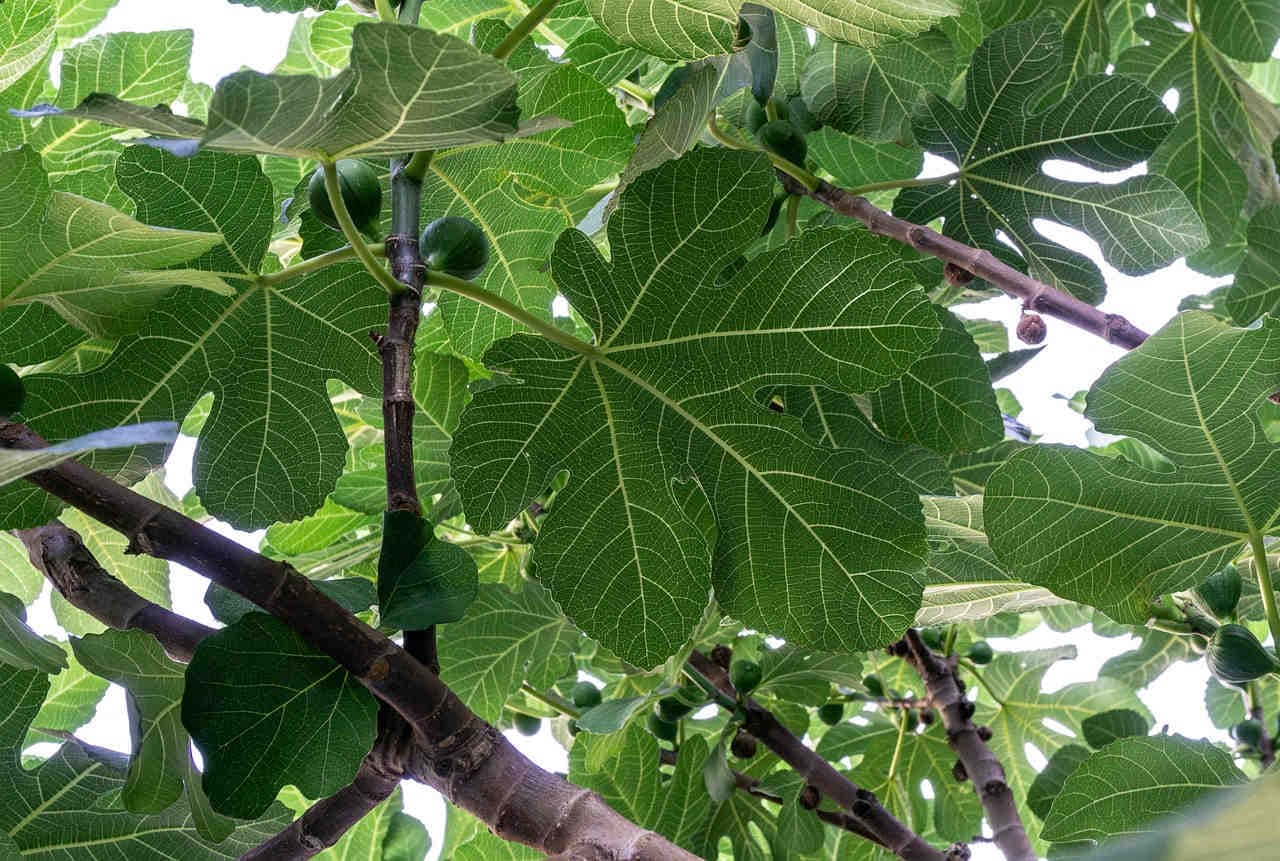

Do you have any doubts or other curiosities about this article? Here you will find some insights