A Shared Strategy for Climate in Central Asia
    ClimateCentral AsiaCooperationUzbekistan

    A Shared Strategy for Climate in Central Asia

    The Samarkand Climate Conference confirms Central Asia's role as a leader in the fight against climate change. Uzbekistan promotes a new model of regional cooperation based on sustainability, dialogue, and shared responsibility.

    Read the article
    09/04/2025Of 3Bee, Angelina Tortora
    101 Views
    09/04/2025Of 3Bee, Angelina Tortora
    101 Views

    Samarkand at the center of climate dialogue

    Disclaimer: this is an automated translation from Italian. Go to the original article.

    The city of Samarkand, in Uzbekistan, hosted last week the international conference “Central Asia Facing Global Climate Challenges: Consolidation for Shared Prosperity”, at the center of the climate dialogue. Organized as part of the Samarkand Solidarity Initiative, promoted by the president of Uzbekistan, the event saw the participation of Central Asian heads of state, representatives from the European Union, international organizations, and academic institutions. Additionally, the Conference aimed to serve as a platform to develop shared solutions for climate security. The significance of the agenda was amplified by the participation of global experts and the need to revive international cooperation in a context marked by geopolitical tensions and global crises.

    Samarcanda al centro del dialogo climatico

    The challenge of climate change in Central Asia

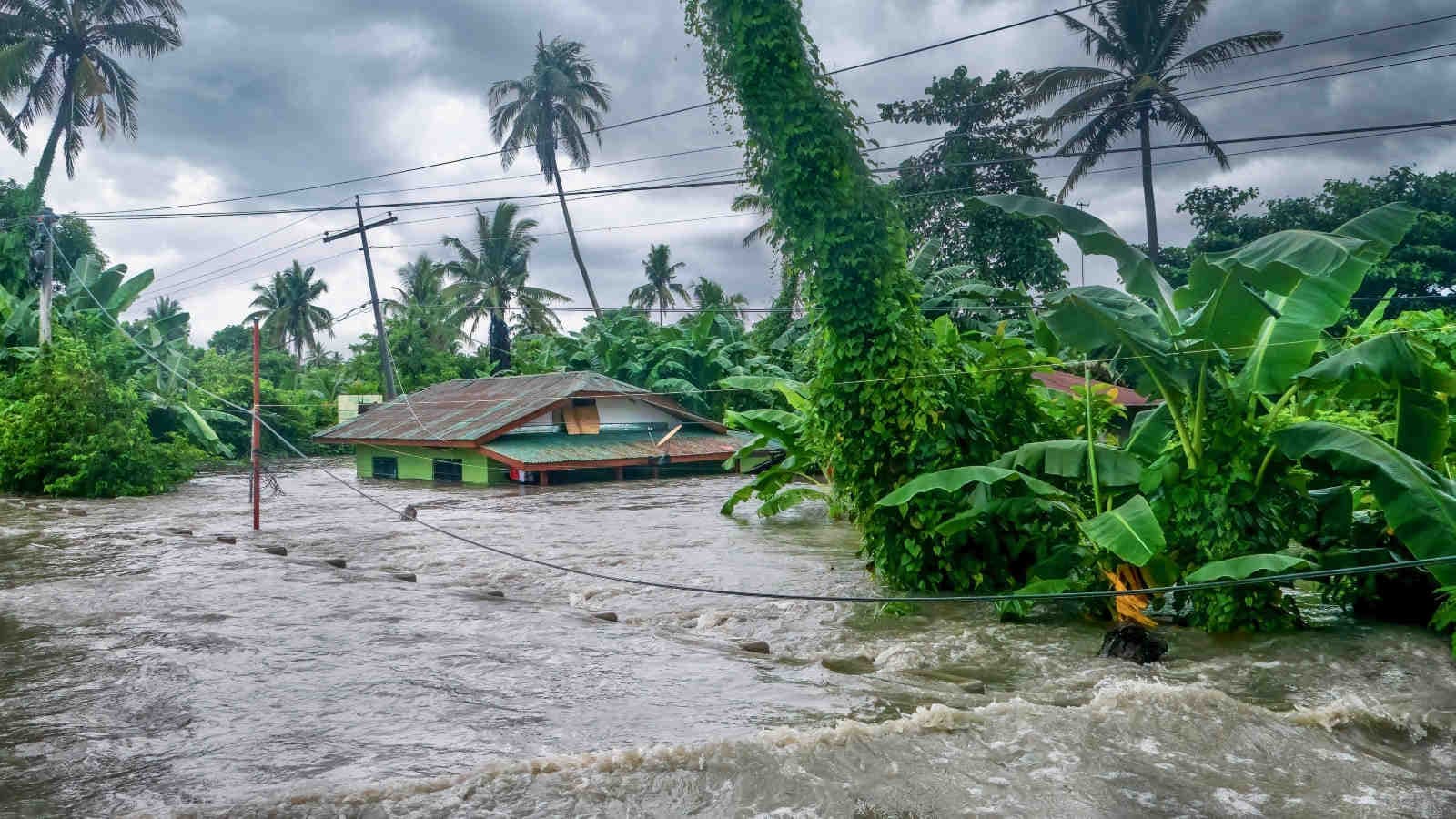
    Central Asia is one of the most vulnerable regions to climate change, with an average temperature increase of 1.5°C over the past 60 years, double the global average. The consequences are dramatic: glacier melting, desertification, soil degradation, and water scarcity. Over 80% of water resources come from glaciers that have shrunk by 30% in the last 50 years. According to forecasts, by 2050, water resources in the Syr Darya and Amu Darya basins could decrease by 5% and 15% respectively, with serious repercussions on food security and economic development. Additionally, growing demographic dynamics and a demand for agricultural water that could increase by 30% already by 2030 further exacerbate the situation. Recent international climate conferences have highlighted the urgency of addressing the issue by promoting more efficient use of natural resources and solutions based on scientific data.

    La sfida del cambiamento climatico in Asia Centrale
    XNatura

    Climate and regional cooperation in Central Asia

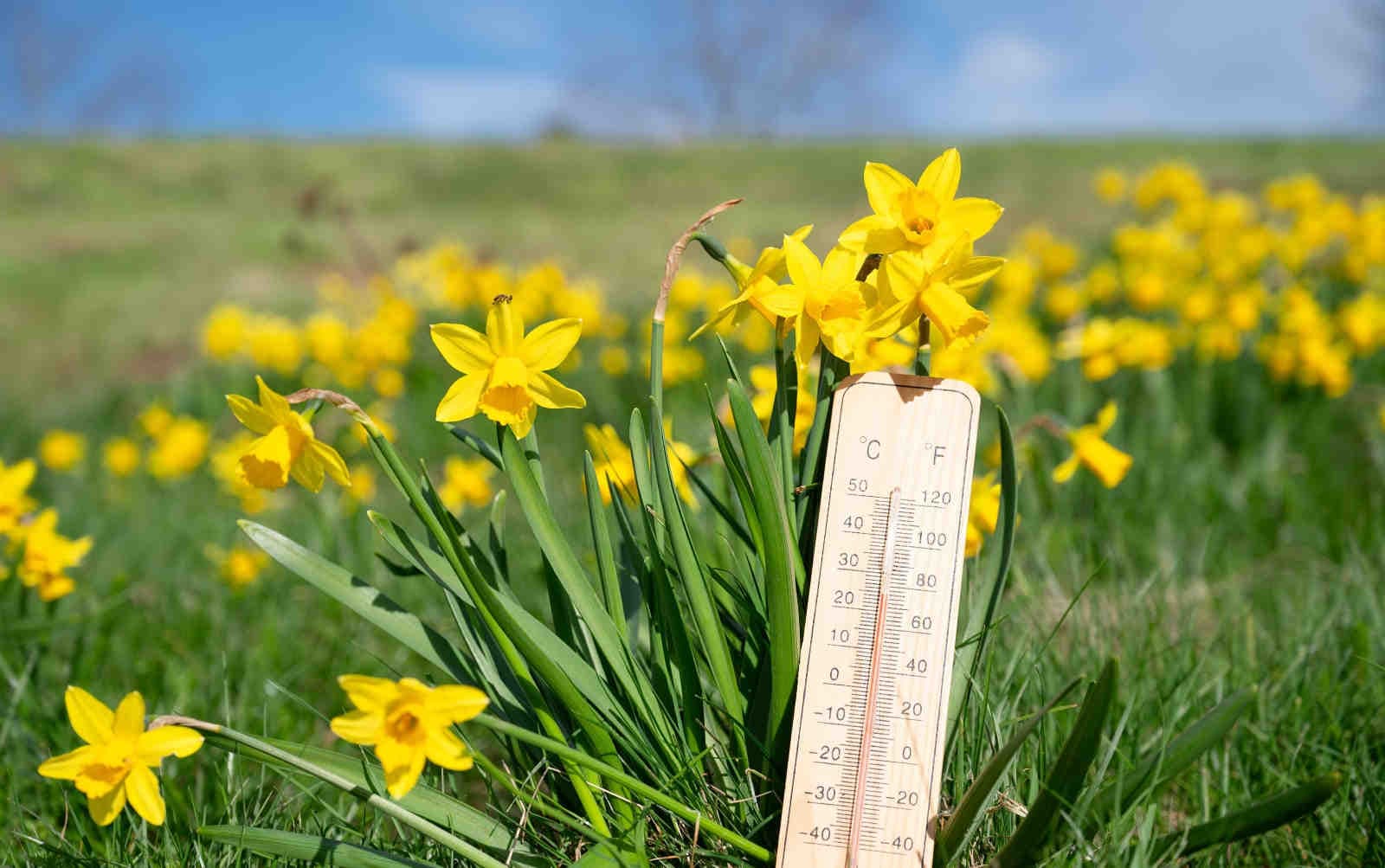
    While many areas of the world struggle to find a common path, Central Asia stands out for cohesion and shared responsibility. The countries in the region recognize climate change as a common priority and are strengthening interstate dialogue for sustainable resource management. Rising temperatures, urbanization, and pressure on water resources require joint planning. Uzbekistan, Kazakhstan, Kyrgyzstan, Tajikistan, and Turkmenistan are building a network of cooperation on water, energy, agriculture, and climate resilience. The constructive dialogue initiated in recent years has consolidated a shared vision, based on environmental stability as a key to regional development.
    Clima e cooperazione regionale in Asia Centrale

    The Uzbek model of sustainable development

    Uzbekistan stands out for its strategic vision of sustainable development. In recent years, the country has adopted strategic plans to reduce emissions, enhance renewable energy, and improve efficiency in managing natural resources. The year 2025 will be dedicated to environmental protection and the promotion of a more sustainable economy. Significant projects for reforestation, rehabilitation of the former Aral Sea area, and expansion of urban green areas are already underway. On the energy front, the country aims to cover more than half of its demand with renewable sources by 2030. Simultaneously, environmental monitoring tools, water efficiency programs in agriculture, and policies to attract sustainable investments are being developed.

    Il modello uzbeko di sviluppo sostenibile
    XNatura

    A common agenda for Central Asia's sustainability

    The Samarkand Climate Conference was also an opportunity to present a shared proposal for sustainable development for the entire Central Asia. The goal is to define common actions in strategic sectors such as emission reduction, clean energy, sustainable agriculture, and integrated water resource management. In this context, the role of science and education is strengthened: in Tashkent, the region's first "green" university was inaugurated, promoting research and environmental innovation. The growing participation of civil society and the new generations helps consolidate a more inclusive and responsible development model. Central Asia, once on the periphery of major global debates, today proposes concrete solutions to tackle the climate challenges.

    Un'agenda comune per la sostenibilità dell'Asia Centrale
    3Bee

    3Bee's expansion into international markets

    This article was created as part of the project "Biodiversity services EU expansion" (CUP: E43D22000480009) under the call of Regione Lombardia "PR FESR 2021-2027 – LINEA INTERNAZIONALIZZAZIONE 21-27," aimed at supporting the internationalization of Italian companies. 3Bee is the naturetech company that develops innovative technologies for monitoring, protecting, and regenerating biodiversity, supporting companies in defining customized climate strategies based on the analysis of their impacts and dependencies on nature. With a consolidated portfolio in Italy, Germany, and France and notable partnerships, 3Bee continues its expansion into international markets to create a concrete impact through technology.

    09/04/2025Of 3Bee, Angelina Tortora
    101 Views
    Newsletter
    newsletter
    Subscribe to the Blog about bees and biodiversity

    Frequently Asked Questions

    Do you have any doubts or other curiosities about this article? Here you will find some insights