Why do plants flower early?
    PhenologyFloweringVernalisationMolecular

    Why do plants flower early?

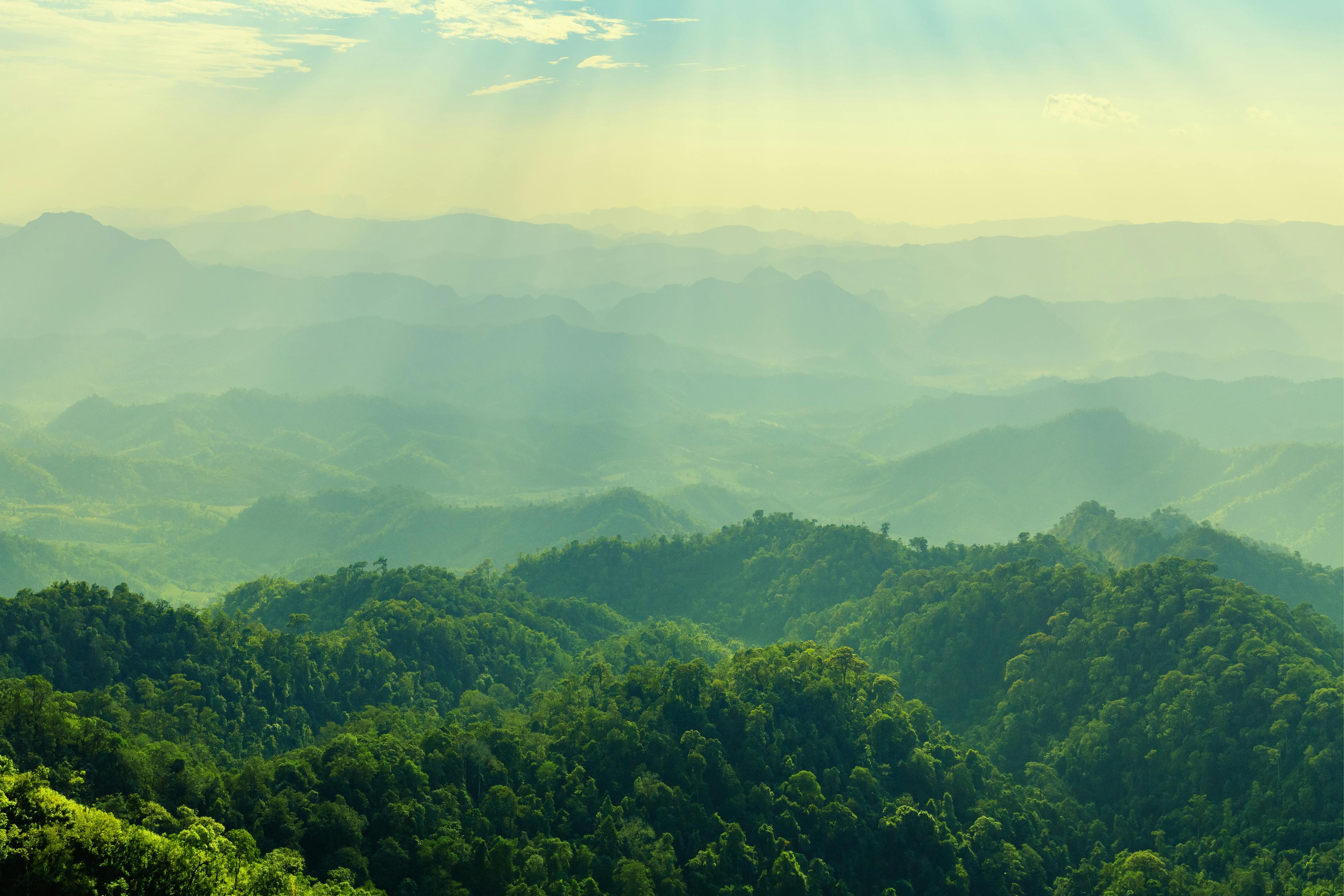
    Plants are flowering early: this is the new trend that is taking place. The intensification of climate change and thus the increase in greenhouse gas emissions into the air has brought a serious risk to the plant organisms themselves and the pollinators on which they depend.

    Read the article
    12/05/2024Of 3Bee, Lara Vivarelli
    1151 Views
    12/05/2024Of 3Bee, Lara Vivarelli
    1151 Views

    Plant phenology

    Plant phenology is a field of study that deals with the definition of the developmental stages of plants, known asphenological stages, that occur in different environments and how they change in response toclimatic variations. Plants, like other organisms, are sensitive to abiotic agents, i.e. those external factors such as frost, heat waves, hail, but also biotic agents, such as insect attacks and pathogens. In particular, sensitivity changes depending on the stage of development the plant is in when it undergoes the change. Scientific studies make use of the phenological observations carried out over several years in a given area to determine changes and risks.

    fioritura

    Flowering

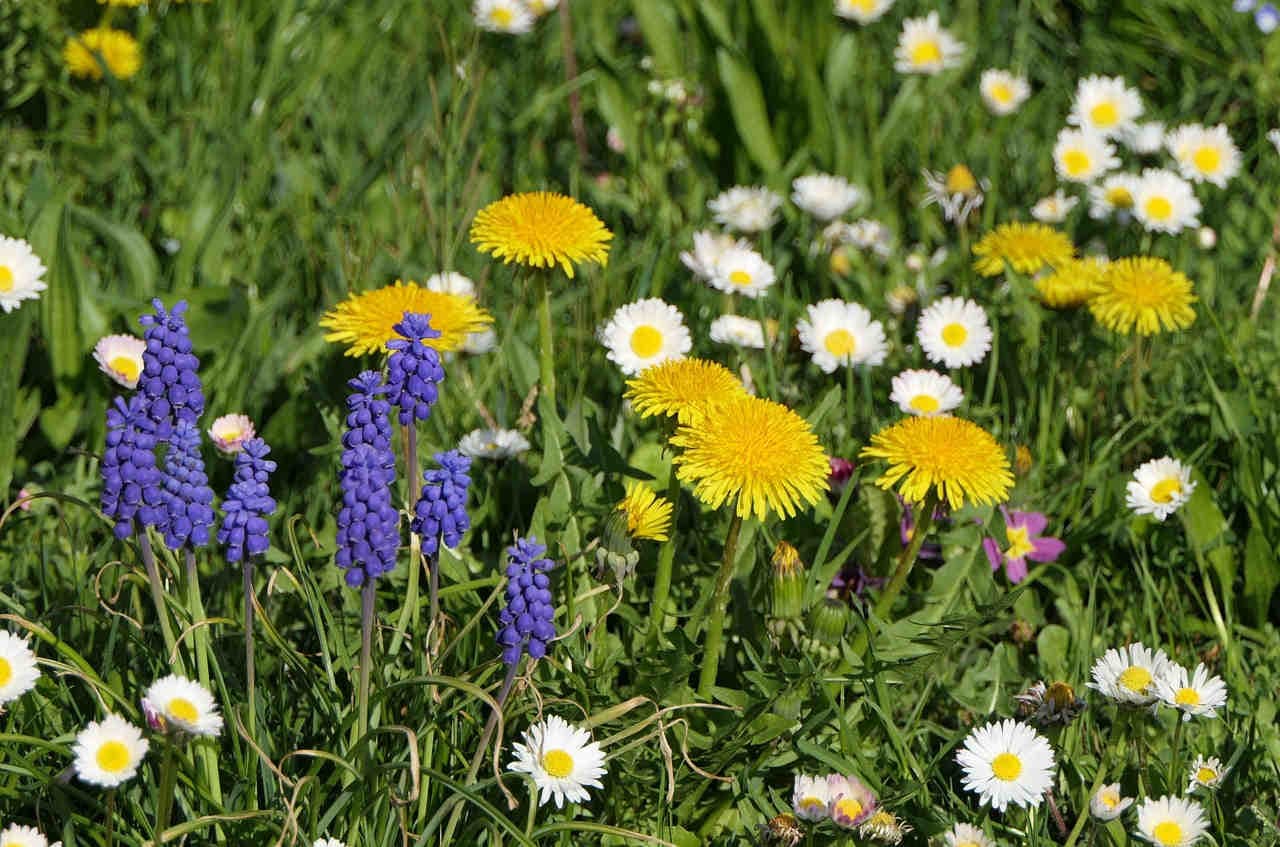
    Plant flowering is the transition between the vegetative and reproductive phases. The cells of the meristematic tissue of the shoot, i.e. those cells that have an embryonic nature, that remain "young forever", proliferate and differentiate. This means that changes occur at the genetic level, induced by environmental factors, such as temperature and precipitation. Flowering is thus controlled by various genetic factors, which are in turn influenced by external agents.
    fioritura
    XNatura

    Vernalisation

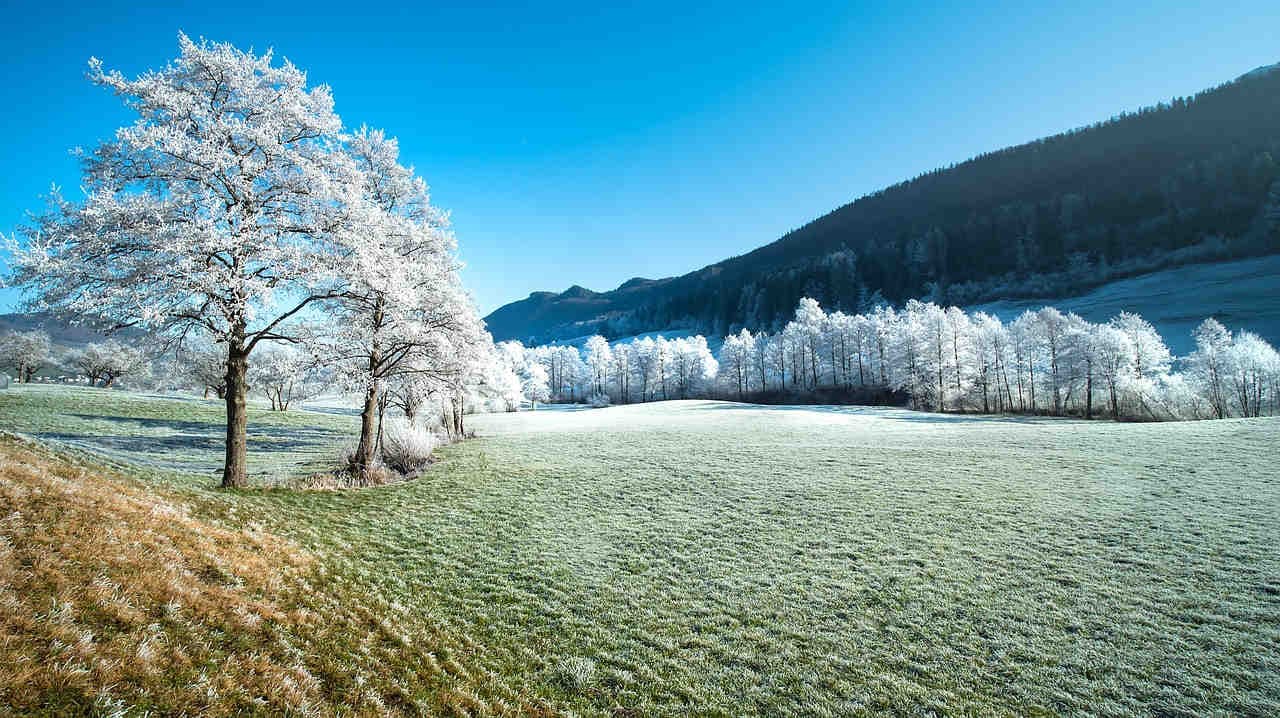
    Flowering is influenced by several climatic factors, such as the winter temperature to which the plant is subjected. Many plant species, especially those growing in temperate climates, need to undergo a prolonged period of cold exposure, called vernalisation, in order to flower. This ensures that reproductive development and seed production takes place in spring or summer, rather than autumn. After vernalling, plants may also need other seasonal stimuli before blossoming.

    freddo prolungato

    And what happens at the molecular level?

    The flowering is a finely controlled process at the molecular level: the Flowering Locus C (FLC) protein is the main player. Indeed, it represses flowering by blocking the genes responsible for this physiological process. However, when the plant is exposed to a prolonged period of cold, other molecules are produced, such as proteins or nucleic acids, which in turn reduce FLC expression. The silencing of FLC expression allows the genes responsible for the plant's flowering to be freely expressed and thus initiate this physiological process.
    vernalizzazione
    XNatura

    The new tendency to flower early

    In recent years, several bloomings have been observed earlier than the average period. The measurements vary depending on the area under consideration, which will be characterised by different environmental stimuli, but the tendency to anticipate this important physiological process is well known. In fact, a Cambridge University study analysed 406 different plant species, which showed that the average date of first flowering between 1987 and 2019 was one month earlier than the average date measured between 1753 and1986. Other studies based on historical data on the flowering dates of more than 400 species show that flowering times advanced by an average of 4-6 days per degree centigrade increase. For example, observations in plant communities in Concord, Massachusetts (USA) collected from 1852 to 2006, in which the temperature increased by 2.4°C, resulted in an advance of 7 days in flowering date.

    fioritura
    3Bee

    The main cause: climate change

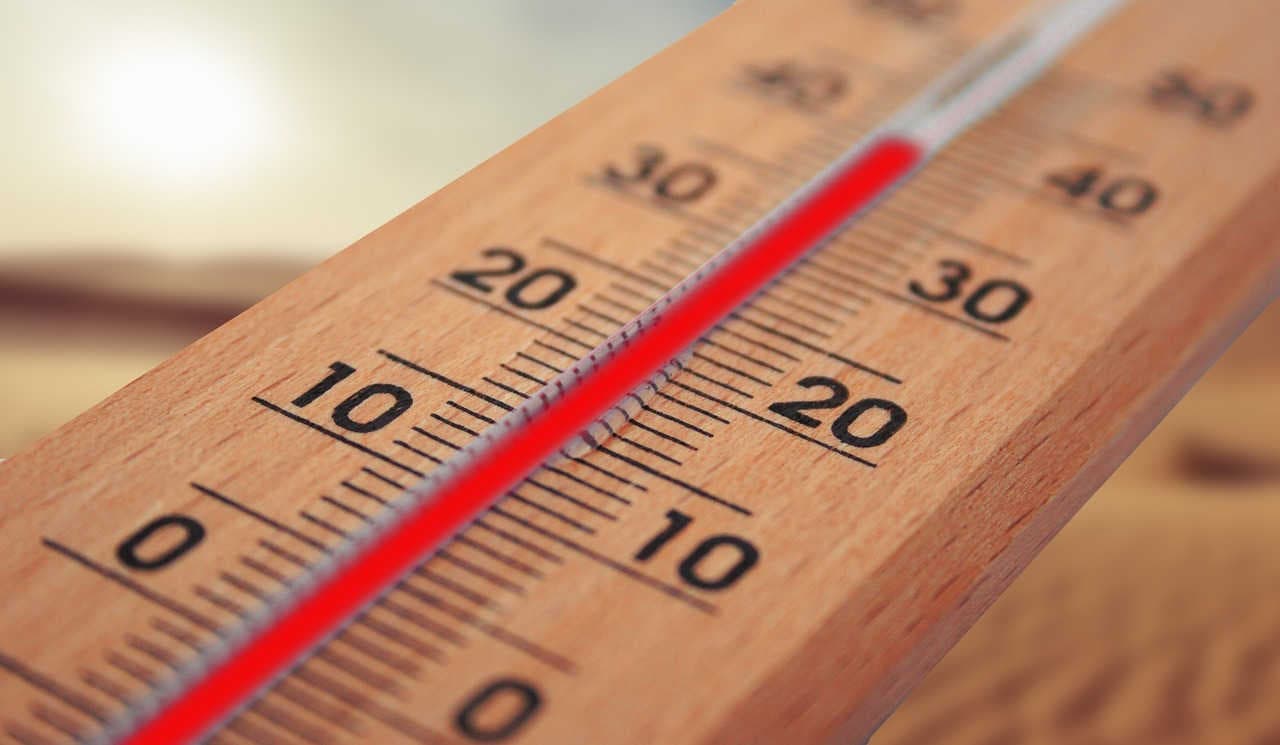
    The period in which earlier plant flowering has been recorded in the UK, coincides with the timing in which there has been an acceleration of global warming caused by human activity. In fact, the ongoing climate change has started since the 1980s and induced changes on a global scale. Emissions of greenhouse gases, including carbon dioxide, have generated an increase in the Earth's average temperature. Anthropogenic greenhouse gas emissions are so relevant to the resulting warming of the Earth's surface, as they are able to reflect infrared radiation that warms the atmosphere. This has therefore caused an increase in the average surface temperature of 1.1°C. since 1850.
    aumento temperatura

    What changes at the molecular level?

    Studies concerning the molecular sphere regulating flowering, in relation to abiotic stimuli, have increased in recent years. However, information on the impact of climate change factors, such as temperature and carbon dioxide concentration, on the regulation of flowering time pathways is limited. In general, there is a alteration of the different molecular elements that regulate gene expression that initiates the flowering process. These elements include proteins and various RNA molecules, a nucleic acid other than DNA. These RNA molecules can be long, called "longRNA", or short, called "microRNA", which have an inhibitory action. This complex, finely evolved system is altered by new environmental stimuli to which the plant is subjected.
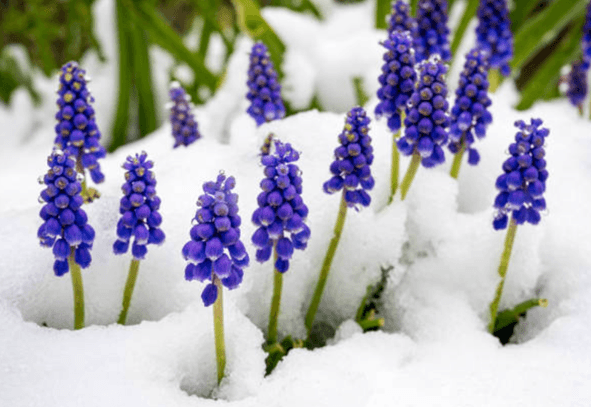
    fioritura anticipata

    Possible risks

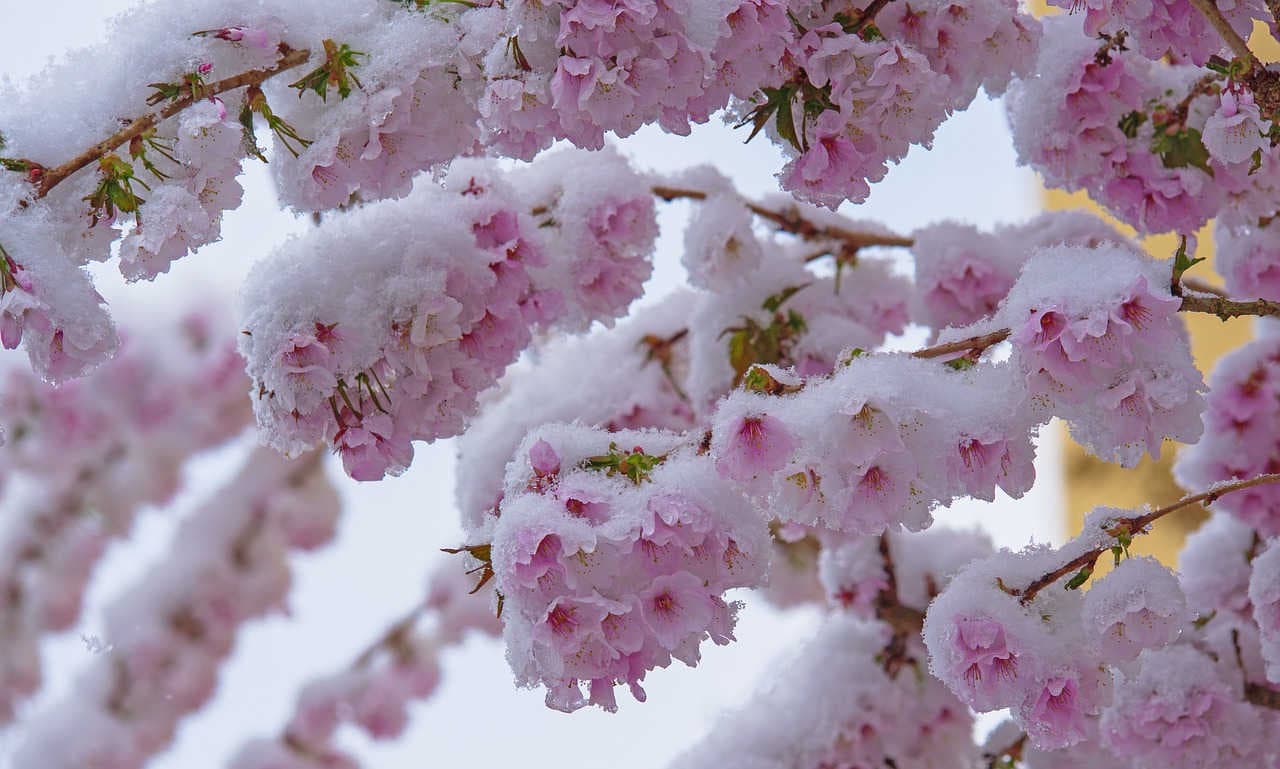
    The different stages of plant development have evolved in coordination with the seasons and the environmental factors that regulate them. If plants flower too early, there is a risk that they may suffer a late frost, leading to the death of the flowers. The effect is a cascade: plants may have less reproductive success, altering seed yield and quality, and animals that rely on flowers for survival, such as the pollinators, may find themselves without their own source of sustenance. Indeed, plants, insects, birds and other wild animals have co-evolved to the point of synchronising their developmental stages.
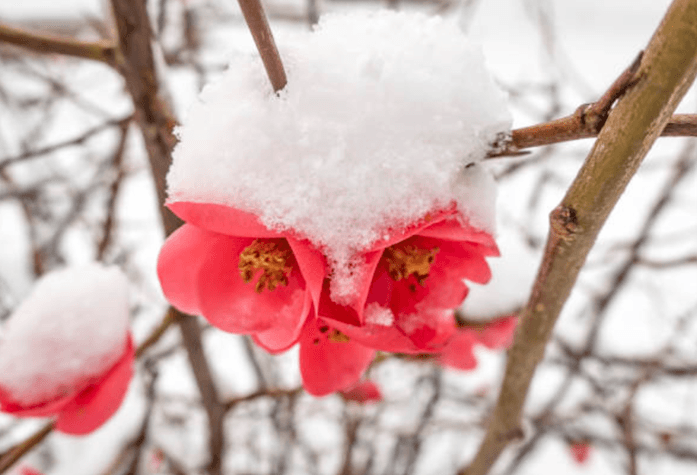
    gelate

    The negative effect on pollinators

    Climate change, by altering the average temperature and frequency of certain weather events, negatively affects the flowering period in most plant species. This affects the interaction between plants and pollinators, altering the times of encounter between the two interactors, the fragrance, the colour and the development of flower organs, which affects pollinator recognition and attraction. The co-evolution created between plant and pollinator is affected and a sort of "mis-match" is created, affecting the quality of life and reproductive success of both.
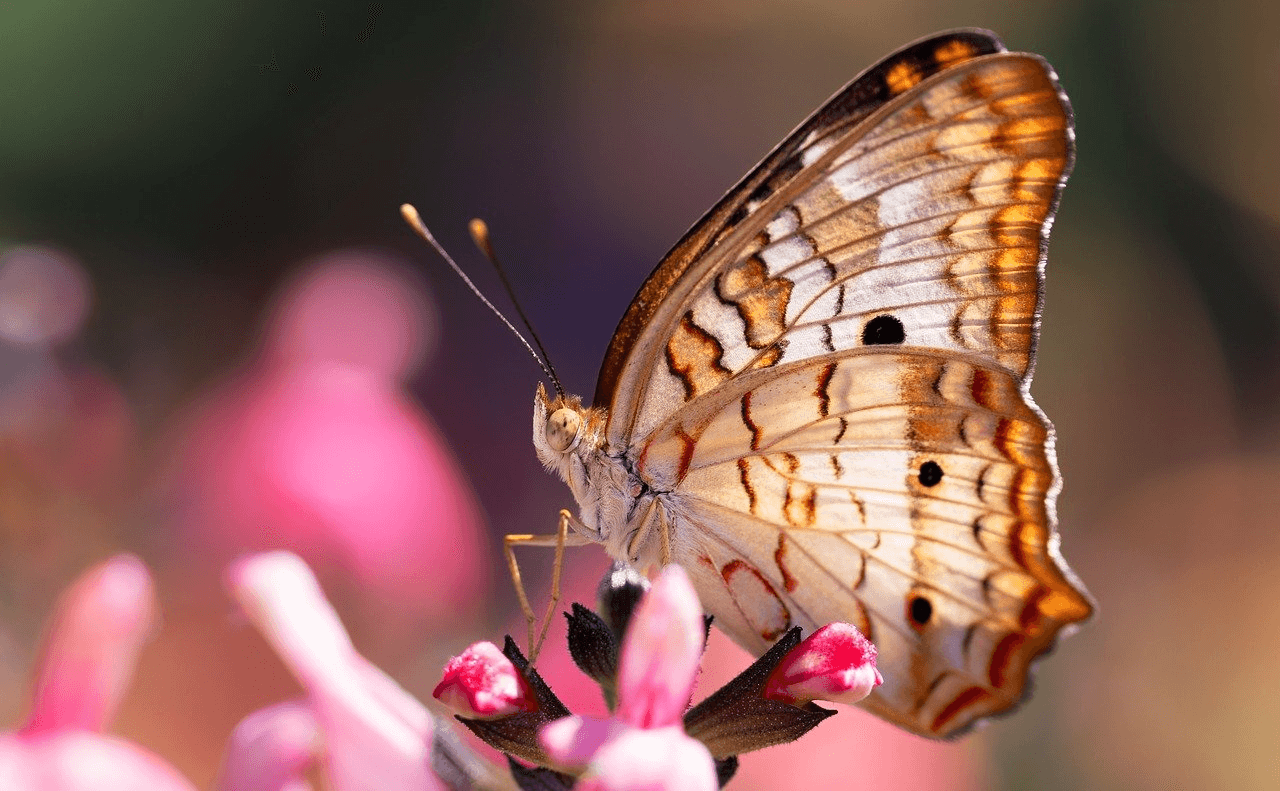
    impollinatori
    12/05/2024Of 3Bee, Lara Vivarelli
    1151 Views
    Newsletter
    newsletter
    Subscribe to the Blog about bees and biodiversity

    Frequently Asked Questions

    Do you have any doubts or other curiosities about this article? Here you will find some insights