The unique migration of the monarch butterfly
    FeaturesMigrationVelenoThreat

    The unique migration of the monarch butterfly

    The monarch butterfly is known for its migration: it moves thousands of kilometres every year, from North America to Mexico. Discover in this article the characteristics and life cycle of the monarch butterfly and the impact of climate change on this iconic pollinator.

    Read the article
    29/01/2024Of 3Bee, Elena Fraccaro
    1174 Views
    29/01/2024Of 3Bee, Elena Fraccaro
    1174 Views

    Monarch butterfly: characteristics and symbolism

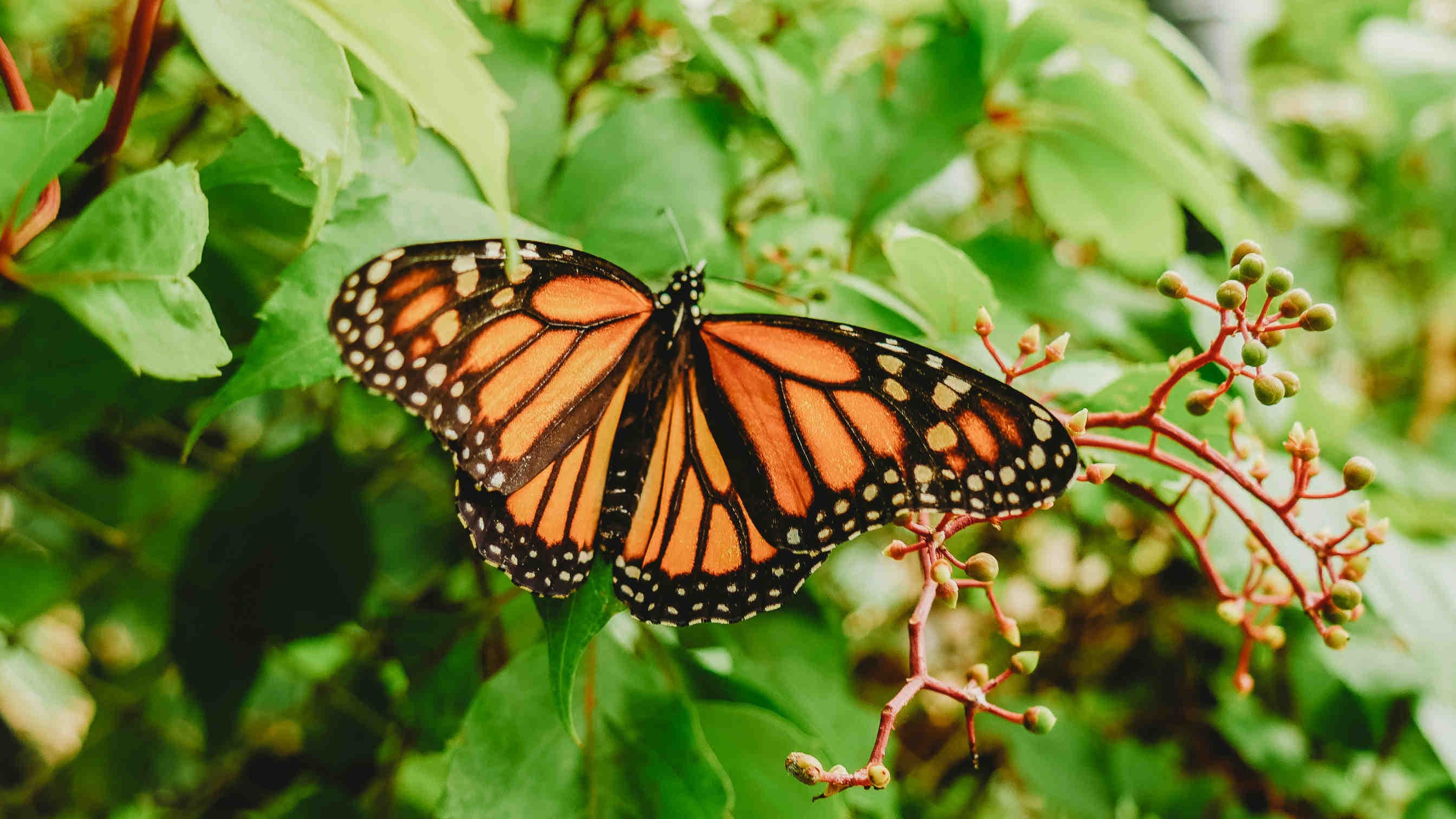
    The monarch butterfly, whose scientific name is Danaus plexippus, is a lepidopteran characterised by a black-orange colouration and a wingspan of up to 10 centimetres in adults. It belongs to the Nymphalidae family and is a species native to the American continent. Although its identification may seem simple, there are other species with which it is easy to confuse it. Two examples in particular are the southern monarch butterfly (Danaus erippus) and the viceroy butterfly (Limenitis archippus). The average life span of the monarch butterfly is 2-6 weeks, but it can live up to 8 months. Because of its appearance, this species is associated with the ideals of beauty, elegance and royalty, but in Mexico it is also a symbol of spirituality: the migration of monarch butterflies is symbolically associated with the return of the souls of the dead.
    farfalla monarca

    The monarch butterfly migration show

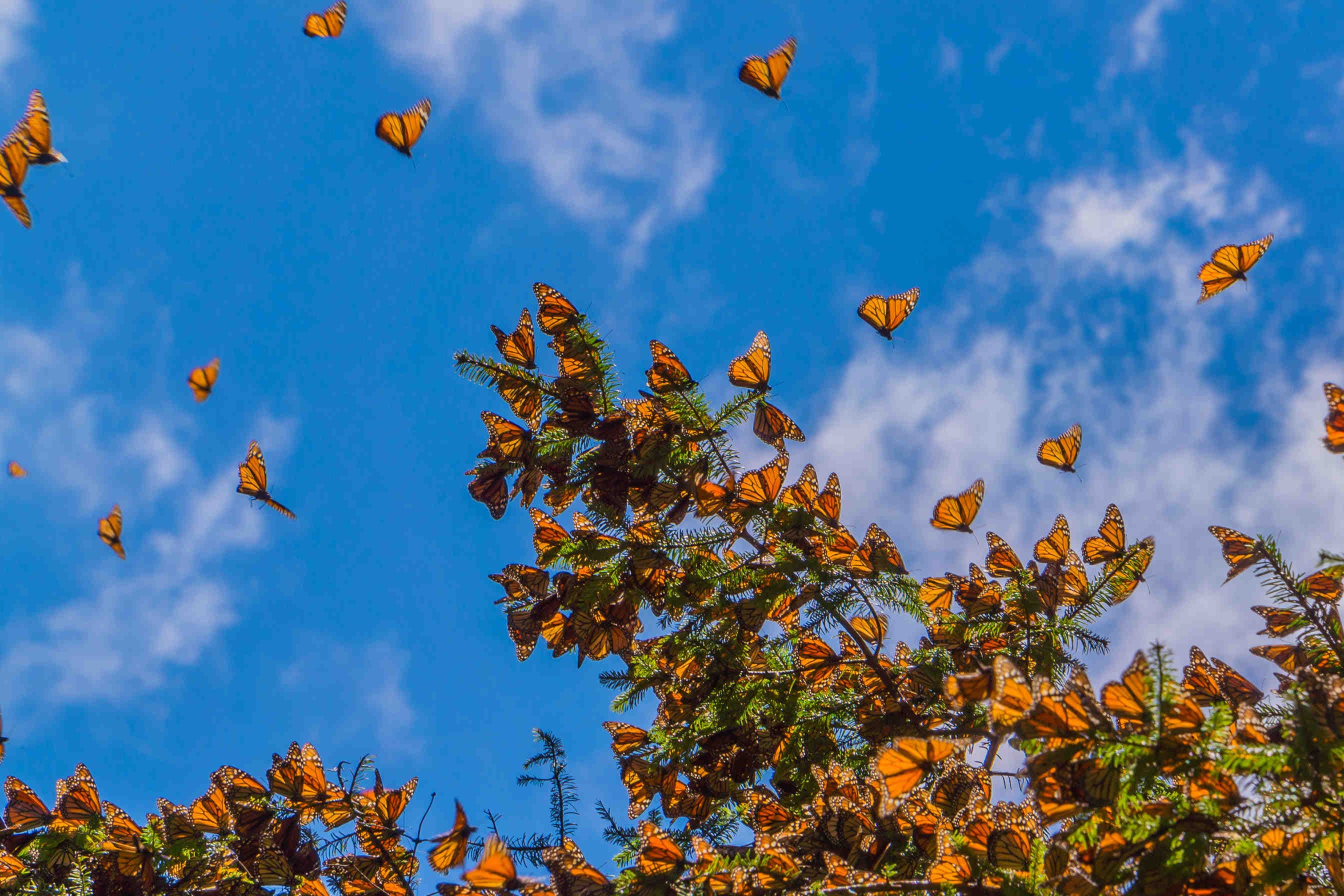
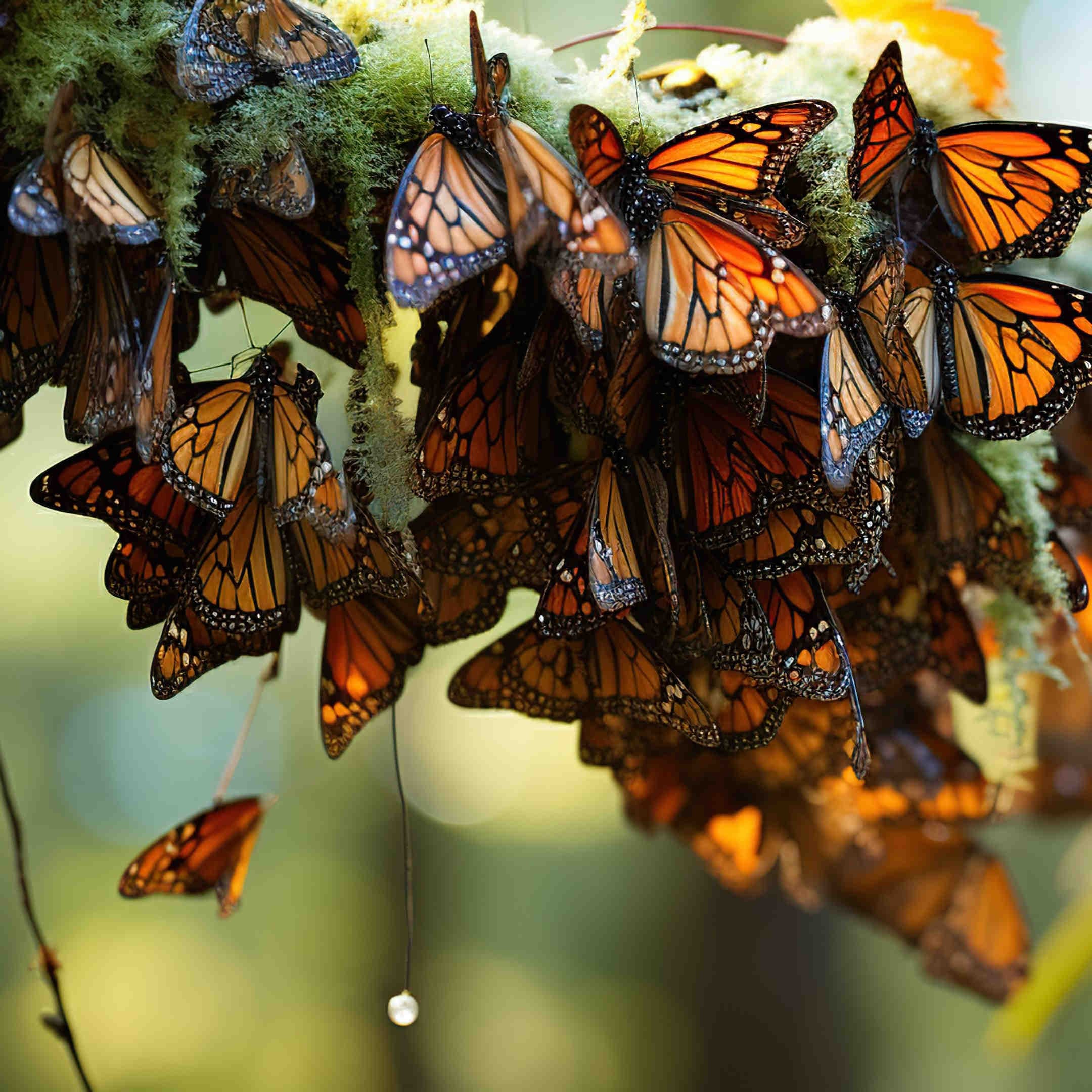
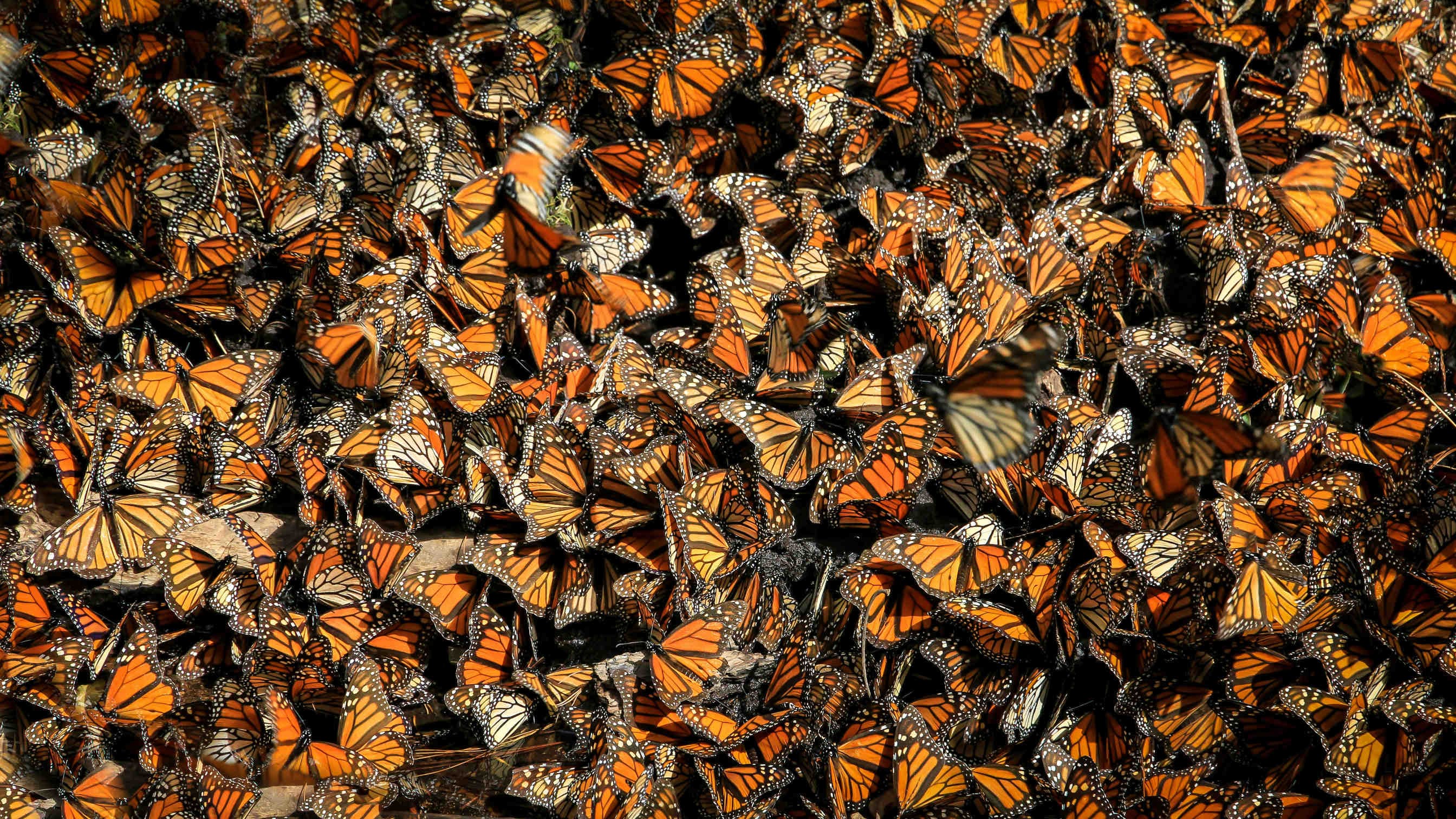
    The monarch butterflies are among the most photographed and iconic pollinators in the world. Every year, to escape the cold winters of North America, this species travels and flies over 4,000 km, until it reaches the forests of Mexico. The spectacle is unbelievable: millions of specimens soar through the air and when they come to rest, they completely cover all surfaces to the extent that they blend in with the leaves of the trees. But how do they manage to make this journey? One possible answer lies in the colouration of their wing livery: this allows them to use the sun's heat to their advantage, making flight less burdensome. No other insect is capable of such a migration. Moving thousands of kilometres takes a lot of time and energy. As their average lifespan is about 2-6 weeks, this long journey takes several generations to reach their destination: often the journey is only completed by the fourth.
    farfalle monarca migrazione
    XNatura

    Poison resistance

    The monarch butterfly feeds on plants of the genus Asclepias, herbaceous perennials typical of North America and parts of Africa. These plants are toxic: they contain toxins that are poisonous to humans (cardenolides) and compromise heart function to the point of causing cardiac arrest in severe cases. Monarch butterflies, on the other hand, manage to nullify the toxicity of these toxins. The Asclepias in fact release a milky substance that acts on an enzyme called the sodium/potassium pump, which all animals possess. Thanks to the mutation developed, the sodium/potassium pumps of monarch butterflies are immune to the effect of these toxins. Hence, a rare case of convergent evolution: this system has been copied by some predators, which can thus feed on monarch butterflies without suffering the effects of Asclepias toxins, as demonstrated in a study published in Current Biology.

    farfalle monarca veleno

    The threat of climate change

    Populations of monarch butterflies, like those of many other pollinating insects, have declined significantly over the past thirty years. A study published in Nature Ecology & Evolution, came up with three hypotheses to explain this decline, pointing out that climate change is probably among the main causes. The three hypotheses are: the increasing disappearance of plants of the Asclepias genus due to herbicides, the increase in mortality during migration and the effects of climate change on the reproductive season (spring-summer). The researchers carried out over 18,000 observations in various locations, including Canada, Mexico and the United States, over a 25-year period between 1994 and 2018. The data collected showed that climate change was seven times more crucial in the decline than all other factors.

    farfalle monarca fiori
    XNatura

    Oasis 3Bee for the preservation of biodiversity

    Another of the most serious threats to the survival of the monarch butterflies is the reduction of their natural grazing. Between 1994 and 2003, the most rapid decline in numbers of these insects occurred, coinciding with the intensified use of herbicides. We can therefore state how these substances, often used with a systemic approach, pose a real threat to monarch butterflies in eastern North America. This contributes to the loss of biodiversity on multiple levels, from plants to pollinators, affecting the health of all organisms connected to the entire trophic chain. Therefore, it is crucial to promote projects such as 3Bee's Biodiversity Oases, which help maintain pollinator populations by providing them with nutritional resources. Places where technology and nature come together, to monitor the health of the area. Another positive effect is the mitigation of climate change.

    Oasi 3Bee
    3Bee
    29/01/2024Of 3Bee, Elena Fraccaro
    1174 Views
    Newsletter
    newsletter
    Subscribe to the Blog about bees and biodiversity

    Frequently Asked Questions

    Do you have any doubts or other curiosities about this article? Here you will find some insights