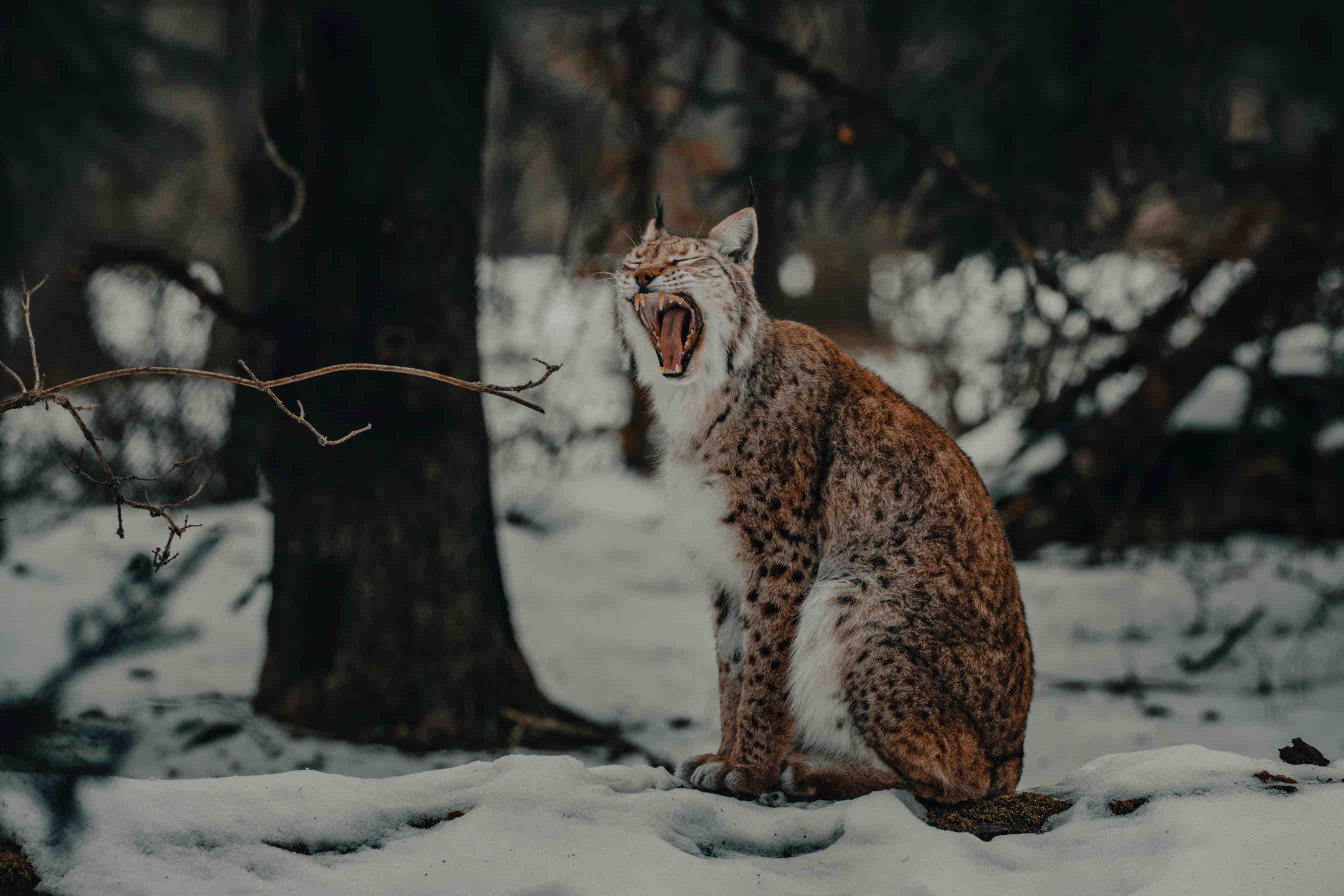
The return of the lynx to Italy
    LinceEnemiesOriginiDeclino

    The return of the lynx to Italy

    An animal that is as fascinating as it is elusive has been missing from our national territory for a long time: the Eurasian lynx is the focus of reintroduction and monitoring projects with the aim of maintaining new, stable populations in the long term.

    Read the article
    09/11/2024Of 3Bee, Lara Vivarelli
    929 Views
    09/11/2024Of 3Bee, Lara Vivarelli
    929 Views

    The Eurasian Lynx

    Disclaimer: this is an automated translation from Italian. Go to the original article.

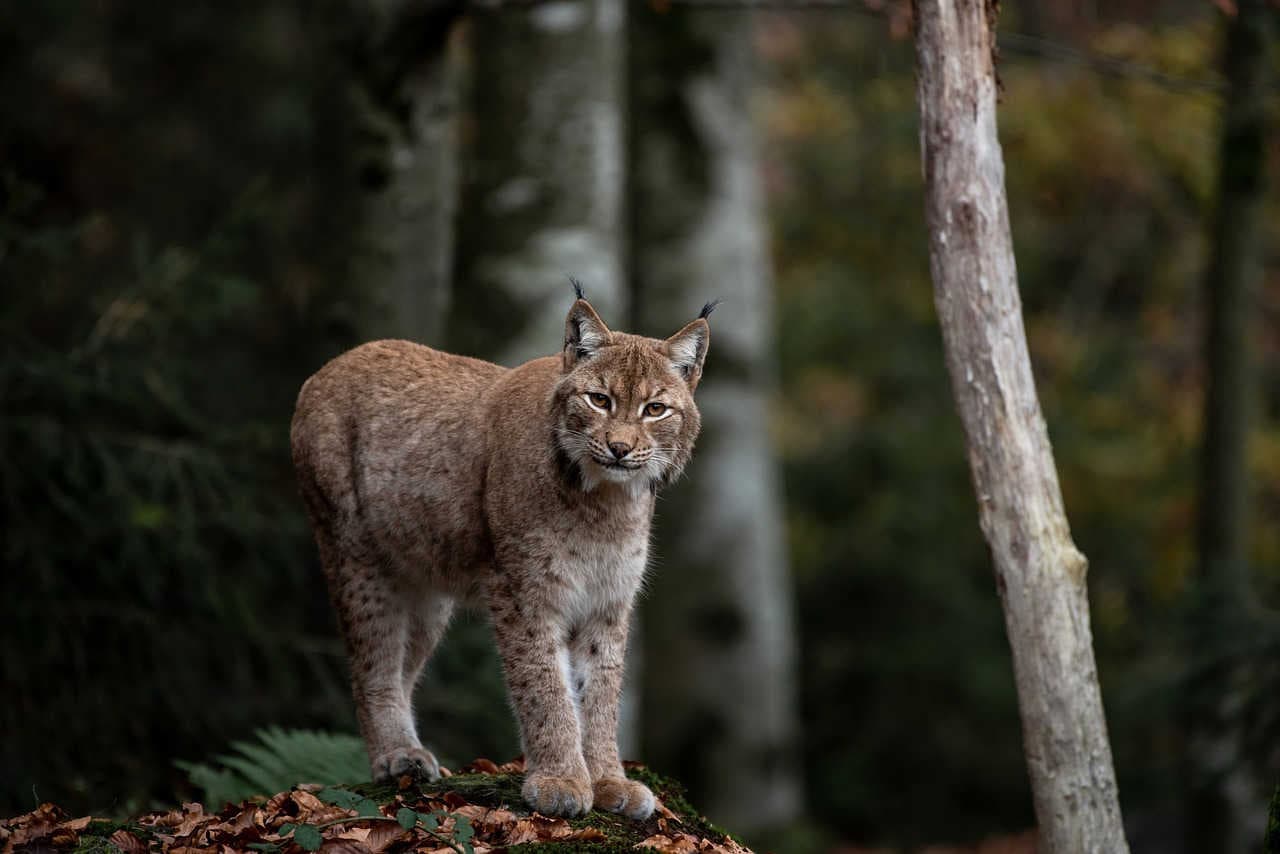
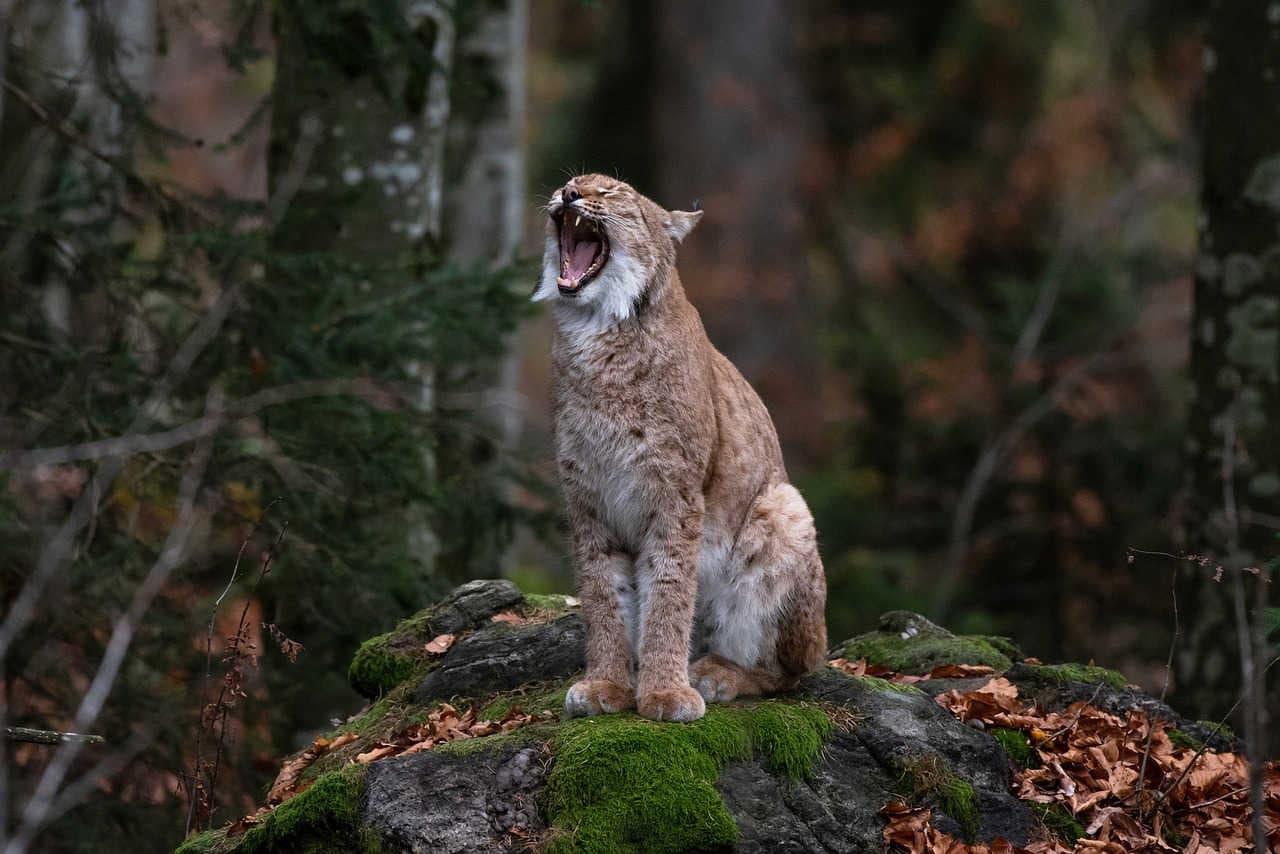
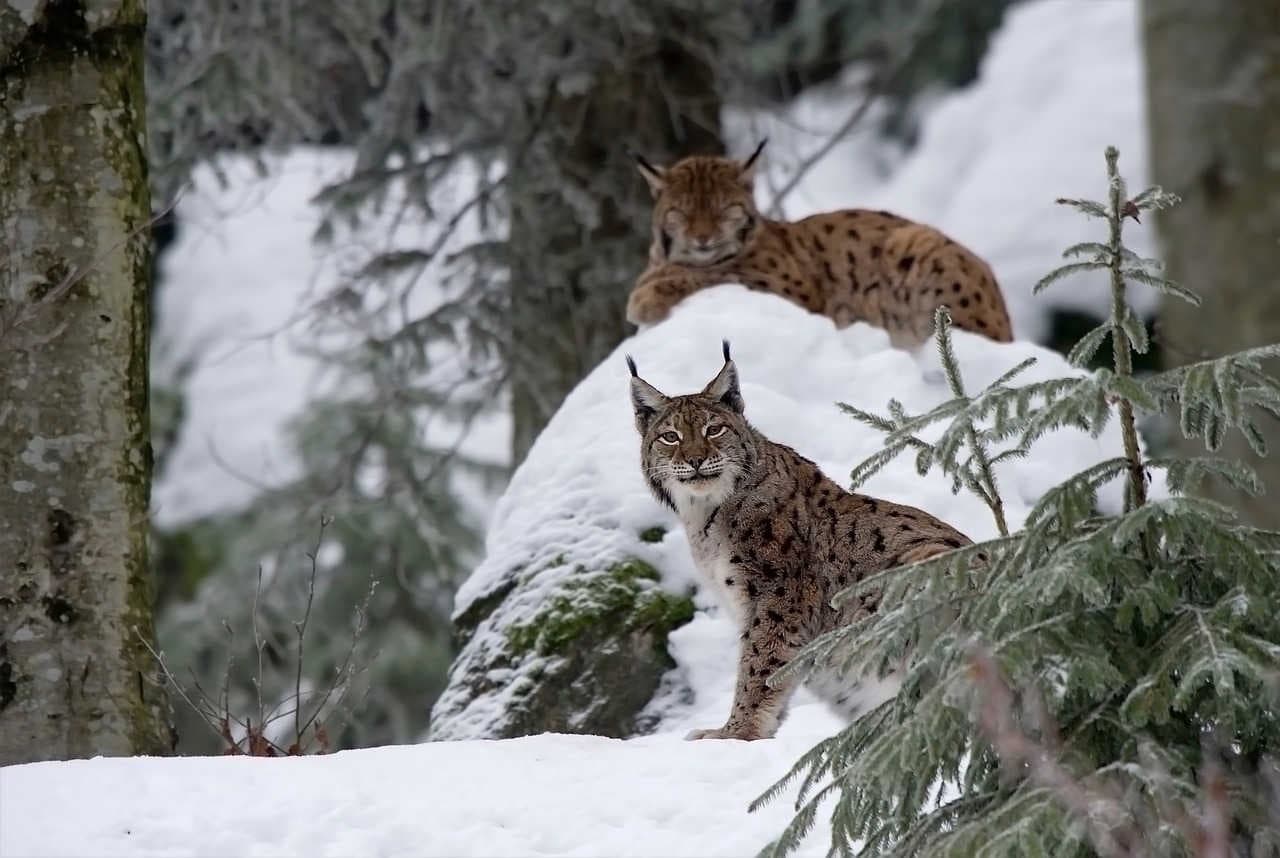
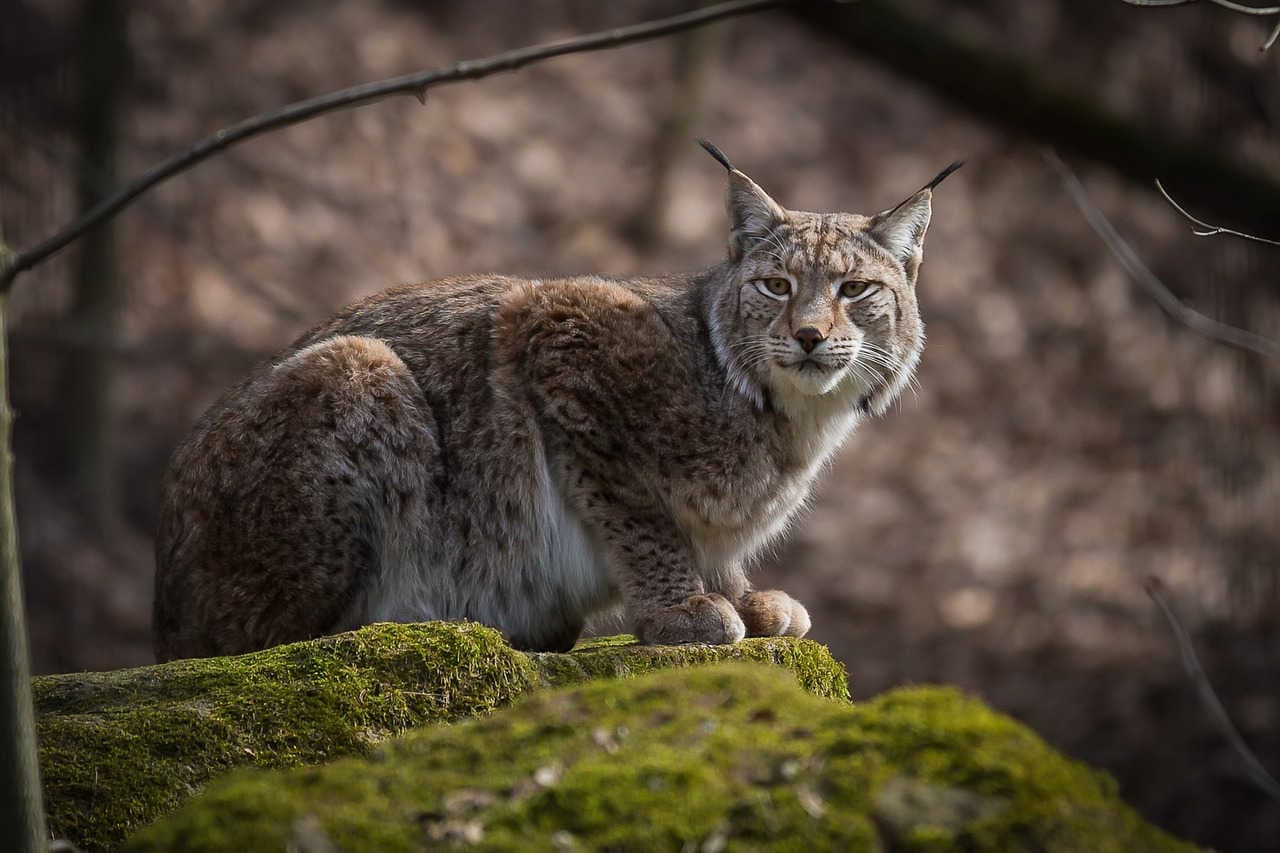
    The Eurasian lynx, also known as the European lynx (Lynx lynx), is the largest of the four species of lynx found in the world, which also include the Canadian lynx, the red lynx and the Iberian lynx. This feline isnative to Europe and has developed an uncanny ability to move silently through fresh snow, making itself almost unnoticeable. Its hind legs are longer than its front ones, allowing it to perform remarkable jumps and quick dashes. At one time, the Eurasian lynx inhabited much of Europe, but since the late 19th century it has suffered a strong decline due to culling campaigns and the reduction of its habitat. This led to its extinction in many regions of central and western Europe. However, several reintroduction projects have been initiated to restore populations of this species to places where it had disappeared.
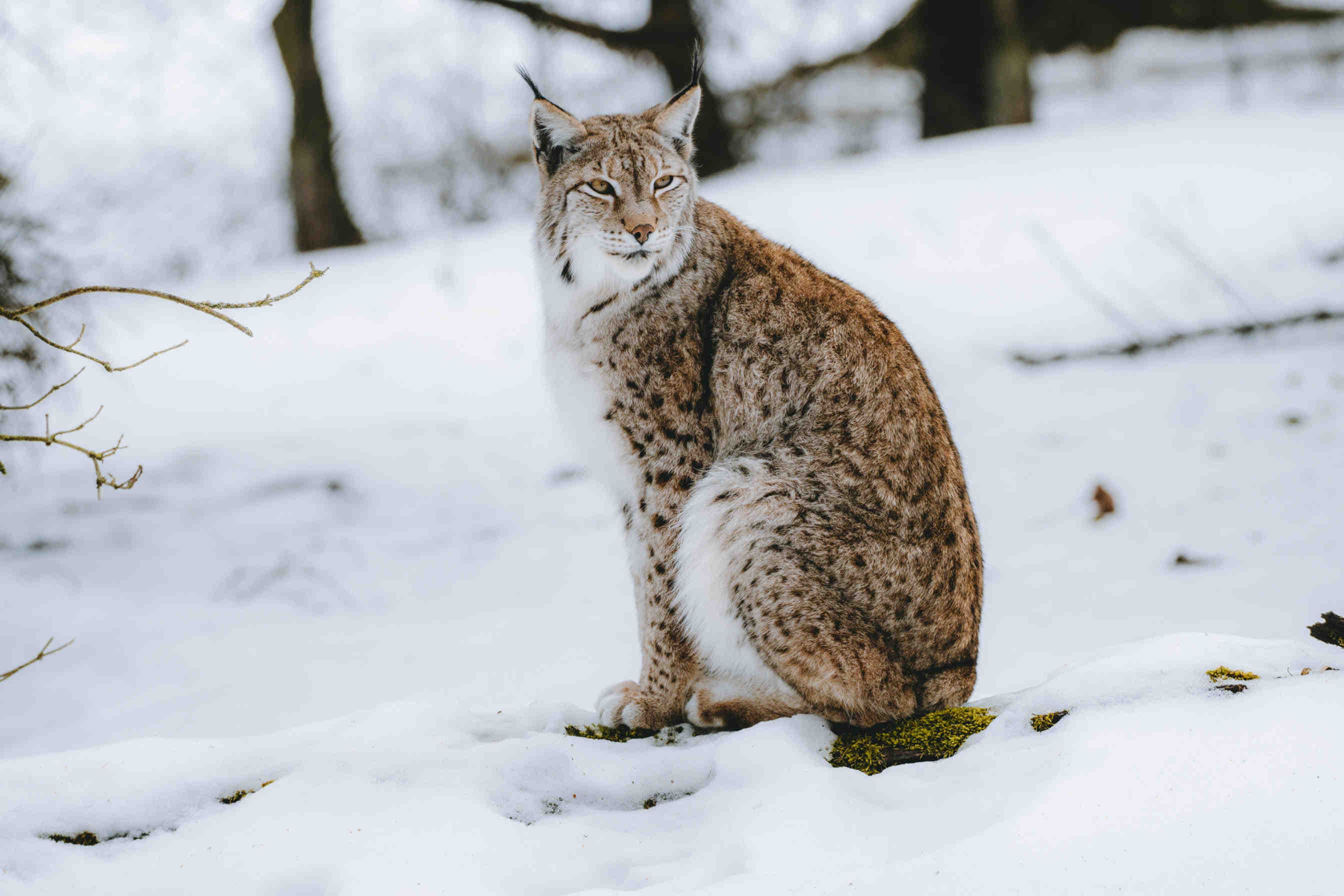
    lince eurasiatica

    Enemies of the lynx

    The European lynx, as a large predator and positioned at the top of the food chain, has few natural enemies. However, it may find itself in competition with other animals for resources such as food and territory. In particular, the lynx mainly competes with the wolf, but also with smaller carnivores such as badgers, foxes, golden jackals and wildcats. In the past, however, the lynx has been persecuted by man, often seen as a threat, and in some European regions has even been exterminated. Despite this, this animal is very elusive and shy, being practically harmless to humans. The main reasons for its disappearance from large areas of Europe are the aggressions on livestock and the interest of poachers in its valuable spotted fur. Today, the possibilities of observing a lynx in the wild are extremely limited, and its presence can only be sensed through traces or the remains of its meals.

    nemici della lince
    XNatura

    Historical origins of the lynx in Europe

    In the past, thedistribution range of the lynx was wide and continuous in Europe. In Italy, this feline was present along the entireAlpine range, while in the central-southern part of the peninsula, evidence of its existence only dates back to theNeolithic period. In recent centuries, there has been a fragmentation of its range, with the disappearance of the lynx from the lowland regions of Europe, leading to its survival only in mountainous environments. In the late 19th and early 20th century, there was an all-time low in the lynx population, with almost all populations in western Europe becoming extinct. The last evidence of the presence of the lynx in Italy dates back to 1837 in the Cadore and 1872 in South Tyrol, while in the western part of the Alps it dates back to the 1920s, marking the complete eradication of the species.

    origini storiche della lince eurasiatica in europa

    Causes of lynx decline

    The dramatic decline in European lynx populations between the 19th and 20th centuries is attributable to human factors, both direct and indirect. In Italy and Europe, the lynx was subjected to along persecution by man, leading to a significant population reduction. In addition to direct culling, due to the perception of the lynx as a threat to livestock and a competitor in ungulate hunting, the expansion of cultivated areas and the exploitation of forests have altered ecosystems. This has resulted in the destruction of the lynx's refuge sites, the fragmentation of its ranges and, above all, a drastic decrease in its natural prey.

    declino della lince eurasiatica
    XNatura

    Italian lynx populations

    The earliest finds of the lynx in Italy date back to the Pleistocene, when the species inhabited the Alps and central-southern Italy. After the Neolithic, there are no data on its presence in peninsular Italy, becoming extinct in the Alps in the 19th due to human persecution. Currently, no stable populations exist, but a natural colonisation of the eastern Alps by Slovenian and Swiss specimens is observed, with sporadic reports in Lombardy, Valle d'Aosta and Piedmont. The lynx represents an essential element of the Alpine ecosystem as a top predator, together with other predators such as the wolf. It plays a essential role in regulating ungulate populations and restoring the natural balance necessary for the survival of many other species. Therefore, re-establishing a viable population of lynx in the Italian Alps is an ambitious but indispensable goal for the conservation of our mountains.
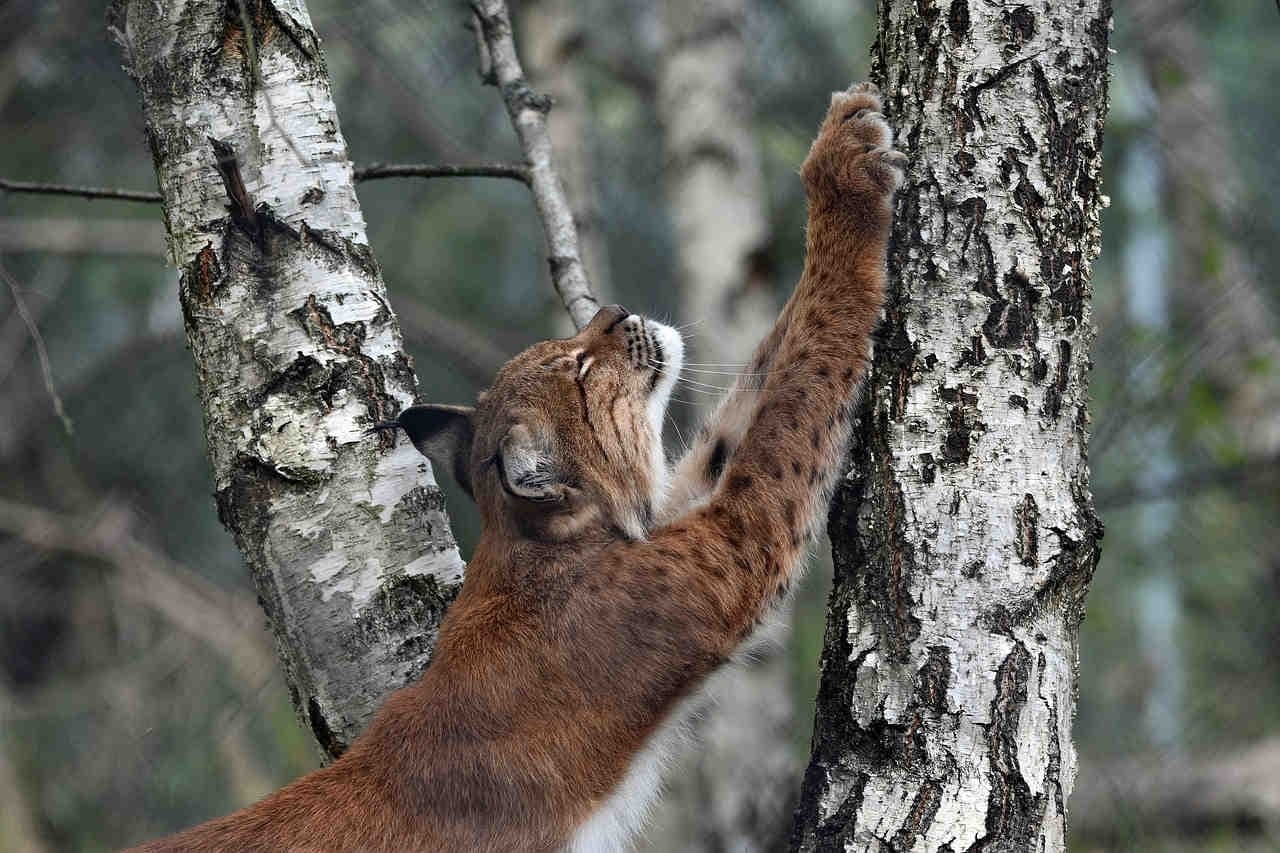
    popolazioni italiane di lince
    3Bee

    Reintroduction of the lynx in Europe

    In the 1970s, the lynx began to repopulate the Alps thanks to new reintroduction programmes and protective legislation. The successes achieved in Switzerland and Slovenia encouraged other European countries, such as Italy, to launch similar initiatives. Despite the progress, the species encountered new difficulties at the beginning of the new millennium, due to inbreeding due to insufficient numbers of reintroduced individuals. To address this problem, the ULyCA1 (Urgent Conservation Actions for the Lynx) project was launched in 2013, with the release of Swiss lynx in Friuli-Venezia Giulia. This intervention had positive effects on the population, but was not enough. This gave rise to the project LIFE Lynx, an international initiative aimed at creating a nucleus of lynx in the south-eastern Alps, with planned releases of specimens from various European regions to increase genetic variability and promote the expansion of the species.
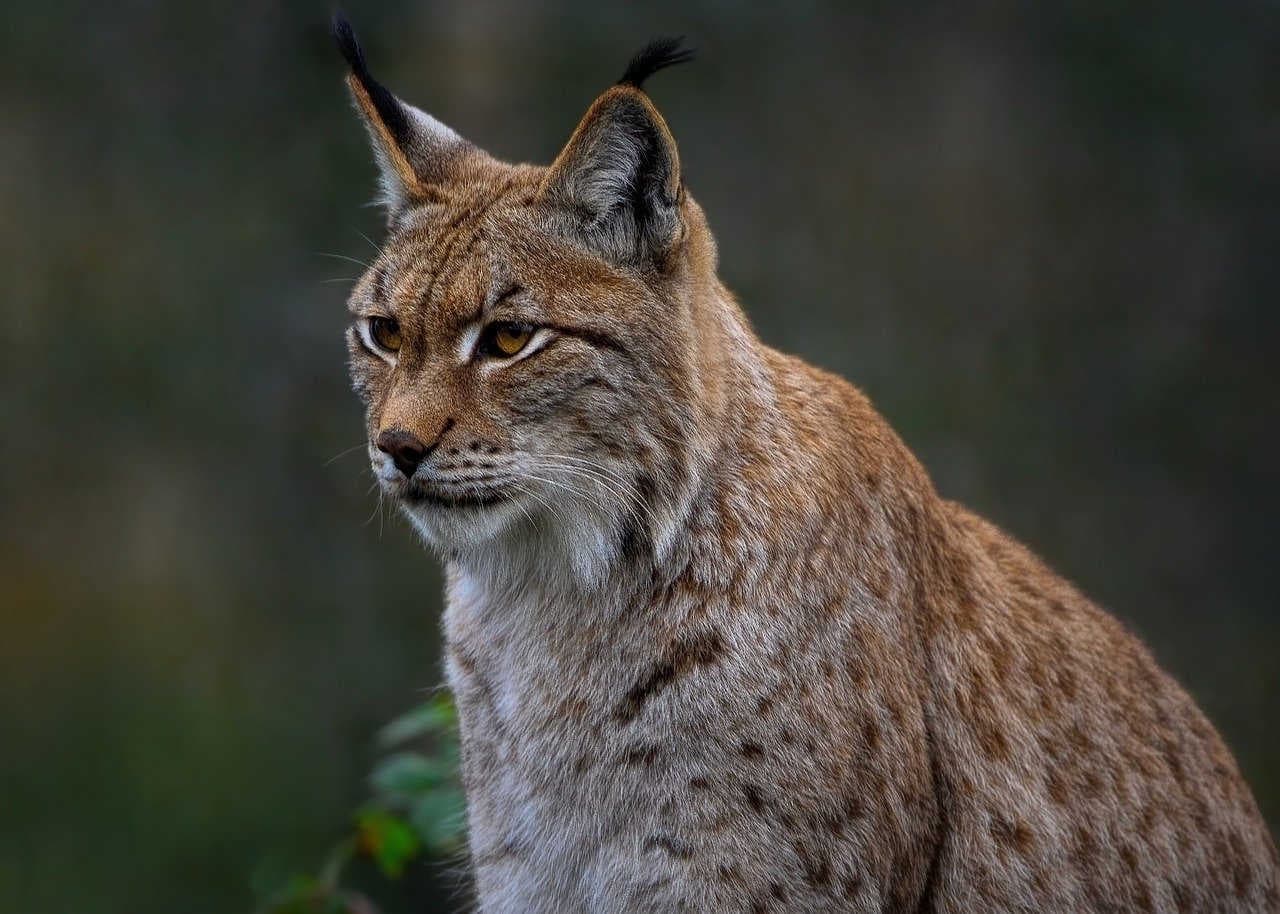
    reintroduzione della lince in europa

    Reintroduction of the lynx in Italy

    In Italy, the lynx disappeared from the peninsular territory in the 20th century, remaining present only in the Alps until the 1980s. Several reintroduction attempts were launched in the 1990s, with little success. In 2008, a male from Switzerland, B132, filled a gap in the Italian population. Today, all lynx in the south-eastern Italian Alps are descended from individuals reintroduced through the project LIFE Lynx. Between 2021 and 2023, there was the release of six lynx in the Slovenian Alps to create a pioneer population, which was joined by five lynx released in Italy in 2023 through the ULyCA2 project. However, the lynx is still present in very small numbers, with specimens limited to Friuli-Venezia Giulia and Trentino. Reintroduction efforts continue, but the main challenge remainsto ensure a long-term sustainable population, tackling poaching and fragmented habitats.
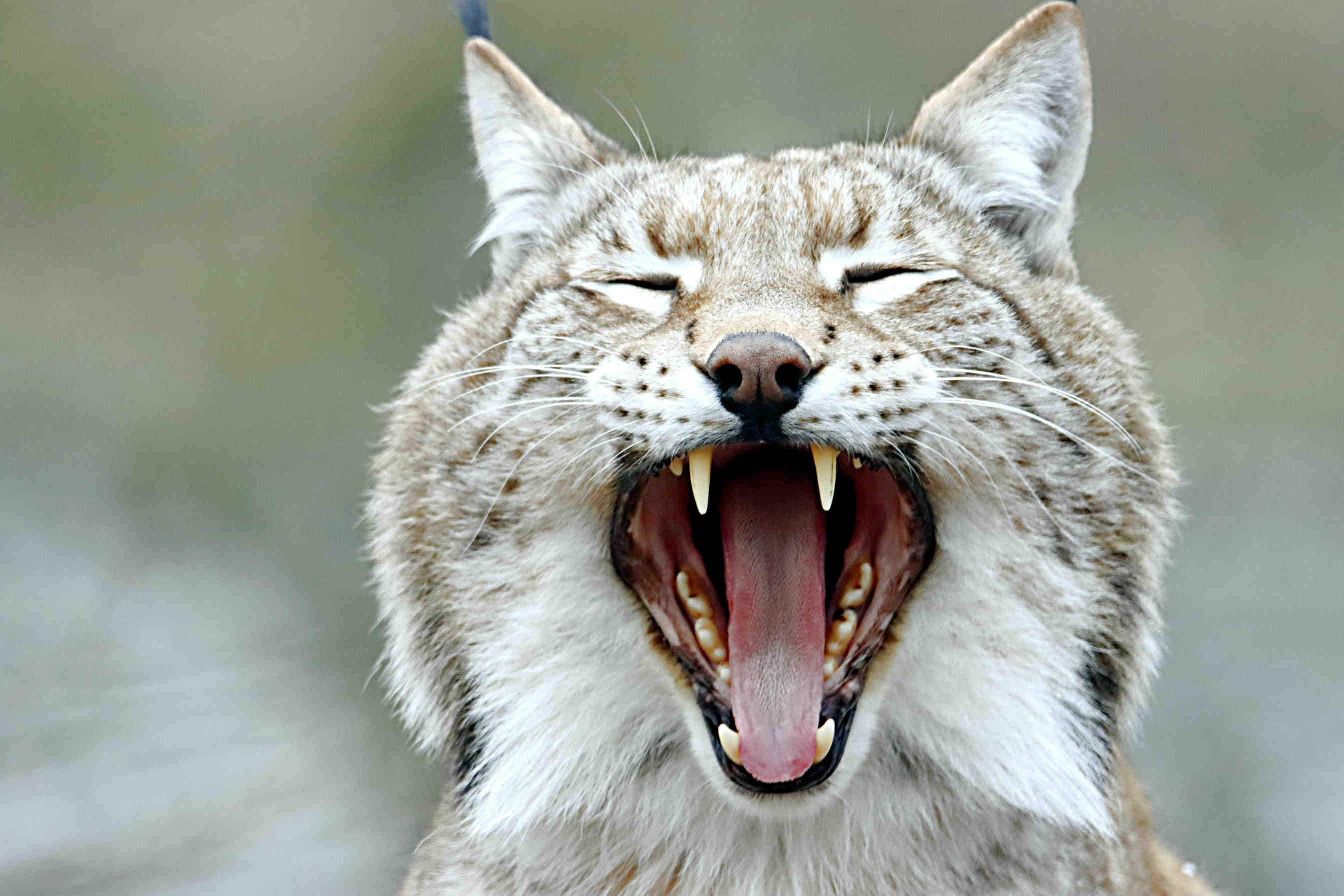
    Reintroduzione della lince in Italia

    Liberation of the sixth lynx in Italy

    On 30 September 2024, as part of the project ULyCA2, the sixth lynx was released in the south-eastern Italian Alps, in Friuli-Venezia Giulia. This specimen, a female called Luna, was released in the Tarvisio Forest to facilitate reproduction with Flori, a male already present in the area. Currently, there are three male lynx in the south-eastern Italian Alps, but no females, making this release crucial toincrease the genetic diversity of the local population. The ULyCA2 project, actively supported by the WWF, also involves the Carabinieri Forestali, Progetto Lince Italia and the Friuli Venezia Giulia Region, all united in the aim of favouring the conservation and reproduction of the lynx in this area.

    Liberazione della sesta lince in Italia

    Current and future plans for the reintroduction of the lynx

    Today, the reintroduction of lynx in Italy is supported by projects such as EU LIFE Lynx and ULyCA, which aim to enhance the population through the release of lynx from viable populations, such as those in the Carpathians. These projects not only aim toincrease genetic diversity, but also develop management tools and improve connectivity between different lynx populations. The aim is to safeguard the lynx in the Alps and Dinaric Mountains by addressing the decline of the species. Collaboration between EU countries is crucial to ensure the long-term sustainability of this population. These efforts are in line with European directives for the conservation of biodiversity and underline the importance of the lynx in the Alpine ecosystem.
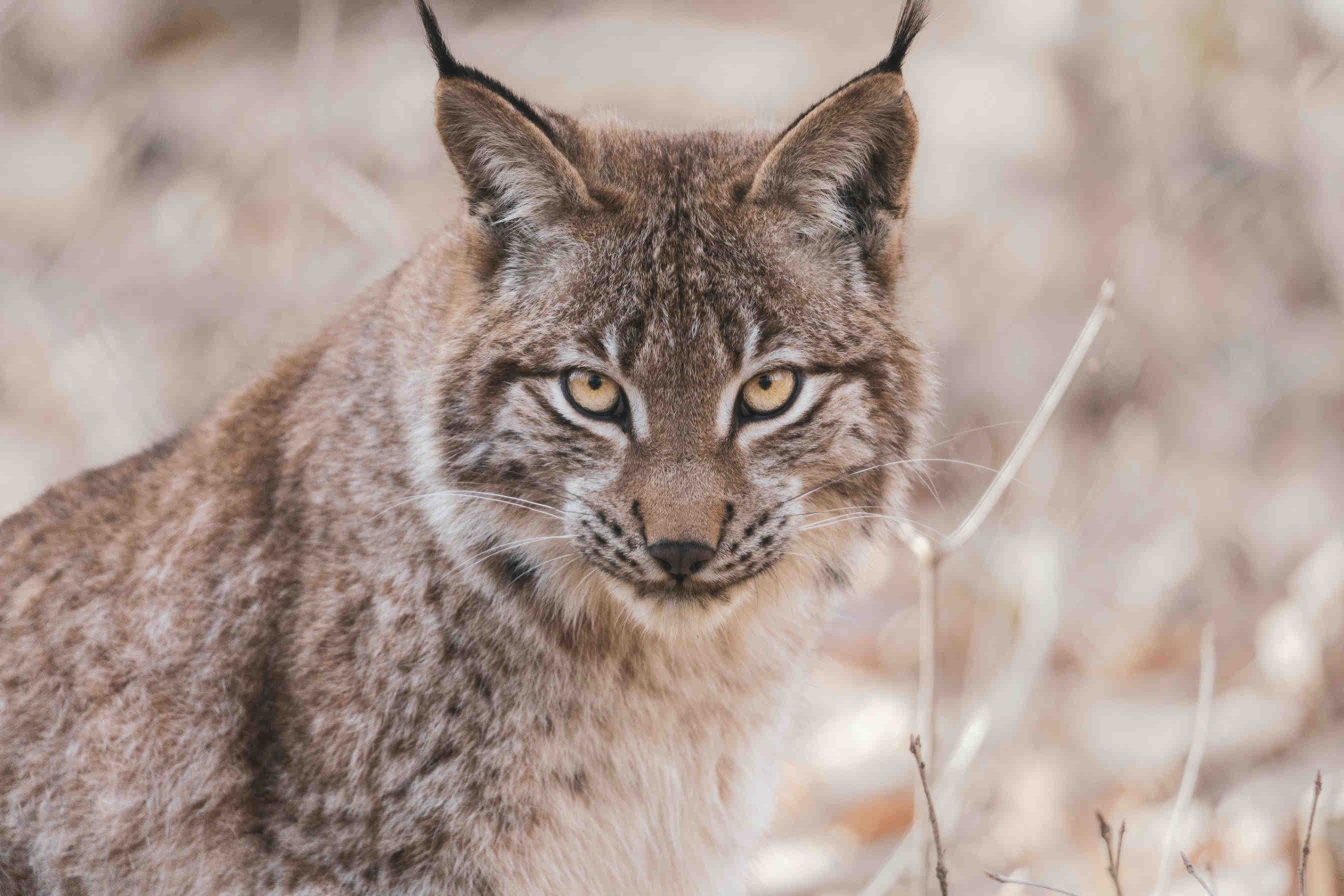
    Progetti attuali e futuri per la reintroduzione della lince
    09/11/2024Of 3Bee, Lara Vivarelli
    929 Views
    Newsletter
    newsletter
    Subscribe to the Blog about bees and biodiversity

    Frequently Asked Questions

    Do you have any doubts or other curiosities about this article? Here you will find some insights