The reindeer: characteristics, habitat and adaptations of the Christmas symbol animal
    ReindeerHabitatAdaptationsUV Light

    The reindeer: characteristics, habitat and adaptations of the Christmas symbol animal

    The reindeer, a symbol of Christmas and crucial for some populations, has developed unique adaptations to survive in the rather extreme environments like the Arctic. Find out in this article which ones they are.

    Read the article
    30/12/2024Of 3Bee, Lara Vivarelli
    1419 Views
    30/12/2024Of 3Bee, Lara Vivarelli
    1419 Views

    The reindeer: a cervid between nature and tradition

    Disclaimer: this is an automated translation from Italian. Go to the original article.

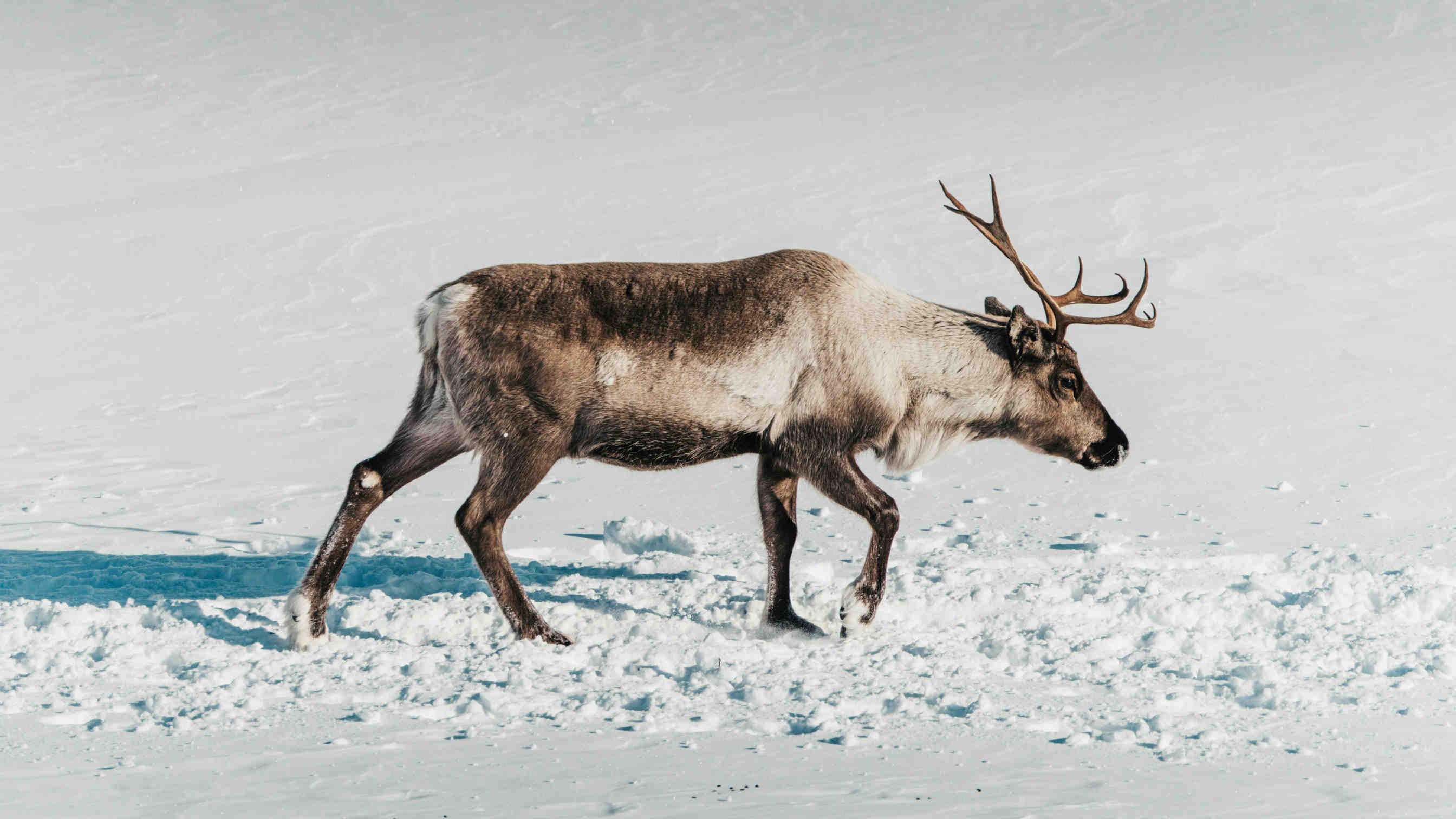
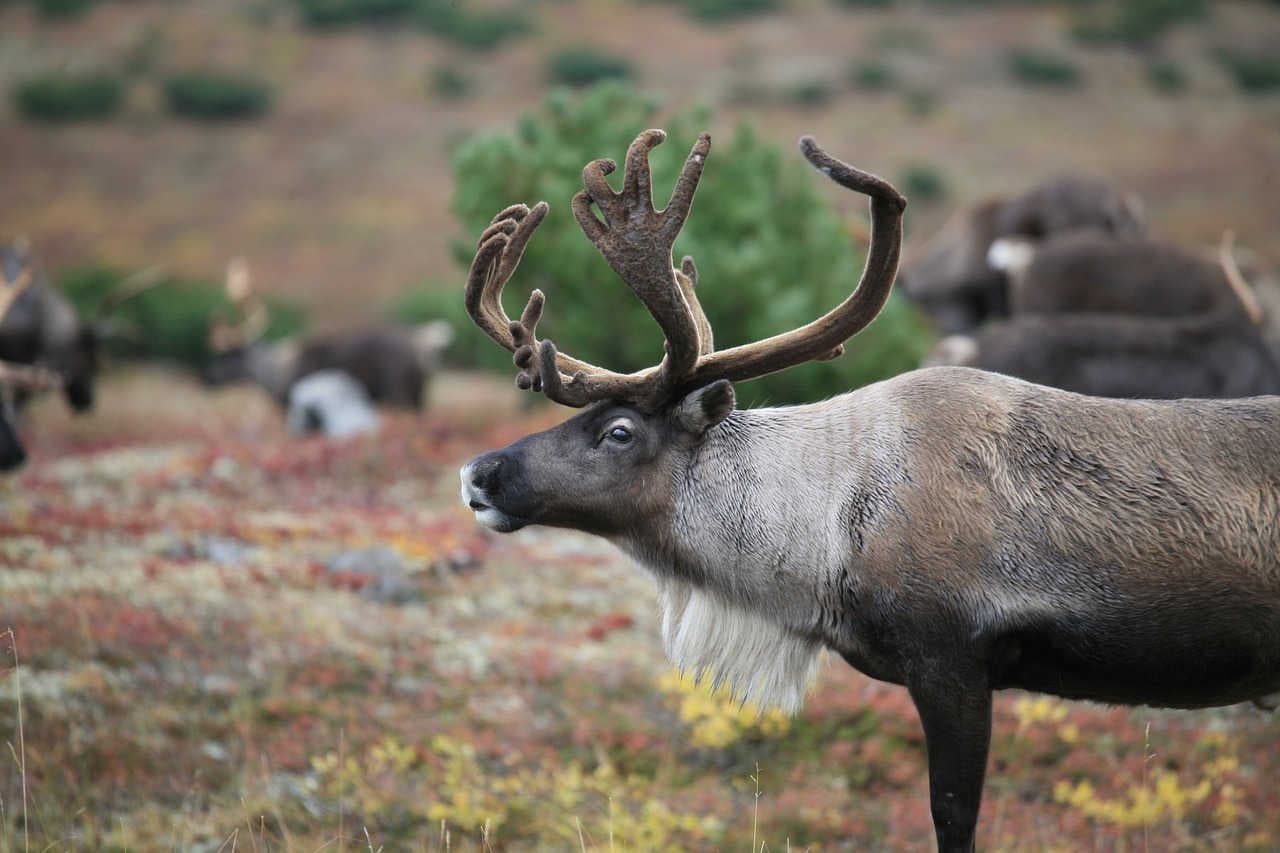
    The reindeer is a mammal of the Cervidae family, belonging to the genus Rangifer. There are different subspecies, divided based on habitat, called "tundra reindeer" and "woodland reindeer". In North America, they are called caribou, after the subspecies Rangifer tarandus caribu. A distinctive feature of reindeer is the large branched antlers, present in both males and females, unique among cervids. The antlers, unlike permanent horns made of keratin, are bony material and are shed annually. Reindeer, smaller than other cervids, reach a maximum height of about 130 cm. These animals are particularly famous in Christmas tradition as Santa Claus's helpers in his deliveries.
    renna caribu tradizione natalizia

    Habitat and diet of the reindeer

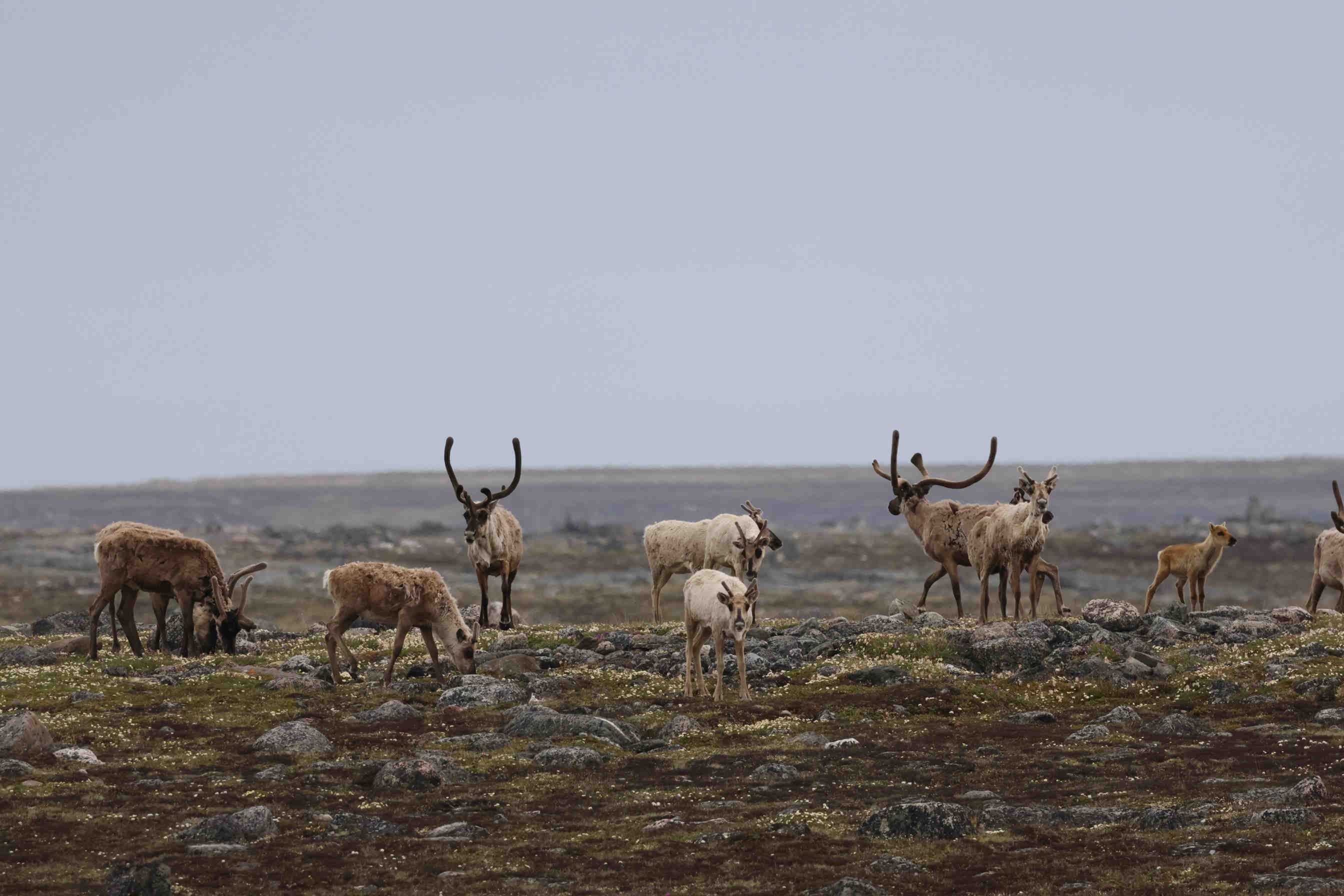
    The reindeer lives in the arctic and subarctic tundra and is a protagonist in fairy tales and folklore. Often confused with moose (larger) and deer (inhabiting temperate climates), the reindeer in Europe has fragmented wild populations, mainly in Norway, Finland, and northern Russia. It is found in tundra environments, uncovered mountains, and open woods, reaching altitudes of 2,300-3,000 meters. It is a ruminant with a stomach and three forestomachs, feeding mainly on lichens, mosses, grasses, buds, and occasionally fungi and shrub leaves.

    renna caribu habitat e alimentazione
    XNatura

    Reindeer's adaptations to Arctic life

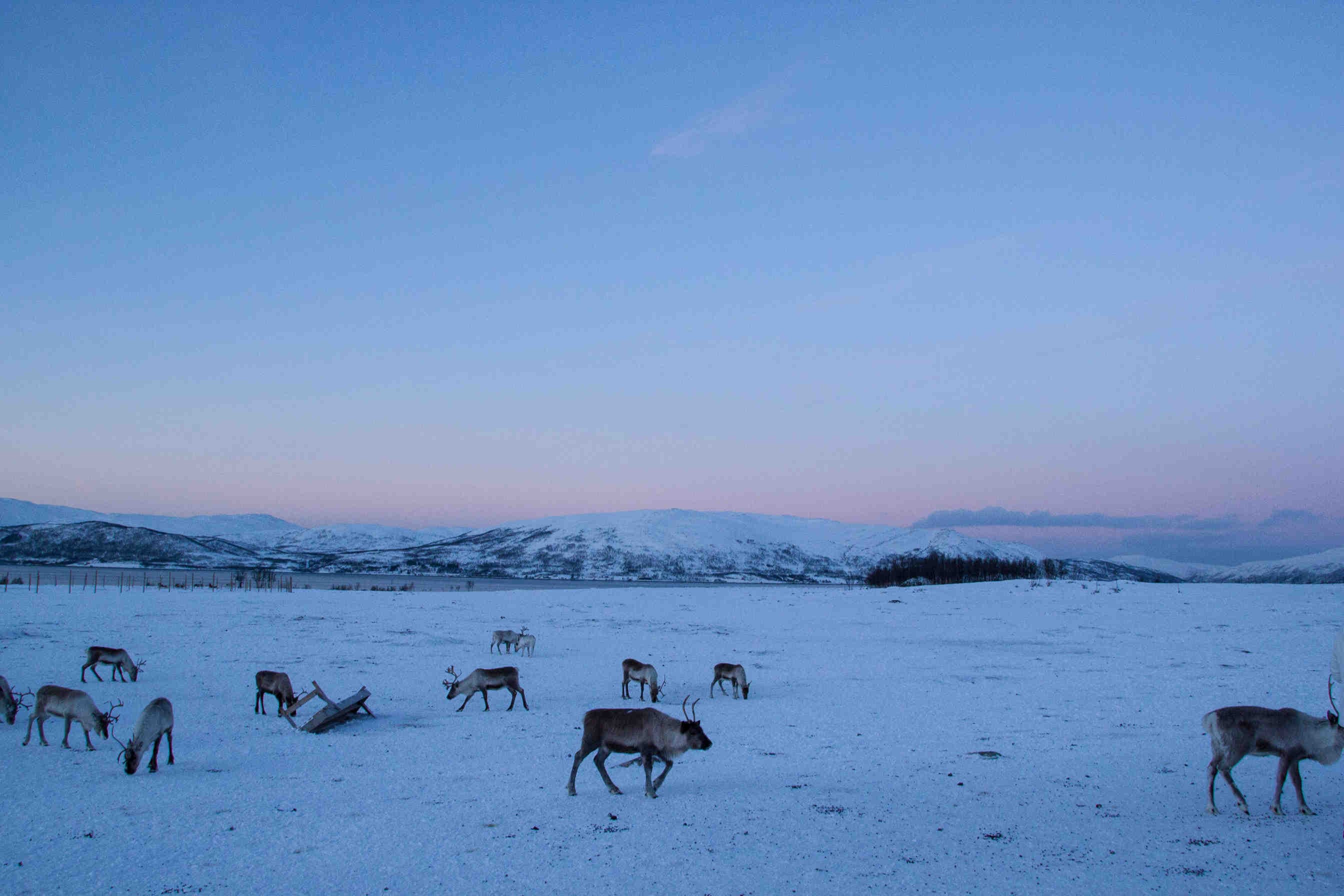
    Reindeer are extraordinary animals with unique adaptations to survive in the Arctic environment. With about 5 million individuals worldwide, they face extreme temperatures and long periods of darkness. Two particular adaptations attract scientific attention: the ability to regulate the circadian cycle during the long Arctic days and nights, with potential applications for jet lag and depression, and the rapid regeneration of antlers, which grow at 2.5 cm per day, with implications for cancer prevention. Their body is slender, with sturdy limbs, a cold-resistant coat, and large hooves that facilitate movement in the snow. Additionally, their nose has special structures that warm the air before it reaches the lungs.
    adattamenti renne

    Reindeer's eyes adapt to UV light

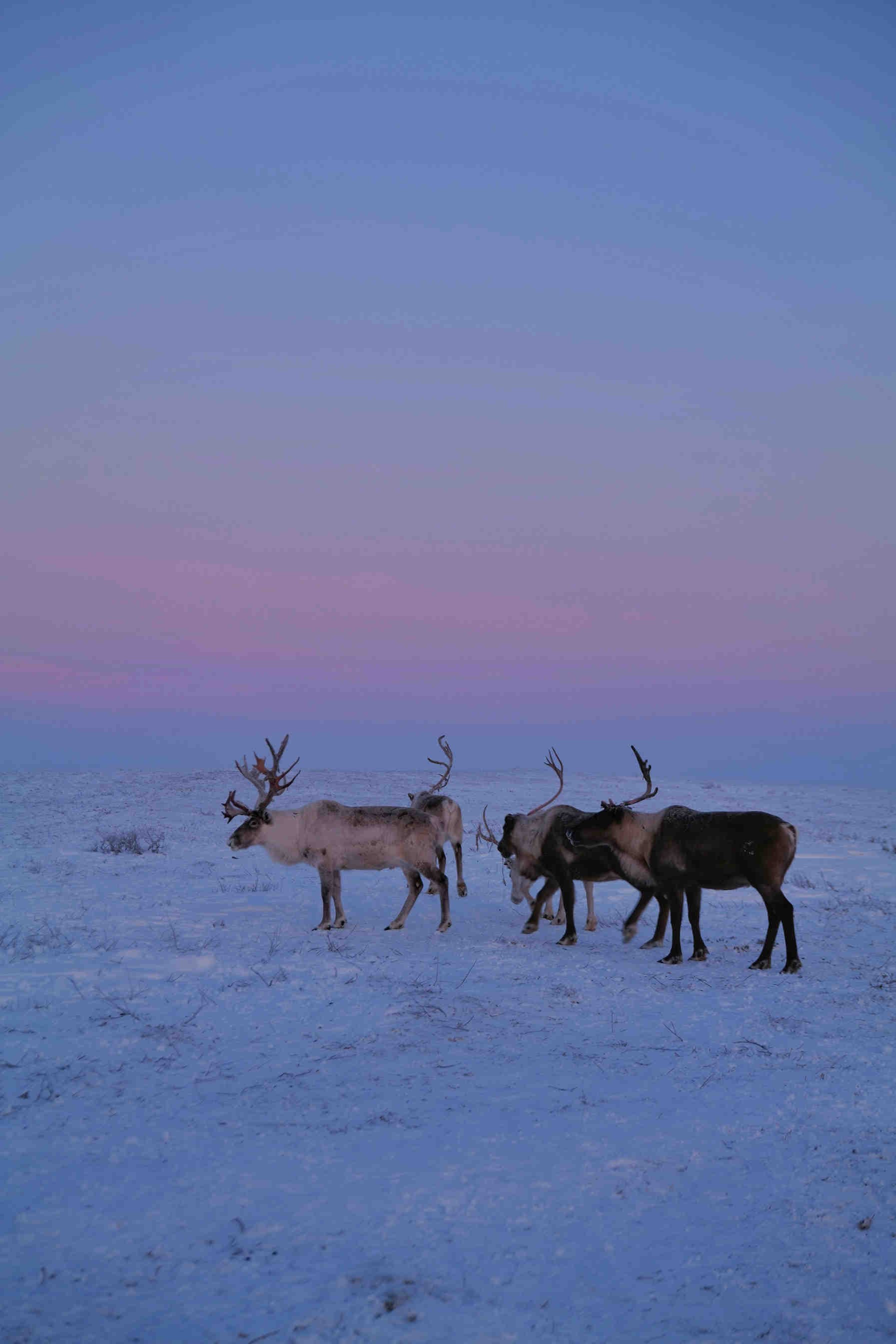
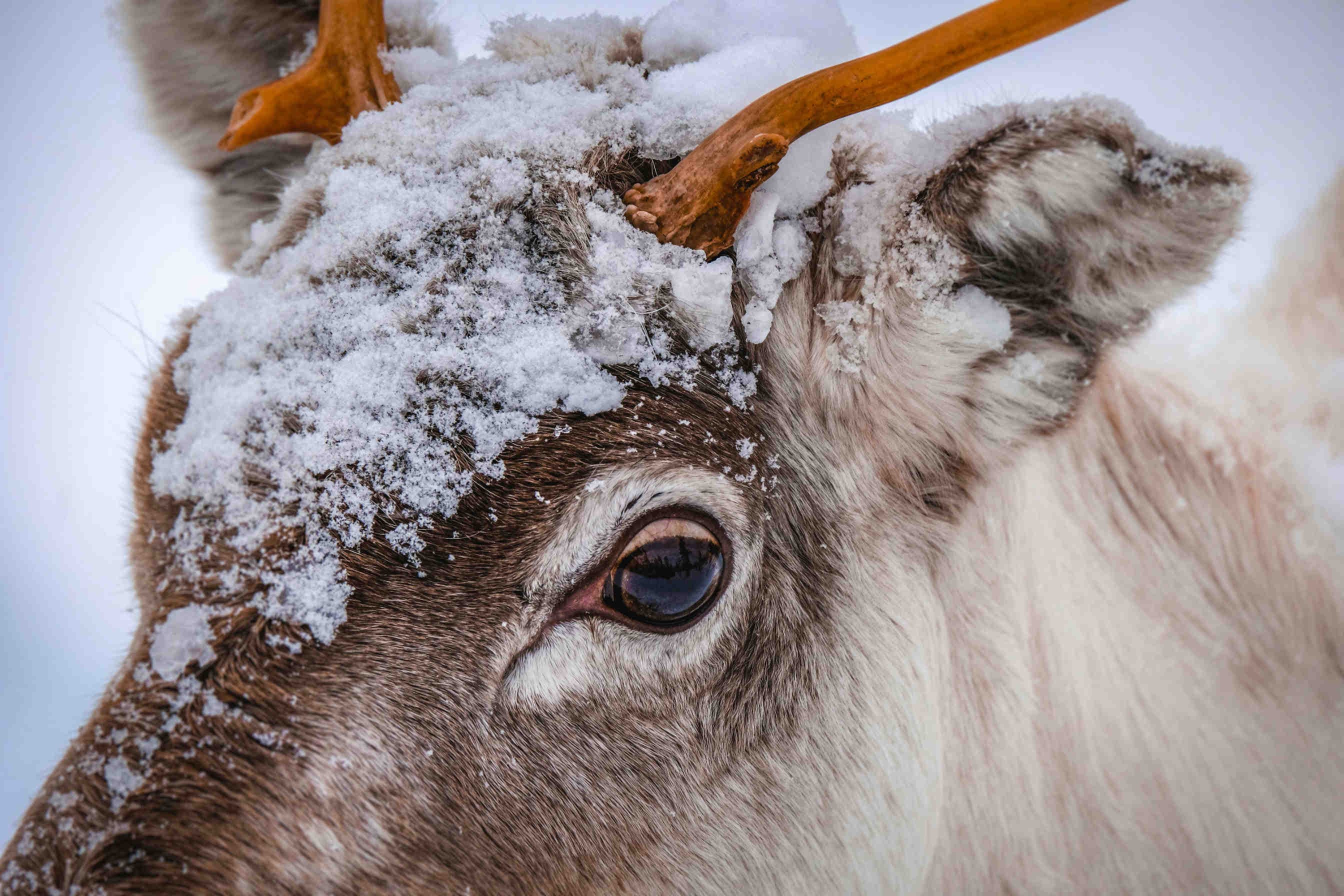
    Reindeer are able to see ultraviolet (UV) light, crucial for orientation during snowstorms. A study by UCL Institute of Ophthalmology revealed that they are the only terrestrial mammal capable of adapting their eyes to twilight colors, an adaptation necessary because in winter they spend long periods in darkness. Light in the Arctic is mainly blue or UV, and snow reflects up to 90% of UV light. Reindeer can see wavelengths up to 320 nm, in the ultraviolet range, unlike humans, who only see visible light. Research has shown that some UV-absorbing objects appear black on the snow, making it easier for reindeer to find food and navigate. An aspect yet to be clarified is how reindeer protect their eyes from UV damage, which in humans can cause snow blindness.
    adattamento occhi renna luce uv
    XNatura

    Reindeer's reproduction

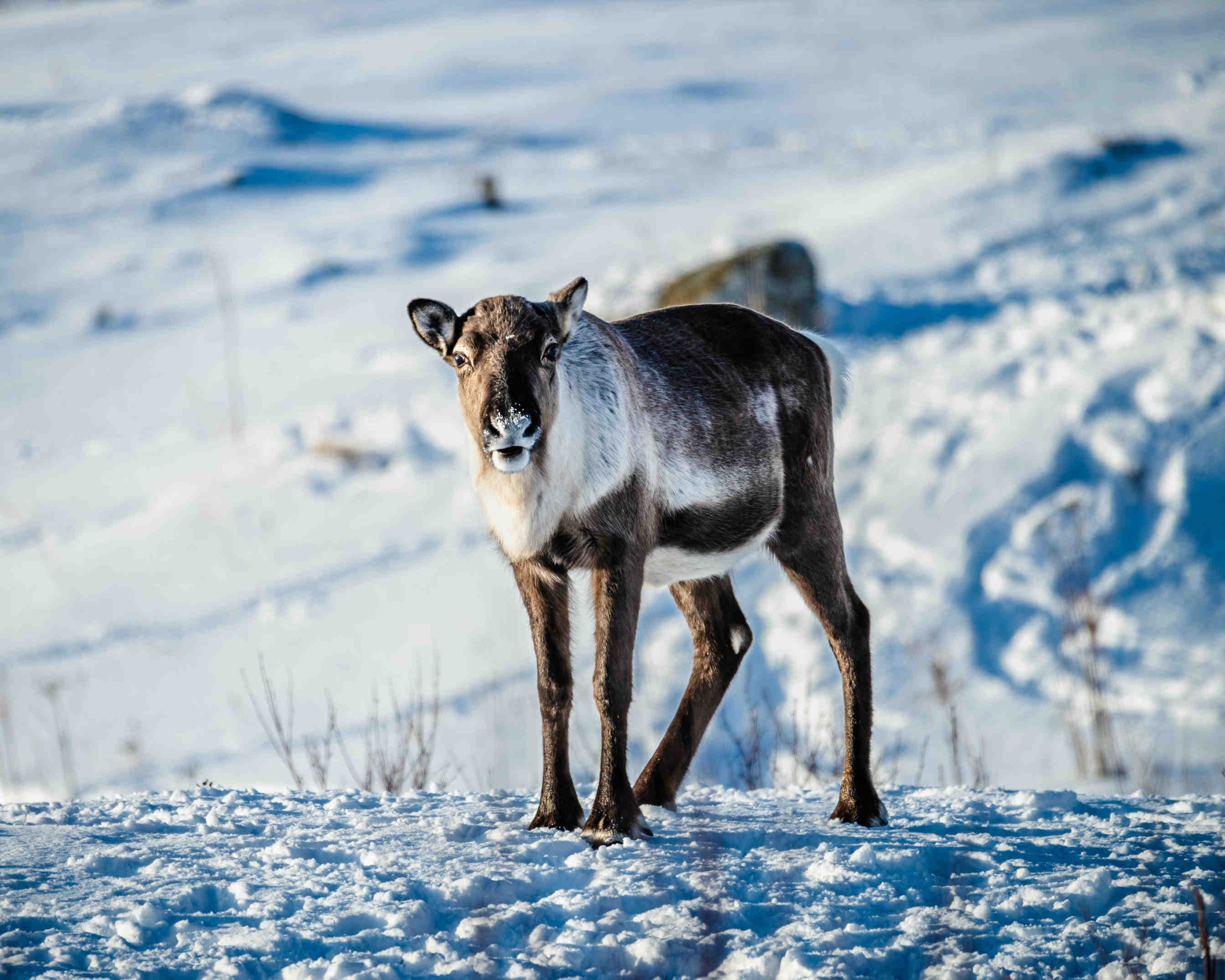
    Reindeer reach sexual maturity around two years old, and mating occurs between late September and November. During this period, males are highly competitive, fighting with antlers to win over females. The strongest males can mate with more than ten females and, to fully focus on reproduction, stop eating, consuming their body reserves. Female gestation lasts about 8 months, and birth usually results in the birth of a single calf between May and June. The young become independent from the mother in autumn, but already 45 days after birth, they are able to feed on their own.
    riproduzione renne
    3Bee

    Reindeer are social animals

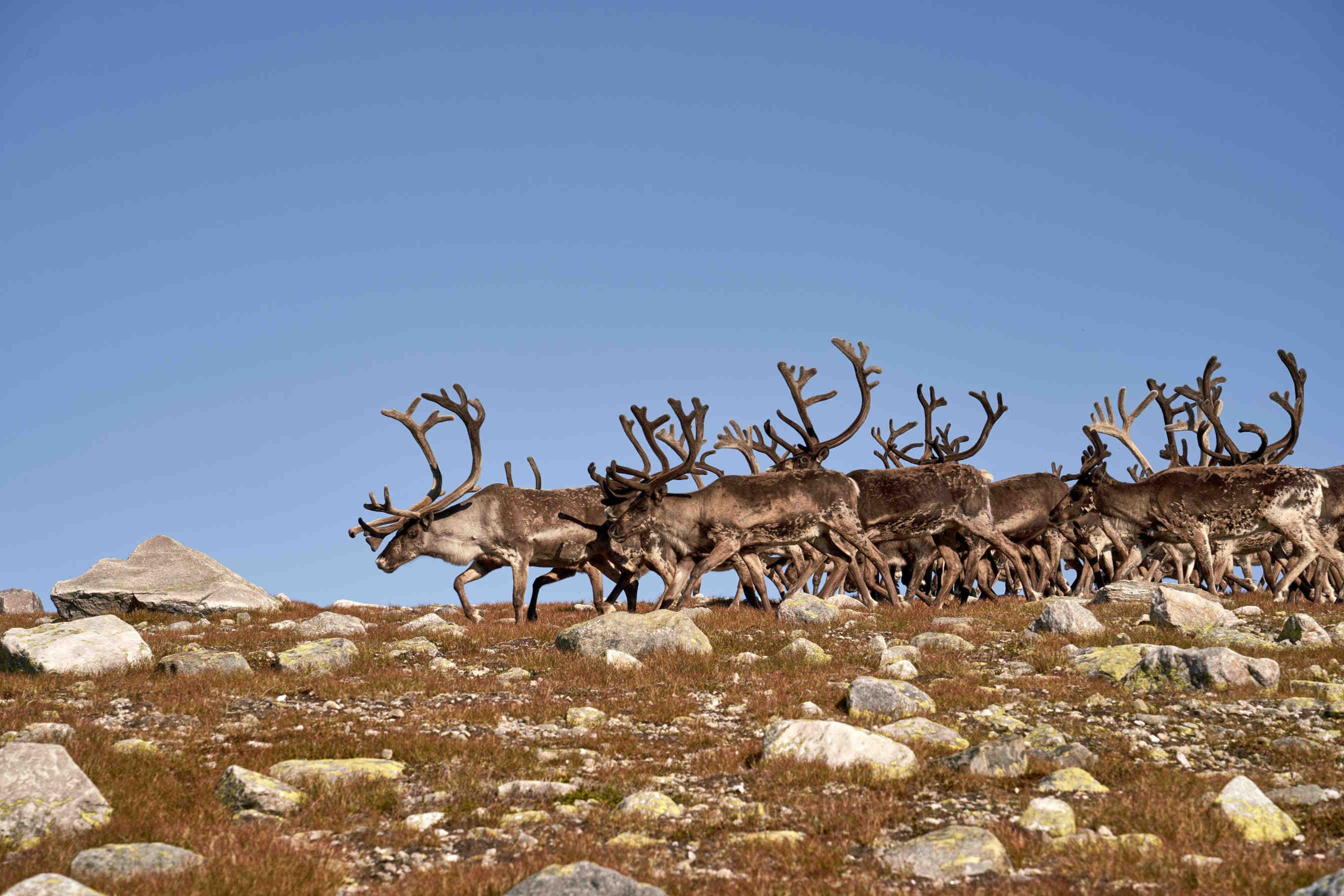
    Reindeer, depending on the subspecies, live in herds of varying sizes, which in some cases can exceed tens of thousands of individuals. This characteristic makes them extremely social animals, preferring to move and live in large groups to enhance protection and food seeking. Herds can consist of individuals of all ages, creating a hierarchical structure that allows for cooperation among members. However, during the mating season, social dynamics change drastically. Males compete with one another to access females and separate from the main herds, forming small groups or even staying alone. Females, on the other hand, tend to group in small herds, away from large ones, to face the breeding period with fewer disturbances from dominant males.
    renne animali gregari e sociali

    The great migrations of the reindeer

    Reindeer are known for their incredible migrations, particularly some subspecies like North American caribou, which make some of the longest land migrations. Some populations of caribou migrate yearly over distances exceeding 5,000 kilometers, covering vast areas, up to a million square kilometers. Other subspecies, like those in Europe, migrate over shorter distances, while some, like R. t. pearsoni and R. t. platyrhynchus, living on islands, are sedentary and make only local movements. During migrations, caribou can travel up to 55 km a day, running at speeds of 60-80 km/h.
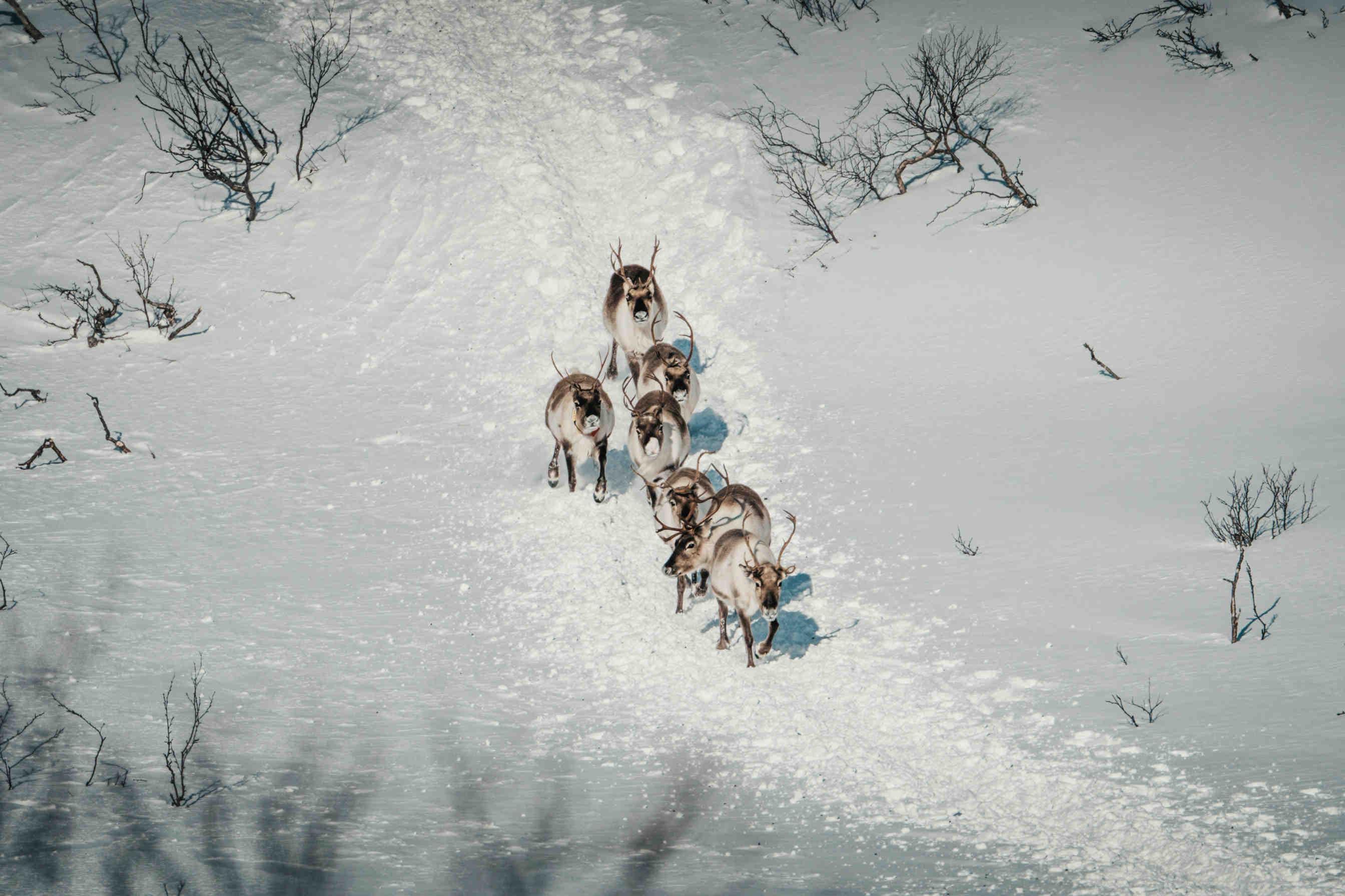
    le grandi migrazioni delle renne

    Threats causing the decline of reindeer populations

    Despite the millennia-long coexistence of reindeer and Arctic humans, today the species is in decline due to habitat loss and increasing human activity. Particularly, population reduction is related to climate change in northern areas and industrial activities in southern ones. In Finland, the reindeer is considered at risk of extinction by the IUCN, which classifies it as vulnerable. In this country, the timber industry and human activities cause various habitat damages. Recent studies have shown that outdoor activities disturb reindeer, pushing them to abandon their habitat. Although globally the species is classified as "Least Concern," in some North American areas it is threatened by industrial development and predation, while in Russia, poaching is the main threat.

    declino renne
    30/12/2024Of 3Bee, Lara Vivarelli
    1419 Views
    Newsletter
    newsletter
    Subscribe to the Blog about bees and biodiversity

    Frequently Asked Questions

    Do you have any doubts or other curiosities about this article? Here you will find some insights