The Indigenous Knowledge, a Resource for Climate Science
    IndigenousLanguageInterestKnowledge

    The Indigenous Knowledge, a Resource for Climate Science

    The realms of Indigenous knowledge and Western science are often viewed as separate and incompatible. Traditional climate science, as conventionally understood, has primarily been shaped by Western academic perspectives.

    Read the article
    29/07/2024Of 3Bee, Sara Moraca
    127 Views
    29/07/2024Of 3Bee, Sara Moraca
    127 Views

    The indigenous knowledge, an unknown heritage

    The schism between Indigenous knowledge and Western scientific paradigms is a common perception. Traditional climate science has largely been shaped by Western academia, overshadowing the invaluable contributions of Indigenous wisdom. Yet, within Indigenous heritage, particularly preserved within language, lies a treasure trove of insights into the intricate dynamics between humanity and the environment. Tragically, this repository of knowledge is at risk of fading into obscurity. Embracing inclusivity in climate science isn't just a moral imperative; it's an opportunity to tap into neglected knowledge systems. By integrating Indigenous perspectives, we can unearth innovative solutions to our most pressing environmental challenges, enriching our understanding and fostering a more holistic approach to climate science.
    biodiversity

    A language connected to the nature

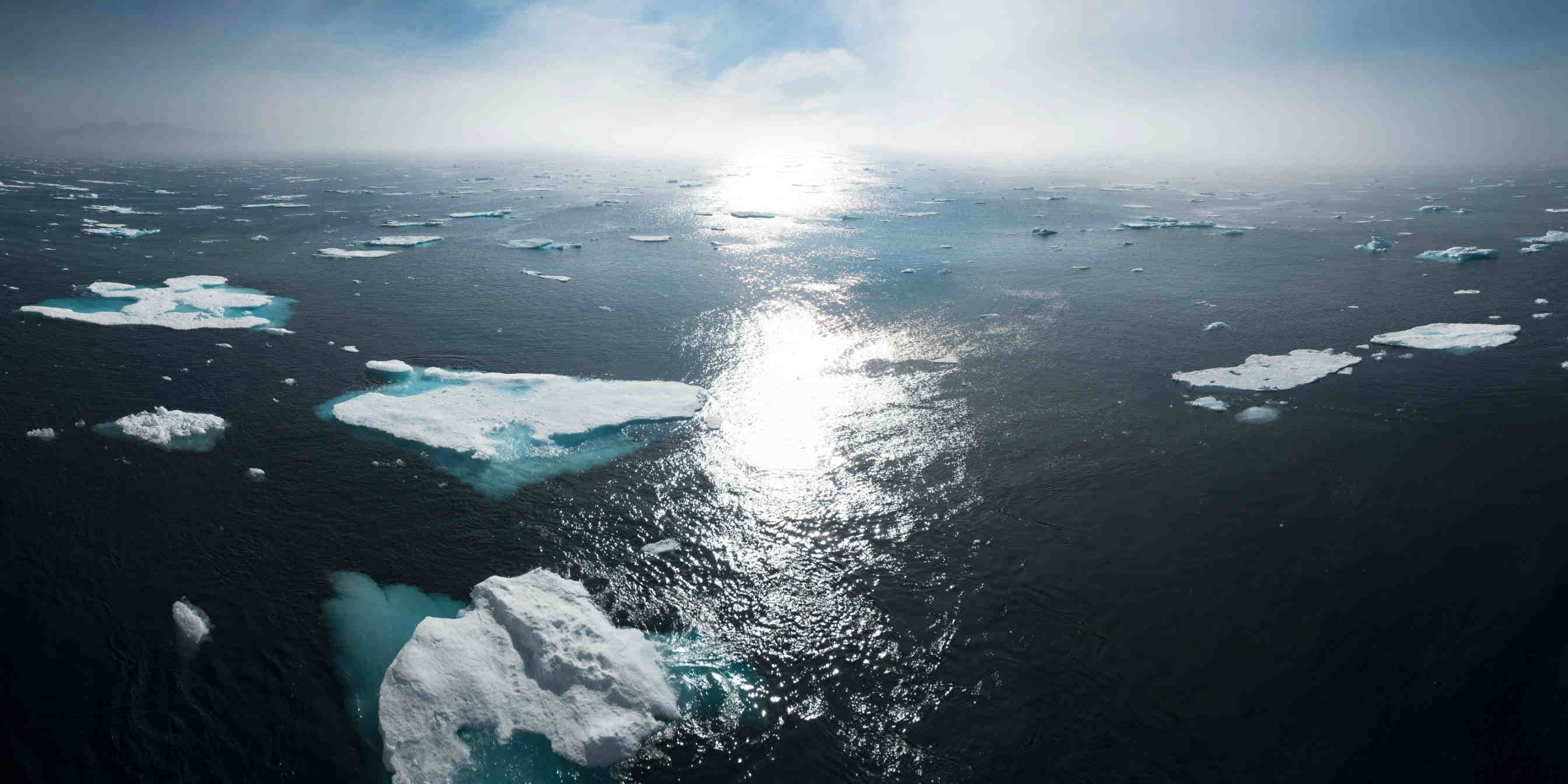
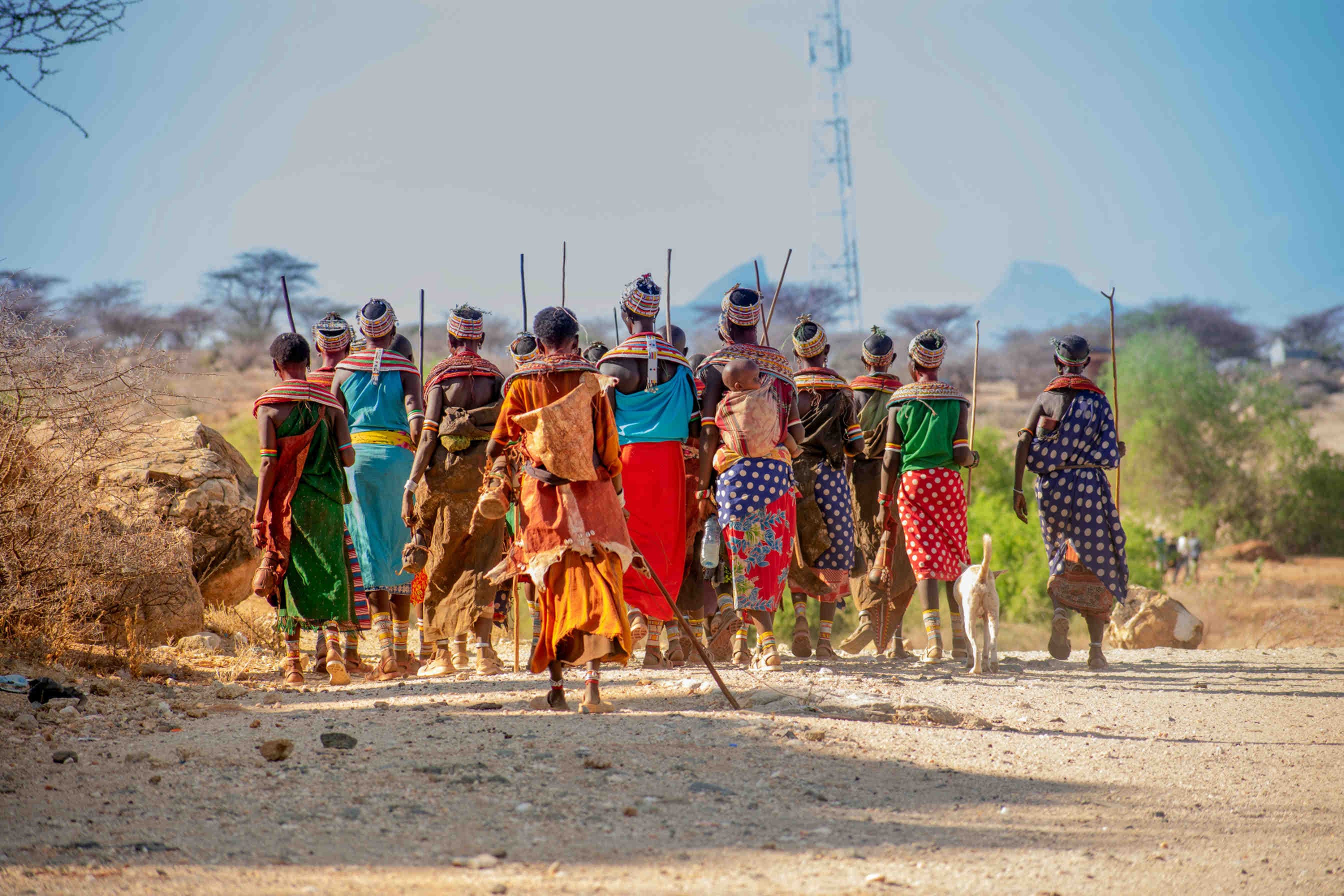
    “Siku" in the Inuit language encompasses ice in its broadest sense, while "qinu" specifically denotes the muddy type often found along the shoreline. "Maujaq" refers to the snow into which one sinks, whereas "qautsaulittuq" describes ice that has been broken with a harpoon, typically after someone has tested its strength. The Inuit language offers a rich and descriptive lexicon for sea ice and snow, finely attuned to the demands of a region where temperatures can plummet to -40°C in winter and soar to 30°C in summer. A comprehensive understanding of climatic systems is indispensable for survival in such harsh conditions. Despite comprising only 4% of the world's population (between 250 and 300 million people), indigenous communities safeguard an astonishing 80% of the planet's biodiversity, effectively protecting 85% of the world's protected areas.

    Ice
    XNatura

    A growing interest from scientific community

    The global scientific community is increasingly recognizing the value of indigenous knowledge systems. In Samoa researchers have forged close partnerships with local communities to understand how indigenous tribes utilize specific indicators to predict climate variations at a localized level. By observing animal behavior, delving into cloud formation intricacies, and meticulously monitoring key botanical species, these collaborations have empowered the community to anticipate and adapt to abrupt weather changes and seasonal climate fluctuations. In 2005, the Smithsonian Tropical Research Institute highlighted a concerning discovery: only 90 hives of Melipona beecheii were recorded in the Yucatan. This bee species plays a crucial role in preserving forest integrity in an area increasingly susceptible to climate change impacts. In response, Anselma Chale Euan and 19 other indigenous women from the Mexican peninsula joined forces to establish the Co'oleel Caab Collective.

    Local Communities

    The dynamic nature of indigenous knowledge

    One of the remarkable aspects of IK is its dynamic nature. Knowledge holders often blend traditional wisdom with scientific insights, adapting to changing environmental conditions. This adaptability is crucial, especially in the face of rapid environmental change. However, it's essential to recognize and address power imbalances between different knowledge systems. Indigenous and local communities often possess invaluable knowledge but may lack the influence to participate fully in decision-making processes related to environmental conservation and land management. Incorporating IK into various initiatives, such as environmental conservation programs and formal education, is vital for effective climate change adaptation. This involves not only recognizing the value of ILK but also empowering indigenous and local communities to actively participate in decision-making processes.

    Climate change
    XNatura

    How to integrate western science and indigenous knowledge

    Efforts to bridge the gap between science and indigenous culture often tend to be directed by the terms of science, focusing on documenting facts and observations to fill gaps in scientific understanding where data may be scarce. This remains an ongoing challenge because the two domains of knowledge lack a common language, which is a fundamental hurdle to overcome for initiating genuine exchange and true inclusion of this knowledge domain in climate change communication. It would indeed be desirable to consider the two knowledge systems as not distinct , even though their collaboration is a practical and functional challenge. One of the most utilized approaches by academia to reconcile the use of western method and theory with indigenous knowledge is Marshall’s Two-Eyed Seeing: "To see with one eye the strengths of indigenous ways of knowing and with the other eye the strengths of western ways of knowing, and to use both of these eyes together."

    Indigenous tribes
    3Bee

    Indigenous languages as worldviews and belief system

    Among these more complex aspects of indigenous language, which are rooted in worldviews and belief systems, are indigenous languages themselves, which contribute to forging a profound connection between humans and their environment. Indigenous languages and ecosystems form virtuous circles of knowledge that feed into each other and contribute to strengthening the human-environment bond. This has also emerged in studies on how rapid environmental change influences indigenous heritage language practices in Alaska, and how generational gaps in levels of language fluency in indigenous heritage languages affect the safety and effectiveness of traditional customary and land use activities. In this case as well, the results have shown how the choices and attitudes of the local community reflect and construct dynamic ecologies of language, culture, and environment.

    Indigenous heritage

    Involving indigenous perspective: an ethical duty

    From an ethical standpoint, it's paramount to underscore the framework outlined by 178 nations during the United Nations Conference on Environment and Development in Rio de Janeiro. Principle 10 within this framework accentuates the vital importance of fostering awareness, ensuring access to information, and facilitating active participation among individuals regarding environmental issues directly affecting them. Furthermore, Principle 22 places significant emphasis on the indispensable role played by indigenous peoples and their communities. It advocates for empowering them to effectively contribute to the pursuit of sustainable development. This recognition not only upholds their inherent rights but also acknowledges their invaluable knowledge and custodianship of the environment, thereby promoting a more inclusive approach to environmental governance. In conclusion, embracing indigenous knowledge is crucial for fostering sustainable development and ensuring environmental justice.

    Landscape custodianship
    29/07/2024Of 3Bee, Sara Moraca
    127 Views
    Newsletter
    newsletter
    Subscribe to the Blog about bees and biodiversity

    Frequently Asked Questions

    Do you have any doubts or other curiosities about this article? Here you will find some insights