The Great Meltdown 2: Emilia underwater
    TGM 2FloodTestimonySuolo

    The Great Meltdown 2: Emilia underwater

    The Great Meltdown 2 is the sequel to 3Bee's film documenting climate change from the point of view of human actions-altering ecosystems and biodiversity. Discover the fourth episode dedicated to the devastating flood that occurred in the summer of 2023 in Emilia Romagna.

    Read the article
    27/11/2023Of 3Bee, Elena Fraccaro
    271 Views
    27/11/2023Of 3Bee, Elena Fraccaro
    271 Views

    The Great Meltdown: the climate change film

    The Great Meltdown is the "film" that is before our eyes every day: the real and dangerous effects of climate change, which are affecting everyone. Unlike the first docu-film, which explored environmental disasters caused directly by human actions, this new season focuses on the devastating effects of extreme weather events. The episodes will be 5 and will be released weekly during the month of November 2023.
    - Episode 1: Milan of fire, the islands of heat
    - Episode 2: Vaia, a storm to remember
    - Episode 3: Silent Invasion, Blue Crab and Alien Species
    - Episode 4: Extreme hailstorms, the new normal
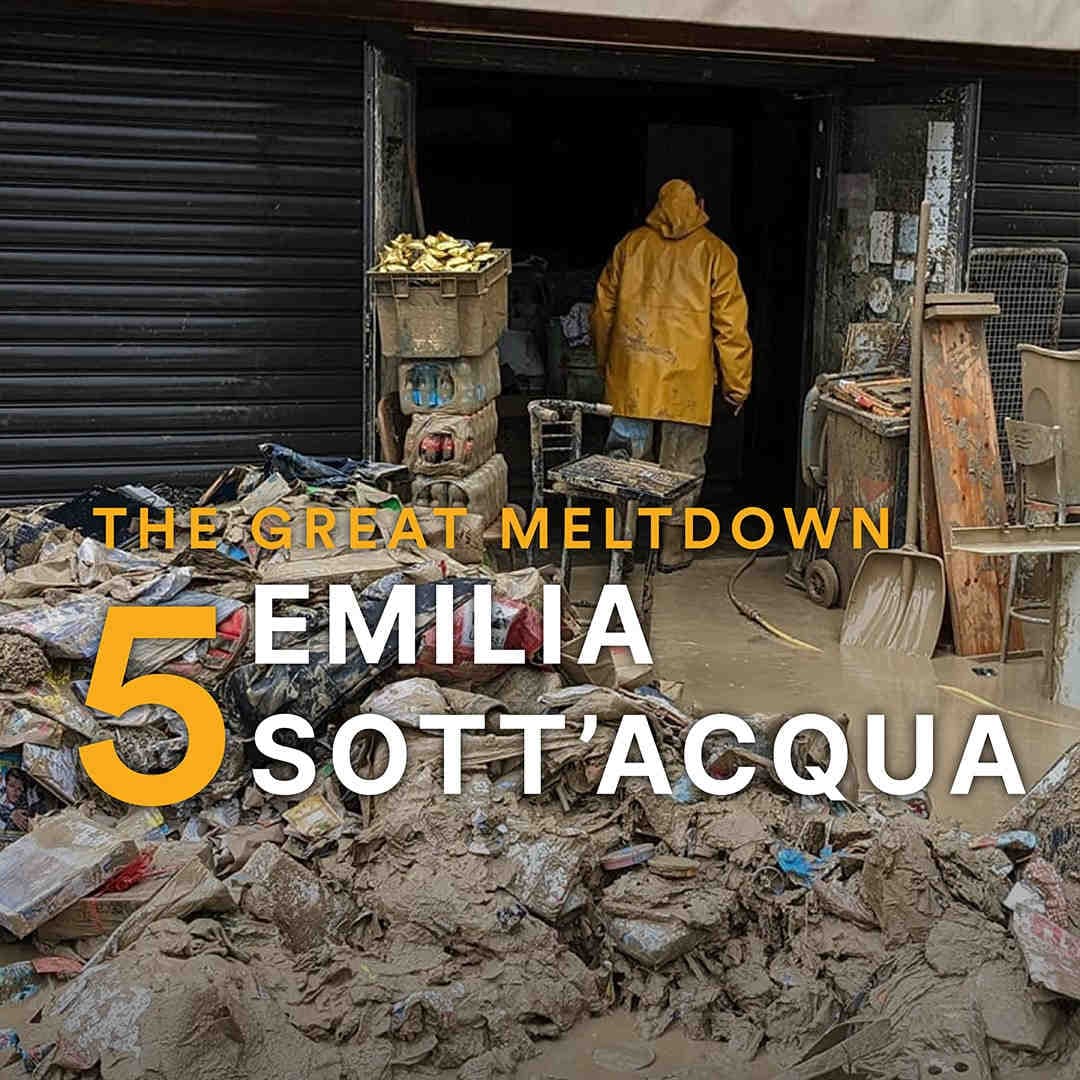
    - Episode 5: Emilia Underwater
    TGM 2 Emilia sott'acqua

    The disastrous flood in Emilia Romagna

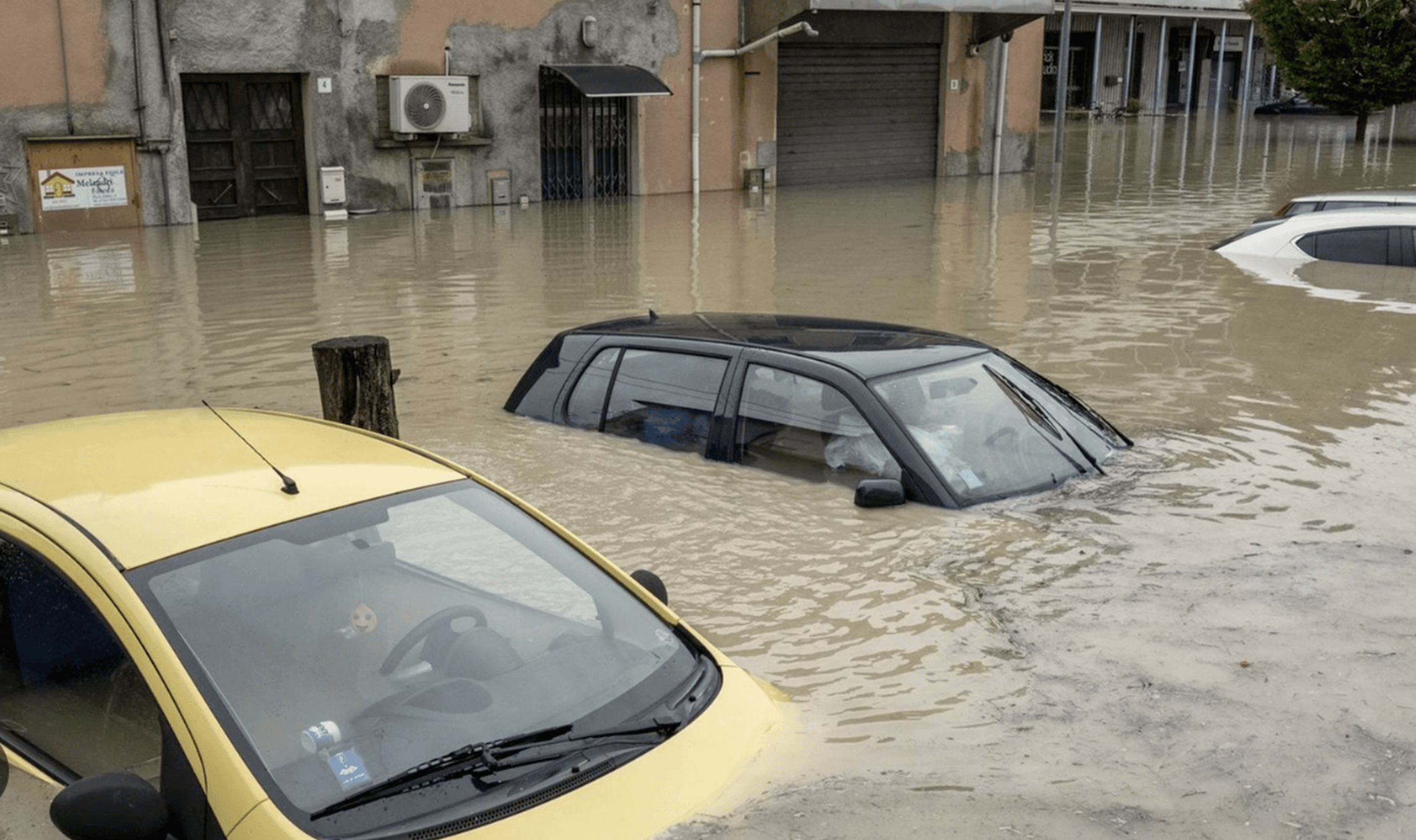
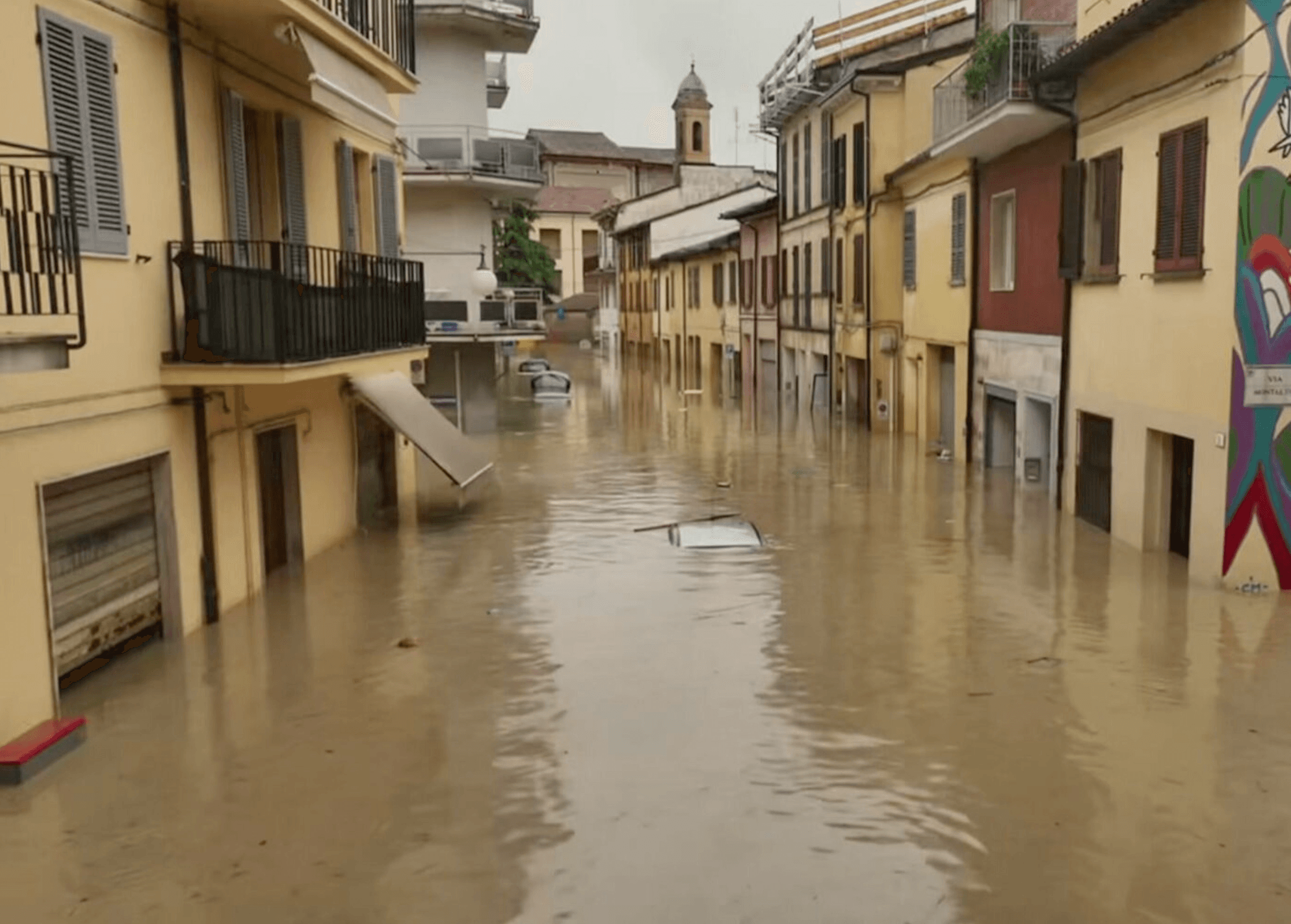
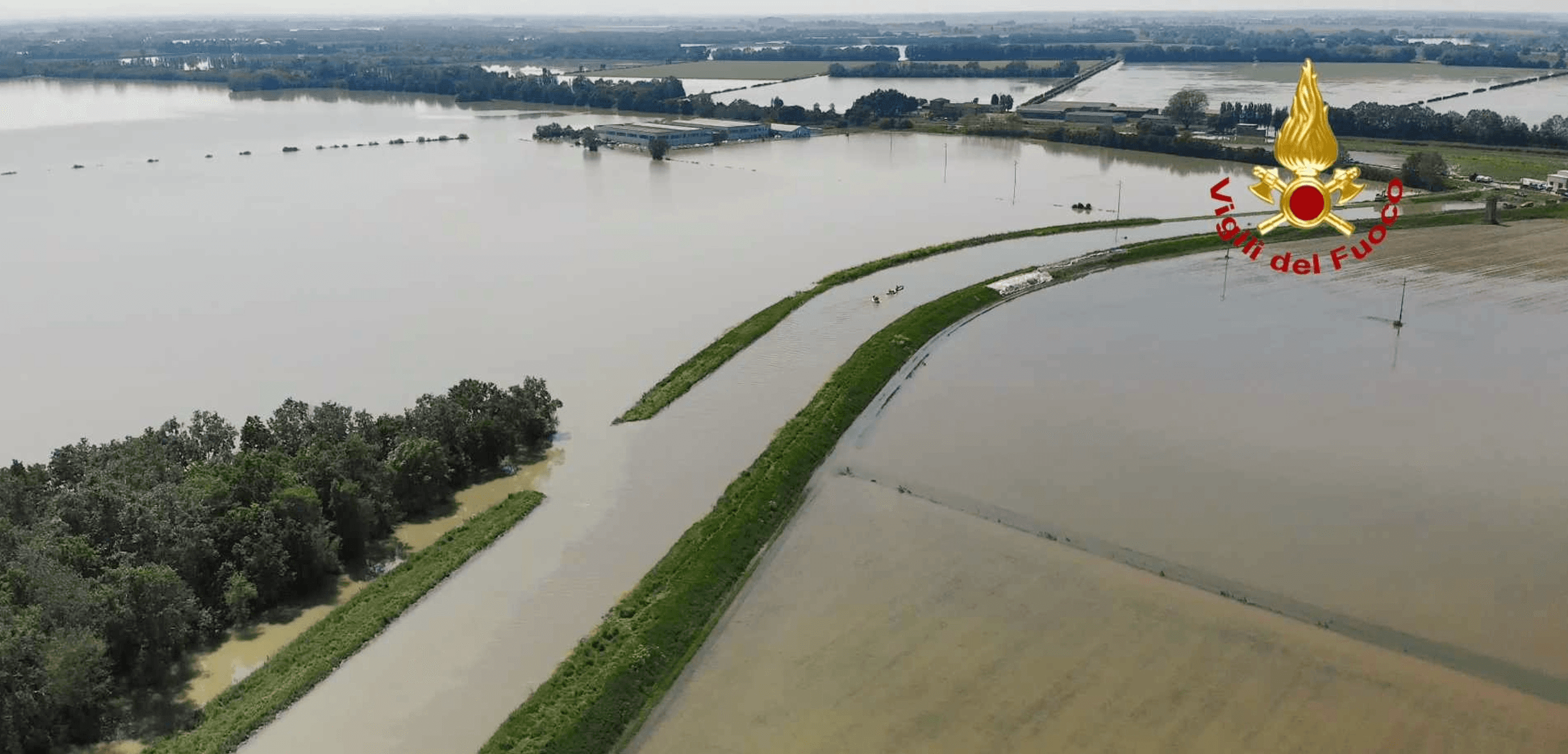
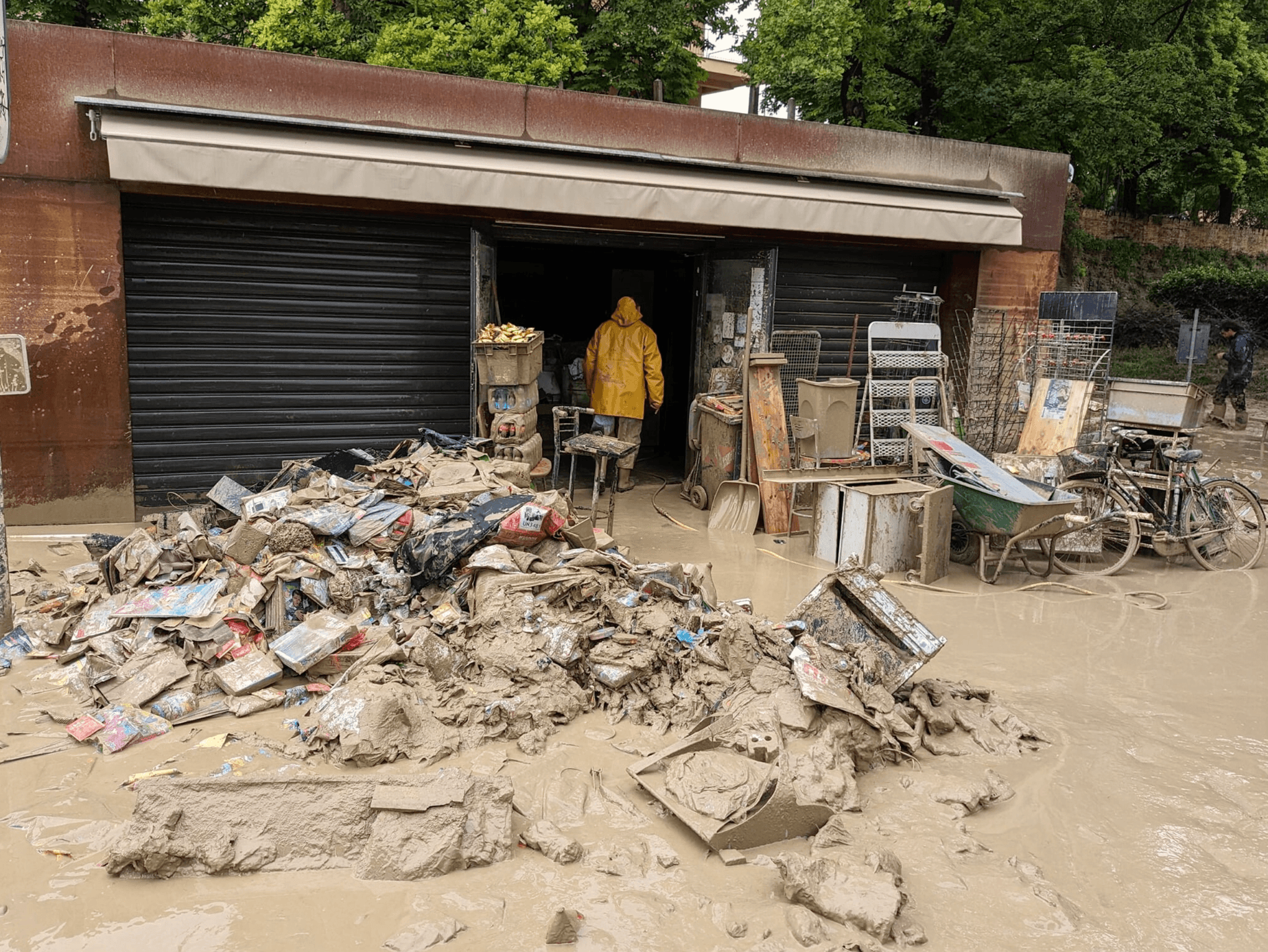
    Twenty-one flooded rivers, thirty-two thousand flooded people, sixteen victims, more than a thousand landslides and damage amounting to 1.5 billion euro. This is the balance sheet of the disastrous flood that occurred last summer in Emilia Romagna: riverbanks broke and totally flooded the Po Valley, creating a disaster never seen before. The 3Bee team wanted to tell the story of this extreme climatic event in the fifth and final episode of The Great Meltdown 2, entitled Emilia sott'acqua, visiting one of the worst-hit areas, the province of Faenza, which was totally submerged. Luca Alvisi, a local newsagent, told us that "the water reached six metres and the river overflowed, dragging away cars, bins and breaking everything. We never thought something like this would happen.

    alluvione Emilia
    XNatura

    Flood in Emilia: the testimony of newsagent Luca

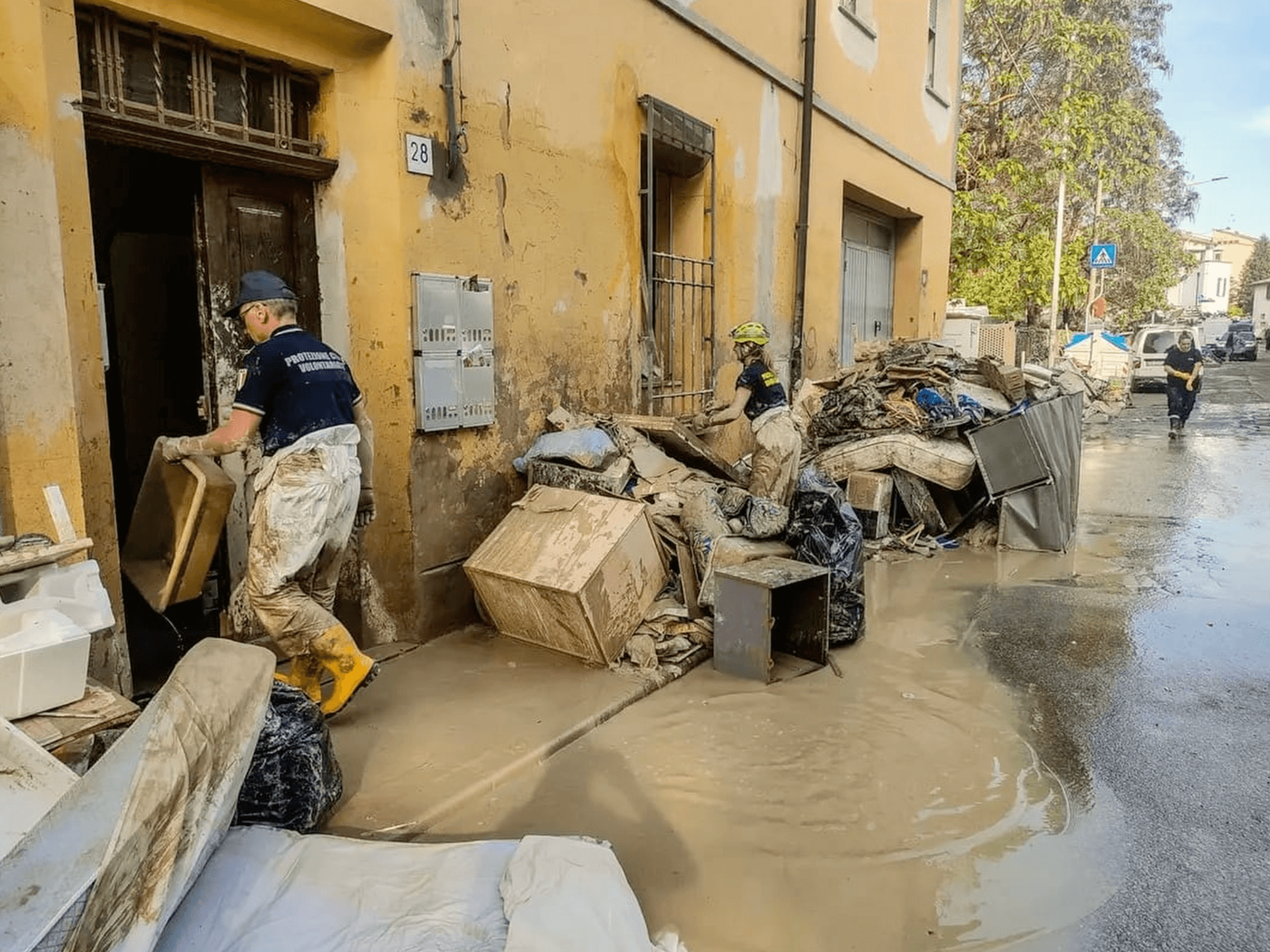
    "The days before the disaster, before 16 May, the meteorologists were saying that a much more powerful disturbance was coming than the previous ones, there was something in the air." Luca has worked as a newsagent for 13 years in a neighbourhood close to the banks of the Lamone River, which flooded on 16 May 2023. "We removed 30 centimetres of mud from the roof. When we first went in, there was 50 centimetres of mud on the ground and I couldn't walk because the mud was holding my boots down, so my feet were sticking out of my boots with every step. Everything was upside down, things were floating, the ceiling was soaked with water, it was collapsing, we dismantled it straight away." A surreal situation, which unfortunately actually happened. And to date, not all the damage has been repaired.

    Emilia Romagna alluvione

    In Emilia Romagna the soil is not able to drain water

    Over the past millennia, the Poor Plain has been bonified: we have created canals, we have channelled rivers, we have destroyed riparian forests and now 40% of all land is cultivated in monoculture, in arid conditions. This causes the soil to become totally impermeable and unable to drain water. The Emilia Romagna is at medium-high risk for floods and yet this region is the third in terms of increased urban and especially agricultural soil consumption. Soil should be the only ally against these floods, but in the current situation in Emilia Romagna, this is unfortunately impossible. The newsagent interviewed by 3Bee stressed that "the climate change is there for all to see, the climate is now unpredictable. We have to prevent it both with hydraulic works, so trying to widen the river bed, but we also have to be more careful with what we do every day."

    Alluvione Emilia Romagna
    XNatura

    Conselice, the municipality hardest hit by the floods

    One of the municipalities most affected by the flooding in Emilia Romagna is Conselice, in the province of Ravenna. A town of just under ten thousand inhabitants remained under water for over twenty days, so much so as to rot and create a real pandemic risk. Conselice is located in a basin and to empty it, it was necessary to wait for the huge water pumps that arrived only after more than twenty days. The houses, however, were now destroyed, everything had to be thrown away. In this episode, 3Bee interviewed a citizen of Conselice who recounted his tragic experience, underlining how it is necessary to be prepared for any new extreme events that we will have to face in the next period.

    Conselice
    3Bee

    Biodiversity: the ally for climate resilience

    But what is the solution to events like the flood in Emilia Romagna? We can manage rivers and their banks better, but sooner or later they will overflow again. "We have to understand that biodiversity is not an enemy, but our first ally, says Niccolò Calandri, CEO of 3Bee. He goes on to say that if we were to take 5% of the agricultural land in Emilia Romagna and create riparian strips along rivers these, through their valuable water-draining capacity, would certainly help reduce the extent of the most serious floods. This is the context for the Oases of Biodiversity, by 3Bee: urban and agroforestry habitats created in areas of low biodiversity, with the aim of regenerating it. A first step towards climate resilience through an innovative approach based on technology to develop a resilient ecosystem: only in this way can we defend ourselves against an uncontrollable future.

    27/11/2023Of 3Bee, Elena Fraccaro
    271 Views
    Newsletter
    newsletter
    Subscribe to the Blog about bees and biodiversity

    Frequently Asked Questions

    Do you have any doubts or other curiosities about this article? Here you will find some insights