The Dogwood: characteristics, habitat, and its ecological role
    The DogwoodEcological RoleFruitsRobustness

    The Dogwood: characteristics, habitat, and its ecological role

    The Dogwood, a shrub with an important ecological role especially for pollinating insects, is a very long-lived plant. Discover in this article its main characteristics and its ecological role.

    Read the article
    19/12/2024Of 3Bee, Lara Vivarelli
    520 Views
    19/12/2024Of 3Bee, Lara Vivarelli
    520 Views

    The dogwood, a very long-lived shrub

    Disclaimer: this is an automated translation from Italian. Go to the original article.

    The Dogwood (Cornus mas), is a shrub belonging to the Cornaceae family, a group that includes trees, shrubs, and sometimes perennial herbaceous plants, all appreciated for their ornamental and ecological value. This small-sized, deciduous plant loses its leaves in autumn, adapting to the low winter temperatures that could damage its photosynthetic apparatus. During the autumn period, the Dogwood takes on a deep dark red color, further enhancing its aesthetic value. Despite its small stature, between one and six meters, the Dogwood is a long-lived plant, capable of living for centuries, and exhibits extremely slow growth. A particular feature of this species is the presence of leaves partially covered with a fuzz, an adaptation that helps protect the plant from external agents, such as UV rays, <a href="https://blog.3bee.com/it/il-declino-degli-insetti-in-

    cornus mas corniolo

    Ecological role of the Dogwood

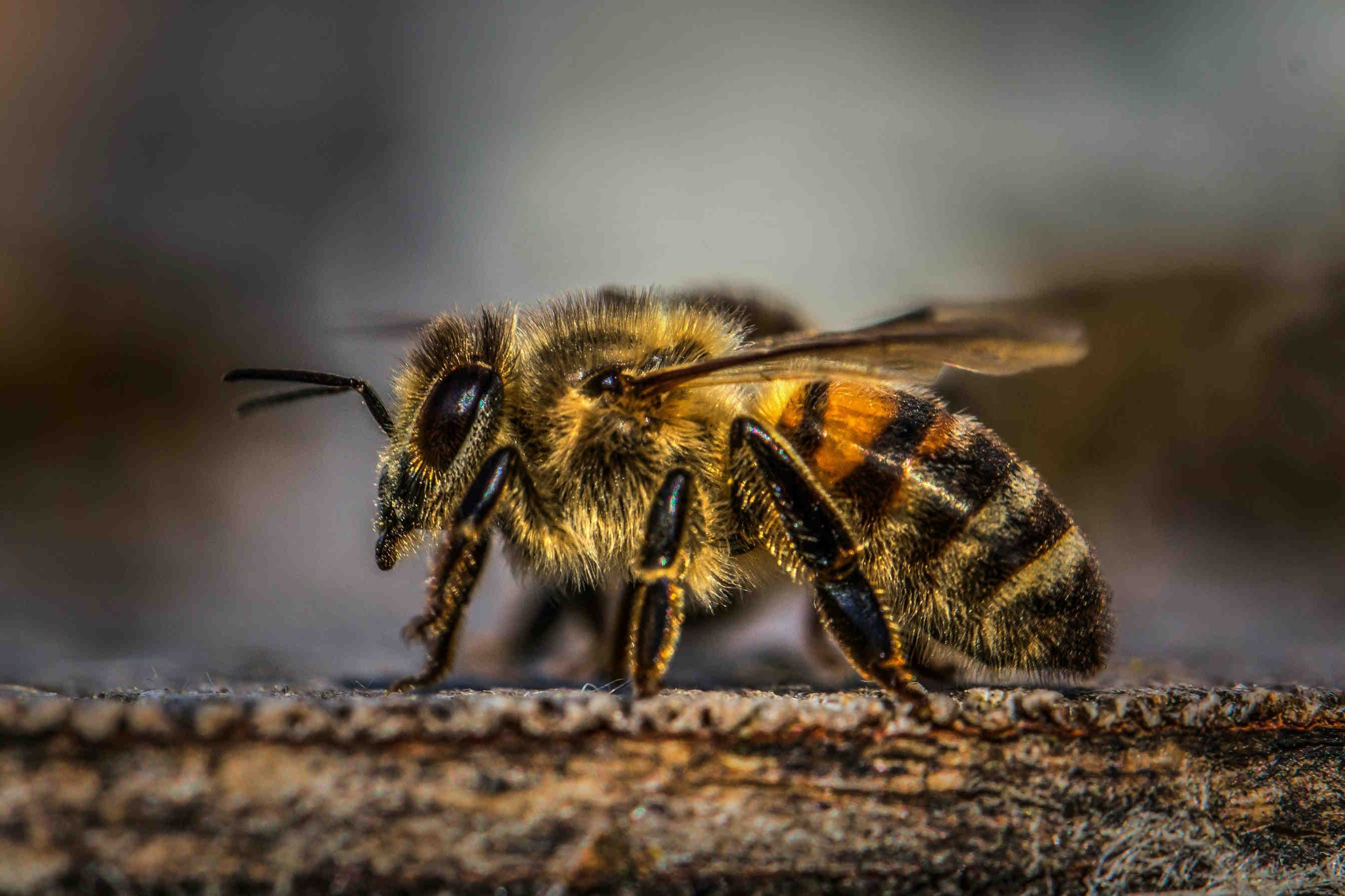
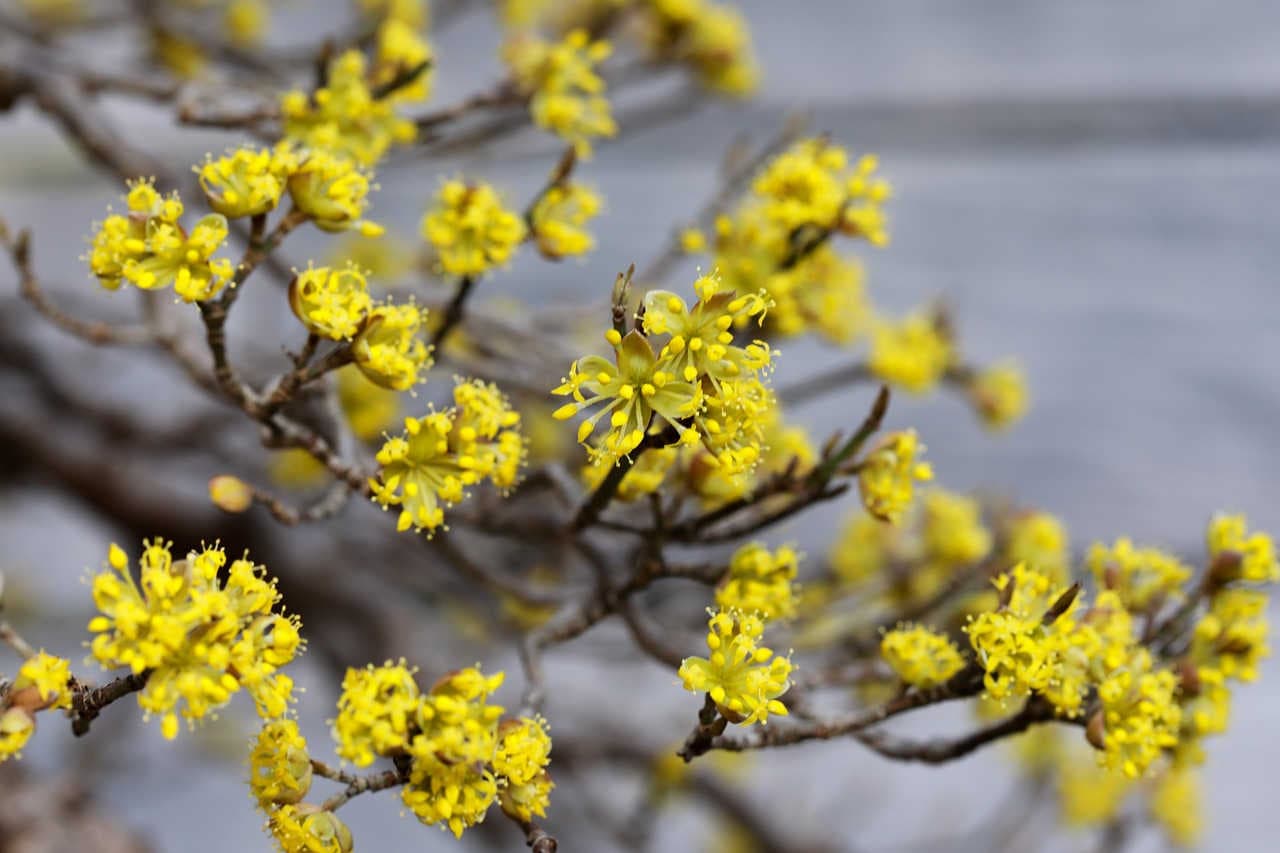
    The Dogwood appears as a large bush or an oval-shaped tree, with branches that typically develop close to the ground. This structure gives the plant not only a distinctive aesthetic value but also an important ecological function, as it provides refuge and nourishment to numerous animal species. It is not only its foliage that contributes to biodiversity but also its flowers. The Dogwood blooms very early, playing a crucial role in the pollination network: it attracts pollinating insects at a time of year when food resources are scarce. The flowers, yellow in color, appear between February and April, with a blooming period lasting about a month.

    ape impollinatore corniolo
    XNatura

    The dogberries: the vibrant red fruits of the Dogwood

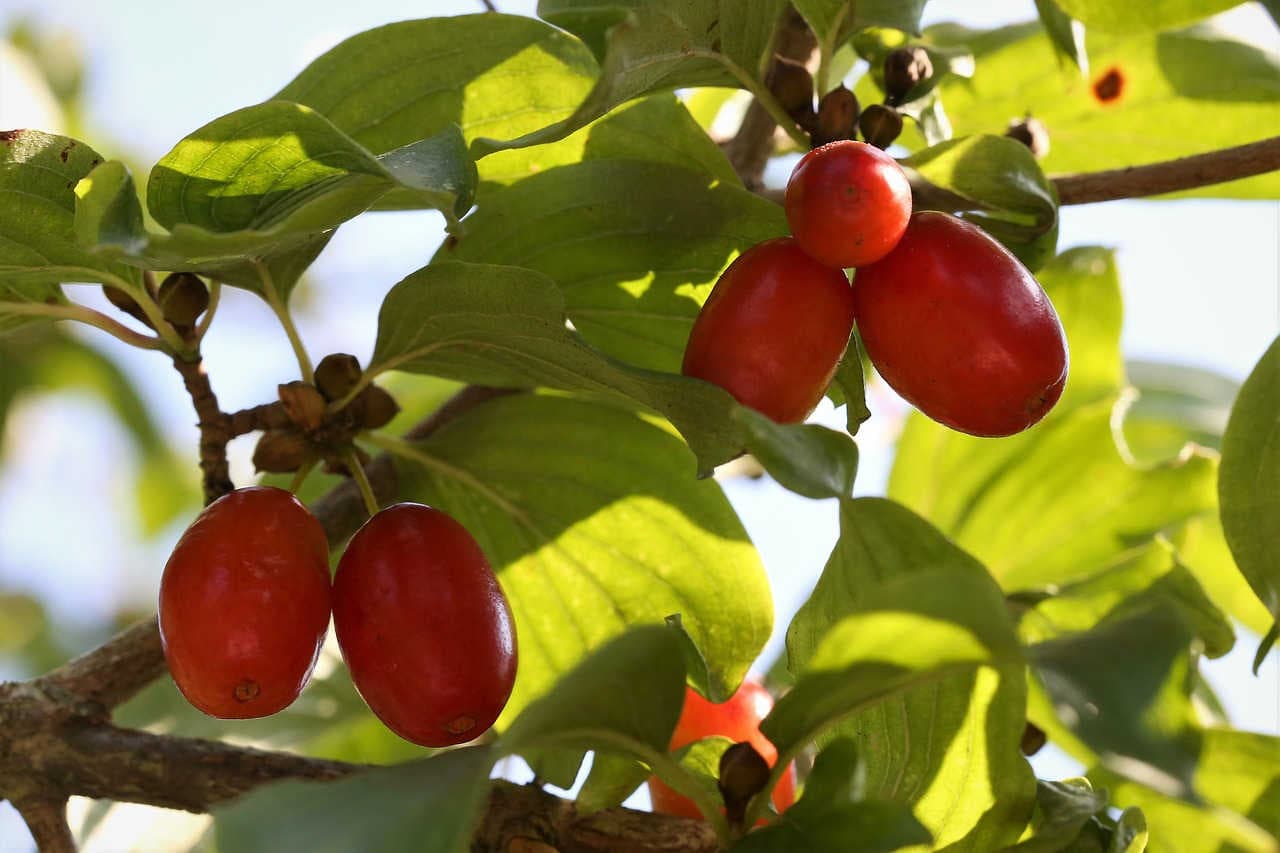
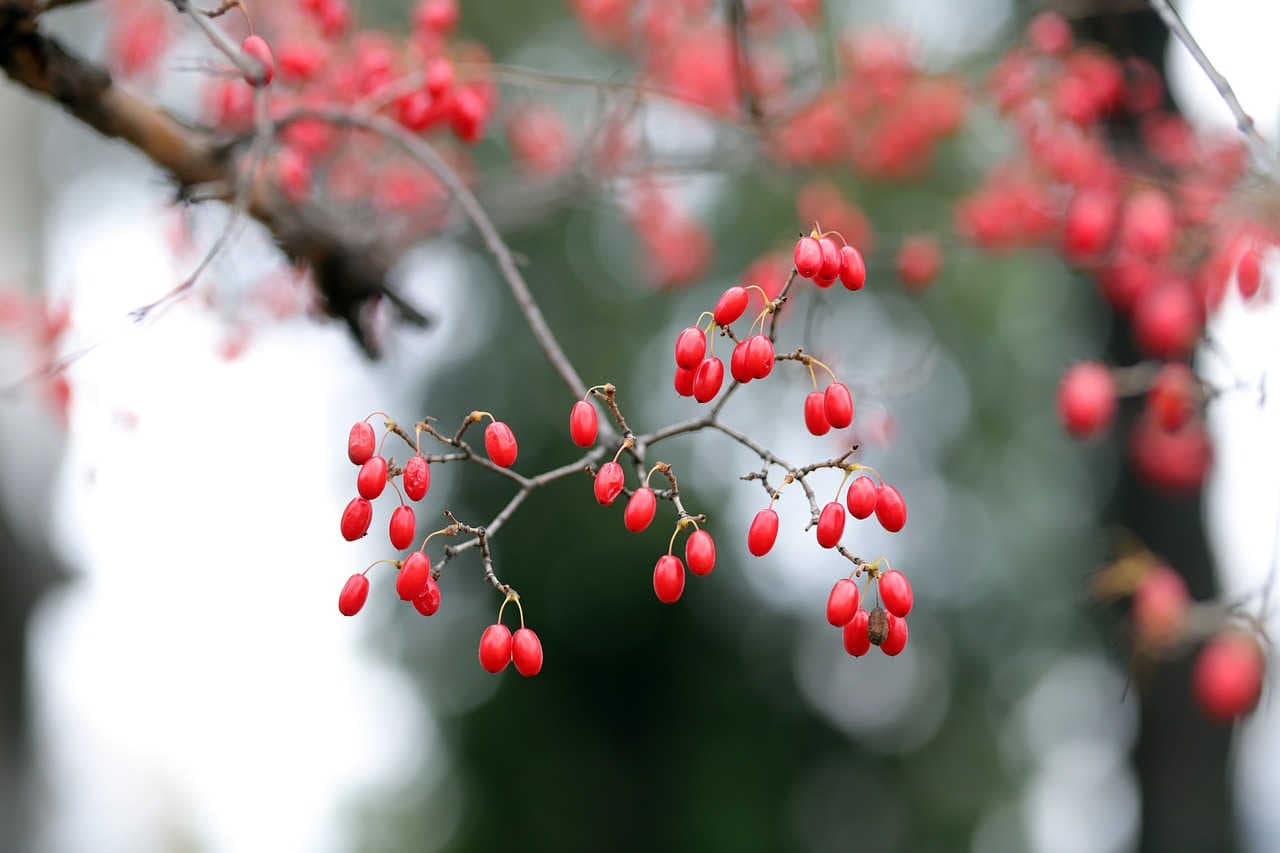
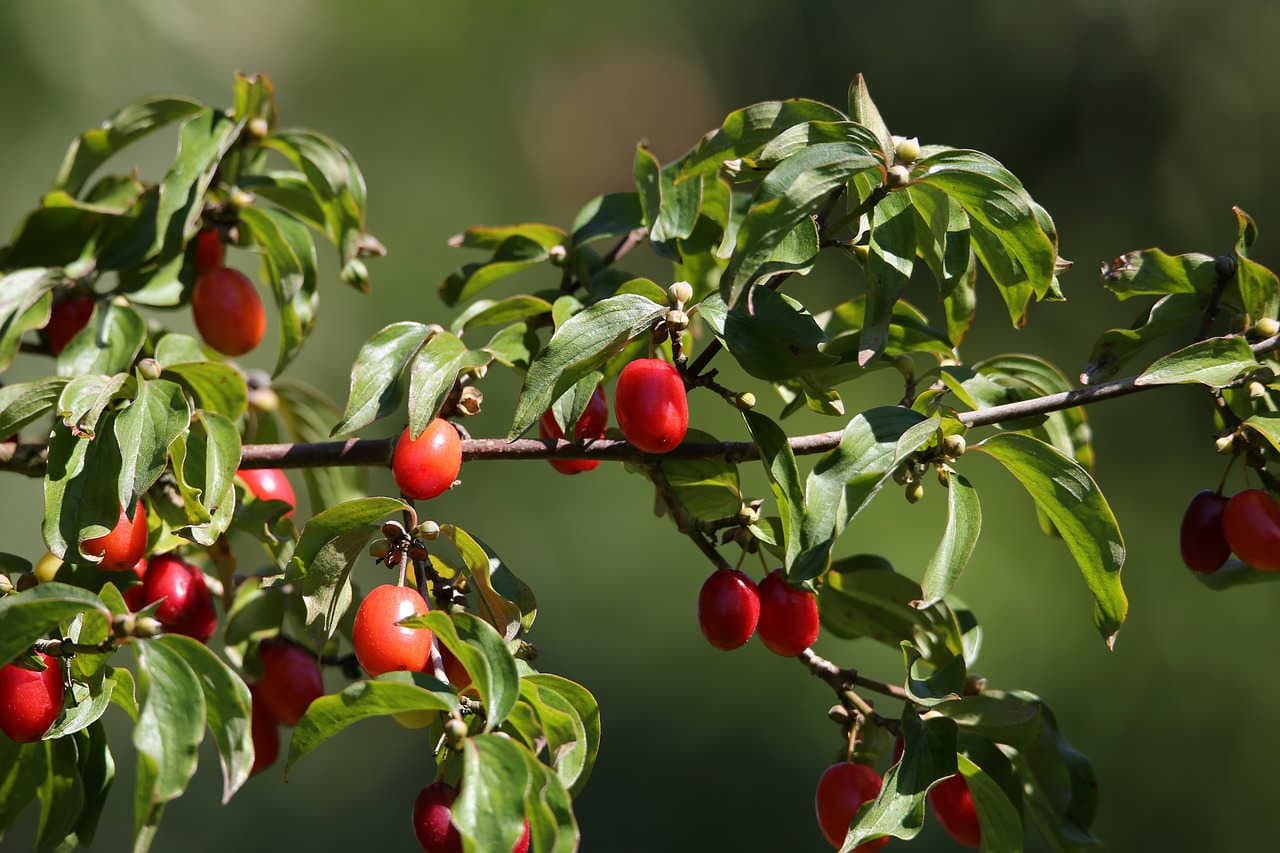
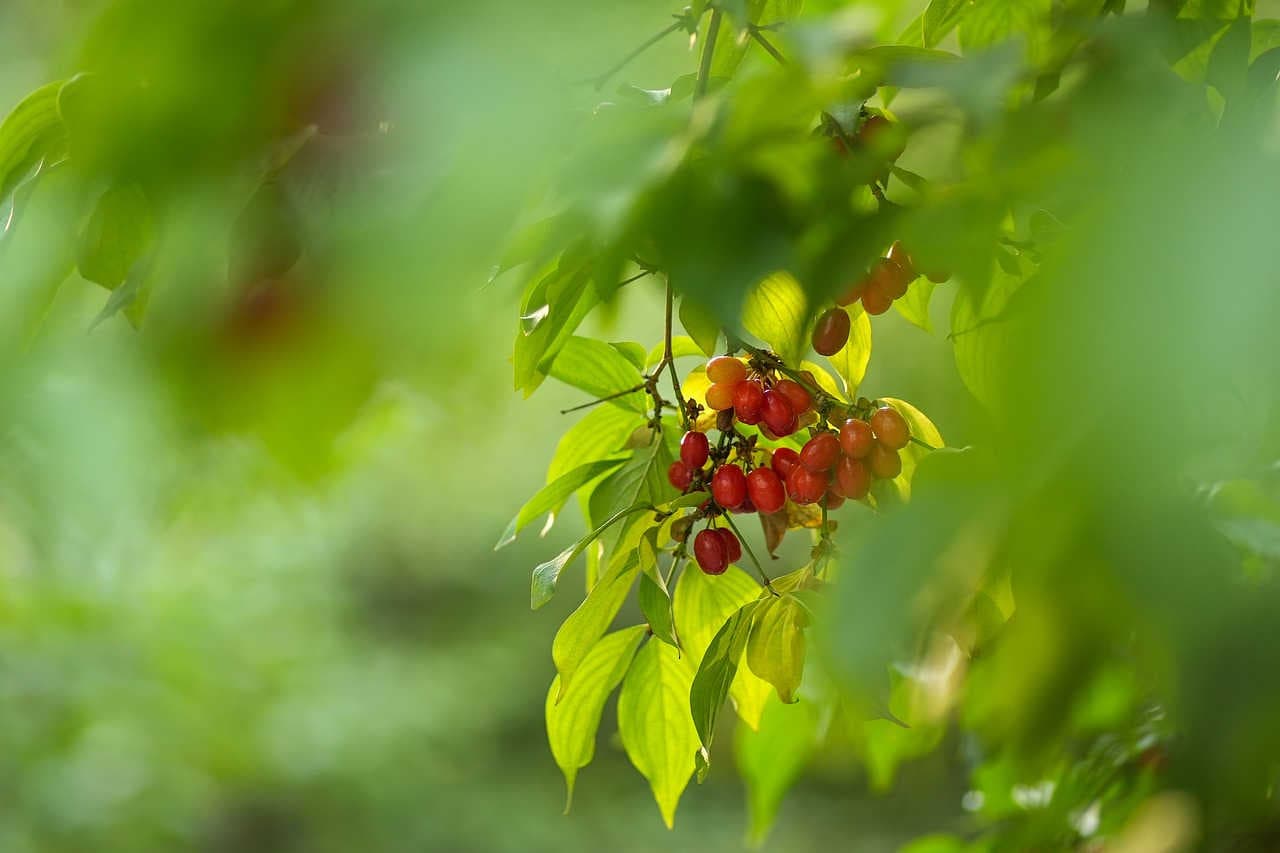
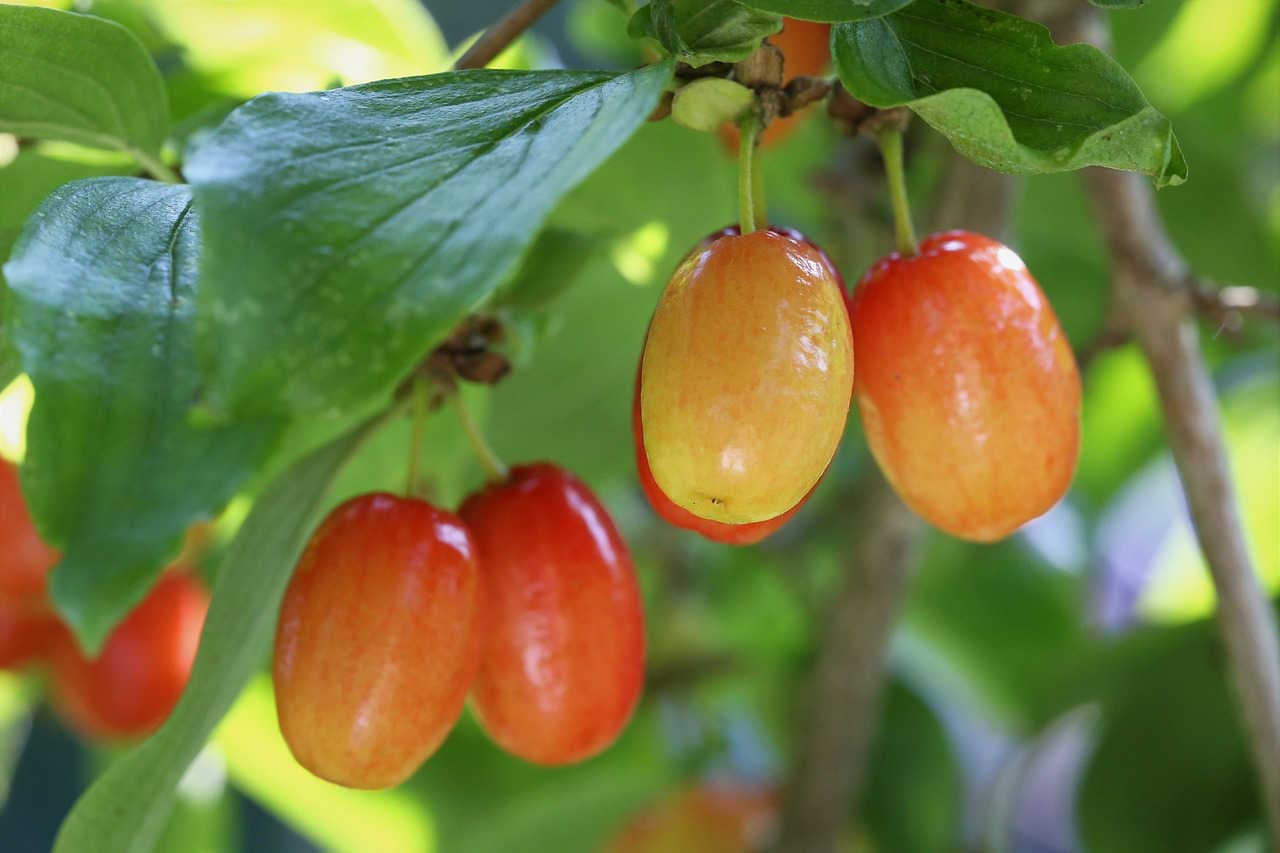
    The flowers of the Dogwood are characterized by an intense fragrance and an umbrella shape, with petals of yellow or greenish color that turn towards red. These inflorescences open in the late winter, when nature is still in hibernation, awaiting the spring rebirth. Its fruits, the dogberries, ripen between late August and late September. The dogberries are edible drupes, generally of a vibrant red color, similar to cherries. The best time to collect them is when they fall spontaneously from the tree. There are several varieties of Dogwood, with fruits of red or yellow color and varying sizes. These fruits are rich in fructose and vitamin C, very juicy, and with a tangy taste.

    frutti corniole

    The Dogwood: a very robust species

    The Dogwood is an extremely hardy and adaptable plant, capable of thriving in a wide range of climatic and environmental conditions. Resistant to low winter temperatures, it can withstand temperatures as low as -20°C or -25°C, and at the same time tolerates scorching summer heat. This plant easily adapts to both shady and cool soils as well as dry and rocky soils, showing an extraordinary resilience. Although it is not afraid of the cold, the Dogwood prefers the sun for optimal growth. Thanks to its robustness, it is capable of withstanding late frosts and numerous disease attacks, making it ideal for cultivation in gardens in plains and hills. Its easy adaptability makes its cultivation simple and without particular difficulties.

    robustezza e resilienza del corniolo
    XNatura

    Origin and habitat of the Dogwood

    The Dogwood is a species native to Asia Minor and Caucasian regions, and is particularly widespread in central-eastern Europe. In Italy, the Dogwood is present throughout the peninsula, although it is more common in the northern regions, where it grows up to about 1500 meters in altitude. This species, besides being cultivated for ornamental purposes and its edible fruits, is frequently found in deciduous forests, where it prefers calcareous and shaded soils. It is a plant that grows spontaneously in almost all countries of central-southern Europe and in many Italian regions, up to 1000-1200 meters in altitude.

    fiori, origine, habitat del corniolo
    3Bee

    The Dogwood: a symbol of history, culture, and sacredness

    The Dogwood has a deep connection with the history and culture of many civilizations, accompanying human evolution not only as a landscape element but also as a source of food, work tool, and mythological symbol. Already known to the ancient Greeks and Romans, the Dogwood was sacred to Apollo, especially on Mount Ida, where a grove of dogwoods was dedicated to the deity. It is said that the wood of the Dogwood was used to build the Trojan horse. In classical literature, Virgil in the Aeneid tells how several dogwoods were planted on the tomb of Polydorus, son of Priam, killed during the Trojan war. In the Middle Ages, the Dogwood was cultivated in monastery gardens, contributing to the preservation of botanical and agricultural knowledge. This tree, a symbol of sacredness, was protected and guarded as a relic.
    simbologia e sacralità del corniolo

    Biodiversa: the 3Bee app game for biodiversity monitoring

    Biodiversa is the free app game for monitoring biodiversity and ecosystem protection that allows users to 'collect' and easily identify the plants and flowers encountered during a walk outdoors. An ambitious citizen science project aimed at creating a cooperative archive dedicated to flora (and in a second phase to fauna) in Europe, engaging players with challenges to catalog species, some rare or endangered. Available for iOS and Android, Biodiversa has a dynamic similar to some well-known free-to-play video games that encourage movement and travel in the real world to 'collect' characters. The app developed by 3Bee offers a playful experience in which plants are to be 'collected' and identified to earn experience points, level up, and climb the leaderboard.

    19/12/2024Of 3Bee, Lara Vivarelli
    520 Views
    Newsletter
    newsletter
    Subscribe to the Blog about bees and biodiversity

    Frequently Asked Questions

    Do you have any doubts or other curiosities about this article? Here you will find some insights