Green vs. traditional SMEs: who wins on biodiversity?
    BiodiversityPMITransitionEU green turn

    Green vs. traditional SMEs: who wins on biodiversity?

    SMEs, green or traditional, play a key role in protecting biodiversity through ESG standards. Companies adopting sustainable approaches gain environmental, reputational and market benefits. But who really has the advantage?

    Read the article
    04/06/2025Of 3Bee, Angelina Tortora
    52 Views
    04/06/2025Of 3Bee, Angelina Tortora
    52 Views

    Biodiversity: natural capital at risk
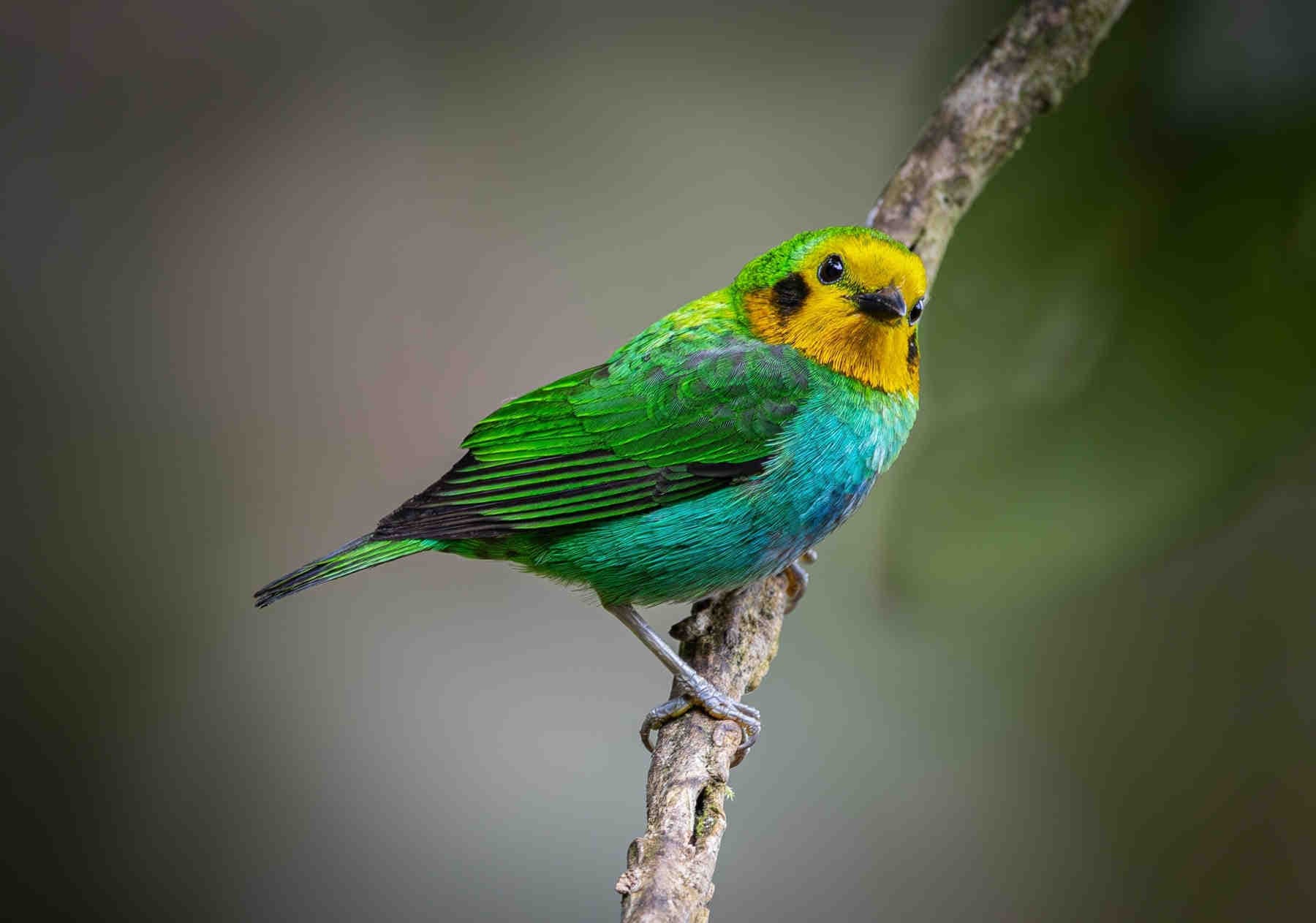
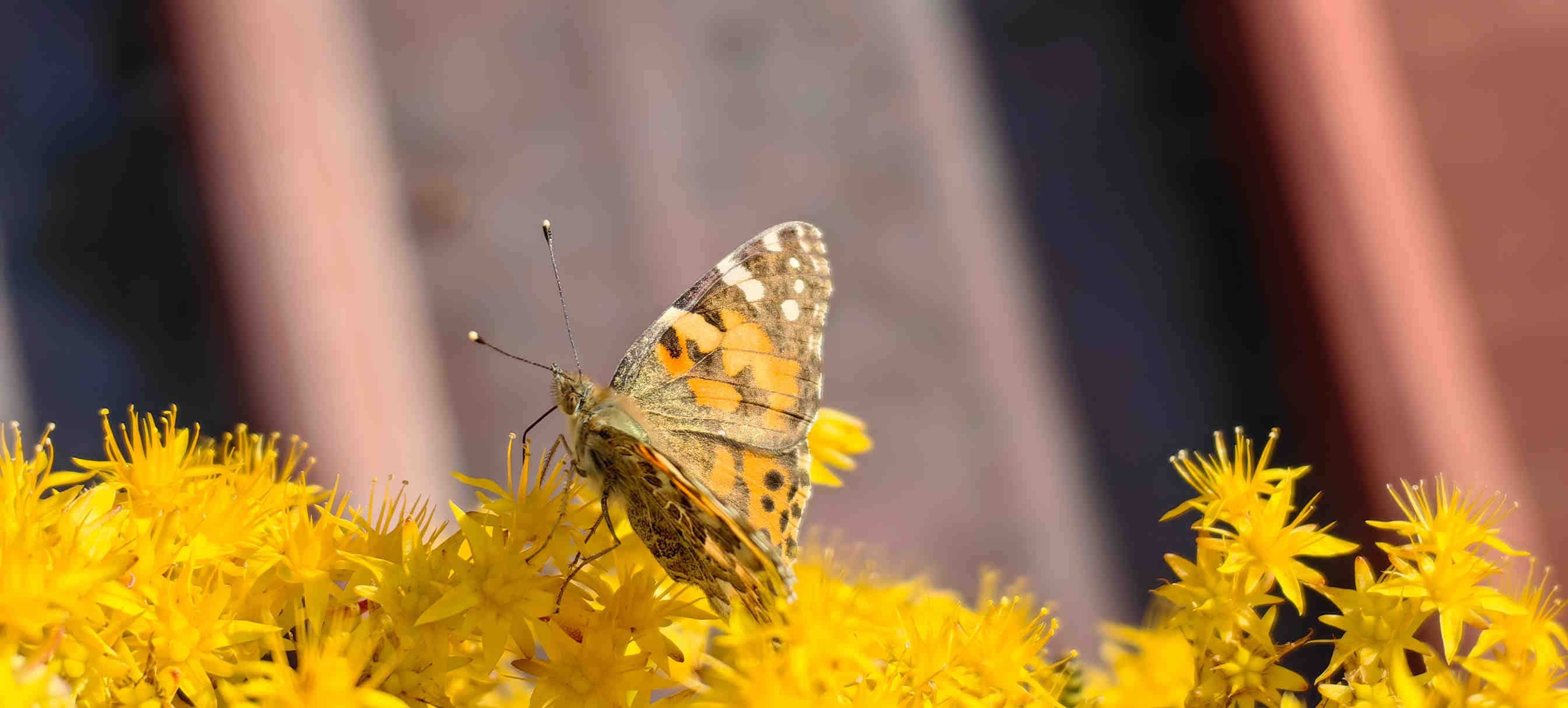
    biodiversity represents the extraordinary variety of life on Earth, the life tissue of our planet. It is the natural capital on which we depend for food, water, clean air, health and climate stability. However, its deterioration is advancing at an alarming rate, mainly due to unsustainable economic activities. Traditional SMEs, often linked to linear and resource-intensive production models, may contribute to habitat loss, pollution and erosion of biological diversity. In contrast, green SMEs place biodiversity at the centre of their strategies, promoting responsible resource use, circular economy and regeneration of ecosystems. Biodiversity is no longer just an environmental issue: it has become an issue of competitiveness and systemic risk, so much so that it is included in global ESG frameworks, as emerged at the tables of the COP 28.

    Biodiversità: capitale naturale a rischio

    Impacts and opportunities for SMEs

    SMEs affect biodiversity at every stage of the production cycle: from the extraction of raw materials to waste management. In traditional companies, nature is often perceived as a cost, but the risk of habitat loss, water crises and climate instability can block supplies and operating licences. Green SMEs, on the other hand, reverse the perspective: protecting biodiversity means innovating products, reducing waste, accessing new markets and improving dialogue with stakeholders. Investing in nature-based solutions reduces operating costs, attracts ethical capital and strengthens long-term resilience. In a rapidly tightening regulatory framework - CSRD, EU taxonomy, anti-greenwashing directives - those who anticipate environmental requirements gain an advantage over competitors still anchored to linear models. The biodiversity thus becomes a strategic variable.

    Impatti e opportunità per le PMI
    XNatura

    Standards for a transition in SMEs

    To effectively integrate biodiversity into the business strategy, SMEs must adopt a structured approach based on internationally recognised tools. The TNFD is one of the main references: it provides guidance on how to identify, assess, manage and communicate nature-related risks and opportunities. The GRI guidelines and the ESRS standards of the European Union also help to build transparent and comparable reporting. Green SMEs stand out because they use these tools not only to fulfil regulatory obligations, but to guide operational and strategic choices. Environmental impact assessments, biodiversity conservation plans, eco-design and employee training are increasingly common practices among sustainable businesses. Traditional SMEs, though slower in adoption, are beginning to close the gap, driven by evolving market and consumer expectations.

    Standard per una transizione nelle PMI

    Italian SMEs leading the European green turn

    Italy ranks above the European average for adoption of sustainable strategies in SMEs. According to the study "Fostering Sustainability in Small and Medium-Sized Enterprises" by the SDA Bocconi School of Management, over 52% of Italian SMEs have already activated sustainability plans, exceeding the EU average of 43%. The most significant increase was recorded in Italy, with +15% over the previous year. Italian SMEs are not only showing greater awareness, but are also integrating environmental and social issues more broadly into their business policies. Biodiversity is taking a central role in green strategies, also thanks to increasing regulatory pressure and market demand. Companies that invest in training and collaboration with specialised partners are the ones that are best able to overcome these barriers, accelerating their path towards regenerative models.

    Le PMI italiane protagoniste della svolta green europea
    XNatura

    Sustainability: lasting competitive advantage

    Protecting biodiversity is now a strategic choice. Green SMEs show greater resilience to environmental shocks, attract ESG investors and build relationships of trust along the supply chain. Conversely, companies anchored to traditional processes risk losing market and reputational capital. Biodiversity, from CSR marginal, enters boards as an asset to be protected: it influences costs, revenues, access to funds and even brand valuation. The future rewards those who transform sustainability from a regulatory obligation to a growth opportunity, integrating impact metrics, circular innovation and transparent governance. For SMEs, the time is now: embracing a regenerative approach means driving the value chain, rather than chasing it, and ensuring economic prosperity in a balanced planet.

    Le PMI italiane protagoniste della svolta green europea
    3Bee

    3Bee's expansion into international markets

    This article has been realised within the project "Biodiversity services EU expansion" (CUP: E43D22000480009) in the framework of the Lombardy Region's call for tenders "PR FESR 2021-2027 - LINEA INTERNAZIONALIZZAZIONE 21-27", aimed at supporting the internationalisation of Italian companies. 3Bee is the naturetech company that develops innovative technologies for monitoring, protecting and regenerating biodiversity, supporting companies in defining customised climate strategies based on the analysis of their impacts and dependencies on nature. With an established portfolio in Italy, Germany and France and prominent partnerships, 3Bee continues its expansion into international markets to create real impact through technology.

    04/06/2025Of 3Bee, Angelina Tortora
    52 Views
    Newsletter
    newsletter
    Subscribe to the Blog about bees and biodiversity

    Frequently Asked Questions

    Do you have any doubts or other curiosities about this article? Here you will find some insights