From the Glory of Eugenio Monti to Silence
The starting point of this story is the historic
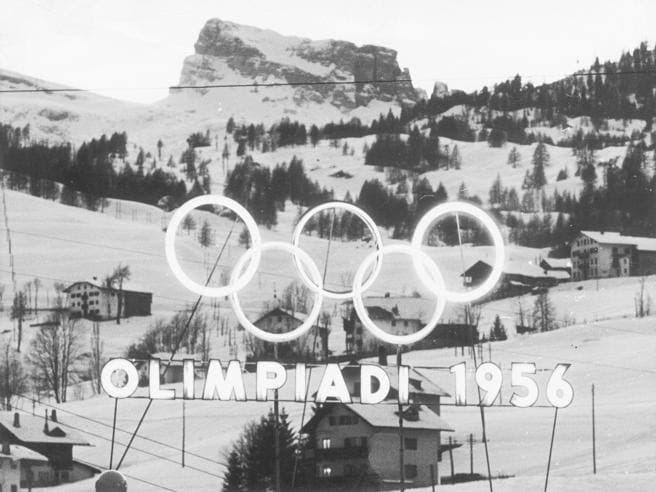

The new Sliding Centre in Cortina d'Ampezzo is the most debated project of the Games. Amidst engineering records and deep scars on the landscape, the project raises an ethical question: is it possible to reconcile major sports with the protection of a unique and fragile alpine ecosystem?
Read the articleThe starting point of this story is the historic
What has arisen in place of the old Monti is an engineering colossus of
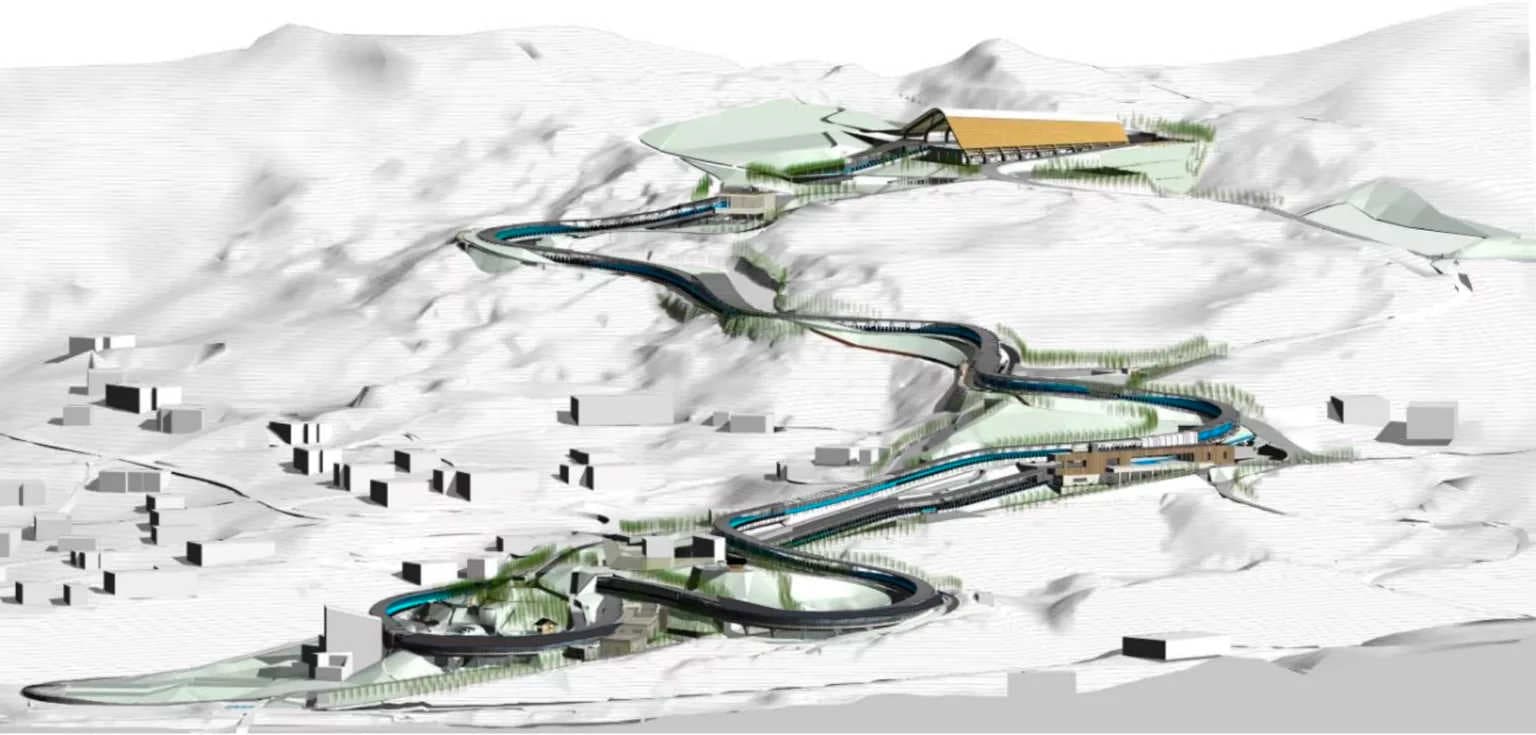

The aspect that has most shaken public opinion, earning the tragic nickname "Laricide," was the felling of approximately 500 ancient larches. These trees were not only part of the landscape but represented a mature ecosystem and a vital lung for the Ronco area. Their removal has forever changed the face of the slope, eliminating natural barriers against noise and wind. For the detractors, the sacrifice of plants that have lived for over a century is an unacceptable price for an event that lasts only a few weeks. Although compensation works and the planting of new trees are planned, the loss of the original biodiversity and the historical value of those specimens cannot be recovered in the short term. It is an open wound that continues to generate protests and has turned the construction site into a symbol of environmental resistance against large infrastructure projects.

Furthermore, the analysis with the XNatura platform demonstrates that the criticality of the intervention concerns not only deforestation but also its

The question lingering over the woods of Cortina concerns the "legacy," or the inheritance that will remain for the area after the Olympic torch is extinguished. The real risk is that the new track will follow the fate of the one in Cesana for Turin 2006: an extremely expensive facility that became an abandoned concrete desert within a few years. With maintenance costs estimated at over a million euros per year, the economic sustainability appears as uncertain as the environmental one. To prevent it from becoming a "white elephant," the Region is focusing on year-round tourist and sporting use, including attractions like the taxi-bob. However, there remains doubt as to whether such a small community can truly support such a giant. Cortina's gamble is immense: to demonstrate that this scar on the landscape can turn into a real opportunity, avoiding the sacrifice of the 500 larches becoming merely a pointless damage to a heritage that belongs to everyone.


Do you have any doubts or other curiosities about this article? Here you will find some insights