3Bee Biodiversity Oases: how to transform spaces into living ecosystems
    OasiWho needs itUniquenessMonitoring

    3Bee Biodiversity Oases: how to transform spaces into living ecosystems

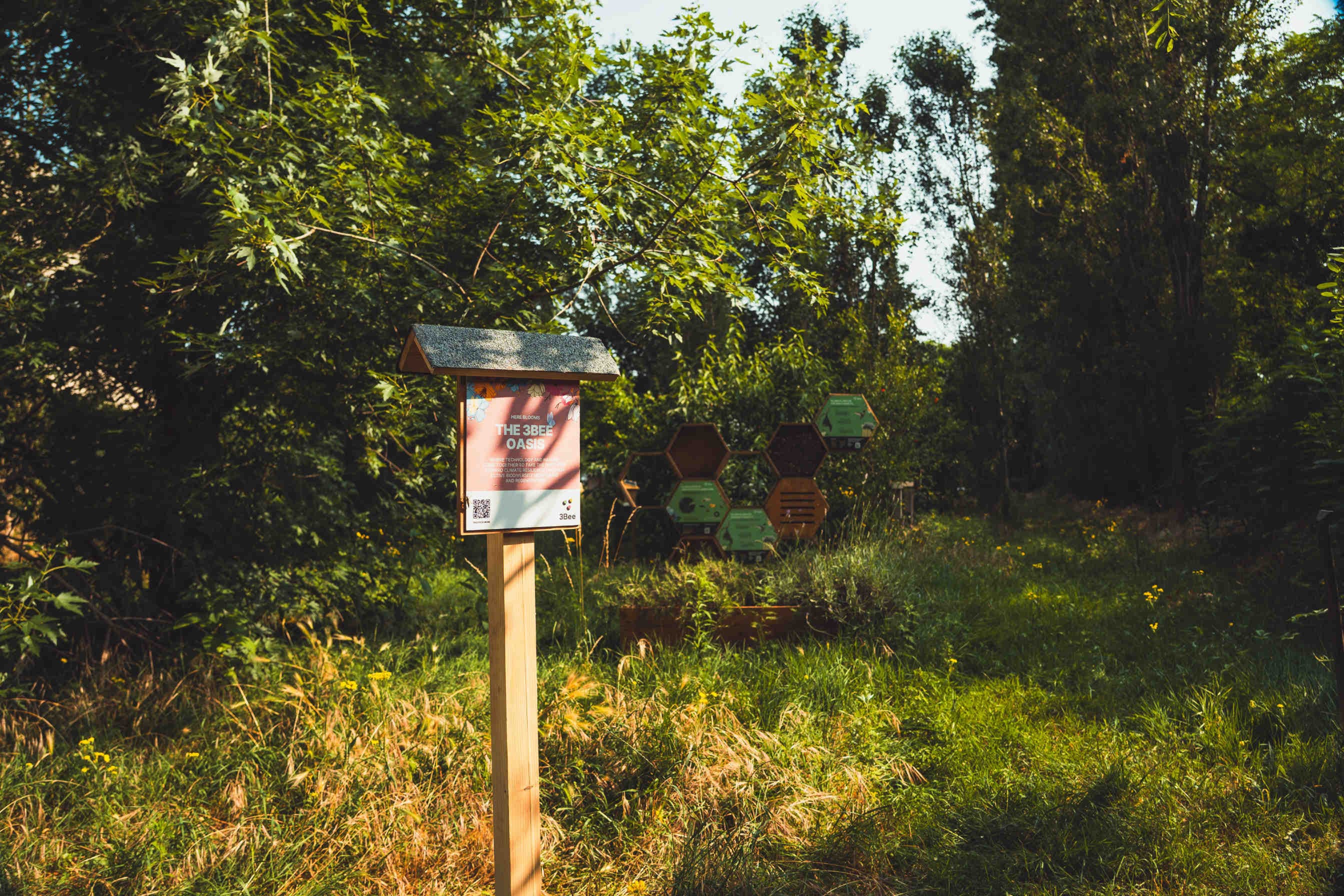
    3Bee Biodiversity Oases are natural spaces created to encourage the return of pollinators and local fauna. Designed to regenerate areas of low biodiversity, they generate measurable environmental value and provide scientific data also useful for ESG objectives.

    Read the article
    09/07/2025Of 3Bee, 3Bee
    85 Views
    09/07/2025Of 3Bee, 3Bee
    85 Views

    Definition of biodiversity and the functioning of an Oasis

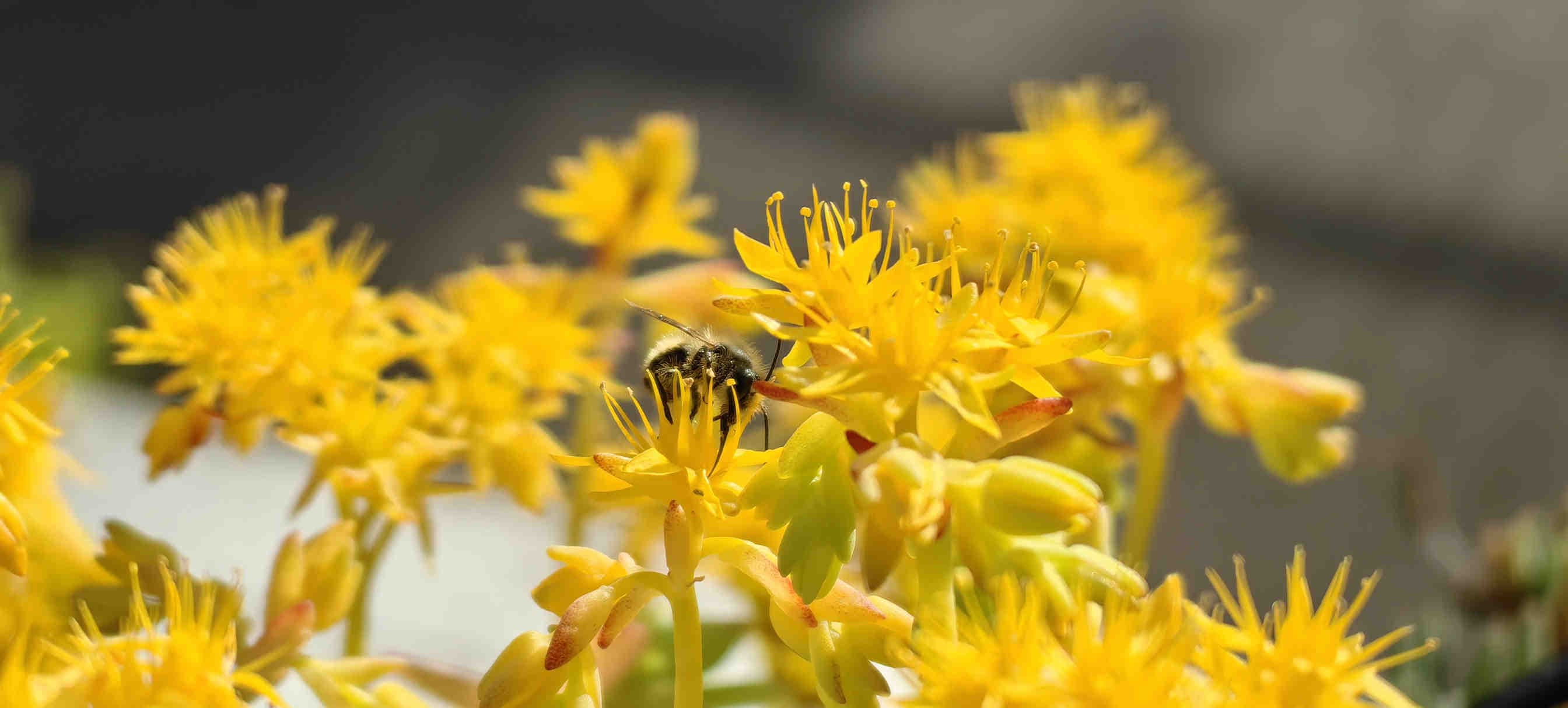
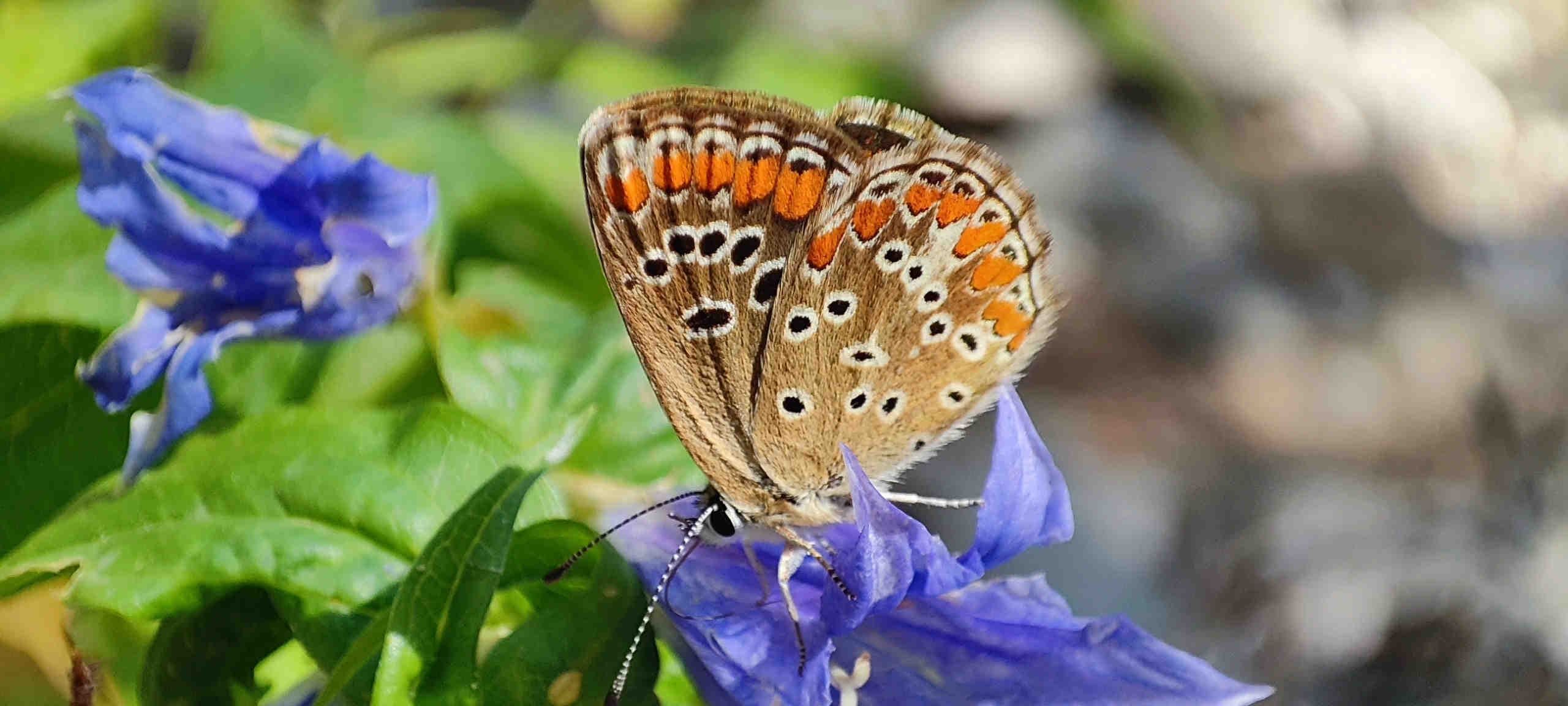
    In the natural world, there are hundreds of thousands ofinteractions between plants, insects and fauna. Of these, pollination is one of the most crucial for the maintenance of ecosystems. It does not only involve bees: species such as the fly, the falena or insects such as the beetle also play a key role in the transfer of pollen between wild flowers and agricultural crops. The Biodiversity Oases of 3Bee are designed to welcome and foster this invisible wealth, hosting not only the best-known diurnal pollinators, but also the crepuscular, nocturnal and cryptic ones that are often overlooked in conservation programmes. Each Oasis is developed on a selected area - agricultural, urban or private - and an integrated process consisting of three pillars is activated: vegetation regeneration, technological monitoring and scientific communication.

    3bee-blog-definizione-biodiversità-e-funzionamento-oasi

    Who needs an Oasis of Biodiversity

    The 3Bee Biodiversity Oases are living spaces that can be developed in different contexts, tailored to the needs of citizens, companies and territories. Each oasis stems from a specific design assessment and is adapted to the landscape, the available resources and the objectives of those who activate or promote it. Citizens can adopt a nectariferous plant within an existing Oasis and follow its evolution. companies can activate corporate oases at their own sites or support already operational oases, integrating the results into ESG paths or sustainability programmes. Active partners include realities such as Foxy, Edison Next, Agromonte, Cherry Bank, Central Bank, Roelmi HPC and many others. Some schools, such as the American School of Milan, have embraced the Oases as outdoor educational spaces. Even territories can activate regeneration projects by transforming marginal areas into green infrastructure with measurable ecological value.
    3bee-blog-a-chi-serve-un-oasi-della-biodiversità
    XNatura

    What makes 3Bee Oases different from other projects

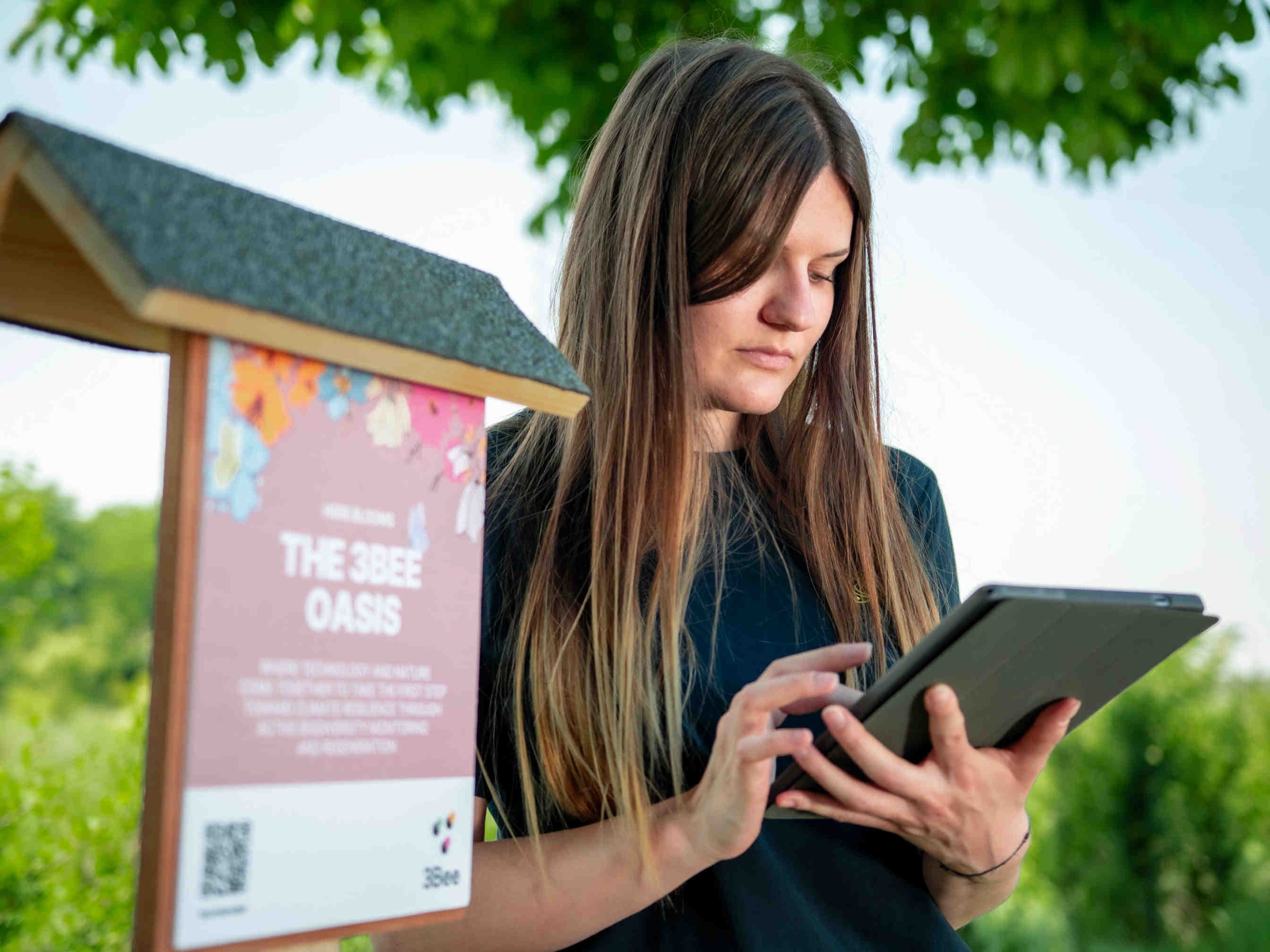
    The Oasis 3Bee are not simply green spaces or symbolic initiatives. They are ecological infrastructures designed to generate data and impact. Unlike many generic reforestation campaigns or 'green' projects with little traceability, most oases are monitored with integrated environmental technologies. These include IoT acoustic devices, satellite maps, aridity indices and data sharing platforms. All the information collected can be used for ESG reporting and corporate communication. The approach is modular, adapted to the specific context, and combines science, technology and environmental storytelling. In some cases, such as the Oasis Gregorina, 3Bee technologies support the protection of biodiversity in protected habitats.
    3bee-blog-cosa-rende-le-oasi-3bee-diverse-dagli-altri-progetti

    How the scientific monitoring of 3Bee Oases works

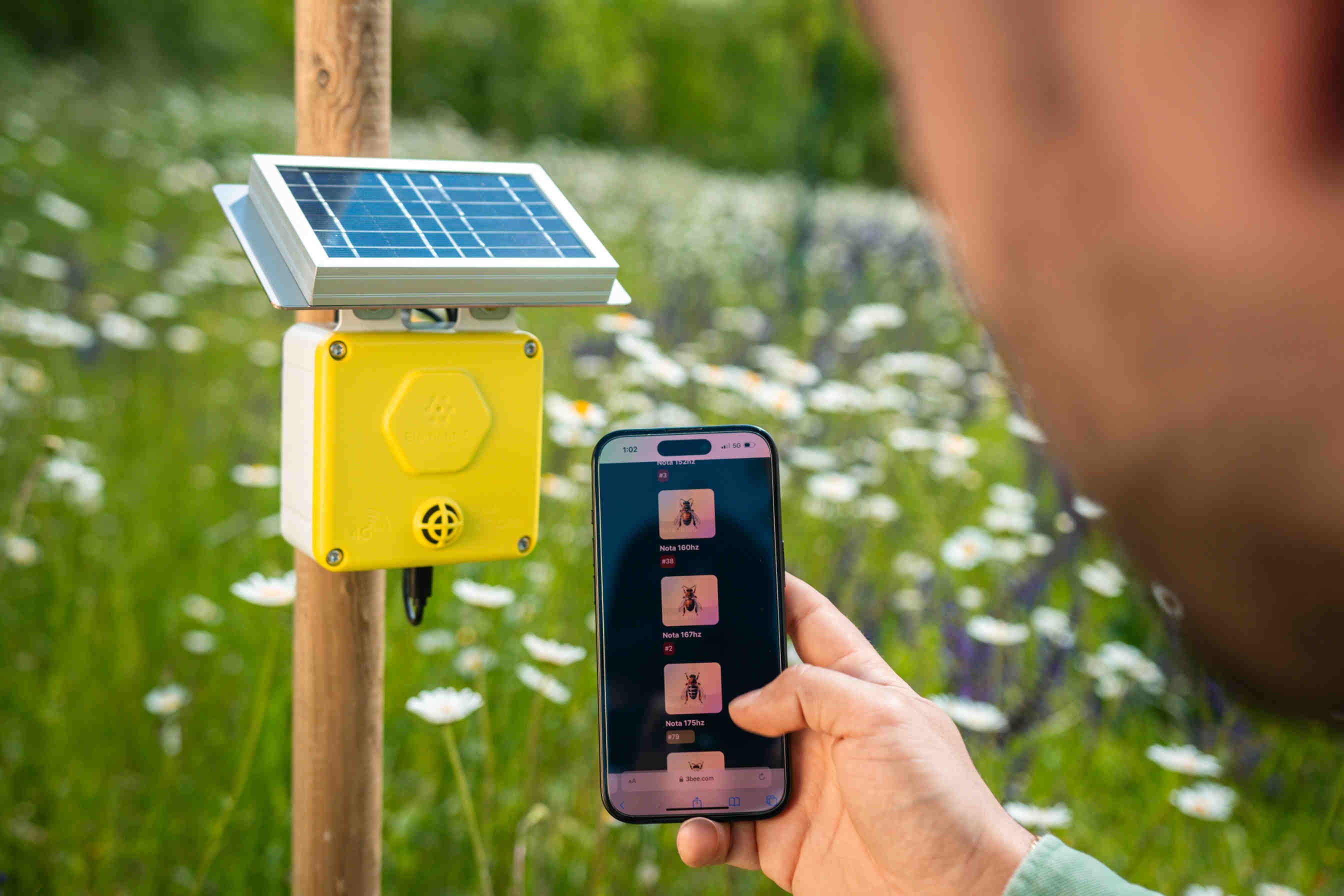
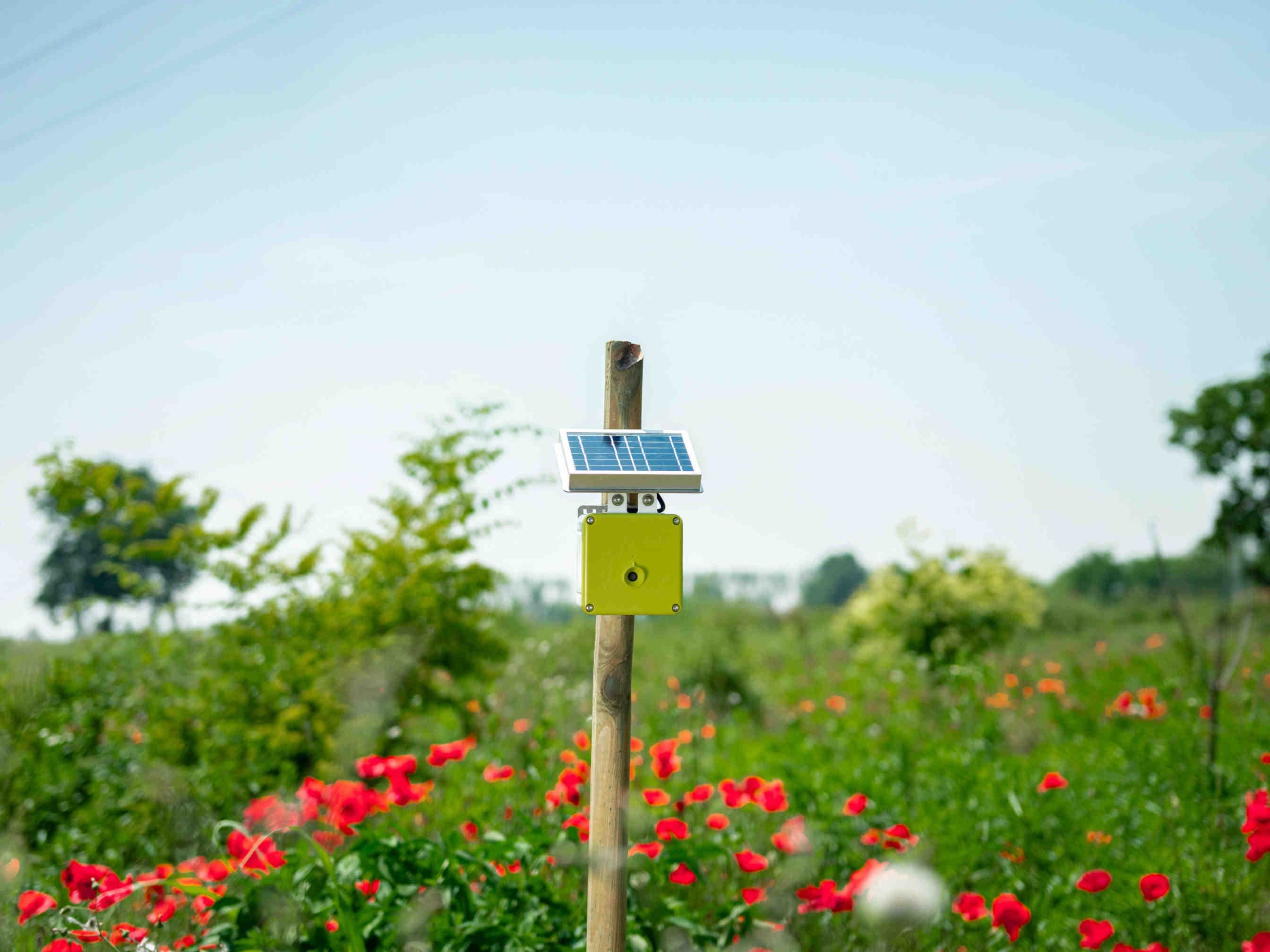
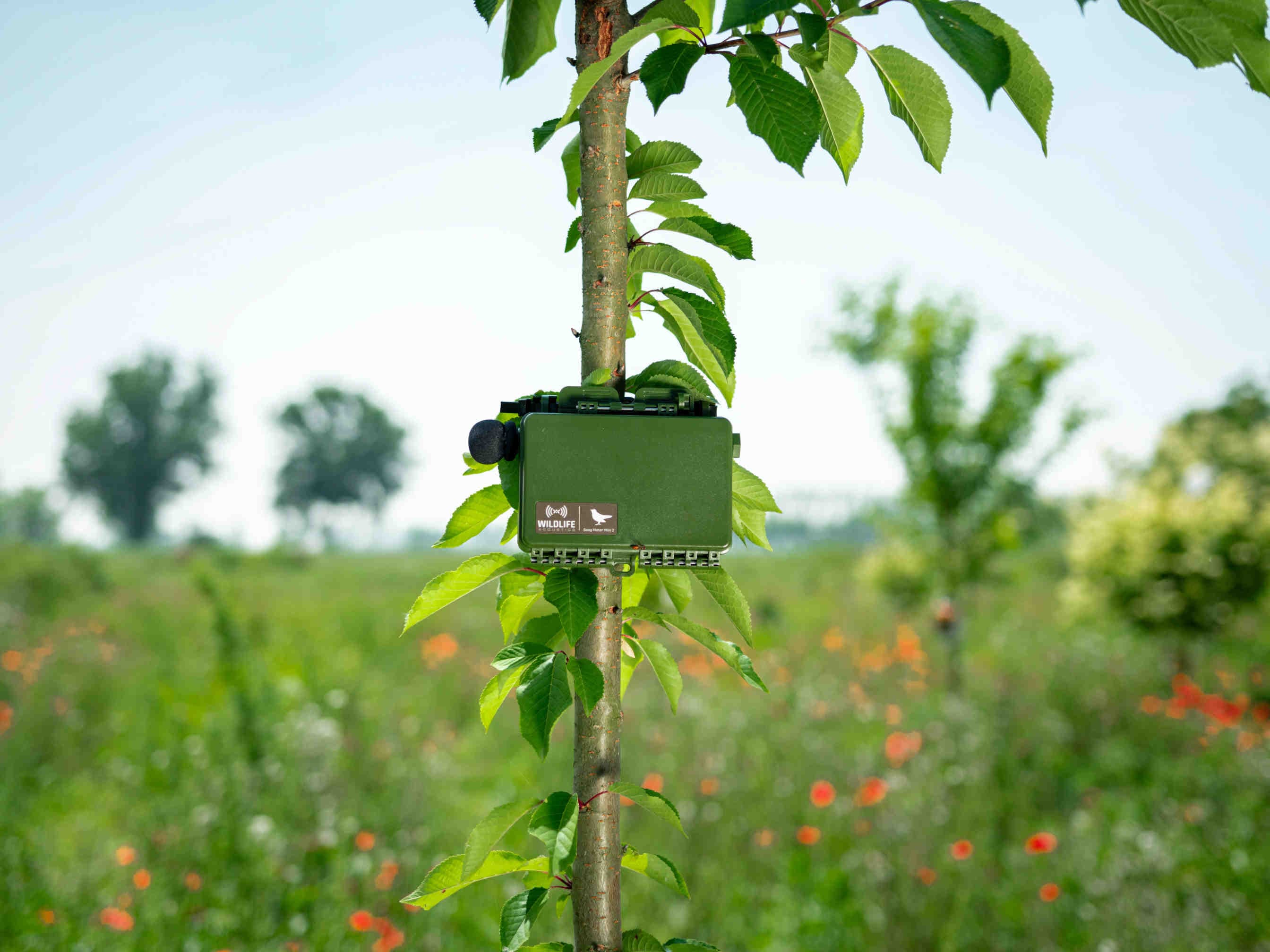
    Each Oasis is designed according to local characteristics and is equipped with technologies selected from the most effective, in-house sensor technology from 3Bee's nature intelligence division XNature. The Spectrum instrument analyses the acoustic activity of pollinators in the 0-2.44 kHz range using a microphone connected to a microcontroller with an embedded DSP unit. It detects species such as bees, bumblebees, hoverflies, night moths and some varieties of pollinating insects. Birdy, on the other hand, has an embedded CNN that recognises vocalisations of birds such as blackcaps, finches and titmice in real time. Other instruments are Hive-Tech for internal biomonitoring of beehives and infrared photo traps for terrestrial fauna. Not all oases include the full suite: each project is built according to priorities, with the aim of maximising regenerative effectiveness and data collection.
    3bee-blog-come-funziona-il-monitoraggio-scientifico-delle-oasi-3bee
    XNatura

    XNatura Dashboard: monitoring biodiversity, climate and impacts

    Each Oasis of Biodiversity 3Bee can be monitored over time thanks to the XNatura digital platform, which transforms environmental data into strategic insights. Designed for businesses and stakeholders engaged in the ecological transition, XNatura is not limited to biodiversity, but integrates data on climate, pollution and environmental degradation. The dashboard analyses impacts and dependencies on natural capital, combining inputs from IoT devices (such as Spectrum and Birdy), phototraps, satellite maps and climate sensors. It allows observing parameters such as pollinators, NDVI, air and soil quality, useful for ESG and regulatory compliance (CSRD, SFDR, Nature Restoration Law). With an intuitive UX, it enables the measurement, communication and integration of ecological impact into corporate strategy. Oases thus become not only regenerated spaces, but real hubs of environmental knowledge.
    3bee-blog-dashboard-XNatura-monitorare-biodiversita-clima-impatti
    3Bee

    Biodiversity, resilience and time

    The hydra, one of the world's longest-lived mythological animals, owes its longevity to its ability to regenerate itself without ceasing. The 3Bee Oases are inspired by this principle: instead of restoring a static idea of nature, they build adaptive habitats, capable of changing over time and strengthening biodiversity. Each Oasis evolves: it welcomes new species, restructures ecological balances, and restores a lost function to the territory. The recent Nature Restoration Law, approved by the European Parliament, aims to restore degraded ecosystems by 2030. Oases are a concrete and scalable response to these goals. Biodiversity is not a state, but a process. Oases make it possible to measure its evolution, building ecological and social resilience.

    3bee-blog-biodiversità-resilienza-e-tempo

    Do you want to activate or adopt an Oasis?

    3Bee, the naturetech company that develops technologies for monitoring, protecting and regenerating biodiversity, provides customised solutions for companies, organisations, citizens and farmers. If you want to contribute to land regeneration or integrate biodiversity into your ESG goals, you can choose from several solutions:Get in touch with our experts and we will provide you with all the necessary information.
    09/07/2025Of 3Bee, 3Bee
    85 Views
    Newsletter
    newsletter
    Subscribe to the Blog about bees and biodiversity

    Frequently Asked Questions

    Do you have any doubts or other curiosities about this article? Here you will find some insights