The Marmolada is set to disappear within 15 years
    MarmoladaVariationsMonitoringCondition

    The Marmolada is set to disappear within 15 years

    The fifth edition of Legambiente's Glacier Caravan speaks volumes: the largest glacier in the Dolomites has already lost an area equivalent to 98 football fields. Our glaciers, like those around the world, are changing dramatically, fading from view more and more each day.

    Read the article
    23/09/2024Of 3Bee, Lara Vivarelli
    444 Views
    23/09/2024Of 3Bee, Lara Vivarelli
    444 Views

    The Marmolada glacier: indicator of climate change

    Disclaimer: this is an automated translation from Italian. Go to the original article.

    High-altitude mountain environments, above 2500 metres, often have areas with perennial glaciers. These ecosystems have proven to be very sensitive to the ongoing climate change, which is undaunted by particularly rapid changes in global mean temperature. Glaciers have proven to be among the best terrestrial indicators of climate change as they reflect the response to warming through obvious signs. Indeed, it is astounding that the retreat and thinning of glaciers that has occurred in recent years can be seen with the naked eye.

    Marmolada: indicatore dei cambiamenti climatici

    Changes in glacier volume

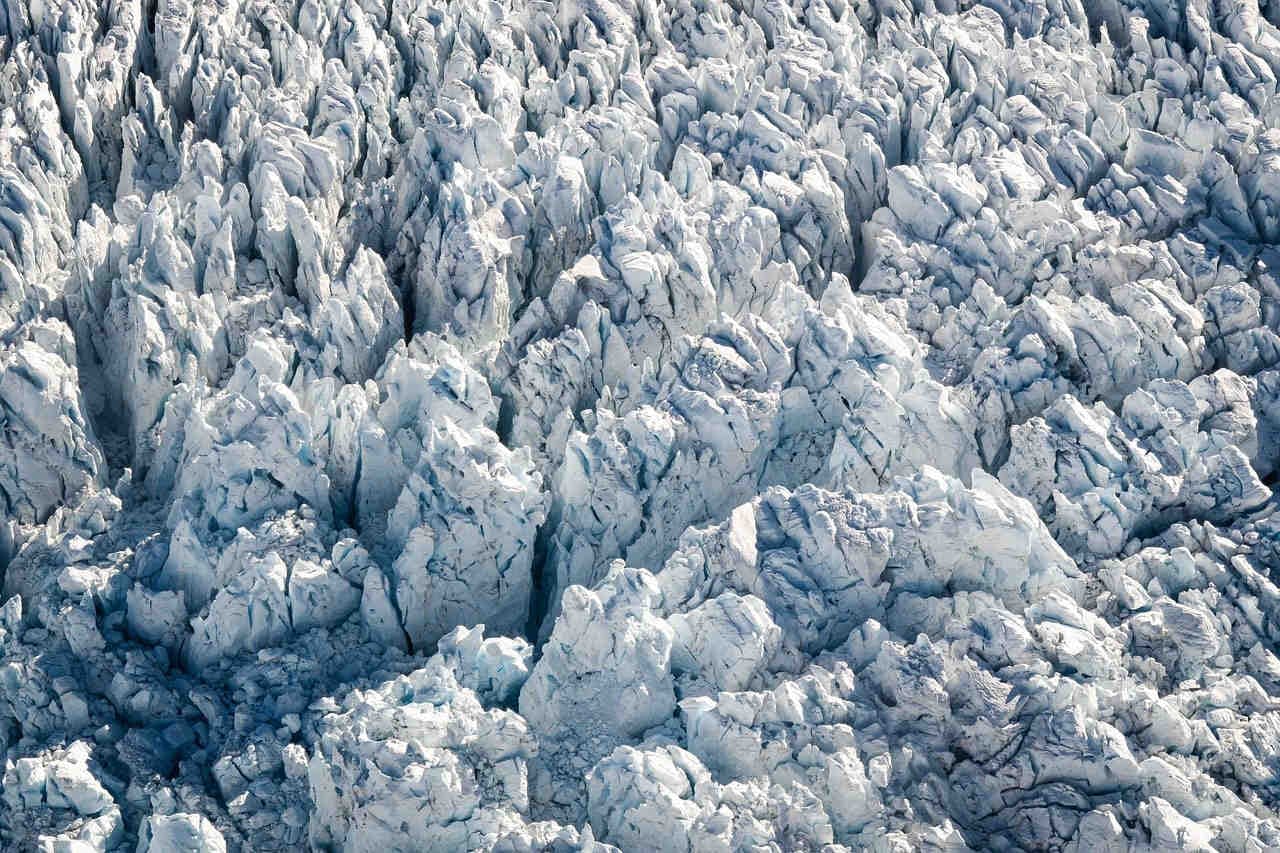
    The mass of glaciers is constantly changing, influenced by atmospheric variables on time scales ranging from hours to millennia. Outside the tropics, glaciers tend to gain mass in winter, mainly due to snow accumulation, while they lose mass in summer due to melting. When the mass balance remains balanced for one year, the glacier is considered to be in tune with the climate. If this condition persists over the years, in which the shape and area of the glacier remain stable, the glacier has reached a steady state. Given ongoing climate change, it is essential to monitor changes in the mass of glaciers in order to understand how they respond to these changes and, therefore, to assess the consequences on ecosystems and societies.

    Variazione del volume dei ghiacciai
    XNatura

    The Caravan of Glaciers campaign

    Every year, Legambiente Italy promotes the "Caravan of Glaciers", a national campaign in collaboration with CIPRA Italy and with the scientific support of the Italian Glaciological Committee. This initiative aims to monitor the state of Alpine glaciers and to raise public awareness of the rapid decrease of these ice masses due to climate change. Each stage involves glaciological monitoring, organised excursions and press conferences, all of which culminate in the production of a report on the health of the glaciers. The fifth edition, which recently concluded, made seven stops along the Alpine arc, analysing 12 glaciers: 10 in Italy and 2 abroad.
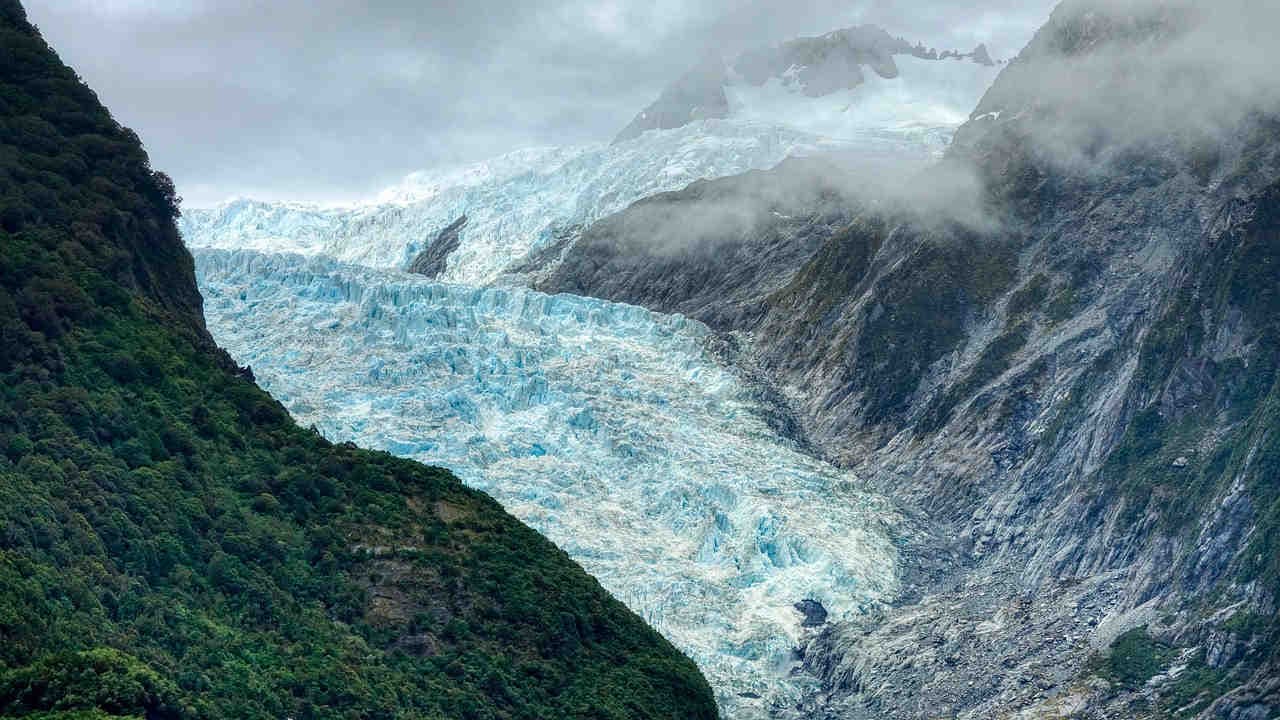
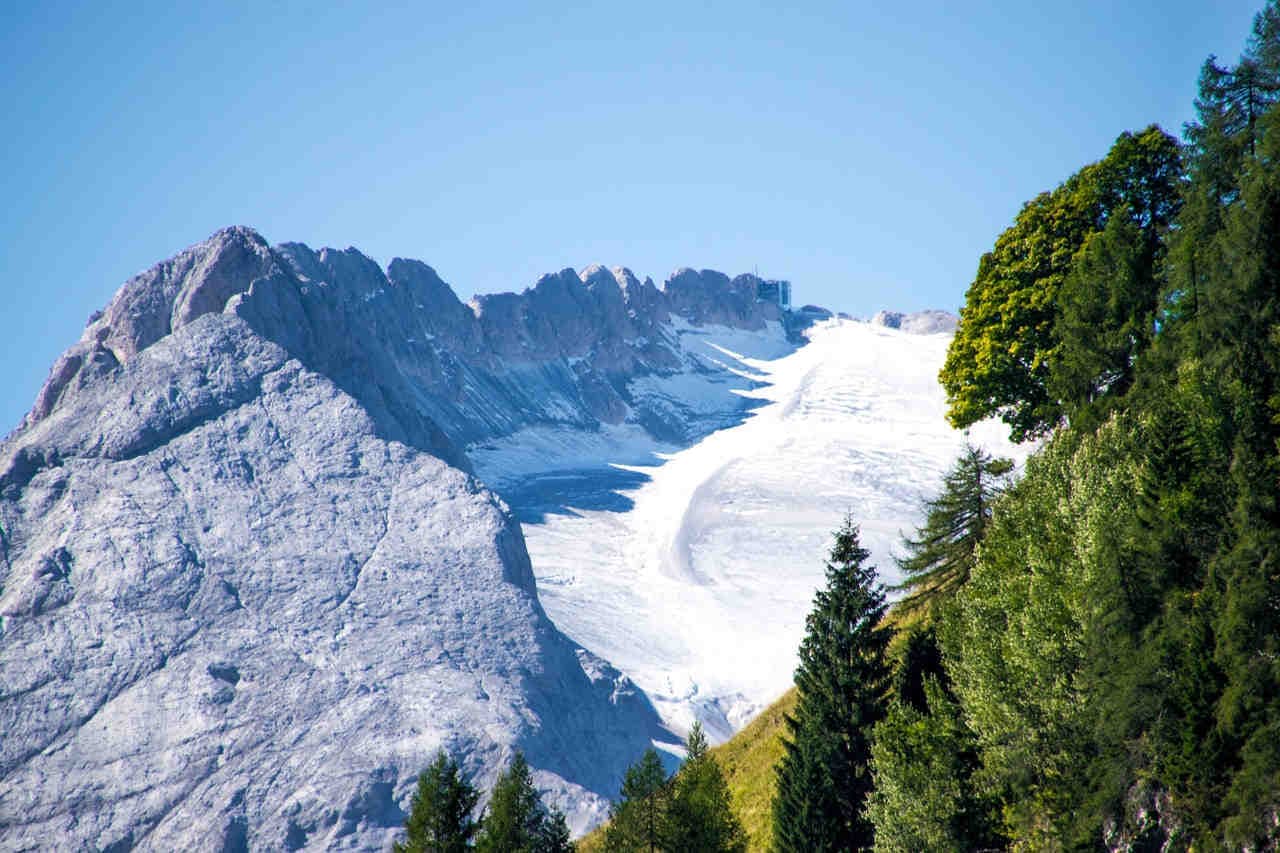
    Ghiacciai

    The Marmolada situation

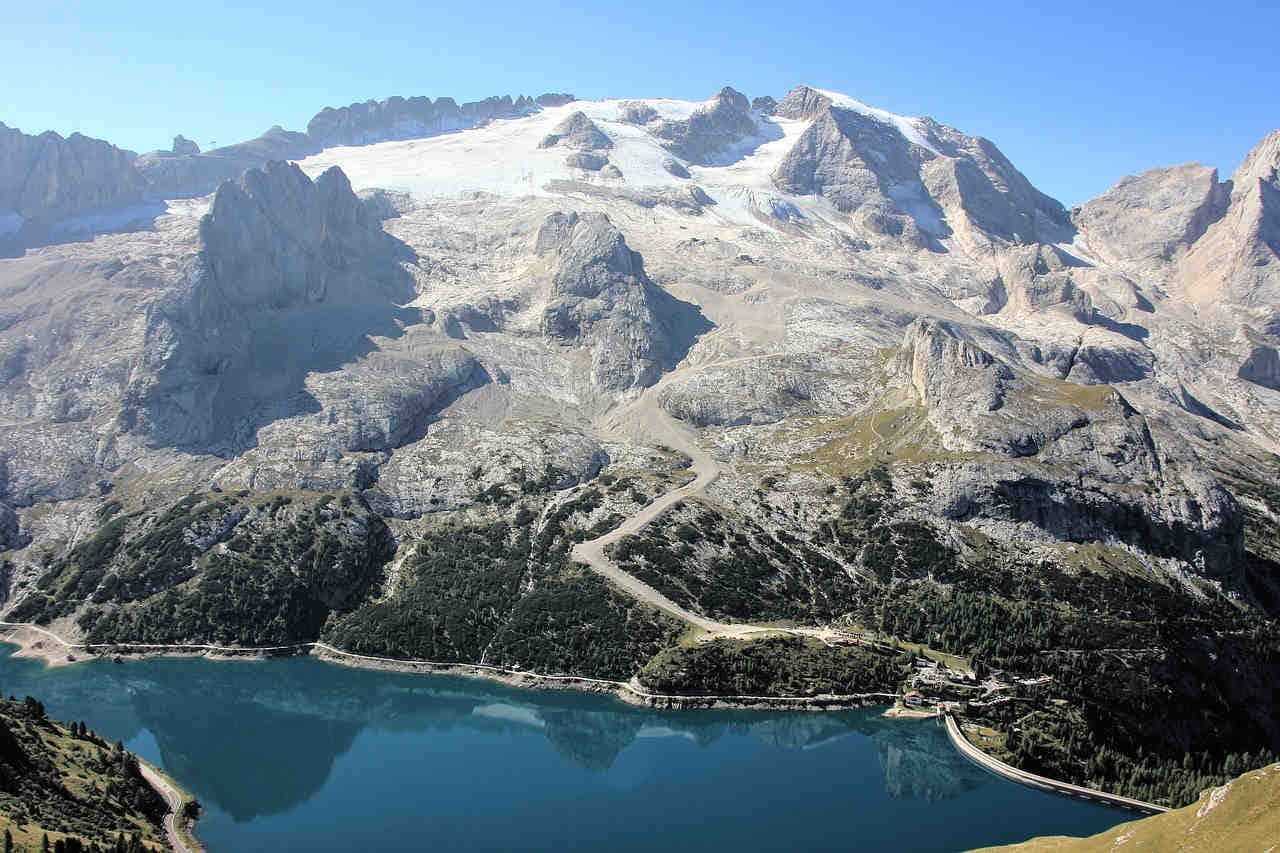
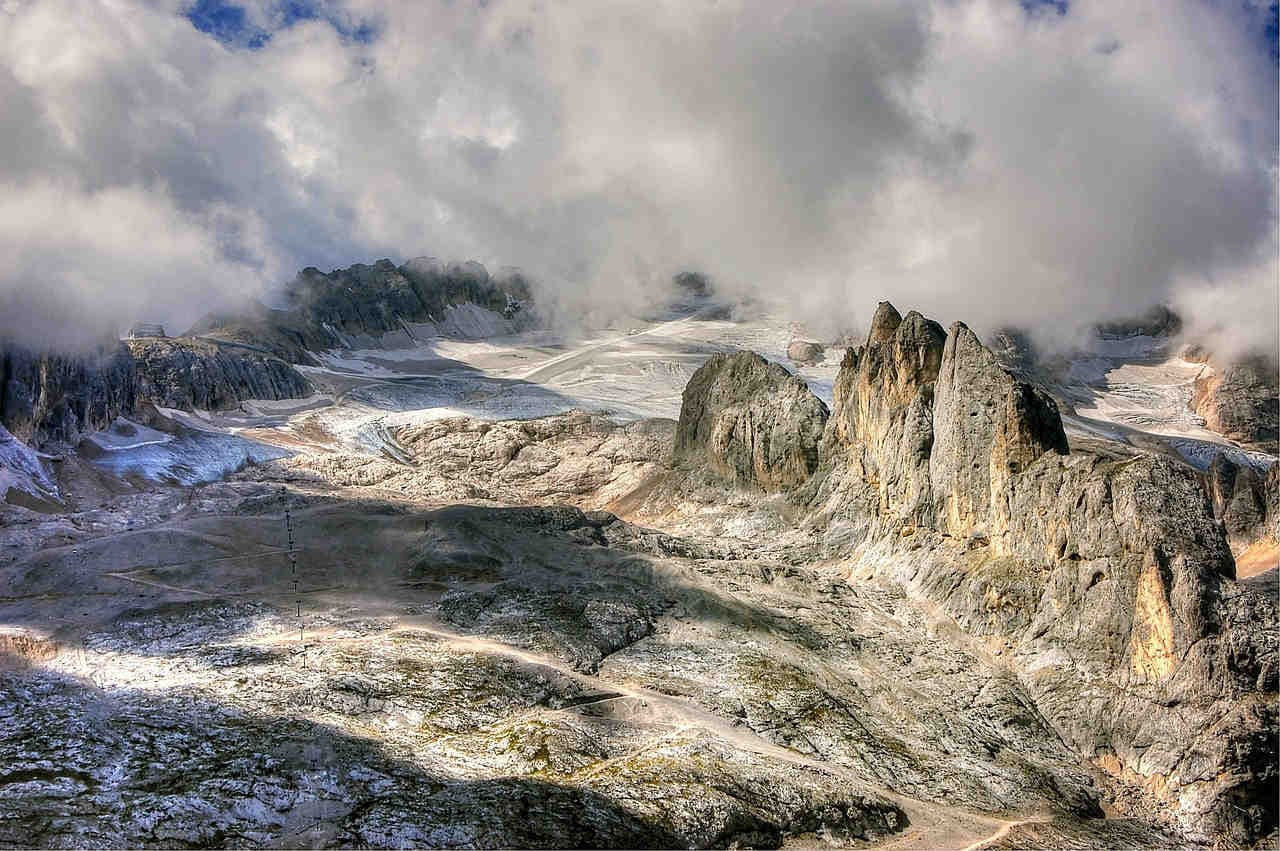
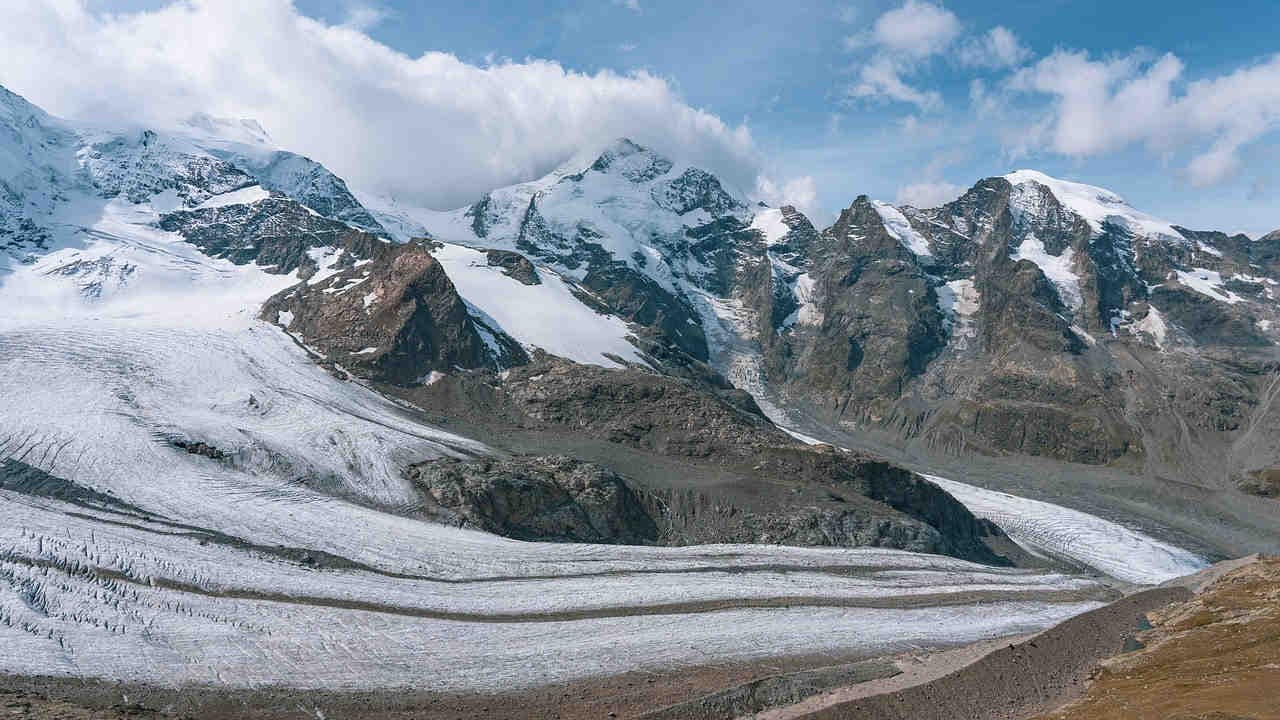
    The Carovana dei Ghiacciai has revealed alarming data on the Marmolada, the largest glacier in the Dolomites. In the last five years it has lost an area equal to 98 football fields, or 70 hectares of surface. Since 1888 it has undergone a retreat of 1,200 metres, with over 80% of its surface area and over 94% of its volume disappearing. It seems impossible for our minds to imagine such a scale, but it is reality, it is the death sentence of the Queen of the Dolomites. At this rate, the glacier will be extinct by 2040, turning into a desert of white rock, while new ecosystems begin to take shape and advance.

    Marmolada
    XNatura

    It is melting, and is covered in microplastics

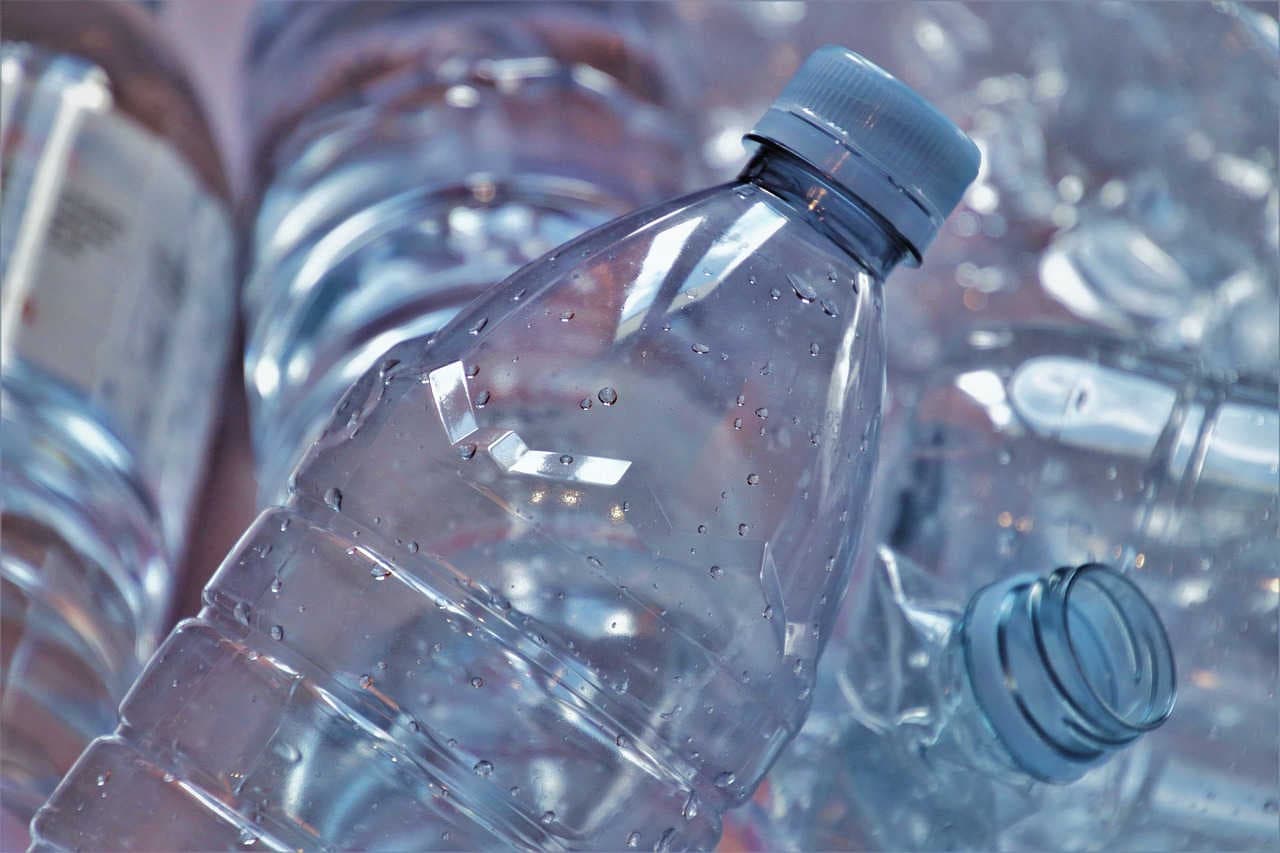
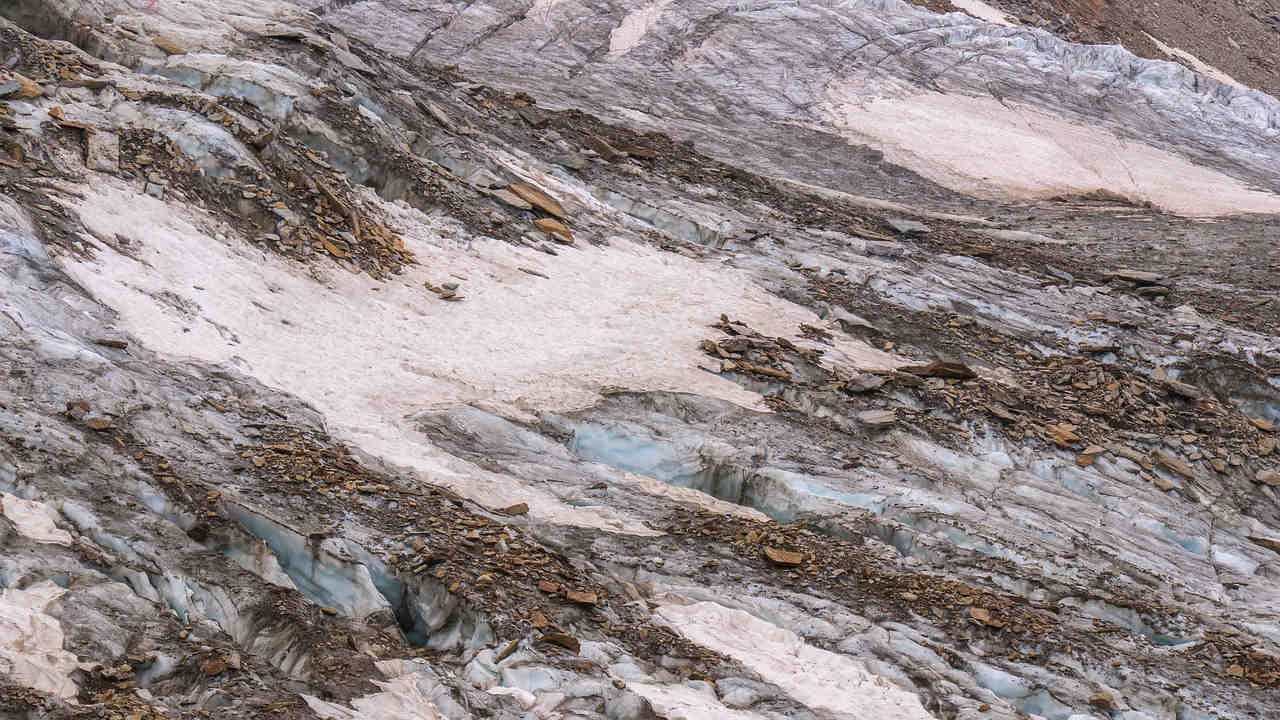
    The monitoring that has been carried out on the Marmolada has also raised concerns regarding pollution by microplastics and rubbish abandoned at high altitudes. To try to limit the frightening shrinkage that the white giants are undergoing, geothic sheets are being used, but as they degrade they disperse large quantities of microplastics. In fact, an initial sampling of the glacier's melt water by the University of Padua revealed this. There are currently four hectares of sheets on the glacier, a number that has doubled since the beginning.

    Microplastiche e rifiuti
    3Bee

    Other Italian glaciers are also suffering

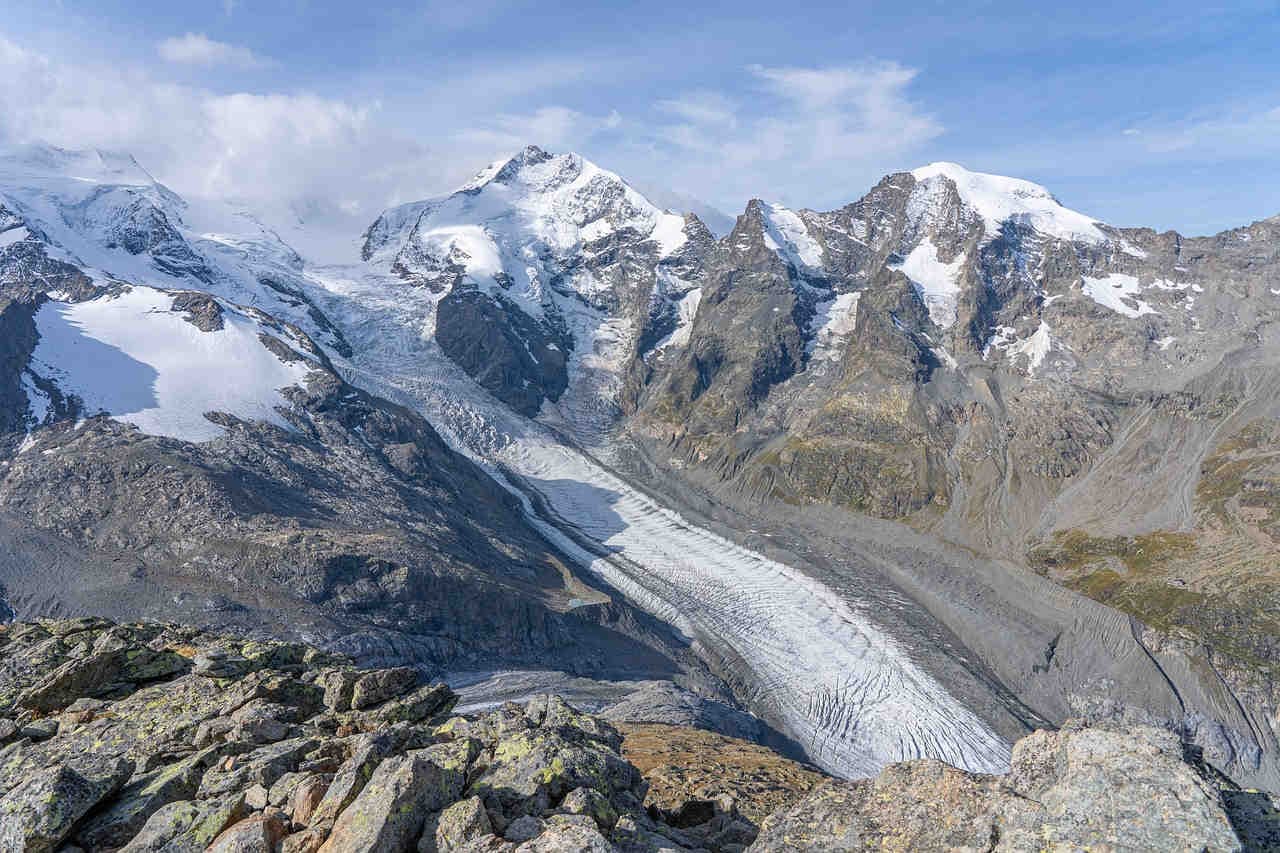
    The Alps represent acrucial biodiversity hotspot on a national and European level, but they are always more vulnerable to human impact and global warming. The Adamello glaciers, between Lombardy and Trentino, and the Forni glacier, in Valtellina in Lombardy, are the two largest glaciers in our Alps. They too, like the Marmolada, share the same death sentence. Located at an altitude of less than 3500 metres, they show significant losses in thickness: the Marmolada and the Forni lose seven and ten centimetres per day respectively, while the Adamello shows such melting that today it is possible to walk on ice dating back to the 1980s.

    Ghiacciai alpini italiani

    The role of glaciers

    The report "World Heritage Glaciers - Sentinels of climate change" (2022),realised by UNESCO in collaboration with the IUCN (World Conservation Union), emphasisesthe importance of glaciers as a key resource for the global population, due to their rich biodiversity. Indeed, mountain glaciers provide essential ecosystem services, including freshwater storage for domestic use, agricultural irrigation, and industrial and hydropower production. In addition, glaciers all over the planet play a key role in regulating the temperature of the Earth system, helping to cool the atmosphere.

    Ruolo dei ghiacciai risorsa importante

    The consequences of glacier retreat

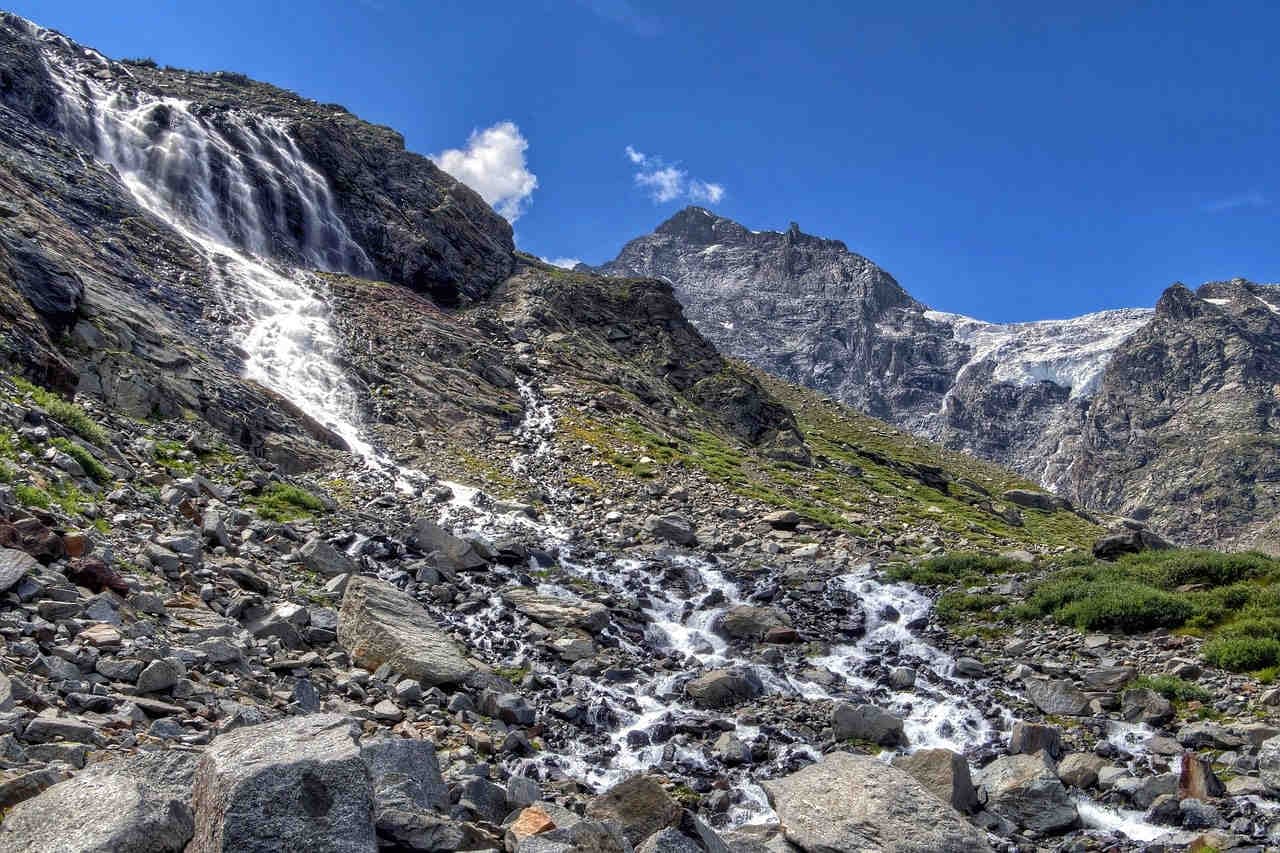
    Glaciers provide fundamental services and their current transformation, at an ever-increasing rate, has both direct and indirect effects on ecosystems and our lives. The repercussions are not limited to high-altitude mountain ecosystems, but extend to those in the valleys as well, affecting their ability to provide so-called ecosystem services. The latter are none other than all those environmental goods that support human activities. Although glaciers as a whole make up less than 1% of the total volume of ice, they have been recognised as a major factor in the recent rise in mean sea level. Their melting causes changes in the landscape, affecting river runoff, which becomes a real risk to human livelihoods.

    Ritiro dei ghiacciai conseguenze su servizi esosistemici

    Future perspectives

    The"European State of the Climate 2022" report by the World Meteorological Organisation (WMO) points out that many glaciers, World Heritage Site, could disappear by 2050 due to global warming. The study shows that since 2000, glacier melting has accelerated due to increasing CO2 emissions, with an annual loss of nearly 58 billion tonnes of ice, equivalent to the water consumption of France and Spain combined. In Europe, from 1997 to 2022, glaciers lost more than 800 cubic kilometres of ice, with the Alps among the most affected areas, showing an average reduction in thickness of more than 30 metres. Protecting the white giants is essential to preserve the resources they provide, but effective measures such as adaptation and mitigation policies must be taken as soon as possible, as well as national and local scale action.

    Prospettive future ghiacciai
    23/09/2024Of 3Bee, Lara Vivarelli
    444 Views
    Newsletter
    newsletter
    Subscribe to the Blog about bees and biodiversity

    Frequently Asked Questions

    Do you have any doubts or other curiosities about this article? Here you will find some insights