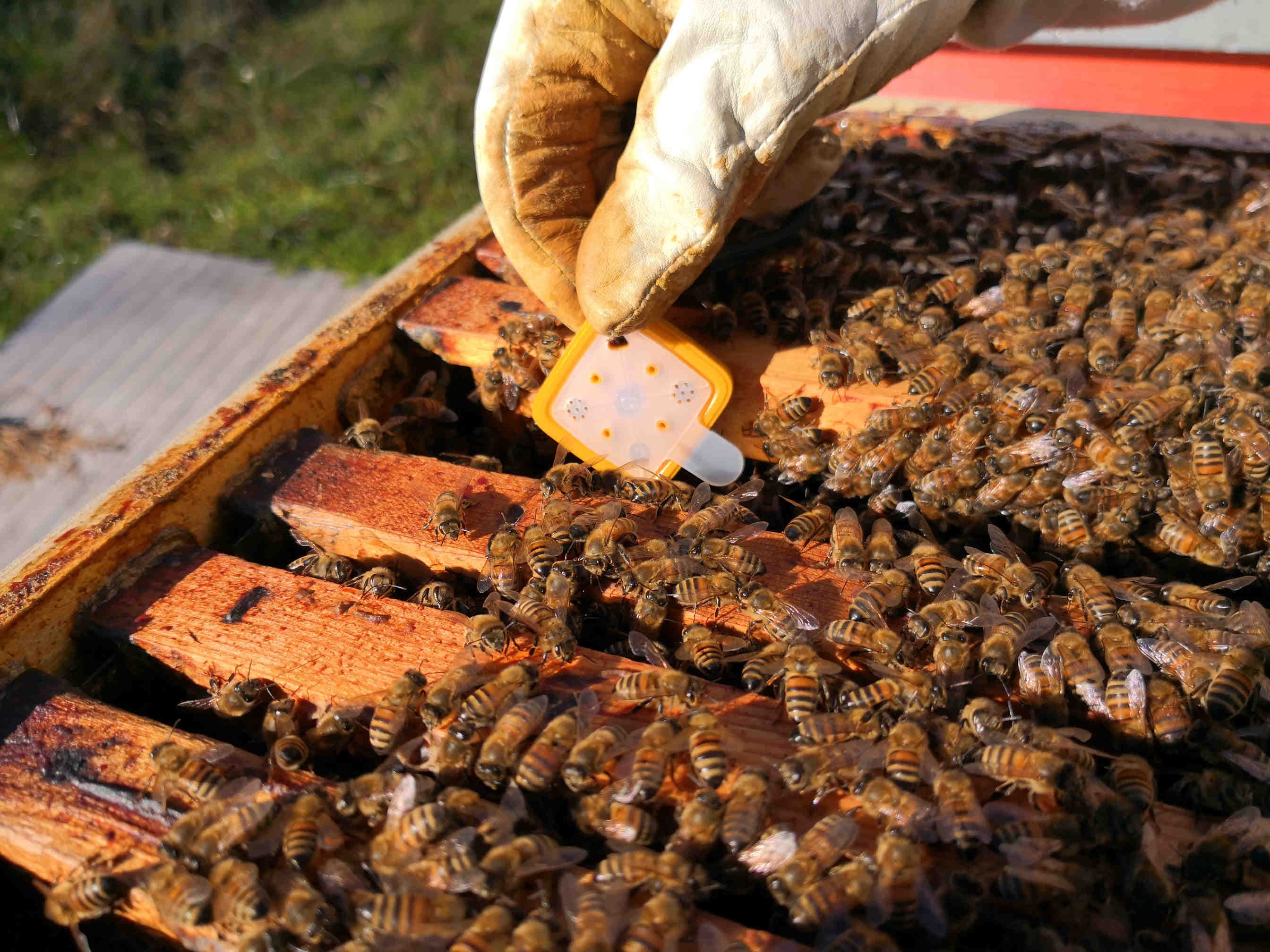
Assessment of external conditions
However, it is first necessary to dwell on the
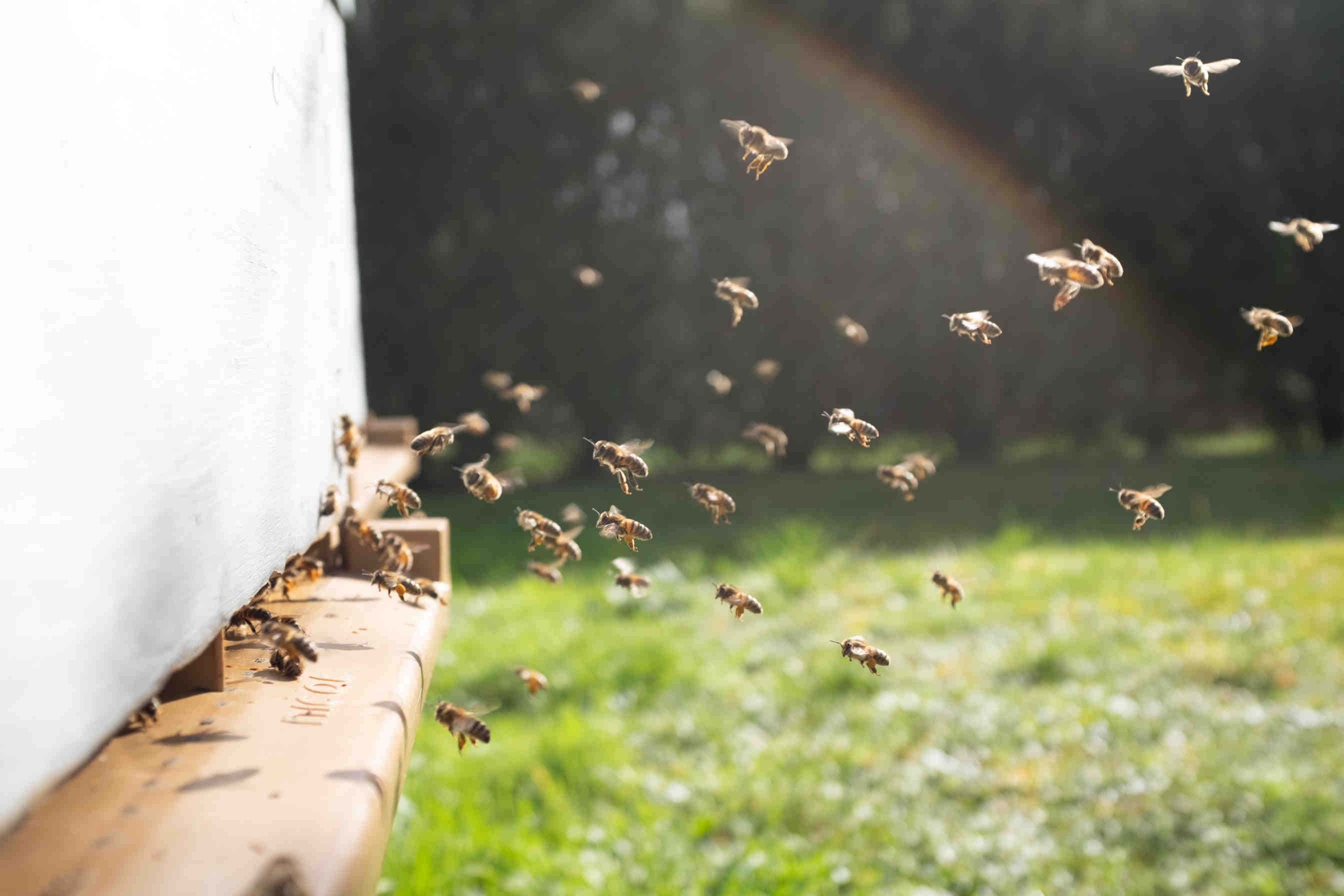

Despite the changeable weather, March is the month in which work in the apiary 'officially' resumes. In fact, it is now that visits become more frequent and that we begin to take the necessary steps to cope with the onset of flowering in the best possible way.
Read the articleHowever, it is first necessary to dwell on the
By opening the boxes and observing the number of bees on the frames, we can tell which family we are dealing with. If they cover 2-3 frames, we can define a weak hive, whereas if they exceed 7 we are in the presence of a very strong family. Depending on location and climatic conditions, an average family should
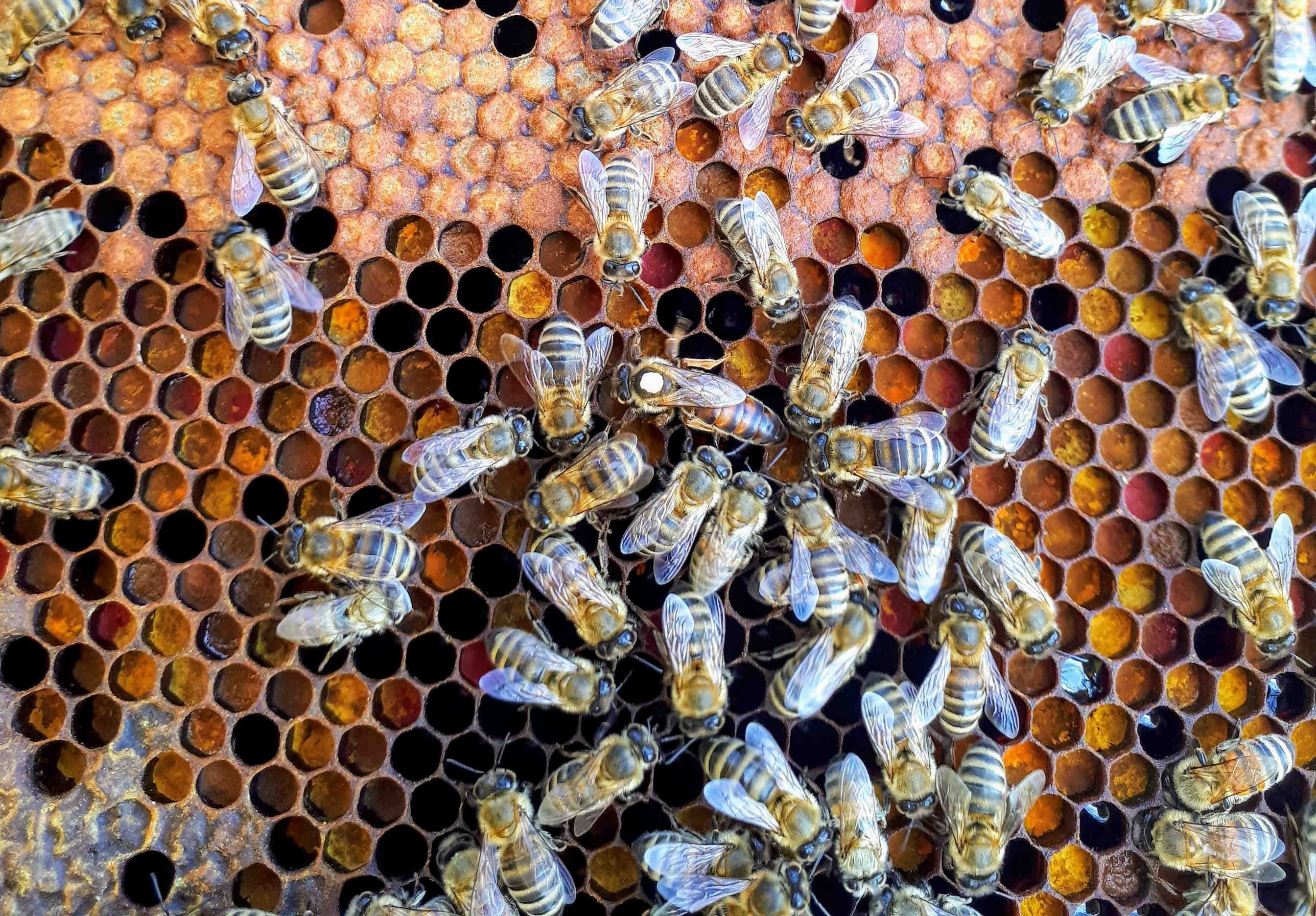

In this case, one may find
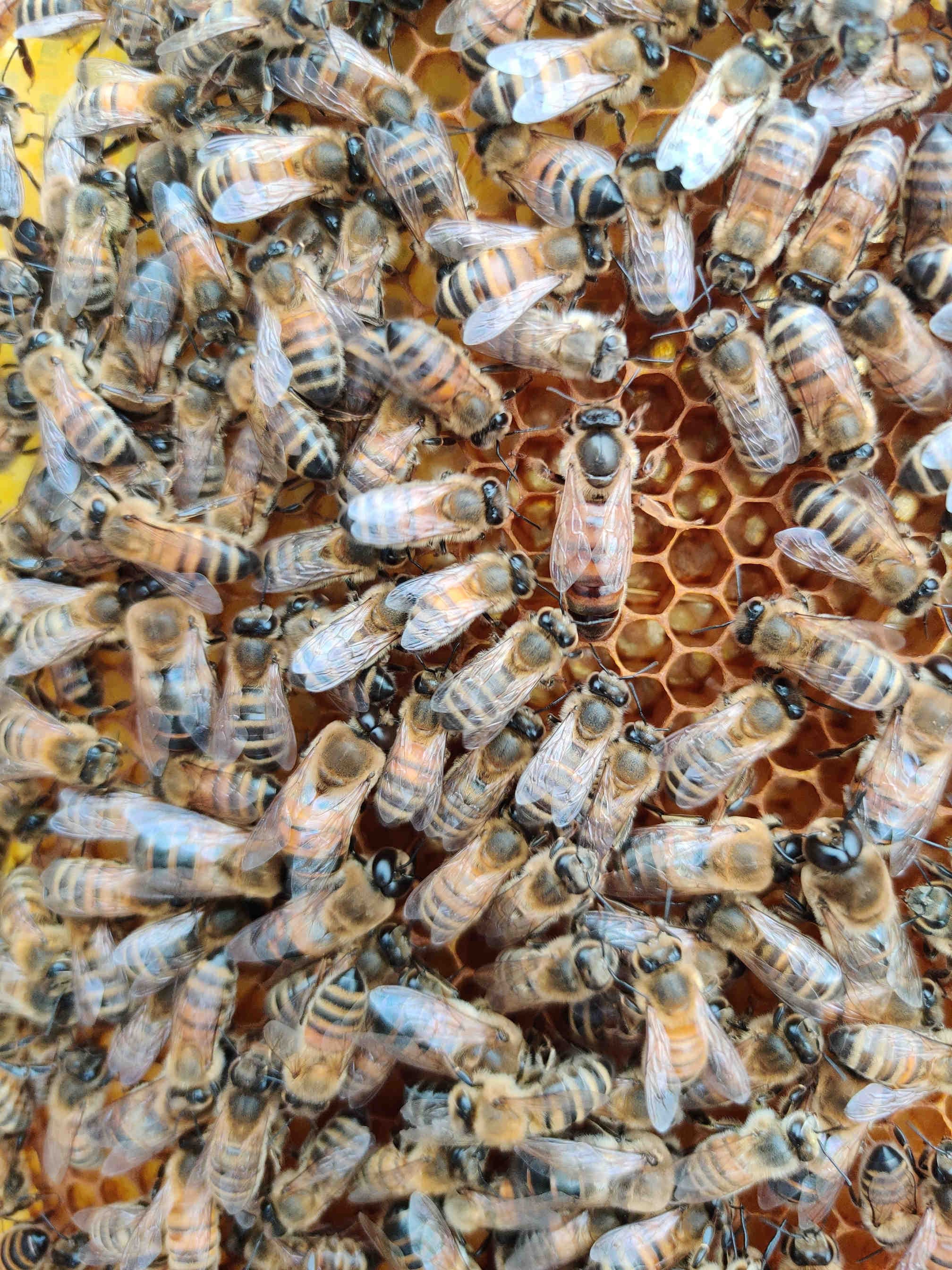
A weak family has
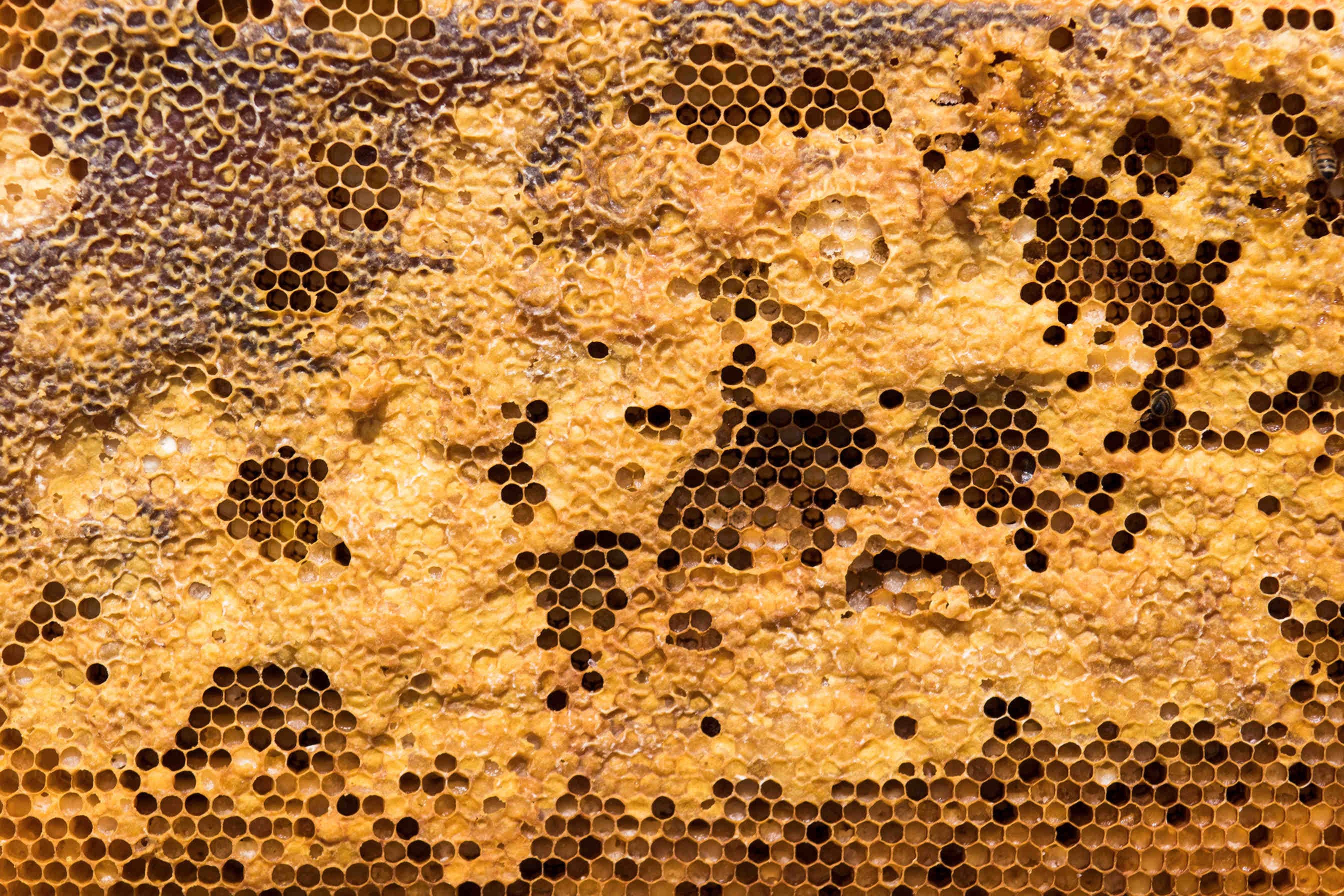

Finding operculated cells with holes should immediately set off alarm bells: we could be dealing with pathologies such as
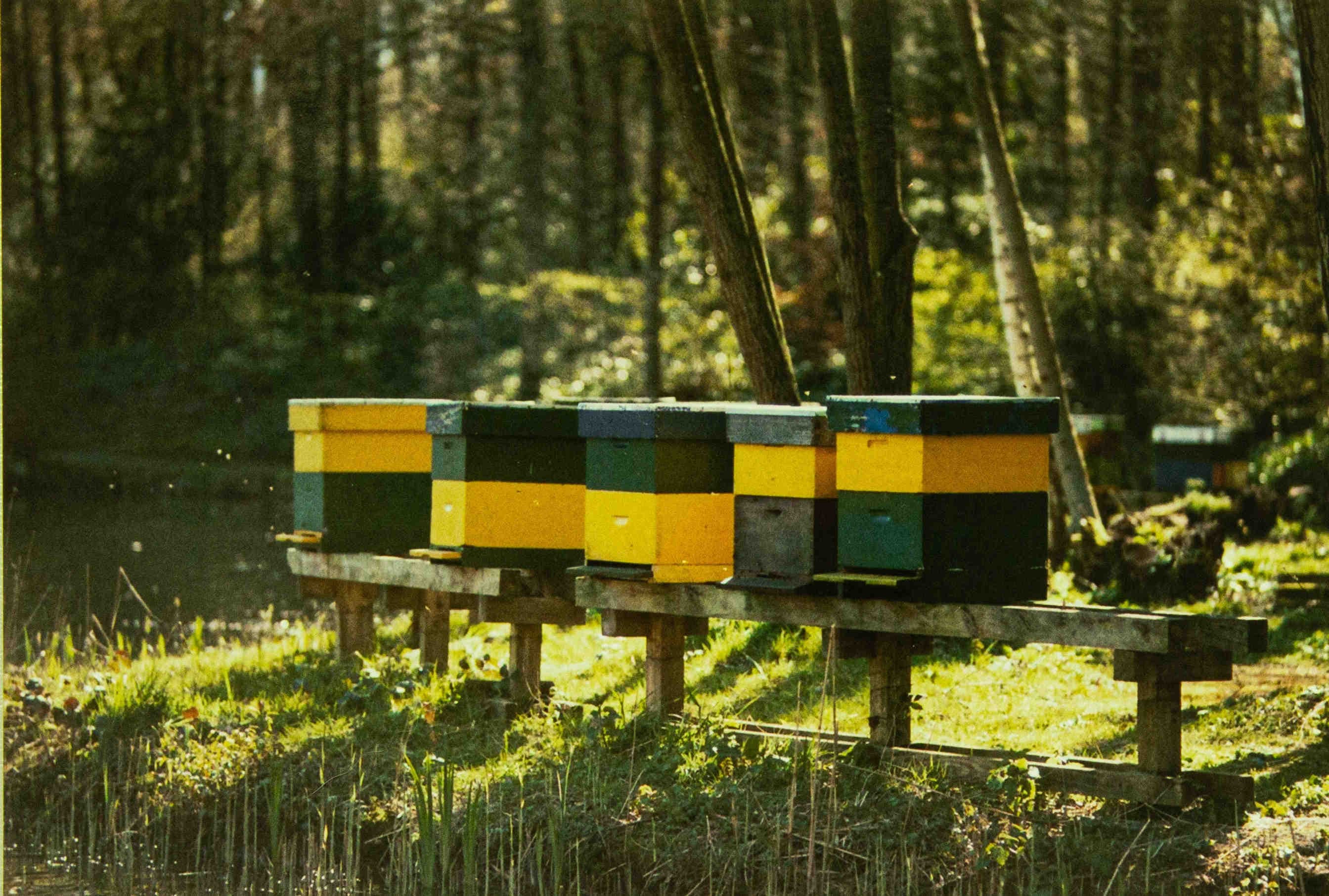

If, on the other hand, there is no trace of brood and the bees are restless, we are almost certainly dealing with an orphan
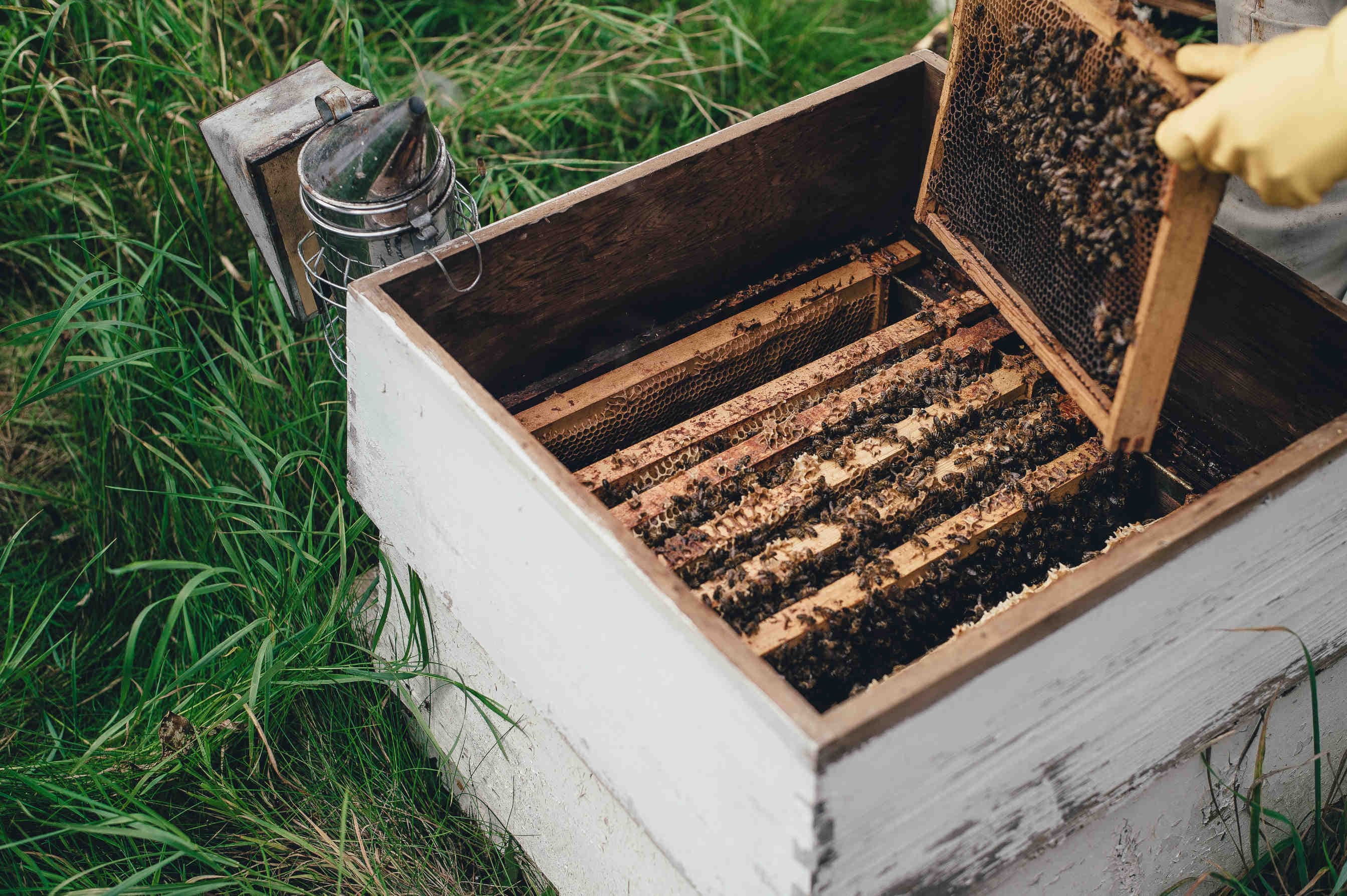
At the same time as observing the brood, stocks must be well assessed. A growing family that needs to keep its brood warm requires a substantial energy supply. It has been calculated that, on average, a family of 5-6 combs consumes between

Another very important operation to be carried out during this period is the
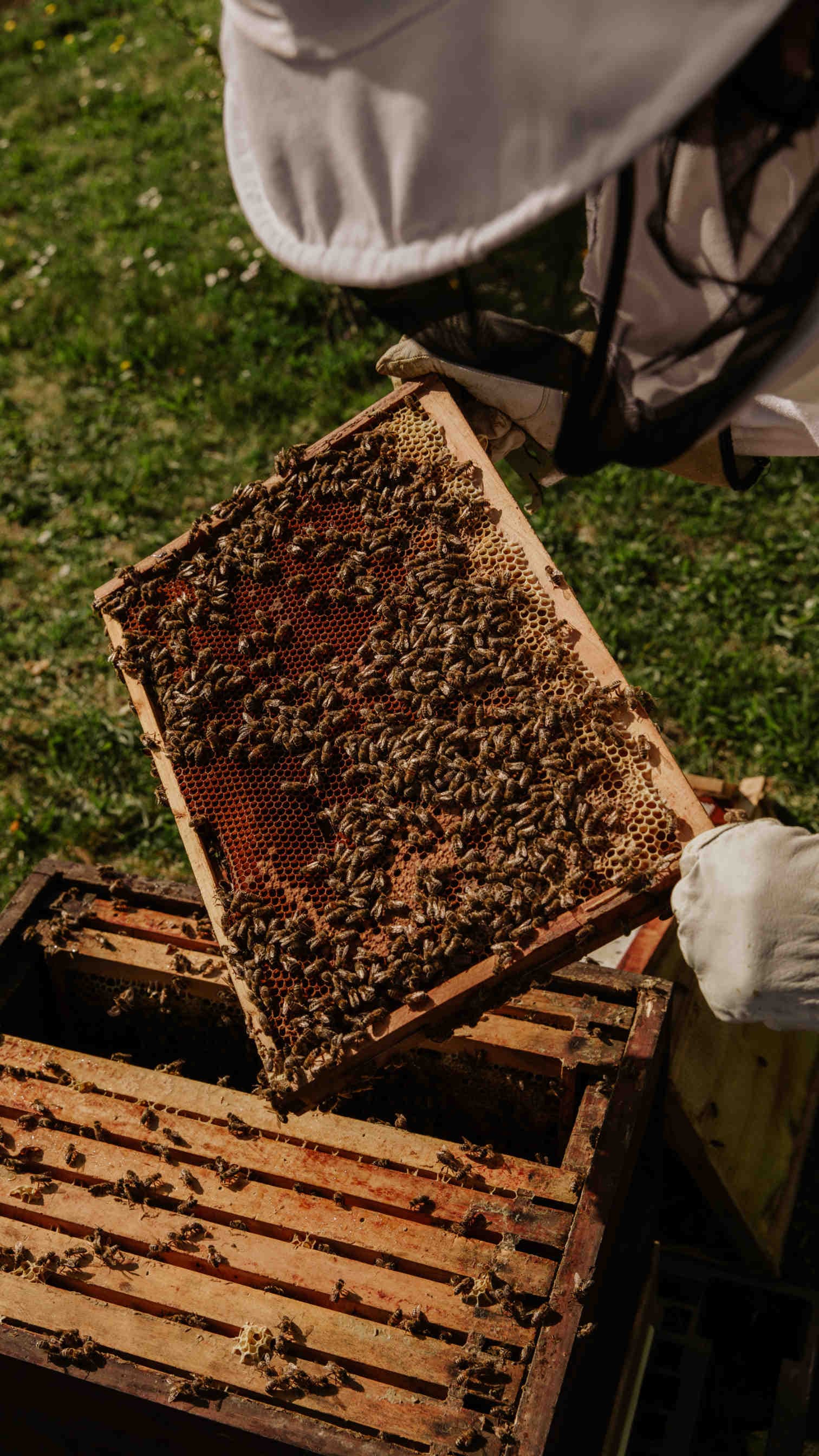
After a correct assessment of the status of the families has been carried out, the first levelling operations can already be carried out. This is necessary in order to arrive at flowering with more or less homogeneous
The jobs to be done in March are