March In the Beehive
    InspectionBees and broodReginaWinterisation

    March In the Beehive

    Despite the changeable weather, March is the month in which work in the apiary 'officially' resumes. In fact, it is now that visits become more frequent and that we begin to take the necessary steps to cope with the onset of flowering in the best possible way.

    Read the article
    15/03/2019Of 3Bee, Elena Fraccaro
    432 Views
    15/03/2019Of 3Bee, Elena Fraccaro
    432 Views

    Assessment of external conditions

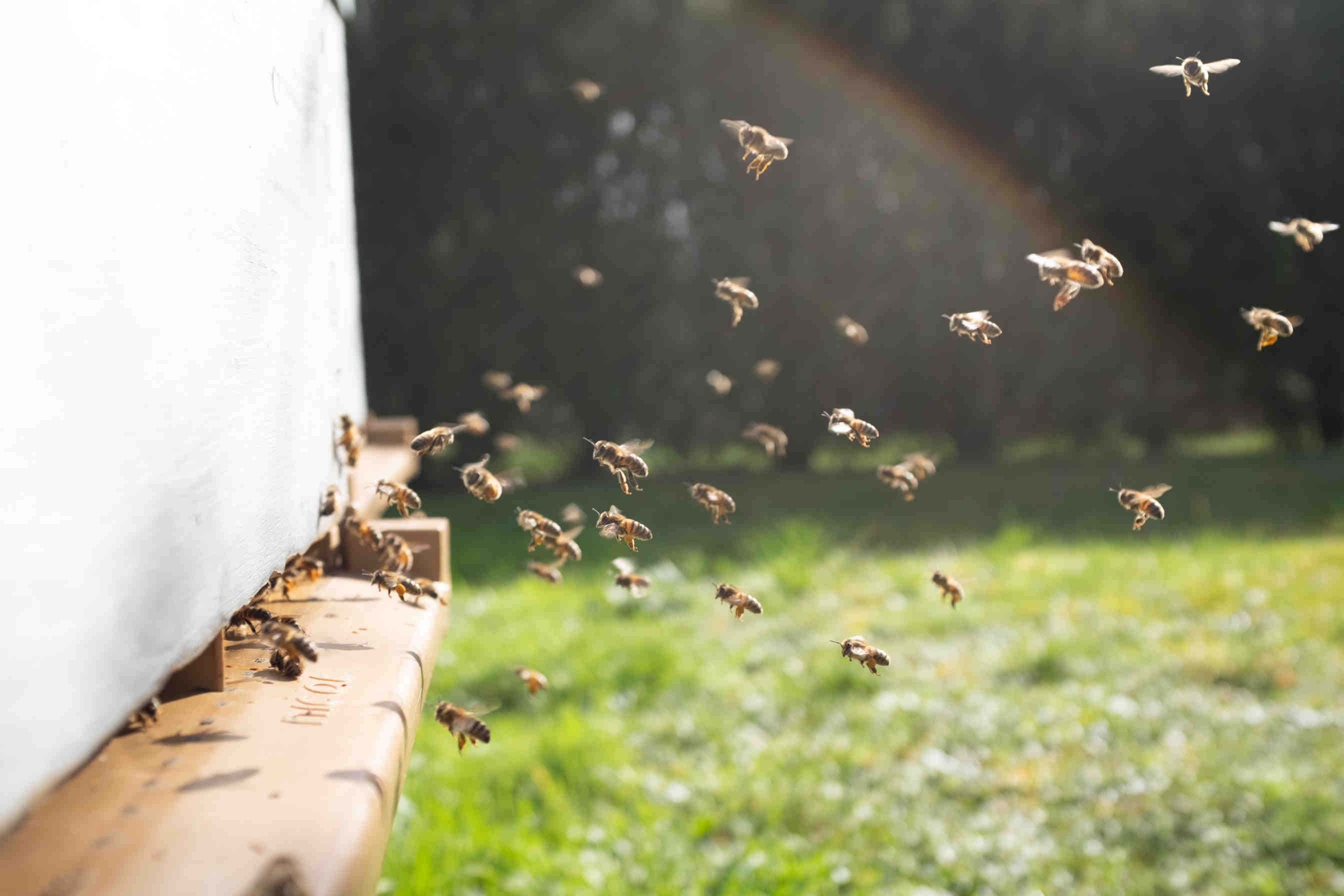
    However, it is first necessary to dwell on the external situation. Is there movement in front of the entrance to the arnia? Are the bees importing pollen? Are there bee corpses on the flight platform? Are brownish droppings noticeable? All these are aspects to be considered for a preliminary assessment of the family's condition. Bees carrying pollen are a sign of a colony in which the queen has presumably resumed oviposition. Brownish corpses and droppings may be a sign of some disease that has affected the family. If there are no signs of life, the family has most probably not survived the winter. It therefore becomes necessary to inspect the apiary thoroughly during the next visit.
    Assessment of external conditions

    Many or few bees? And the brood?

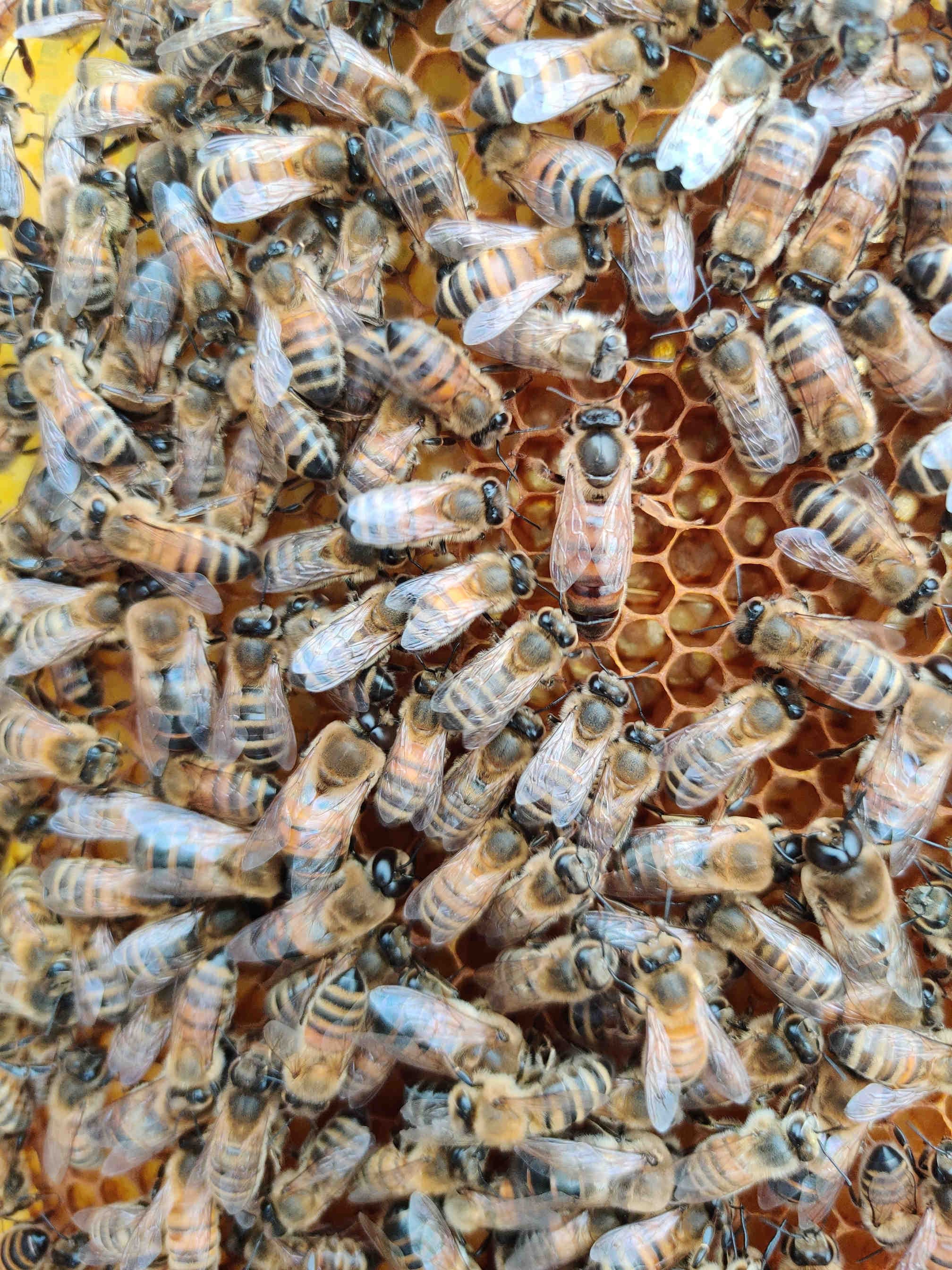
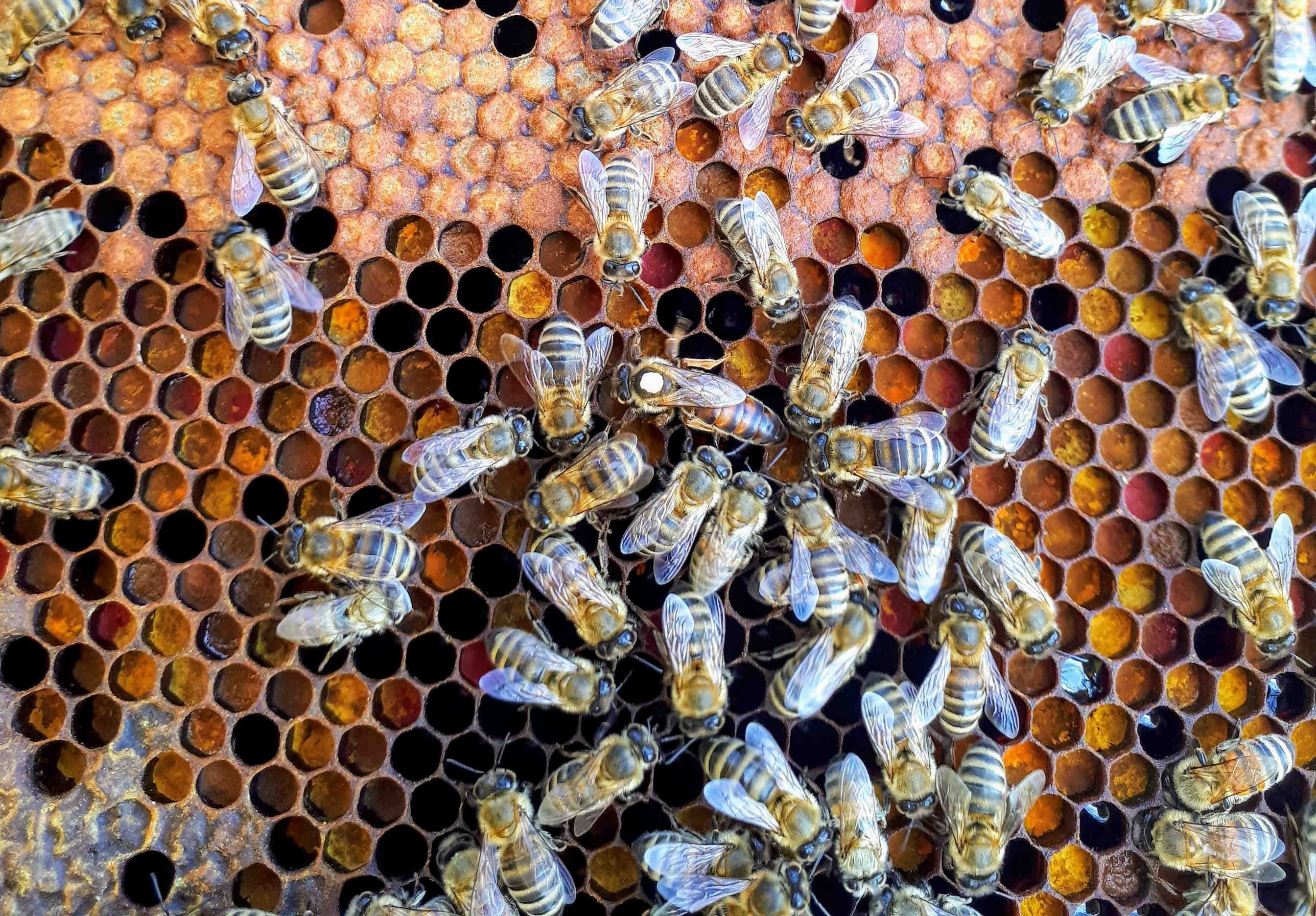
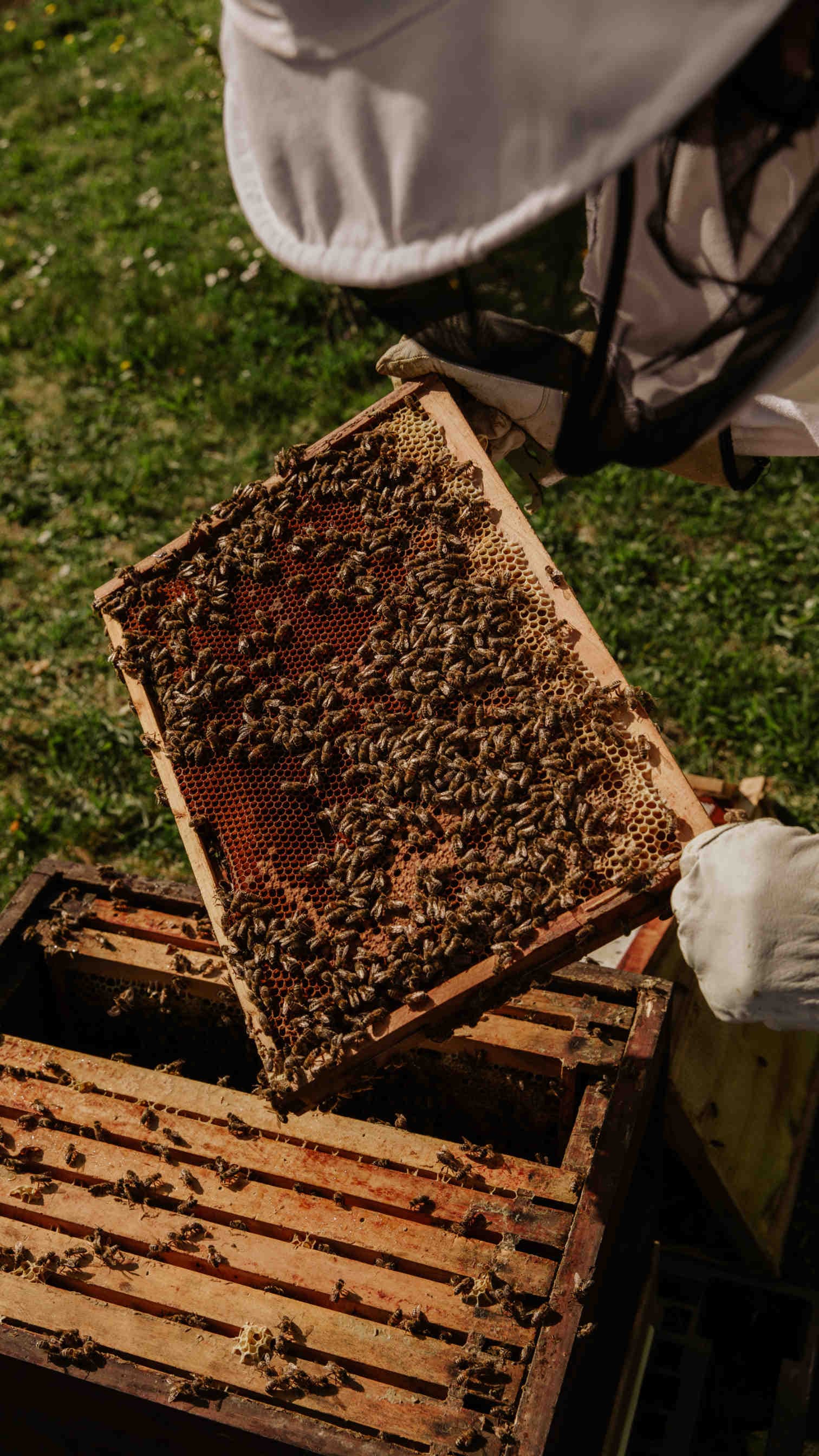
    By opening the boxes and observing the number of bees on the frames, we can tell which family we are dealing with. If they cover 2-3 frames, we can define a weak hive, whereas if they exceed 7 we are in the presence of a very strong family. Depending on location and climatic conditions, an average family should cover roughly 5 frames. The next step is to check the brood. Is there brood? On how many frames do we find it? How extensive is it? Is it regular or discontinuous? Are there perforated cells? These are all questions that need to be asked in order to get a clear picture of the situation. A regular brood, spread over several combs, is a typical sign of a strong family with a good queen. If there is unevenness or a reduced brood size, it could mean that the queen is old or inefficient, that the family is very weak and cannot cope or that there is some kind of disease.
    Many or few bees? And the brood?
    XNatura

    Old and unprolific queen

    In this case, one may find healthy, but inhomogeneous brood. The queen may be old or may have been poorly fertilised, especially if she performed her nuptial flight in early autumn, when drones were beginning to become scarce. At this point, the only solution is to proceed with the replacement as soon as possible, obviously as soon as new queens are available on the market (which is not a given in March). One can either insert an already fertile queen or wait for the bees to replace her on their own. In the worst case, if the family is very weak, the old queen can be removed and fused with another family.

    Old and unprolific queen

    Incorrect winterization

    A weak family has few bees and a poor brood. The reasons for this could be an incorrect wintering, in which the hive failed to breed an adequate number of strong young bees capable of surviving the bad season. In this case it is certainly advisable to shrink the nest, to avoid heat loss. One can then proceed either by inserting spare combs taken from stronger families or by providing stimulating nutrition that simulates an abundant nectar flow. Another option is to scrounge young bees into the nest, or even to insert combs with brood that have hatched and are close to flaring. Adding combs of fresh brood would be counterproductive, adding to the workload on the few bees present.

    Incorrect winterization
    XNatura

    Perforated cells or signs of calcified brood

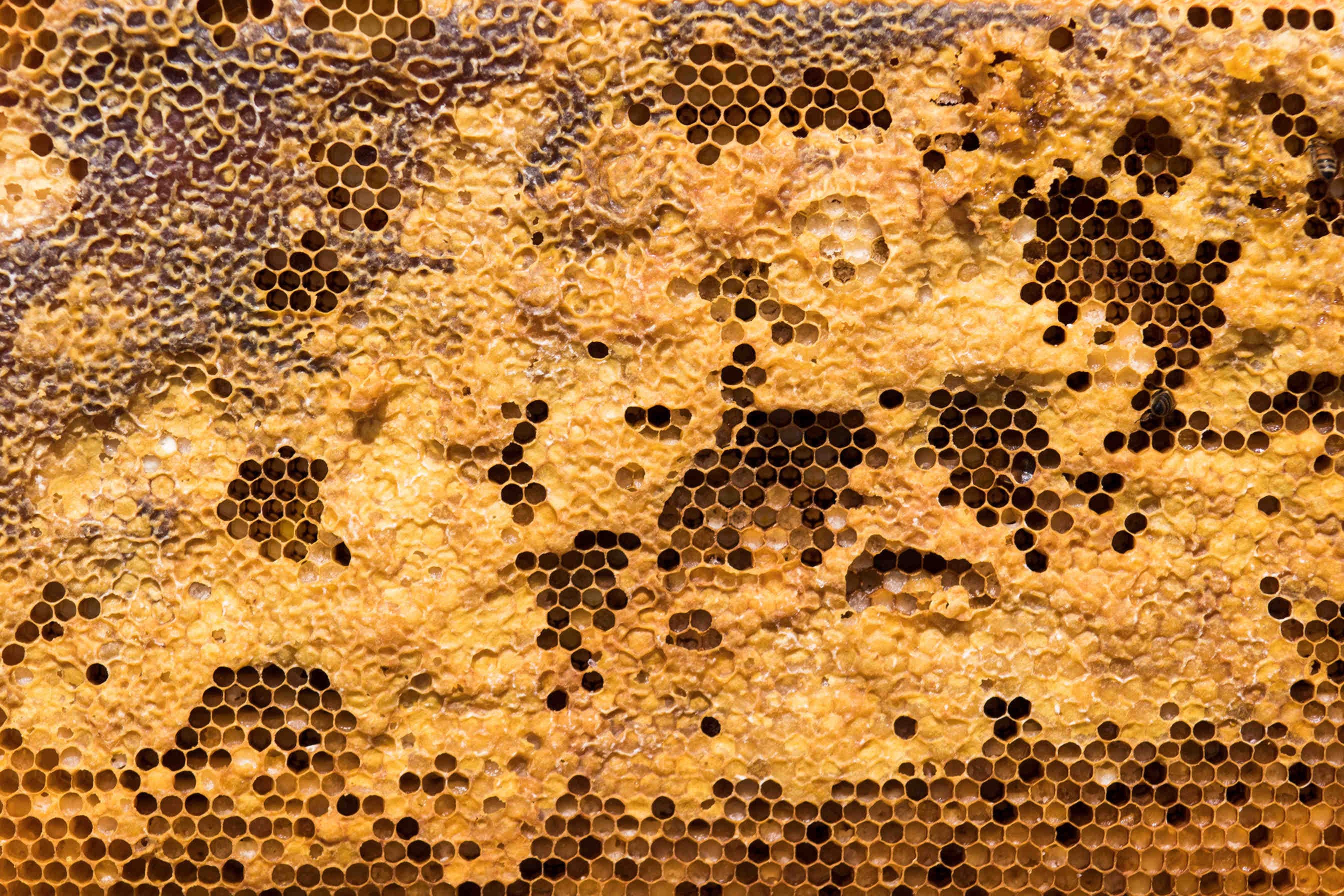
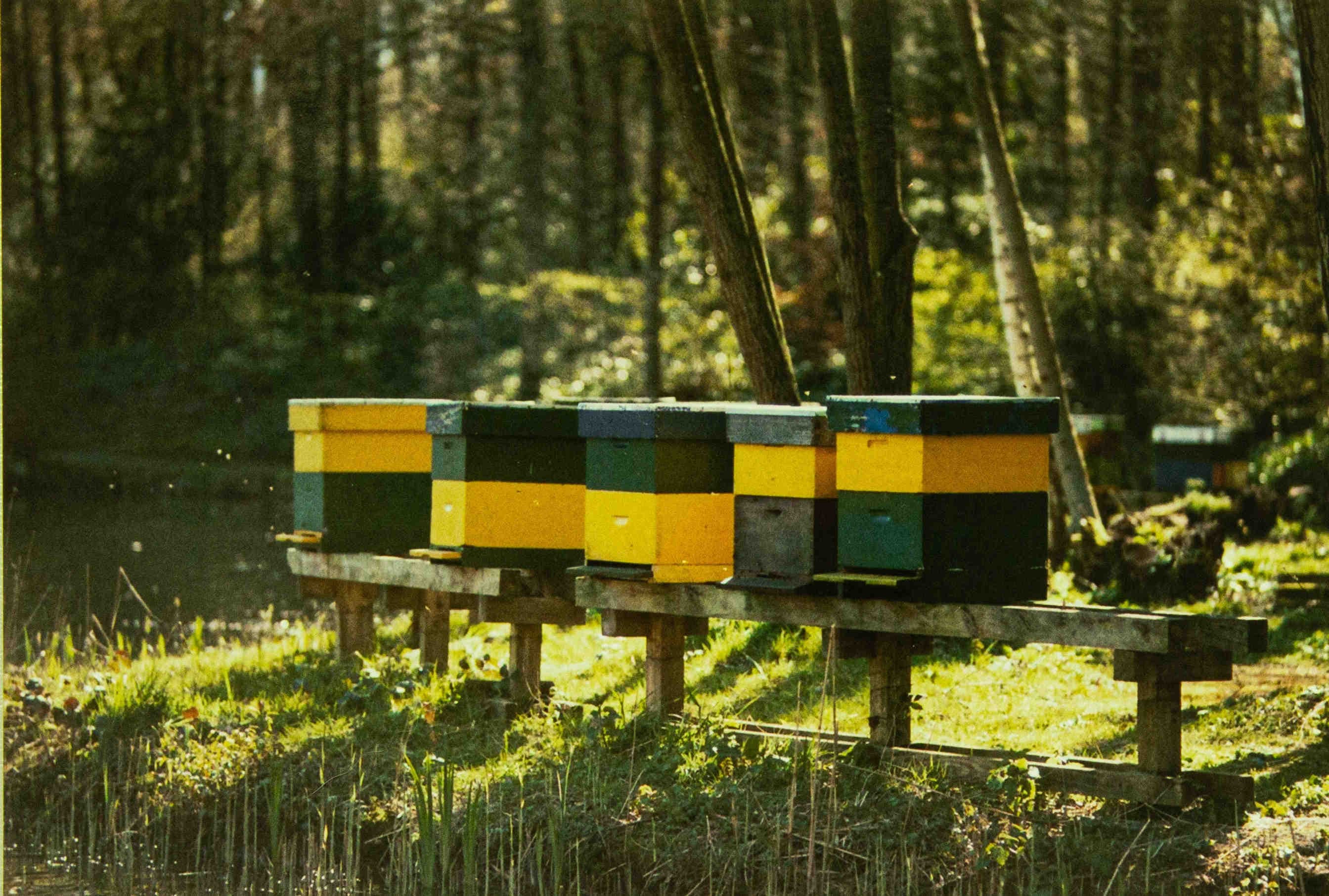
    Finding operculated cells with holes should immediately set off alarm bells: we could be dealing with pathologies such as American or European foulbrood. We must therefore proceed with the stick test and, if necessary, contact the beekeeping technician of reference for a correct assessment of the situation. We may also be faced with cases of calcified brood, the telltale symptom of which is the presence of greyish larvae with a consistency reminiscent of chalk. In this case, it may be useful to restrict the family, allowing less heat loss, and possibly to provide food supplementation and subsequent queen replacement if it proves to be inefficient.
    Perforated cells or signs of calcified brood
    3Bee

    Orphanhood

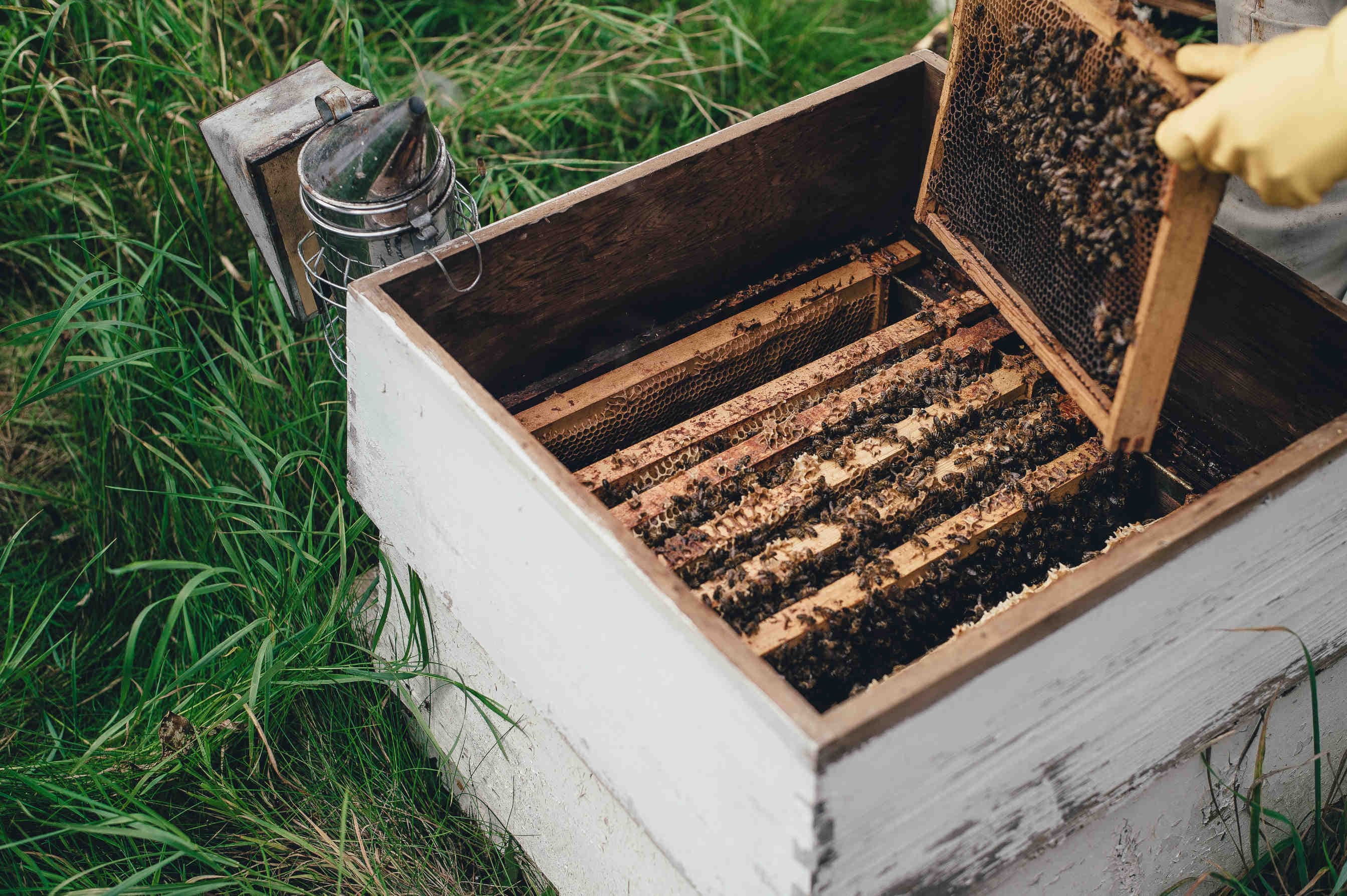
    If, on the other hand, there is no trace of brood and the bees are restless, we are almost certainly dealing with an orphan family. If, on the other hand, there is only an absence of brood unaccompanied by abnormal behaviour, we could be dealing with a simple substitution. In such cases, a honeycomb of fresh brood can be inserted and the situation observed after a few days. If you notice domes, it means that the family was indeed orphaned. When faced with orphanhood, one can proceed in three ways: reunite the family with another, insert an already fertile queen or leave everything in the hands of the bees. Of these options, perhaps the last is the least advisable at the beginning of the season as the number of drones is still low and an unproductive queen could result.
    Orphanhood

    Stock assessment

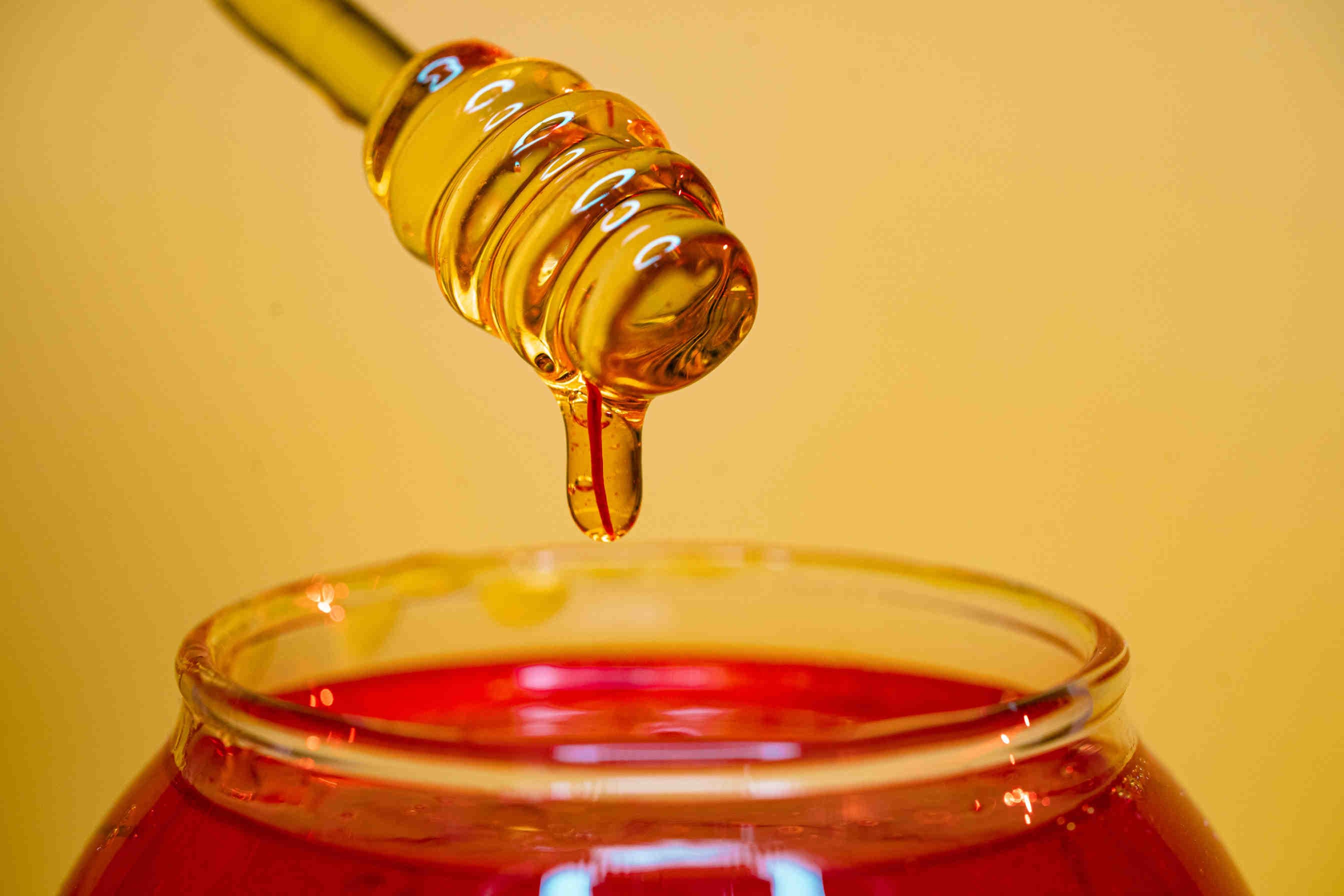
    At the same time as observing the brood, stocks must be well assessed. A growing family that needs to keep its brood warm requires a substantial energy supply. It has been calculated that, on average, a family of 5-6 combs consumes between 60 and 80 g of honey daily. If supplies are scarce, it is good to supplement them. One can either insert specially stored honeycombs or take them from households that have plenty, or proceed with feeding by means of candied or syrup. The choice between the two options depends somewhat on the weather conditions. Giving syrup where it is still very cold and night frosts occur could cause an unpleasant intestinal upheaval for the bees, thus also promoting the spread of various pathogenic microorganisms.
    Stock assessment

    Replacing old combs

    Another very important operation to be carried out during this period is the selection of combs to be replaced. Those with dark and no longer transparent wax and very thick cell walls must be gradually removed from the centre of the nest. If they have a lot of stock, these should be gradually removed so as not to waste the precious honey that thus remains in the hive. In this regard, if there is no brood present, they can also be moved beyond the diaphragm so that they can be removed without trauma once they have been cleaned of honey and pollen. When they are no longer manned, they can be removed and replaced with wax sheets. About 2-3 can be replaced each year, allowing for total renewal within a few years. This operation is very important to promote correct hive hygiene and to prevent brood diseases.
    Replacing old combs

    Balancing families

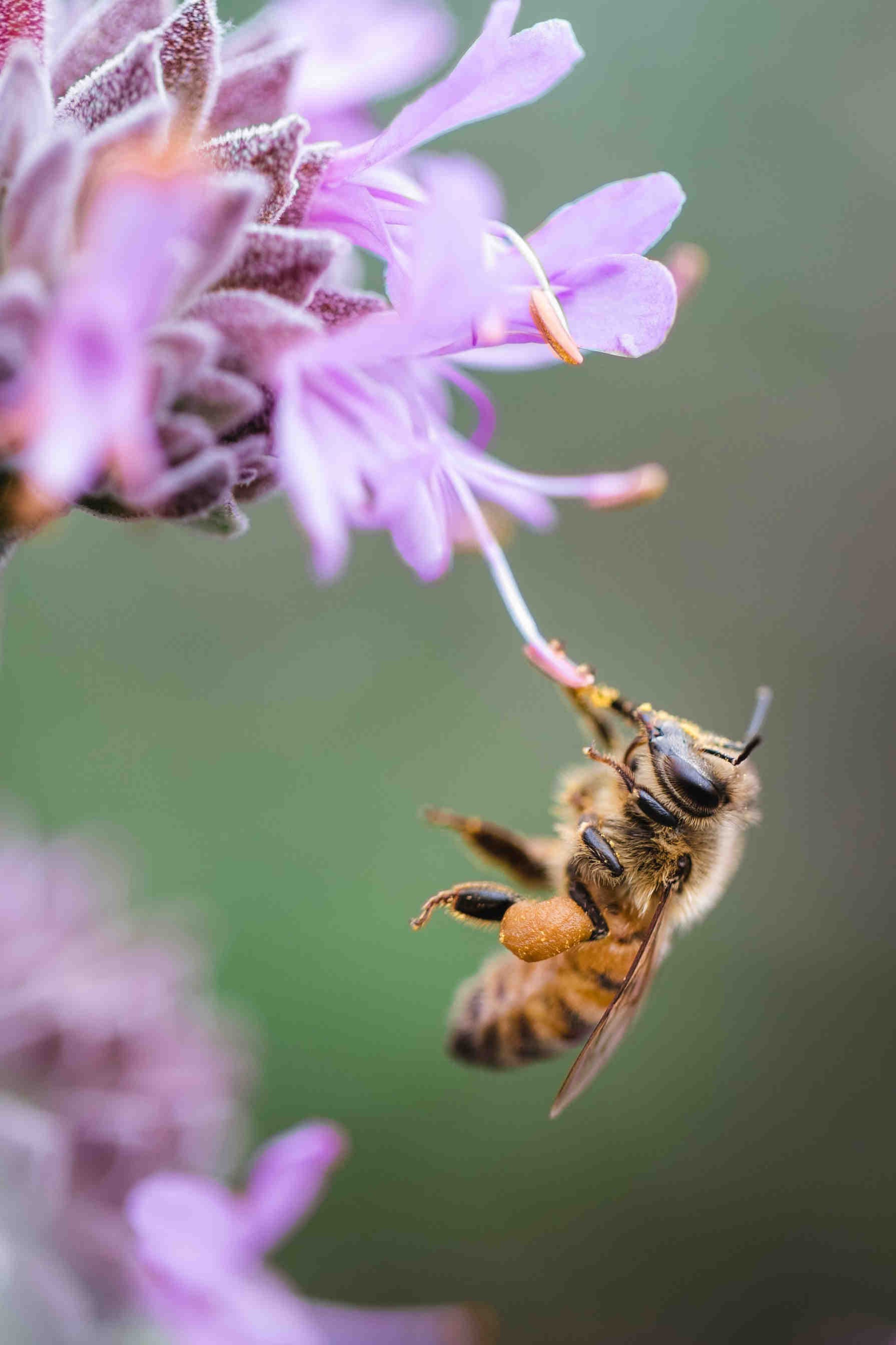
    After a correct assessment of the status of the families has been carried out, the first levelling operations can already be carried out. This is necessary in order to arrive at flowering with more or less homogeneous families and to avoid too many episodes of swarming or sacking. From the strongest families, frames of operculated brood may be taken and added to the weaker ones. In excessively strong families, in addition to enlarging the nest space, one can start by inserting a few wax sheets between the last brood frame and the first stock frame. It should be avoided to insert it inside the nest because it could create the 'diaphragm' effect, dividing the nest in half and penalising the development of the family itself.
    Balancing families

    Using remote monitoring tools

    The jobs to be done in March are many and all very delicate. One false step and you can jeopardise the first major flowering, and not only that. Having your finger on the pulse of the situation within the hive can be very important. However, it is not always so easy. By using remote hive monitoring tools, one can get real-time feedback and decide whether or not to schedule a visit to the apiary. One can check the status of stock consumption and the resumption of family growth by monitoring weight variations. By monitoring the temperature inside the nest, one can tell whether the queen has already resumed hatching. The 3Bee monitoring systems can support you in all these tasks: log in to your account and check your hive data. We have a different device for each of your needs. Curious to discover our products?

    Using remote monitoring tools
    15/03/2019Of 3Bee, Elena Fraccaro
    432 Views
    Newsletter
    newsletter
    Subscribe to the Blog about bees and biodiversity