The beaver: an engineer worth preserving
    HistoryBeaverProfilEngineer

    The beaver: an engineer worth preserving

    The beaver is celebrating the 50th anniversary of its reintroduction to France. This fascinating animal almost disappeared from the landscape in the 20th century. Today, it is thriving throughout France. In its honour, 2024 has been declared the Year of the Beaver!

    Read the article
    06/06/2024Of 3Bee, Fiorila Hell
    1445 Views
    06/06/2024Of 3Bee, Fiorila Hell
    1445 Views

    The history of the beaver in France

    At the beginning of the 20th century, the castor was experiencing a dangerous population decline. On the one hand, increasing urbanisation was encroaching on nature and destroying its habitat, with, in particular, the construction of river canals and towpaths. The beaver was also hunted, particularly for its fur, but also for its castoreum, a raspberry-scented secretion used in perfumery and medicine. At the end of the 19th century, it was also considered a nuisance by farmers, who saw their fields flooded or their trees damaged by the beaver's behaviour. The zoologists of the time were certain: the beaver was rapidly becoming extinct. Quick action had to be taken to prevent this species from becoming extinct. The beaver thus became the first animal in France to be protected by law, in 1909, when its hunting was banned. Although its extinction is under control, populations remain low.
    castor dans un bassin artificiel

    The year of the beaver

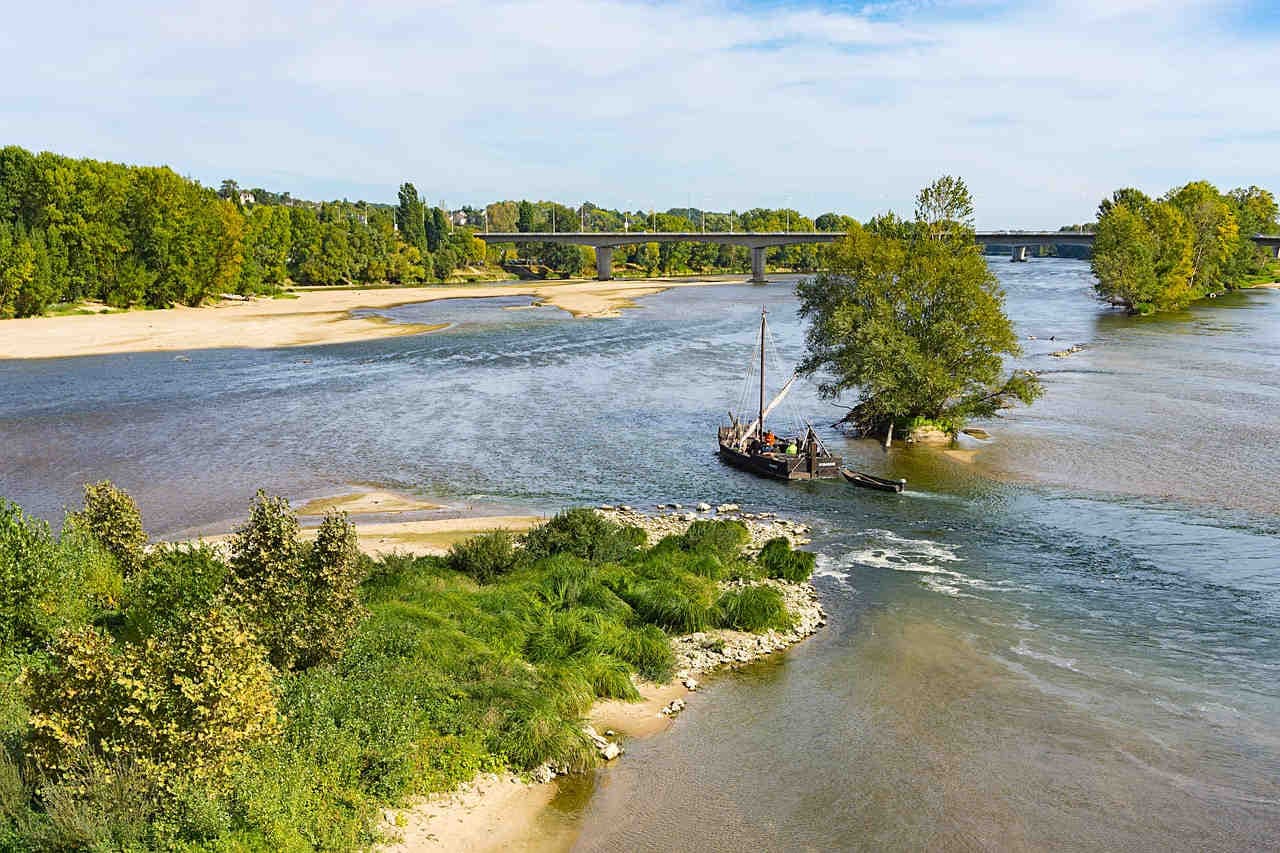
    With its population still small, the castor was reintroduced to France in 1974 on the banks of the Loire, where it had disappeared. Thirteen Rhône beavers were reintroduced along the river and spread naturally through the region. 50 years on, the Société Nationale pour la Protection de la Nature (SNPN), in collaboration with the Comité Départemental de la Protection de la Nature et de l'Environnement (CDPNE), as well as many other local and national partners including the French Biodiversity Office, are launching the Year of the Beaver. For more than a year, awareness-raising campaigns targeting the general public and institutional and political structures will be organised in France. In 2008, the beaver's status was downgraded from "threatened" to "minor concern" in Europe. Nevertheless, it remains classified on the International Union for Conservation of Nature (IUCN) red list of continental mammals in mainland France.

    Le fleuve Loire
    XNatura

    Biological profile of the beaver

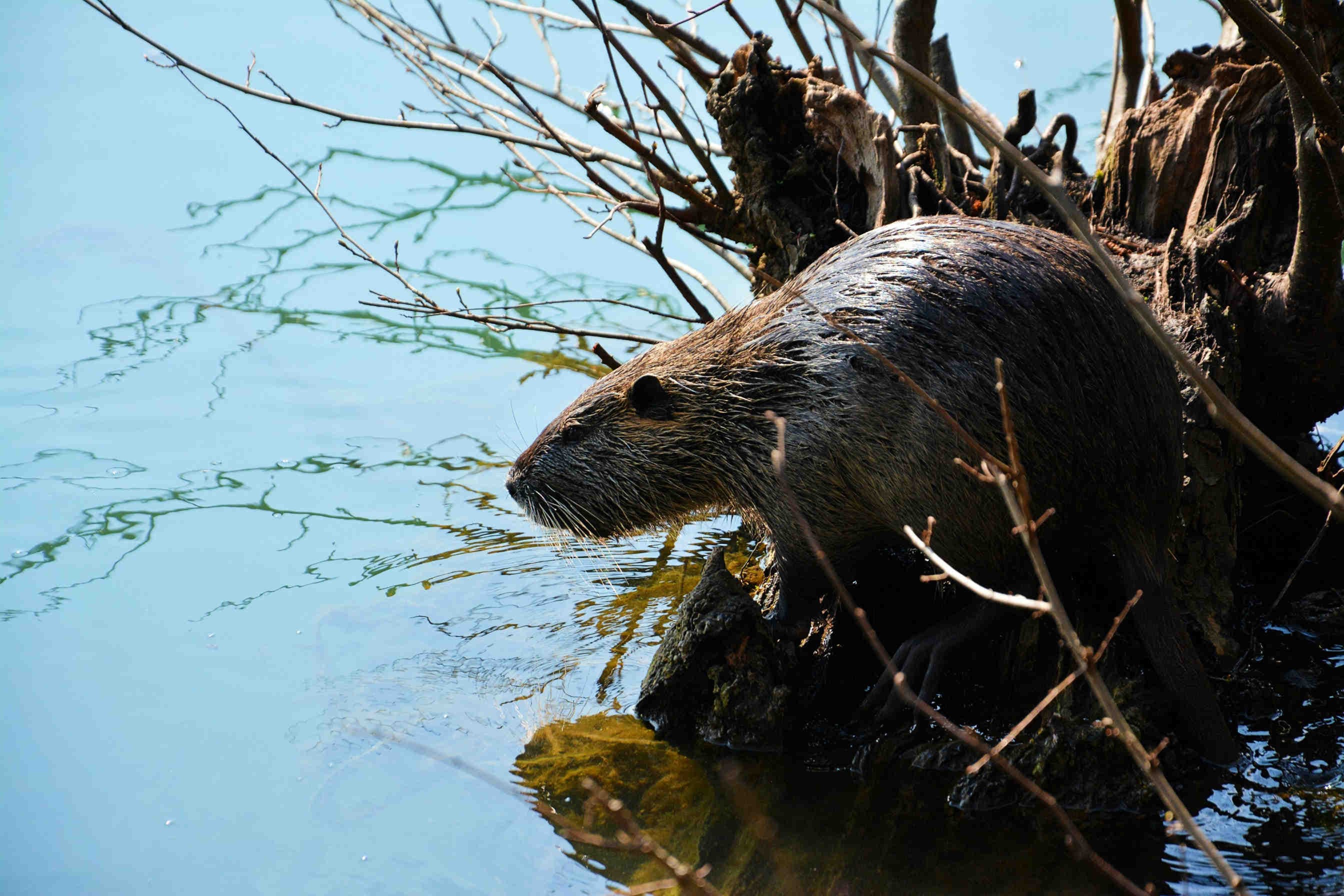
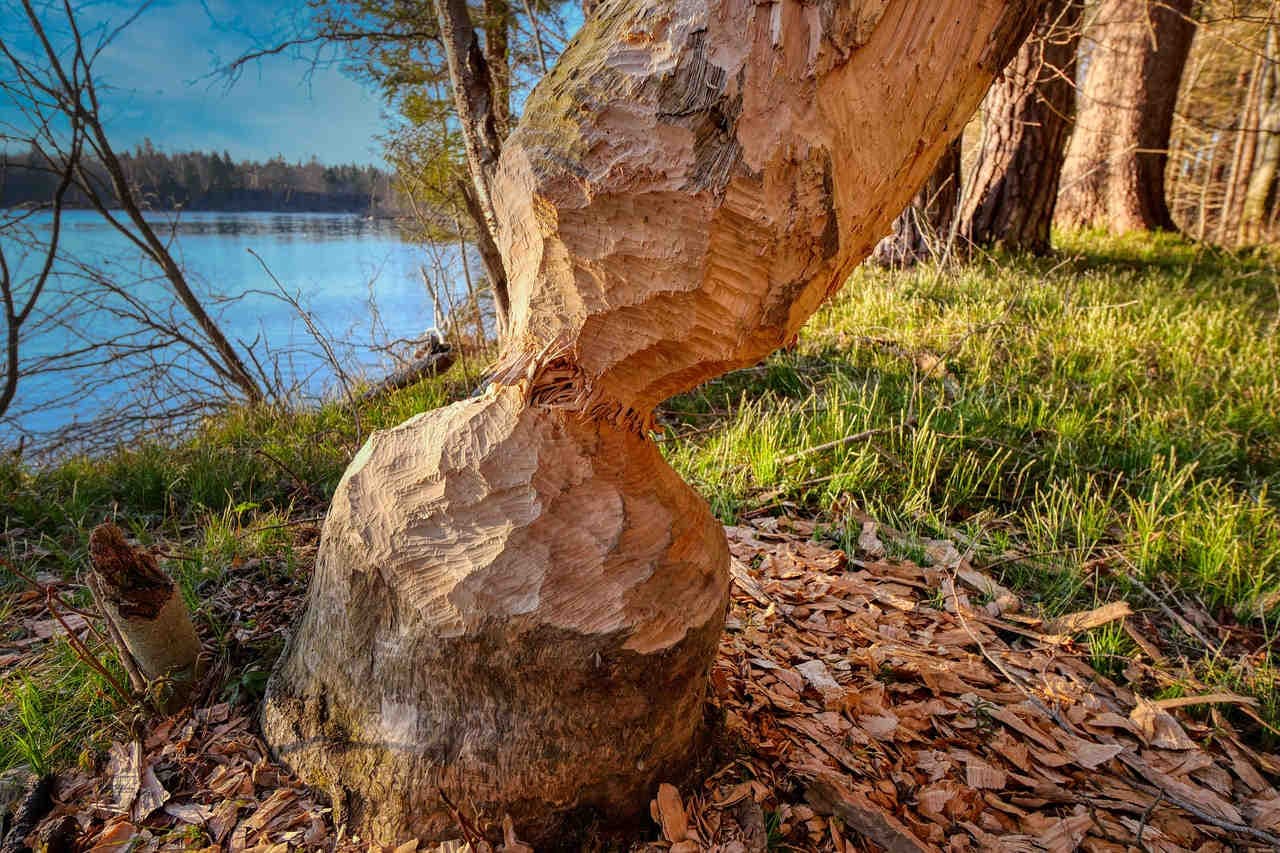
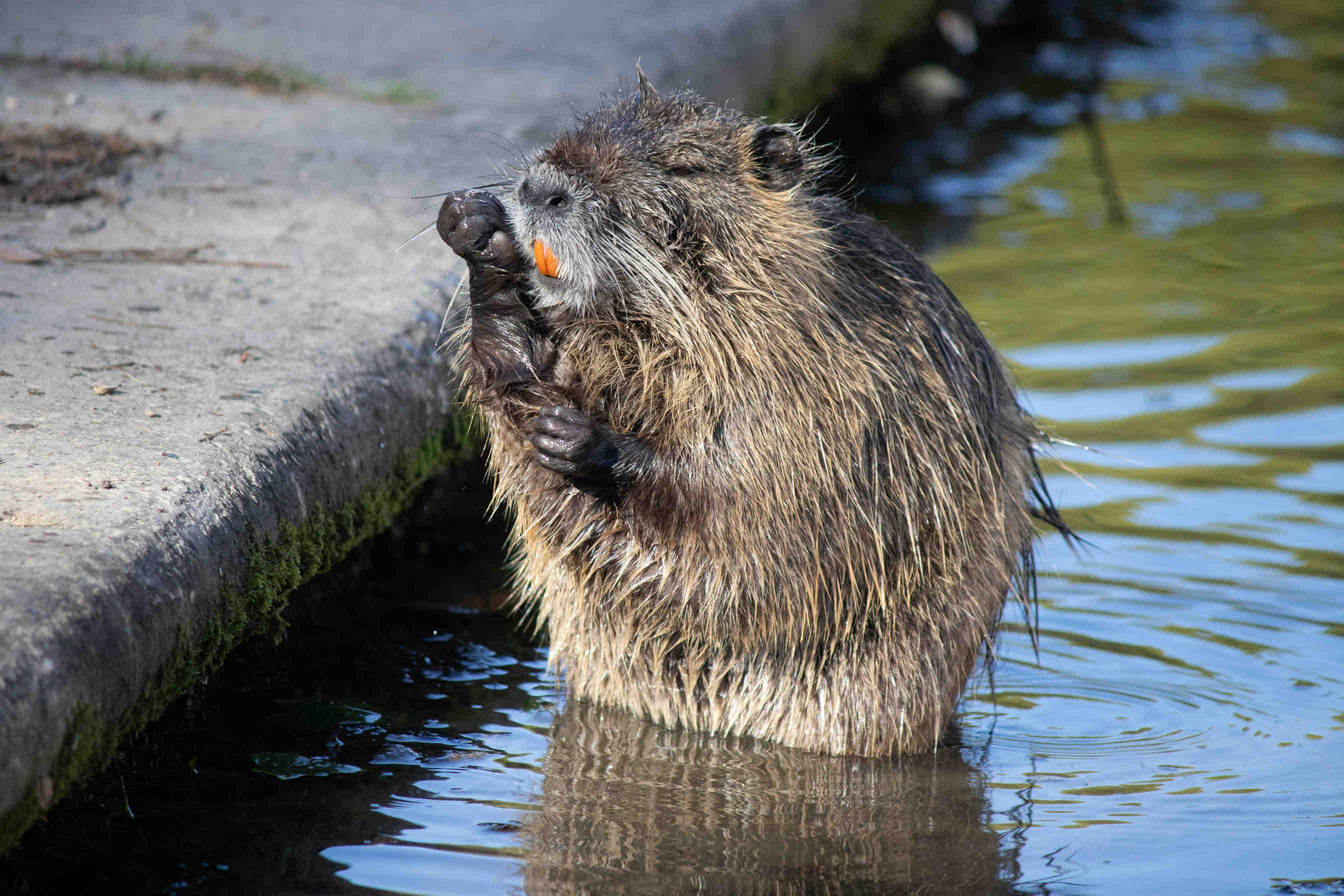
    The European castor (Castor fiber) is a rodent in the castoridae family (Castoridae), which comprises two species, along with its American cousin the Castor canadensis. It is a herbivore that feeds on plants and tree bark, mainly white wood such as willow, aspen or poplar. It can measure up to 1m20 long and weigh up to 35kg, making it Europe's largest rodent. This semi-aquatic mammal lives in rivers and other continental wetlands. It builds its burrows along rivers using its sharp incisors, which enable it to fell trees up to 50cm in diameter in a matter of days. Its territory can extend over several kilometres of riverbank, varying from 0.5 to 12km depending on the availability of food, which it shares with its family group of 4 to 7 individuals.
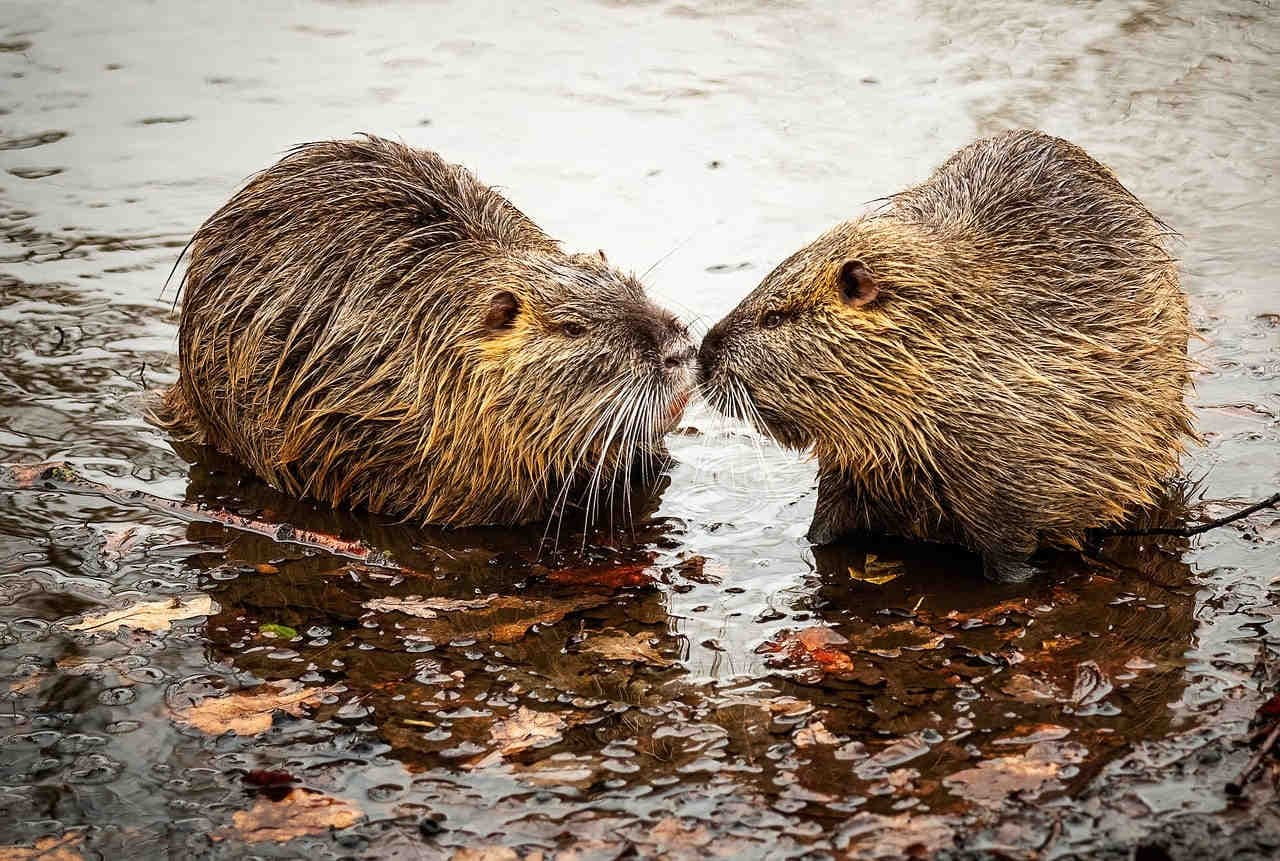
    deux castors dans l'eau

    An outstanding engineer

    The castor is one of the rare animals, along with humans, that transforms its environment on a large scale to adapt it to its needs. This ability has earned it the title of "engineer" species or ecosystem engineer. Its best-known behaviour is dam construction, for which it is renowned. The beaver's main objective is to keep the entrance to its burrow submerged underwater, where it will be inaccessible to predators. To do this, it digs a galley in the mud of the banks and covers the whole thing with a pile of intertwined branches. The dams it builds enable it to control the water level to keep its burrow submerged, and therefore, safe. These edifying constructions can also extend its swimming territory and give it access to more food through the floods they cause.

    castor sur des branches
    XNatura

    Dam architect

    The constructions of the beaver are mutable over time. They can be multiplied, clogged, enlarged or destroyed. Their durability therefore depends on their maintenance and the number of beavers in the area. As for choosing the location of a dam, and therefore a living territory, the castor is based on three criteria. The first is the availability of trees nearby, so that it does not have to move too far into land that is dangerous to it. The beaver generally does not stray more than 100m from the shore. The second is the need for a source of running water. The stagnant water of lakes is no match for it. Thirdly, the beaver relies on the topography of the area to determine whether it will be suitable for a pond. For example, the slope of a stream should be between 1 and 10%. Once the site has been found, he will weave together intertwined branches and tree trunks, which he may sometimes solidify with stones, leaves and silt.

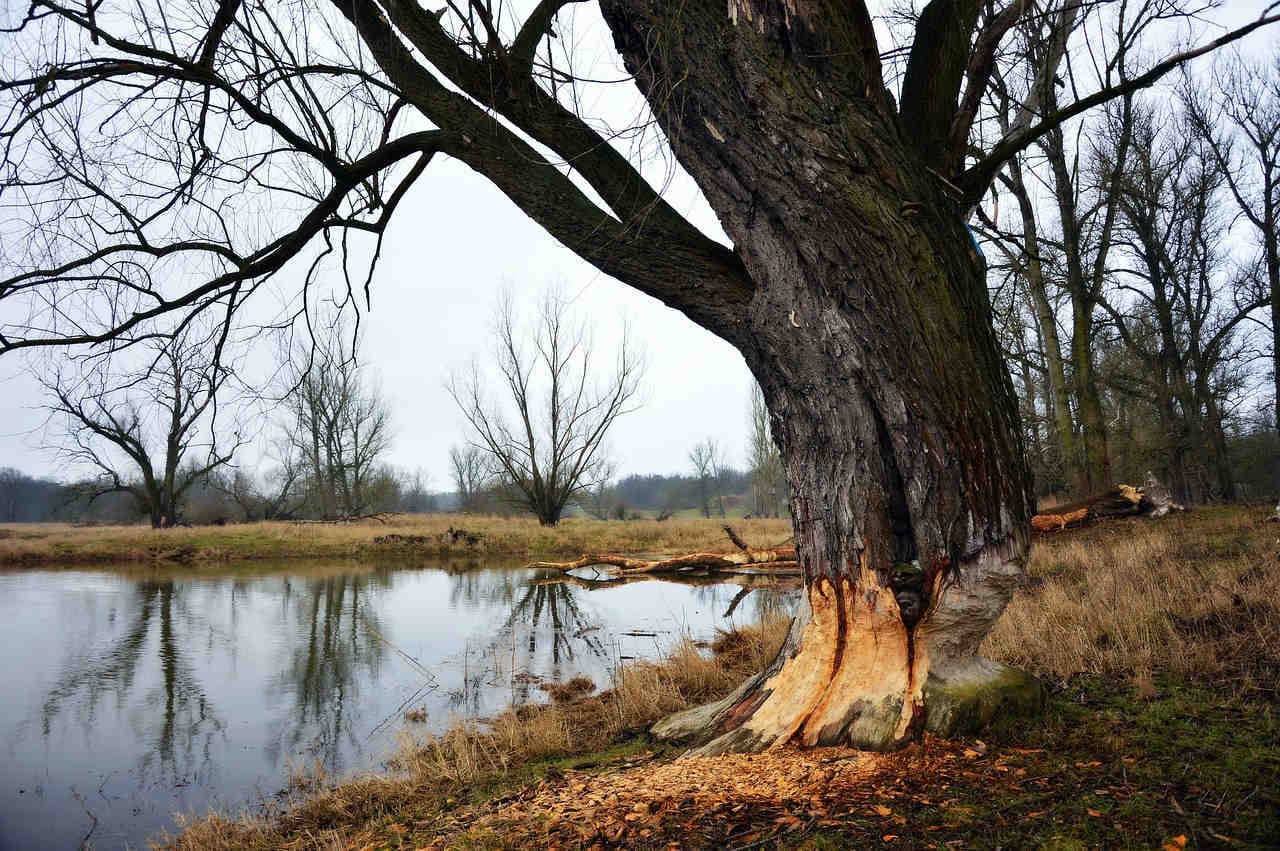
    tronc d'arbre grignoté par un castor
    3Bee

    A mastery of hydrology

    The castors are known to have hydrological virtues. hydrology is the science of water cycles. Studies have shown that beaver dams have biochemical, geomorphological and hydraulic consequences on the waterholes they invest. The dam will have the effect of changing the flow of water on either side of it. On one side the current is fast. On the other, the water is stable and submerges the banks. This change in flow is the cause of most of the hydraulic changes that follow. The submerged banks act as a filter, reducing the chemical excesses present in the water, such as nitrates, before it re-enters the current. Because the beaver pond is stable, it also allows more sedimentation to settle, changing the depth and movement of the water, both upstream and downstream of the dam. After the destruction of a dam, the hydrological profile that existed before the arrival of the beaver returns to its natural place.

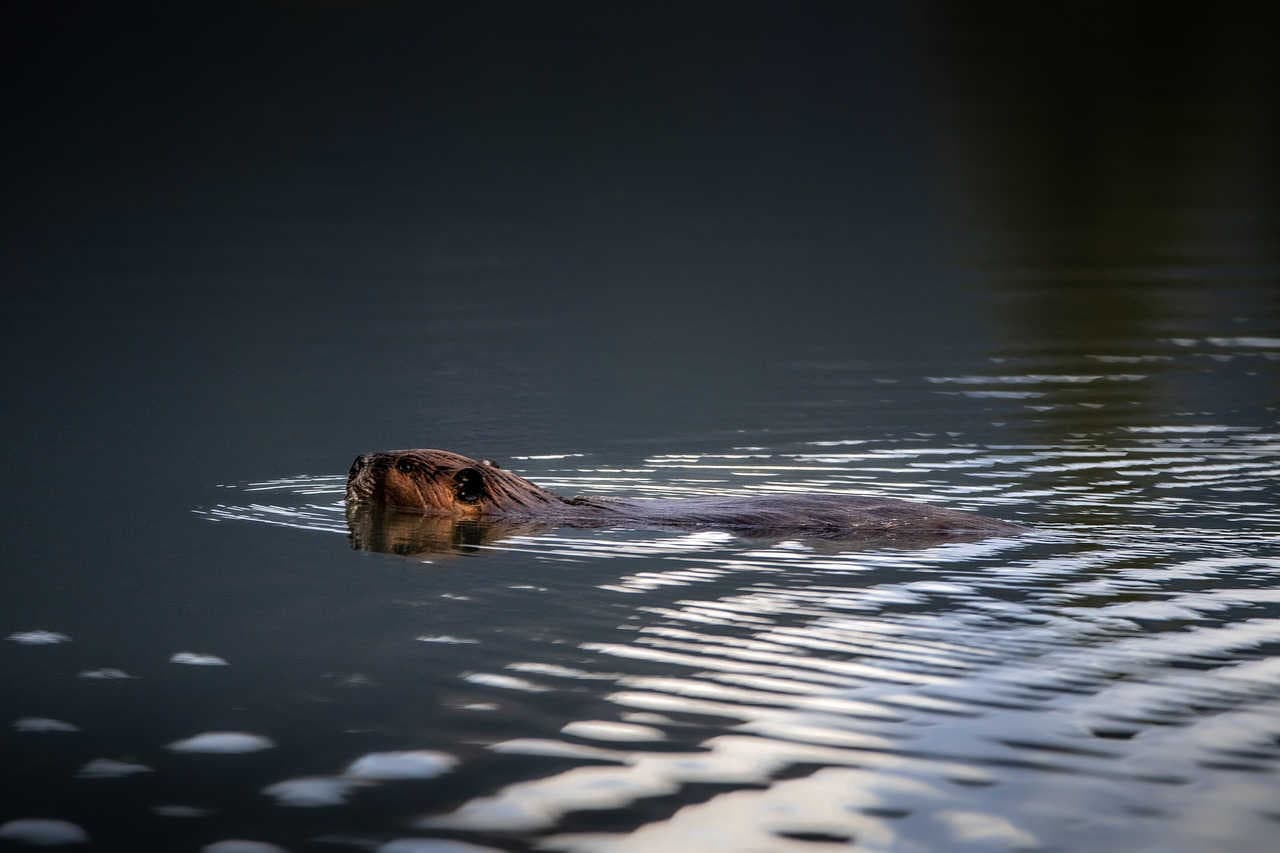
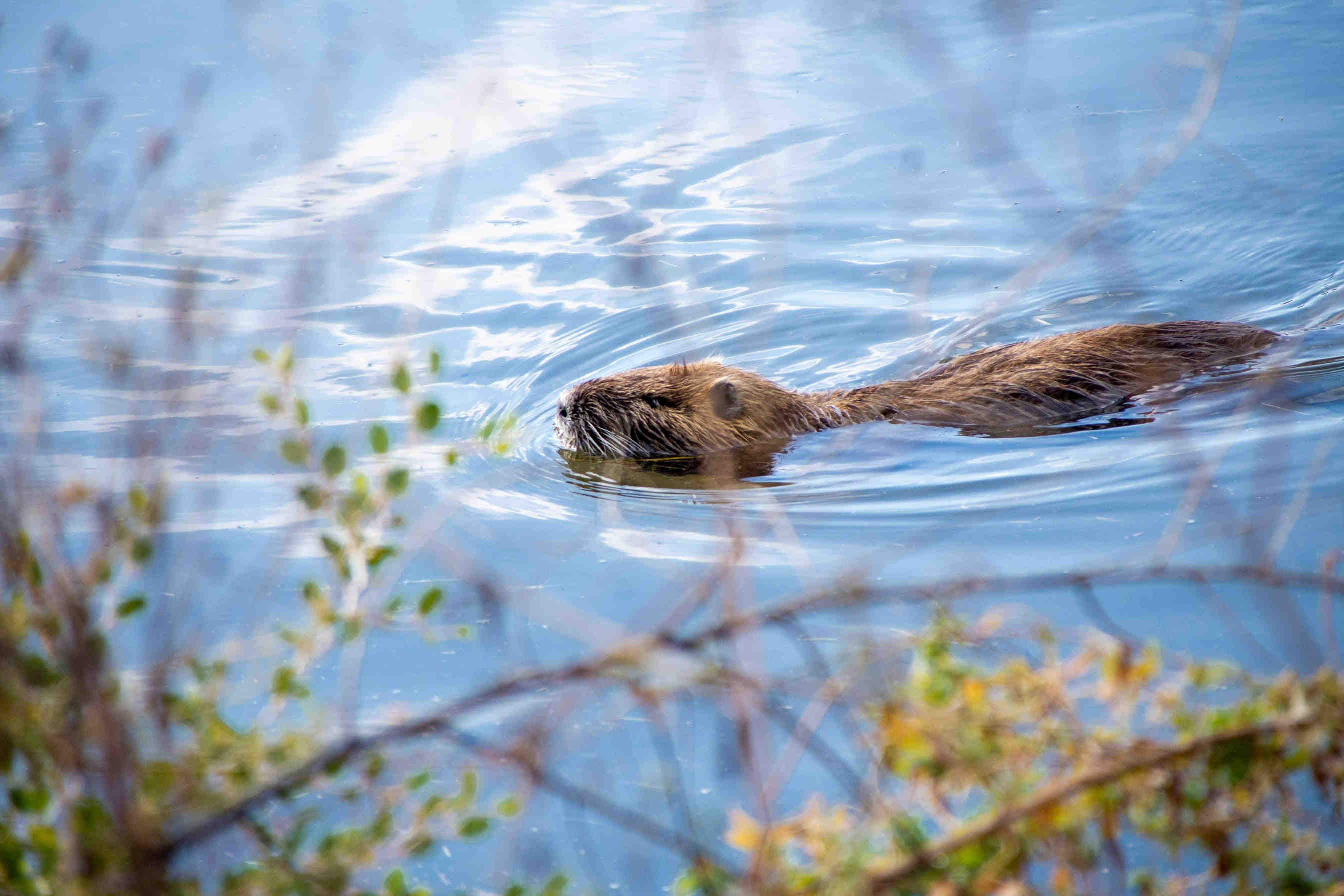
    castor nageant dans l'eau

    Its impact on ecosystems

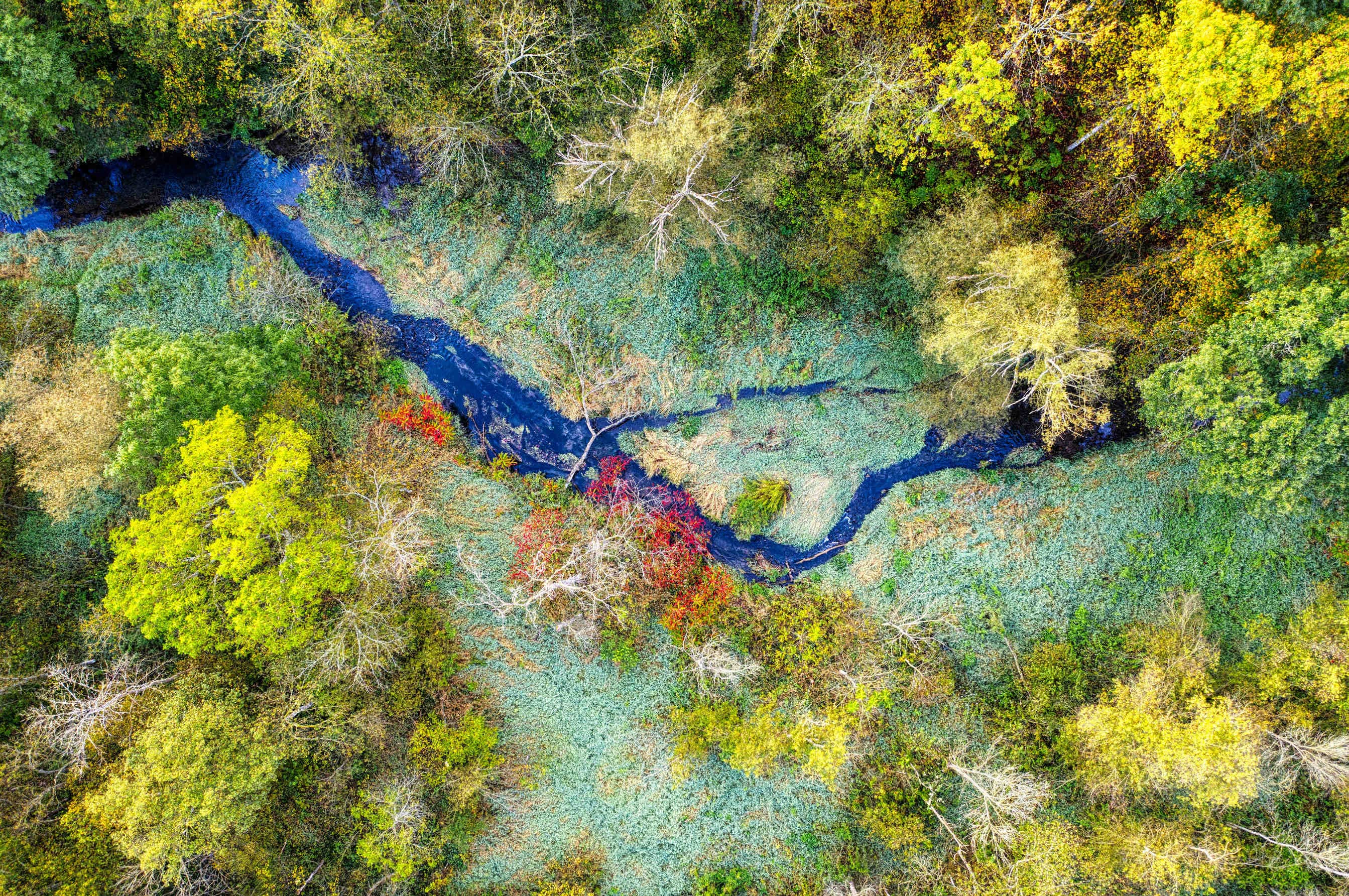
    Because of all its engineering behaviours, the castor can profoundly alter an ecosystem. It creates oases of life in wetlands. As soon as the dam is built, the fauna and flora of the area will be altered. Dams cause flooding of the banks, resulting in the death of many trees on the bank whose roots are drowned. This changes the composition of the forests by creating light wells that encourage the development of flora typical of wetlands. The creation of a wetland will attract fauna adapted to this environment. Amphibians, water reptiles and other semi-aquatic mammals such as otters will move in. Wetlands also serve as resting places for migratory birds on their seasonal journeys. The result is a wealth of biodiversity returning to the areas modified by the beaver.
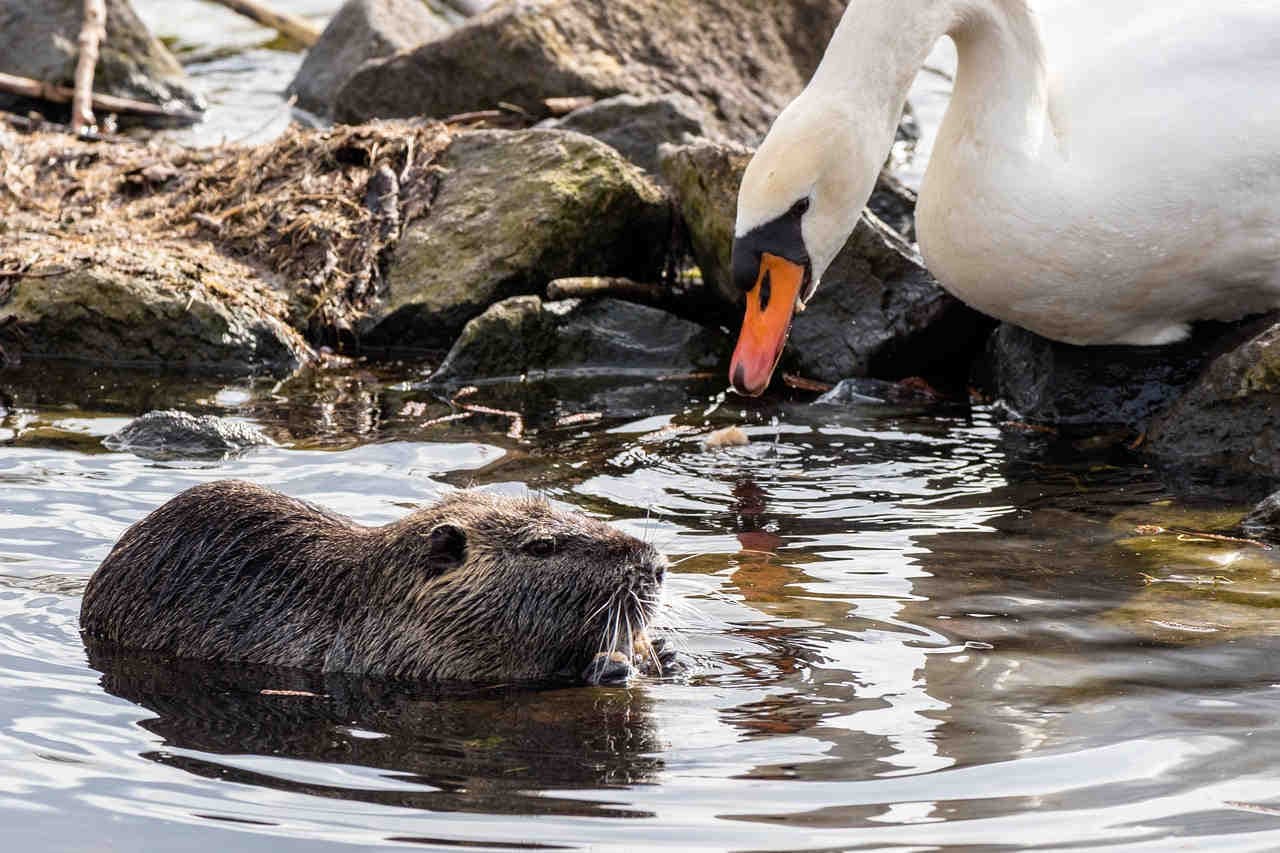
    un castor avec un cygne dans l'eau

    Its ecological impact

    The castors and their constructions have such an impact on their environment, that they can also contribute to mitigating the effects of climate change. As well as providing various habitats for biodiversity, the wetlands created by dams are of particular ecological interest. These new ponds regulate water as soon as the dam and the overflow it causes appear. The water has more room to disperse, reducing the risk of flooding; while the water tables are nourished, limiting the risks associated with droughts. Wetlands are also renowned for storing carbon. They can sometimes sequester more carbon than forests, thanks to their specific plant composition, which tolerates flooded environments and oxygen-poor soils well. The decomposition of this plant matter is slower due to the lack of oxygen and the sequestered carbon is not released into the atmosphere.

    paysage humide d'en haut

    Interactions with humans

    The castor is still considered a nuisance in certain areas. It can have negative interactions with agriculture, forestry or fish farming. Fruit trees from crops have already been clumsily felled by beavers, which do not distinguish between species. They can also feed on maize stalks from plantations, which can lead to considerable economic losses depending on the size of the colony nearby. There has also been talk of forestry being drowned out by beaver dams, leading to the death of trees and the loss of land. Solutions are being put in place to protect crops without harming the animal. For example, mesh sleeves can be hung from the base of trees, at the height of a castor, to prevent them from nibbling the wood. To prevent flooding, siphons can be installed at the heart of the dam to allow water to escape.

    tronc d'arbre grignoté par un castor

    How to celebrate the Year of the Beaver

    Engineer, architect and hydrologist, the castor is a crucial element in our landscapes. It creates mosaics of environments and improves the heterogeneity of a site. Its role in regenerating ecosystems, preserving biodiversity and mitigating the effects of climate change make it a useful and important animal. The Year of the Beaver aims to raise awareness of the preservation of this mammal, but also its rehabilitation in the collective imagination. The many services it provides through its transformations of the environment remain largely unknown to the general public. The celebration of the beaver will last until the summer of 2025. It will enable the general public, as well as researchers and scientists, to learn more about this species, how it lives, and how to preserve it.
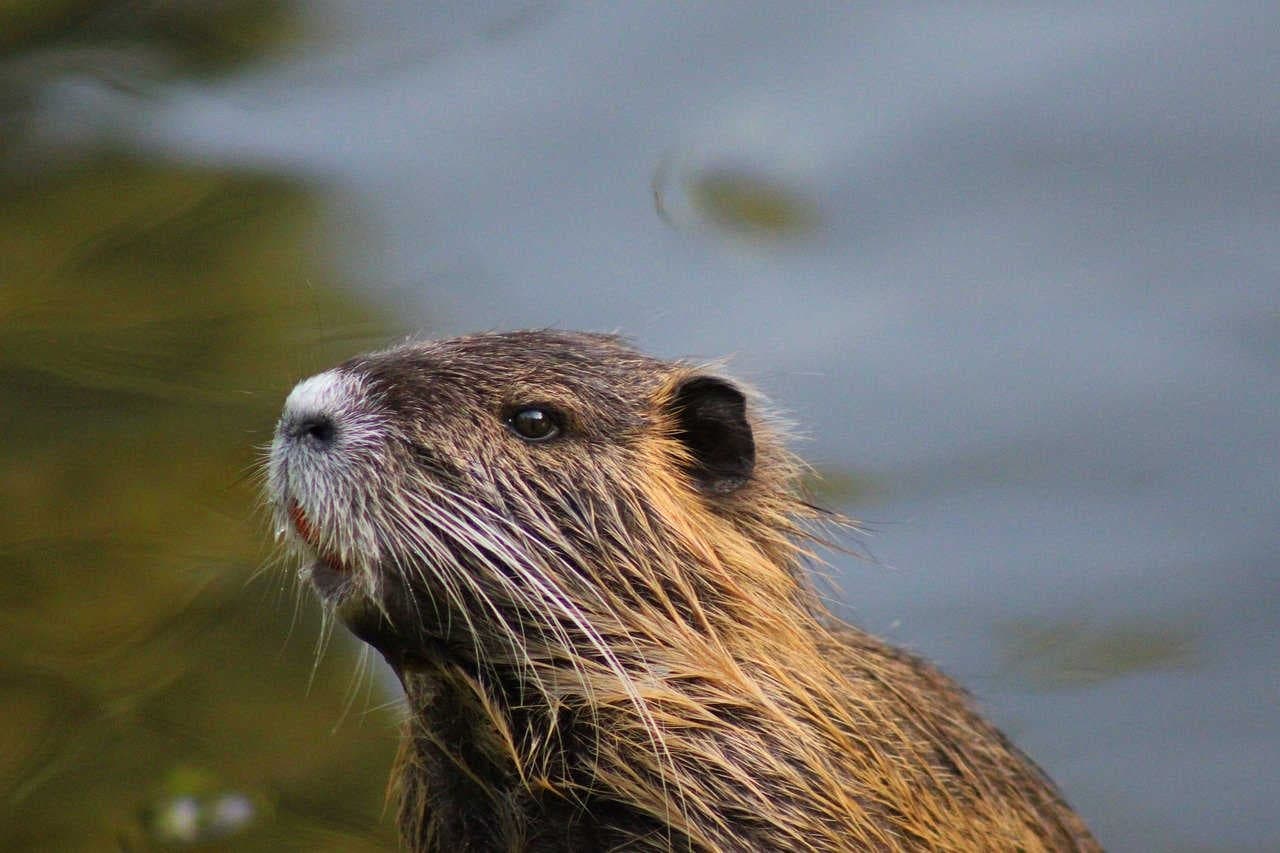
    castor
    06/06/2024Of 3Bee, Fiorila Hell
    1445 Views
    Newsletter
    newsletter
    Subscribe to the Blog about bees and biodiversity

    Frequently Asked Questions

    Do you have any doubts or other curiosities about this article? Here you will find some insights