Lavender: A Plant with Many Virtues
    LavenderSpreadLife CycleLeaves

    Lavender: A Plant with Many Virtues

    Lavender is a perennial plant with many virtues, often appreciated for its unmistakable fragrance and color (even by pollinating insects). Discover in this article its main characteristics, life cycle, and some curiosities.

    Read the article
    14/12/2024Of 3Bee, Lisa Santillo
    649 Views
    14/12/2024Of 3Bee, Lisa Santillo
    649 Views

    Lavender: Characteristics, Flowers, and Fruits

    Disclaimer: this is an automated translation from Italian. Go to the original article.

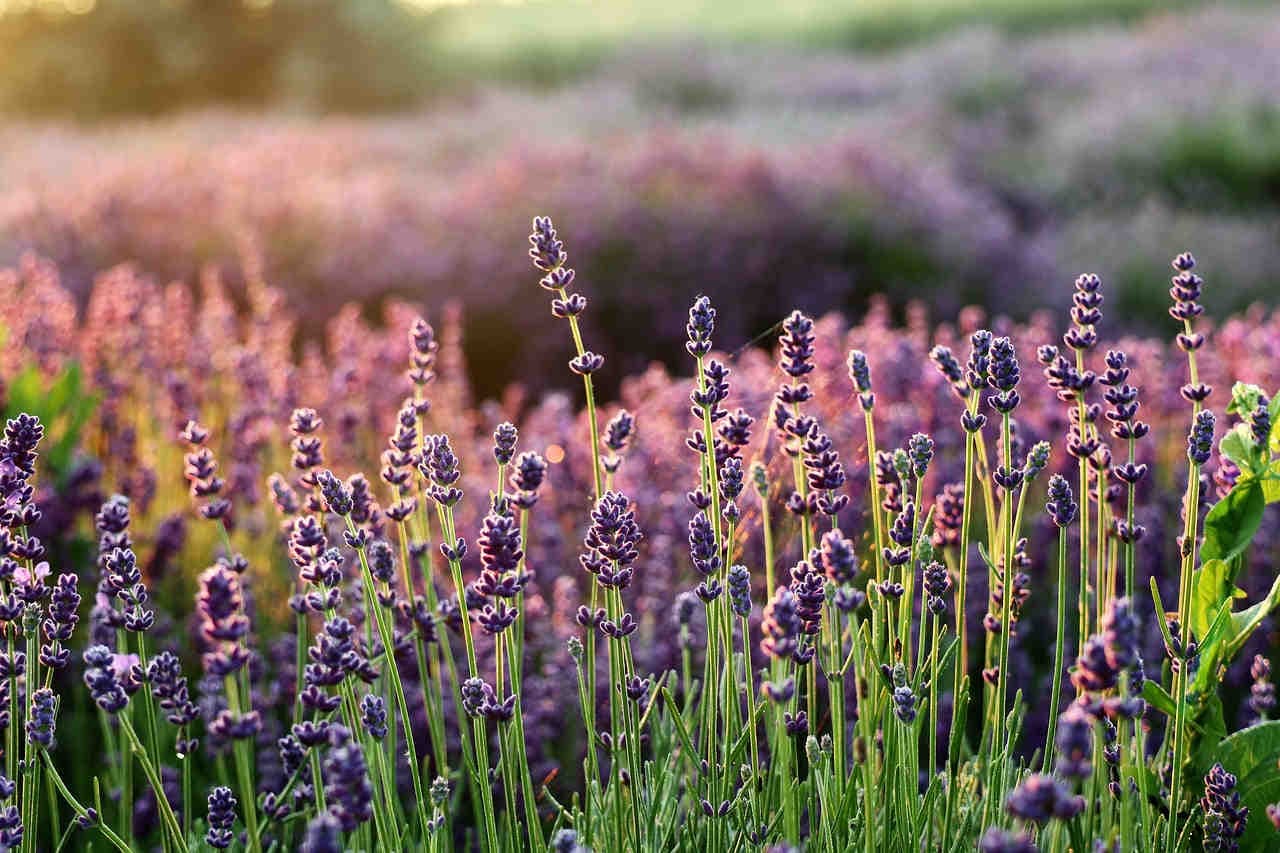
    Lavender (Lavandula angustifolia) is a perennial plant of the Lamiaceae family, growing as a compact shrub. Its leaves are narrow, lance-shaped, gray-green, and slightly tomentose (covered with fine hairs), giving the plant a distinctive appearance. The lavender flowers, with their characteristic violet or lilac color, are gathered in terminal spikes and bloom in summer. The plant is highly appreciated for its intense fragrance, due to the essential oils contained in the flowers. After flowering, lavender produces small dry fruits, called achenes, which contain seeds. These fruits are not edible but play a role in the plant's reproduction, allowing the germination and growth of new lavenders.
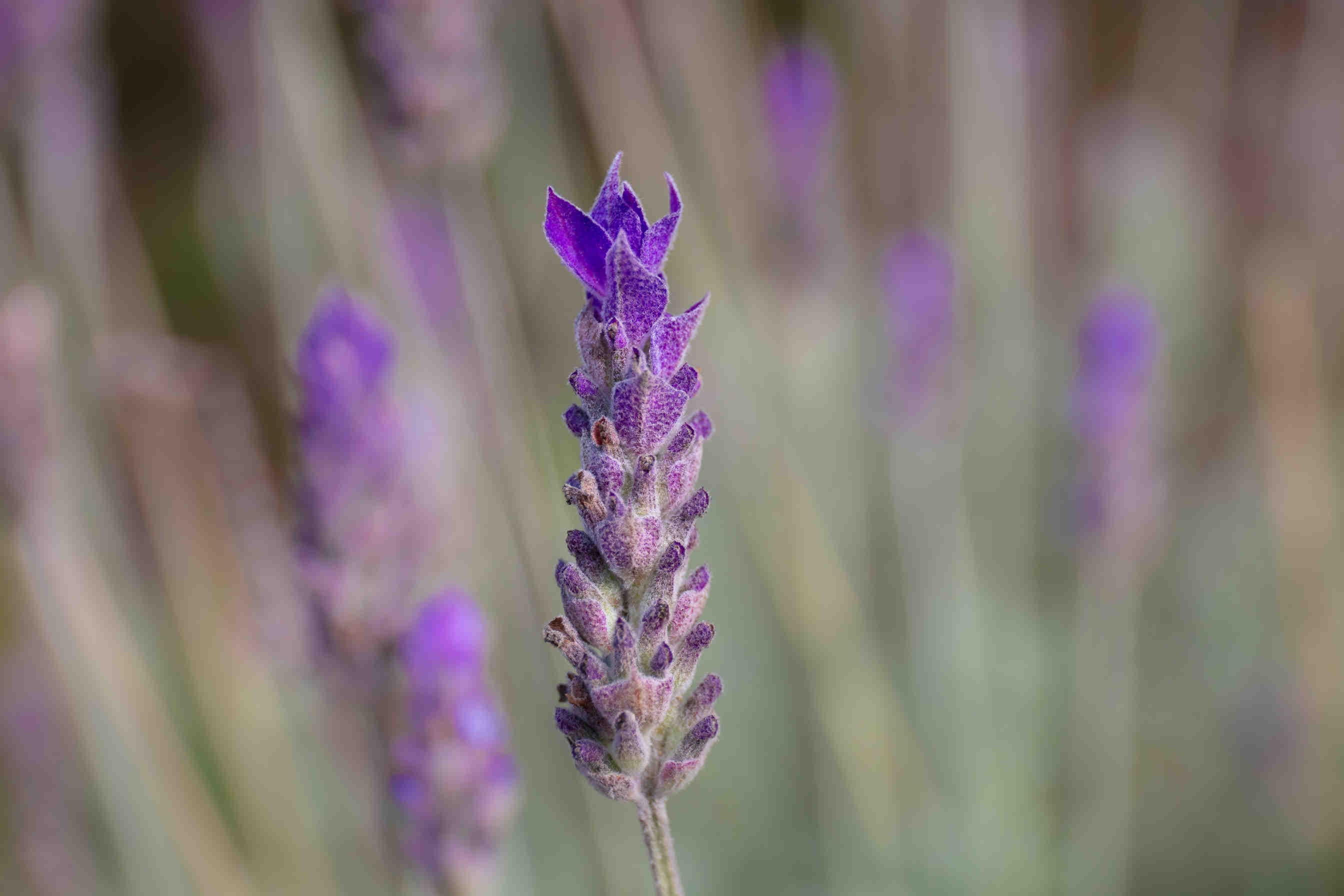
    lavanda closeup

    Spread of Lavender

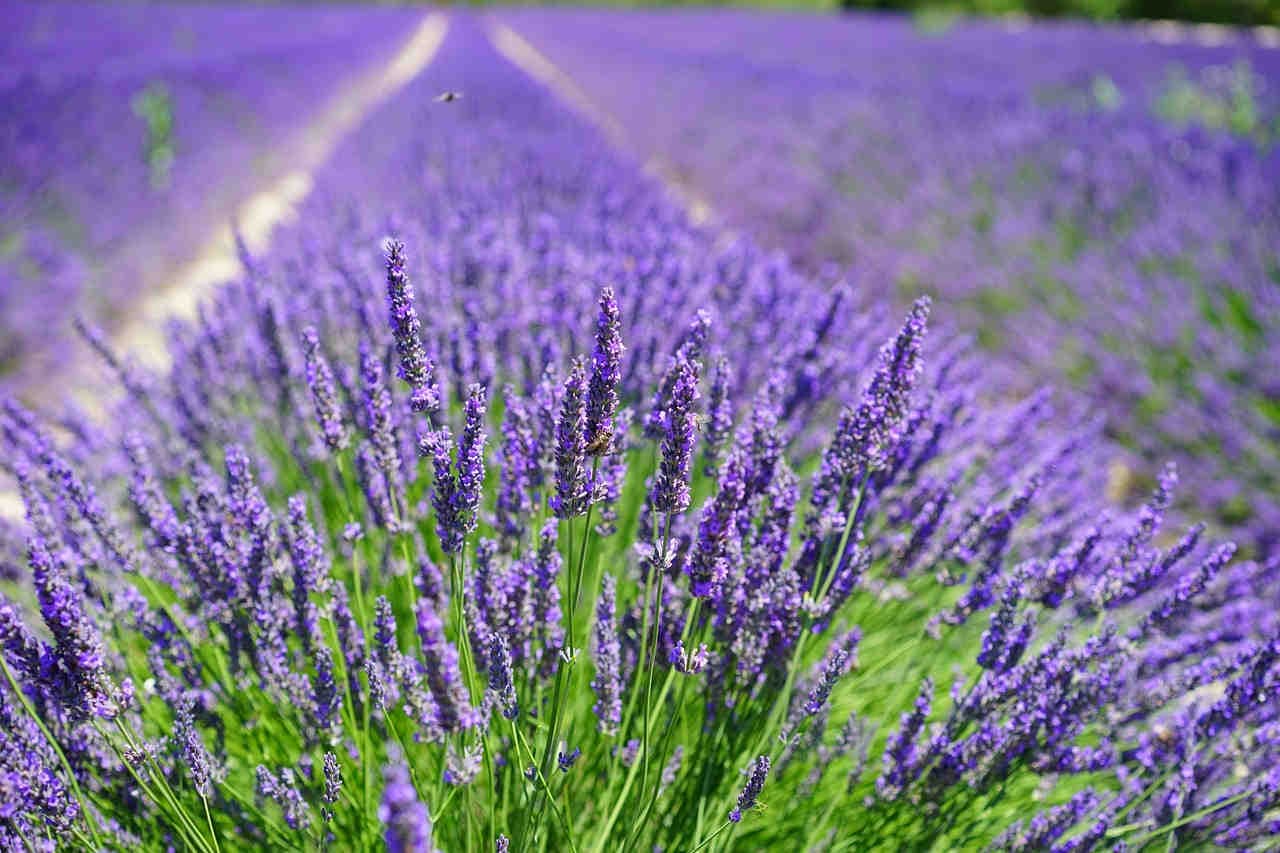
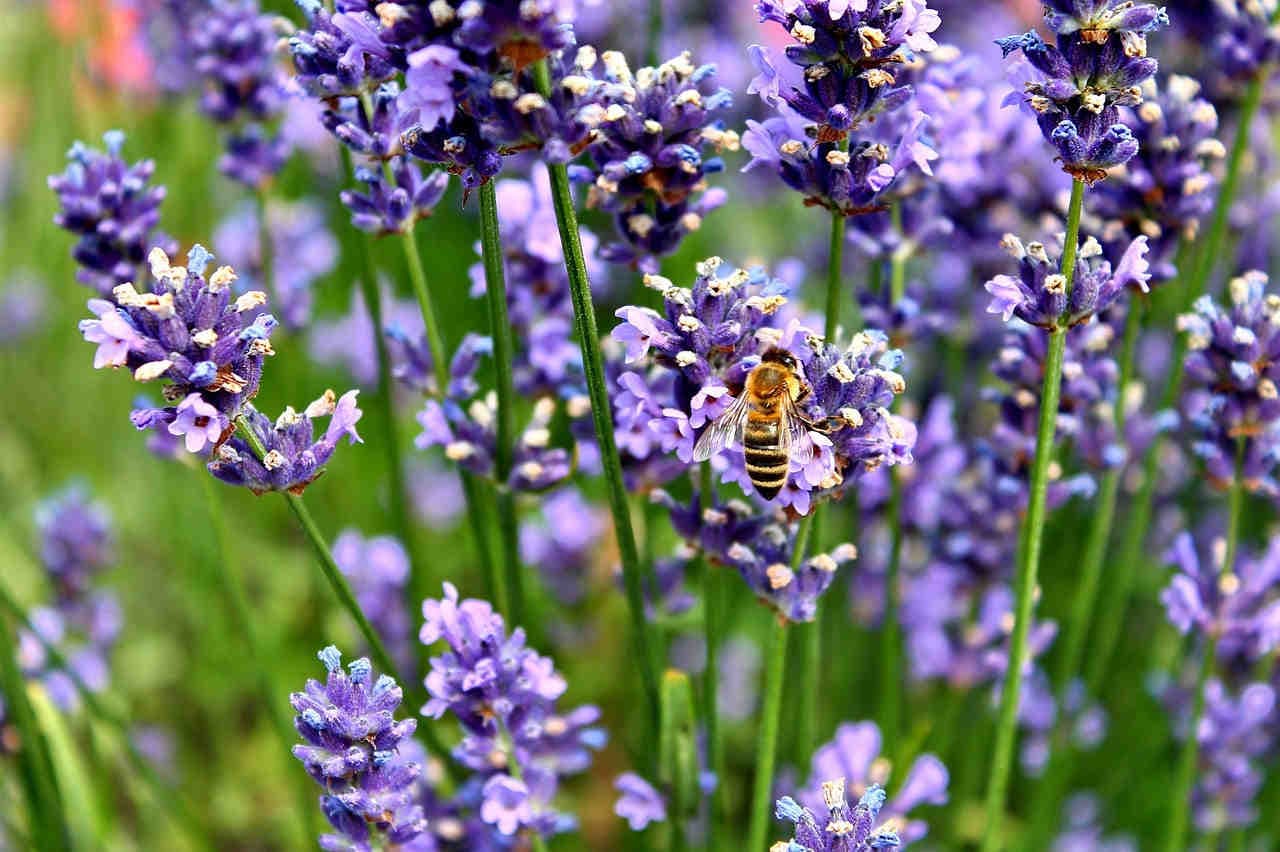
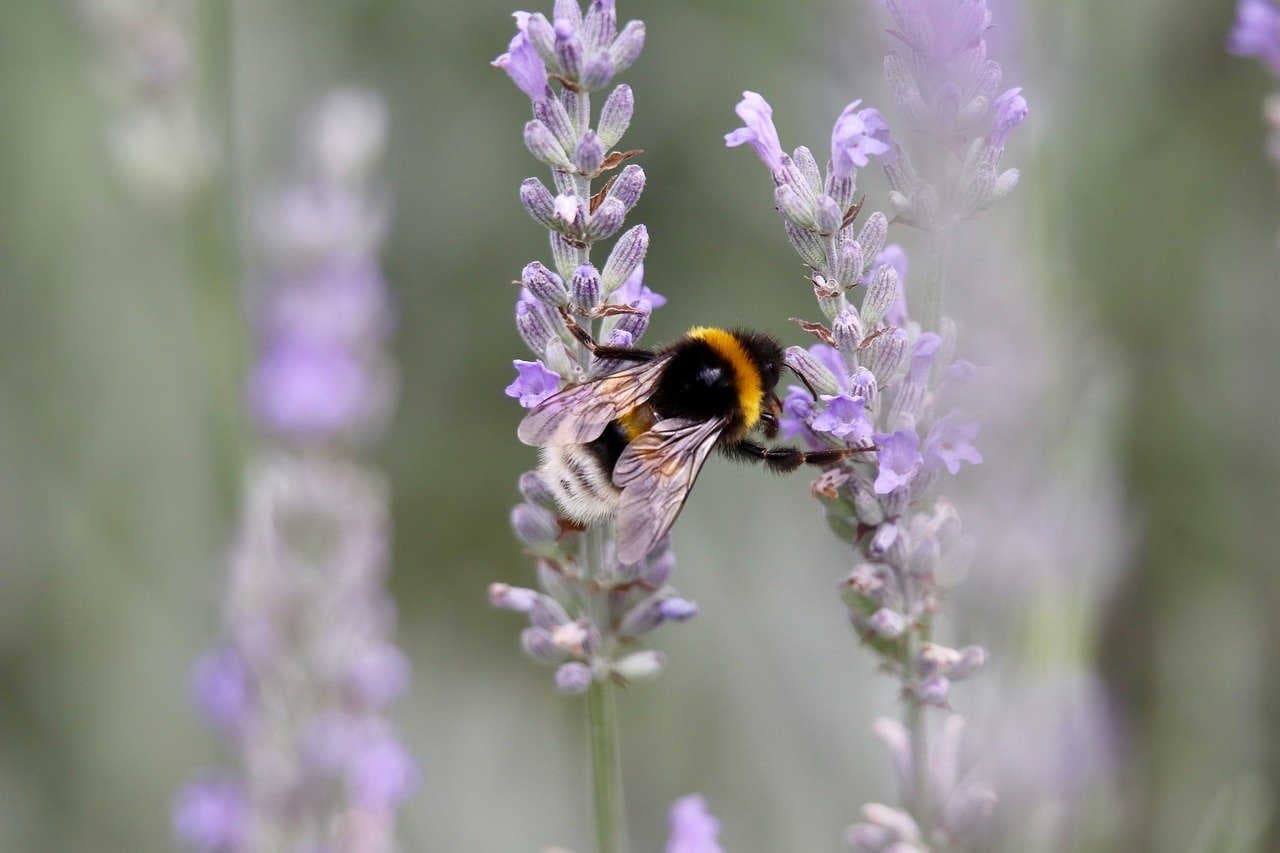
    Lavender is native to the Mediterranean regions, particularly Spain, France, and Italy, where it grows spontaneously in calcareous, well-drained, and sunny soils. Its spread has occurred worldwide due to its resilience and the demand for flowers for cosmetic, therapeutic, and decorative uses. Provence, in France, is famous for its vast lavender fields, attracting numerous tourists each year. Lavender has also been introduced and cultivated in other temperate areas, such as South Africa, Australia, and North America. In addition to its geographical spread, lavender also plays an important role in the ecosystem: its flowering spikes are an essential source of nectar for pollinators, including bees, bumblebees, and butterflies, that contribute to its reproduction.

    lavanda bombo
    XNatura

    Life Cycle of Lavender

    Lavender's life cycle is perennial, meaning it can live for many years, up to 20 years if cultivated and cared for properly. Lavender enters a dormant period during winter, then sprouts and blooms with the arrival of spring. Flowering occurs between late spring and early summer when the lilac or violet flowers bloom in fragrant spikes. After flowering, lavender continues to grow and produce seeds, which will generate new plants. It is a hardy plant that requires no particular care but benefits from a sunny environment and well-drained soils. Despite its resilience, it is crucial to protect it from extreme cold and waterlogging to ensure healthy growth.

    lavanda campo

    Lavender: How to Recognize the Leaves

    Lavender leaves are one of its distinctive features. As noted, they are thin, lance-shaped, gray-green with a slight hairiness making them soft to the touch. The surface of lavender leaves is smooth or finely serrated, with a rough texture that makes them easily recognizable. When the leaves are rubbed between the fingers, they release an intense, aromatic fragrance distinctive of lavender. The leaves are arranged oppositely along the stem, often forming a compact tuft that gives the plant an elegant and orderly appearance. For this reason, lavender is also highly appreciated as an ornamental plant.

    lavanda
    XNatura

    Lavender: Name Meaning, Symbolism, and Curiosities

    The name "lavender" derives from the Latin lavare, meaning "to wash," as it was used in Roman times to scent bath water. Symbolically, lavender is associated with purity, tranquility, and devotion, and is often used in weddings or contexts evoking serenity. In popular tradition, lavender was believed to have the power to ward off evil spirits and bring good luck. It is also a symbol of refinement and elegance, so much so that in Provence it is known as "blue gold" for its economic and cultural importance. A curiosity: lavender was also used during plague epidemics for its supposed purifying properties. Even today, its essential oil is widely used in aromatherapy to reduce stress and promote sleep.

    app Biodiversa
    3Bee

    Biodiversa: The 3Bee Game App to Monitor Biodiversity

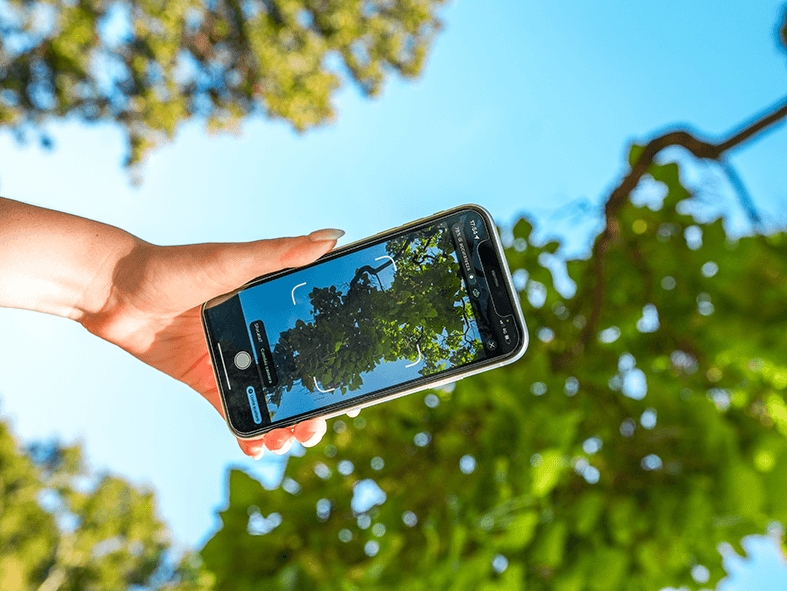
    Biodiversa is the free game app for monitoring biodiversity and protecting ecosystems, allowing you to "collect" and easily identify plants and flowers encountered during outdoor walks. An ambitious citizen science project aims to create a cooperative archive dedicated to flora (and in a second phase fauna) in Europe, involving user players with species cataloging challenges, some rare or endangered. Available for iOS and Android, Biodiversa features dynamics similar to some well-known free-to-play video games that encourage moving and traveling in the real world to "collect" characters. The app developed by 3Bee offers a playful experience where plants are all "collected" and identified to earn experience points, level up, and climb the leaderboard.

    14/12/2024Of 3Bee, Lisa Santillo
    649 Views
    Newsletter
    newsletter
    Subscribe to the Blog about bees and biodiversity

    Frequently Asked Questions

    Do you have any doubts or other curiosities about this article? Here you will find some insights