International Forest Day 2024
    ForesteHistoryHer3Bee

    International Forest Day 2024

    International Forest Day highlights the crucial role of forests in conserving biodiversity. Find out in this article about the history of World Forest Day, the 2024 theme and 3Bee's commitment to planting nectariferous forests.

    Read the article
    28/02/2024Of 3Bee,
    368 Views
    28/02/2024Of 3Bee,
    368 Views

    The importance of World Forest Day

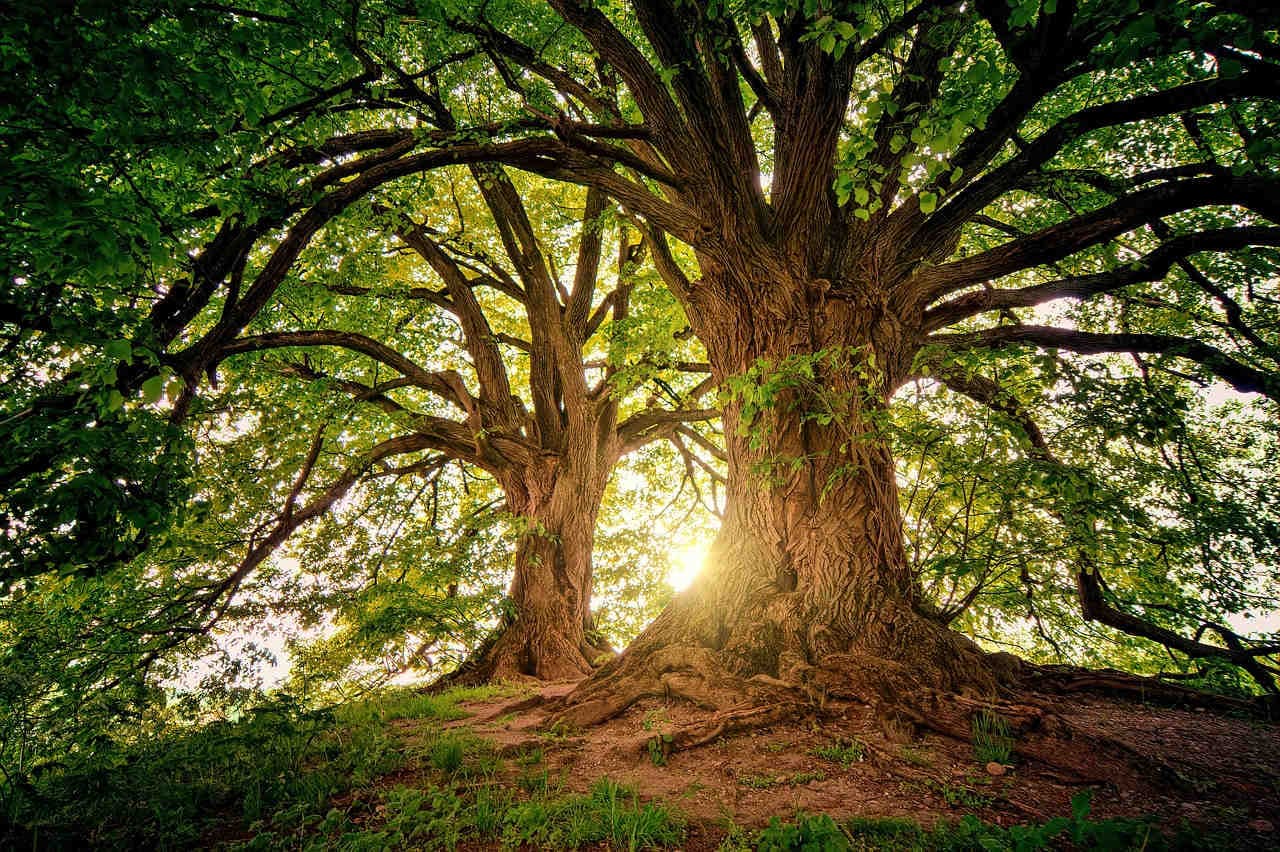
    The International Forest Day is celebrated every 21 March and is a key moment to reflect on the importance of forests to our planet. This day, established by the United Nations General Assembly in 2012, aims to highlight the fundamental role forests play in preserving biodiversity, regulating the climate and providing livelihoods for millions of people. In addition to serving as a habitat for more than 80 per cent of terrestrial species of animals, plants and insects, forests also influence the quantity and quality of available water, which is essential for human life, agriculture and energy production. International Forest Day recognises and values these incredible ecosystems, which make an important contribution to the health of our planet and the well-being of global communities.
    alberi

    International Forest Day: history

    The International Forestry Day was proclaimed by the General Assembly of the United Nations on 21 March 2012, representing the culmination of a long process of awareness-raising about the need to preserve and sustainably manage the world's forests. This decision was influenced by previous initiatives and days dedicated to forests, including the World Forestry Day first celebrated during the 23rd World Forestry Congress in 1971. The choice of 21 March as the date for International Forestry Day symbolises the spring equinox in the northern hemisphere, a time of renewal and growth, reflecting the importance of forest renewal for the health of the planet.

    alberi foresta
    XNatura

    World Forest Day 2024: the theme

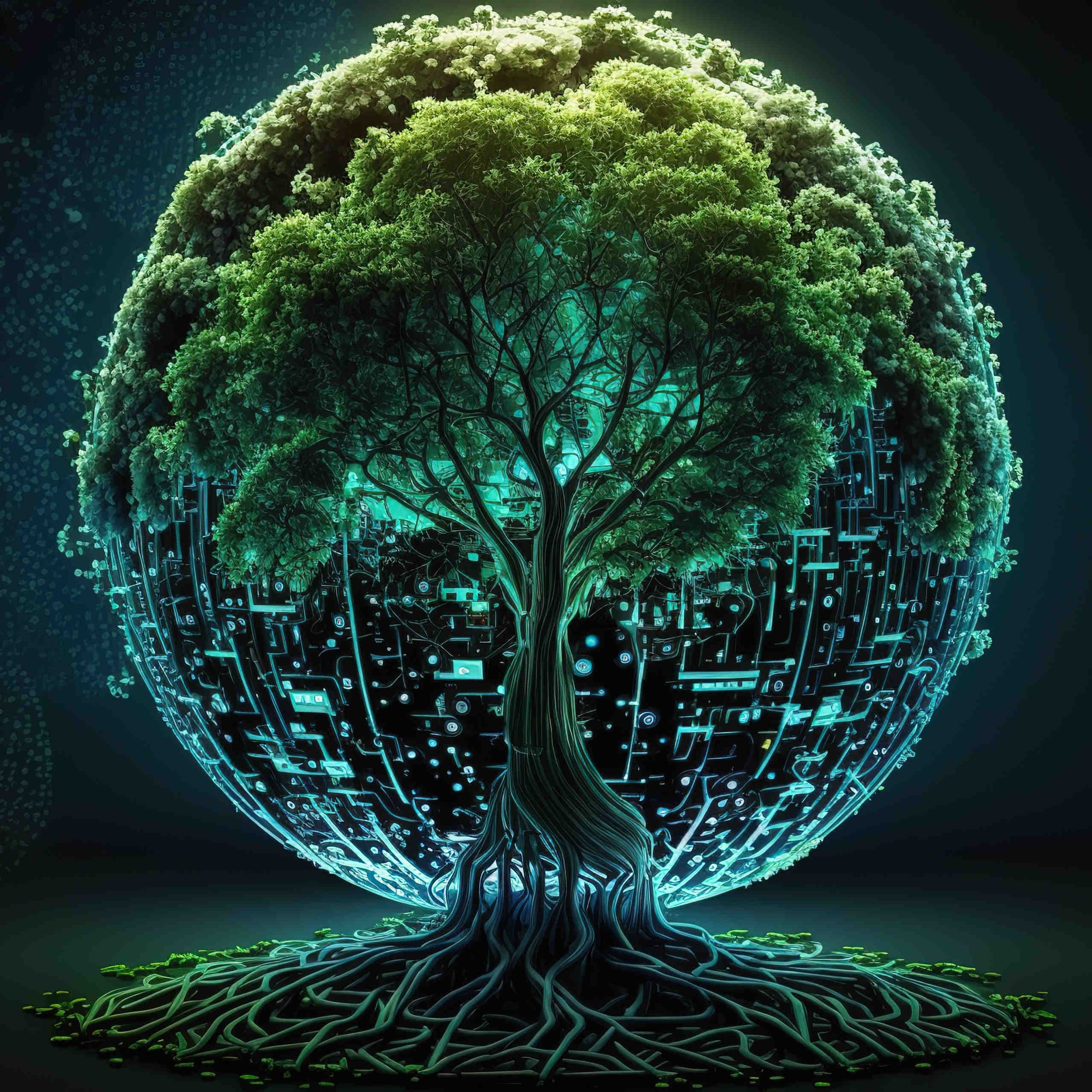
    The theme of the International Forest Day 2024 is "Forests and Innovation" and emphasises the essential connection between forest conservation and technological advancement. This theme highlights how new technologies can be key allies in forest protection. Forestry innovation paves the way for more efficient and less invasive methods of conserving habitats, while ensuring that forests continue to play their crucial role in absorbing CO2 and providing vital resources for biodiversity, as in the case of the nectar forests that provide nourishment for pollinating insects. The use of innovative tools and technological solutions aims to optimise forest management, reduce the environmental impacts of land use and improve the traceability of forest resources, laying the foundations for a more sustainable and resilient approach to the care of our forests.

    innovazione foreste

    3Bee's commitment to World Forest Day

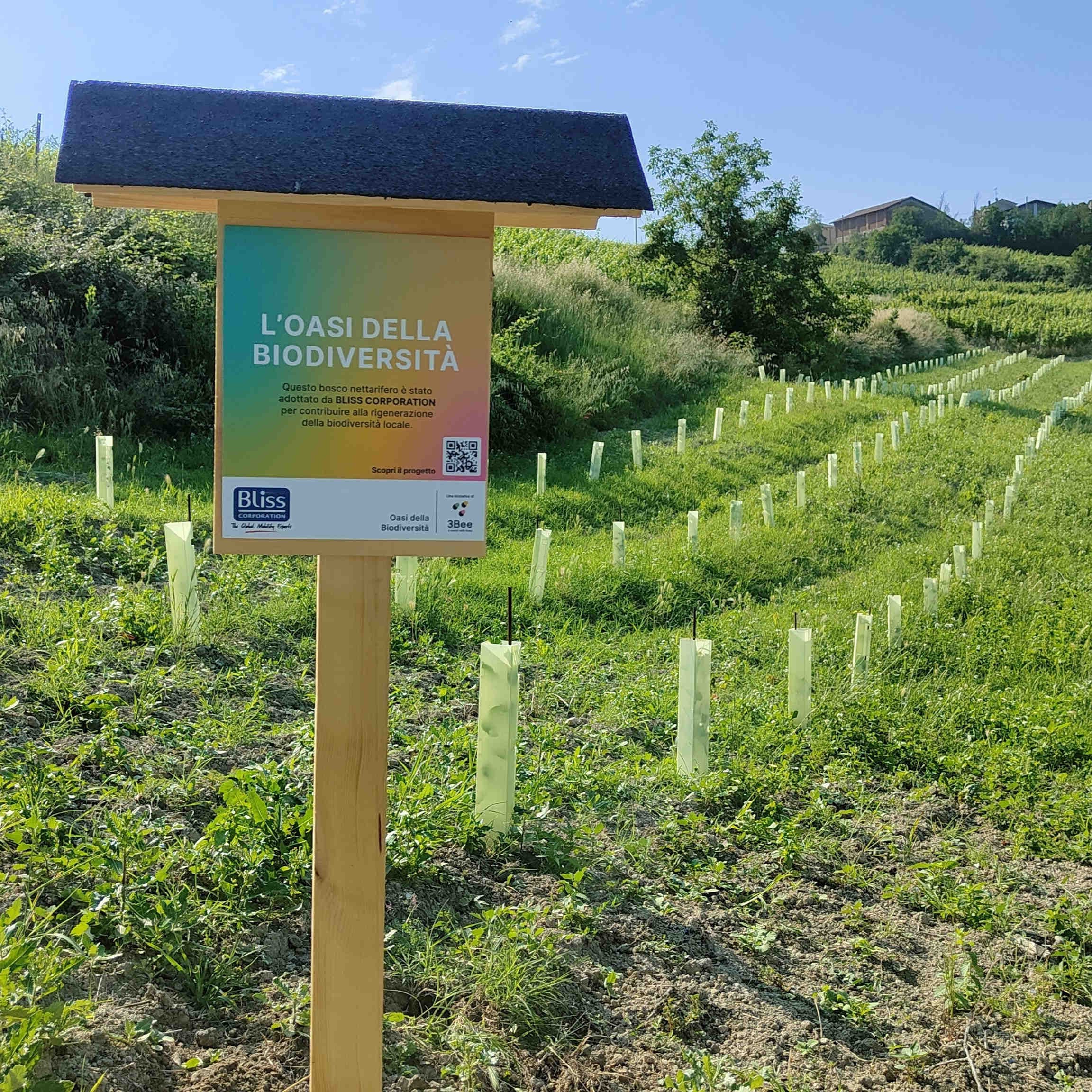
    3Bee is the nature tech leader in the development of technologies for the protection of biodiversity. Starting with the monitoring and analysis of honey bee data, 3Bee became aware of the importance of taking additional actions to protect not only bees, but all pollinators. The severe reduction of habitats, together with the negative effects of climate events, causes the pollinators increasing difficulty in finding sufficient nutrient supplies. Therefore, 3Bee decided to maximise the conservation effect by planting nectariferous forests within the Oases of Biodiversity. The nectariferous groves consist of a minimum of four native species, planted by professional farmers and after soil screening with Flora. This screening is a crucial point of the initiative that allows the creation of pastures with scalar flowering so that pollinators can find nourishment in the seasons when they are active.

    Oasi 3Bee
    XNatura

    Forest Day: the importance of monitoring

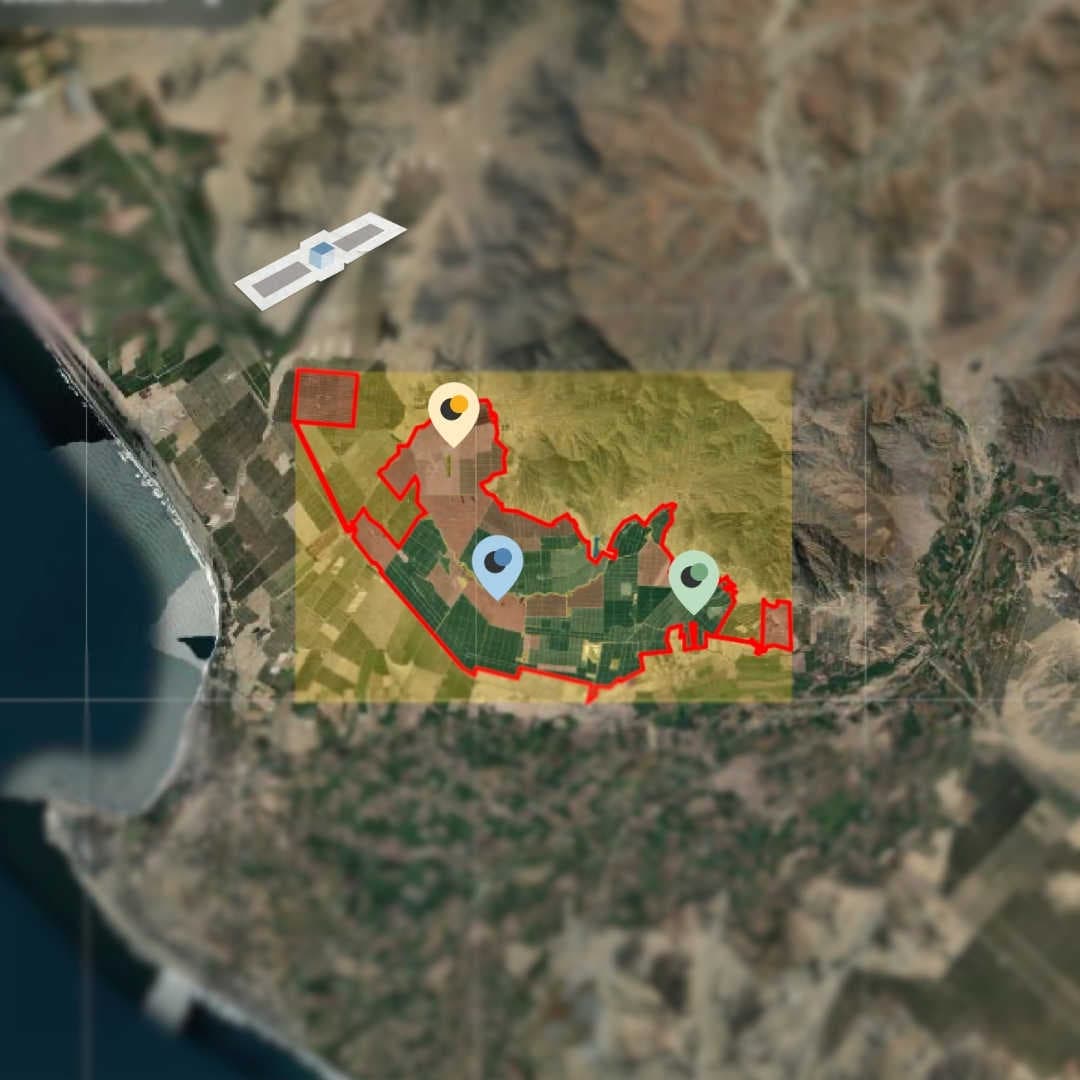
    Flora is 3Bee's technology developed in collaboration with the European Space Agency (ESA), based on the use of satellite images and their processing by Artificial Intelligence (AI). The analysis of satellite imagery can reveal many factors that influence the availability of resources for pollinators, such as vegetation cover, diversity of plant species or the presence of water, as well as enabling improved land cover classification. The technology is based on machine learning and AI algorithms, which operate on satellite images from the Sentinel-1 and Sentinel-2 satellites. The analyses yield useful data to process indices related to biodiversity. The results obtained at the site are compared with the surrounding area with the aim of regenerating biodiversity in the short and long term by taking targeted action. Want to know more?

    Monitoraggio 3Bee
    3Bee
    28/02/2024Of 3Bee,
    368 Views
    Newsletter
    newsletter
    Subscribe to the Blog about bees and biodiversity

    Frequently Asked Questions

    Do you have any doubts or other curiosities about this article? Here you will find some insights