Ili Pika: the "magic rabbit" of the Chinese mountains
    DiscoveryBehaviourRiskChallenges

    Ili Pika: the "magic rabbit" of the Chinese mountains

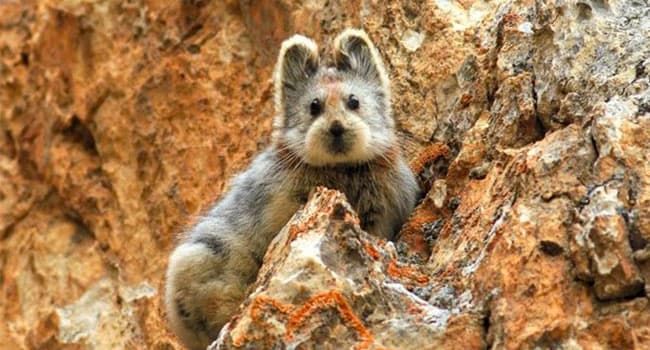
    The Ili Pika (Ochotona iliensis) is one of the world's rarest and most fascinating mammals, also known as the Magic Rabbit due to its elusiveness. Endemic to the Xinjiang mountains in China, this lagomorph is classified as endangered, and its conservation is a priority for biodiversity.

    Read the article
    19/12/2025Of 3Bee, 3Bee
    1126 Views
    19/12/2025Of 3Bee, 3Bee
    1126 Views

    The Late Discovery and the Ecology of the Small Lagomorph

    Disclaimer: this is an automated translation from Italian. Go to the original article.

    The Ili Pika was discovered in 1983 by Weidong Li in the Tianshan Mountains, China. This small mammal belongs to the order of Lagomorphs, like rabbits and hares. It is a mountain insular endemism, meaning it lives only in very limited geographical areas. It is characterised by its broad head, small hind legs, and grey-brown fur with reddish spots. Its habitat is extremely specific: it is found at high altitudes, typically between 2800 and 4100 metres, in rocky crevices and stony slopes. Unlike other Lagomorphs, it does not dig burrows but uses the natural cracks in the rock as shelter, which makes it very sensitive to environmental changes.

    3bee-blog-la-scoperta-tarda-e-ecologia-del-piccolo-lagomorfo

    Diet, social behaviour and survival at high altitude

    The Ili Pika is a herbivore and exhibits a unique behaviour known as "haying". During the short summer, it collects and stacks large amounts of hay and mountain plants, which it leaves to dry in the sun on rocks. This forage is stored in rock crevices for use during the long, harsh winter, as Pikas do not hibernate. They are diurnal animals but extremely elusive. Their social behaviour is not well understood due to the rarity of encounters; they are believed to be predominantly solitary. The high-altitude life exposes them to extreme temperatures, but they are adapted thanks to a relatively low metabolic rate.

    3bee-blog-dieta-comportamento-sociale-e-sopravvivenza-in-altitudine
    XNatura

    Risk and Classification: Endangered Species

    Due to its limited distribution and rapid decline, the Ili Pika is classified as Endangered (EN) on the IUCN Red List. Estimates indicate that the total population has decreased by over 70% since monitoring began. The most critical cause is the rapid loss of habitat due to global warming. The Ili Pika is extremely sensitive to rising temperatures. When temperatures increase, it is forced to migrate to higher altitudes to find optimal temperature and vegetation. However, already living on some of the highest peaks of the Tianshan Mountains, the space for migration is limited, creating a true altitudinal trap. Excessive grazing by domestic livestock (yaks and sheep) also directly competes for the essential food resources needed for its survival.

    3bee-blog-rischio-e-classificazione-specie-in-pericolo

    The Importance of Rediscovery (2014) and Future Challenges

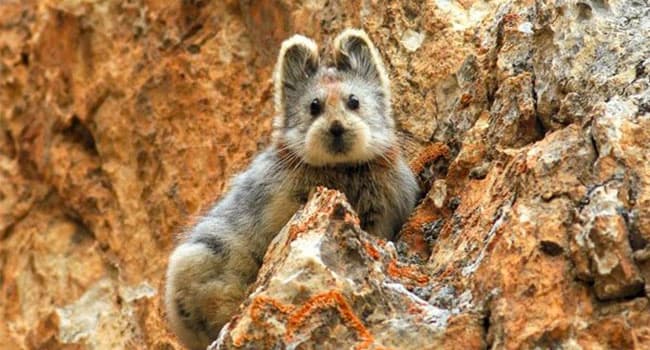
    After its initial discovery in 1983, the Ili Pika became a true "lost species", having not been documented for over two decades. Its existence was only confirmed in 2014, when its discoverer, Weidong Li, managed to capture some photos and videos, providing the first visual evidence in 20 years. This rediscovery reignited international attention on the need to protect this rare Magic Rabbit. The main challenge for the future of the species is the implementation of effective conservation measures in such a remote environment. These measures include controlling excessive grazing in crucial foraging areas for the Pika and establishing specific protected areas that take into account climate vulnerability. Photo by Weidong Li.
    3bee-blog-importanza-della-riscoperta-e-le-sfide-future
    XNatura

    The role of the XNatura platform in monitoring

    The case of the Ili Pika demonstrates the crucial importance of technology in monitoring rare species. Tools such as camera traps and eDNA analysis are vital for studying elusive species like the Ili Pika without interfering with their fragile ecosystem. To this end, 3Bee has developed the XNatura environmental monitoring platform, which uses advanced technologies (such as IoT sensors and camera traps) and artificial intelligence algorithms. XNatura allows for the collection of biodiversity data in real time. This data-driven approach is fundamental for measuring the effectiveness of regeneration actions.

    3Bee
    19/12/2025Of 3Bee, 3Bee
    1126 Views
    Newsletter
    newsletter
    Subscribe to the Blog about bees and biodiversity

    Frequently Asked Questions

    Do you have any doubts or other curiosities about this article? Here you will find some insights