How to help Bees with Nectariferous Plants?
    NectarHow they find itFamiliesPlants for bees

    How to help Bees with Nectariferous Plants?

    If you are wondering in what ways you can safeguard bees and pollinators, you are in the right place! In this article we explain how you can help bees with nectariferous plants, which are necessary for the supply of nectar and pollen.

    Read the article
    26/10/2021Of 3Bee, Elena Fraccaro
    2031 Views
    26/10/2021Of 3Bee, Elena Fraccaro
    2031 Views

    What is a nectariferous plant?
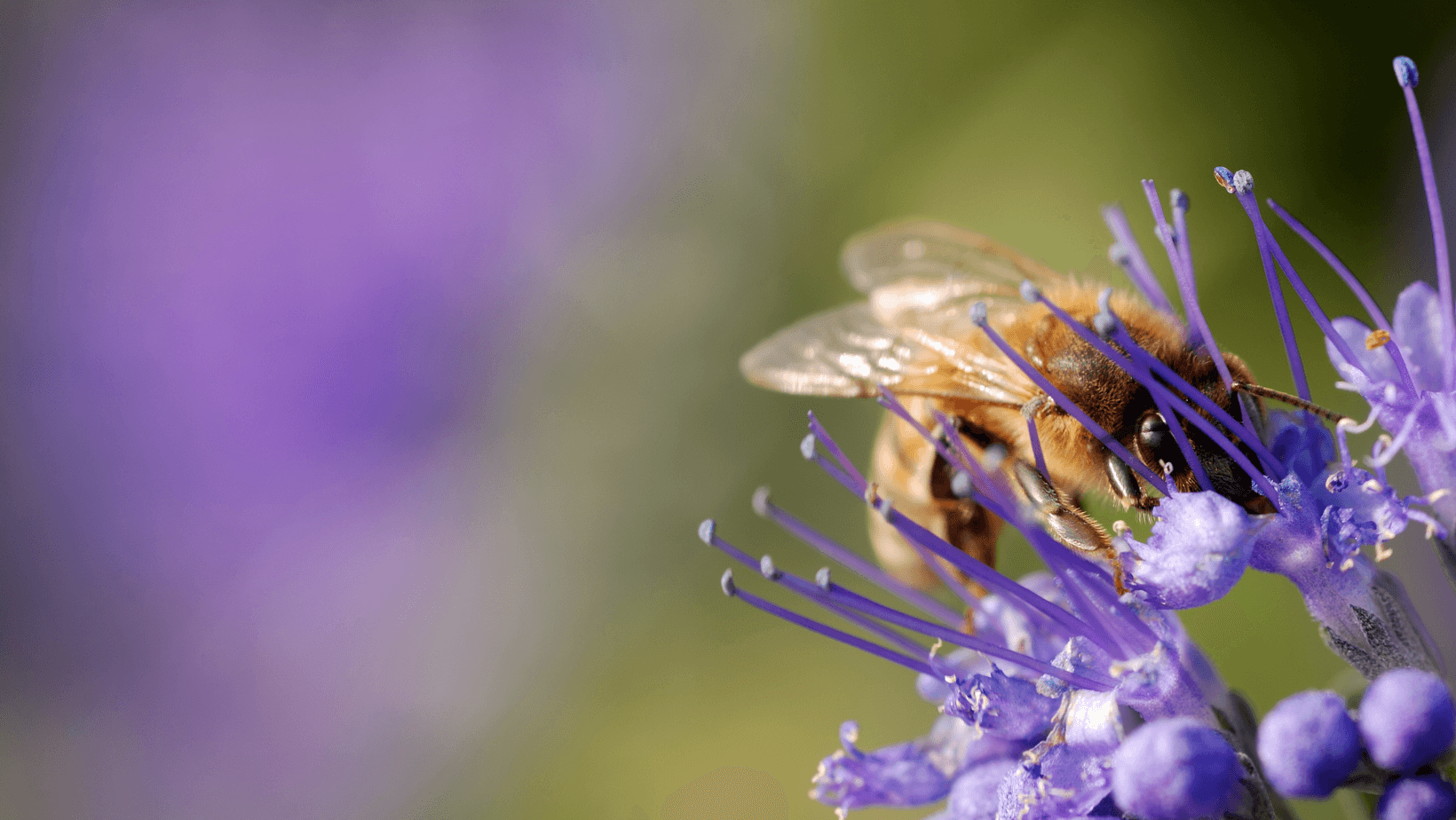
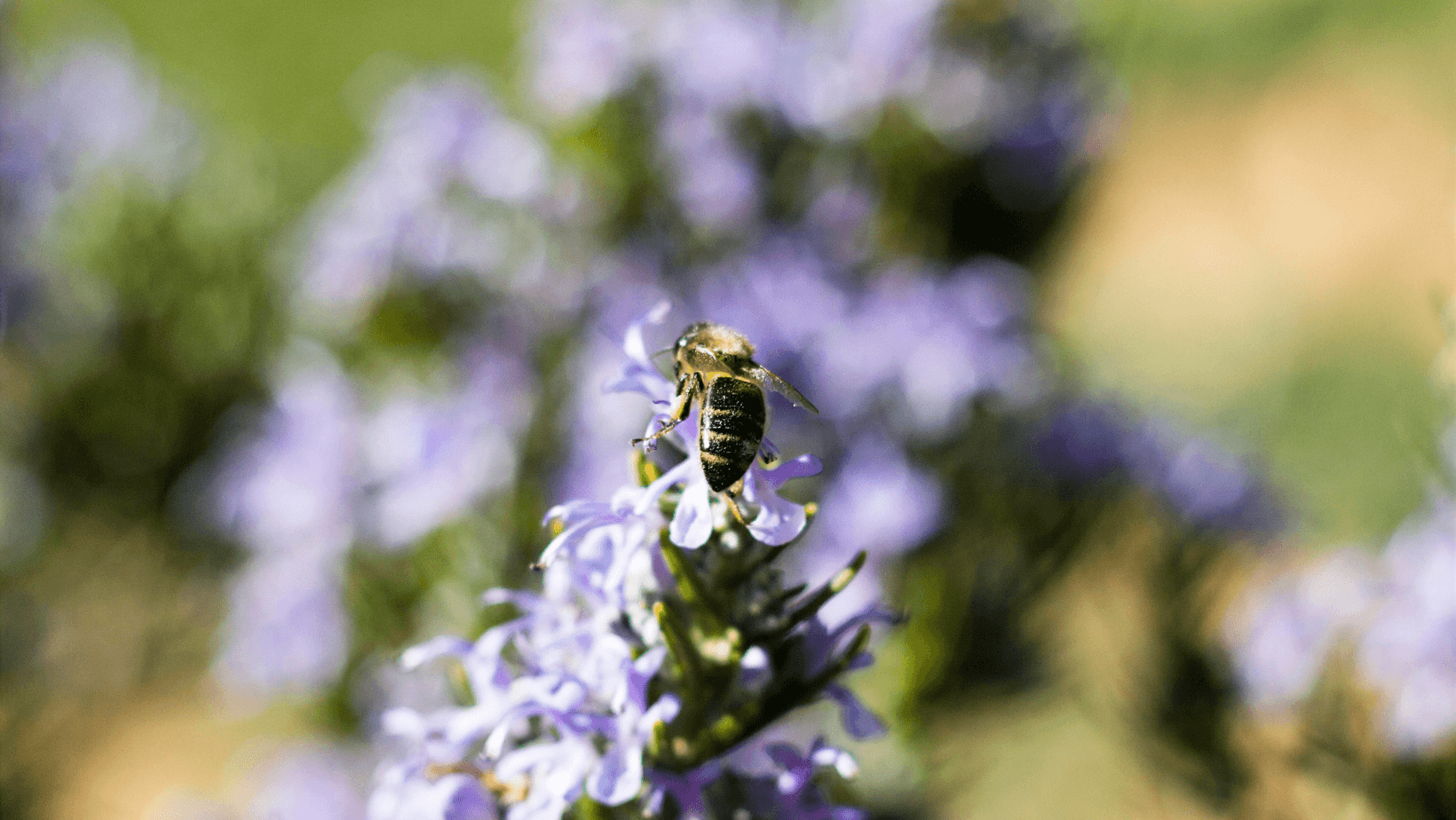
    A plant is called nectariferous or melliferous if it provides nectar to bees. The latter, flying from flower to flower, are indispensable for the pollination activity of many plants. As a reward, the latter provide the pollinators with nectar and pollen: the former is a sugary substance that many insects are fond of and is essential for the sustenance of the adult insect, while the latter is an indispensable source of protein needed for the rearing of the larval stage. The process is very simple: plants need to be pollinated in order to grow and reproduce, and to do so they recruit an army of bees and other pollinating insects, rewarding their work by bestowing nectar and pollen. Without pollination, growth, development and reproduction would suffer, threatening the biodiversity of the environment itself.

    What is a nectariferous plant?

    How are bees attracted to nectar?

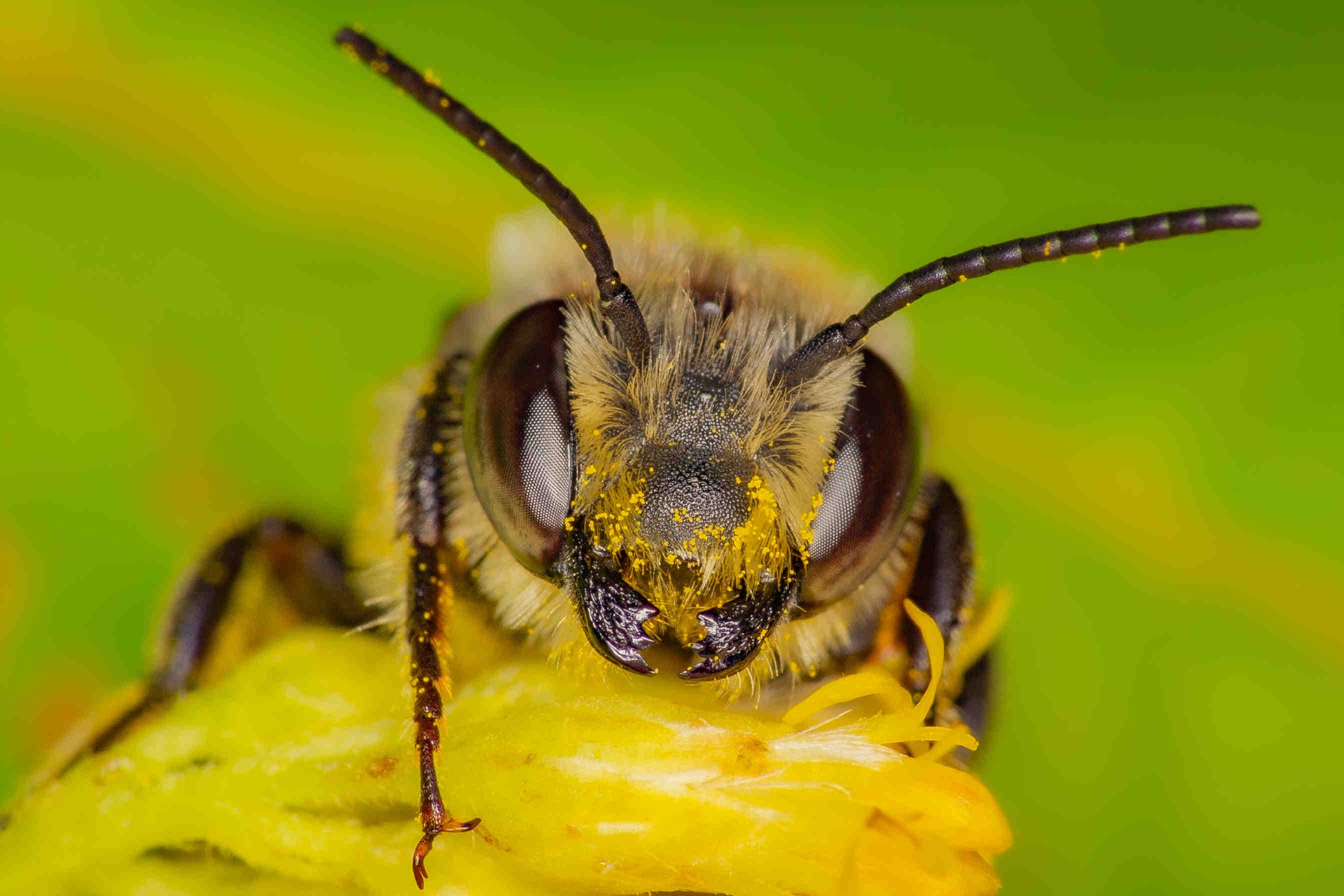
    Bees see the world a bit extravagantly, in fact they see flowers in a completely different way to us: the colours they can distinguish are yellow, bluish green, blue and ultraviolet, the latter they see as a true colour. The colour red, on the other hand, they do not see at all, which is why red flowers are quite rare in Europe. Even more important than colours are the contrasts between the colours of a flower. Just as the little lights on the landing strip tell the pilot where to land, so the contrasts and ultraviolet of the flowers tell the bee where to go to find nectar. Finally, smell is also a good element in directing bees towards a nectariferous plant. It is therefore mainly the colour, shape and smell of flowers that guide bees towards nectar.
    How are bees attracted to nectar?
    XNatura

    We distinguish the main plant families

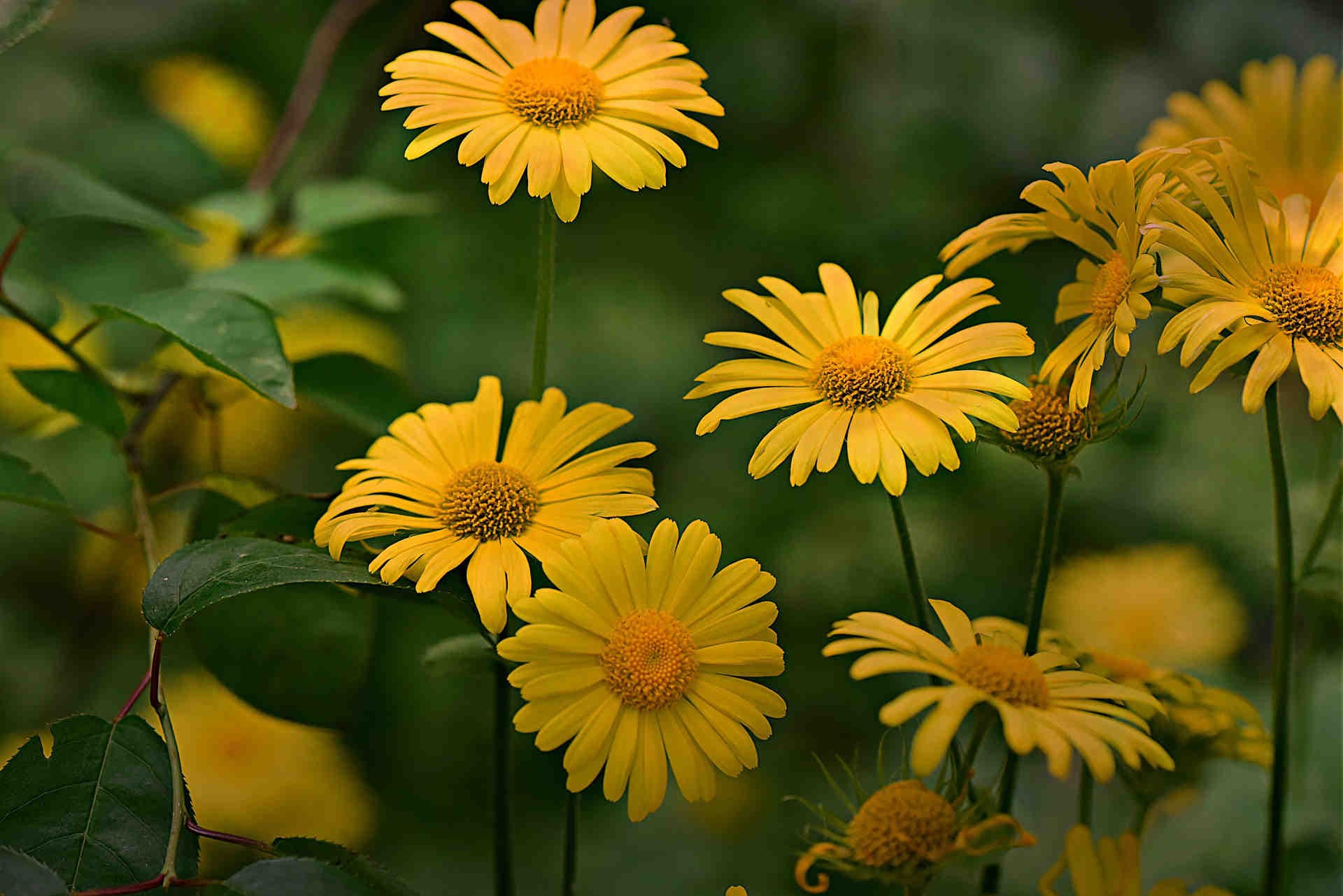
    Let us start by distinguishing the different plant families and species. There are many families in nature, among them the leguminous or also called Fabaceae, is recognisable by its compound leaves or the presence of the legume or pod. The carob, tamarind, acacia, sulla, mimosa and many others belong to this family. Then we find the Cruciferous or Brassicaceae family, so called because they have four petals per flower and somewhat resemble the shape of a cross. These include rapeseed, turnip rape and many types of cabbage. Asteraceae, also known as Compositae, comprise many species, including daisy, sunflower, camomile, dandelion, thistle and many others. There are so many species and families of plants in nature, the most important thing is to know how to identify some of them in order to be of help to bees.
    We distinguish the main plant families

    But which are the most valuable for bees?

    Acacia (Robinia pseudoacacia): has light-coloured flowers with a very pleasant scent, excellent melliferous plant. Holly (Ilex aquifolium): occurs as a tree or shrub with stiff, serrated leaves. Laurel (Laurus nobilis): occurs as a tree or shrub with slender branches and dark green leaves. Cherry tree (Prunus avium): a plant of Asian origin, it flowers in April and May and an excellent cherry honey is made from it. Wild apple tree (Malus sylvestris): shrub-like plant with a flowering period between early April and mid-May. Paulownia (Paulownia tomentosa): has white or lilac-coloured flowers, flowers in late summer and attracts a myriad of insects. White willow (Salix alba): thick foliage and sturdy trunk, tree growing throughout Italy. Judas tree (Cercis siliquastrum): has an abundance of bright pink flowers. Medlar (Eriobotrya japonica): small, evergreen tree.
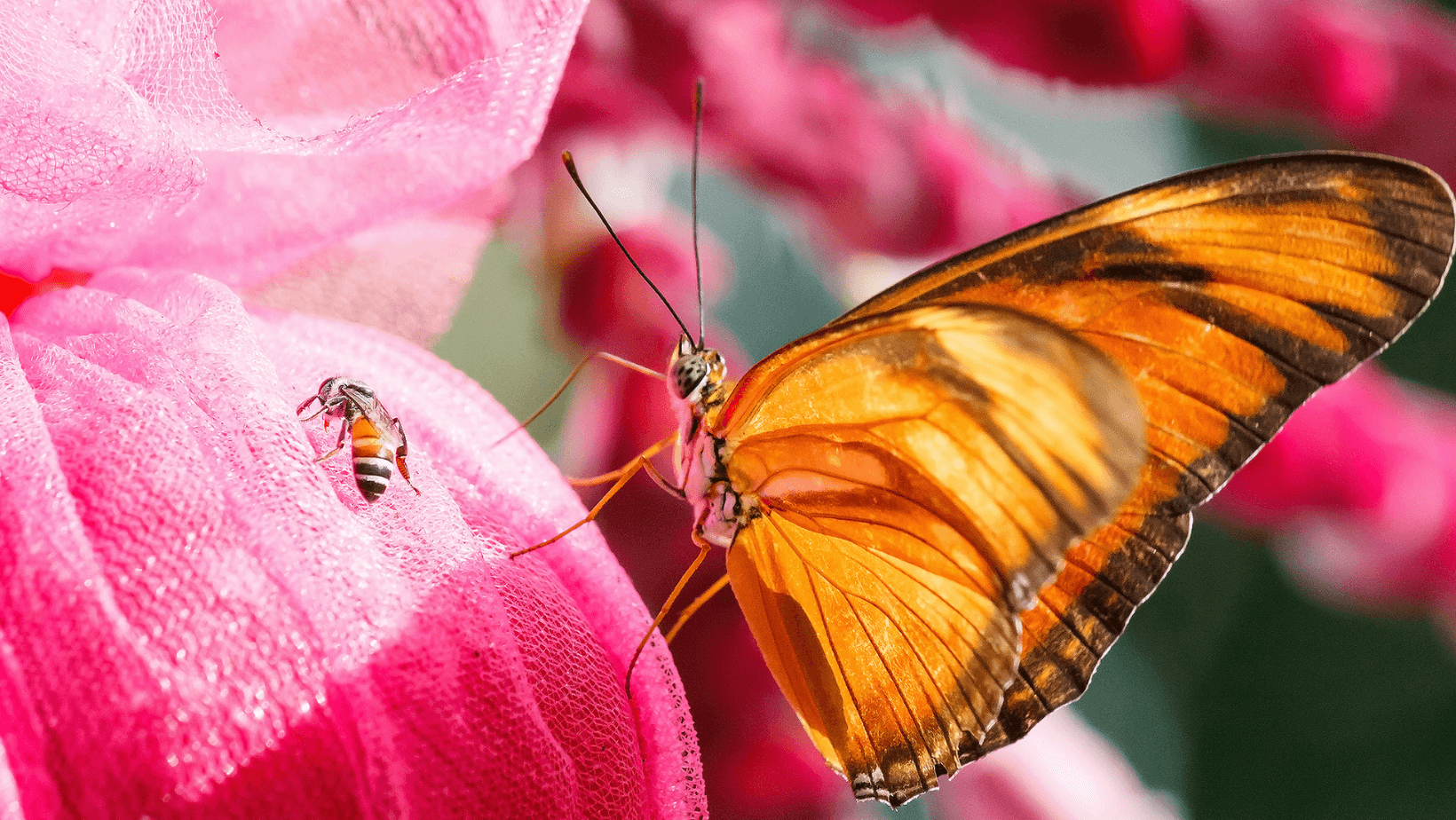

    But which are the most valuable for bees?
    XNatura

    What can you do for the bees?

    1- Plant bee-saving plants and flowers in your garden to support pollination activity while avoiding or limiting the use of pesticides to a minimum.
    2- Host Polly and her sustainable little house, a solitary bee that will make your garden a spectacle. Buy at mypolly.co.uk.
    3- Adopt or gift a beehive, supporting bee research and helping sustainable beekeepers. The honey will make a nice gift
    . 4- Create your Oasis of Biodiversity: you can then share it with your friends and have your own Oasis of Biodiversity.
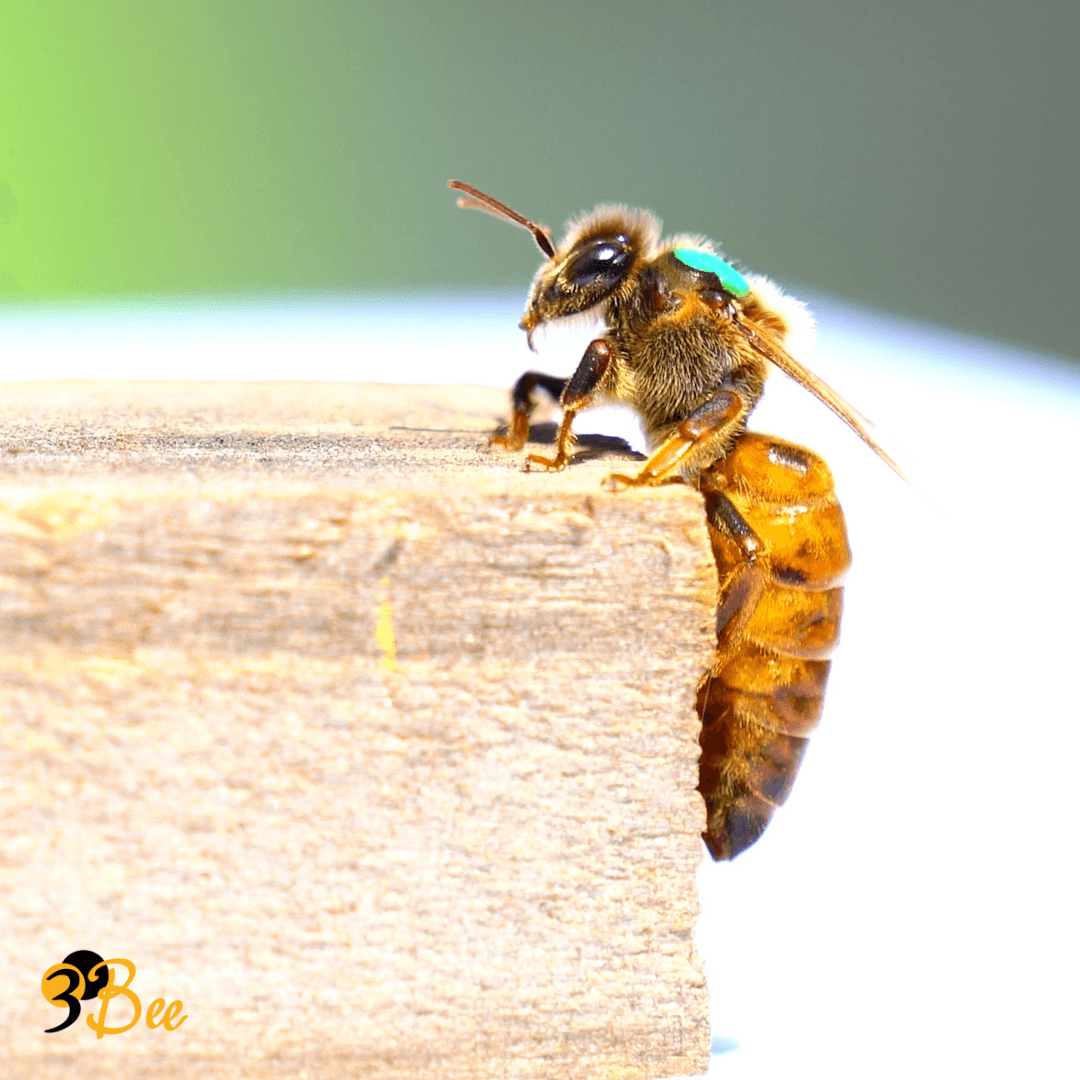
    What can you do for the bees?
    3Bee

    Discover the Oases of Biodiversity

    We at 3Bee, through a new project called Oasis of Biodiversity, want to give further support to the environment, bees and the entire planet on the sustainability side: we have set ourselves the goal of activating a planting of 100,000 native trees that will provide bees with nectar every year and absorb around 10 thousand tonnes of CO2. A project that kicks off with the collaboration of beekeepers and farmers who choose to make land available for the care of these trees. We can speak of a project that aims at an environmental and cultural renaissance: planting new trees means creating new oases of biodiversity. Each person can adopt their own nectar tree.
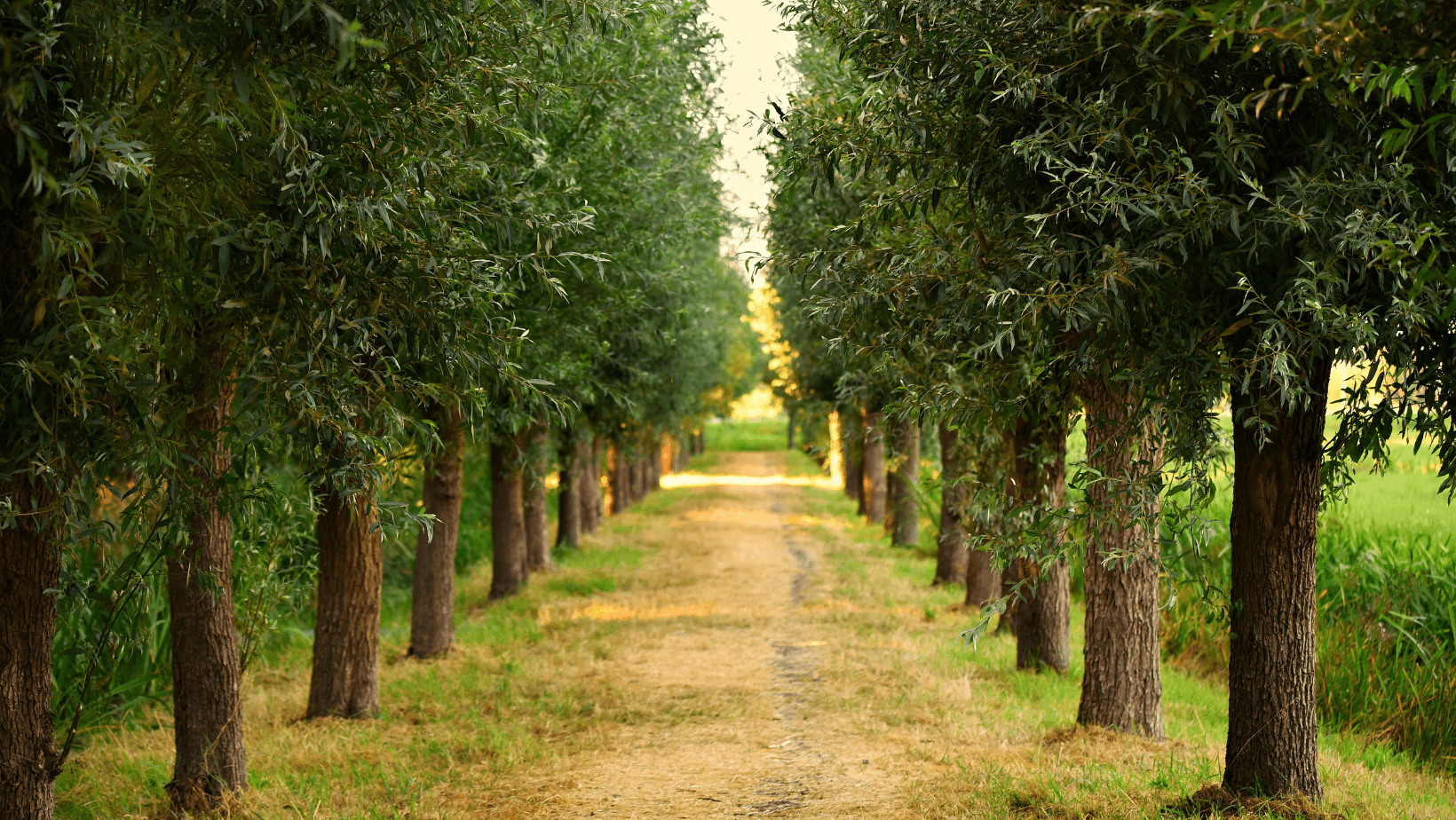
    Discover the Oases of Biodiversity
    26/10/2021Of 3Bee, Elena Fraccaro
    2031 Views
    Newsletter
    newsletter
    Subscribe to the Blog about bees and biodiversity