How much biodiversity do we have in the world?
    BiodiversityLossExtinctionEcosystems

    How much biodiversity do we have in the world?

    How much biodiversity do we have in the world? How much are we losing? Biodiversity is a wealth that is still partly unknown. But what scientific data do we have on it to date? Find out more in this article.

    Read the article
    06/08/2024Of 3Bee, Lisa Santillo
    455 Views
    06/08/2024Of 3Bee, Lisa Santillo
    455 Views

    Biodiversity: a partly unknown wealth

    How many species exist on earth? Scientists do not yet have a precise estimate, as stated by ISPRA. Various studies report that the number of living species on planet Earth may vary from 4 to 100 million, but only a fraction of being - 1.5 million to 1.8 million - is currently known. Many plant species, animals from tropical or marine environments, invertebrates and fungi remain unknown, and less than 1% of bacteria have been catalogued. This suggests that the biodiversity of the planet is still largely inexplored, leaving many questions open about its true extent.
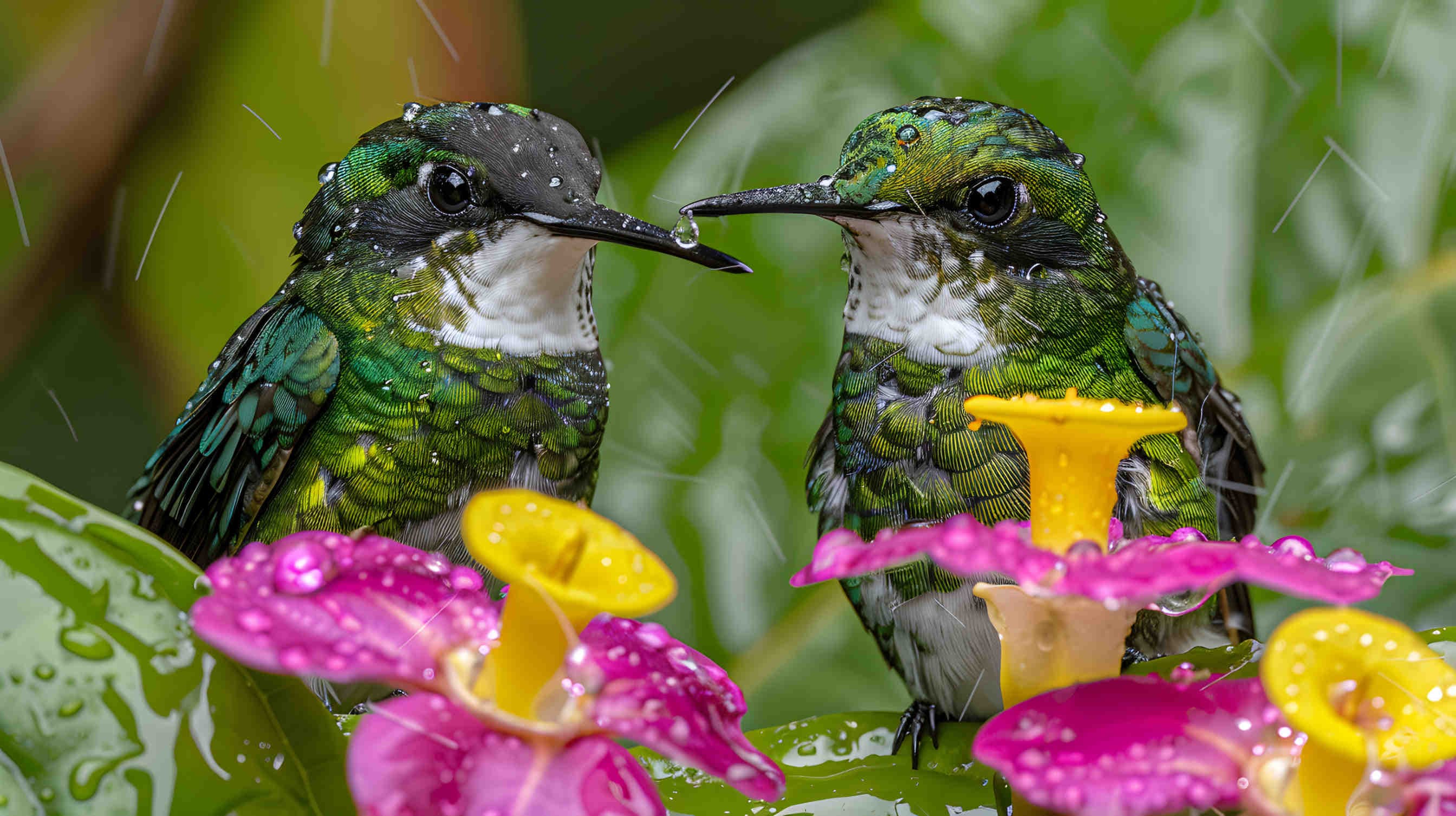
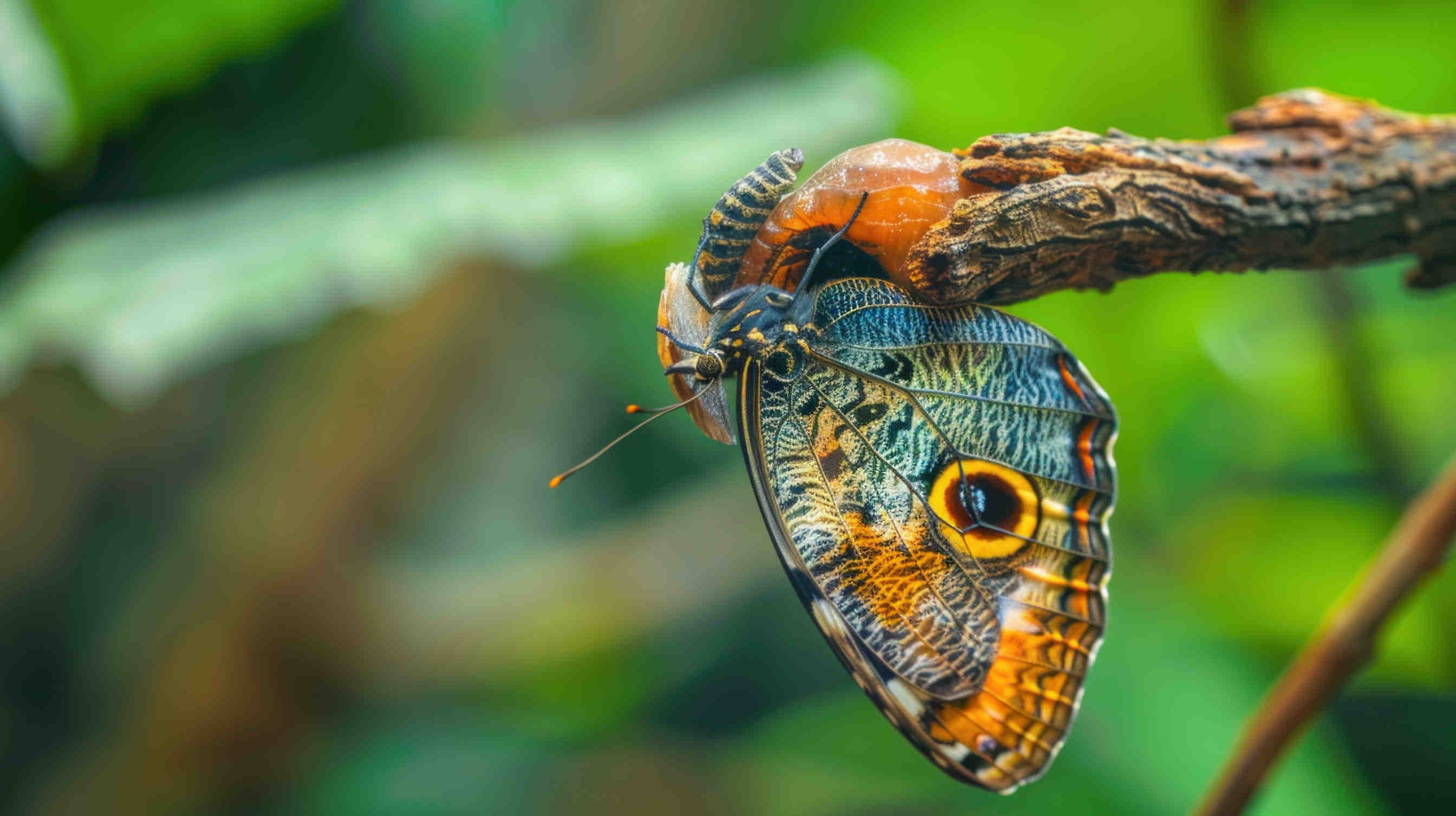
    biodiversità

    Biodiversity loss: some data

    According to the ISPRA, approximately 50 living species disappear every day, an alarming figure for global biodiversity. Extinction is a natural phenomenon that has always been part of Earth's history: on average, a species lives one million years. However, currently, the biodiversity is decreasing at a rate 100 to 1000 times higher than the 'natural rhythm'. We can therefore say that we are experiencing an era of species extinction never seen in the last 65 million years, even greater than that which caused the disappearance of the dinosaurs.

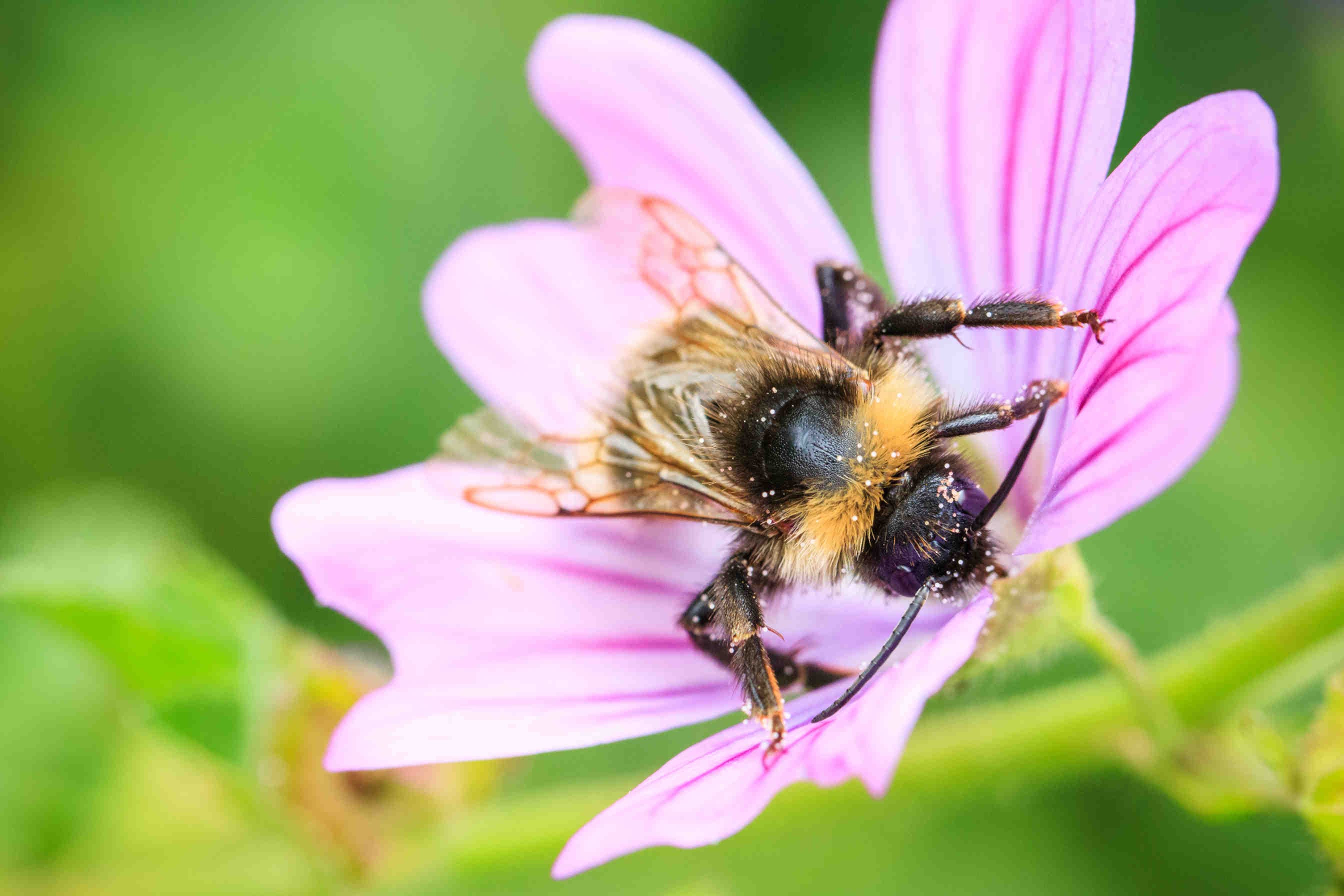
    bombo fiore
    XNatura

    Species decline and extinction

    It is important to remember that extinction is only the end point of a decline process that starts much earlier, when the population of a species begins to decline. According to the Intergovernmental Science-Policy Platform on Biodiversity and Ecosystem Services, about one million living species (out of an estimated total of over 8 million) are at risk of disappearing forever, and this could happen within a few decades for many of these species. Over the past 120 years, the average abundance of native species in most terrestrial habitats has declined by at least 20%. Further evidence of the loss of biodiversity is provided by the IUCN Red Lists: 27% of the 115,000 species analysed are considered globally threatened, with reference to the categories 'endangered'; 'critically endangered' and 'endangered'.

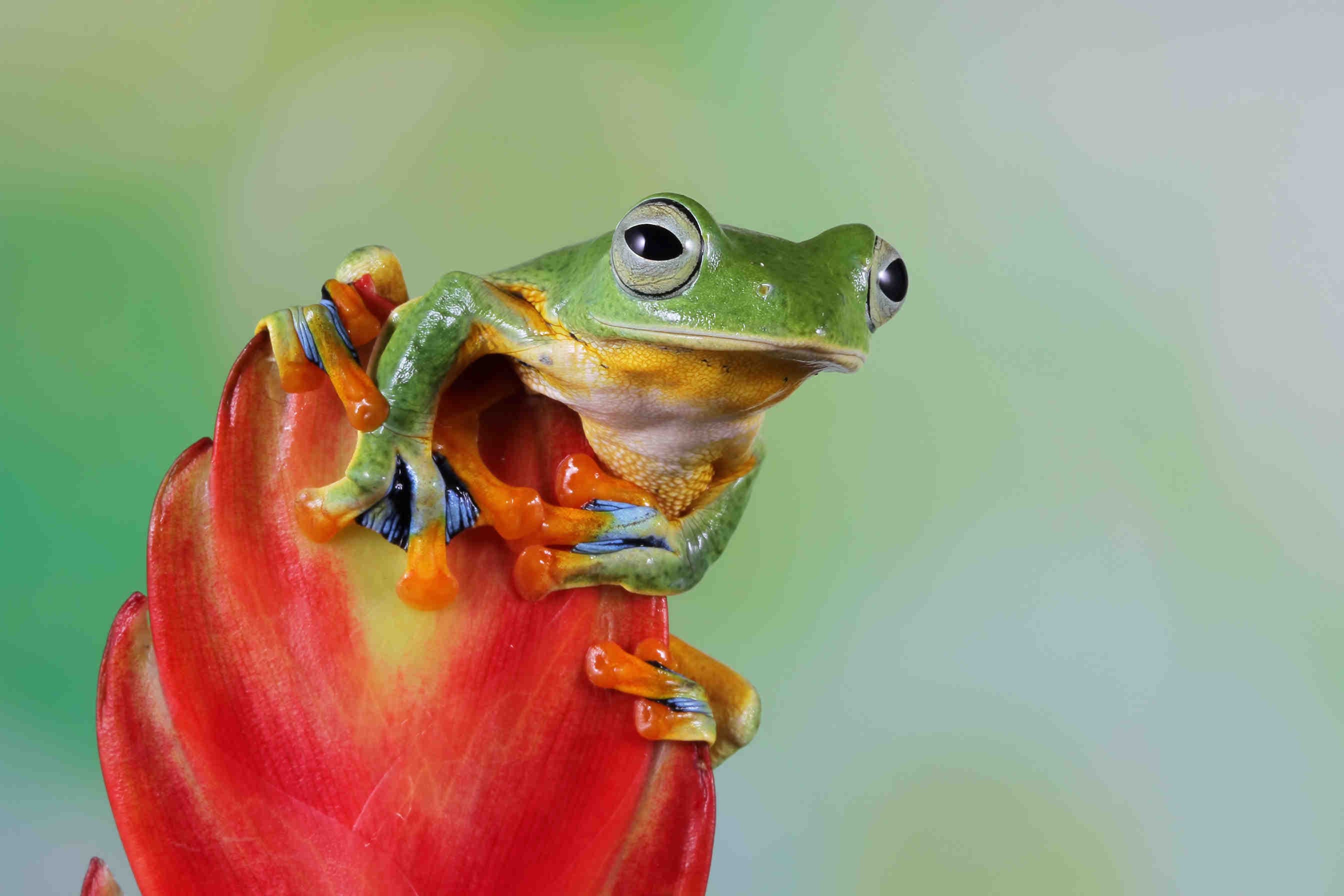
    rana

    Ecosystems: crucial role in the planet's balance

    The biodiversity is not only about individual species, but also about the whole ecosystems in which they live. Ecosystems function as complex networks of interactions between plants, animals, fungi and microorganisms. In fact, an ecosystem is an ecological unit characterised by organisms that are able to interact with each other and, at the same time, adapt to the environment in which they live. Their health is essential for the stability of life on earth including, for example, soil fertility and water purification. Recent studies have shown that the loss of biodiversity can severely compromise the ability of ecosystems to provide vital services, such as climate regulation and pollination, causing significant repercussions on human life as well.
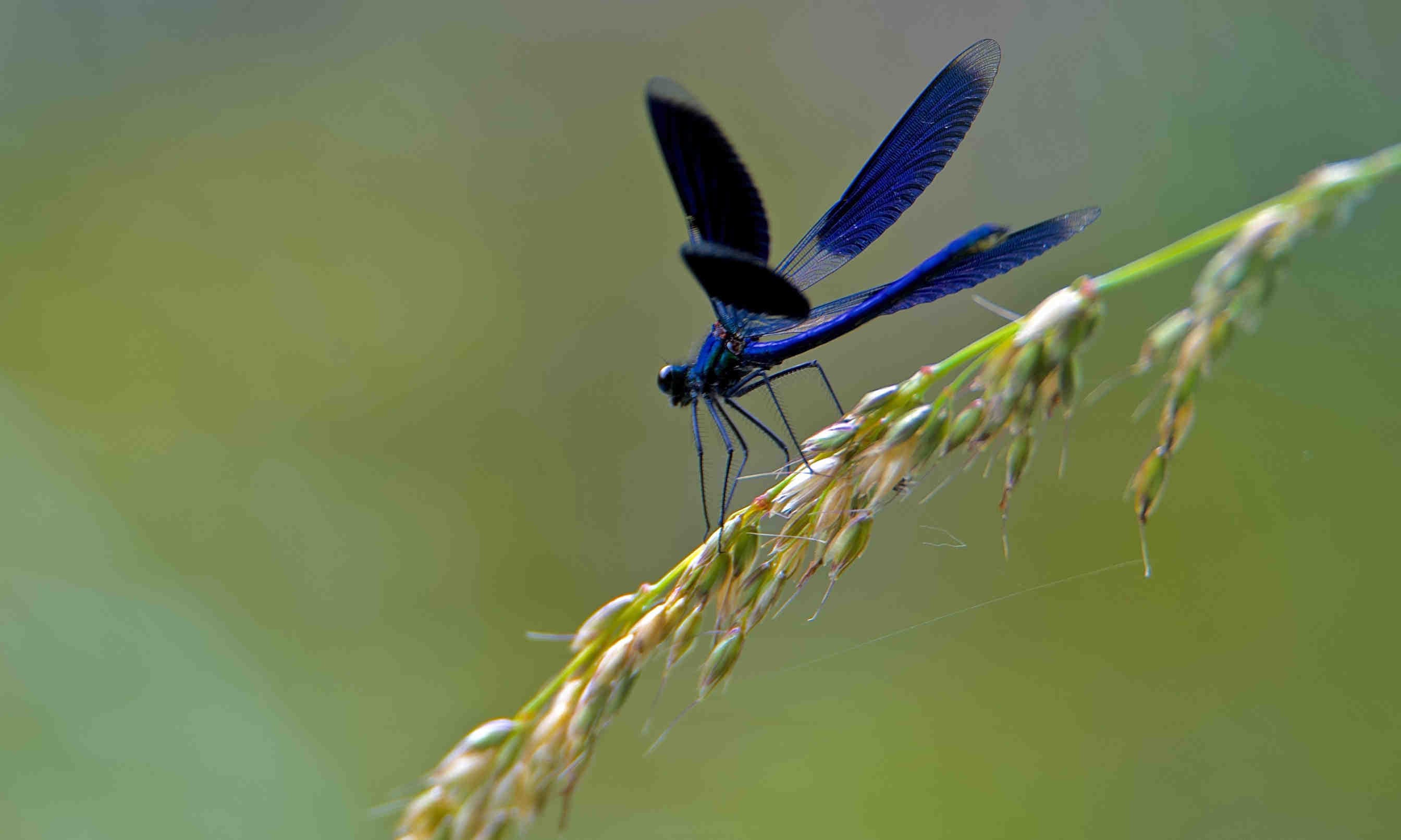
    libellula
    XNatura

    3Bee's commitment to biodiversity protection

    3Bee is the naturetech developing technologies for monitoring, protecting and regenerating biodiversity. Its approach is based on the use of innovative technologies able to monitor pollinators, fundamental bioindicators of the state of health of the environment: the sensors and algorithms developed make it possible to collect quantifiable data on their state of health and the habitat that hosts them, making them accessible to all. The aim is to identify targeted actions for regeneration or impact mitigation. This includes the 3Bee Biodiversity Oases: spaces dedicated to the protection of local biodiversity and pollinating insects, monitored along the lines of the XNatura Protocol. 3Bee, as scientific partner, supports organisations and companies in the development of a real Biodiversity & Climate Strategy, according to a three-pillar approach: monitoring, regeneration and education.

    3Bee
    06/08/2024Of 3Bee, Lisa Santillo
    455 Views
    Newsletter
    newsletter
    Subscribe to the Blog about bees and biodiversity

    Frequently Asked Questions

    Do you have any doubts or other curiosities about this article? Here you will find some insights