How climate change is intensifying hurricanes like Milton
    HurricanesDevelopmentDataMilton

    How climate change is intensifying hurricanes like Milton

    Hurricane Milton devastated Florida last week, striking as a Category 3 storm. With over 15 fatalities, experts say climate change intensified it. Arriving just two weeks after Helene hit, it raises concerns about how global warming is affecting the frequency and severity of hurricanes.

    Read the article
    15/10/2024Of 3Bee, Lisa Santillo
    388 Views
    15/10/2024Of 3Bee, Lisa Santillo
    388 Views

    What are hurricanes?
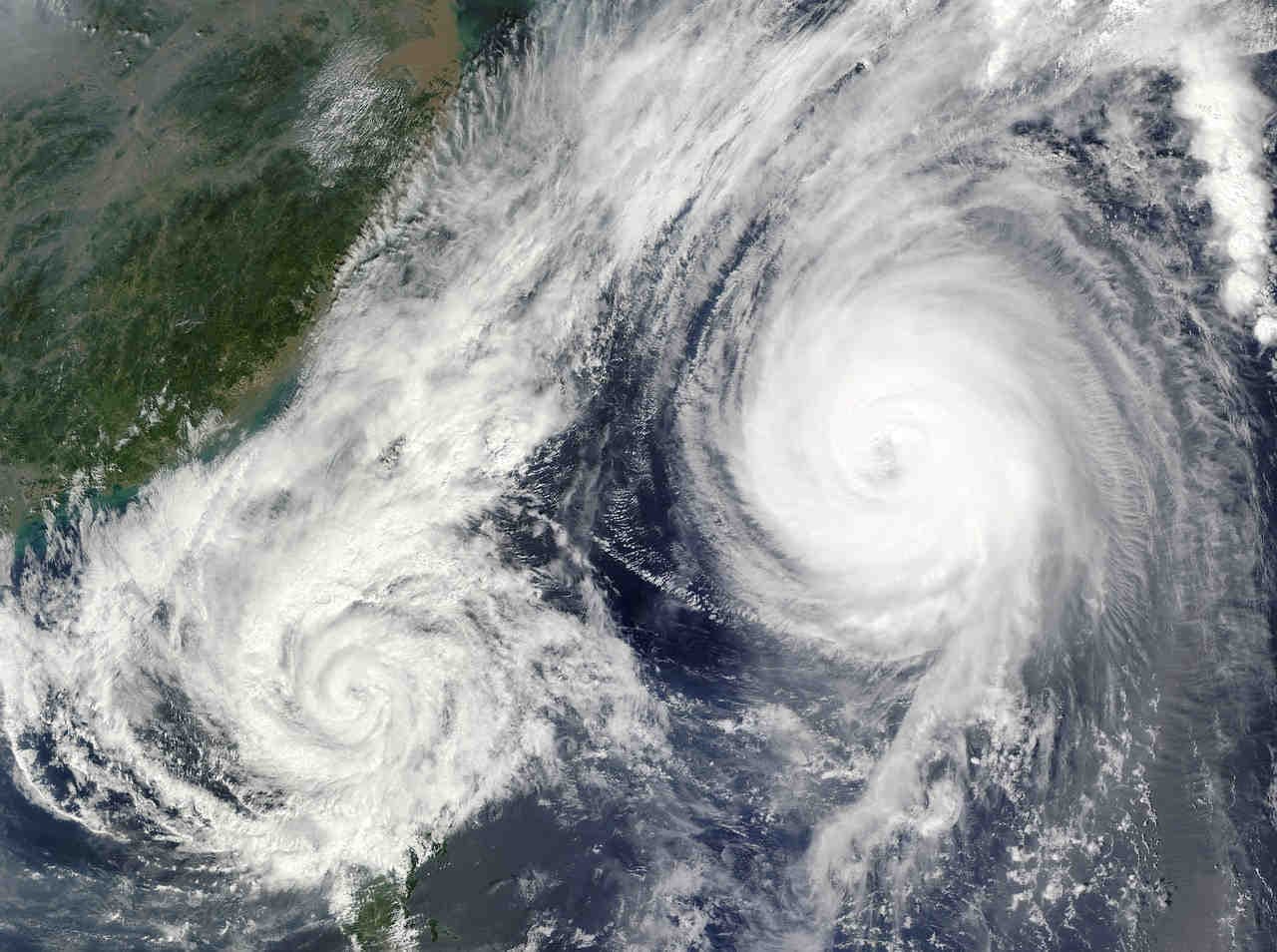
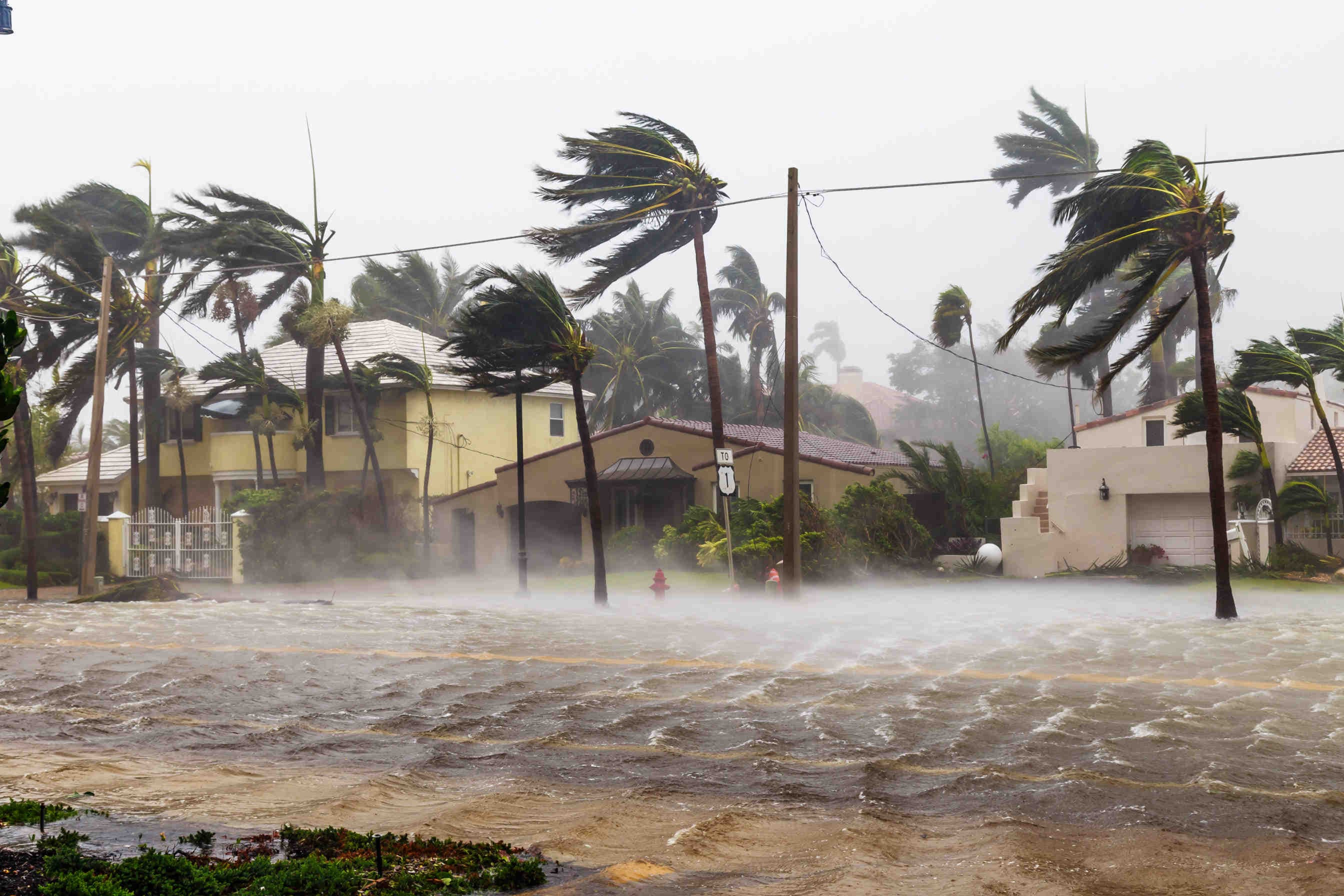
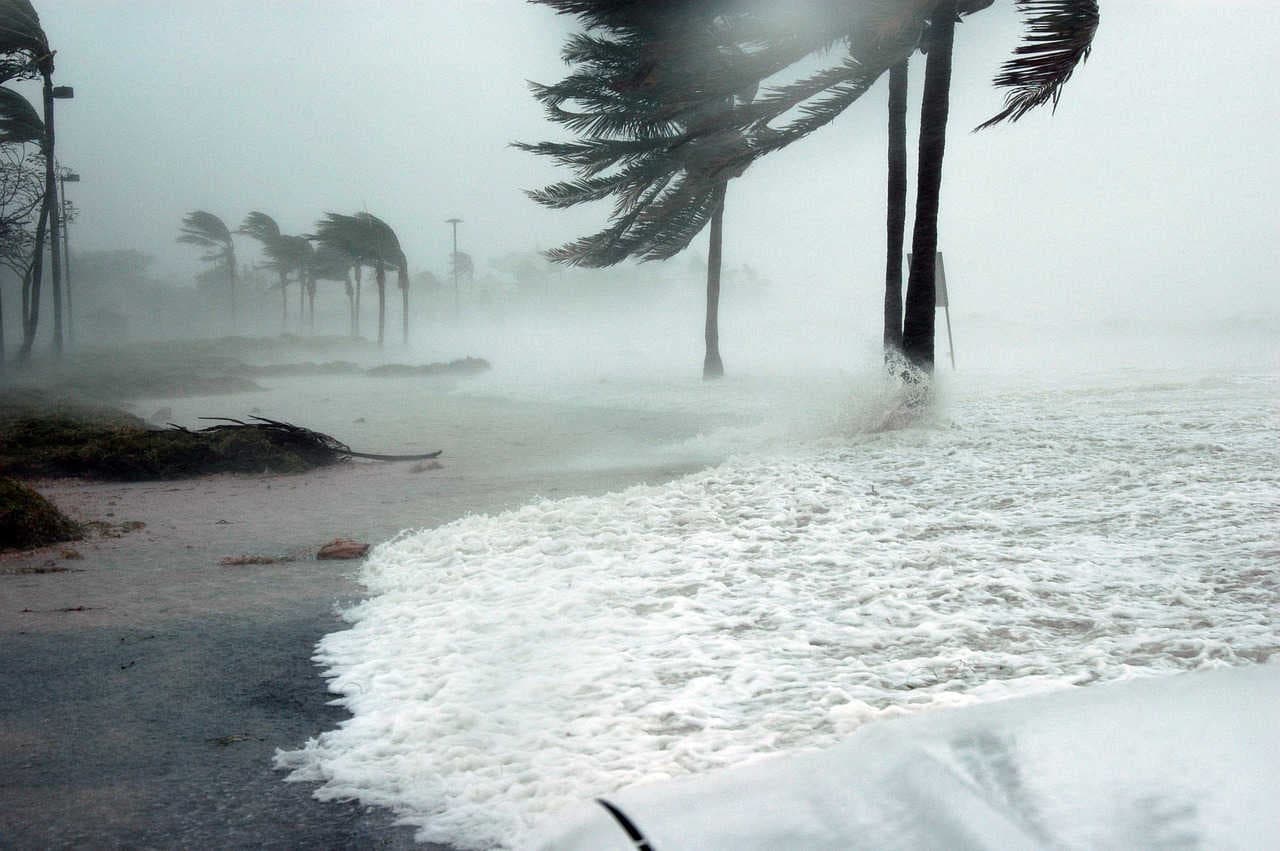
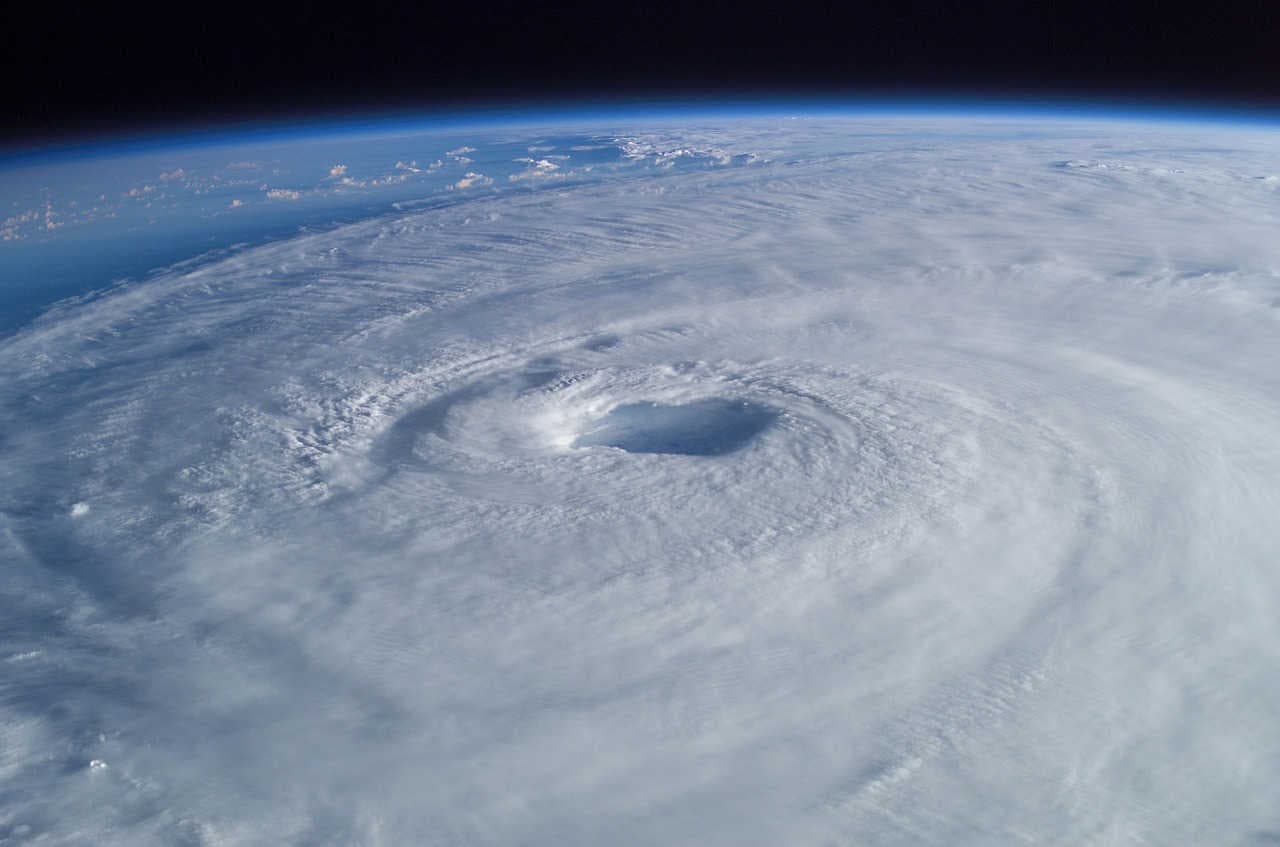
    Hurricanes are powerful tropical storms, also known as cyclones or typhoons, depending on their location. These storms form over warm ocean waters, primarily in tropical regions, where the sea surface temperature exceeds 27°C. The storms are categorized based on their sustained wind speeds, with Category 3 and above classified as major hurricanes. These storms bring extremely high winds, heavy rainfall, and storm surges, which cause significant coastal flooding. In the Atlantic, Hurricane Milton has become the ninth named storm of the 2024 season, threatening densely populated areas like Tampa Bay. With sustained winds of over 111 mph, hurricanes like Milton can cause widespread damage to infrastructure, homes, and ecosystems. Tropical cyclones, by nature, carry immense destructive power, and their formation is closely linked to oceanic conditions and atmospheric disturbances.

    hurricane

    How do hurricanes form?

    Hurricanes, typhoons, and cyclones all form in a similar way, starting as atmospheric disturbances, such as tropical waves. These are low-pressure areas where clouds and thunderstorms develop. As warm, moist air rises from the ocean’s surface, it causes the winds within the storm cloud to spin. This spinning is a result of the Earth’s rotation, which affects winds near the equator. For a hurricane to fully form, several key factors must be present: warm sea surface temperatures, moisture in the atmosphere, and low vertical wind shear, meaning the winds do not vary significantly in speed or direction with height. When these conditions come together, the storm can intensify rapidly, as in the case of Hurricane Milton, which grew into a Category 5 hurricane with sustained winds reaching over 150 mph. The specific mechanisms behind each storm's formation are complex, but climate change is making these ingredients more common, leading to stronger, more frequent hurricanes.
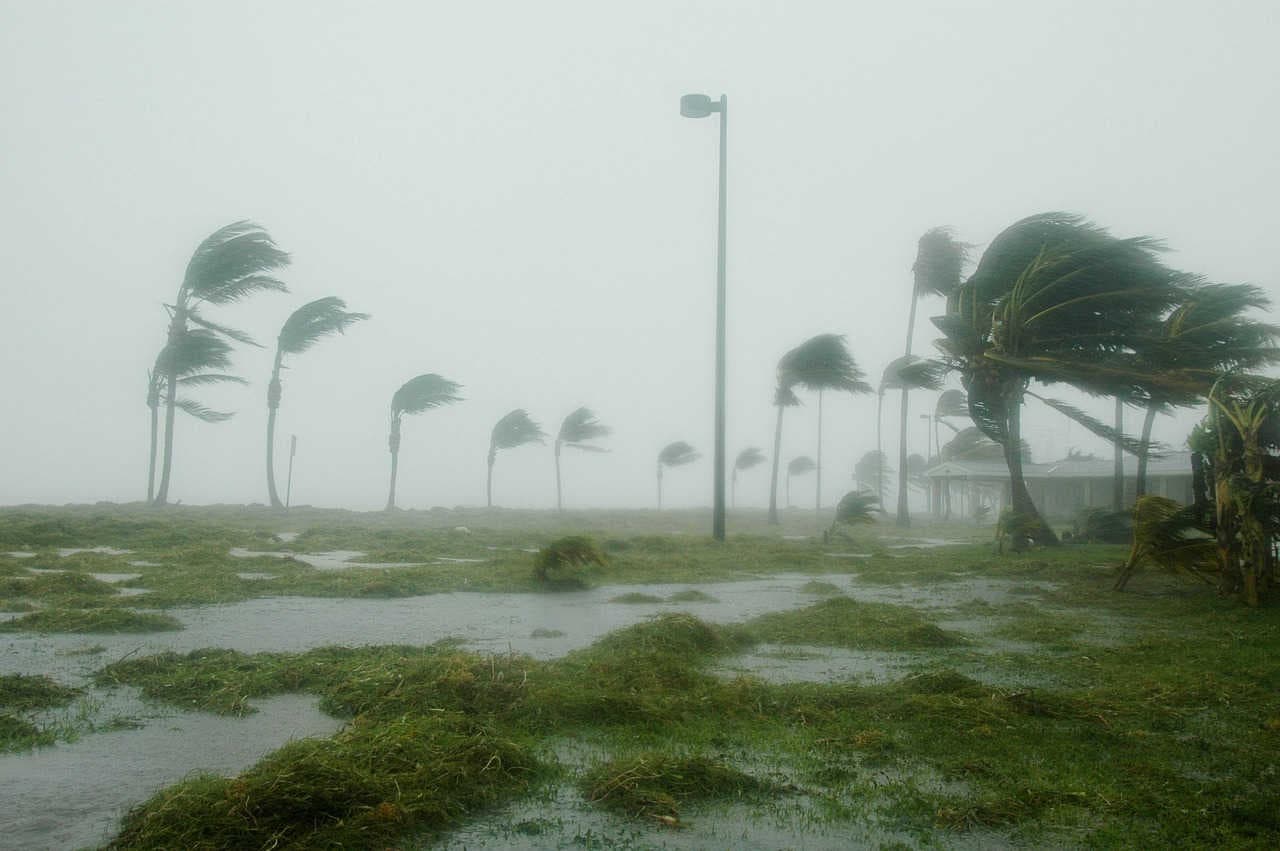
    florida hurricane
    XNatura

    Are hurricanes becoming more severe?

    Globally, data on tropical cyclones shows a complex picture. While the overall number of hurricanes has not significantly increased, there is evidence that the intensity of these storms is rising. According to the UN’s Intergovernmental Panel on Climate Change (IPCC), there is “medium confidence” that a higher proportion of tropical cyclones are reaching Category 3 or above. This means stronger storms with more destructive wind speeds. The IPCC also notes an increase in "rapid intensification events", where hurricanes quickly gain strength, as seen with Hurricane Milton, which went from a tropical storm to a major hurricane in a short period. Additionally, there is evidence that tropical cyclones are slowing down in terms of their forward movement, leading to prolonged periods of heavy rainfall in specific areas. For example, Hurricane Harvey stalled over Houston in 2017, causing extreme flooding. These trends suggest that climate change is making hurricanes more dangerous.
    hurricane milton

    New findings: the impact of hurricane Milton

    Hurricane Milton's rapid intensification and subsequent weakening as it made landfall on October 9, transitioning from a Category 5 to a Category 3 storm, was critical in avoiding an even greater catastrophe. Nevertheless, the damage caused was severe, worsened by the earlier destruction from Hurricane Helene just two weeks prior. According to the World Weather Attribution, without climate change, Milton would have hit Florida as a Category 2 storm, with maximum sustained winds of 177 km/h. Instead, it struck as a Category 3 hurricane with winds exceeding 190 km/h. Further research by Imperial College London indicates that this increase in intensity made Milton nearly twice as destructive, with storms like Milton now approximately 40% more frequent due to the 1.3°C of global warming since the pre-industrial era.

    hurricane
    XNatura

    Climate change and its impact on hurricane

    Climate change is affecting hurricanes in multiple measurable ways. Warmer ocean waters, which are a direct result of global warming, provide hurricanes with more energy. This increased energy allows storms to achieve higher wind speeds, as was the case with Hurricane Milton. Rising global temperatures also lead to a more moisture-rich atmosphere, which results in heavier rainfall during hurricanes. This is a significant factor in the devastation caused by storms like Harvey, where climate change made the extreme rainfall three times more likely. Additionally, sea levels are rising due to melting glaciers and the expansion of warmer water. This exacerbates the impact of storm surges, leading to more severe coastal flooding. For instance, flood heights during Hurricane Katrina in 2005 were estimated to be significantly higher due to rising sea levels. Overall, human activities are amplifying the risks posed by tropical cyclones, making them more intense and destructive.

    tropical cyclone
    3Bee

    What does the future hold for hurricanes?

    Looking ahead, the IPCC suggests that while the total number of tropical cyclones may not increase, the storms that do form will likely be more severe. As the planet continues to warm, it is expected that hurricanes will have higher peak wind speeds and more intense rainfall. The IPCC predicts that with a global temperature rise of 1.5°C, the proportion of Category 4 and 5 hurricanes could increase by around 10%. If temperatures rise by 2°C, this figure could climb to 13%, and by 4°C, it could reach 20%. These more powerful hurricanes will pose significant challenges for communities, particularly those in coastal regions like Florida, which are already vulnerable to storm surges and flooding. The increasing intensity of storms like Hurricanes Helene and Milton highlights the need for robust climate action and the development of resilient infrastructure to protect against future disasters. Without such measures, the damage caused by hurricanes will likely continue to rise.
    3Bee Environmental Platform

    3Bee’s Environmental Platform: monitoring climate risks

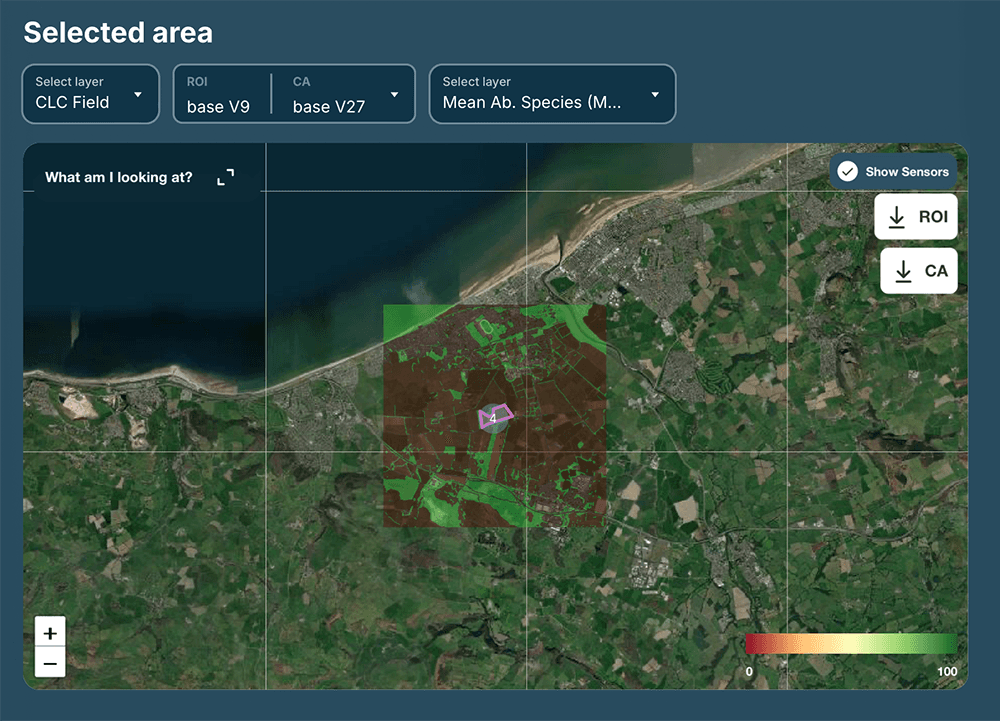
    As hurricanes intensify due to climate change, cities need tools to monitor and mitigate risks. The 3Bee Environmental Platform offers an integrated and scientifically validated solution that allows companies, municipalities and nature parks to identify and close their nature, climate and biodiversity gaps by monitoring four key risk indices in a simple and rapid way. This is done in accordance with international standards - like ESRS E4 and the CSRD Directive - and by identifying an appropriate climate and biodiversity strategy, based on the identified impacts and dependencies on ecosystem services. The 3Bee platform combines satellite data, field technology, and public databases. After an initial assessment, a Biodiversity Strategist helps partners define a tailored biodiversity restoration and conservation strategy. This proactive approach is crucial for building resilient cities capable of facing future climate challenges.

    15/10/2024Of 3Bee, Lisa Santillo
    388 Views
    Newsletter
    newsletter
    Subscribe to the Blog about bees and biodiversity

    Frequently Asked Questions

    Do you have any doubts or other curiosities about this article? Here you will find some insights