The impact of climate change on ocean currents
    studioAMOCcycleslowdown

    The impact of climate change on ocean currents

    The Gulf Stream has been slowing down in recent years and could collapse by mid-century, with major consequences for the climate around the world: rainfall, winds and temperatures will be affected.

    Read the article
    06/10/2023Of 3Bee, Elena Fraccaro
    2164 Views
    06/10/2023Of 3Bee, Elena Fraccaro
    2164 Views

    Climate change and ocean currents

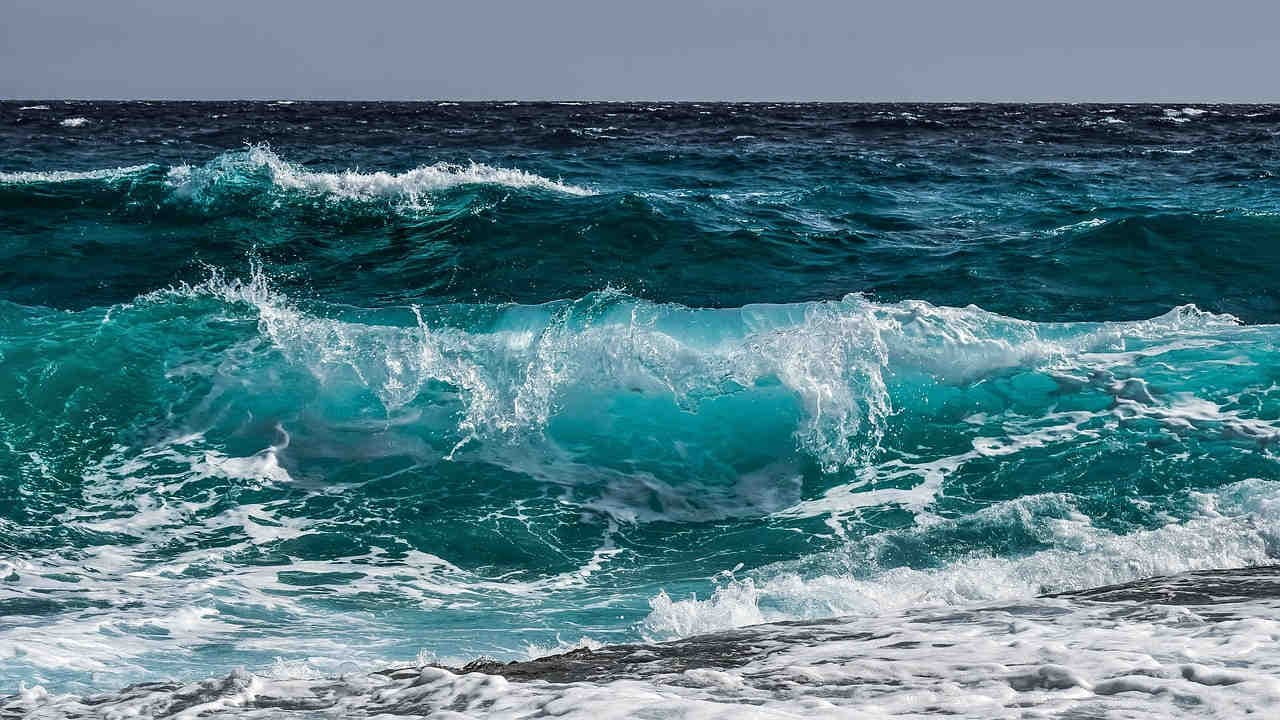
    The climate changes have an undeniable impact on the planet and all its ecosystems. It is becoming increasingly evident the effect that the rise in the earth's temperature has had and is having on the oceans and seas, which are crucial in maintaining many of the earth's balances. According to a recent study published in August 2023, the Gulf Stream, a major player in regulating the Atlantic climate, is approaching collapse. The speed of the currents is slowing down to what could be the point of no return, points out Peter Ditlevsen, first author of the article.
    oceano

    AMOC and the Gulf Stream

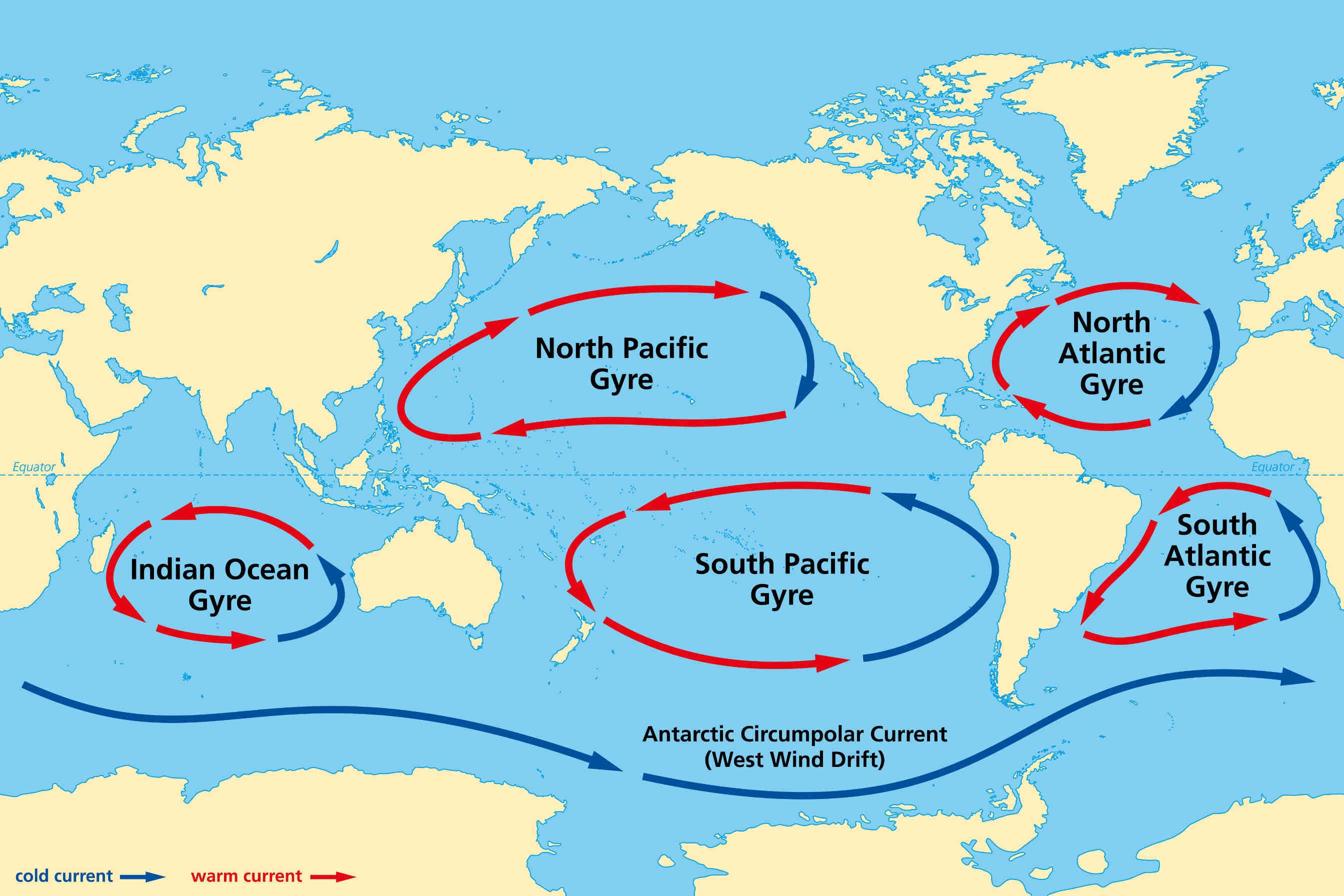
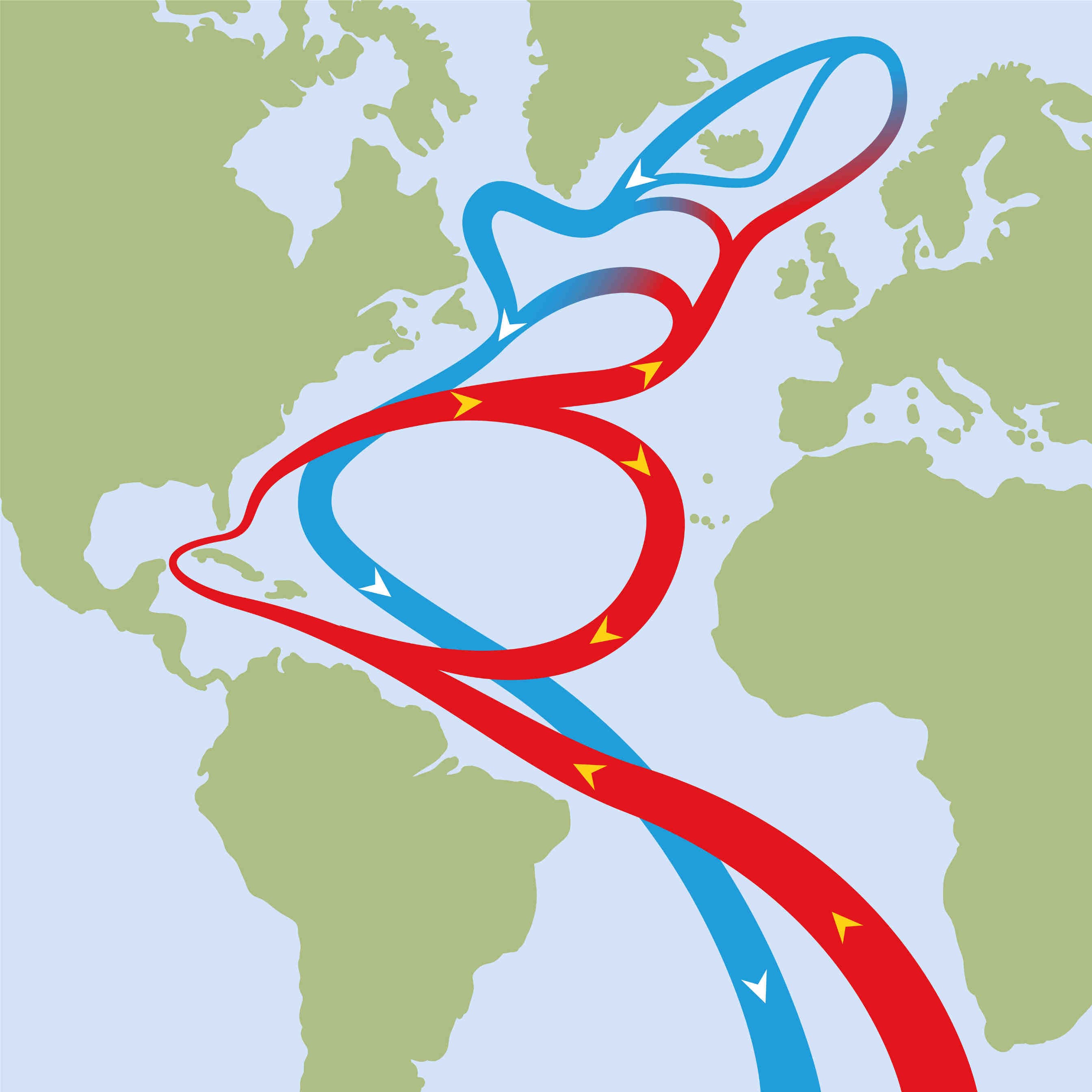
    The Gulf Stream is part of a larger group of currents called the AMOC (Atlantic Meridional Overturning Circulation), which is responsible for the movement of warm water masses from the tropics to the poles, resulting in the redistribution of heat across the Atlantic. These currents are crucial in determining the winter climate of the Atlantic countries: they cause the colder temperatures of the north-eastern American coasts and the milder temperatures of the European nations bordering the ocean. For example, just think of the differences between New York and Madrid winters, located at the same distance from the equator.

    XNatura

    The Gulf Stream Cycle

    Ocean circulation basically depends on two factors: winds and water density, which in turn is determined by the temperature and salinity of the water (hence the name thermohaline circulation). The Gulf Stream takes its name from the Gulf of Mexico, where large masses of surface water, heated by the sun's rays, tend to rise northwards. As these 'cells' of warm water proceed towards Europe, they evaporate and release heat to the atmosphere: the ocean thus becomes colder and richer in salts. At the level of Greenland the waters of the current therefore have a higher density, so they sink and return towards the equator to begin a new cycle.

    The problem found by the studies

    The study recorded worrying signs with respect to the speed of the current and, based on the analysed data, the researchers predicted its collapse by the end of the century, most likely around 2057. The sharp slowdown can reasonably be ascribed to increased levels of atmospheric CO2. The temperature of the oceans has in fact increased over the last few decades, with the exception of the area in the North Atlantic, just below Greenland, where there is the so-called"North Atlantic warming hole", i.e. a hole in the warming pattern of surface waters. The presence of colder water is also due, among other causes, to the melting of polar glaciers: cold, fresh water is released into the ocean and thus decreases the density of the Gulf Stream waters, preventing them from sinking and actually slowing down the cycle.
    corrente atlantica
    XNatura

    How air pollution acts

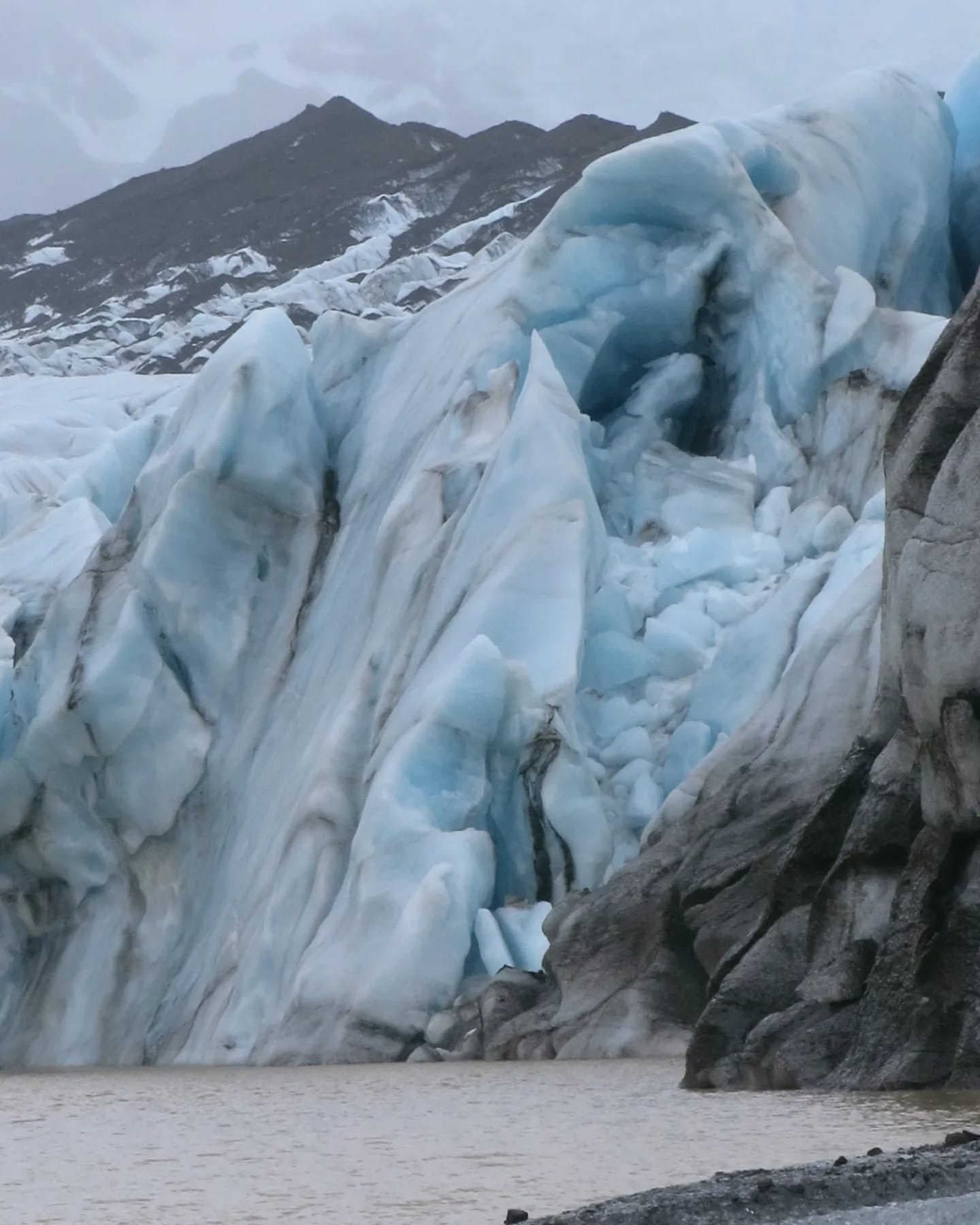
    Once again, mathematical and statistical models created by researchers show how the increase of carbon dioxide in the atmosphere is among the main causes of climate change. Due to the greenhouse effect of emissions and global warming, since the 1970s the thickness of glaciers has shrunk by an average of 30 metres, with serious increases in recent years, reports the UN World Meteorological Organisation (WMO). If we maintain these emission levels, the shrinkage of the Antarctic and Greenland will become irreversible.
    ghiacciai
    3Bee

    Oceans and ecosystem services

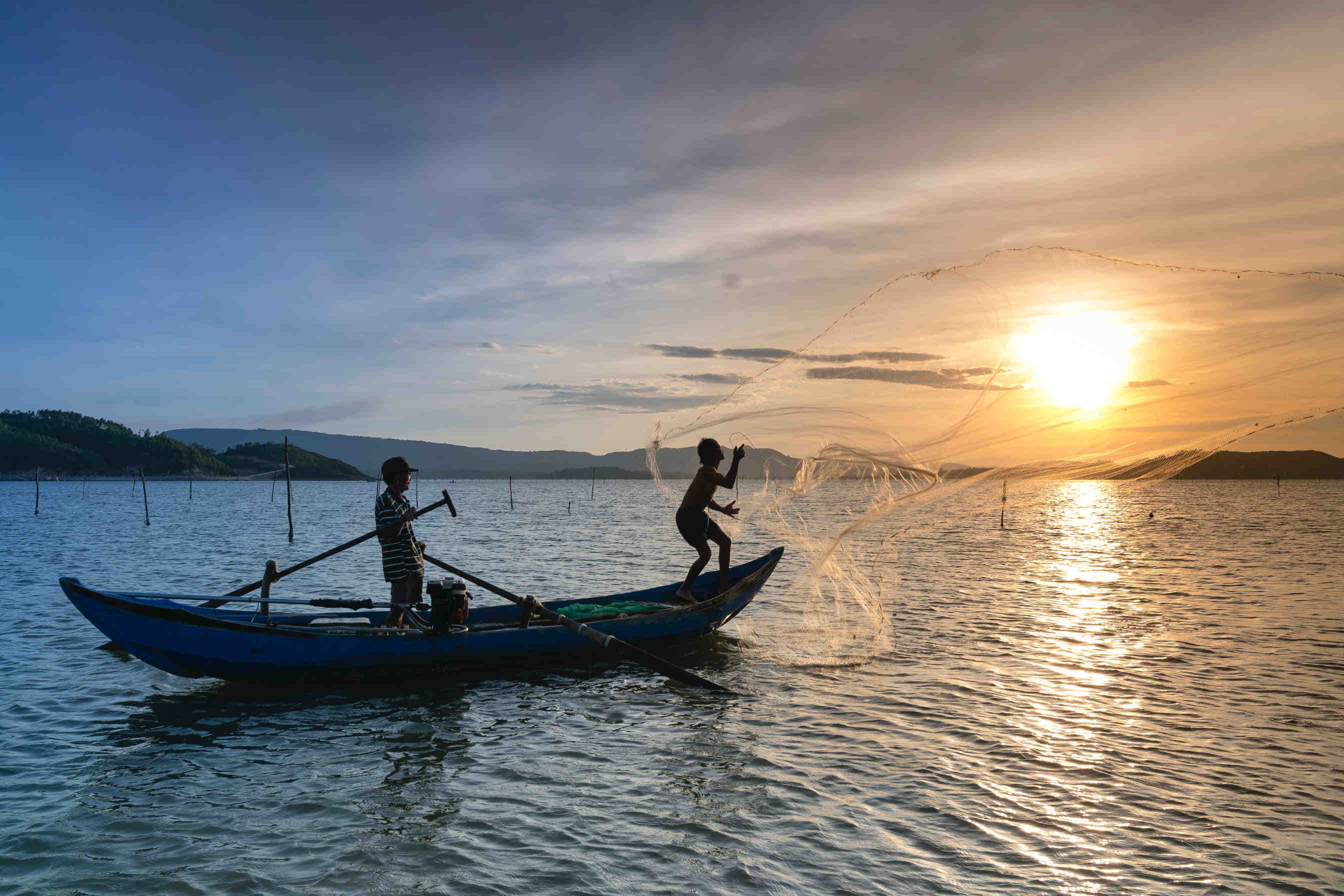
    The seas and oceans play a fundamental role in supporting and maintaining human well-being. They perform numerous ecosystem services, including the provision of food and raw materials, oxygen production and climate mitigation. Oceans in particular are responsible for absorbing 40% of atmospheric carbon dioxide, but this function is severely compromised by rising water temperatures. Warmer bodies of water are in fact less able to absorb CO2, further increasing the amount of carbon dioxide in the atmosphere: the greenhouse effect is thus amplified.
    pesca

    Contrasting opinions

    The Danish researchers' conclusions would also reconfirm trends already highlighted by several articles, including a study published in 2021 by Niklas Boers of the Freie Universität Berlin. The scientific world disagrees, however: the results are at odds with the IPCC report of March 2023: it stated that a blockage of thermohaline currents was unlikely until at least 2100. The AMOC system also exhibits internal variability: it alternates between two stable states, one characterised by faster currents and one by slower currents. Therefore, further investigation and implementation of the theoretical model used will be necessary to determine how much this phenomenon is part of the normal natural variation of Atlantic currents and how much climate change is affecting it. One thing is certain: the Gulf Stream is slower than it has ever been in the last 1000-1500 years.
    onde

    The consequences for the climate

    The blocking of the Gulf Stream would have tangible effects at the climatic level: the lack of heat redistribution would result in higher temperatures for tropical areas, while the coasts of northern Europe would experience colder and harsher weather, with a drop of up to 15 degrees centigrade. We would find a Europe divided in half, with the Mediterranean getting warmer and the high latitudes colder. The lowering of temperatures in some areas of the Earth may seem to be a counterintuitive effect of global warming, but in reality all climatic phenomena are closely interconnected in a network of causes and effects, so much so that one can speak of 'climate globalisation'.

    The concept of climate globalisation

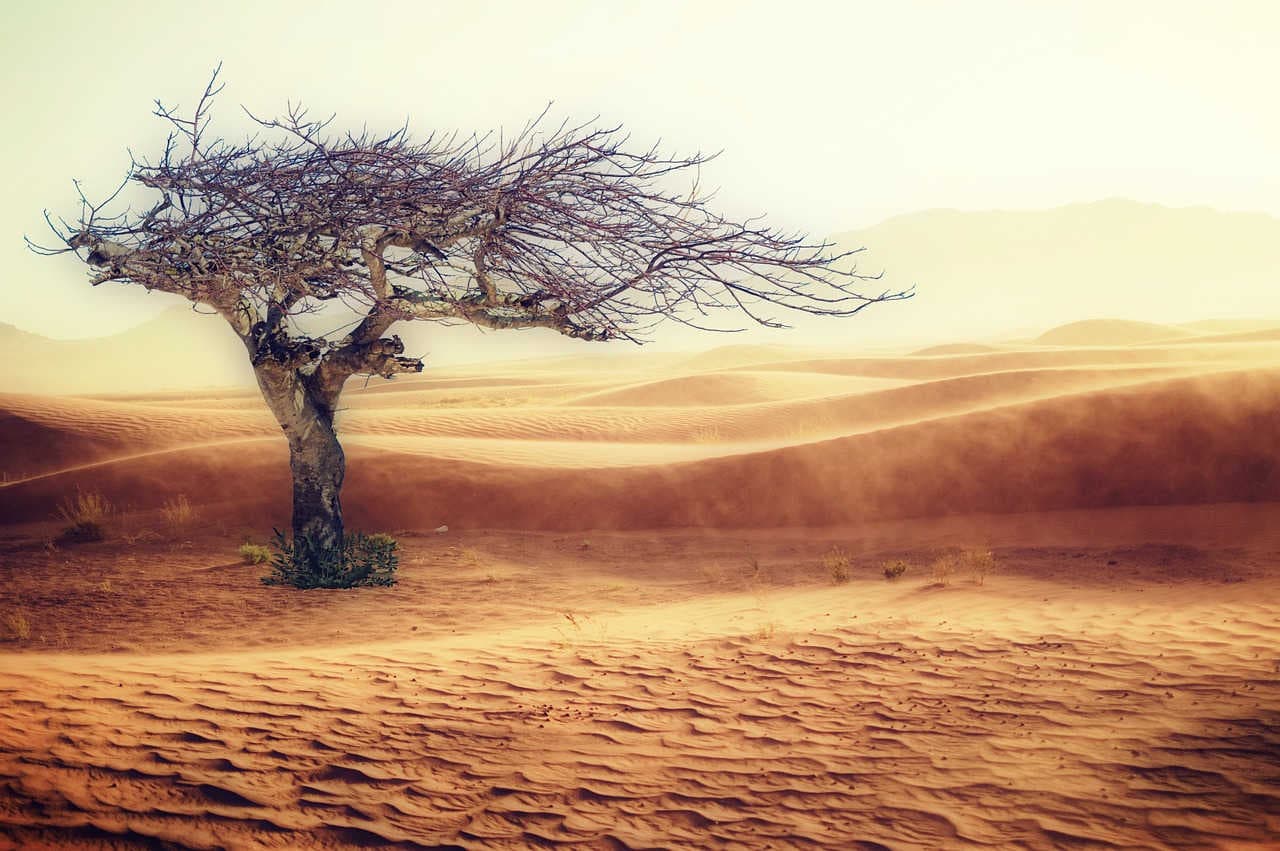
    "In a complex system like the climate, plugging a hole here can open a chasm elsewhere. You have to reason systemically, solving several problems together,' said CNR climatologist Antonello Pasini. Climate change is therefore a global problem with different local impacts and effects in different regions. It is increasingly evident how what happens in one part of the world has an impact on the rest of the planet. Thus, the blockage of thermohaline currents in the Atlantic can also affect the African monsoon, which brings disturbances and rainfall to central Africa, promising an increased drought in the Sahel region. This would therefore also have a strong social impact, as it would affect geographical areas already severely affected by climate change.

    desertificazione del sahel

    Combating climate change with 3Bee Oases

    It is therefore crucial to act to preserve the well-being of our oceans. This is also the mandate left by the latest IPCC report: massive and timely action is needed to keep the temperature rise below the limit threshold of +1.5°C. It is essential, now more than ever, to actively contribute to the regeneration of biodiversity through ad hoc projects. This is where 3Bee fits in with the Oases of Biodiversity: urban and agroforestry biodiversity habitats with refuges for pollinators and native flora. Places with a traceable impact thanks to technology. The project contributes to the regeneration of ecosystems by creating a network of organisations, companies and research institutes committed to the creation of the largest ecological corridor in Europe. The Oases contribute to the protection of the environment and the regeneration of the soil, to counter the effects of climate change.


    Article edited by Sabina Sacchetti

    team work
    06/10/2023Of 3Bee, Elena Fraccaro
    2164 Views
    Newsletter
    newsletter
    Subscribe to the Blog about bees and biodiversity

    Frequently Asked Questions

    Do you have any doubts or other curiosities about this article? Here you will find some insights