Can We Still Eat Honey in the Future?
    3Bee approach20162017Domanda

    Can We Still Eat Honey in the Future?

    The years 2016 and 2017 were, for the beekeeping sector, years to forget. Honey production dropped considerably and the figures were very alarming. Some claim that in the future we will no longer be able to eat honey. Will this really be the case?

    Read the article
    19/03/2018Of 3Bee, Elena Fraccaro
    248 Views
    19/03/2018Of 3Bee, Elena Fraccaro
    248 Views

    3Bee's approach to biodiversity protection
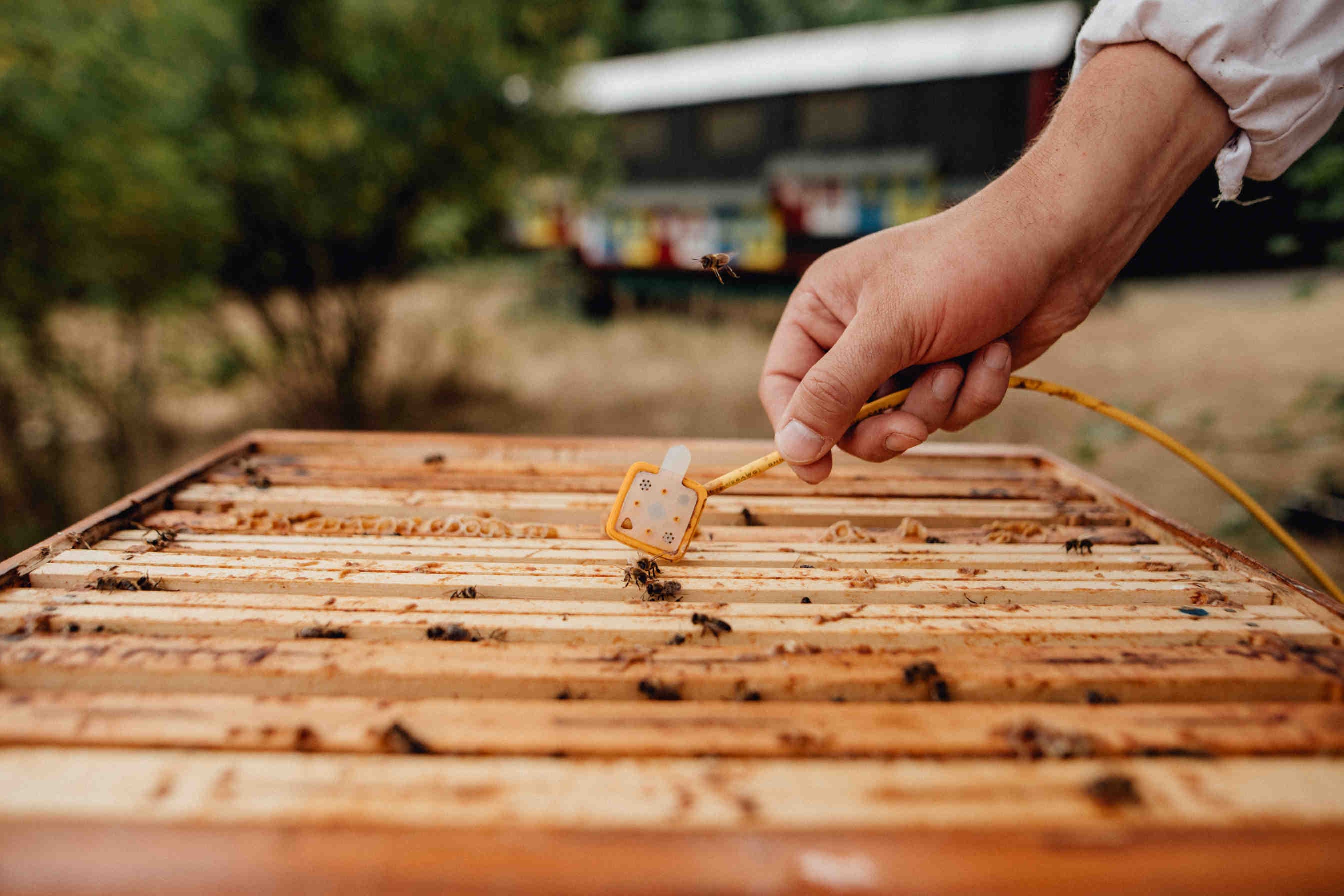
    3Bee is the Nature Tech company that develops technologies for the protection of biodiversity. 3Bee Hive-Tech is 3Bee's first system for analysing the health and 'starvation' status of honeybees, environmental bees par excellence. Over time, we have developed other technologies to study and monitor all the pollinating insects and created more than 200 Oases of Biodiversity with thousands of nectariferous plants to provide them with nourishment. In this way, we want to create a virtuous circle: our beekeepers are transformed by necessity into Oasis growers and promoters of environmental biodiversity. We do not encourage massive production and intensive breeding, which have a negative impact on biodiversity and pollinators. We do, however, recognise the value of honey as a valuable symbol of the biodiversity of an environment and a tool for disseminating the commitment and protection of an area, to be consumed sparingly and with respect for the life cycle of these insects.

    3Bee Hive-Tech

    2016, a year to forget

    According to related data released by CONAPI, Italy's largest national beekeepers' consortium, 2016 is to be counted as one of the worst years in the last 35 years. Compared to 2015, 400 tonnes less acacia honey was produced, but there was also a substantial drop for other varieties. Most alarmingly, however, the data showed that 2016 was even worse than 2008. In the Annual Report of the National Observatory of Honey Production and Market, 2008 had recorded a 50% lower production than the average. The causes were many: high winter mortality of families, widespread poisoning, hive depopulation and adverse weather conditions.

    2016, a year to forget
    XNatura

    2017: una gelida primavera...e una torrida estate

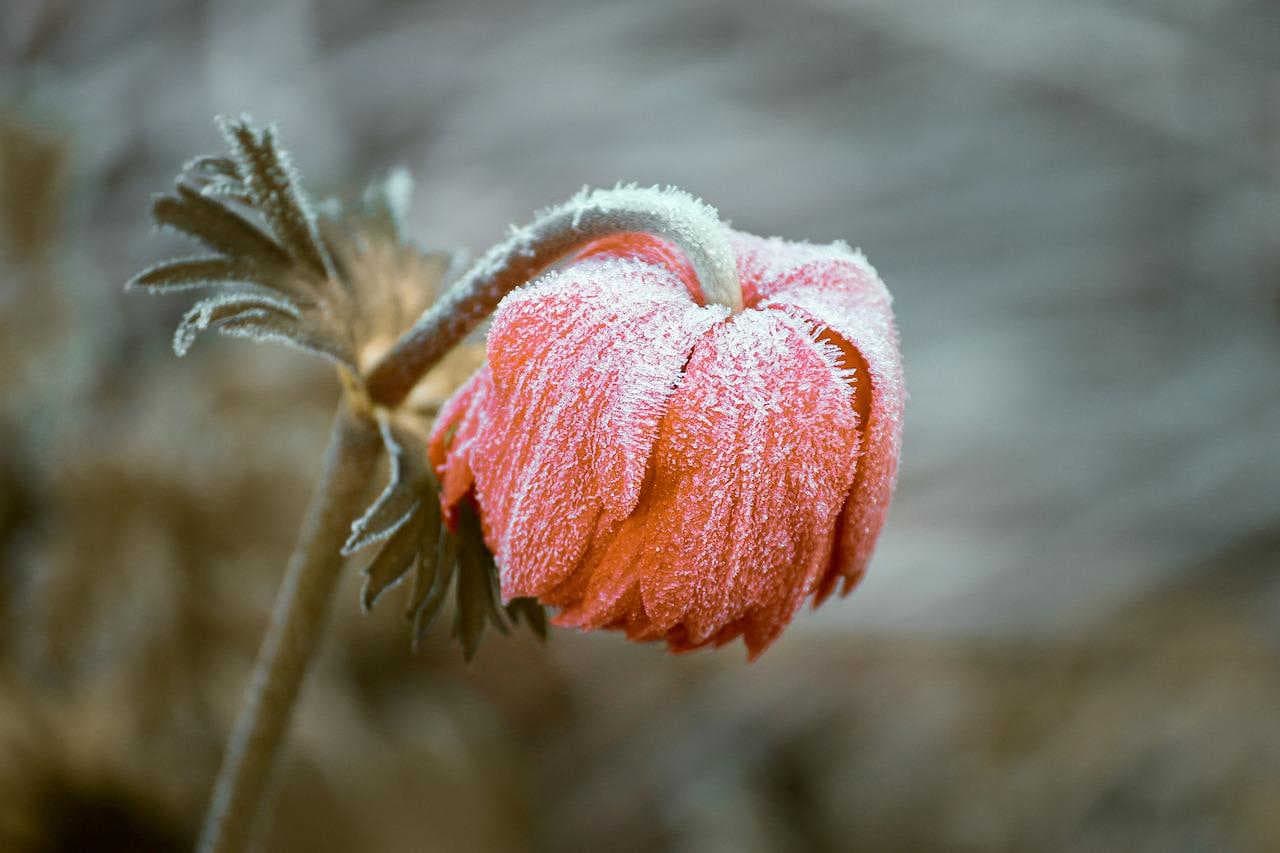
    The 2017 was no different: honey production recorded a drop of up to 70%. Of the various causes that led to this reduction, the most impactful was certainly climate-related. Last year saw a very warm and early start to spring, which stimulated bees to start harvesting, followed immediately by a sharp drop in temperatures that compromised acacia production and the lives of the bees themselves. Again according to CONAPI, acacia reached an all-time low in 2017, with 30 per cent less than in 2016 and 70 per cent less than in 2015, a year considered average production. This was compounded by an extremely hot summer season, very sultry and with little rainfall. These are all factors that negatively affect bee health. Such a climate puts the plants at a disadvantage, whose flowers can no longer secrete nectar.

    2017: una gelida primavera...e una torrida estate

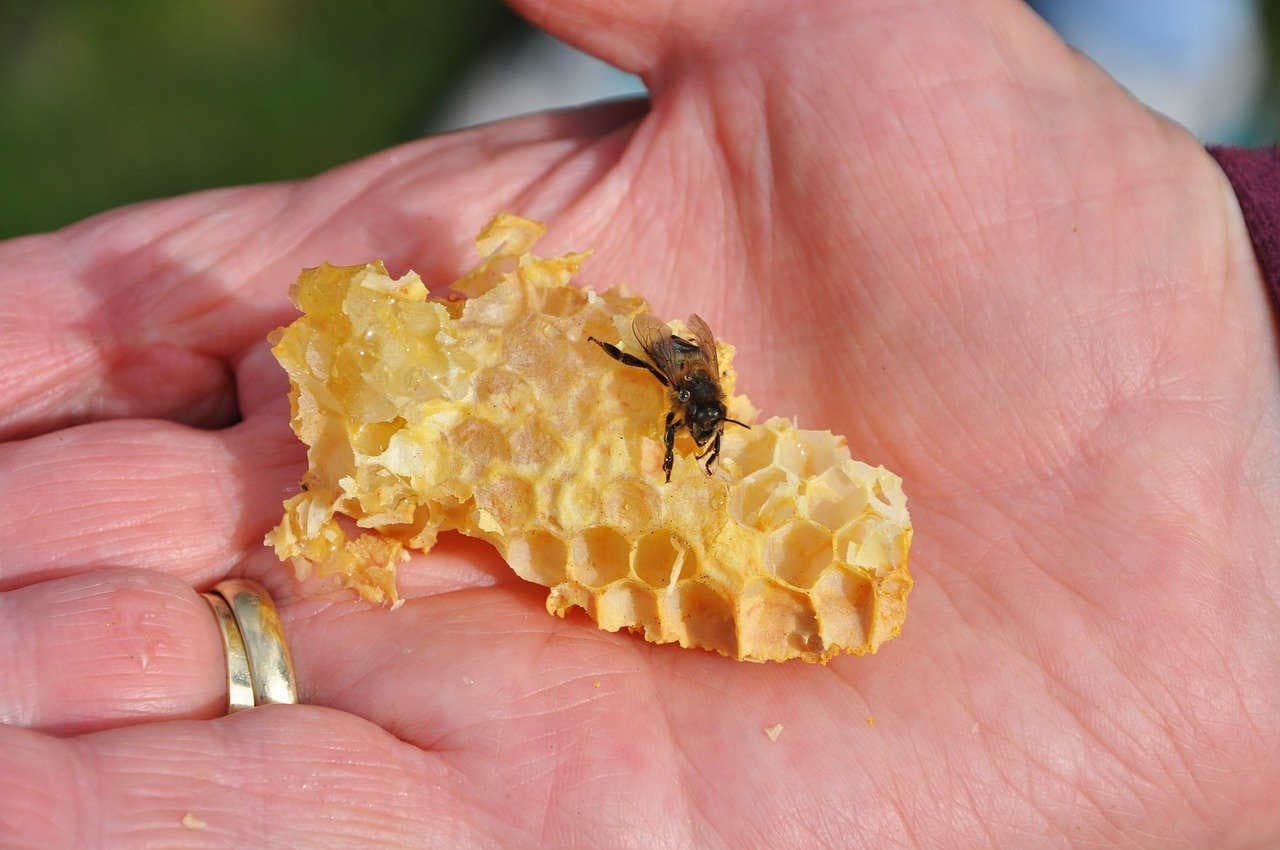
    Honey production down but demand high

    Demand for honey, however, has not declined. To make up for the shortages on the Italian domestic market, imports from China and Eastern European countries have increased. Despite the competitive prices, there is no certainty about the quality of these products or their origin. As we have seen, honey has many benefits for our health, but only if its quality is not impaired. This is why it is very important to choose well the honey we are going to eat, preferring that produced in Italy and whose origin is certified.
    Honey production down but demand high
    XNatura

    A time for reflection

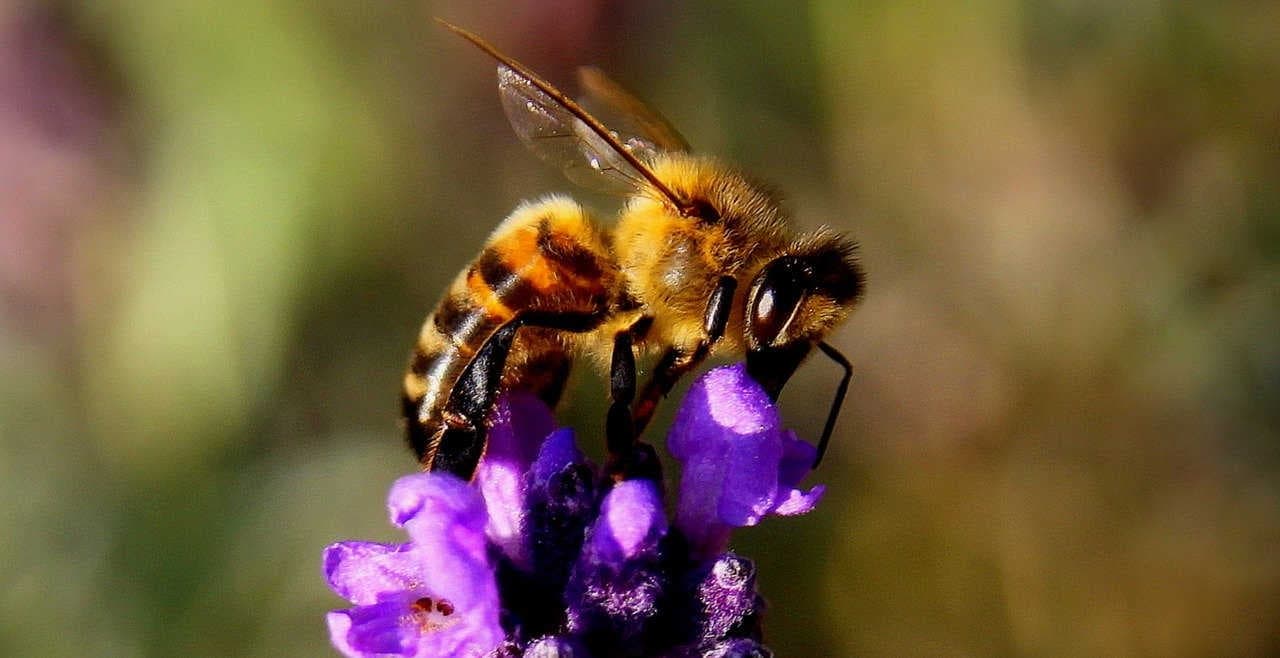
    Without the tireless work of bees, not only would we no longer have honey, but also most of the plant species on our planet. If bees disappeared, we would be the ones to pay the price. That is why we must recognise their value and commit ourselves to preserving their survival. This also implies a greater commitment to preserving the environment around us. If honey disappeared from our tables, so would everything else. If you, too, are interested in helping bees and supporting their work, discover the Adopt a beehive project and monitor the health of your bee colony from home!
    A time for reflection
    3Bee
    19/03/2018Of 3Bee, Elena Fraccaro
    248 Views
    Newsletter
    newsletter
    Subscribe to the Blog about bees and biodiversity