Greenwashing: What the New EU Directive Means for Businesses
    DefinitionImpactRegulationsPrincipi

    Greenwashing: What the New EU Directive Means for Businesses

    After lengthy negotiations with Member States, the European Union has adopted a Directive that will come into force at the end of 2026, aiming to standardize national regulations on greenwashing. Here’s what will change and the main impacts for businesses.

    Read the article
    08/10/2024Of 3Bee, Nicola Berardi
    288 Views
    08/10/2024Of 3Bee, Nicola Berardi
    288 Views

    What is greenwashing and why we talk about it

    Disclaimer: this is an automated translation from Italian. Go to the original article.

    Greenwashing is one of the most debated topics in recent years in the communication sector. The growth of public awareness on the subject of sustainability implies, in fact, an increase in the attention that consumers pay to the environmental impact of the products they intend to purchase. Companies thus find themselves having to respond to a new need of their customers: not only the characteristics and price of products, but also the need for an environmental impact that is as limited as possible. In such a context, being able to communicate that a product is sustainable can give a company a considerable competitive advantage. And it is in the wake of these principles that one finds greenwashing, which the European Commission defines as a form of misappropriation of environmental virtues aimed at creating a green corporate image.

    Greenwashing idea

    The impact of greenwashing on the market

    The objective of preventing the dissemination of incorrect or confusing environmental messages meets two main needs. On the one hand, it is intended to prevent a consumer's economic behaviour from being distorted to such an extent that it leads him or her to make commercial choices that would otherwise have been made in a different direction. In the presence of products with similar characteristics and prices, the rationality of the average consumer may lead him to opt for the one with the lowest environmental impact. However, if sustainability information is presented in a misleading manner, the customer risks making the wrong decision. In addition, such a situation causes damage to other companies - competitors of greenwashers - that behave lawfully and risk losing market share due to customers' mistaken trust in products advertised as having a low environmental impact.

    Greenwashing ESG
    XNatura

    How the EU Is Addressing Greenwashing

    The European Commission deemed it necessary to intervene with a legislative proposal after having carried out a general analysis of ecological claims made on hundreds of company websites and found that in 42% of the cases there was reason to believe that the claims were exaggerated or false, in 37% of the cases the claims were vague or general, and in 59% of the cases no easily accessible evidence was provided to support the claims. The regulatory strategy was based on two pillars: 1. the identification of the main illegal practices in the field of environmental sustainability reporting; 2. the provision of new obligations and responsibilities for companies wishing to disseminate environmental claims; and led to the approval of the so-called "Greenwashing Directive" and the discussion - still in progress - of the so-called "Green Claims Directive".

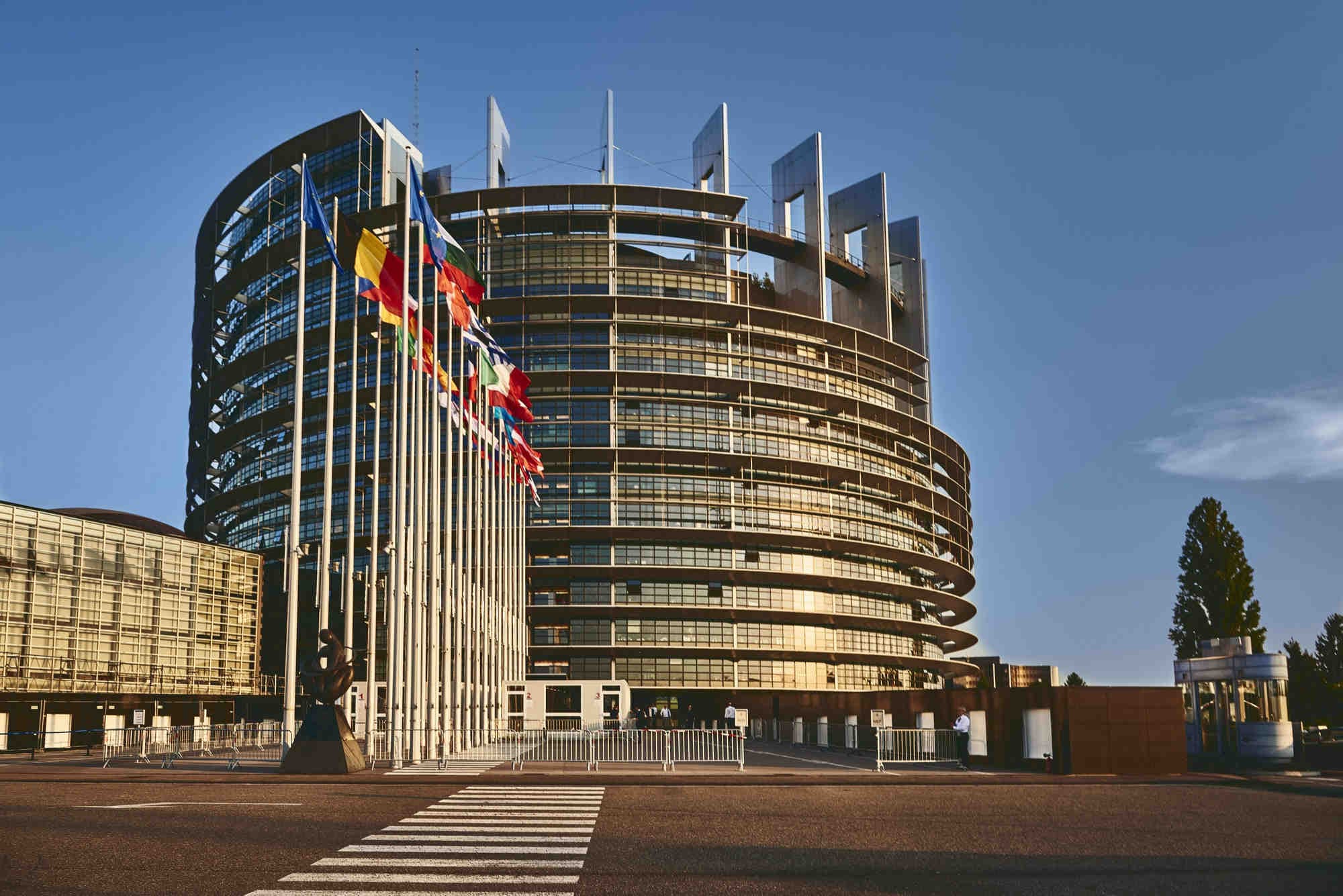
    Greenwashing Parlamento

    Core Elements of the EU Greenwashing Directive

    The EU Directive 2024/825 concerns the "empowerment of consumers for the green transition" and, already from the title, the principle emphasised by the European institutions is grasped: environmental sustainability also depends on greater awareness and it is therefore necessary that consumers are not misled about the characteristics of products and services. The Directive therefore affects the information that consumers must have in order to be able to make an informed choice and qualifies as misleading a commercial practice that could mislead about product properties such as composition, social characteristics, circularity and recyclability aspects. In keeping with this spirit, it is unlawful to make a claim about future environmental performance that does not present clear, objective, publicly available and verifiable commitments. In short, generic claims about environmental protection are outlawed.

    Greenwashing norme
    XNatura

    Greenwashing Practices Now Officially Illegal

    The Directive includes a list of particularly serious commercial practices that are considered unfair in any case. Among the main ones are the use of unreliable sustainability labels, the use of generic claims, making claims about a product as a whole when in fact they only concern one aspect, the presentation of legally imposed requirements as if they were a distinctive feature of the trader's offer, false claims about the durability of a good, the misrepresentation of a good as repairable, inducing the consumer to replace consumables earlier than necessary, and false information that the use of non-original spare parts may impair the functionality of a good. Interestingly, the legal text focuses on the whole life cycle of the product and does not only deal with the disposal phase, which is often - wrongly - the only one to be taken into account.

    Greenwashing eco
    3Bee

    Greenwashing Risks: How the Directive Changes the Game

    A directive aims to approximate the laws of the member states by binding them as to the result to be achieved but leaving discretion as to the actual implementation. Each country is therefore required to adopt its own legislation to make the contents of the Directive effective. In the case of the Greenwashing Directive, Member States will have to take action by 27 March 2026 in view of the final effectiveness of the rules scheduled for 27 September 2026. This does not mean that for the next two years, companies will not be at risk. The general rules already in place on consumer protection, commercial communication, misleading advertising and unfair competition are so elastic that they also cover cases of unlawful environmental claims. Already today, the dissemination of ambiguous or misleading environmental messages can expose companies to risks of litigation and potential penalties.

    08/10/2024Of 3Bee, Nicola Berardi
    288 Views
    Newsletter
    newsletter
    Subscribe to the Blog about bees and biodiversity